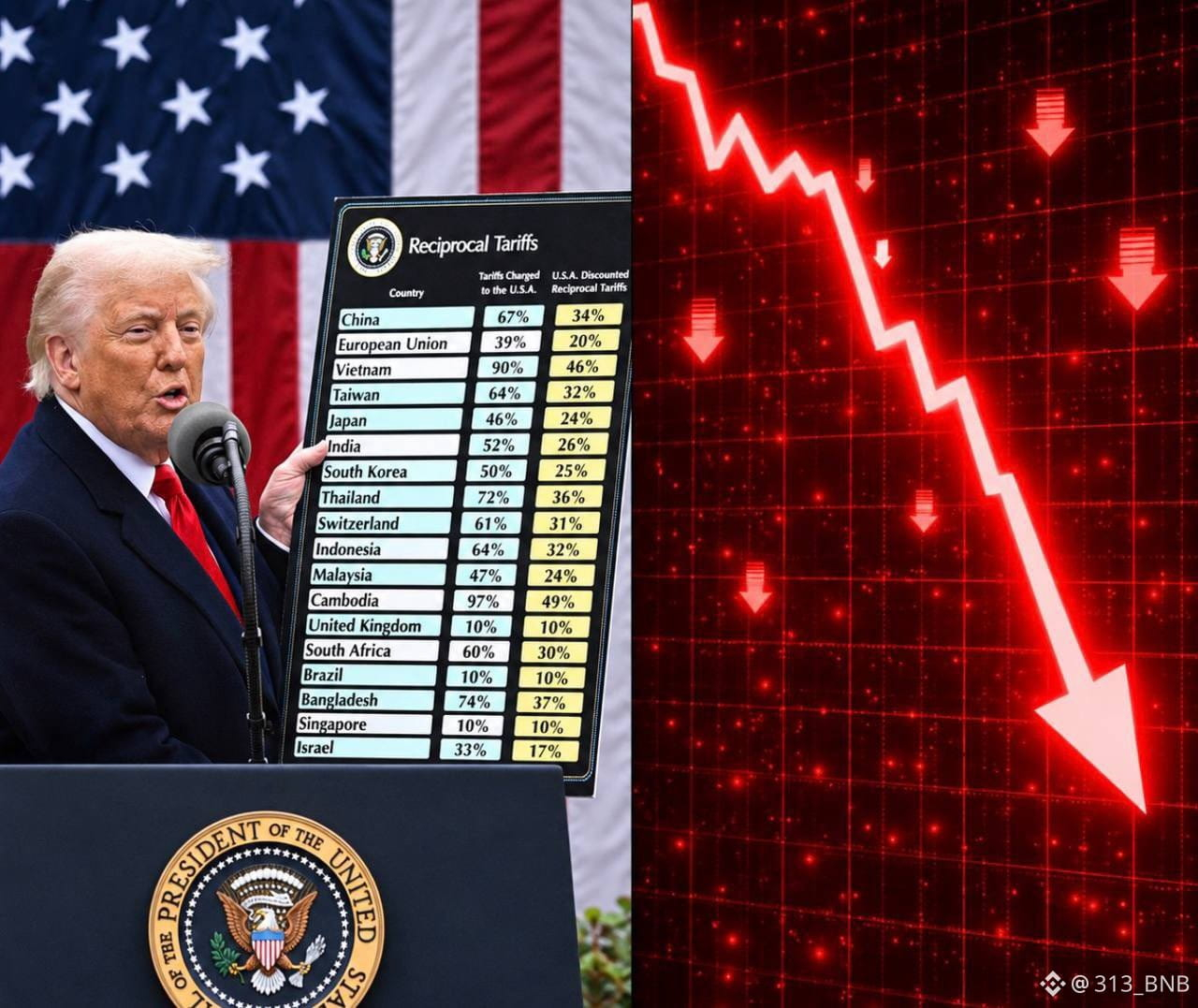
♥️ NEW US TARIFF PLANS COULD PUT GLOBAL MARKETS BACK UNDER PRESSURE
Trade policy is once again becoming a major factor for financial markets.
Reports suggest the Trump administration is considering additional tariffs on China and 15 other major economies, adding to the trade restrictions introduced in April 2025.
Why does this matter?
Higher import tariffs increase the cost of bringing foreign goods into the United States. Businesses may absorb some of these expenses, but many eventually pass a portion of the additional costs on to consumers.
That creates another potential inflation risk.
We have already seen inflation concerns intensify following the previous round of US tariffs, with CPI rising from 2.3% to 3%. If additional tariffs are implemented, markets could start pricing in renewed inflationary pressure.
However, there are several important factors to watch before assuming the worst.
The Supreme Court's treatment of Trump's previous tariff measures could influence the legal outlook for future restrictions. Congressional control and potential legislative challenges may also shape how much of the proposed policy can move forward.
What does this mean for crypto and financial markets?
More trade uncertainty can increase volatility across stocks, bonds, the dollar and cryptocurrencies. Bitcoin and altcoins may face short-term pressure if investors move toward safer assets.
But the final impact will depend on whether these tariffs actually become policy, their scope, and how markets respond.
For now, I would avoid making aggressive assumptions in either direction. The coming weeks could bring more volatility as investors assess the legal, economic and political developments.
The key question is: Will these tariff plans become a real inflation threat, or will legal and political challenges limit their impact?
I'm watching inflation expectations, Treasury yields, the dollar and Bitcoin's reaction closely.
$BTC $ETH $XRP
#Bitcoin #CryptoMarket #USMarkets #Inflation #Tariffs