Missing the Move in $ZEC
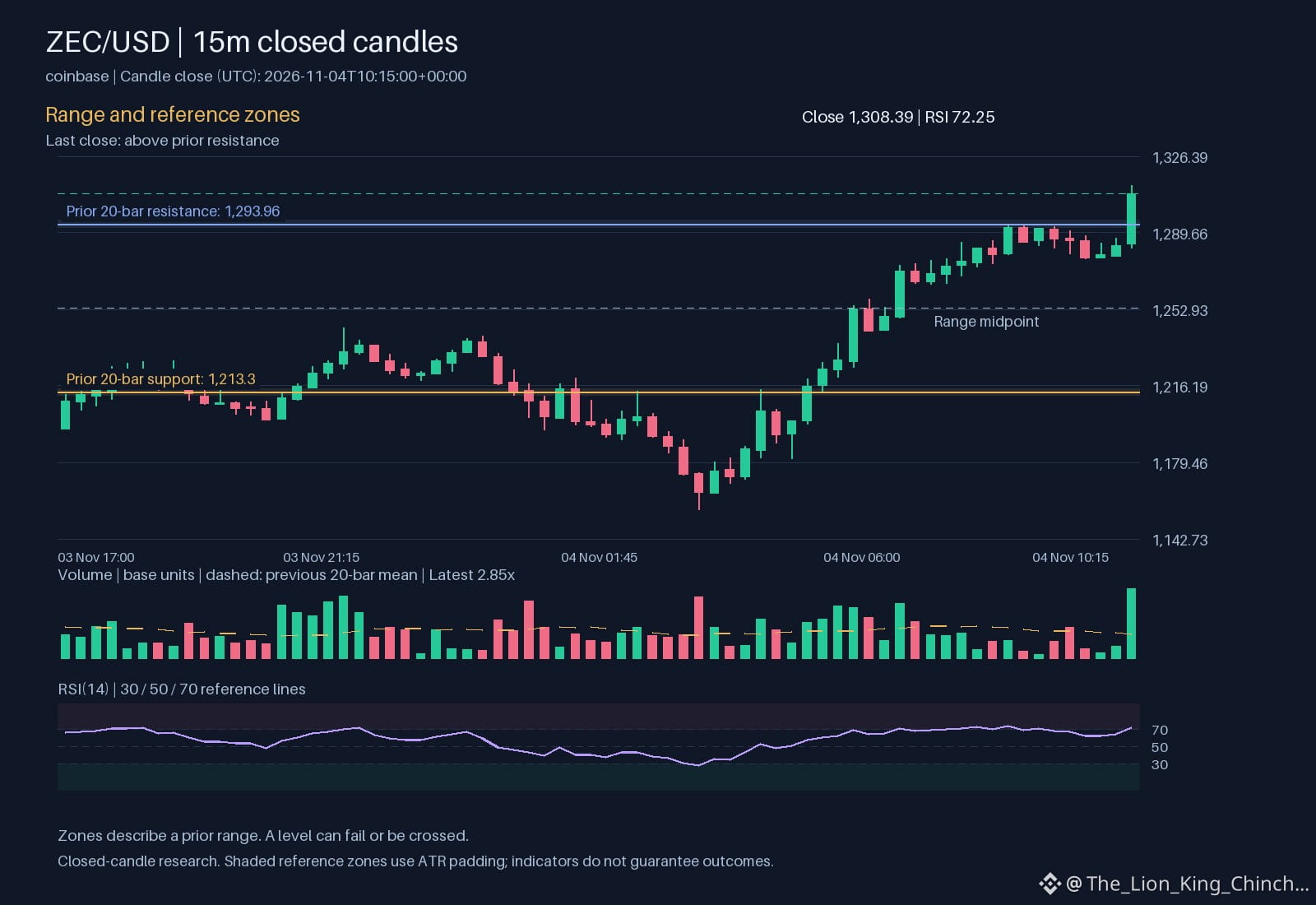
Missing a price move often triggers regret. This bias distorts how we interpret current data. When ZEC is above resistance and volume is above baseline, the action feels final. People may feel they missed the easy win. This emotion pushes them to chase entry at a worse price. They stop looking for confirmation or safety buffers. Anchoring to the starting point makes the current price feel expensive, even if trends are strong. Regret drives impulsive decisions rather than plan-based ones. The brain treats missed profit like a loss. This triggers loss aversion. Traders might double position sizes quickly to recover the perceived loss. This increases risk without adding new information. The market does not know you missed the move. It only responds to supply and demand. A concrete self-check helps break this loop. Ask yourself two questions. First, would I enter this trade if I were flat right now? If the answer is no, do not enter. If yes, proceed with your standard size. Second, what specific rule am I following? If the rule is 'buy because I missed up,' that is not a strategy. It is an emotional reaction. Separate the data from the feeling. Use the price level and volume context as neutral facts. Ignore the story of what you did not do. Focus on what the asset is doing now, not where it went. This prevents emotional trading from overriding sound process. Missed opportunities are not personal failures. They are normal parts of trading. Accepting this reduces the urge to force a trade. Stay patient. Let the next valid setup come on its own terms. Your consistency protects you better than revenge trading ever will. Check your entry logic against pre-set criteria before clicking buy.
Probabilistic market research, not a recommendation or guaranteed return.
Would you keep the same rule after missing a move?
#ZEC #TradingPsychology #CryptoLearning