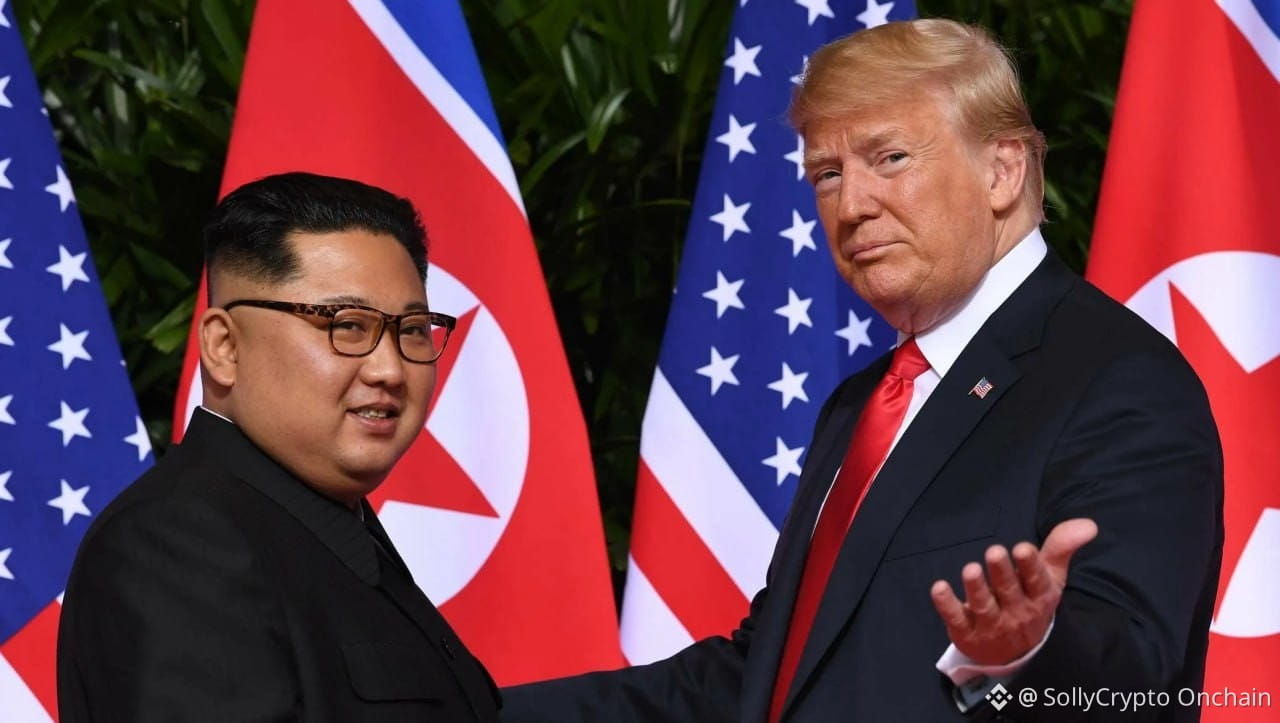
The FBI has urged DeFi platforms, including THORSWAP operators, RPC nodes, and other virtual asset services, to block transactions tied to the Binance hackers. Chainalysis had already flagged that the attackers were parking stablecoins in DeFi, including heavy use of Tron rails, to dodge freezes.
Why this happened
Once nation-state attribution is public, the next step is cutting the laundering map. Centralized freezes caught a big slice early. What remains tries to hide in swaps, bridges, and DeFi where controls are weaker. The FBI ask is basically: close those doors.
Why it matters
For the market, this is enforcement pressure on residual stolen float. If operators comply, more paths get blocked and recovery odds improve. For $BNB, that can support the coverage narrative. For $TRX and DeFi rails, it is mostly crime-flow attention, not clean organic demand. Important limit: urging blocks is not the same as every operator complying instantly.
How it can benefit you
If you want the hack overhang to shrink, broader blocking of laundering routes is constructive. Less room for the attacker to move size can calm exchange-risk premium over time.
How it can harm you
People buying $TRX or random DeFi names only because hackers touched those rails can get trapped. Crime logistics is not an investment thesis.
SollyCrypto opinion
Mild constructive lean for recovery / $BNB risk premium if blocks bite. Neutral-to-cautious on $TRX itself.
You treating this as recovery progress, or still waiting for full withdrawal normalcy?
Follow me, or you may not see the next one.
#FBIConfirmsNorthKoreaIsResponsibleForBinanceCryptoHack