

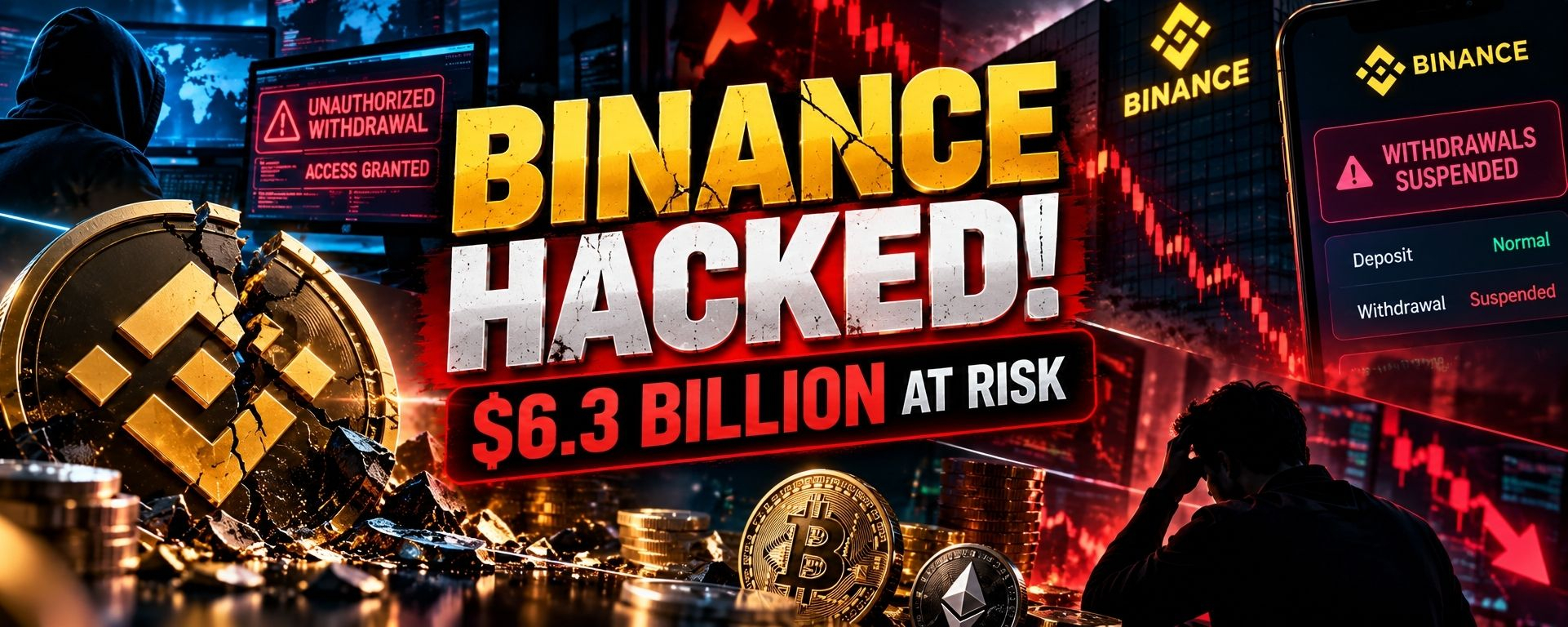

Imagin waking up one morning to discover that the world's largest cryptocurrency exchange has suffered one of the biggest security breaches in crypto history.
That's exactly what happened.
On October 29, 2026, Binance was hit by a massive security incident involving approximately $6.3 BILLION in affected assets. the incident sent shockwaves across the crypto market, raising serious questions about exchange security and the safety of digital assets.
But how did it happen? Were users' funds actually compromised? And what happens next?
Let's break it down.
━━━━━━━━━━━━━━━━━━
🔴 1. WHAT ACTUALLY HAPPENED?
According Binance's initial investigation, the attack may have started with a compromised laptop belonging to a DevOps engineer.
In simple terms, attackers potentially gained access to an employee's computer, which allowed them to penetrate internal infrastructure and access a service container.
From there, they managed to submit unauthorized withdrawal transactions.
However, Binance later discovered additional points of compromise. This suggests that it was a much more sophisticated, multi-stage attack rather than someone simply hacking one employee's laptop.
According to Reuters, bulk of the theft unfolded within approximately 20 minutes.
Blockchain analytics firms reported that the attackers targeted wallets across multiple blockchain networks.
Binance stated that it found no evidence of wallet private keys being leaked.
The full technical explanation is still pending.
💰 2. $6.3 BILLION GONE — BUT HOW MUCH HAS BEEN RECOVERED?
This is where things get interesting.
Binance initially estimated the total impact at approximately $6.3 billion.
Working with blockchain partners, the exchange has managed to freeze approximately $3 BILLION worth of affected assets on-chain.
Major stablecoin issuers, including Tether and Circle, helped freeze assets associated with the attack.
However, freezing assets isn't the same as recovering all stoln funds.
Some cryptocurrencies, including Bitcoin and Ether, cannot simply be frozen by a central issuer.
A significant portion therefore remains a recovery challenge.
🛡️ 3. BINANCE'S RESPONSE: WILL USERS LOSE THEIR MONEY?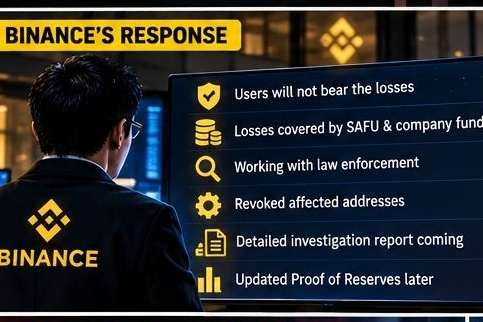
Binance has made several important commitments:
• It says users will not bear the losses arising from this incident.
• All losses will be covered through its SAFU fund and company resources.
• It has revoked authorizetion associated with the affected addresses.
• It is working with law enforcement and blockchain intelligence firms.
• It plans to publish a detailed technical post-mortem.
• An updated Proof of Reserves will follow after remediation.
Initially, Binance temporarily suspended deposits and withdrawals as a precaution.
According to its October 30 updates, deposits are operating normally again, while withdrawals remain temporarily suspended as security improvements are completed. Binance indicated that withdrawals could resume within approximately 48 hours, subject to further updates.
These are Binance's commitments and statements, not an independently completed verification of the entire incident.
🕵️ 4. WHO IS BEHIND THE ATTACK?
This is another interesting development.
Blockchain intelligence firms TRM Labs and Chainalysis have reportedly linked the attack to North Korean hacking operations.
The similarities with previous large-scale crypto thefts have raised suspicions.
However, Binance has not officially confirmed the attackers' identities.
Attribution should therefore be treated as an assessment by security researchers, not an established fact.
━━━━━━━━━━━━━━━━━━
📉 5. WHAT DOES THIS MEAN FOR CRYPTO? WHAT SHOULD TRADERS DO?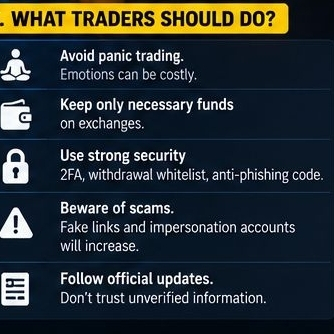
The immediate impact is already visible.
Bitcoin reportedly dropped below $77,000, while Ethereum also experienced significant selling pressure following th incident.
The bigger concern is confidence.
When an exchange as large as Binance suffers a breach of this scale, investors naturally start questioning the security of centralized exchanges.
Here's what traders should consider:
1. Avoid panic trading. Volatility can create opportunities, but emotional decisions can be expensive.
2. Reduce unnecessary exposure. Don't keep more funds on exchanges than you actually need for trading.
3. Enable strong security. Use passkeys or authenticator-based 2FA, withdrawal address whitelisting and anti-phishing codes.
4. Beware of scams. Fake Binance recovery links and impersonation accounts often appear after major security incidents.
5. Follow official updates. Don't trust random screenshots or unverified claims.
━━━━━━━━━━━━━━━━━━
🔥 THE BIGGER QUESTION: CAN CRYPTO RECOVER FROM THIS?
There is an important lesson here.
Crypto was built around decentralization, transparency and financial independence. Yet, millions of traders still depend heavily on centralized platforms to store and trade their assets.
This incident exposes the risks of that dependence.
Binance's response, its ability to cover losses and the transparency of its investigation will be important in determining how quickly confidence returns.
One thing is certain: this incident will be remembered as a major test of crypto exchange security.
The question now isn't just how much money was stolen.
It's whether the industry will learn from it.
What do you think? Is keeping crypto on centralized exchanges still worth the convenience, or is self-custody becoming more important than ever?
👇 Let's discuss.
#Binance #Binancehacked #CryptoSecurity #USMidtermElections #CryptoNews
DISCLAIMER: This article is for informational purposes only, not financial advice. Always DYOR before making investment or trading decisions.