Why the Fed Must Balance Inflation Against Economic Growth
The Federal Reserve faces a difficult decision how to control inflation without unnecessarily slowing the U.S. economy.
Kevin Warsh’s reported remarks highlight this challenge. Although elevated inflation can justify tighter monetary policy, uncertainty over future interest-rate decisions means investors should avoid assuming that another rate hike is inevitable.
Higher interest rates increase borrowing costs for households and businesses. This can reduce consumer spending, slow investment and ease demand-driven inflation.
However excessive tightening can also weaken economic activity and increase recession risks.
Geopolitical conflicts create another complication. When they disrupt energy supplies or commodity markets, prices can rise even when consumer demand is not the primary cause.
Higher interest rates cannot directly resolve these supply-side disruptions.
What should investors watch?
Three indicators matter:
- Inflation: Whether price increases are slowing sustainably.
- Employment: Whether the labor market remains resilient or begins to weaken.
- Fed guidance: Whether policymakers signal that rates may rise, fall or remain unchanged.
The Fed must weigh price stability against employment and economic growth.
Its decisions depend on incoming data, the sources of inflation and the broader economic outlook for investors understanding these factors provides a stronger framework for interpreting monetary policy than reacting to interest-rate headlines alone.
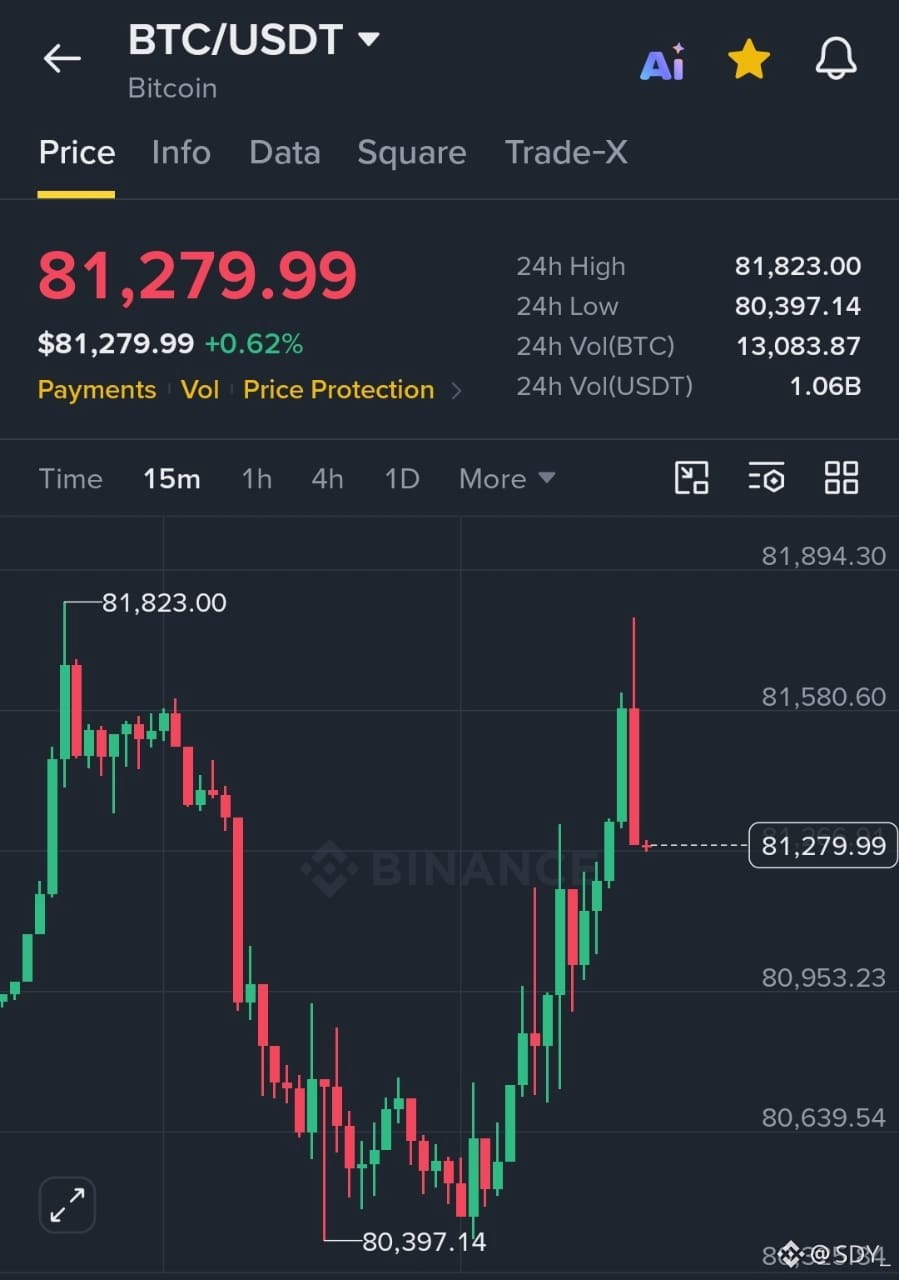
$BTC
#FedWatch