

From a struggling NFT project to a mainstream consumer powerhouse, Pudgy Penguins has completely rewritten the playbook for Web3 brands. While many digital collectible projects faded during market downturns, this ecosystem managed to flip the script, proving that real-world utility and smart IP distribution are the keys to long-term Web3 success.
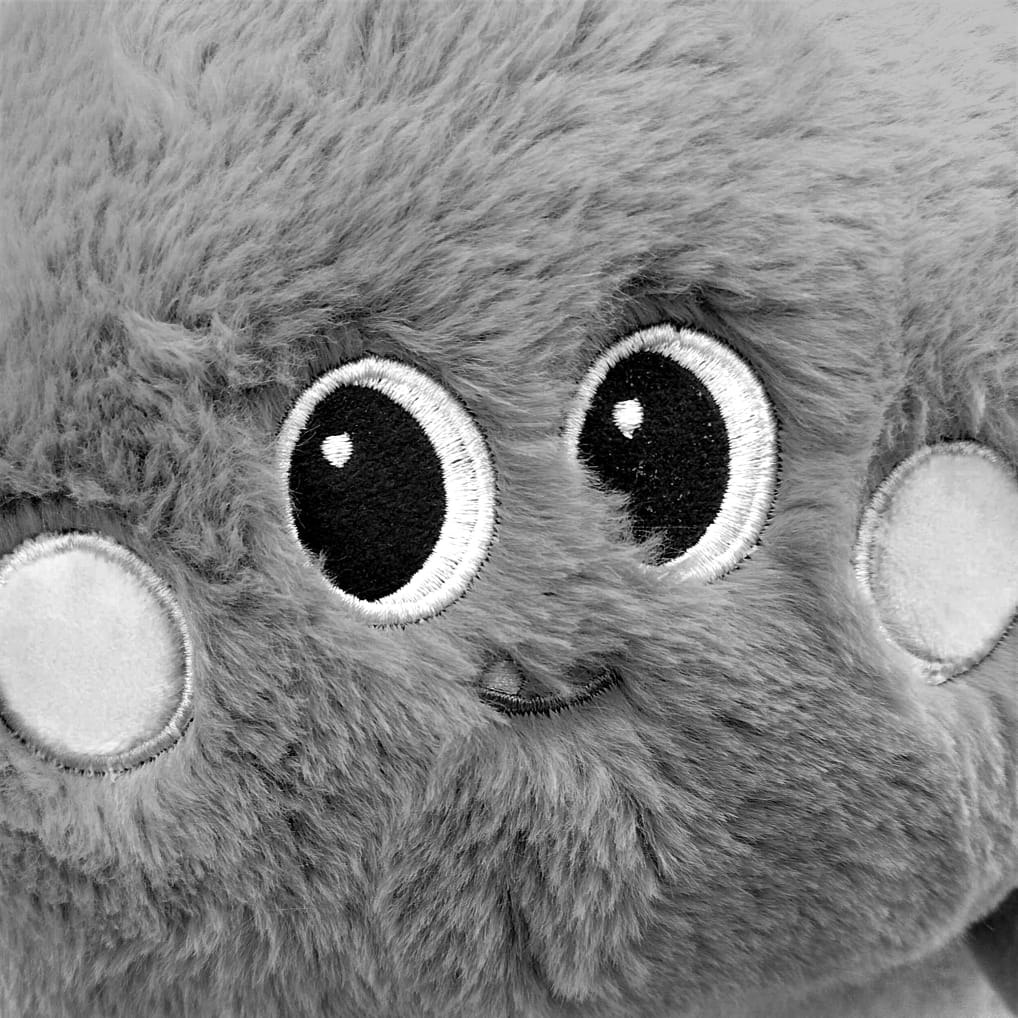
Under the leadership of CEO Luca Netz, Pudgy Penguins shifted focus from speculative digital art to building a global consumer brand. The primary driver of this turnaround was the launch of Pudgy Toys. By placing physical plushies and collectibles in major global retailers like Walmart, Target, and Amazon, the brand successfully introduced millions of mainstream consumers to its ecosystem. Each physical toy comes with a QR code that unlocks digital assets in their online portal, seamlessly onboarding Web2 users into Web3 without technical friction.
What makes this model even more compelling for holders is the approach to IP licensing. Through platforms like OverpassIP, NFT owners can license their specific digital assets to be featured on physical merchandise, storybooks, and games. This creates a revenue-sharing model where holders directly benefit from the expansion of the brand, aligning incentives in a way traditional entertainment companies cannot match.
Looking ahead, the team behind Pudgy Penguins, Igloo Inc., is scaling its infrastructure through Abstract Chain. Designed as a Layer-2 blockchain focused on consumer crypto, Abstract aims to power culture, gaming, and social applications with seamless user experiences.
The evolution of Pudgy Penguins signals a fundamental shift in the NFT market. Pure speculation is being replaced by real-world distribution, physical retail presence, and sustainable business models. As Web3 adoption accelerates, projects that bridge digital ownership with tangible consumer products will likely set the benchmark for the next cycle.
Do you think physical retail products are the ultimate gateway to bringing the next billion users into crypto?
#PudgyPenguins #NFTs #Web3