


Binance charges a fixed fee for each crypto withdrawal, and the amount depends on the coin and the network you choose, not on how much you send. Withdrawing USDT on BNB Smart Chain can cost a few cents, while Ethereum is usually far more expensive. Fiat withdrawals have their own fee per currency and method, and Binance always shows the fee before you confirm.
👉 New to Binance? Sign up on Binance with a bonus and 20% lower Spot trading fees.
How do Binance crypto withdrawal fees work?
The fee is a flat amount per withdrawal, charged in the coin you withdraw. It covers the network cost of sending the transaction.
Coin and network: each network has its own fee, so the same coin can cost very different amounts to send.
Not a percentage: sending 50 USDT or 5,000 USDT on the same network costs the same fee.
Changes over time: fees are adjusted when network conditions change, so check the amount on the withdrawal screen.
Internal transfers to another Binance user (by email, phone or Binance ID) don't go on-chain, so they don't carry a network fee.
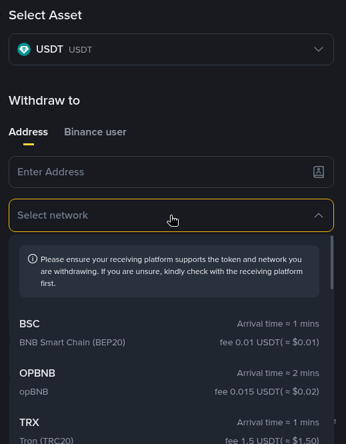
When you withdraw USDT, each network shows its fee and arrival time. BNB Smart Chain and opBNB cost cents, while Tron costs more.
Which network is cheapest for withdrawing USDT?
Usually BNB Smart Chain (BEP20) or opBNB, with fees of around 0.01 to 0.015 USDT as of October 2026. Tron (TRC20) costs about 1.5 USDT, and Ethereum (ERC20) is typically the most expensive.
Check the receiving side first: the wallet or exchange you send to must support that exact network.
Pick the cheapest supported network in the network list.
Review the fee and the amount you'll receive before confirming.
Choosing a network the receiver doesn't support can mean lost funds, so never pick a network on price alone.
How much does it cost to withdraw fiat from Binance?
It depends on the currency and the method. As of October 2026, Binance lists 1 EUR for SEPA Instant and 35 EUR for SWIFT, while some methods such as Instant Transfer or PIX in BRL show a 0 fee.
Bank transfers in your local currency are usually cheaper than international SWIFT transfers.
Your own bank may charge a separate incoming fee.
Selling on P2P has no Binance fee for the taker, but compare the price with the market rate.
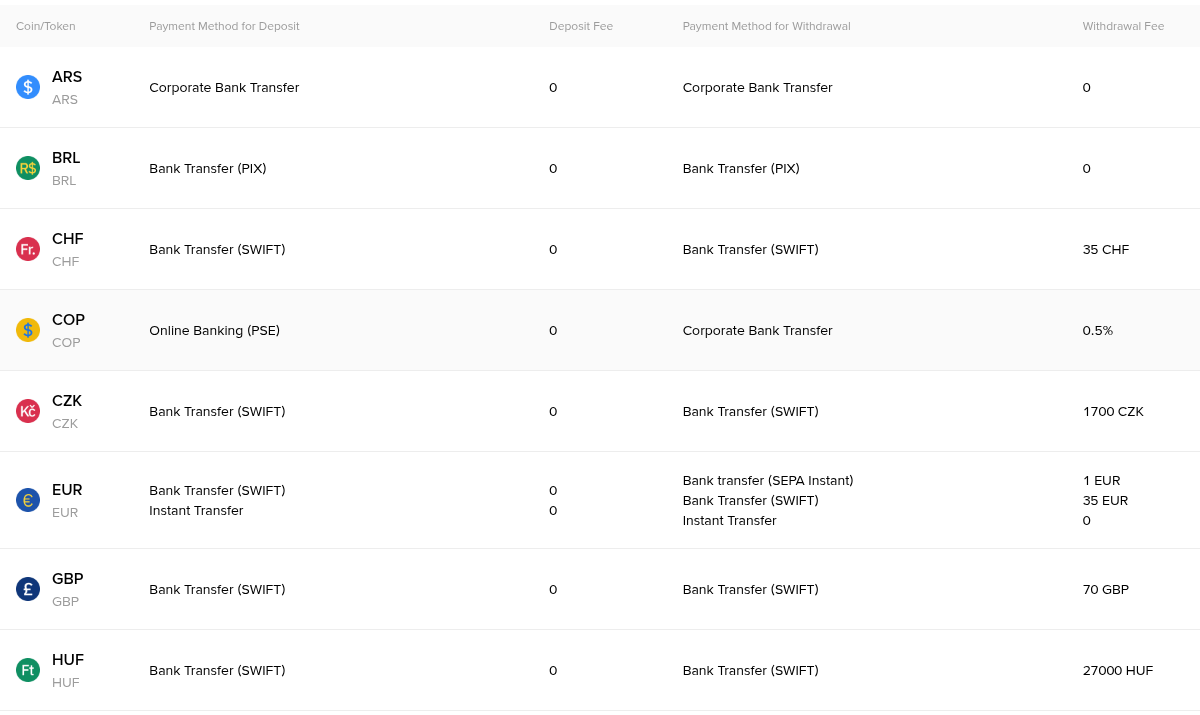
Binance's fiat fee table lists the withdrawal fee for each currency and method, from 0 for some local transfers to 35 EUR for SWIFT.
How can you pay less when cashing out?
A few simple habits keep withdrawal costs low.
Withdraw less often, in larger amounts, since the fee is flat.
Use a low-fee network that your receiving wallet supports.
Send to other Binance users internally when you can.
Prefer local bank transfer methods over SWIFT for fiat.
What about trading fees before you withdraw?
Trading fees often add up to more than withdrawals, because you pay them on every buy and sell. The regular Spot fee is 0.1% for both maker and taker, and paying fees with BNB lowers it.
If you're opening a new account, you can register with code THEBESTCODE to get 20% off Spot trading fees. The welcome bonus of up to $19,800 for eligible users is a separate, task-based extra.
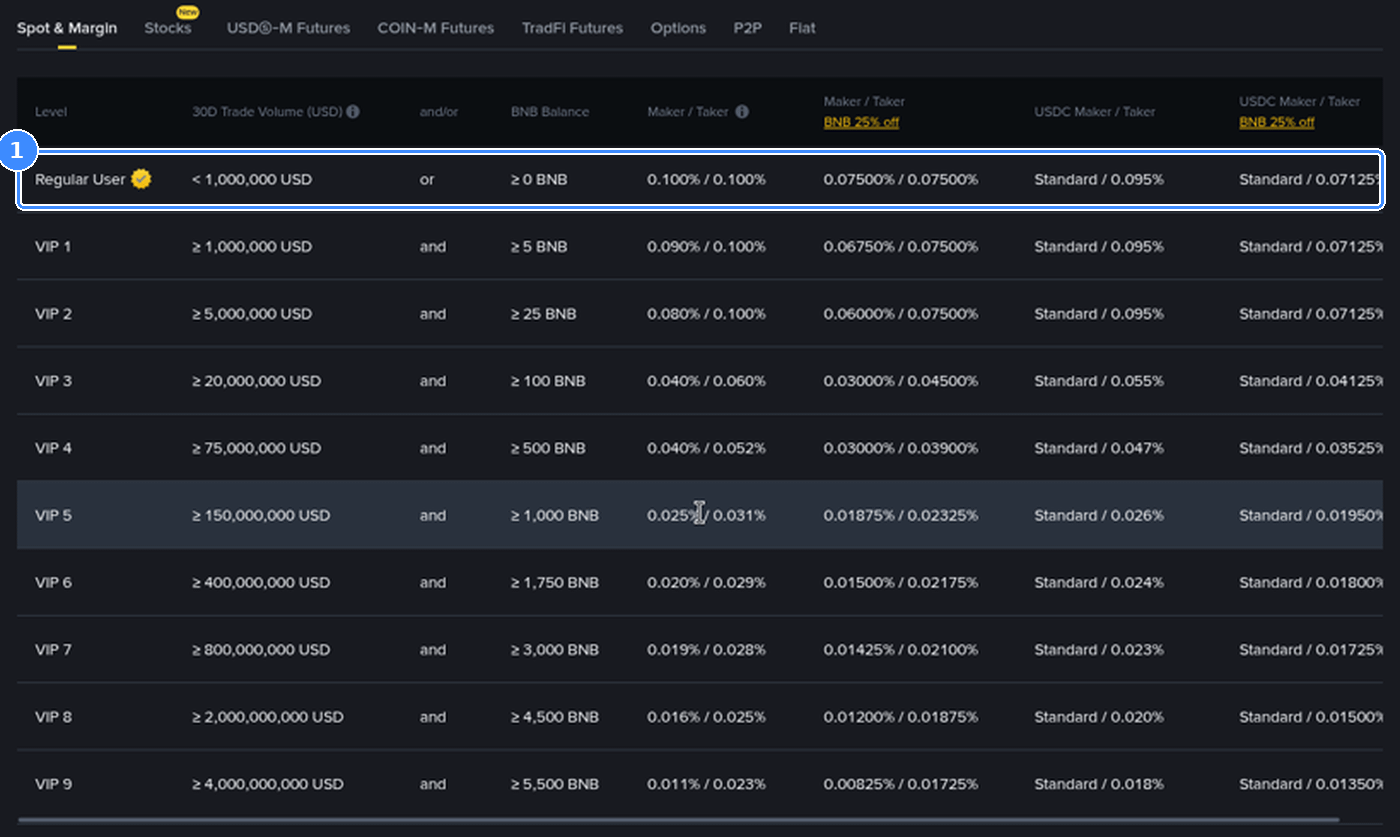
The Spot fee schedule starts at 0.1% maker and taker for regular users, with lower rates when fees are paid in BNB.
FAQ
Does Binance charge a percentage on withdrawals?
No, crypto withdrawals carry a fixed fee per coin and network. A few fiat methods use a percentage.
Why is my withdrawal fee higher than last week?
Binance adjusts fees when network costs change, especially on busy networks like Ethereum.
Is there a minimum withdrawal amount?
Yes. Each coin and network has a minimum, shown on the withdrawal screen next to the fee.
Are transfers between Binance users free?
Yes, internal transfers to another Binance account don't carry a network fee.
Start with lower costs
Ready to trade? Create your Binance account here, pick low-fee networks and keep more of what you withdraw.
Disclosure: THEBESTCODE is my referral code. If you use it, I may earn a commission from Binance at no extra cost to you. This is not financial advice.