

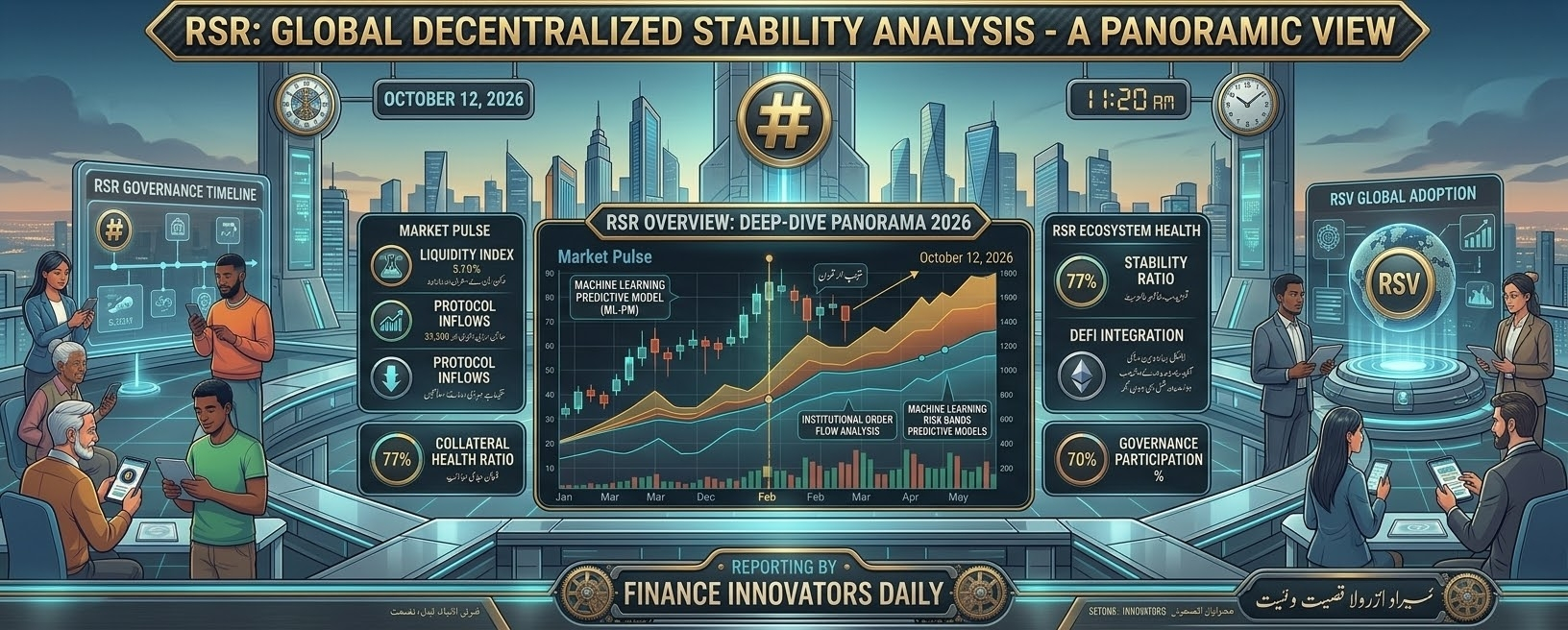

$RSR Crypto Analysis: Can Reserve Rights Build Long-Term Value in 2026?
The cryptocurrency market is constantly evolving, and one project worth understanding is Reserve Rights (RSR). Rather than focusing only on short-term price movements, it is important to understand what the project does, how its token works, and what could influence its future.
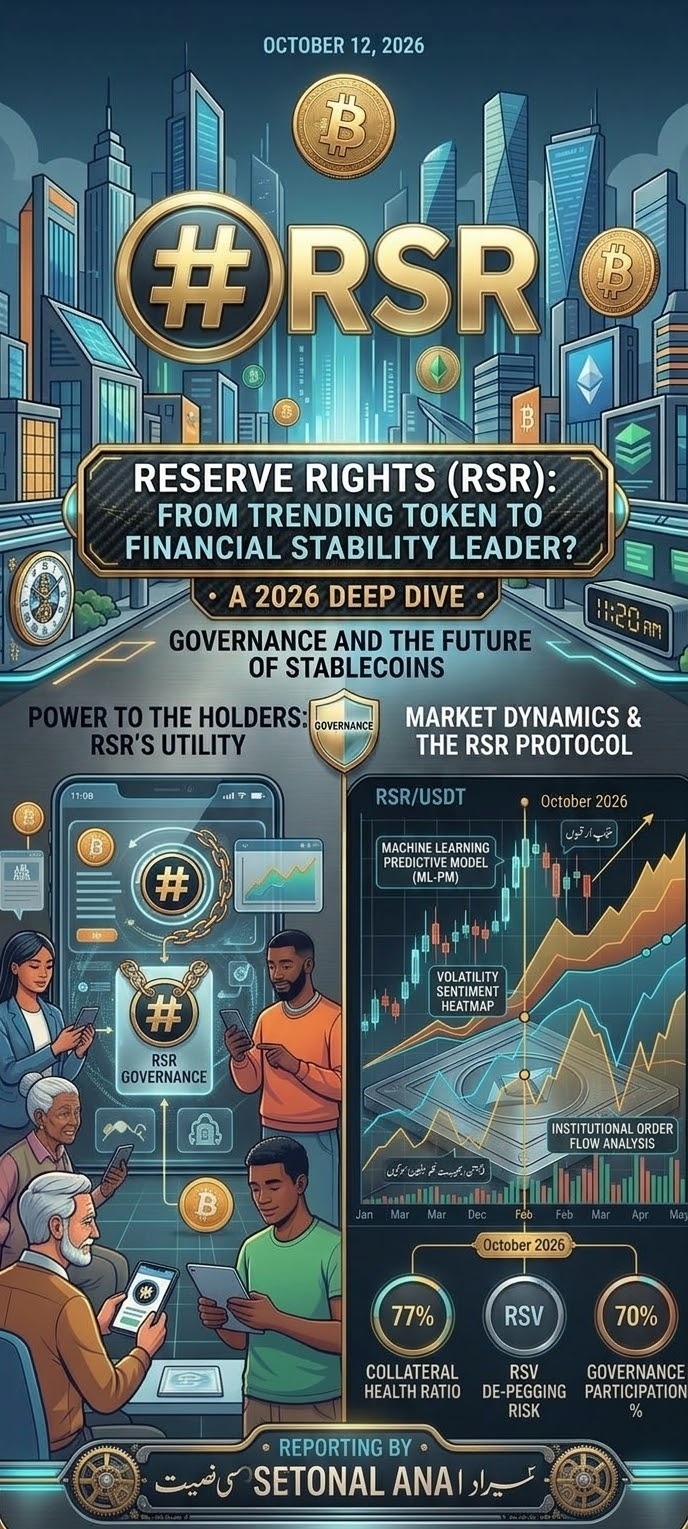
What Is Reserve Rights (RSR)?
Reserve Rights is the utility and governance token associated with the Reserve Protocol. The project aims to support a decentralized ecosystem of digital assets, including tokenized baskets of assets known as Decentralized Token Folios (DTFs).
RSR plays an important role in this ecosystem by allowing holders to participate in governance and provide additional collateral protection for certain products.
Why Does $RSR Matter?
One interesting aspect of RSR is that its role extends beyond simply being a tradable cryptocurrency.
1. Governance and Community Participation
RSR can be used to participate in decisions affecting supported products within the Reserve ecosystem. This gives token holders a role in how certain parameters, asset baskets, and protocol upgrades are managed.
2. Staking and Risk Management
RSR holders can stake their tokens on eligible yield products. In return, they may receive a share of revenue, depending on the product's rules and performance. However, staking carries risk: some or all of the staked tokens may be used to cover losses if collateral assets fail.
3. Token-Burning Mechanism
Reserve's Index Protocol uses a portion of applicable fees to purchase RSR on the market and permanently burn those tokens. If ecosystem usage grows, this mechanism could contribute to reduced token supply. However, the actual effect depends on adoption, fees, and other supply changes.
What Could Influence $RSR 's Future?
Several factors deserve attention when evaluating the project's prospects:
- Ecosystem growth: More useful products and sustained adoption could strengthen the protocol's fundamentals.
- Real usage and revenue: Actual activity and fee generation are more meaningful than social-media hype alone.
- Token supply: Circulating supply, scheduled emissions, and token unlocks can influence market dynamics.
- Market conditions: Bitcoin's direction, liquidity, and overall investor sentiment can affect RSR's price.
- Development and governance: Continued improvements, transparent decisions, and reliable execution may influence long-term confidence.
These are factors to monitor, not guarantees of future performance.
What Are the Main Risks?
RSR remains a volatile digital asset. Its price can rise or fall sharply, and a promising project does not automatically make its token a successful investment.
Competition, limited adoption, changing market conditions, smart-contract vulnerabilities, collateral failures, and token-supply changes are all important risks. Staking rewards, where available, should never be confused with guaranteed profit.
My Fundamental View
In my view, the most useful way to evaluate RSR is to look beyond its daily price chart. Its governance functions, staking mechanisms, and fee-related token burns provide concrete features to investigate. The bigger question is whether the Reserve ecosystem can attract lasting usage and generate meaningful activity over time.
RSR may be worth following as a cryptocurrency research topic, but its long-term outlook depends on execution, adoption, token economics, and broader market conditions. No one can reliably guarantee its next price movement
RSR is a project to understand, not a token to buy blindly. Before forming an opinion, examine the latest project updates, circulating supply, trading volume, and market structure. Independent research is more valuable than following hype or relying on price predictions.
Disclaimer: This article is for educational purposes only and is not financial advice. Cryptocurrency markets involve substantial risk, and past performance does not guarantee future results.