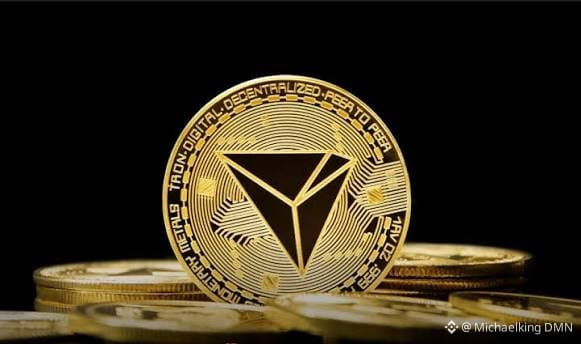
𝗧𝗥𝗢𝗡 𝗜𝗦 𝗕𝗘𝗖𝗢𝗠𝗜𝗡𝗚 𝗢𝗡𝗘 𝗢𝗙 𝗧𝗛𝗘 𝗣𝗟𝗔𝗖𝗘𝗦 𝗪𝗛𝗘𝗥𝗘 𝗗𝗜𝗚𝗜𝗧𝗔𝗟 𝗗𝗢𝗟𝗟𝗔𝗥𝗦 𝗔𝗖𝗧𝗨𝗔𝗟𝗟𝗬 𝗠𝗢𝗩𝗘.
The significance of TRON’s stablecoin activity is not just the amount of USDT on the network.
It is the number of financial workflows that can connect to that liquidity.
A user can send it.
A merchant can receive it.
A payment processor can settle with it.
A DeFi protocol can use it.
A cross-chain system can move it.
The same settlement asset can therefore travel through multiple layers of the digital economy.
That is what turns blockchain infrastructure into financial infrastructure.
The network provides the rails.
Stablecoins provide the unit of value.
Applications provide the utility.
@TRON DAO
@justinsuntron
#TRONEcoStar
The significance of TRON’s stablecoin activity is not just the amount of USDT on the network.
It is the number of financial workflows that can connect to that liquidity.
A user can send it.
A merchant can receive it.
A payment processor can settle with it.
A DeFi protocol can use it.
A cross-chain system can move it.
The same settlement asset can therefore travel through multiple layers of the digital economy.
That is what turns blockchain infrastructure into financial infrastructure.
The network provides the rails.
Stablecoins provide the unit of value.
Applications provide the utility.
@TRON DAO
@justinsuntron
#TRONEcoStar