

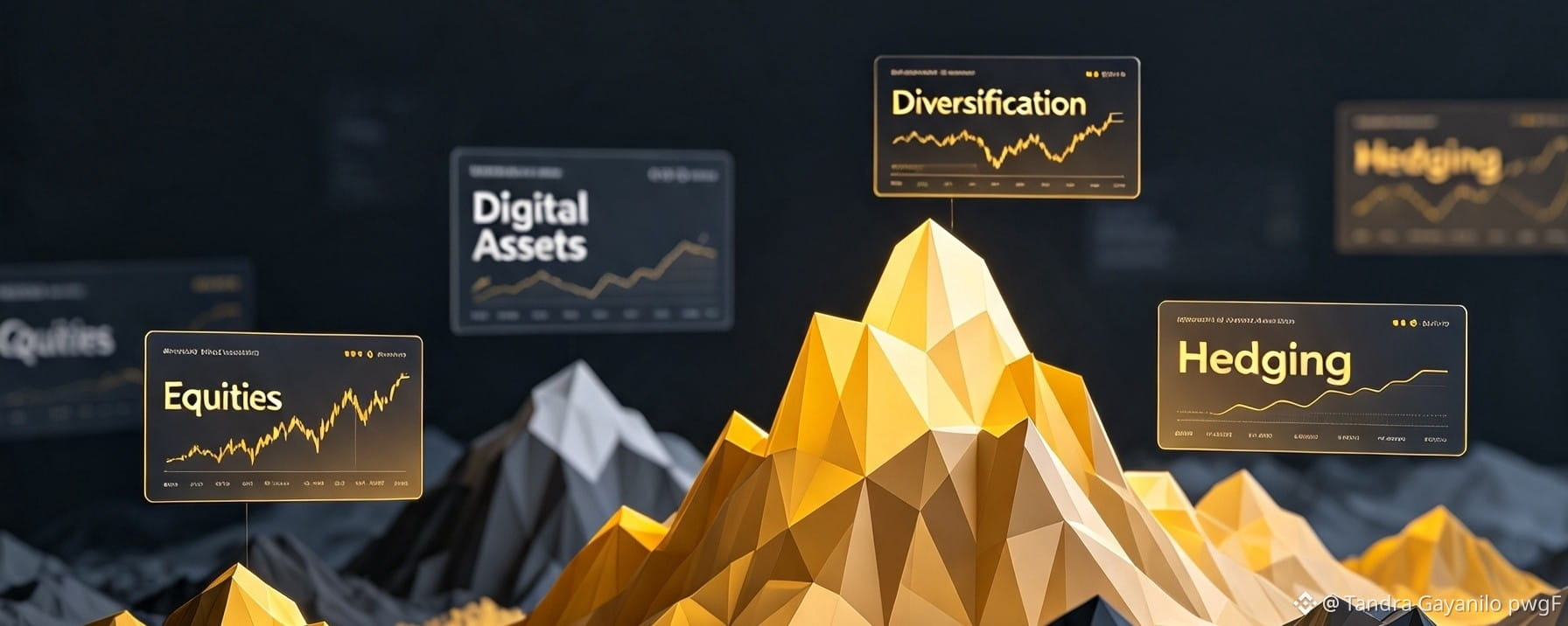

In the modern financial landscape, capital allocation strategies have evolved far beyond conventional boundaries. Today, individual traders and institutional entities are no longer restricted to traditional stock exchanges. The rise of distributed ledger technology and hybrid platforms like Binance has created an interconnected trading environment where digital assets and equity-linked instruments exist side by side.
To navigate this multi-asset environment efficiently, investors must understand the unique mechanics, risk parameters, and valuation frameworks that define each market segment.
Understanding the Fundamental Valuation Drivers 🔍🧭
Evaluating financial assets requires a structured approach to identifying what truly creates underlying value across different asset classes.
Traditional Equity Valuations 🏢: Corporate stocks represent legal ownership in registered public companies. Their market value is fundamentally anchored in corporate financial metrics—such as quarterly earnings reports, net operating income, debt-to-equity ratios, dividend payouts, and industry growth prospects. Furthermore, central bank interest rates and broader macroeconomic conditions play a critical role in determining traditional equity performance.
Digital Asset Valuations 🪙: Cryptocurrencies and decentralized infrastructure tokens function on entirely different market dynamics. Their intrinsic value stems from network utility, developer activity, total value locked (TVL), token supply economics (such as halving events or burn protocols), and market liquidity cycles. While fundamental utility drives long-term adoption, short-term price discovery in crypto is heavily influenced by narrative trends and global sentiment shifts.
Operational Mechanics and Liquidity Frameworks 🕒⚡
Beyond valuation, the practical execution of trades differs significantly between traditional capital markets and digital asset environments:
1. Market Hours and Trading Accessibility ⏰: Standard stock markets operate within fixed schedule windows (typically 9:30 AM to 4:00 PM in local exchange time zones) and remain closed during weekends and official holidays. Conversely, digital asset platforms function 24/7/365, allowing market participants to execute trades and rebalance portfolios continuously without market pauses.
2. Settlement Timelines and Efficiency 🔄: Conventional stock transactions historically operate on deferred clearing schedules (such as T+1 settlement windows), requiring intermediary clearinghouses. Tokenized market assets and crypto transactions settle near-instantly directly on blockchain rails or internal exchange ledgers.
3. Volatility Profiles and Risk Exposure 📉📈: Crypto markets display higher intraday volatility, presenting significant upside opportunities along with elevated downside risk. Traditional equities generally present lower baseline volatility, though individual growth stocks or earnings release dates can still experience substantial price swings.
Risk Management Protocols for Multi-Asset Portfolios 🛡️📊
Managing risk effectively across diverse financial assets requires discipline and structured execution:
Separate Fundamental Utility from Market Hype 🧠: Never confuse social media sentiment with genuine asset value. Conduct independent fundamental research into company balance sheets or crypto protocol whitepapers before allocating capital.
Leverage Fractional Equity Access 🧩: Modern financial solutions like bStocks enable users to acquire fractional shares of top-tier global corporations directly using stablecoins (USDT/USDC). This capability allows investors to build exposure to institutional assets without over-committing large capital reserves.
Maintain Strict Portfolio Hedging ⚖️: Avoid over-concentrating funds in a single asset class or over-leveraging open positions. Establish clear stop-loss limits and maintain a designated risk budget for volatile market cycles.
Constructing a Hybrid Investment Approach 🌐🚀
Rather than viewing stock trading and digital asset trading as opposing methodologies, sophisticated market participants treat them as complementary elements of a comprehensive wealth strategy. By combining the growth potential of crypto assets with the fundamental stability of traditional global equities via bStocks, investors can optimize their risk-adjusted returns within a single ecosystem.