

AI is no longer just a story about chatbots.
The real question for investors now is: if AI demand keeps expanding, which part of the AI economy benefits next — and how long can this cycle continue?
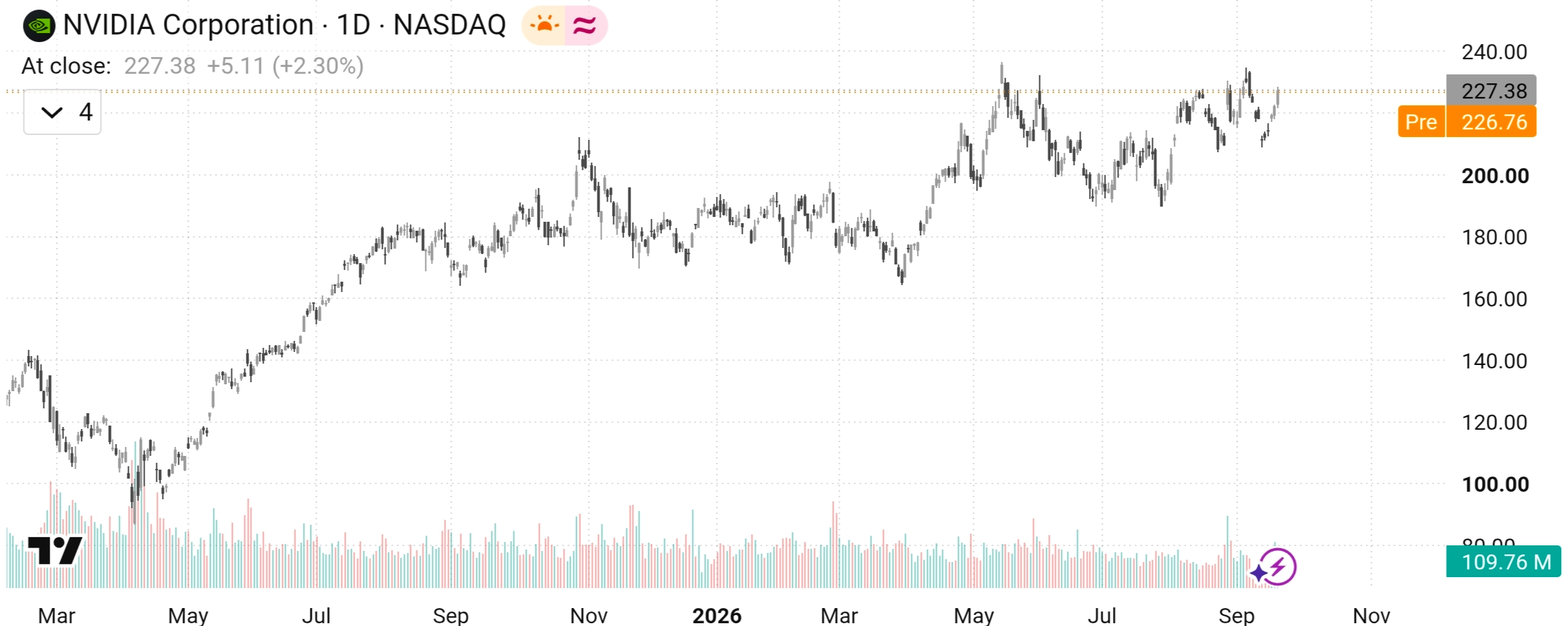
NVIDIA just reported $96.2 billion in quarterly revenue, up 106% year over year, while its Data Center business reached $89 billion, up 117%. NVIDIA’s latest outlook calls for another roughly $108 billion quarter.
And the market is still responding.
On September 21, AMD briefly crossed the $1 trillion market-cap milestone as its shares reached a record $613.31. Reuters reported AMD’s stock had risen about 185% in 2026 at that point.
So is AI demand real?
The revenue numbers suggest that demand is very real.
But that does not automatically mean every AI stock can continue rising at the same speed.
AI infrastructure requires enormous amounts of GPUs, memory, networking, electricity, cooling, data-center capacity and capital. NVIDIA itself has disclosed hundreds of billions of dollars in supply and capacity commitments while highlighting infrastructure constraints that could affect future deployments.
That leads to a bigger question:
What comes after the obvious AI winners?
Instead of looking only at the biggest AI names, investors may increasingly look toward the wider AI infrastructure stack — compute, memory, networking, power, cooling and data centers.
If AI adoption continues accelerating, these areas could become increasingly important.
But expectations are already extremely high.
My view: I am bullish on the long-term AI theme, but cautious about blindly chasing every AI stock after a major rally.
The bigger opportunity may not simply be asking which AI stock goes up next.
It may be asking what the AI industry needs more of if AI adoption keeps accelerating.
$NVDA.US
$AMD.US