16年間、ビットコインはただ一つのことをしていました――そこに座り続けることです。2026年、それは正式に変わりました。
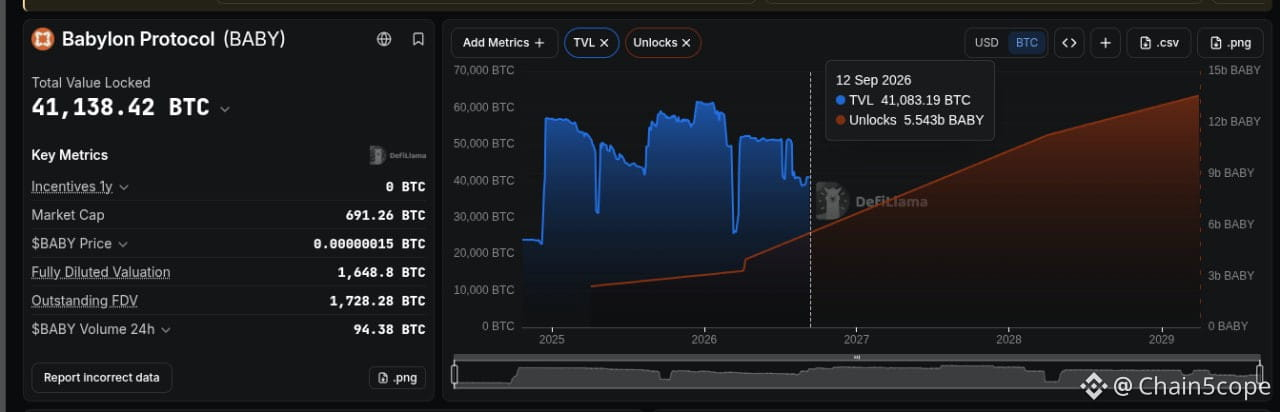
Babylon Protocolは現在、ビットコイン・ネットワーク上にネイティブのタイムロックを使って直接ロックされたTVL(総資産預かり額)50億ドル(およそ 56,853 $BTC )を保有しています。ブリッジは不要です。このセキュリティはそのまま、実際の経済的裏付けを必要とする、CosmosベースのPoSチェーン、ロールアップ、データ可用性レイヤーへ輸出されます。BabylonはすでにAaveと統合されており、BTC担保の融資を実現しています。さらに、Lombardのようなプロトコルは、流動性レシート――LBTC――を発行し、2023年にstETHが、ステーキングされた $ETH in に対して行ったのとまったく同じことを、BTCホルダー向けに提供しています。つまり、ロックされた動かない資産ではなく、流動的で取引可能な「ポジションの証明」を渡すのです。Pell NetworkとBounceBitは、オムニチェーンおよびラッパー層をその上に構築し、同じ資本を一度に複数のエコシステムへ広げています。
これは、3年前にイーサリアムの眠っていた資本をDeFiのベース担保レイヤーへと変えたのと同じ実行手順です。今では、その規模の10倍の資産上で動いています。ビットコイン・マキシマリストたちは10年かけて、BTCはただ保有すべきだと主張してきました。では、数十億BTCが実際に利回りを生み出し始めたら、その主張はどうなるのでしょうか? #LiquidStaking
Babylon Protocolは現在、ビットコイン・ネットワーク上にネイティブのタイムロックを使って直接ロックされたTVL(総資産預かり額)50億ドル(およそ 56,853 $BTC )を保有しています。ブリッジは不要です。このセキュリティはそのまま、実際の経済的裏付けを必要とする、CosmosベースのPoSチェーン、ロールアップ、データ可用性レイヤーへ輸出されます。BabylonはすでにAaveと統合されており、BTC担保の融資を実現しています。さらに、Lombardのようなプロトコルは、流動性レシート――LBTC――を発行し、2023年にstETHが、ステーキングされた $ETH in に対して行ったのとまったく同じことを、BTCホルダー向けに提供しています。つまり、ロックされた動かない資産ではなく、流動的で取引可能な「ポジションの証明」を渡すのです。Pell NetworkとBounceBitは、オムニチェーンおよびラッパー層をその上に構築し、同じ資本を一度に複数のエコシステムへ広げています。
これは、3年前にイーサリアムの眠っていた資本をDeFiのベース担保レイヤーへと変えたのと同じ実行手順です。今では、その規模の10倍の資産上で動いています。ビットコイン・マキシマリストたちは10年かけて、BTCはただ保有すべきだと主張してきました。では、数十億BTCが実際に利回りを生み出し始めたら、その主張はどうなるのでしょうか? #LiquidStaking