



Binance Futures is a cryptocurrency derivatives service that allows users to trade contracts based on the price movements of digital assets. Unlike spot trading, futures trading does not require the trader to purchase and hold the underlying cryptocurrency directly.
Instead, a futures position represents exposure to the price of a specified contract. Depending on the position and market movement, the value of the position can increase or decrease. Because leverage is available, futures trading requires an understanding of margin, liquidation, funding, and trading fees before a position is opened.
This guide covers the basic Binance Futures structure, account requirements, contract types, leverage and margin systems, trading fees, referral discounts, and BNB fee benefits.
What Is Binance Futures?
Binance Futures is a derivatives trading service operated within the Binance ecosystem.
Users can open positions based on the price of cryptocurrencies without buying the underlying asset through a conventional spot transaction. Futures products can therefore be used to establish either long or short positions according to the contract and trading conditions.
The result of a futures position is affected by factors including the entry price, exit price, position size, leverage, trading fees, funding payments, and liquidation conditions.
For this reason, Binance Futures should not be considered equivalent to simply buying and holding cryptocurrency through the spot market.
Binance Futures Contract Types
Binance offers different futures products with different collateral and settlement structures.
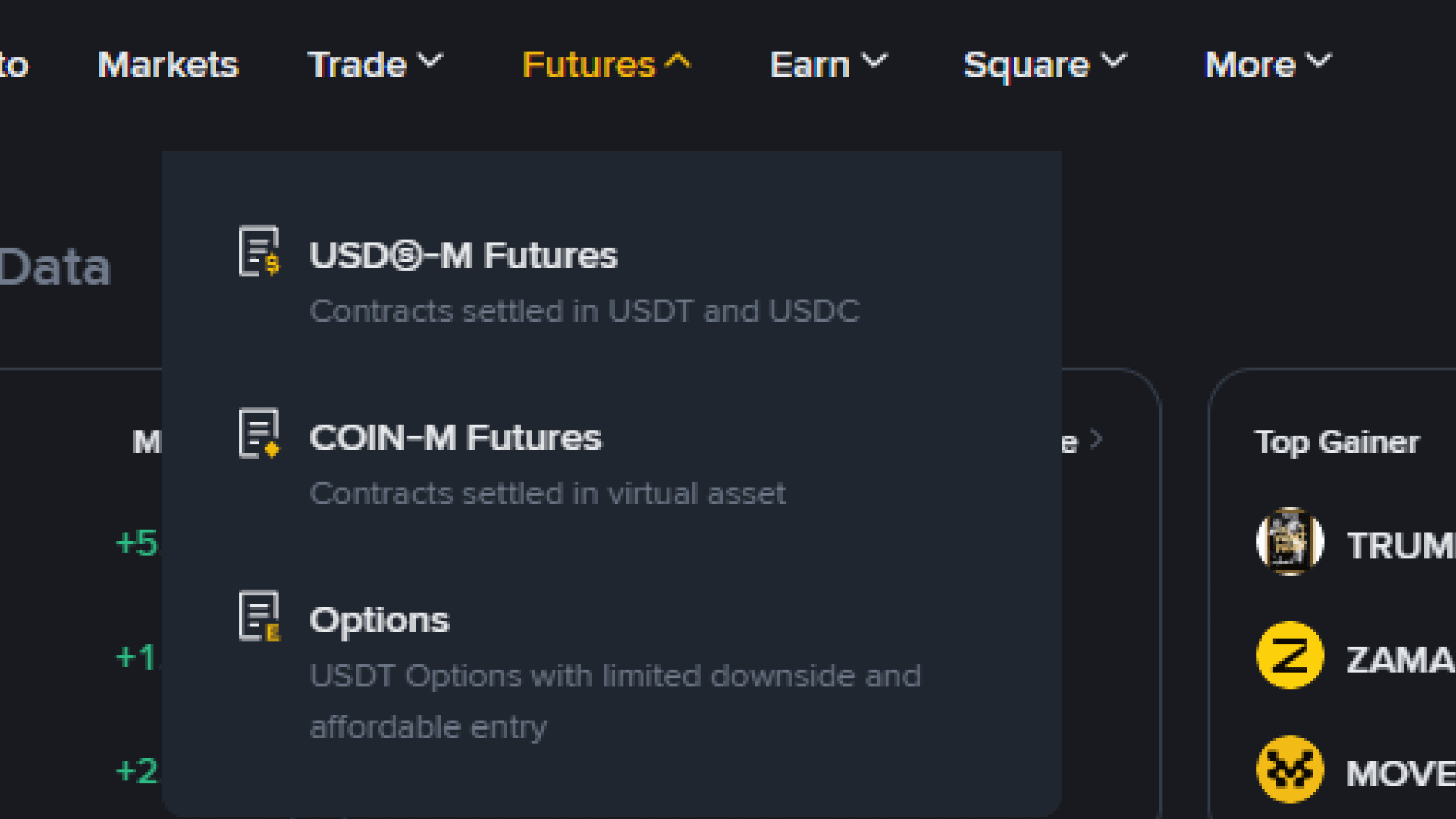
USDⓈ-Margined Futures
USDⓈ-Margined perpetual futures are linear contracts quoted and settled in stablecoins such as USDT or USDC, depending on the specific contract.
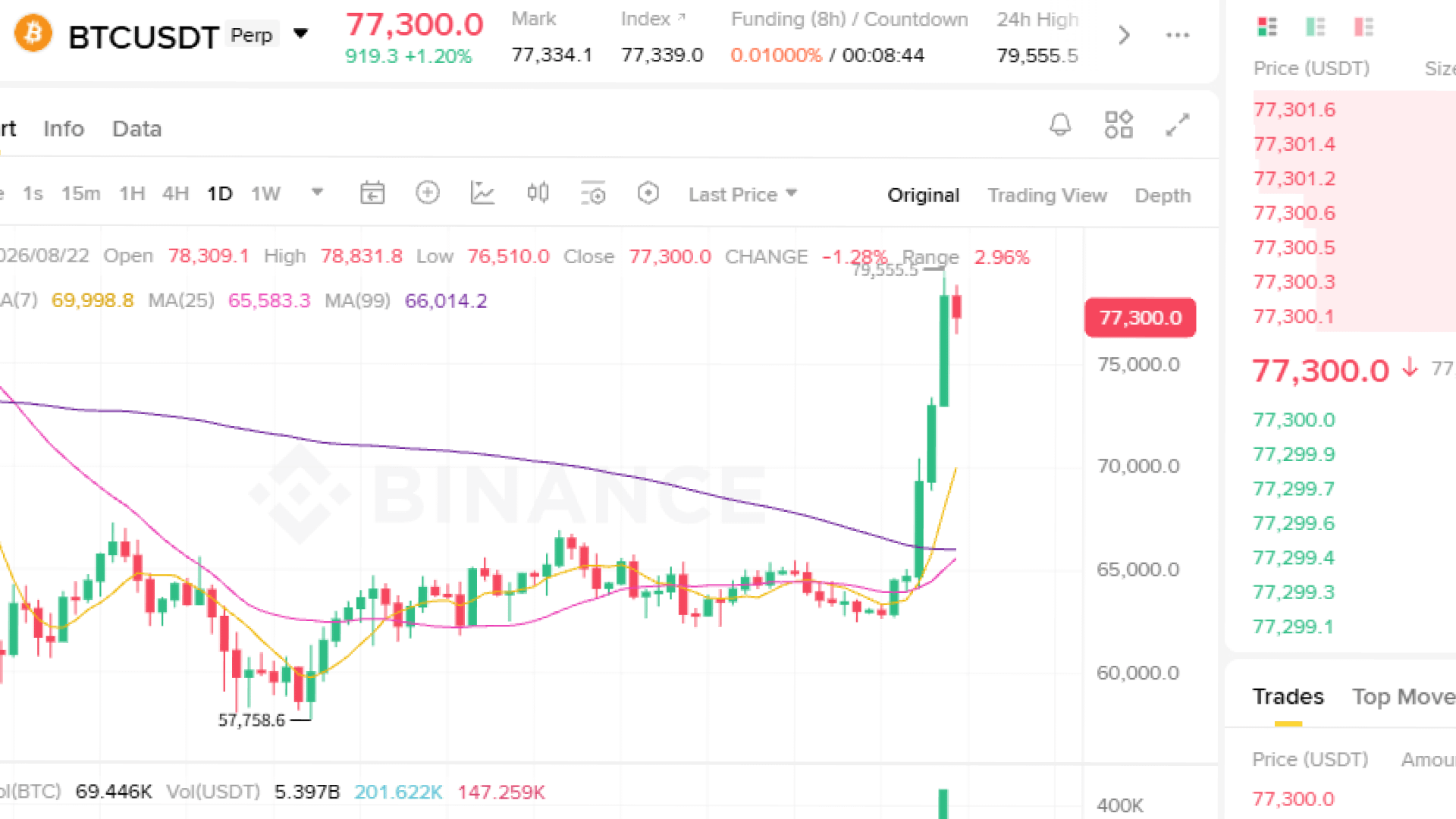
This structure means that the margin and settlement currency is separate from the underlying cryptocurrency in many contracts. For example, a BTCUSDT futures contract uses BTC as the referenced asset while the contract is denominated in USDT.
The exact contracts available on Binance can change over time, so current contract specifications should be checked before trading.
Coin-Margined Futures
Coin-Margined Futures use cryptocurrency as the margin and settlement asset.
For example, BTC-based Coin-Margined contracts can use BTC within the relevant Futures Wallet under the applicable margin structure. Binance states that the available leverage and margin requirements depend on the notional value of the position and its applicable risk tier.
The main distinction between USDⓈ-Margined and Coin-Margined products is therefore the collateral and settlement structure rather than simply the cryptocurrency referenced by the contract.
Leverage and Margin
Leverage allows traders to open a position with a notional value larger than the initial margin allocated to the position.
However, the maximum leverage is not fixed across all contracts and position sizes. Binance states that the maximum available leverage depends on the notional value of the position, with larger positions generally subject to lower maximum leverage.
Binance also applies leverage and maintenance-margin tiers to individual contracts. These tiers can be updated as part of the platform's risk-management system. Recent Binance announcements show that leverage and margin tiers for individual USDⓈ-M perpetual contracts can change over time.
Therefore, a specific leverage figure should not be treated as universally available to every Binance Futures account or trading pair.
Cross Margin and Isolated Margin
Binance Futures provides different approaches to managing margin.
Cross Margin allows eligible collateral within the relevant Futures Wallet to support positions under the cross-margin system.
Isolated Margin assigns margin to an individual position so that the allocated collateral is separated from other positions under the isolated structure.
The two modes have different implications for collateral management and liquidation risk. Users should understand how margin is allocated before selecting a margin mode.
Binance Futures Order Types
Binance Futures supports several order methods for entering and managing positions.
A Market Order is designed to execute against available market liquidity.
A Limit Order allows a specific price to be entered for order execution.
Stop-related orders can be used to trigger an order when a predefined price condition is reached. Take-profit and stop-loss functions may also be available depending on the trading interface and product.
The available order types and conditions can change with platform updates, so the current trading interface should be checked before placing an order.
Binance Futures Trading Fees
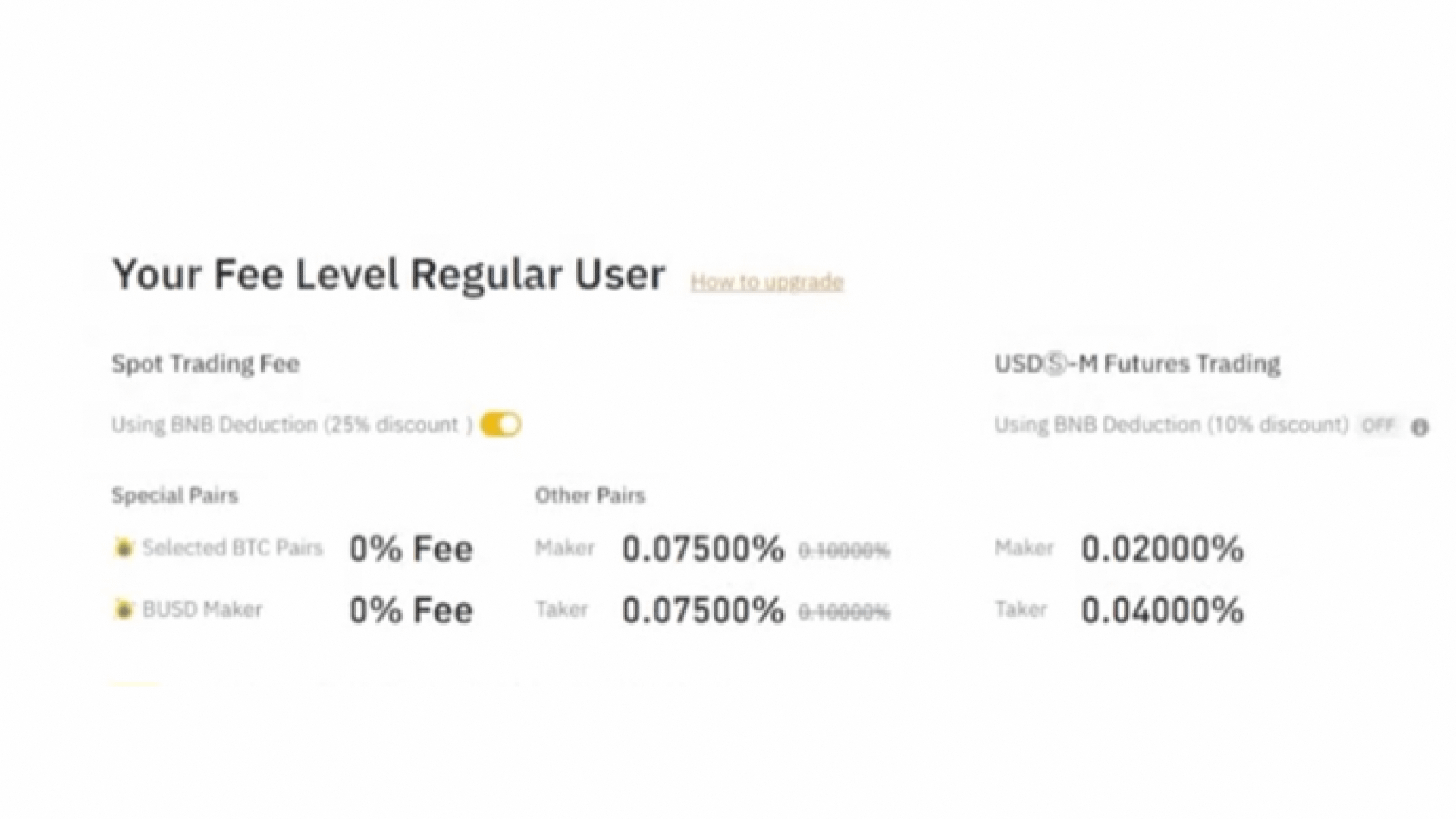
Binance Futures uses a Maker/Taker fee structure.
A Maker generally provides liquidity by placing an order that remains on the order book, while a Taker removes available liquidity by matching against existing orders.
The actual futures fee depends on factors such as the user's VIP level, trading volume, product type, and whether applicable discount programs are being used. Binance's current Futures fee documentation states that Futures fee tiers are linked to the VIP system and that the Futures volume requirement for each VIP level is generally higher than the corresponding Spot requirement.
Accordingly, a single fixed futures fee should not be presented as applicable to every account.
Binance Referral Fee Discount
Binance operates referral programs through which eligible users can receive trading fee benefits when registering through an applicable referral link.
A 20% referral discount may be advertised for eligible Binance users, but the exact percentage and eligible products should be checked against the conditions displayed by the specific referral link at the time of registration.
This distinction is important because referral conditions for Spot and Futures are not necessarily identical.
Binance's official historical Futures referral documentation, for example, states that referred users received a 10% discount on Futures trading fees for the first 30 days by default under the referenced program.
Therefore, it is not appropriate to state that every Binance Futures account automatically receives a 20% referral discount.
If a particular referral link currently displays a 20% benefit, the applicable product, duration, and eligibility requirements should be confirmed before completing registration.
BNB Discount on Futures Fees
BNB can be used to pay eligible Binance trading fees.
For USDⓈ-M Futures, Binance currently states that users can receive a 10% discount on standard trading fees when paying Futures fees with BNB. To receive the discount, BNB must be transferred to the USDⓈ-M Futures Account and there must be sufficient BNB available to cover the applicable fees. If the BNB balance is insufficient, Binance states that the system will deduct the applicable fee in USDT and the discount will not apply.
This BNB discount is separate from any referral discount.
For example, a user may have a referral benefit associated with account registration while separately enabling BNB fee payment. The two mechanisms should not be described as a single 20% discount unless the specific Binance terms explicitly state that they can be combined in that manner.
BNB Discount for Spot Trading
BNB-related fee benefits also apply to eligible Spot trading.
Binance currently states that users can receive up to a 25% discount on Spot and Margin trading fees when using BNB to pay eligible fees. The BNB deduction function must be enabled and sufficient BNB must be available.
The Spot BNB discount and Futures BNB discount are therefore different in percentage and application method.
For this reason, Spot and Futures fee benefits should be described separately when explaining Binance trading costs.
Binance Futures Account Requirements
Users must complete the applicable account registration and identity verification requirements before accessing relevant Binance Futures functions.
Binance's Futures documentation states that adjusting leverage requires completion of the KYC process. Binance also notes that, after KYC approval, system synchronization can take time in some cases.
Account security should also be configured before trading. Two-factor authentication and other available security measures can provide an additional verification layer for account access and security-sensitive activities.
The exact verification requirements and available services may depend on the user's jurisdiction and account status.
Futures Trading Risks
Futures trading differs substantially from Spot trading because positions can be opened using margin and leverage.
A leveraged position has greater exposure relative to the margin allocated to it. Consequently, adverse market movements can affect the margin balance more quickly than in an unleveraged Spot position.
Binance uses maintenance-margin requirements and liquidation mechanisms as part of its Futures risk-control system. If the required maintenance margin is not maintained, a position may be liquidated.
Trading costs can also include more than the basic commission fee. Depending on the product and circumstances, funding payments or other applicable fees may affect the overall result of a Futures position.
Cryptocurrency markets can experience significant price fluctuations, and leveraged derivatives trading can result in substantial losses.
What to Check Before Using Binance Futures
Before opening a Futures position, several conditions should be reviewed.
First, confirm whether the intended contract is USDⓈ-Margined or Coin-Margined and identify the applicable settlement asset.
Next, check the current leverage and margin tier for the specific trading pair. Binance can update leverage and maintenance-margin tiers for individual contracts, meaning that the available leverage may change over time.
The applicable Maker/Taker fee should also be checked based on the account's current VIP level.
If a referral link is being used, confirm the actual discount and eligible products shown by the referral program. A 20% referral benefit should not automatically be assumed to apply to Futures unless the current referral terms confirm it.
Finally, if BNB is being used to reduce Futures trading fees, the BNB balance should be transferred to the relevant USDⓈ-M Futures Account and the applicable BNB fee-payment setting should be enabled.
Summary
Binance Futures provides cryptocurrency derivatives through different contract structures, including USDⓈ-Margined and Coin-Margined Futures.
The platform supports leverage and different margin modes, but the maximum leverage and maintenance-margin requirements vary according to the contract and position size. These parameters can also be updated by Binance.
Trading fees are based on the applicable Maker/Taker rate and account tier. Additional fee benefits may be available through referral programs and BNB fee payment.
A 20% referral discount should be described according to the current conditions of the specific referral link, rather than as a universal Futures discount. Binance's official documentation confirms that referral benefits and Futures referral conditions can differ depending on the program.
Separately, Binance currently states that eligible USDⓈ-M Futures users can receive a 10% discount on standard Futures trading fees when paying fees with BNB, provided the required BNB balance and account settings are in place.
Because Binance can modify fee schedules, referral conditions, leverage tiers, available contracts, and regional service availability, the latest official Binance information should be checked before registration or trading.