
Smart Tr ⁶⁶⁰
1.8k 投稿
Smart Tr ⁶⁶⁰
opportunities Are Endless , Let's Stay Focused, Execute the plan ,and Print The Money.
高頻度トレーダー
5.3年
406 フォロー
23.6K+ フォロワー
5.9K+ いいね
投稿
すべて
引用
動画
PINNED

ほとんどのトレーダーは、実際にブロックチェーンが何かを本当には理解していません。コインを売買するだけです。
専門用語なしでサクッと解説:
ブロックチェーンは基本的に、1社のサーバーではなく、何千ものコンピュータ上に同時に存在する「共有の台帳」です。新しい取引があるたびにそれは「ブロック」にまとめられ、各ブロックはその1つ前のブロックにつながっています。ここが「チェーン(鎖)」という部分です。
取引においてなぜ重要か:
誰か1人や1社がそれを独占的に管理していないからです。いったん記録されると、こっそり書き換えたり削除したりできません。そしてネットワーク上の誰もが自分自身で検証できます。銀行も仲介者も不要です。
トレーダーであるあなたにとって本当の理由はこれです:
あるコインの背後にある技術を理解すると、そのコインに実際の有用性があるのか、それともただチャートに乗った“話題”だけなのかが見分けられます。供給スケジュール、アンロック日、コンセンサスメカニズム——それらはローソク足ではなく、ブロックチェーンそのものを理解することで分かります。
コードを書く必要はありません。あなたが実際に何を買っているのかを知るだけです。
$BTC
$ETH
専門用語なしでサクッと解説:
ブロックチェーンは基本的に、1社のサーバーではなく、何千ものコンピュータ上に同時に存在する「共有の台帳」です。新しい取引があるたびにそれは「ブロック」にまとめられ、各ブロックはその1つ前のブロックにつながっています。ここが「チェーン(鎖)」という部分です。
取引においてなぜ重要か:
誰か1人や1社がそれを独占的に管理していないからです。いったん記録されると、こっそり書き換えたり削除したりできません。そしてネットワーク上の誰もが自分自身で検証できます。銀行も仲介者も不要です。
トレーダーであるあなたにとって本当の理由はこれです:
あるコインの背後にある技術を理解すると、そのコインに実際の有用性があるのか、それともただチャートに乗った“話題”だけなのかが見分けられます。供給スケジュール、アンロック日、コンセンサスメカニズム——それらはローソク足ではなく、ブロックチェーンそのものを理解することで分かります。
コードを書く必要はありません。あなたが実際に何を買っているのかを知るだけです。
$BTC
$ETH
翻訳参照
banks want a piece of the stablecoin pie now. and they're coming straight for Circle's territory.
WSJ just reported that banks, big and small, are warming up to launching their own stablecoins. the news hit and CRCL dropped 6%, now sitting around $89.
funny thing is — Goldman just raised their price target on CRCL to $81 this same week. so Wall Street's still bullish long-term, the market's just getting nervous short-term.
honestly the real question isn't whether banks show up. they will. the question is whether Circle's first-mover edge (USDC, Arc, CPN) is strong enough to stay ahead once they do.
$CRCL
WSJ just reported that banks, big and small, are warming up to launching their own stablecoins. the news hit and CRCL dropped 6%, now sitting around $89.
funny thing is — Goldman just raised their price target on CRCL to $81 this same week. so Wall Street's still bullish long-term, the market's just getting nervous short-term.
honestly the real question isn't whether banks show up. they will. the question is whether Circle's first-mover edge (USDC, Arc, CPN) is strong enough to stay ahead once they do.
$CRCL
Nvidiaのメモリ不足警告は、NANDサプライヤーにとって強気材料になるはずでした。
しかし、その代わりにSNDKが大きく後退しています——現在7%超下落し、寄り前の上昇分を取り戻してきています。
このような2026年の大規模な上昇の後に見られる典型的な「ニュースを売り材料にする」反応——良いファンダメンタルニュースでも利益確定が入っています。
NVDAは安定しており、わずかに上昇——メモリ関連株の弱さから切り離されています。
$SNDK
$NVDA
しかし、その代わりにSNDKが大きく後退しています——現在7%超下落し、寄り前の上昇分を取り戻してきています。
このような2026年の大規模な上昇の後に見られる典型的な「ニュースを売り材料にする」反応——良いファンダメンタルニュースでも利益確定が入っています。
NVDAは安定しており、わずかに上昇——メモリ関連株の弱さから切り離されています。
$SNDK
$NVDA
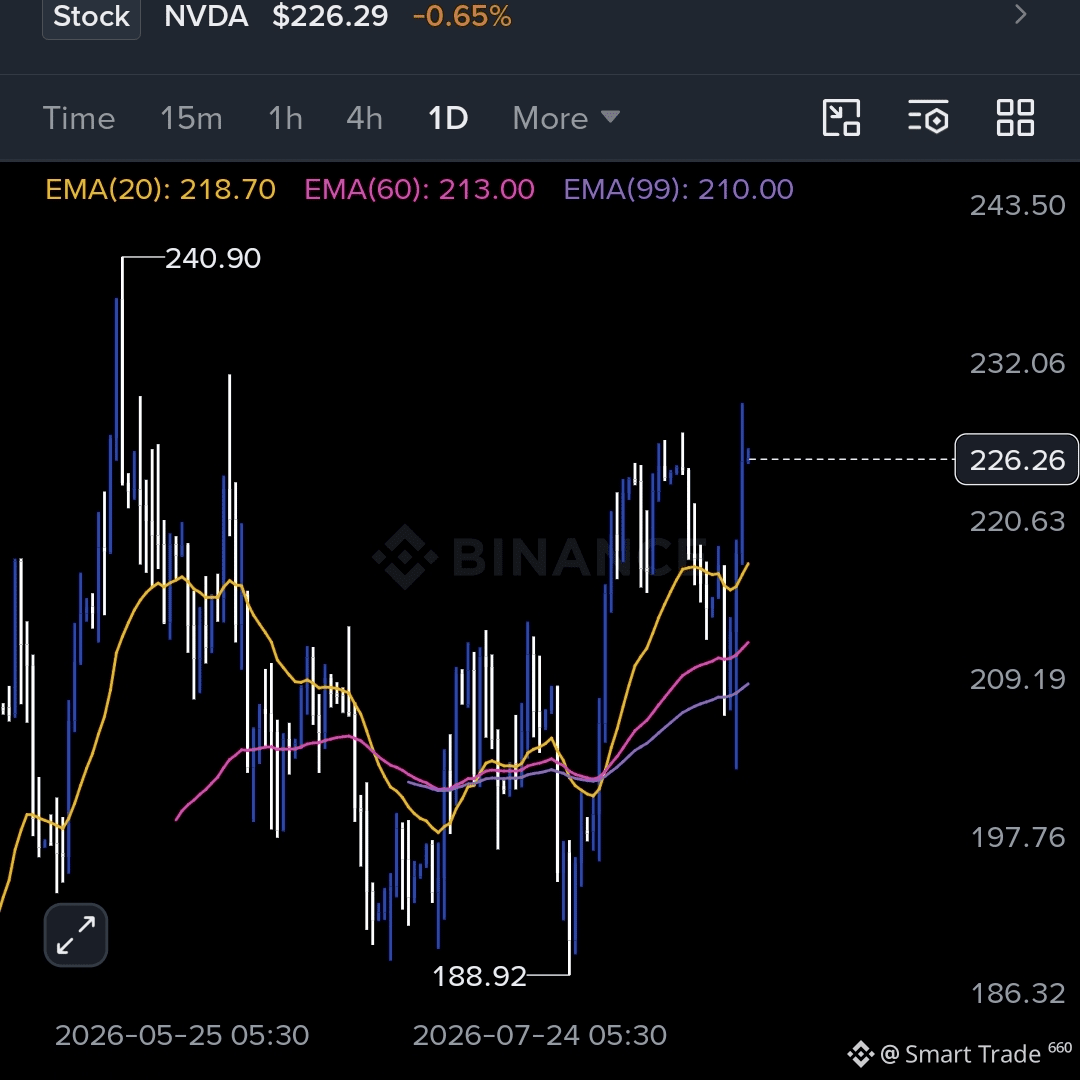
今日NVDAは8.74%上昇し、$228近辺で引け、時価総額が+4415億ドル増加—米国株市場史上でも最大級の単日上昇の一つ。
$NVDA | $INTC | $NBIS
理由はこれです:第2四半期の売上高が962.2億ドルに到達し、前年同期比で106%増となり、予想(903.7億ドル)を大幅に上回りました。データセンター部門だけで売上89Bドルに貢献しています。
本当の引き金はガイダンスでした。同社は「来年は売上が約70%成長する見通し」と示しており、アナリスト予想のほぼ倍に相当します。CEOのジェンスン・フアン氏は、需要が「加速している」うえ、供給を上回っていると述べました。
それに連れてチップ株も上昇しました(ブロードコム、インテル、ネビウス)—AI取引はいまも非常に健在であることを示しています。 #Bstocks
$NVDA | $INTC | $NBIS
理由はこれです:第2四半期の売上高が962.2億ドルに到達し、前年同期比で106%増となり、予想(903.7億ドル)を大幅に上回りました。データセンター部門だけで売上89Bドルに貢献しています。
本当の引き金はガイダンスでした。同社は「来年は売上が約70%成長する見通し」と示しており、アナリスト予想のほぼ倍に相当します。CEOのジェンスン・フアン氏は、需要が「加速している」うえ、供給を上回っていると述べました。
それに連れてチップ株も上昇しました(ブロードコム、インテル、ネビウス)—AI取引はいまも非常に健在であることを示しています。 #Bstocks
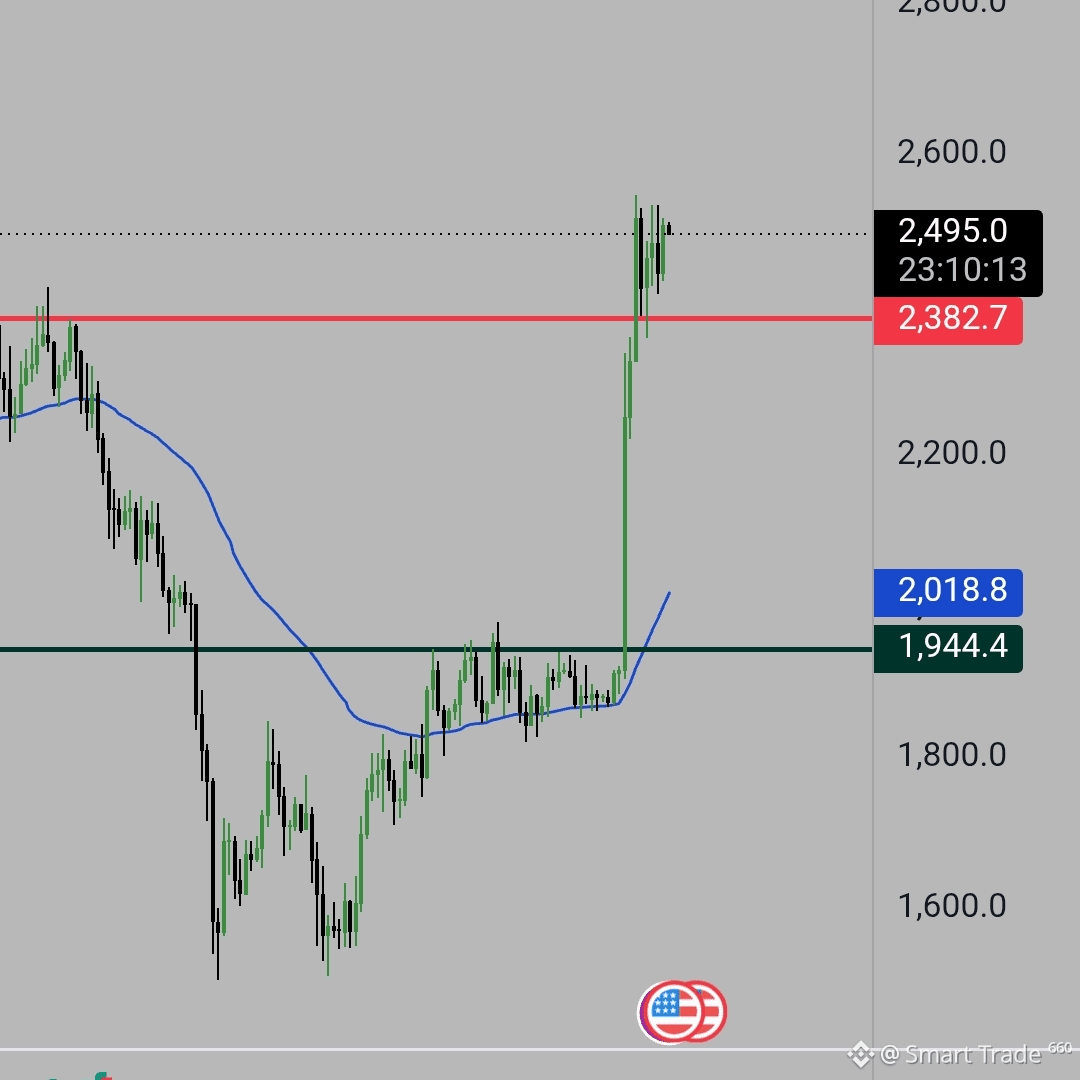
$DUSK 552 USDT(30日間の取引)
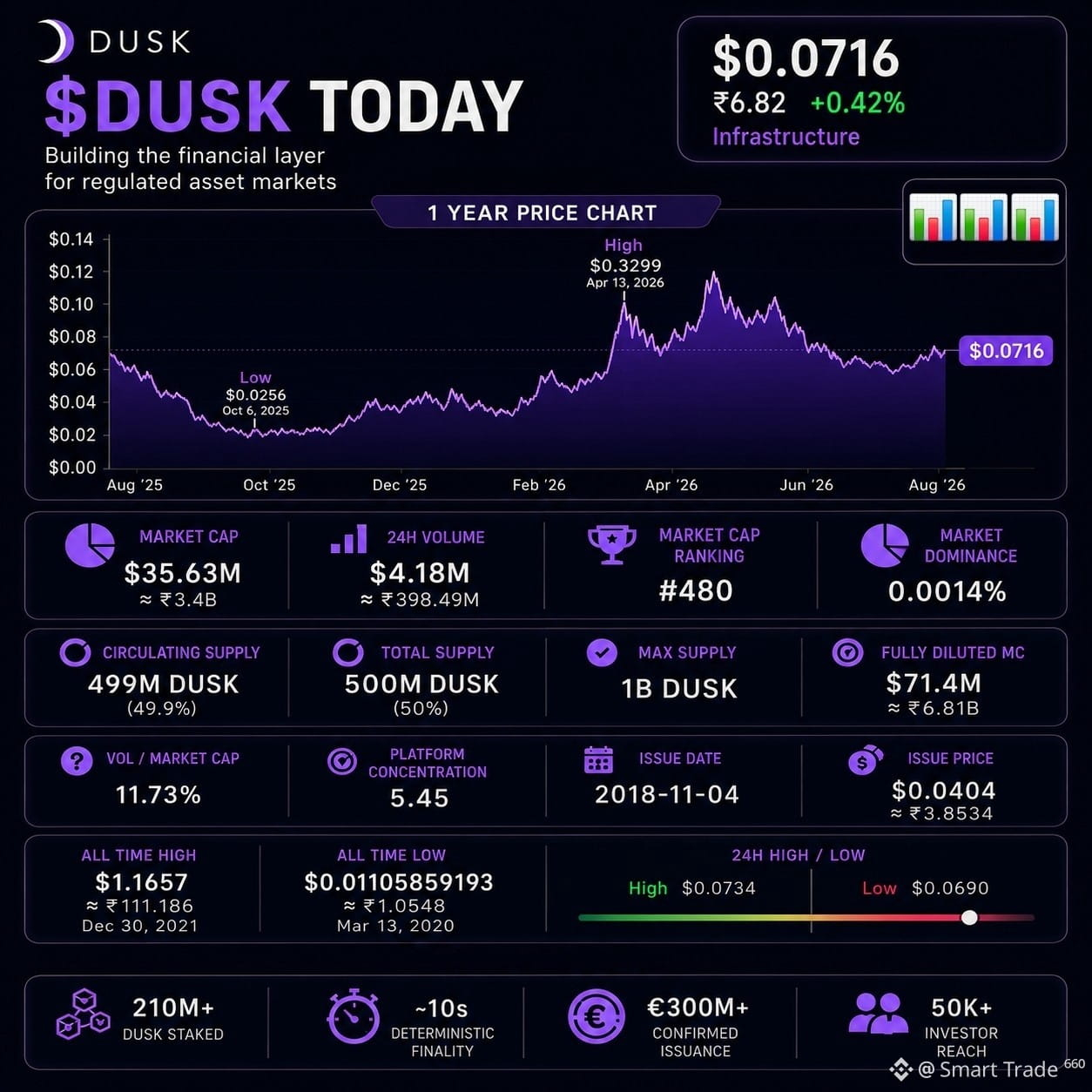
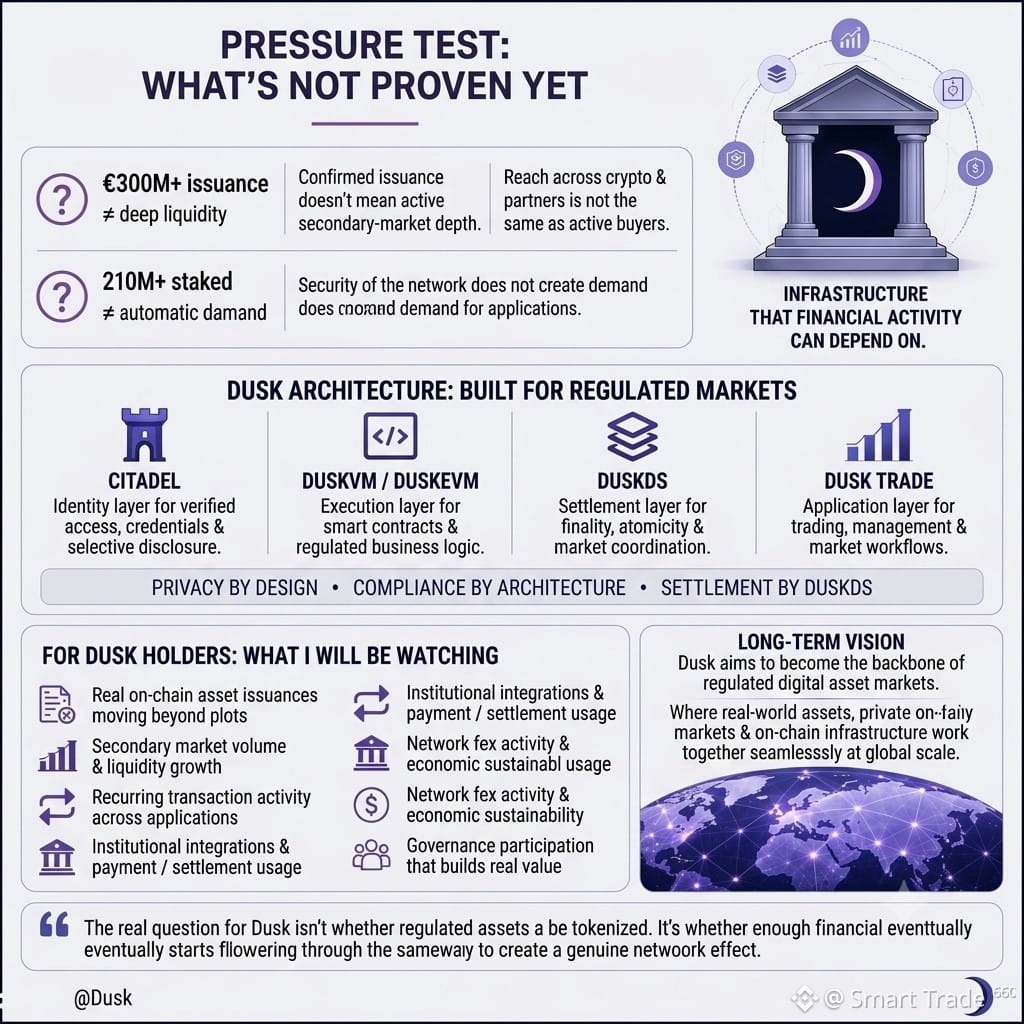
私はこのキャンペーンを通じて、さまざまな観点からDuskを見つめてきました。いま最大の疑問は、規制された資産がオンチェーン上で移転できるかどうかではありません。
それらの資産を、より多くの金融活動が参加するほど有用性が増していくネットワークへとDuskが変えられるかどうかです。
現在の数字は興味深いです。Duskは、確認済みの発行総額が3億ユーロ以上、投資家への到達が5万人以上、210M+のDUSKがステークされており、さらに約10秒の決定論的ファイナリティを報告しています。
しかし、これらの数字は単なる出発点にすぎません。
難しいのは、金融の一連のループをつなげることです。
資産の発行 → 対象となる投資家 → 入金・支払い → 決済 → 取引 → 二次流動性 → それによる市場活動の増加。
ここにこそ、Duskの長期的な構想が面白くなるポイントがあると私は考えています。
そのアーキテクチャは、トークンの作成以上のものとして構築されています。Duskは、適格性、管理された譲渡、選択的開示によるプライバシー、規制対象資産のワークフローを中心とした支払いの協調と決済を目指しています。
そして、NPEXとの取り組みが重要なのも同じ理由です。Duskは、規制市場での実務経験を、オンチェーンでの発行・取引・決済へとつなげようとしているのです。
ただし、私はこの構想はまだ実証されたとは言いません。
確認済みの発行が3億ユーロ以上あることが、直ちに二次市場の深い流動性を意味するわけではありません。
投資家への到達が5万人以上であることが、5万人のアクティブな購買者がいることを意味するわけでもありません。
また、210M+のDUSKがネットワークを支えていることだけで、それ自体が金融アプリケーションへの需要を生み出すわけではありません。
そのための厳密な試金石(プレッシャーテスト)が、私が今後見ていくポイントです。
DUSK保有者としては、短期的なノイズよりも、測定可能なシグナルに注目するべきでしょう。継続的な取引活動、実際の二次市場の取引量、新しい規制対象資産、機関投資家の統合、そしてネットワーク利用が最終的に意味のある手数料の活動を生み出すかどうかです。
これらの要素が互いに強化し始めるなら、Duskはトークン化資産のためのインフラにとどまらず、
金融活動そのものが実際に依存するインフラになり得ます。
それが、私が「仮定ではなく検証する価値がある」と思う長期的な構想です。
Duskは、トークン化を本物の金融ネットワーク効果へと変えられるのでしょうか?
@Dusk #dusk $DUSK
それらの資産を、より多くの金融活動が参加するほど有用性が増していくネットワークへとDuskが変えられるかどうかです。
現在の数字は興味深いです。Duskは、確認済みの発行総額が3億ユーロ以上、投資家への到達が5万人以上、210M+のDUSKがステークされており、さらに約10秒の決定論的ファイナリティを報告しています。
しかし、これらの数字は単なる出発点にすぎません。
難しいのは、金融の一連のループをつなげることです。
資産の発行 → 対象となる投資家 → 入金・支払い → 決済 → 取引 → 二次流動性 → それによる市場活動の増加。
ここにこそ、Duskの長期的な構想が面白くなるポイントがあると私は考えています。
そのアーキテクチャは、トークンの作成以上のものとして構築されています。Duskは、適格性、管理された譲渡、選択的開示によるプライバシー、規制対象資産のワークフローを中心とした支払いの協調と決済を目指しています。
そして、NPEXとの取り組みが重要なのも同じ理由です。Duskは、規制市場での実務経験を、オンチェーンでの発行・取引・決済へとつなげようとしているのです。
ただし、私はこの構想はまだ実証されたとは言いません。
確認済みの発行が3億ユーロ以上あることが、直ちに二次市場の深い流動性を意味するわけではありません。
投資家への到達が5万人以上であることが、5万人のアクティブな購買者がいることを意味するわけでもありません。
また、210M+のDUSKがネットワークを支えていることだけで、それ自体が金融アプリケーションへの需要を生み出すわけではありません。
そのための厳密な試金石(プレッシャーテスト)が、私が今後見ていくポイントです。
DUSK保有者としては、短期的なノイズよりも、測定可能なシグナルに注目するべきでしょう。継続的な取引活動、実際の二次市場の取引量、新しい規制対象資産、機関投資家の統合、そしてネットワーク利用が最終的に意味のある手数料の活動を生み出すかどうかです。
これらの要素が互いに強化し始めるなら、Duskはトークン化資産のためのインフラにとどまらず、
金融活動そのものが実際に依存するインフラになり得ます。
それが、私が「仮定ではなく検証する価値がある」と思う長期的な構想です。
Duskは、トークン化を本物の金融ネットワーク効果へと変えられるのでしょうか?
@Dusk #dusk $DUSK
確認済み
翻訳参照
don't think the interesting part of OpenDusk is the treasury.
It's where the treasury's money comes from.
I was looking deeper into Dusk's current block-reward mechanics, and one detail stood out.
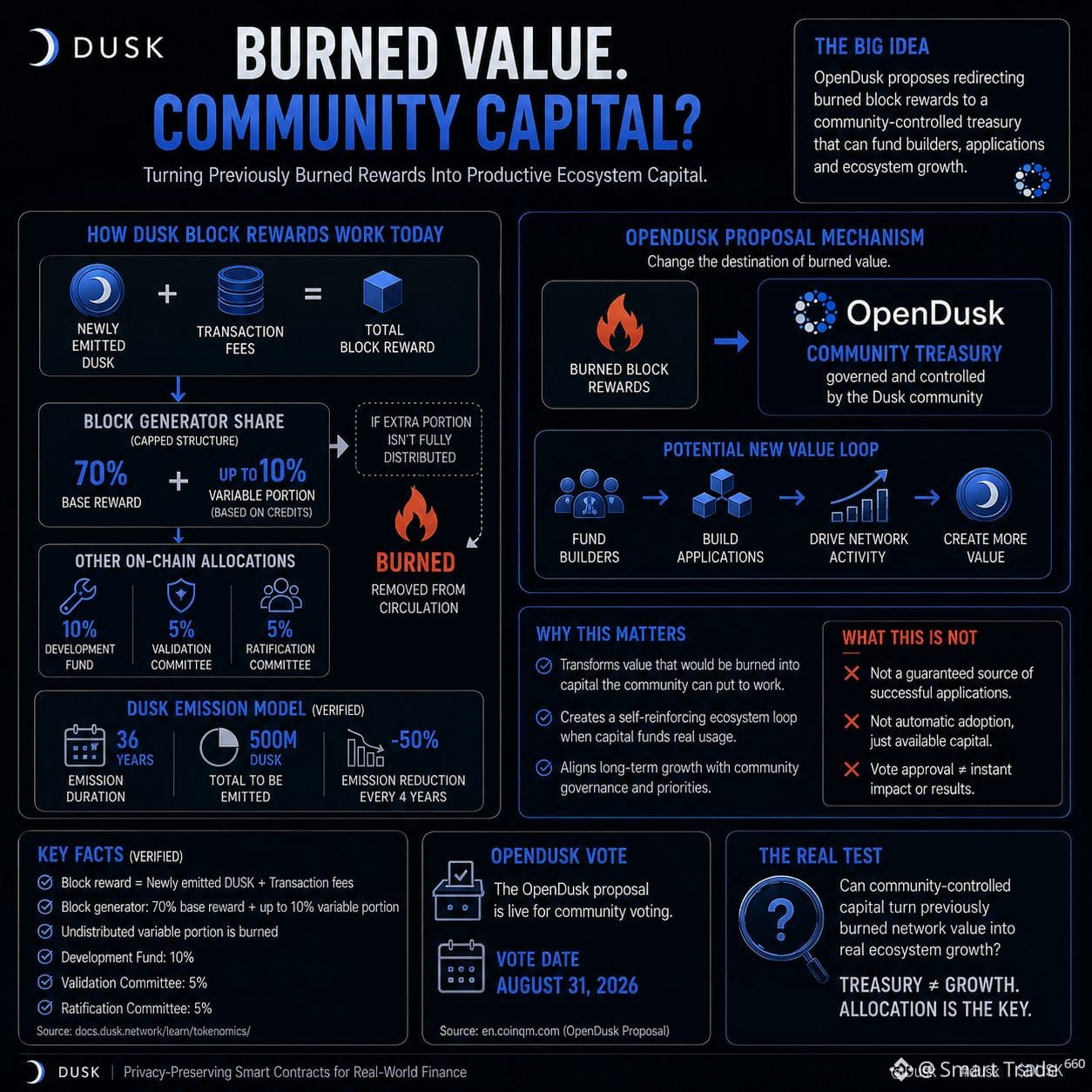
A Dusk block reward combines newly emitted DUSK with the transaction fees in that block.
The block generator gets 70%, plus up to another 10% based on the credits included in the certificate. If that variable portion isn't fully distributed, the remainder is burned.
So there is already value being created by the network that can simply disappear from the system.
OpenDusk proposes a different destination for that burned block-reward value: a community treasury that can be used to support growth across the Dusk ecosystem.
That's where I think the second-order effect becomes interesting.
Instead of:
network activity → reward → burn
the potential loop becomes:
network activity → reward → community capital → ecosystem funding → more applications.
But this is still only a mechanism, not proof of growth.
A treasury doesn't automatically attract good builders.
Capital doesn't guarantee useful applications.
And approving the proposal wouldn't prove that the funded projects will generate meaningful users or transaction volume.
That's the part I would watch most closely.
Can community-controlled capital actually turn previously burned network value into productive ecosystem activity?
Because if it can, OpenDusk isn't just creating a treasury.
It is experimenting with a different way of turning network economics into ecosystem growth.
#dusk $DUSK @Dusk
It's where the treasury's money comes from.
I was looking deeper into Dusk's current block-reward mechanics, and one detail stood out.
A Dusk block reward combines newly emitted DUSK with the transaction fees in that block.
The block generator gets 70%, plus up to another 10% based on the credits included in the certificate. If that variable portion isn't fully distributed, the remainder is burned.
So there is already value being created by the network that can simply disappear from the system.
OpenDusk proposes a different destination for that burned block-reward value: a community treasury that can be used to support growth across the Dusk ecosystem.
That's where I think the second-order effect becomes interesting.
Instead of:
network activity → reward → burn
the potential loop becomes:
network activity → reward → community capital → ecosystem funding → more applications.
But this is still only a mechanism, not proof of growth.
A treasury doesn't automatically attract good builders.
Capital doesn't guarantee useful applications.
And approving the proposal wouldn't prove that the funded projects will generate meaningful users or transaction volume.
That's the part I would watch most closely.
Can community-controlled capital actually turn previously burned network value into productive ecosystem activity?
Because if it can, OpenDusk isn't just creating a treasury.
It is experimenting with a different way of turning network economics into ecosystem growth.
#dusk $DUSK @Dusk
$DUSK 461.7 USDT(30日間の取引)
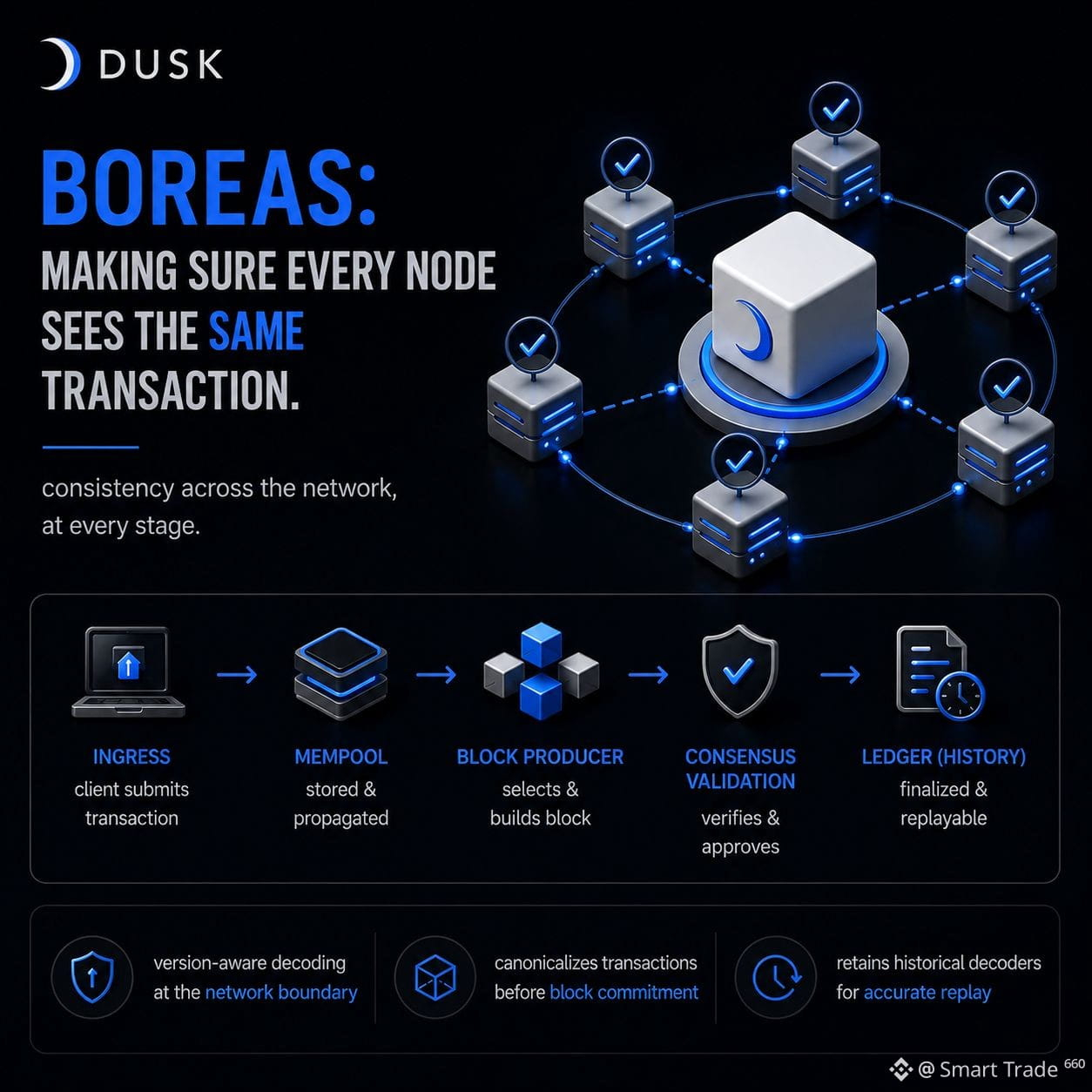
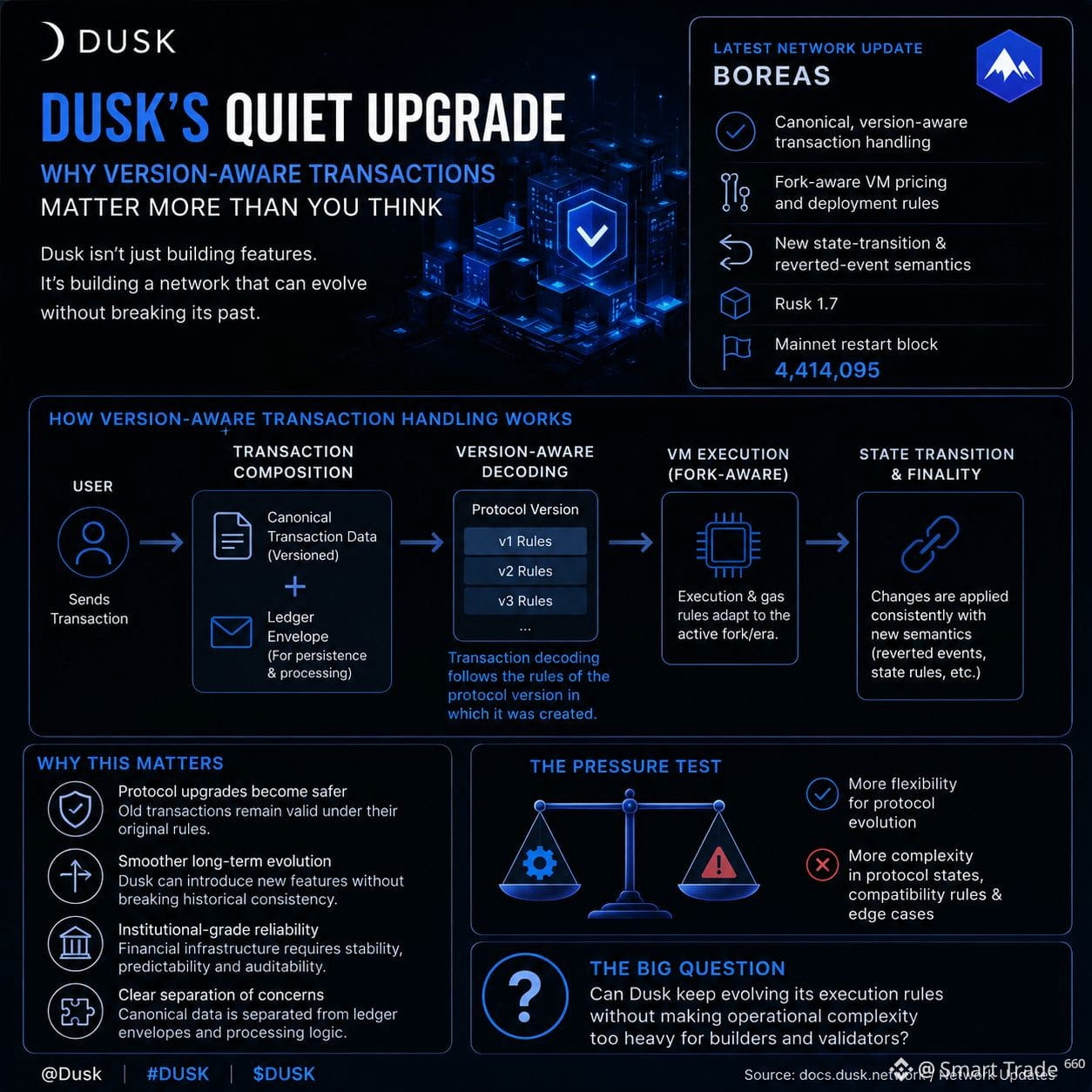
#Dusk が行ったプロトコル変更を見ていて、Boreas のある一点が気になりました。
Boreas は「機能」ではありませんでした。
Boreas は、ネットワークがトランザクションをどう解釈するかを確実にすることでした。
Boreas は、Rusk の内部にあるクライアントから受け付けたトランザクションの扱いと、台帳に保存されるものとの間に境界を設けました。
それはエンジニアリングそのものです。
私は Boreas は見た目以上に重要だと思います。
トランザクションは、歴史的なチェーンのデータの一部になるまでに複数の段階を通ります。つまり、イングレス、メンプールの取り扱い、ブロック生成、コンセンサスの検証、そして最終的にリプレイです。
ノードの異なる部分がバイト列を別の形として解釈してしまうと、問題は単なる「失敗したトランザクション」では済みません。
それは整合性の問題に発展し得ます。
Boreas は、ネットワークの境界でバージョンを意識したデコードを行い、ブロックにコミットされる前にトランザクションを正規化(カノニカル化)することでそれを解決します。
面白いのは、Dusk もデコーダを保持しているので、古いブロックでも正しくリプレイできるという点です。
つまり設計は単に「トランザクションの形式を変更する」ではありません。
もっと近いのは、「古い履歴が曖昧にならないようにルールを変える」です。
これは、長期間にわたって稼働する金融インフラを扱うと想定されるネットワークにとって必要条件です。
そのため私は、プロトコルのアップグレードの見方が変わりました。
成功するハードフォークは、新しい機能を追加することだけではありません。
それに加えて、あらゆるレイヤーがトランザクションの意味について同意していることを担保することでもあります。
私が今注目しているのは、Dusk が実行パスや金融アプリケーションを追加していく中で、この種のプロトコル規律が頑健さを保てるかどうかです。
なぜなら、ブロックチェーンをモジュール化しても、複雑さは消えないからです。
複雑さはただ、モジュールの境界へ移るだけです。
#dusk $DUSK @Dusk
Boreas は「機能」ではありませんでした。
Boreas は、ネットワークがトランザクションをどう解釈するかを確実にすることでした。
Boreas は、Rusk の内部にあるクライアントから受け付けたトランザクションの扱いと、台帳に保存されるものとの間に境界を設けました。
それはエンジニアリングそのものです。
私は Boreas は見た目以上に重要だと思います。
トランザクションは、歴史的なチェーンのデータの一部になるまでに複数の段階を通ります。つまり、イングレス、メンプールの取り扱い、ブロック生成、コンセンサスの検証、そして最終的にリプレイです。
ノードの異なる部分がバイト列を別の形として解釈してしまうと、問題は単なる「失敗したトランザクション」では済みません。
それは整合性の問題に発展し得ます。
Boreas は、ネットワークの境界でバージョンを意識したデコードを行い、ブロックにコミットされる前にトランザクションを正規化(カノニカル化)することでそれを解決します。
面白いのは、Dusk もデコーダを保持しているので、古いブロックでも正しくリプレイできるという点です。
つまり設計は単に「トランザクションの形式を変更する」ではありません。
もっと近いのは、「古い履歴が曖昧にならないようにルールを変える」です。
これは、長期間にわたって稼働する金融インフラを扱うと想定されるネットワークにとって必要条件です。
そのため私は、プロトコルのアップグレードの見方が変わりました。
成功するハードフォークは、新しい機能を追加することだけではありません。
それに加えて、あらゆるレイヤーがトランザクションの意味について同意していることを担保することでもあります。
私が今注目しているのは、Dusk が実行パスや金融アプリケーションを追加していく中で、この種のプロトコル規律が頑健さを保てるかどうかです。
なぜなら、ブロックチェーンをモジュール化しても、複雑さは消えないからです。
複雑さはただ、モジュールの境界へ移るだけです。
#dusk $DUSK @Dusk
一部該当
翻訳参照
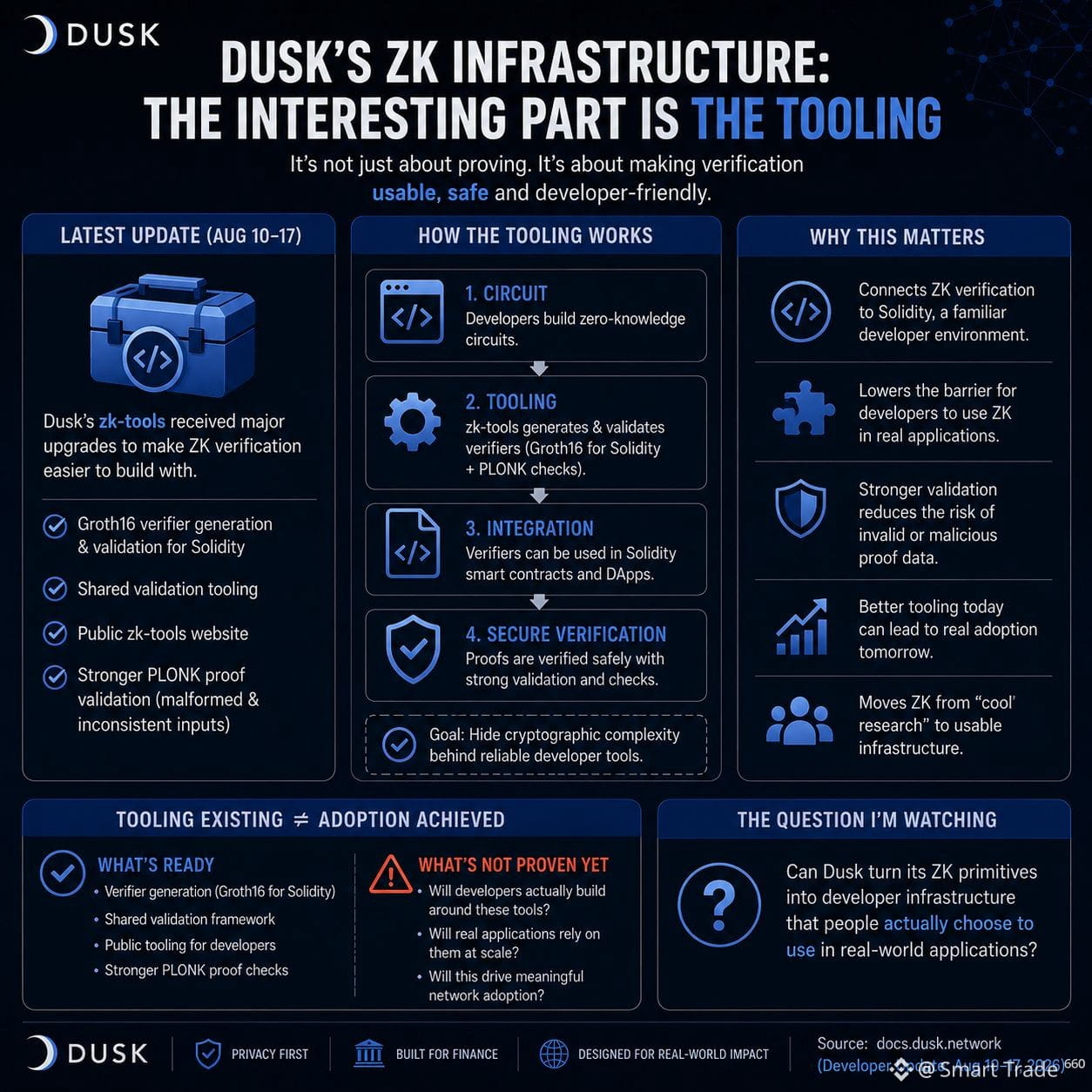
I was going through Dusk's latest developer updates, and one detail caught my attention:
they're not just adding ZK capabilities. They're working on the tooling around verification.
The recent zk-tools update added tooling to generate and validate a Groth16 verifier for Solidity, along with shared validation tooling and a public site for exploring the toolkit.
That sounds like developer plumbing.
But I think it's actually an important part of making zero-knowledge useful.
A proof system can exist at the protocol level, but developers still need practical ways to generate verification logic, validate inputs and integrate that verification into applications.
Otherwise, “we support ZK” can remain mostly a technical capability.
What caught my attention is the Solidity side.
Dusk is building tooling that can connect ZK verification with a language already familiar to a large smart-contract developer base.
So the interesting question isn't:
“Does Dusk use zero-knowledge?”
The better question is:
“How much cryptographic complexity can Dusk hide behind usable developer tooling?”
And there's a second layer I don't want to ignore.
The same recent update shows Dusk strengthening proof validation for malformed and inconsistent inputs in its PLONK work.
That tells me the engineering focus isn't only on making proofs possible.
It's also on making invalid inputs fail safely.
But tooling existing is not the same as tooling being battle-tested.
My biggest question is whether developers will actually build around these ZK tools once real applications start demanding them.
That's the adoption signal I'll be watching.
#dusk $DUSK @Dusk
they're not just adding ZK capabilities. They're working on the tooling around verification.
The recent zk-tools update added tooling to generate and validate a Groth16 verifier for Solidity, along with shared validation tooling and a public site for exploring the toolkit.
That sounds like developer plumbing.
But I think it's actually an important part of making zero-knowledge useful.
A proof system can exist at the protocol level, but developers still need practical ways to generate verification logic, validate inputs and integrate that verification into applications.
Otherwise, “we support ZK” can remain mostly a technical capability.
What caught my attention is the Solidity side.
Dusk is building tooling that can connect ZK verification with a language already familiar to a large smart-contract developer base.
So the interesting question isn't:
“Does Dusk use zero-knowledge?”
The better question is:
“How much cryptographic complexity can Dusk hide behind usable developer tooling?”
And there's a second layer I don't want to ignore.
The same recent update shows Dusk strengthening proof validation for malformed and inconsistent inputs in its PLONK work.
That tells me the engineering focus isn't only on making proofs possible.
It's also on making invalid inputs fail safely.
But tooling existing is not the same as tooling being battle-tested.
My biggest question is whether developers will actually build around these ZK tools once real applications start demanding them.
That's the adoption signal I'll be watching.
#dusk $DUSK @Dusk
これ見たことある—BTCが急騰して、相場全体がグリーンになり、「ブルランだ!」ってみんなが言う。📈🚀
でも、BTCだけが起点の“たった一日のグリーン”は、本当のブルランとは違う。真の強気相場は、ゆっくりと、セクター全体に広がっていき、数週間かけて作られる。🐢🏗️
次に起きがちなこと:BTCがいったん止まり、BTCに連れて上がった形のアルトは勢いをすべて返してくる—独立した強さがなく、ただBTCが引っ張っただけだから。📉💸
今度は違う、と言ってるわけじゃない。単に「市場がグリーン」と「ブルランが始まった」は同じ主張じゃないってこと。🤷♀️🤔
興奮せず、観察してる。👀🧘
$TUT | $TRUMP | $BSB
でも、BTCだけが起点の“たった一日のグリーン”は、本当のブルランとは違う。真の強気相場は、ゆっくりと、セクター全体に広がっていき、数週間かけて作られる。🐢🏗️
次に起きがちなこと:BTCがいったん止まり、BTCに連れて上がった形のアルトは勢いをすべて返してくる—独立した強さがなく、ただBTCが引っ張っただけだから。📉💸
今度は違う、と言ってるわけじゃない。単に「市場がグリーン」と「ブルランが始まった」は同じ主張じゃないってこと。🤷♀️🤔
興奮せず、観察してる。👀🧘
$TUT | $TRUMP | $BSB
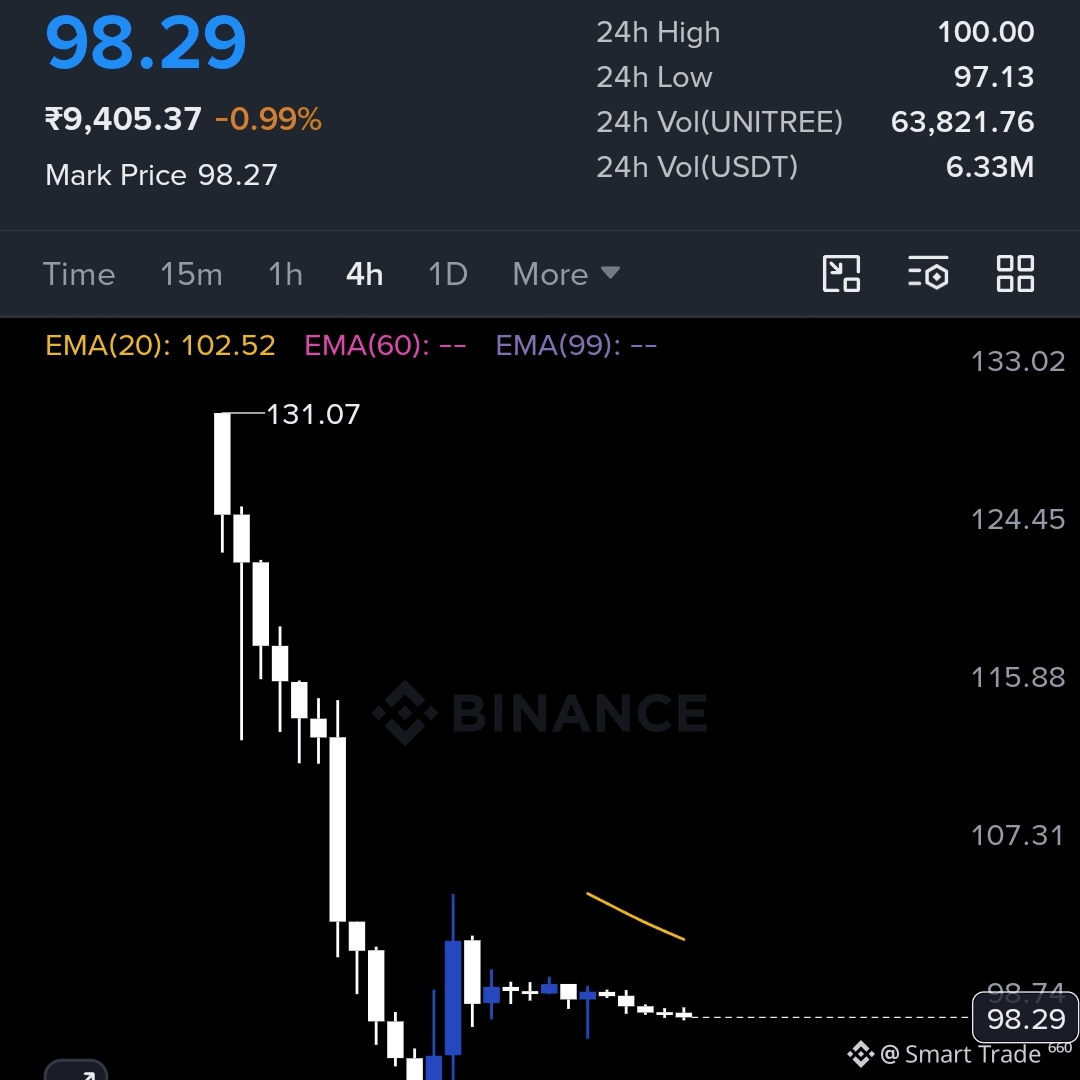
$UNITREE を上場してからずっと見てたけど、正直デビューは激しすぎた——Unitree Robotics(あのバズってたロボット犬動画の会社だね)なんとIPO価格から629%も上で始まった。しかもクリプトのパーペット(永久先物)勢はこれを数日前から実際に当てていて、IPO自体は$9Bなのに、$38Bのバリュエーションを織り込んでた。
でも今、俺が見てるのはこれ——$131近辺で天井を付けて、その後はきつく下げて$92まで落ちて、ここ1、2日はだいたい$98あたりで...停滞してる。あまり動きがない。
率直な見立て:もう期待は価格に織り込まれてる。これは「息をしっかりさせる(let it breathe)」フェーズであって、ブレイクアウトのセットアップって感じはしない。方向性がまた見えてくるまで、俺は手を出さない。
$UNITREE #Unitree
でも今、俺が見てるのはこれ——$131近辺で天井を付けて、その後はきつく下げて$92まで落ちて、ここ1、2日はだいたい$98あたりで...停滞してる。あまり動きがない。
率直な見立て:もう期待は価格に織り込まれてる。これは「息をしっかりさせる(let it breathe)」フェーズであって、ブレイクアウトのセットアップって感じはしない。方向性がまた見えてくるまで、俺は手を出さない。
$UNITREE #Unitree
確認済み
$DUSK 359 USDT(30日間の取引)
翻訳参照
I spent some time looking through Dusk's latest protocol changes, and one detail felt more important than a new feature announcement:
Dusk is making transaction handling aware of protocol versions.
Boreas introduced canonical, version-aware transaction handling, along with fork-aware VM pricing and deployment rules.
That sounds like backend engineering.
But I think it matters much more than that.
A blockchain doesn't stay unchanged after launch. Transaction formats evolve. VM rules change. Gas pricing can change. New hard forks introduce new semantics.
The difficult part is making the network understand the difference between what was valid under an older protocol and what is valid under the current one.
That's where Boreas gets interesting.
Dusk's implementation separates canonical transaction data from the ledger envelopes used for persistence and processing. The Rusk code also adds explicit handling for different protocol-era transaction formats instead of treating every historical transaction as if it came from the same ruleset.
To me, that's less about adding functionality and more about making protocol upgrades safer to operate.
Because financial infrastructure has a different requirement from a simple demo chain:
old transactions don't disappear just because the protocol moves forward.
The pressure test is still open, though.
More version-aware logic also means more protocol states, compatibility rules and edge cases that developers and node operators have to get right.
So the question I'm watching is:
Can Dusk keep evolving its execution rules without making the historical and operational complexity too difficult to manage?
That may not be the most visible part of a blockchain.
But for infrastructure designed around financial markets, I think it's one of the parts worth watching.
#dusk $DUSK @Dusk
Dusk is making transaction handling aware of protocol versions.
Boreas introduced canonical, version-aware transaction handling, along with fork-aware VM pricing and deployment rules.
That sounds like backend engineering.
But I think it matters much more than that.
A blockchain doesn't stay unchanged after launch. Transaction formats evolve. VM rules change. Gas pricing can change. New hard forks introduce new semantics.
The difficult part is making the network understand the difference between what was valid under an older protocol and what is valid under the current one.
That's where Boreas gets interesting.
Dusk's implementation separates canonical transaction data from the ledger envelopes used for persistence and processing. The Rusk code also adds explicit handling for different protocol-era transaction formats instead of treating every historical transaction as if it came from the same ruleset.
To me, that's less about adding functionality and more about making protocol upgrades safer to operate.
Because financial infrastructure has a different requirement from a simple demo chain:
old transactions don't disappear just because the protocol moves forward.
The pressure test is still open, though.
More version-aware logic also means more protocol states, compatibility rules and edge cases that developers and node operators have to get right.
So the question I'm watching is:
Can Dusk keep evolving its execution rules without making the historical and operational complexity too difficult to manage?
That may not be the most visible part of a blockchain.
But for infrastructure designed around financial markets, I think it's one of the parts worth watching.
#dusk $DUSK @Dusk
#redpacket
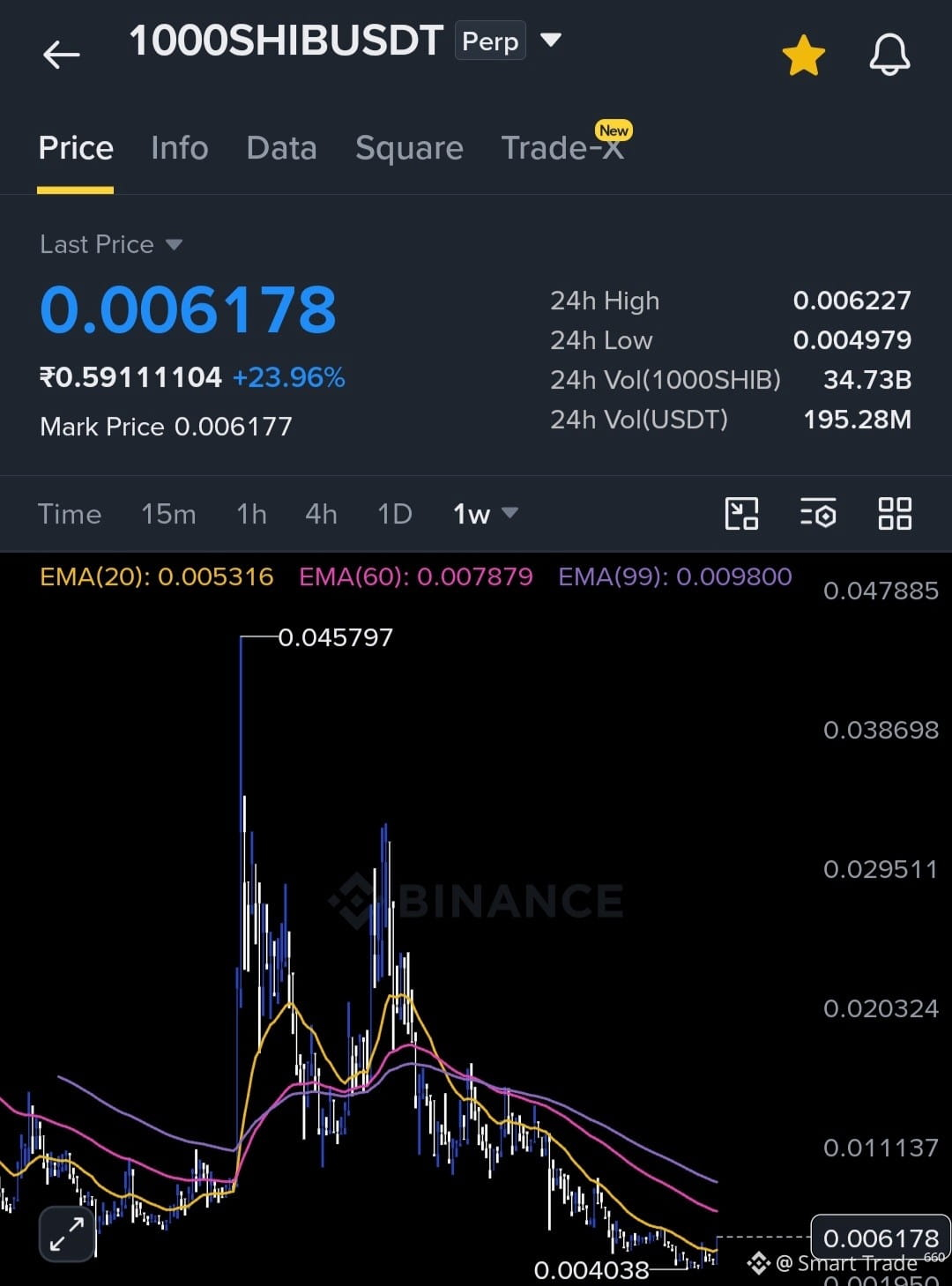
Shibは下落を予想 — より大きな全体像での注意: 価格は依然として60日・99日の移動平均を大きく下回っているため、より広い下落トレンドはまだ崩れていません。これは、大きな調整の中での一時的なリバウンドに見えます。確認された反転ではありません。$1000SHIB
Shibは下落を予想 — より大きな全体像での注意: 価格は依然として60日・99日の移動平均を大きく下回っているため、より広い下落トレンドはまだ崩れていません。これは、大きな調整の中での一時的なリバウンドに見えます。確認された反転ではありません。$1000SHIB
確認済み
$DUSK 314.2 USDT(30日間の取引)
翻訳参照
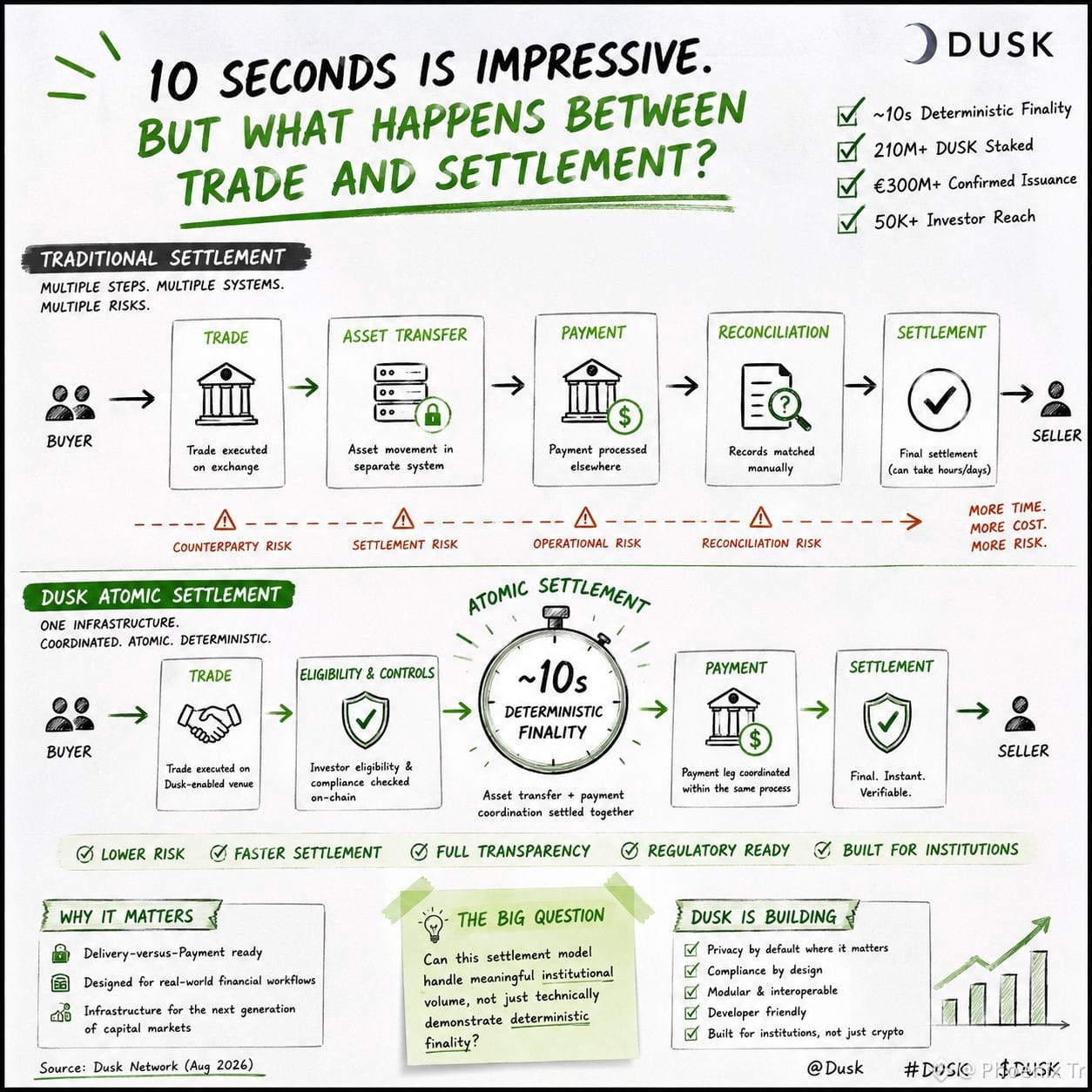
I kept seeing Dusk mention deterministic settlement, but today I stopped looking at the headline and asked a more practical question:
what does faster settlement actually change for a regulated market?
The answer is bigger than just “transactions become faster.”
Dusk currently lists roughly 10-second deterministic finality on its network.
But speed alone isn't enough for financial markets.
If an asset changes ownership while the payment leg is handled somewhere else, there is still coordination risk between the two sides.
That's where atomic settlement becomes interesting.
Dusk describes its infrastructure as supporting delivery-versus-payment-ready workflows, where asset movement and payment coordination can be designed around the same settlement process.
I think this is a more important detail than the usual “RWA on blockchain” narrative.
Imagine buying a tokenized security.
You don't really want:
asset transferred → wait → payment processed → records reconciled.
You want the transaction to behave more like:
payment + ownership transfer -> settled together.
Dusk's latest architecture is clearly being built around this kind of regulated workflow rather than treating tokenization as simply putting a digital representation on-chain. Its current use-case documentation connects eligibility, transfer controls, payment coordination and settlement.
But here's the part I'm still watching:
can this settlement model handle meaningful institutional volume, not just technically demonstrate deterministic finality?
Because 10-second finality is a useful metric.
The harder metric is whether financial institutions actually trust the workflow enough to replace parts of their existing settlement infrastructure.
That's where Dusk gets interesting to me.
#dusk $DUSK @Dusk
what does faster settlement actually change for a regulated market?
The answer is bigger than just “transactions become faster.”
Dusk currently lists roughly 10-second deterministic finality on its network.
But speed alone isn't enough for financial markets.
If an asset changes ownership while the payment leg is handled somewhere else, there is still coordination risk between the two sides.
That's where atomic settlement becomes interesting.
Dusk describes its infrastructure as supporting delivery-versus-payment-ready workflows, where asset movement and payment coordination can be designed around the same settlement process.
I think this is a more important detail than the usual “RWA on blockchain” narrative.
Imagine buying a tokenized security.
You don't really want:
asset transferred → wait → payment processed → records reconciled.
You want the transaction to behave more like:
payment + ownership transfer -> settled together.
Dusk's latest architecture is clearly being built around this kind of regulated workflow rather than treating tokenization as simply putting a digital representation on-chain. Its current use-case documentation connects eligibility, transfer controls, payment coordination and settlement.
But here's the part I'm still watching:
can this settlement model handle meaningful institutional volume, not just technically demonstrate deterministic finality?
Because 10-second finality is a useful metric.
The harder metric is whether financial institutions actually trust the workflow enough to replace parts of their existing settlement infrastructure.
That's where Dusk gets interesting to me.
#dusk $DUSK @Dusk
一部該当
翻訳参照
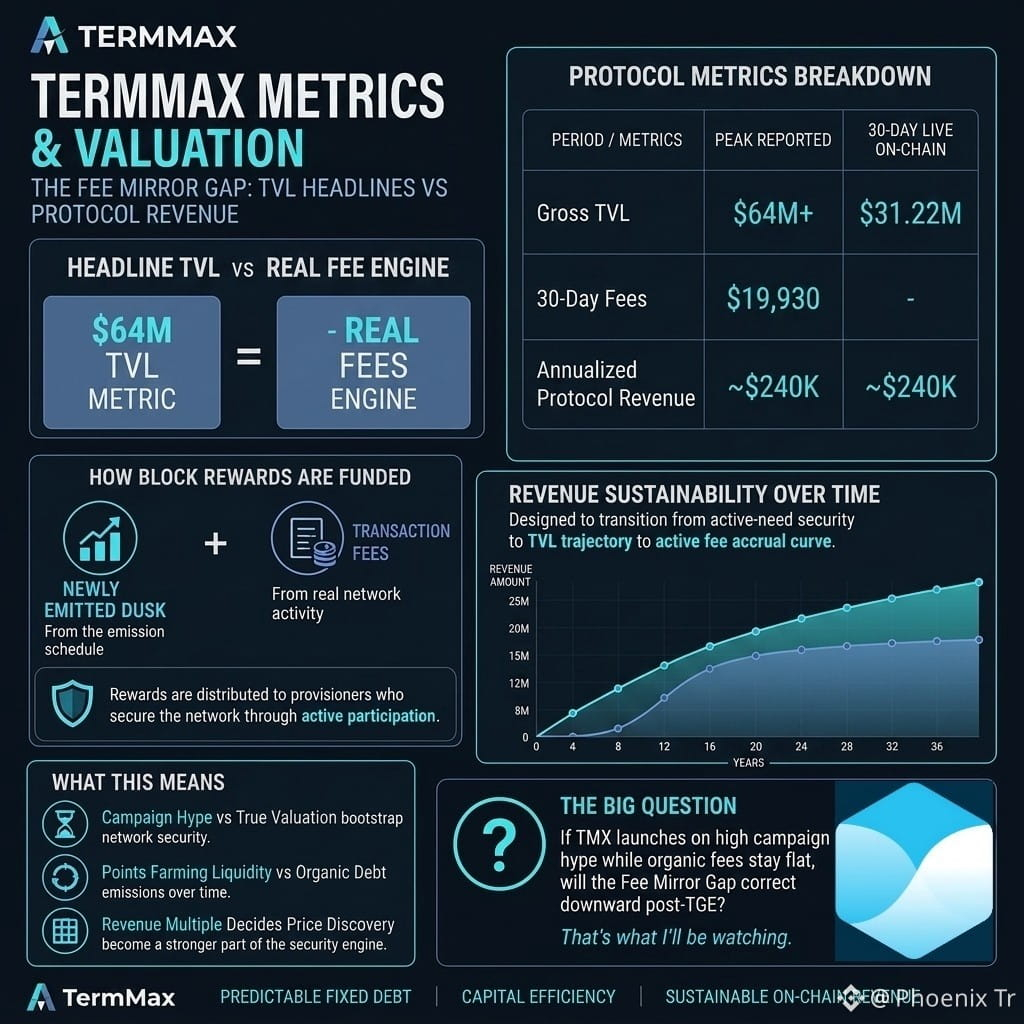
#TermMax Most creators farming this campaign right now are purely optimizing for points, but almost nobody is looking at the core metric that actually determines valuation at token discovery: protocol revenue.
While looking into TermMax, there is a noticeable spread between top-line TVL and actual fee generation. Peak figures point toward tens of millions in gross TVL, yet on-chain fee trackers show 30-day protocol fee generation hovering around $20,000—which translates to roughly $240,000 in annualized revenue.
I call this the Fee Mirror Gap: the distance between what a protocol’s headline TVL implies and what its underlying cash-flow engine actually supports.
When that gap is wide at launch, secondary market price discovery often faces friction. Campaign hype drives points-farming, points-farming fuels pre-launch expectations, but market valuations eventually have to reconcile with real economic yield.
TermMax’s core architecture is real—integrating RWA-style collateral models and single-transaction Gearing Tokens solves genuine DeFi inefficiencies. However, capital efficiency and fee capture are two distinct layers, and sustainable long-term valuation requires protocol revenue to steadily catch up with deployed liquidity.
If trading volume remains stable while token float enters the market, closing that Fee Mirror Gap will depend entirely on institutional debt adoption.
#termmax @TermMax
While looking into TermMax, there is a noticeable spread between top-line TVL and actual fee generation. Peak figures point toward tens of millions in gross TVL, yet on-chain fee trackers show 30-day protocol fee generation hovering around $20,000—which translates to roughly $240,000 in annualized revenue.
I call this the Fee Mirror Gap: the distance between what a protocol’s headline TVL implies and what its underlying cash-flow engine actually supports.
When that gap is wide at launch, secondary market price discovery often faces friction. Campaign hype drives points-farming, points-farming fuels pre-launch expectations, but market valuations eventually have to reconcile with real economic yield.
TermMax’s core architecture is real—integrating RWA-style collateral models and single-transaction Gearing Tokens solves genuine DeFi inefficiencies. However, capital efficiency and fee capture are two distinct layers, and sustainable long-term valuation requires protocol revenue to steadily catch up with deployed liquidity.
If trading volume remains stable while token float enters the market, closing that Fee Mirror Gap will depend entirely on institutional debt adoption.
#termmax @TermMax
翻訳参照
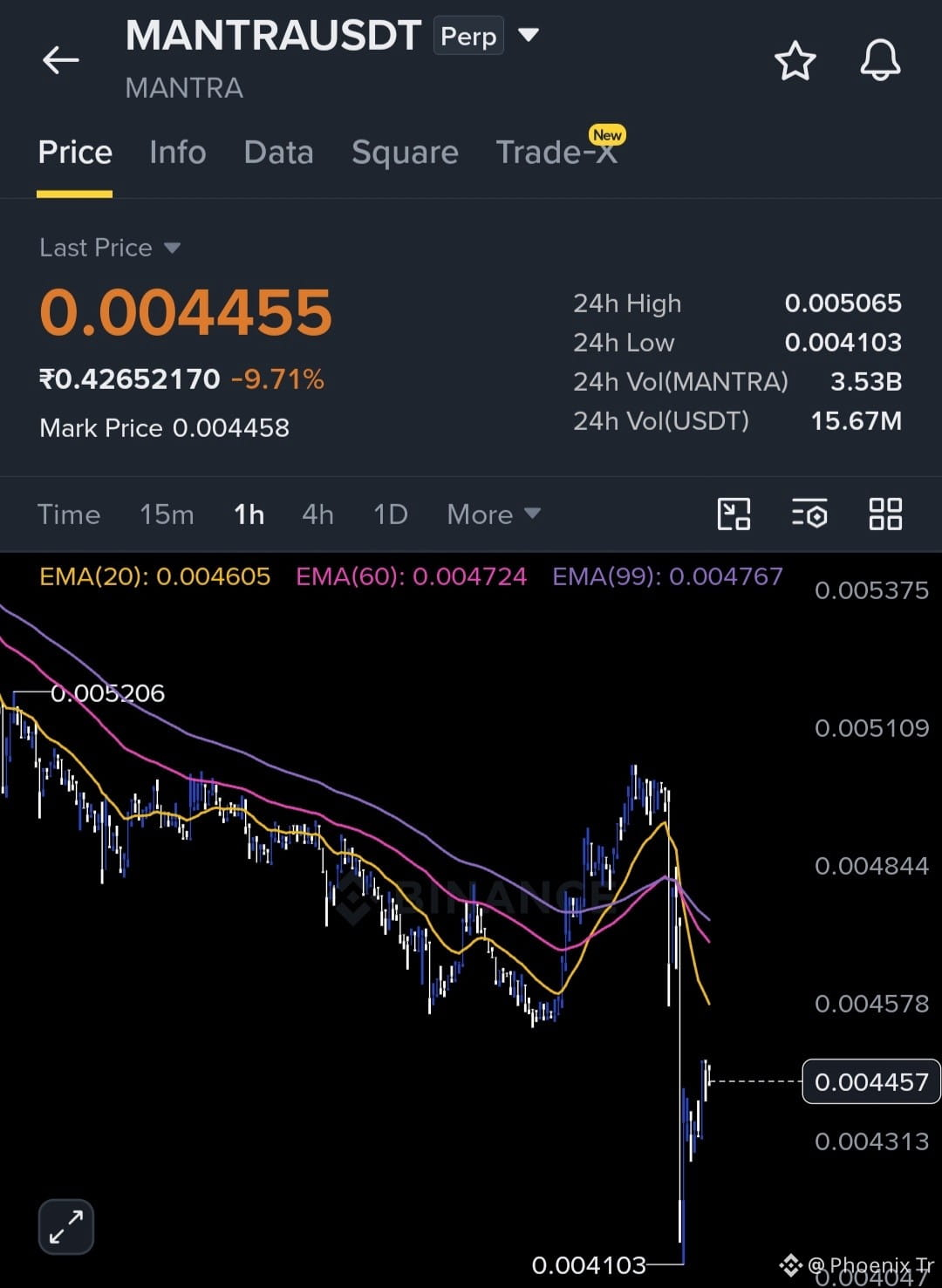
$MANTRA
Down nearly 10% today, still carrying the weight of April's infamous 90% crash and insider-selling allegations. Its later 46% "recovery" pump also came without real news — a pattern of pure speculation, not rebuilt trust. Hard to call this a stable setup.
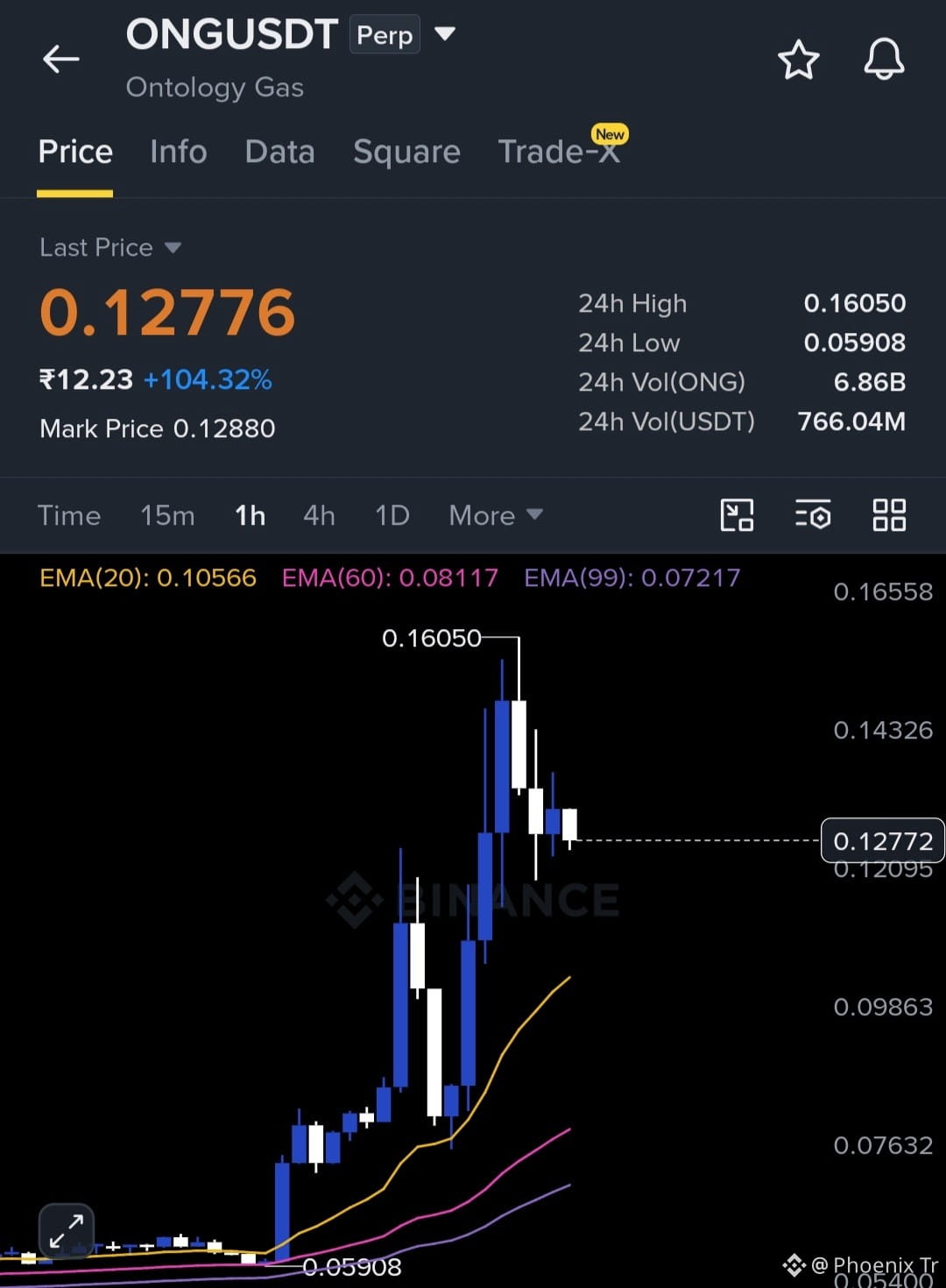
$ONG
(Ontology Gas)high-risk. Up massively today on a huge volume surge, this fits ONG's history of sudden speculative spikes (has done 140%+ single-day moves before without major catalysts). Currently testing key resistance; a clean break could extend the move, but this token has failed at resistance multiple times before.
Down nearly 10% today, still carrying the weight of April's infamous 90% crash and insider-selling allegations. Its later 46% "recovery" pump also came without real news — a pattern of pure speculation, not rebuilt trust. Hard to call this a stable setup.
$ONG
(Ontology Gas)high-risk. Up massively today on a huge volume surge, this fits ONG's history of sudden speculative spikes (has done 140%+ single-day moves before without major catalysts). Currently testing key resistance; a clean break could extend the move, but this token has failed at resistance multiple times before.
確認済み
#termmax @TermMax
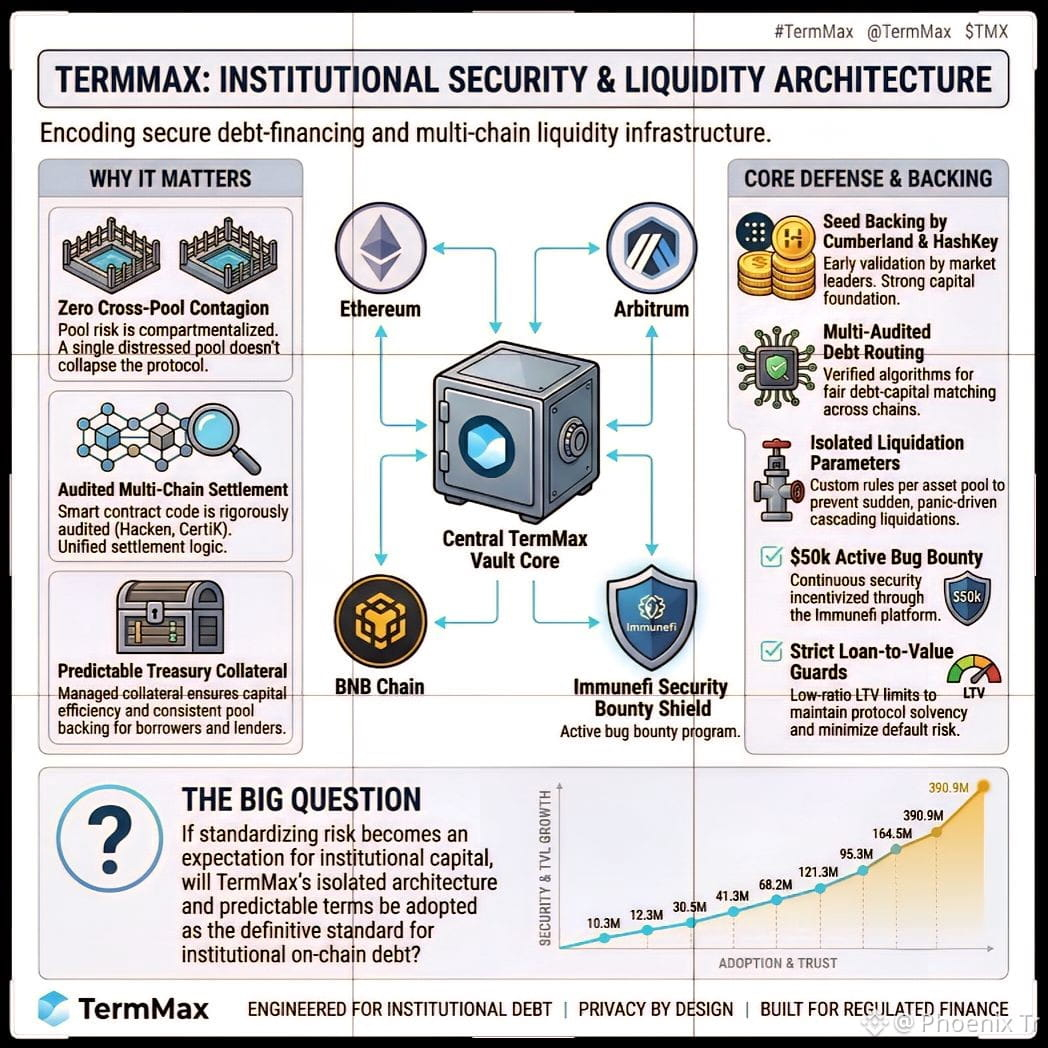
レガシーな分散型レンディングにおける最大の脆弱性は、金利の計算式ではなく、常に共有プール型の伝播(コンタジオン)にありました。標準的なプールモデルでは、長いテールを持つ担保資産のうち1つに対する悪用や不良債権イベントが発生すると、大手(ブルーチップ)貸し手の流動性準備金がすべて吸い尽くされてしまう可能性があります。
@TermMax のセキュリティ・フレームワークを分析する中で私の目を引いたのは、マノリシック(巨大な単一)な流動性プールから、マルチチェーン展開における隔離されたリスク・サイロへと構造的に踏み込んだ点でした。
希少で複雑な担保を1つの巨大な取引相手のバランスシートにまとめるのではなく、TermMaxはローンの条件と担保の境界を分離します。極端な市場ボラティリティや、特定の資産でデぺッグ(価格乖離)が1つの隔離された期間バケット内で起きても、その影響は数学的に区画化されます。無関係な満期日へ波及したり、Ethereum、Arbitrum、BNB Chainにまたがる中核のステーブルコイン準備を奪ったりすることはできません。
このアーキテクチャ上の規律があるため、市場メーカーや、CumberlandやHashKey Capitalのような機関投資家が、当初の評価額3,800万ドルでシードラウンド(総額425万ドル)による支援に踏み切りました。企業のトレジャリーや大手流動性提供者がオンチェーンの固定金利プロトコルを評価する際には、短期的なインセンティブ利回りよりも、検証可能なリスク分離と、監査済みの決済契約のほうがはるかに重要です。
マルチチェーンの固定負債(固定デット)エンジンに残された試練は、クロスチェーンでの流動性断片化(フラグメンテーション)に対応できるかどうかです。複数のネットワークで稼働することでユーザーのアクセスは広がりますが、各チェーン上の個別の債務オーダーブックを深くするには、一定かつ一貫した機関投資家の取引量が必要になります。
オンチェーンに資本を配分する際、あなたはクロス担保の柔軟性を重視しますか、それとも厳密な隔離型リスク保護を優先しますか?
$BNB $ETH
レガシーな分散型レンディングにおける最大の脆弱性は、金利の計算式ではなく、常に共有プール型の伝播(コンタジオン)にありました。標準的なプールモデルでは、長いテールを持つ担保資産のうち1つに対する悪用や不良債権イベントが発生すると、大手(ブルーチップ)貸し手の流動性準備金がすべて吸い尽くされてしまう可能性があります。
@TermMax のセキュリティ・フレームワークを分析する中で私の目を引いたのは、マノリシック(巨大な単一)な流動性プールから、マルチチェーン展開における隔離されたリスク・サイロへと構造的に踏み込んだ点でした。
希少で複雑な担保を1つの巨大な取引相手のバランスシートにまとめるのではなく、TermMaxはローンの条件と担保の境界を分離します。極端な市場ボラティリティや、特定の資産でデぺッグ(価格乖離)が1つの隔離された期間バケット内で起きても、その影響は数学的に区画化されます。無関係な満期日へ波及したり、Ethereum、Arbitrum、BNB Chainにまたがる中核のステーブルコイン準備を奪ったりすることはできません。
このアーキテクチャ上の規律があるため、市場メーカーや、CumberlandやHashKey Capitalのような機関投資家が、当初の評価額3,800万ドルでシードラウンド(総額425万ドル)による支援に踏み切りました。企業のトレジャリーや大手流動性提供者がオンチェーンの固定金利プロトコルを評価する際には、短期的なインセンティブ利回りよりも、検証可能なリスク分離と、監査済みの決済契約のほうがはるかに重要です。
マルチチェーンの固定負債(固定デット)エンジンに残された試練は、クロスチェーンでの流動性断片化(フラグメンテーション)に対応できるかどうかです。複数のネットワークで稼働することでユーザーのアクセスは広がりますが、各チェーン上の個別の債務オーダーブックを深くするには、一定かつ一貫した機関投資家の取引量が必要になります。
オンチェーンに資本を配分する際、あなたはクロス担保の柔軟性を重視しますか、それとも厳密な隔離型リスク保護を優先しますか?
$BNB $ETH
$DUSK 273.6 USDT(30日間の取引)
翻訳参照
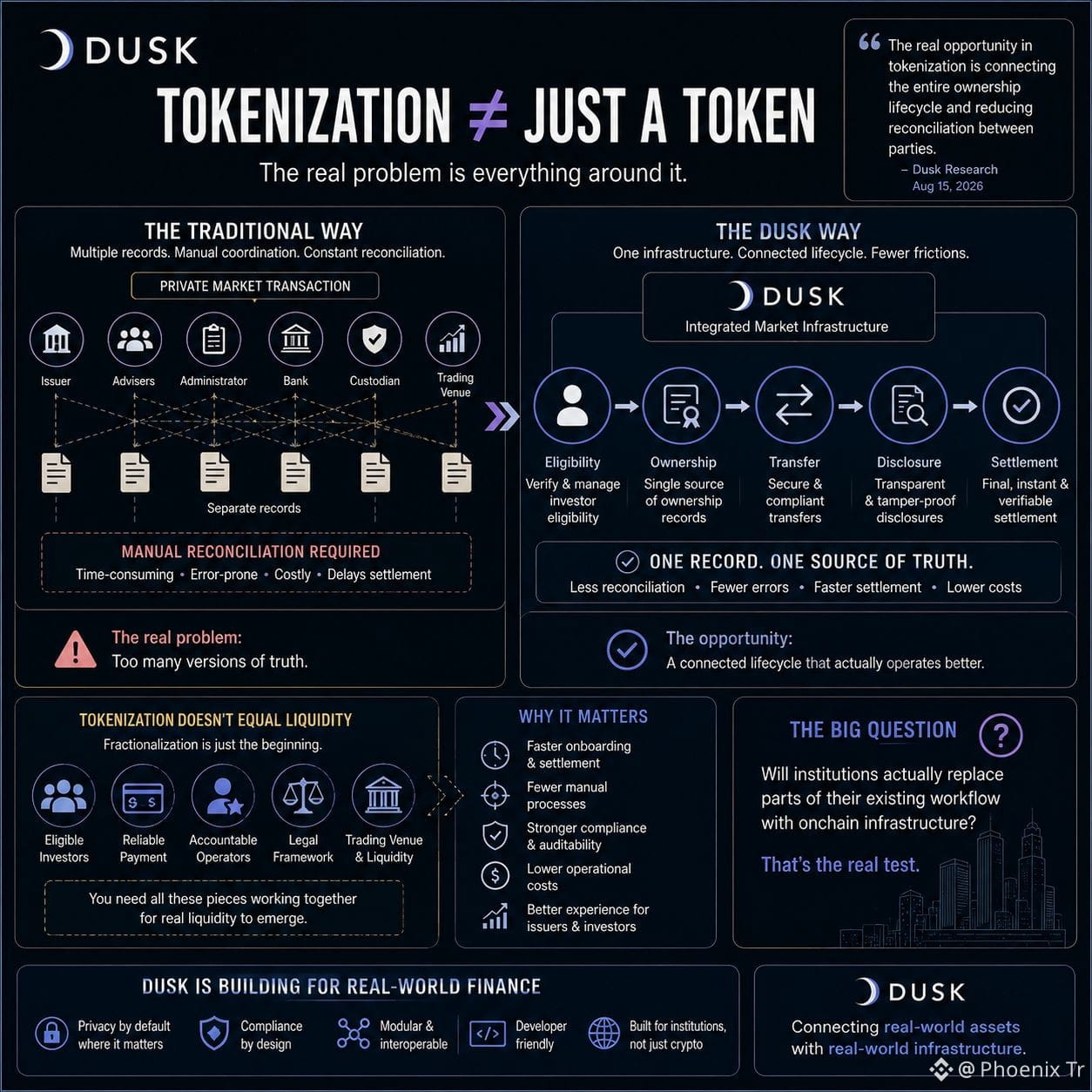
I was reading Dusk's latest piece on tokenization and SMEs, and one sentence kept coming back to me:
the real problem isn't always creating the token.
It's everything that happens around it.
In a traditional private-market transaction, ownership data can move between issuers, advisers, administrators, banks, custodians and trading venues.
Everyone may maintain their own version of the record.
Then someone has to reconcile them.
That sounds boring compared with “tokenizing real-world assets.”
But after looking deeper, I think this is where Dusk's architecture becomes more interesting.
Dusk is trying to put eligibility, ownership, transfers, disclosure and settlement around the same market infrastructure rather than treating the token as an isolated asset.
And its latest SME research makes an important distinction:
fractionalization alone doesn't create liquidity.
You still need eligible investors, reliable payment, accountable operators, a legal framework and a venue where the asset can actually trade.
That's why I don't think the interesting Dusk story is simply:
RWA assets are coming on-chain.
The more interesting question is whether blockchain can remove enough manual coordination and duplicated records to make private-market infrastructure actually operate differently.
Dusk is betting on that.
But the real test won't be the technology.
It will be whether institutions actually replace parts of their existing workflow with it.
That's the part I'm watching.
#dusk $DUSK @Dusk
the real problem isn't always creating the token.
It's everything that happens around it.
In a traditional private-market transaction, ownership data can move between issuers, advisers, administrators, banks, custodians and trading venues.
Everyone may maintain their own version of the record.
Then someone has to reconcile them.
That sounds boring compared with “tokenizing real-world assets.”
But after looking deeper, I think this is where Dusk's architecture becomes more interesting.
Dusk is trying to put eligibility, ownership, transfers, disclosure and settlement around the same market infrastructure rather than treating the token as an isolated asset.
And its latest SME research makes an important distinction:
fractionalization alone doesn't create liquidity.
You still need eligible investors, reliable payment, accountable operators, a legal framework and a venue where the asset can actually trade.
That's why I don't think the interesting Dusk story is simply:
RWA assets are coming on-chain.
The more interesting question is whether blockchain can remove enough manual coordination and duplicated records to make private-market infrastructure actually operate differently.
Dusk is betting on that.
But the real test won't be the technology.
It will be whether institutions actually replace parts of their existing workflow with it.
That's the part I'm watching.
#dusk $DUSK @Dusk
ログインして、さらにコンテンツを読む