
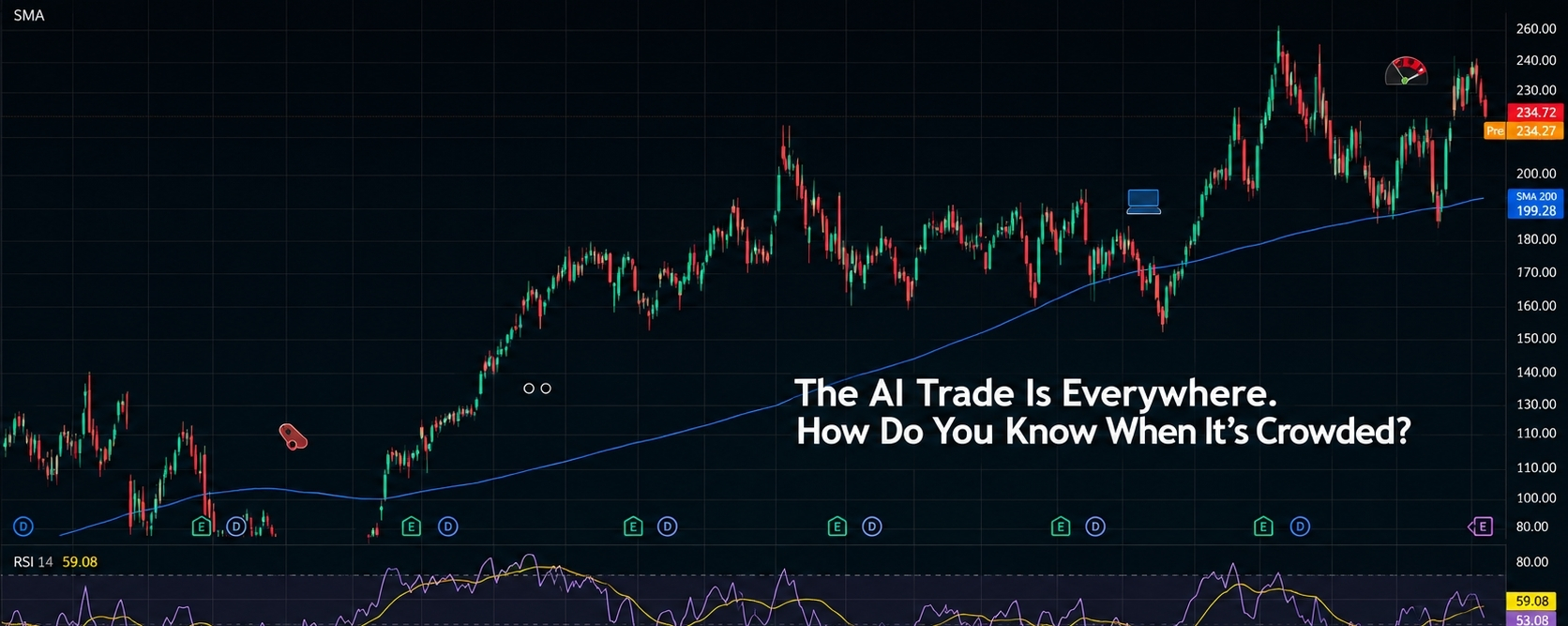


NVDA, 1D
Not too long ago, the AI trade meant buying Nvidia NASDAQ:NVDA and watching Jensen Huang explain why the world needed more GPUs.
Now artificial intelligence stretches across chipmakers, memory producers, cloud providers, data centers, utilities, nuclear power and almost anything capable of supplying electricity to a server rack.
Nvidia remains the obvious heavyweight, but the supporting cast has exploded. Micron NASDAQ:MU and Sandisk NASDAQ:SNDK have ridden extraordinary demand for memory. Obviously, it’s been reflected in the share price.
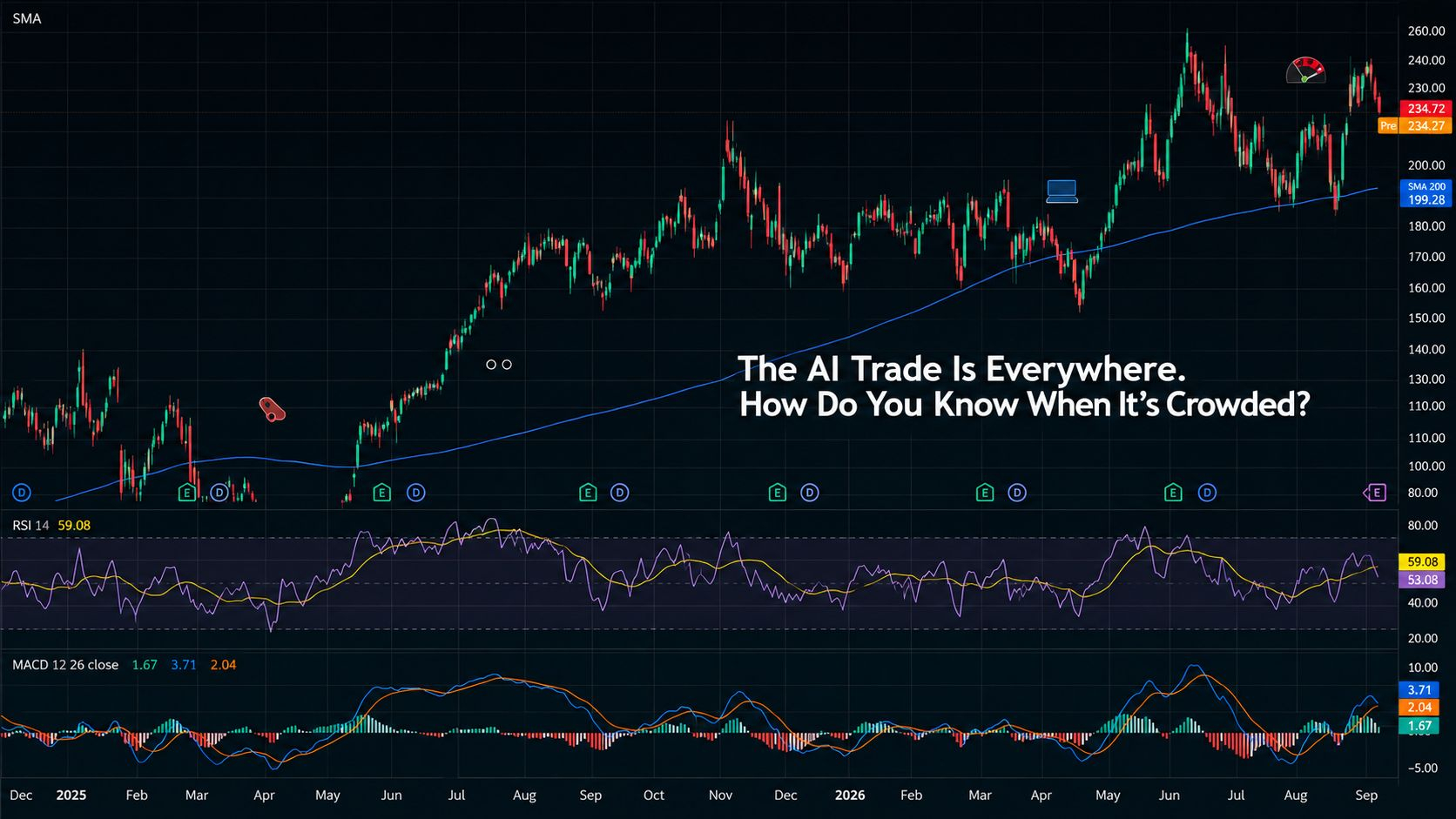
Nebius NASDAQ:NBIS and CoreWeave NASDAQ:CRWV are building AI cloud infrastructure at breakneck speed.
Power companies have become AI-adjacent because data centers need staggering amounts of electricity. We even watched Allbirds (now rebranded to Smartbirds NASDAQ:BIRD) announce a pivot from wool sneakers toward AI compute infrastructure and briefly send its shares flying more than 500%. Only to fall back to pre-pop prices.
👥 Welcome to the Crowded Trade
That brings us to one of investing's more slippery concepts: the crowded trade.
A trade becomes crowded when large numbers of investors pile into the same asset, sector or investment thesis. Prices rise, attention grows and eventually everybody from hedge funds to your basketball group chat seems to own some version of the same idea.
But crowded and wrong mean different things. AI demand can remain enormous, Nvidia can keep selling mountains of chips and Nebius can continue signing billion-dollar contracts while the trade itself becomes increasingly crowded.
The risk comes from expectations. Once investors collectively expect extraordinary results (or realize they’ve taken things too far), delivering good results can feel disappointing. And that can hit the stock’s valuation.
📈 First Clue: Everything Keeps Going Up
Price action provides the most obvious warning. Consider the extraordinary moves across parts of the AI ecosystem. Nebius has multiplied several times over during the AI infrastructure boom.
Micron has enjoyed an enormous rally as memory prices surged, while Sandisk became an extreme example of investors chasing scarce memory capacity.
Big gains can reflect genuine improvements in a business. The interesting part begins when share prices start rising much faster than earnings, revenue or other metrics of fundamental performance.
Question for such times: Is the company truly in a fantastic shape with an upbeat outlook or is that mostly froth and speculation? Sometimes the answer is both. That's what makes this difficult.
💰 Second Clue: Valuations Start Assuming Perfection
Valuation offers another useful signal. A stock trading at a very high multiple of expected earnings isn't automatically expensive. Investors routinely pay premium prices for businesses expected to grow quickly.
The trouble arrives when today's price already assumes several years of exceptional growth.
Imagine analysts expect an AI company to double revenue. The stock rallies because investors anticipate that growth. Then the company reports revenue growth of 80%.
As much as 80% growth sounds fantastic in isolation. Against expectations for 100%, Wall Street may treat it like a total failure.
Crowded markets frequently produce this strange dynamic where excellent numbers generate mediocre stock reactions because investors had already priced in something even better.
🎯 Third Clue: Everyone Agrees, Even Your Barber
Consensus can become another useful temperature gauge. When analysts overwhelmingly recommend buying, earnings estimates keep rising, fund flows pour into the same sector and traders aggressively purchase call options, optimism may be approaching saturation.
Again, consensus can be correct. Markets sometimes recognize powerful structural trends early and continue rewarding them for years.
The issue is what happens when everyone who wants exposure already has it. Rising markets need incremental buyers, meaning someone willing to purchase at the next higher price.
When positioning becomes extremely crowded, that pool can shrink while the number of potential sellers grows. Suddenly, one disappointing earnings report can create a very crowded doorway.
😬 Being Right Can Still Hurt
Nebius recently provided a particularly useful lesson through (yes, you guessed it) investor Leopold Aschenbrenner.
His highly leveraged fund built major positions around the AI infrastructure boom, but severe losses triggered margin pressure and forced it to sell holdings, including Nebius, to Citadel.
Nebius subsequently rallied roughly 80% from his exit. Crowded trades can produce violent corrections precisely because many investors may be holding similar leveraged positions.
🛡️ So, Should You Avoid Crowded Trades?
Avoiding every popular investment would have kept traders away from some of history's greatest winners. The better approach is recognizing that crowding changes the risk equation.
Entry price becomes more important. Position size deserves greater attention. Leverage deserves considerably more respect. Earnings expectations matter alongside actual earnings (keep an eye on the Earnings Calendar).
Most importantly, separate the company thesis from the stock thesis. A company can dominate its industry while its shares struggle because investors previously priced in even greater domination or something else entirely.
Off to you: What’s your way of knowing if a trade is overcrowded?
Share your approach in the comments!
$SNDK $SNDK.US