

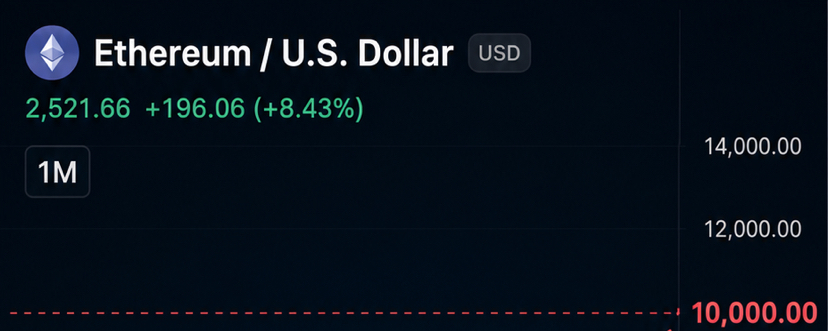

問題は、おそらくEthereumが、前回サイクルの未完了の在庫を次のBitcoinサイクルへ直接持ち越している可能性があることです。
失敗したオークションは、完了した拡大と同じではありません。
ETHは2025年に2021年のATHを突破しました。けれど、$4.8K〜$5Kを超える持続的な価値創造はありませんでした。ETH/BTCの拡大もなく、現物主導の確かな発見もありません。市場は旧高値の上でオークションを行ったが、受け入れは見つからず、数年にわたる従来のバランスへ戻っていきました。
未消化の在庫が残っている。配分されていない。駐車された。
その下でのポジショニング:
トップトレーダーのL/S:ポジション1.70/口座1.34。人数よりもロング寄りのサイズ感。
ネットショート 約1.24M 対 ネットロング 約936K
CVD:-$48.47M
攻めのフローはまだ売り優勢です。しかし、この混ざったCVDが隠している唯一の変数があります。それを決めるのは:先物か現物か。
価格が持ちこたえているのに先物CVDが新安値を更新=吸収。
それと並行して現物CVDが新安値=配分(ディストリビューション)。
同じ見出しの数字。結末は正反対。
つまり、反証可能な形は:
確認:先物CVDは新安値を作り続ける一方で価格は拒否し、さらに現物CVDが上向きに転じる。
誤り=現物CVDがそれと同時に新安値を作る。
今やっと問題に気づく人がほぼいない「サイズ階級」の問題です。ETHに関しては。
約$2.35KでのETHショート約1.24Mは、約$2.9Bのカバー可能なブックで、時価総額キャップ約$280Bに対して。比率 約0.01。
ショートブックは、ポジショニングだけで3倍を生むには時価総額の約1/4に迫る必要があります。ETHはその1%です。
じゃあ怠惰なバージョンは自分で潰します。$10Kへのショートスクイーズなんてありません。最初から起こるはずがなかった。
だからこそ、順序(シーケンシング)が重要なんです。この規模のレバレッジでは元になるはずがない。既に存在するスポットの動きに対する増幅器でしかない。
先物/現物ボリューム比:16.05。BTCは約7.5。
ETHは今も、ビットコインよりもデリバティブ主導が2倍です。現物市場が付随したパーペチュアル市場。
体制の転換は、こう見えます:まずスポットのフローが改善し、価格が反応し、次にOIが拡大し、ファンディングは封じられたまま。
そして「現物が改善する」というのはチャートパターンではありません。ETFの純増と、供給に占めるステーク済み/流動性の低いシェアです。16がBTCの7〜8に向けて圧縮されつつ、価格が維持されるなら、ビッドの構成が変わっています。そうなると、ショート在庫は反射的な燃料になります。加速装置であって、エンジンではない。
ですが、本当のマクロシグナルはETH/BTCです。
今日の比率は約0.031、過去1か月でBTCに対しては約+20%。2027年の相対強度回復として私が予測しているものは、すでにソワソワし始めています。
取り戻すのを見たい水準:0.04→0.05→0.06+
それなら、算術を正直に言うと。
BTC $125Kで0.08だと、約$10KのETHを示唆します。ですがBTCは約$77Kで比率は0.031。これは複合ベット:BTC +60% かつ ETH/BTC +150%、しかも2025年8月の高値近く0.068を上回る水準です。
これはベースケースではありません。上限は...
独立して、ETH/USD:
マクロのバランス 約$880 → 約$5K
幅 約$4.12K
$5K超えの受け入れが約$9.1Kを見込みます。さらにそのすぐ上に、$10Kの流動性クラスターがあります。
2つのフレームワーク、同じ街。
でも現物は約$2.3Kです。$9.1Kは、受け入れが$5Kを上回るまで作動しません。目安としてその距離は約+115%。トリガーは$5K。$9.1Kはトリガーの後に来るものです。
そして、そのタイムラインが、誰もが間違えがちなものかもしれません。
2026=在庫の移転。
2027=ETH/BTCの相対強度回復。
それから、同じ上限の下で何年も圧縮された後の2028年の半減期の時代へ。
「ETHはサイクルを逃した」ではありません。
しかし、ETHの拡大は十分に遅れ、次の拡大と重なるほどでした。
否定されない仮説はただの希望にすぎないので、こうです:
現物と先物の両方のCVDが新安値を作り、なおかつ価格がそれに追随するなら誤り。
誤り=先物/現物が、どんな反発でも~15を上回り続ける場合。買いは一度も変わっていない。
誤り=ETH/BTCがベースを失い、新しいサイクル安値を作るなら。
そしてもしETHが2028年のかなり深いところまで$5K未満なら、「拡大の遅れ」という説明ではなく、「再評価された資産」がそれになります。
それが私が見ているシナリオで、そこから私を引き上げる条件がそれらです。