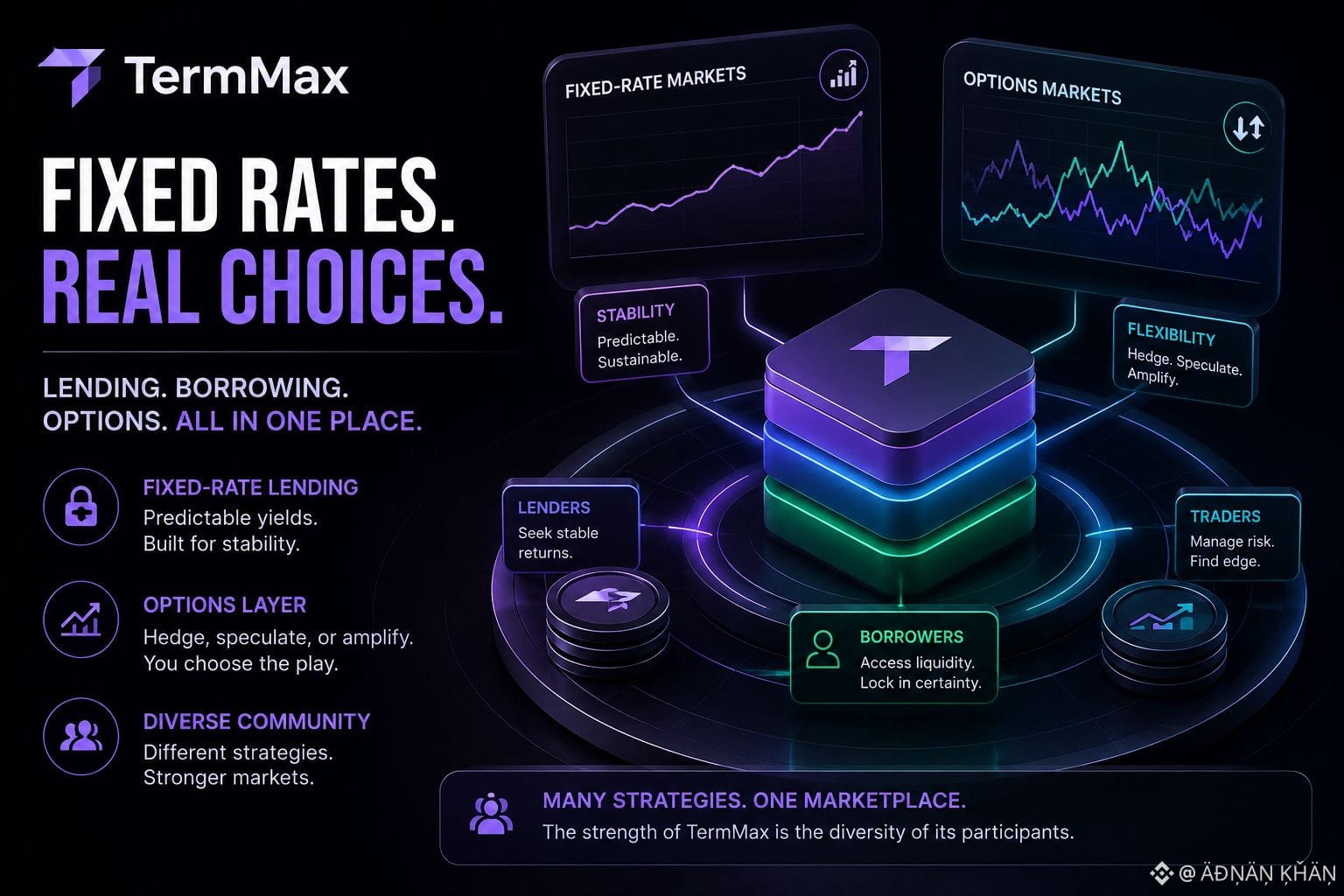

今は、ほとんど固定金利の貸付実験を見るのと同じ感じでTermMaxを見ている——仕組みそのものにはあまり関心がなくて、最初に誰が現れるのか、そしてなぜなのかが気になって仕方ない。仮想通貨における固定金利は、昔からずっと「数学の問題を装った協調問題」だ。価格設定カーブが簡単な部分。気になっているのは、初期の流動性提供者が、原始的なものとして金利の安定を信じているからここにいるのか、それとも誰かにそうするようインセンティブを与えられているからなのか、そしてその違いがまだ意味を持つのかどうかだ。
貸付の上にオプションを重ねると、さらに面白くなる。主に、部屋に入ってくる参加者の種類が変わるから——利回りではなくボラティリティを最適化する人たちだ。心理も、時間軸も違う。だからといって、それが不安定さを生むと言っているわけではない。ただ、それは「コミュニティが一つ」ではなく、いくつかに分かれていて、いまは一時的に足並みが揃っている、ということを意味する。
いつも結局そこに戻ってくる。プロトコルは、仕組みの設計が原因で本質的に失敗するというより、インセンティブが薄れてから「誰が残るか」によって、ゆっくりとドリフトしていく。たぶんそれが唯一の本当のテストなのだと思う。2年後もここでリスクを価格に織り込んでいるのは誰で、なぜそうなのか?
@TermMax #TermMax
貸付の上にオプションを重ねると、さらに面白くなる。主に、部屋に入ってくる参加者の種類が変わるから——利回りではなくボラティリティを最適化する人たちだ。心理も、時間軸も違う。だからといって、それが不安定さを生むと言っているわけではない。ただ、それは「コミュニティが一つ」ではなく、いくつかに分かれていて、いまは一時的に足並みが揃っている、ということを意味する。
いつも結局そこに戻ってくる。プロトコルは、仕組みの設計が原因で本質的に失敗するというより、インセンティブが薄れてから「誰が残るか」によって、ゆっくりとドリフトしていく。たぶんそれが唯一の本当のテストなのだと思う。2年後もここでリスクを価格に織り込んでいるのは誰で、なぜそうなのか?
@TermMax #TermMax