
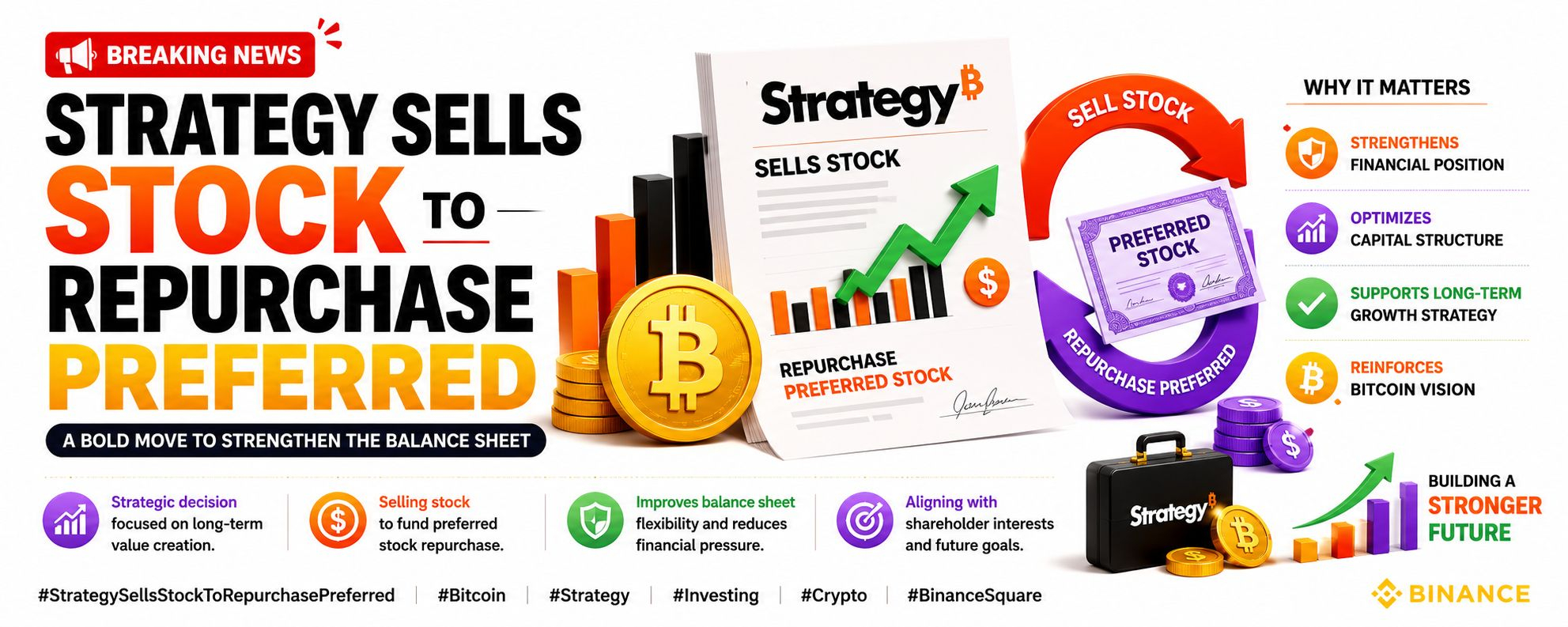
Let's pull our eyes away from the major market pairs for a moment. A highly unusual corporate chess move just played out in the micro-cap equities sector, and it serves as a massive case study on institutional liquidity, debt management, and corporate survival strategies.
The company in focus, Strategy Investments (acting through its parent, Strategy Micro-Cap Fund), has officially triggered a sweeping restructuring play: selling off common stock assets for the sole purpose of repurchasing its own high-yield preferred shares.
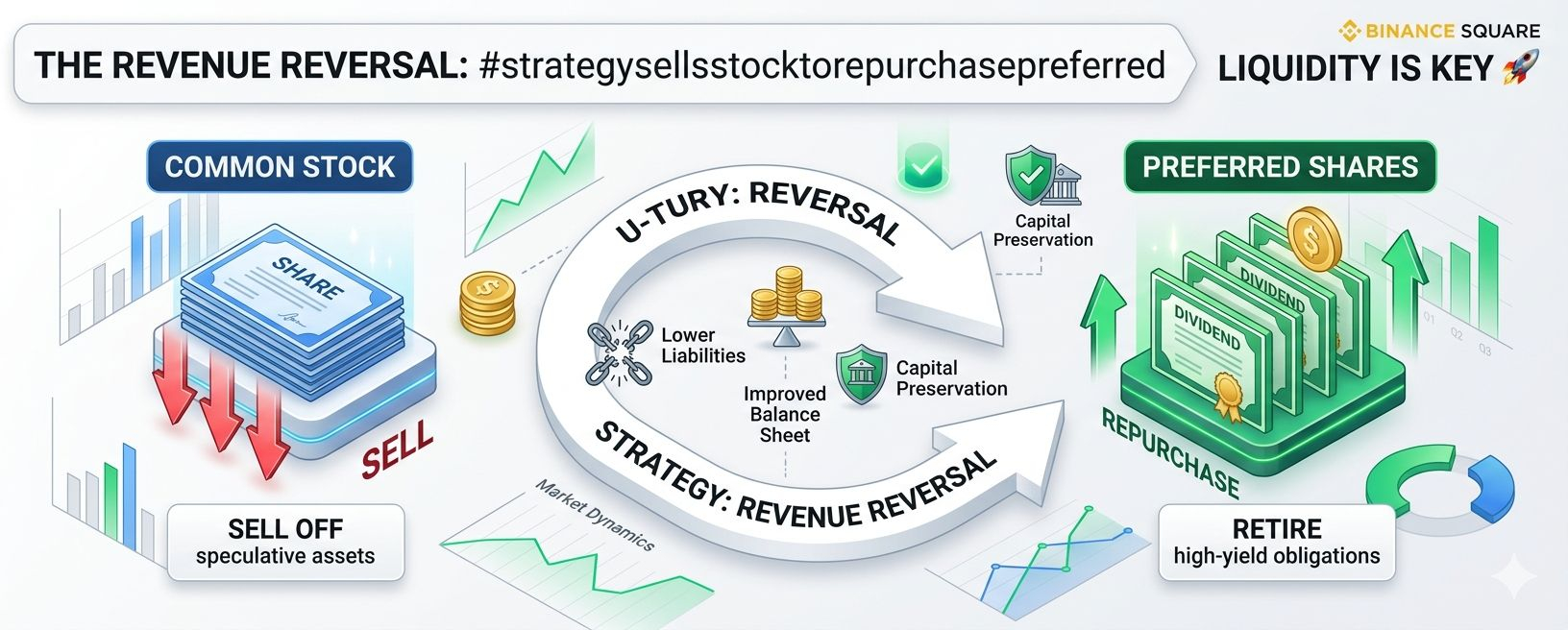
🔍 Deconstructing the Trade Why Sell Common for Preferred?
To the casual observer, dumping common stock to buy back preferred shares feels like moving money from your left pocket to your right pocket. But in the world of tight-margin micro-caps, this is a calculated liquidity play:
Slicing the Dividend Burden: Preferred shares often come attached to rigid, high-percentage dividend obligations that bleed corporate cash reserves. By aggressively retiring these shares, Strategy directly reduces its fixed financial liabilities.
The Valuation Disconnect: When management believes their common stock is fairly valued or facing a temporary macro ceiling, but their preferred shares are trading at a steep discount, a buyback offers an immediate, risk-free internal return.
Cleaning Up the Balance Sheet: Trimming down preferred equity obligations instantly improves the company's leverage metrics, making them look significantly more attractive to institutional debt lines or future venture financing.
📊 The Broad Crypto & Macro Parallel Protecting the Core
While this specific trade went down on traditional equity boards, the underlying psychology perfectly mirrors what we are seeing across the crypto markets right now.
Look at how capital is moving this week:
The Flight to Safety: Just like Strategy dumping speculative common assets to shore up its preferred foundations, crypto whales are actively rotating out of highly volatile, low-liquidity meme tokens back into layer-1 ecosystems and interest-bearing yield protocols.
DeFi Capital Efficiency: We are seeing a massive surge in decentralized autonomous organizations (DAOs) using their treasuries to buy back and burn their own native governance tokens or restructure their debt pools before the next macro rate shift.
Narrow Market Breadth: Market volume remains tightly concentrated. If an asset isn't generating real fee revenue or offering structural stability, institutional liquidity is simply cutting it loose to preserve core capital.
💡 The Strategic Playbook: How to Trade the Restructuring Wave
When corporations and funds start aggressively restructuring their balance sheets, retail traders need to tighten up their risk parameters:
Don't Chase Artificial Lows: When a company or project dumps common assets, it creates localized downward price pressure. Don't blindly "buy the dip" until the asset offloading process is completely finished.
Follow the Yield Chains: Pay close attention to projects that are actively reducing their supply or restructuring their tokenomics to favor long-term holders over short-term speculators.
Monitor the Whales: Keep an eye on on-chain treasury wallets. The moment a foundation begins selling off its secondary ecosystem holdings to shore up its native protocol asset, it's time to adjust your exposure.
What's your strategy? Do you think buying back preferred equity is a sign of corporate strength, or is it a defensive move showing a lack of faith in near-term market growth? Drop your thoughts in the comments below! 👇