
私を引き戻し続けたのは「プライバシー」をめぐる説明ではありませんでした。
もっとずっと単純な考えでした。
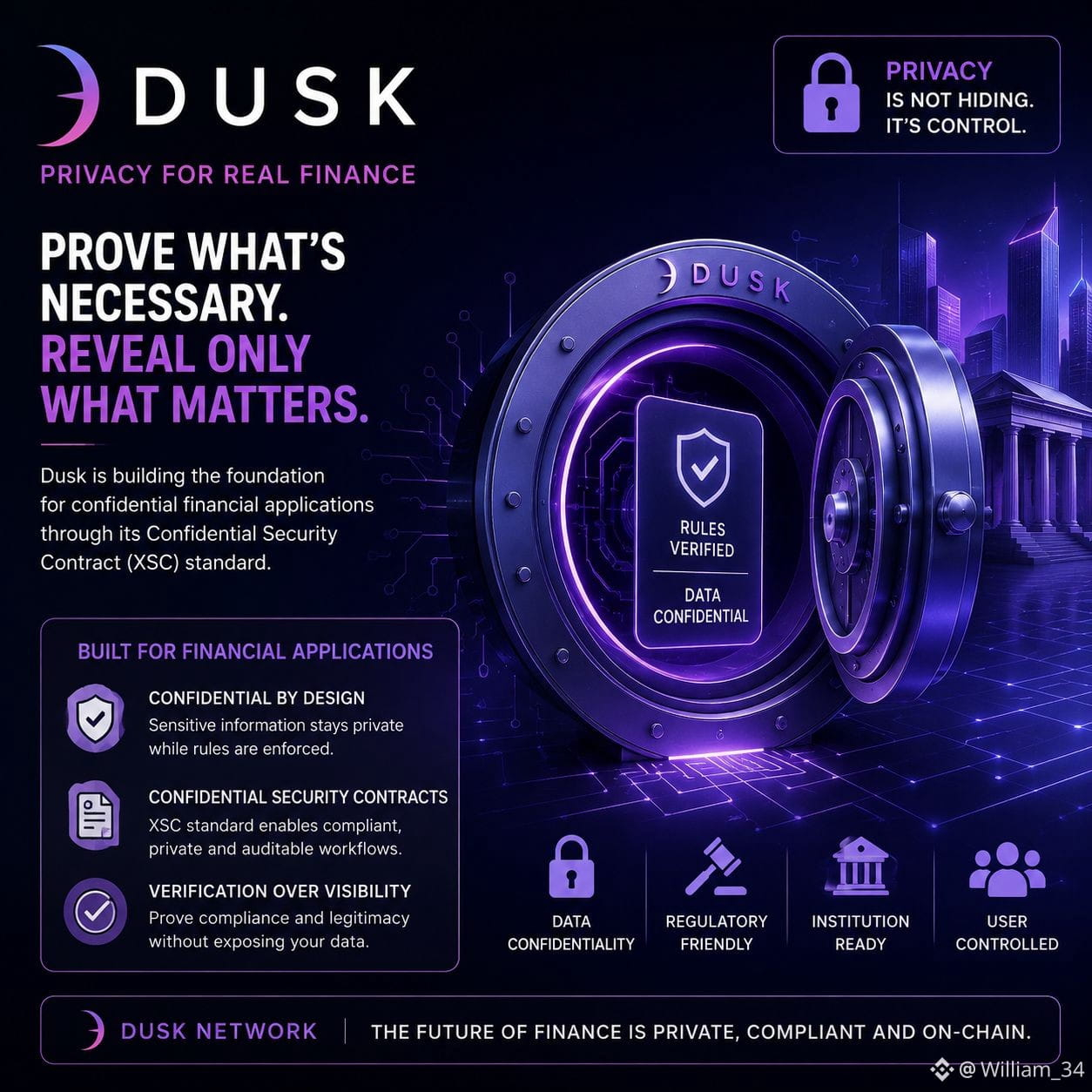
ほとんどのブロックチェーンは、信頼は「すべてを見せることで得られる」という前提に立っているようです。Duskは、それとは別の前提に基づいて設計されているように感じます。つまり、人は自分自身に関するあらゆる情報をさらけ出すことなく、ルールに従ったことを証明できるべきだという考えです。
最初は、あまり深く考えませんでした。ですが、その不思議さを考え始めてから、だんだん見えてきました。
従来の金融では、誰も自分のポートフォリオ、取引活動、あるいは機微なデータが世界中に公開されることを期待しません。ところが暗号資産の世界では、なぜか「過激な透明性」をデフォルトとして受け入れることに、私たちは慣れてしまっています。
Duskは透明性を完全に否定しているわけではありません。ただ、入力を明かすことよりも、成果を証明することにより関心があるようです。
そこが、私にとって面白いところです。
このプロジェクトの「Confidential Security Contract(機密セキュリティ・コントラクト)」モデルは、プライバシーとコンプライアンスは必ずしも対立するものではないことを示唆しています。何年も前から、この2つの考え方は、どちらかを犠牲にしなければならないかのように扱われてきました。Duskは、それらが共存できるかどうかを試しているように見えます。
たぶん、世間が思っている以上に大きな実験なのかもしれません。
ただし、すべての市場がこのアプローチを必要としているとは確信できません。中には、完全な透明性が有益なシステムもあるでしょう。
しかし、もしブロックチェーン技術が現実の金融活動を支えるためのものだと言うのなら、人々は本当に、永遠にすべてが見えるネットワークを選ぶのでしょうか。それとも、必要なものだけを開示する仕組みを、いずれは好むようになるのでしょうか。
@Dusk $DUSK #dusk
もっとずっと単純な考えでした。
ほとんどのブロックチェーンは、信頼は「すべてを見せることで得られる」という前提に立っているようです。Duskは、それとは別の前提に基づいて設計されているように感じます。つまり、人は自分自身に関するあらゆる情報をさらけ出すことなく、ルールに従ったことを証明できるべきだという考えです。
最初は、あまり深く考えませんでした。ですが、その不思議さを考え始めてから、だんだん見えてきました。
従来の金融では、誰も自分のポートフォリオ、取引活動、あるいは機微なデータが世界中に公開されることを期待しません。ところが暗号資産の世界では、なぜか「過激な透明性」をデフォルトとして受け入れることに、私たちは慣れてしまっています。
Duskは透明性を完全に否定しているわけではありません。ただ、入力を明かすことよりも、成果を証明することにより関心があるようです。
そこが、私にとって面白いところです。
このプロジェクトの「Confidential Security Contract(機密セキュリティ・コントラクト)」モデルは、プライバシーとコンプライアンスは必ずしも対立するものではないことを示唆しています。何年も前から、この2つの考え方は、どちらかを犠牲にしなければならないかのように扱われてきました。Duskは、それらが共存できるかどうかを試しているように見えます。
たぶん、世間が思っている以上に大きな実験なのかもしれません。
ただし、すべての市場がこのアプローチを必要としているとは確信できません。中には、完全な透明性が有益なシステムもあるでしょう。
しかし、もしブロックチェーン技術が現実の金融活動を支えるためのものだと言うのなら、人々は本当に、永遠にすべてが見えるネットワークを選ぶのでしょうか。それとも、必要なものだけを開示する仕組みを、いずれは好むようになるのでしょうか。
@Dusk $DUSK #dusk