
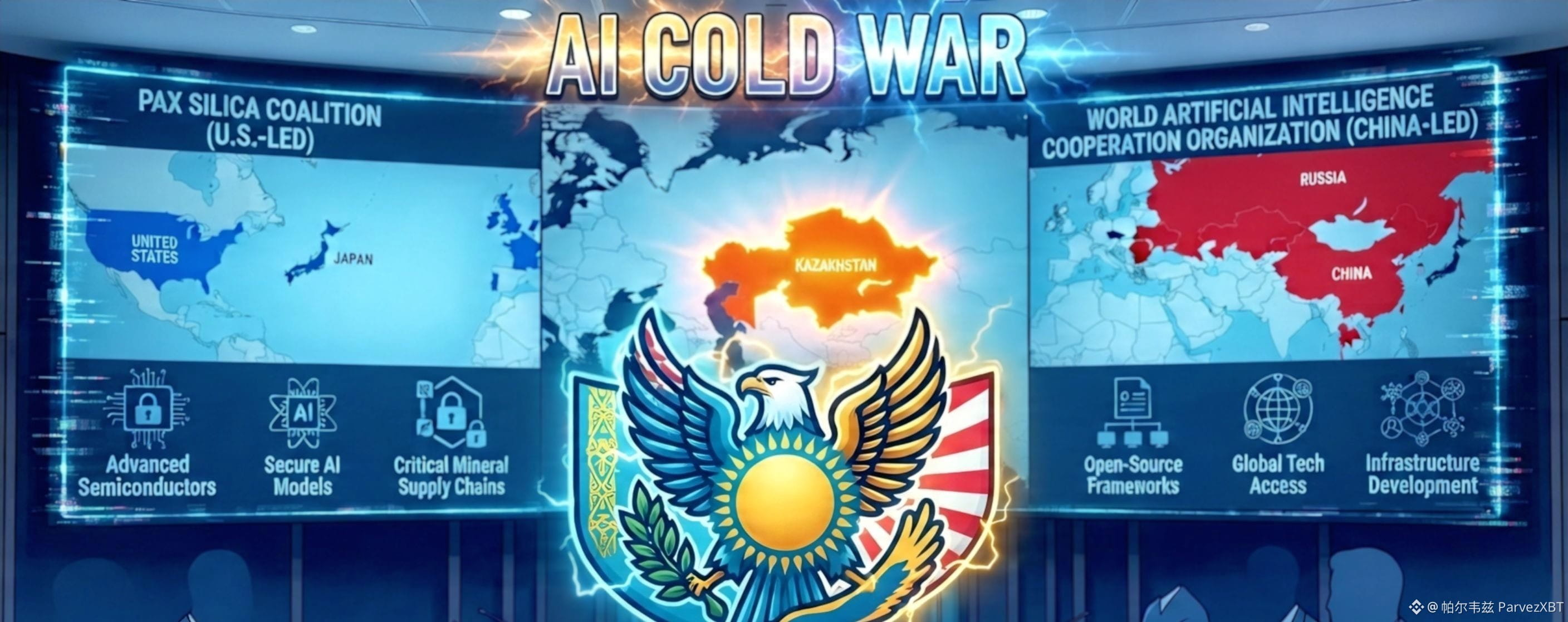
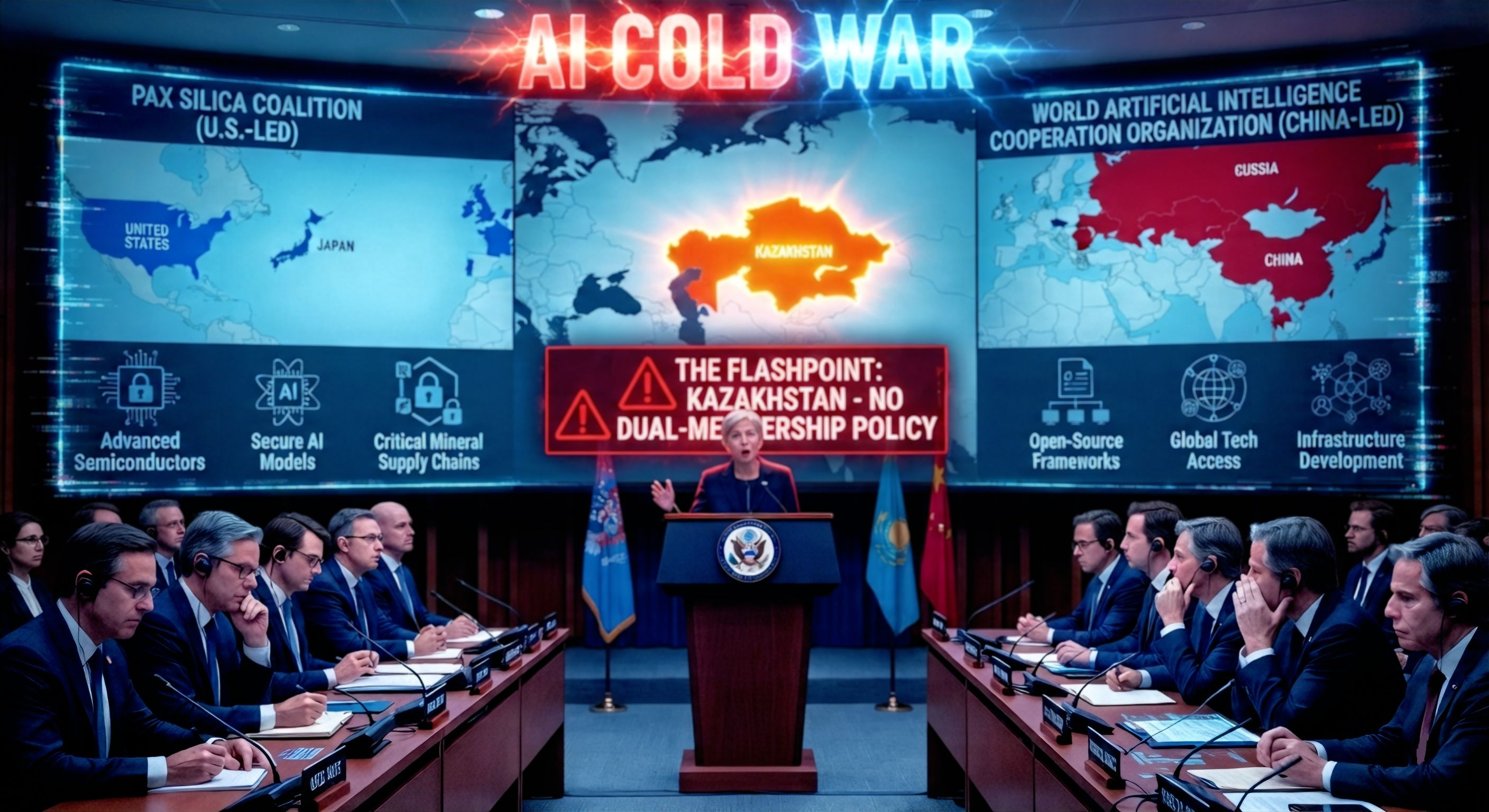
The global artificial intelligence race has entered a strict era of geopolitical alignment. Washington is preparing to warn dozens of partner countries that they cannot simultaneously participate in U.S.-led frameworks, like the Pax Silica initiative, and Chinese alternatives, such as the World Artificial Intelligence Cooperation Organization. Nations must officially "choose deliberately" or risk exclusion from Western technological ecosystems. 🇺🇸⚔️🇨🇳
This forced partition—driven by narrowing gaps in AI capabilities and rising national security stakes—fundamentally impacts modern digital infrastructure, including automated trading and finance platforms operating within global networks like Binance-aligned ecosystems. 📊💹
🔑 Key Implications for Algorithmic & Financial Ecosystems
The End of Neutral Tech Stacks: Platforms relying on automated systems, cross-border data flows, and high-speed algorithms can no longer operate in a borderless digital space. They must align with the specific security and compliance standards of their chosen geopolitical bloc. 🛡️💻
Supply Chain & Infrastructure Security: Just as hardware and semiconductor supply chains are being vetted under Pax Silica, software architectures and cloud providers must prove compliance with regional mandates to avoid trade restrictions. ⚙️⛓️
Forced Regional Alignment: Countries caught bridging both superpowers—such as resource-rich Kazakhstan—are serving as early test cases for Washington's ultimatum, signaling that dual-ecosystem cooperation is no longer viable. 🗺️⚡
As the international community faces this stark division,the digital landscape is shifting from open globalization to a rigid,bipolar order where technological neutrality is rapidly disappearing🚀📉
#artificialintelligence #TechGeopolitics #PaxSilica #AlgorithmicTrading