#dusk $DUSK
なぜStaking@Dusk が、次の金融インフラの静かな一片を所有しているように感じるのか
多くの人は、派手なコインを追いかけます。チャートを眺め、物語に飛び乗り、熱狂が冷めたあとに自分のポートフォリオがなぜまだ空虚に感じるのかと不思議に思うのです。Duskは別の場所にいます。注目を叫び求めてはいません。ヨーロッパのあらゆるコンプライアンス規則を破ることなく、機関投資家が本気の資金をオンチェーンで動かすときに実際に必要となる、そうしたインフラを構築しています。
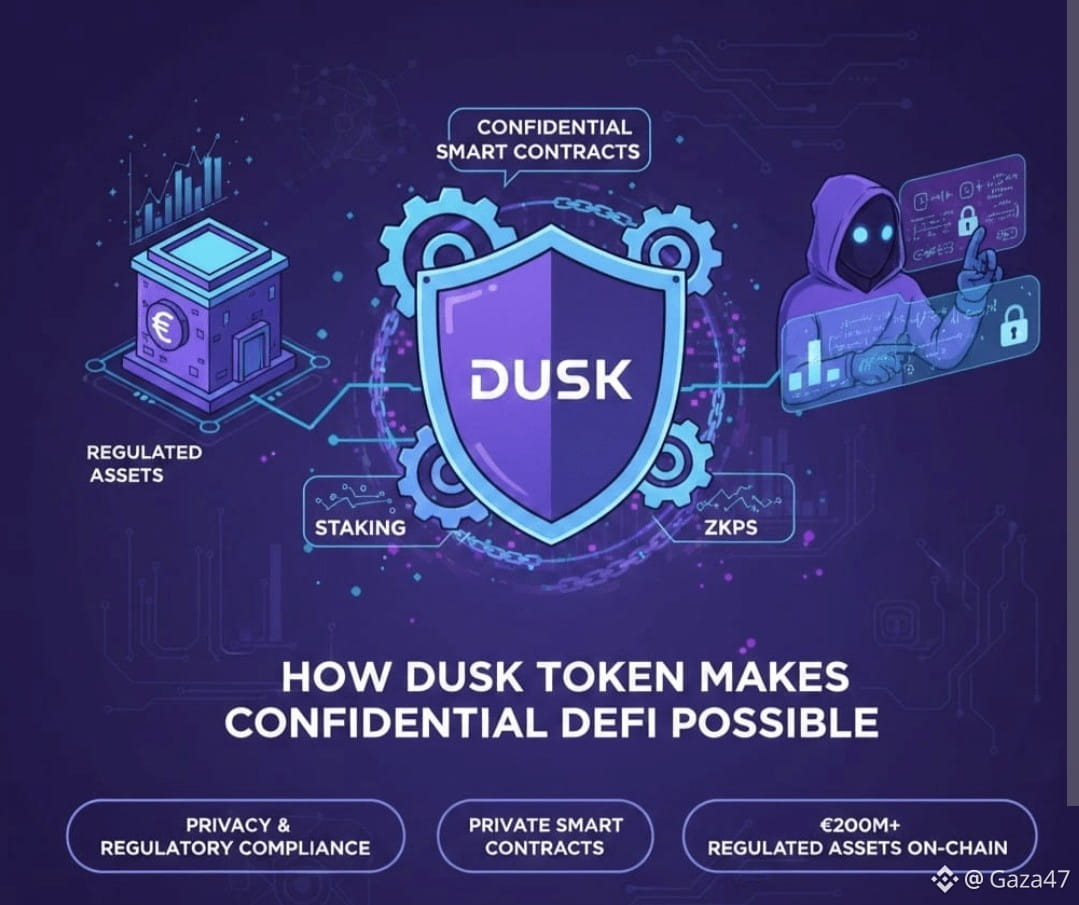
DUSKはネイティブトークンです。ガスとして使います。ネットワークの安全性を高めるためにステーキングします。それが基本です。興味深いのは、その報酬設計の裏にある仕組みです。ネットワークは5億トークンから始まり、さらに36年かけて追加で5億トークンを発行する計画です。発行量は、おおむね4年ごとに半減する幾何級数的な減衰に従います。この長い尾は意図的なものです。早期の転売組にすべてを先に配るのではなく、何十年にもわたってインセンティブを生かし続けます。
私はしばらくステーキングの仕組みを見てきました。最低ステークは1,000 DUSKです。厳格な上限はありません。アンステーキングに恒久的なペナルティはありません。悪質な行為にはソフトなスラッシングがありますが、このシステムは誠実な参加者を罰し続けるのではなく、継続的に報酬を得られるように設計されています。ブロック報酬は生成者と投票者に分配され、残りの報酬はバーンされます。そのバーン圧力は、手数料としての実利用と組み合わさることで、多くの純粋な投機トークンには決して生まれない静かな吸収先を作り出します。
これが利益を生む可能性がある理由は需要側にあります。Duskは、規制対象資産向けに作られています。デジタル債券、トークン化証券、プライバシーを必要としつつもMiFID II、MiCA、DLTパイロット体制を満たさなければならないものです。NPEX(オランダの規制取引所)やQuantozのようなプレイヤーとの提携は、ここで重要です。実際の発行と二次取引が本格的に始まれば、すべての取引でDUSKによるガス代が必要になります。すべてのバリデーターはステークを維持しなければなりません。トークンは単なる投機資産ではなくなり、機能する金融市場インフラを動かす燃料になるのです。
なぜStaking@Dusk が、次の金融インフラの静かな一片を所有しているように感じるのか
多くの人は、派手なコインを追いかけます。チャートを眺め、物語に飛び乗り、熱狂が冷めたあとに自分のポートフォリオがなぜまだ空虚に感じるのかと不思議に思うのです。Duskは別の場所にいます。注目を叫び求めてはいません。ヨーロッパのあらゆるコンプライアンス規則を破ることなく、機関投資家が本気の資金をオンチェーンで動かすときに実際に必要となる、そうしたインフラを構築しています。
DUSKはネイティブトークンです。ガスとして使います。ネットワークの安全性を高めるためにステーキングします。それが基本です。興味深いのは、その報酬設計の裏にある仕組みです。ネットワークは5億トークンから始まり、さらに36年かけて追加で5億トークンを発行する計画です。発行量は、おおむね4年ごとに半減する幾何級数的な減衰に従います。この長い尾は意図的なものです。早期の転売組にすべてを先に配るのではなく、何十年にもわたってインセンティブを生かし続けます。
私はしばらくステーキングの仕組みを見てきました。最低ステークは1,000 DUSKです。厳格な上限はありません。アンステーキングに恒久的なペナルティはありません。悪質な行為にはソフトなスラッシングがありますが、このシステムは誠実な参加者を罰し続けるのではなく、継続的に報酬を得られるように設計されています。ブロック報酬は生成者と投票者に分配され、残りの報酬はバーンされます。そのバーン圧力は、手数料としての実利用と組み合わさることで、多くの純粋な投機トークンには決して生まれない静かな吸収先を作り出します。
これが利益を生む可能性がある理由は需要側にあります。Duskは、規制対象資産向けに作られています。デジタル債券、トークン化証券、プライバシーを必要としつつもMiFID II、MiCA、DLTパイロット体制を満たさなければならないものです。NPEX(オランダの規制取引所)やQuantozのようなプレイヤーとの提携は、ここで重要です。実際の発行と二次取引が本格的に始まれば、すべての取引でDUSKによるガス代が必要になります。すべてのバリデーターはステークを維持しなければなりません。トークンは単なる投機資産ではなくなり、機能する金融市場インフラを動かす燃料になるのです。