購入前に“詐欺の可能性があるコイン”を見抜く方法
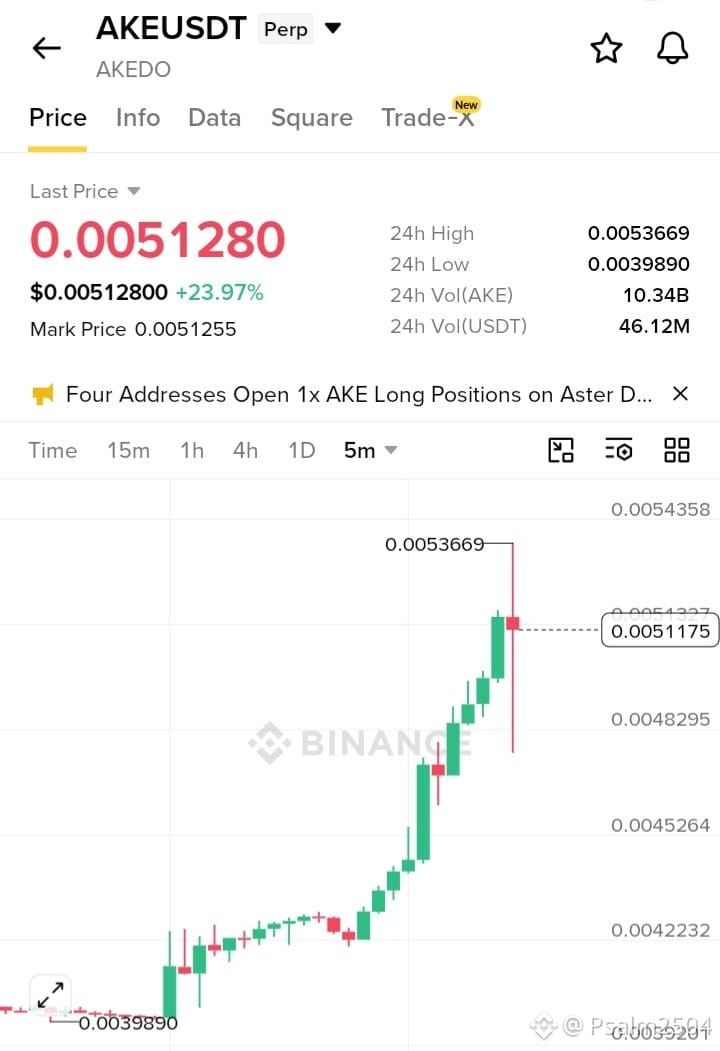
🚨 このチャートは警告サインです――詐欺の確定ではありません。
例を見てください。トークンが短時間で大きく急騰した後、鋭い下落(拒否反応)と非常に大きな出来高の急増が起きています。
これはまさに、トレーダーが減速すべき局面であって、FOMO(恐怖による追随)で飛びつく場面ではありません。
🔎 注意すべきレッドフラグ
1️⃣ 短時間での極端な価格上昇
数百%〜数千%もの急上昇を突然起こすコインは、FOMOを引きつけることがあります。問いましょう:この動きを正当化する根本的な出来事は、実際に何だったのか?
2️⃣ 巨大な出来高の急増
急な価格変動と同時に出来高が爆発するのは、本物の需要によって起きることもありますが、連携した買い・投機・ポンプ&ダンプに伴う場合もあります。
3️⃣ 長いヒゲと突然の拒否反応
一気に上昇して、その後強く拒否(売りが入る)されるローソク足は、売り手がすでに強く介入していることを示します。
4️⃣ 非常に低い時価総額/薄い流動性
流動性が低いコインは、比較的少ない資金でも大きく動きます。つまり、入るよりも「抜ける」方がずっと難しくなる可能性があります。
5️⃣ 匿名または不明確なチーム
プロジェクトを作ったのが誰か、チームに信頼できる実績があるか、そしてプロジェクトの主張が実際に検証できるかを確認してください。
🛡️ 未知のコインを買う前に
✅ 流動性と時価総額を確認
✅ コントラクトとトークン分配を調査
✅ 保有者の集中度を見る
✅ 流動性がロックされているか確認し、それが実際に何を意味するのか理解する
✅ プロジェクトのドキュメントを読む
✅ 宣伝投稿だけでなく、独立した情報を検索する
✅ チャートだけを決して頼りにしない
✅ 持ち合わせで、失っても困らないお金だけに投資する
そして最も重要なこと:
緑のローソク足は「良いプロジェクト」の証明ではありません。
出来高が多いことは「本物の需要」の証明ではありません。
取引所に上場していることは、安全である証明ではありません。
狙いは、すべての詐欺を予測することではありません。
狙いは、「リスクが十分に高いから立ち去るべき」と判断できるようになることです。🧠
BUY AND TRADE $AKE here...
#CryptoEducation #BinanceSquare #CryptoSafety #DYOR #ScamAwareness #C
🚨 このチャートは警告サインです――詐欺の確定ではありません。
例を見てください。トークンが短時間で大きく急騰した後、鋭い下落(拒否反応)と非常に大きな出来高の急増が起きています。
これはまさに、トレーダーが減速すべき局面であって、FOMO(恐怖による追随)で飛びつく場面ではありません。
🔎 注意すべきレッドフラグ
1️⃣ 短時間での極端な価格上昇
数百%〜数千%もの急上昇を突然起こすコインは、FOMOを引きつけることがあります。問いましょう:この動きを正当化する根本的な出来事は、実際に何だったのか?
2️⃣ 巨大な出来高の急増
急な価格変動と同時に出来高が爆発するのは、本物の需要によって起きることもありますが、連携した買い・投機・ポンプ&ダンプに伴う場合もあります。
3️⃣ 長いヒゲと突然の拒否反応
一気に上昇して、その後強く拒否(売りが入る)されるローソク足は、売り手がすでに強く介入していることを示します。
4️⃣ 非常に低い時価総額/薄い流動性
流動性が低いコインは、比較的少ない資金でも大きく動きます。つまり、入るよりも「抜ける」方がずっと難しくなる可能性があります。
5️⃣ 匿名または不明確なチーム
プロジェクトを作ったのが誰か、チームに信頼できる実績があるか、そしてプロジェクトの主張が実際に検証できるかを確認してください。
🛡️ 未知のコインを買う前に
✅ 流動性と時価総額を確認
✅ コントラクトとトークン分配を調査
✅ 保有者の集中度を見る
✅ 流動性がロックされているか確認し、それが実際に何を意味するのか理解する
✅ プロジェクトのドキュメントを読む
✅ 宣伝投稿だけでなく、独立した情報を検索する
✅ チャートだけを決して頼りにしない
✅ 持ち合わせで、失っても困らないお金だけに投資する
そして最も重要なこと:
緑のローソク足は「良いプロジェクト」の証明ではありません。
出来高が多いことは「本物の需要」の証明ではありません。
取引所に上場していることは、安全である証明ではありません。
狙いは、すべての詐欺を予測することではありません。
狙いは、「リスクが十分に高いから立ち去るべき」と判断できるようになることです。🧠
BUY AND TRADE $AKE here...
#CryptoEducation #BinanceSquare #CryptoSafety #DYOR #ScamAwareness #C