今朝コーヒーを飲み終える前に、うっかりバビロンのホワイトペーパーを読んで“うさぎの穴”に落ちてしまいました。ビットコインのステーキングの仕組みは理解できているつもりだったのに、ひとつの疑問がずっと引っかかってきて――BTCが決して手元から離れないのなら、どうやって誰でも実際にスラッシュできるのか?
答えは、思っていた以上にずっと賢いものでした。
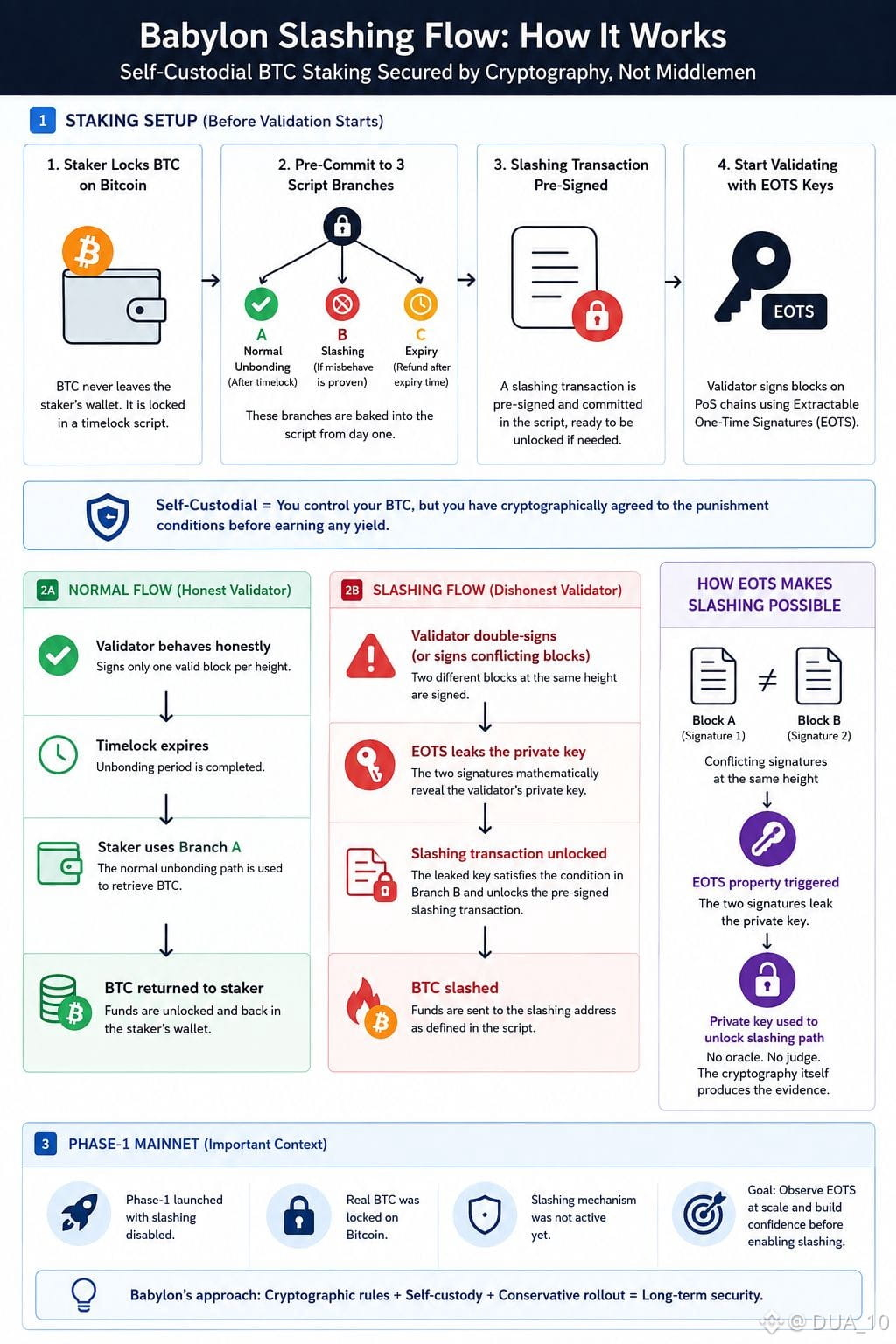
バビロンは、バリデーターを監視して誰に罰を与えるべきかを判断する“誰か”に依存しません。代わりに、証明は暗号そのものから出てきます。バリデーターが相反する2つのブロックに署名した場合、EOTSの署名方式が、あらかじめ合意されたスラッシングの経路を発動するために必要な鍵を暴露できます。ブリッジも、カストディアンも、委員会が判断するわけでもありません。
さらに興味深いのは、これは“あとで起きること”ではないという点です。ルールは、ステーキングが始まる前に固定されます。あなたのBTCは、すでにあらゆる可能な結果を定義したスクリプトにコミットされています――通常アンボンドするか、証明可能な不正行為によってスラッシュされるか、あるいは期限後にアンロックするか。ルールを人に任せているのではなく、最初からそれに同意しているのです。
ほとんど見落としかけた細部が、この設計をより現実味のあるものに感じさせてくれました。バビロンのフェーズ1メインネットが稼働したとき、スラッシングはまだ有効化されていなかったのです。本物のBTCはステークできたものの、チームが本番環境でシステムの挙動をどのように確認するかに自信を持つまで、罰の仕組みはオフのままでした。
私にとって、これはどんなマーケティング用のスレッドよりも意味があります。紙の上で設計が安全だと主張するのは簡単です。しかし、ビットコインの数十億を守る前に、重要な部品のいくつかが時間をかけて自らを証明する必要があるのだと認めるのは、はるかに難しい。\n
それこそが、私の関心を引くエンジニアリング上の意思決定です。\n
$BICO $BABY #baby @BabylonLabs_io
答えは、思っていた以上にずっと賢いものでした。
バビロンは、バリデーターを監視して誰に罰を与えるべきかを判断する“誰か”に依存しません。代わりに、証明は暗号そのものから出てきます。バリデーターが相反する2つのブロックに署名した場合、EOTSの署名方式が、あらかじめ合意されたスラッシングの経路を発動するために必要な鍵を暴露できます。ブリッジも、カストディアンも、委員会が判断するわけでもありません。
さらに興味深いのは、これは“あとで起きること”ではないという点です。ルールは、ステーキングが始まる前に固定されます。あなたのBTCは、すでにあらゆる可能な結果を定義したスクリプトにコミットされています――通常アンボンドするか、証明可能な不正行為によってスラッシュされるか、あるいは期限後にアンロックするか。ルールを人に任せているのではなく、最初からそれに同意しているのです。
ほとんど見落としかけた細部が、この設計をより現実味のあるものに感じさせてくれました。バビロンのフェーズ1メインネットが稼働したとき、スラッシングはまだ有効化されていなかったのです。本物のBTCはステークできたものの、チームが本番環境でシステムの挙動をどのように確認するかに自信を持つまで、罰の仕組みはオフのままでした。
私にとって、これはどんなマーケティング用のスレッドよりも意味があります。紙の上で設計が安全だと主張するのは簡単です。しかし、ビットコインの数十億を守る前に、重要な部品のいくつかが時間をかけて自らを証明する必要があるのだと認めるのは、はるかに難しい。\n
それこそが、私の関心を引くエンジニアリング上の意思決定です。\n
$BICO $BABY #baby @BabylonLabs_io