暗号資産が同じトレードオフを繰り返し再発見していることについて考えてきました。つまり、資産は「生み出す(生産的)」か「守る(セキュア)」かのどちらかになりがちで、両方を兼ねることは稀です。ビットコインは常にその極端な例でした——最大限に安全で、ほとんど意地を張るように動かない。長い間、その「動かなさ」は機能に見えました。ネットワークが賢くなろうとしていない証拠、だと。
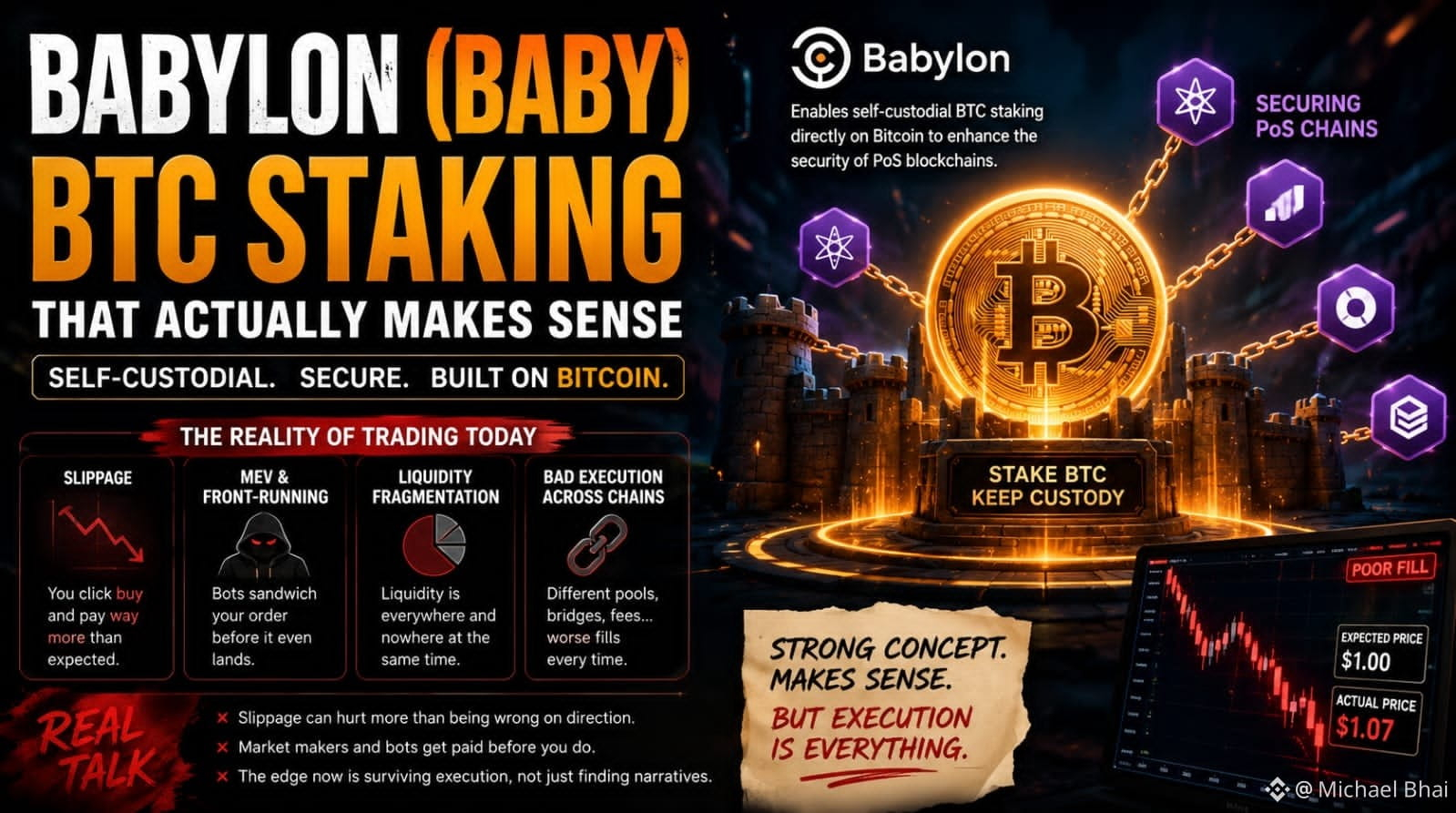
しかしバビロンは、そのトレードオフをややこしくします。BTC保有者が、ラップ、ブリッジ、仲介者への管理委託なしに、ビットコイン上で直接ステークでき、そのステークを使ってプルーフ・オブ・ステークのネットワークのセキュリティ強化に役立てるのです。
この点で興味深いのは利回りの仕組みではありません。むしろ、休眠資本(使われていない資金)について示唆していることです。ビットコインの「動かない」状態は、実際には技術的な制約ではありませんでした。それは信頼(トラスト)の制約だったのです。これまでのあらゆる利回り商品は、保有者に、ビットコイン自身のセキュリティモデルの外にある何かを信じることを求めていました。
私は、バビロンの本当の貢献は技術ではなく行動面だと考え始めています。つまり、大きくて保守的な資本が、そもそもビットコインを保有していた理由であるリスク姿勢を手放さずに参加できる方法を与えるのです。
本当の問いは、どれだけの価値がステークされるかではありません。「生産的だが自己保管(self-custodied)」が、あらゆる主要資産を保有する際のデフォルトの期待になるのか——それが問題です。
最も長く生き残るプロジェクトは、たいてい最も利回りを提供するものではありません。利回りを得るために、あなたに元々の
確信を妥協させないものです。
@BabylonLabs_io $BABY #baby
しかしバビロンは、そのトレードオフをややこしくします。BTC保有者が、ラップ、ブリッジ、仲介者への管理委託なしに、ビットコイン上で直接ステークでき、そのステークを使ってプルーフ・オブ・ステークのネットワークのセキュリティ強化に役立てるのです。
この点で興味深いのは利回りの仕組みではありません。むしろ、休眠資本(使われていない資金)について示唆していることです。ビットコインの「動かない」状態は、実際には技術的な制約ではありませんでした。それは信頼(トラスト)の制約だったのです。これまでのあらゆる利回り商品は、保有者に、ビットコイン自身のセキュリティモデルの外にある何かを信じることを求めていました。
私は、バビロンの本当の貢献は技術ではなく行動面だと考え始めています。つまり、大きくて保守的な資本が、そもそもビットコインを保有していた理由であるリスク姿勢を手放さずに参加できる方法を与えるのです。
本当の問いは、どれだけの価値がステークされるかではありません。「生産的だが自己保管(self-custodied)」が、あらゆる主要資産を保有する際のデフォルトの期待になるのか——それが問題です。
最も長く生き残るプロジェクトは、たいてい最も利回りを提供するものではありません。利回りを得るために、あなたに元々の
確信を妥協させないものです。
@BabylonLabs_io $BABY #baby