
612 Ceros
24.9k 投稿

612 Ceros
 厳選トピック確認済+
報告
ユーザーをブロック
📊 Crypto strategist | Market signals daily | Trade smart, not emotional. Find me on X: @612Ceros
超高頻度トレーダー
5年
12 フォロー
177.6K+ フォロワー
225.2K+ いいね
投稿
PINNED
·
--
記事
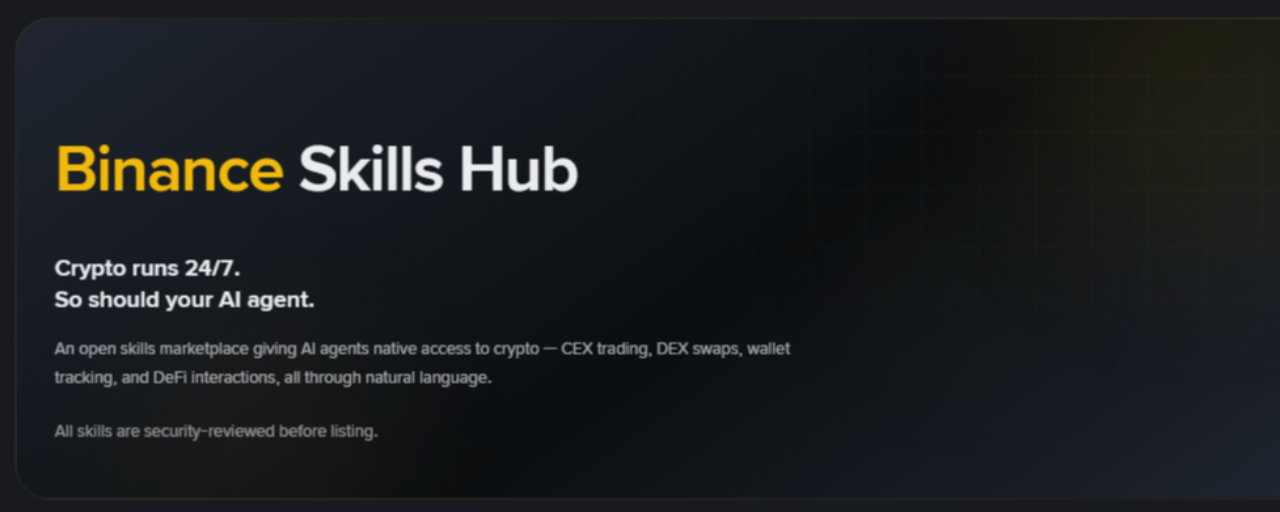
アプリを開いたり、投稿ごとに手で入力したりせずに、Binance Square に投稿したいですか?アプリを開いたり、投稿ごとに手で入力したりせずに、Binance Square に投稿したいですか?Binance には公式の Square OpenAPI があり、さらに Binance Skills Hub には square-post ツールキットも用意されています。この投稿は「0」から解説するので、プログラミングを知らない人でも手順どおりに進められます。設定、キーの保存、そして文章の投稿は、記事を書く前に実際に動作確認済みです。
📌 このツールで何ができるの?
✅ 文字投稿、絵文字、改行もできる
アプリを開いたり、投稿ごとに手で入力したりせずに、Binance Square に投稿したいですか?
アプリを開いたり、投稿ごとに手で入力したりせずに、Binance Square に投稿したいですか?Binance には公式の Square OpenAPI があり、さらに Binance Skills Hub には square-post ツールキットも用意されています。この投稿は「0」から解説するので、プログラミングを知らない人でも手順どおりに進められます。設定、キーの保存、そして文章の投稿は、記事を書く前に実際に動作確認済みです。
📌 このツールで何ができるの?
✅ 文字投稿、絵文字、改行もできる
📌 このツールで何ができるの?
✅ 文字投稿、絵文字、改行もできる
26
19
4.4k
·
--
ビットコインのスーパサイクル:「4年の呪い」の終わりか、それともただの大幻想か?10年以上にわたり、ビットコイン投資家はデジタル「聖書」に従って生きてきました:4年サイクル。それは予測可能でした。ハルビング、放物線的な上昇、魂を引き裂くクラッシュ、そして長い蓄積の冬がありました。
しかし、よく見てください。機械の歯車が変わりました。ボラティリティは成熟し、プレイヤーはプロになり、ささやきが轟音に変わりつつあります:スーパサイクルがここにあります。
1. 制度的「ブラックホール」
以前のサイクルでは、ビットコインは小売の「ムーンボーイ」に駆動されていました。今日、風景は制度的なゴッドキャンドルに支配されています。スポットETFの承認は単なるニュースイベントではなく、市場の根本的な再配線でした。ブラックロックやフィデリティのような巨人たちが席に着くことで、ビットコインは「無限の入札」を得ました。私たちはもはや投機的な「魔法のインターネットマネー」を見ているのではなく、グローバルリザーブアセットを見ています。
ビットコインのスーパサイクル:「4年の呪い」の終わりか、それともただの大幻想か?
10年以上にわたり、ビットコイン投資家はデジタル「聖書」に従って生きてきました:4年サイクル。それは予測可能でした。ハルビング、放物線的な上昇、魂を引き裂くクラッシュ、そして長い蓄積の冬がありました。
しかし、よく見てください。機械の歯車が変わりました。ボラティリティは成熟し、プレイヤーはプロになり、ささやきが轟音に変わりつつあります:スーパサイクルがここにあります。
1. 制度的「ブラックホール」
以前のサイクルでは、ビットコインは小売の「ムーンボーイ」に駆動されていました。今日、風景は制度的なゴッドキャンドルに支配されています。スポットETFの承認は単なるニュースイベントではなく、市場の根本的な再配線でした。ブラックロックやフィデリティのような巨人たちが席に着くことで、ビットコインは「無限の入札」を得ました。私たちはもはや投機的な「魔法のインターネットマネー」を見ているのではなく、グローバルリザーブアセットを見ています。
しかし、よく見てください。機械の歯車が変わりました。ボラティリティは成熟し、プレイヤーはプロになり、ささやきが轟音に変わりつつあります:スーパサイクルがここにあります。
1. 制度的「ブラックホール」
以前のサイクルでは、ビットコインは小売の「ムーンボーイ」に駆動されていました。今日、風景は制度的なゴッドキャンドルに支配されています。スポットETFの承認は単なるニュースイベントではなく、市場の根本的な再配線でした。ブラックロックやフィデリティのような巨人たちが席に着くことで、ビットコインは「無限の入札」を得ました。私たちはもはや投機的な「魔法のインターネットマネー」を見ているのではなく、グローバルリザーブアセットを見ています。
14
10
32
5k
·
--
見えない基盤:コンプライアンスとプライバシーがトークン化された資産に兆ドルを解放する方法
実世界資産(RWA)を取り巻く物語は、投機的な「もしも」から具体的な「いつ、どのように」へとシフトしました。その約束は驚異的です:株式、債券、不動産、商品がブロックチェーンのレール上でシームレスに流れる、数兆ドル規模の市場が創出され、前例のない流動性とアクセス可能性を生み出します。しかし、すべての過剰評価にもかかわらず、根本的な不連続性が残っています。暗号業界は許可のない革新のマインドセットで構築されている一方、従来の金融世界は規制、コンプライアンス、そして機関の義務の要塞の中で運営されています。この溝は、RWAセクターがパイロットプロジェクトやニッチな提供を超えて進化することを妨げる最大のボトルネックです。核心的な問題は、意欲のある資産や関心のある機関の不足ではなく、両方の世界の母国語を話す基盤インフラの欠如です。分散台帳の不変の透明性とグローバルな金融の必須プライバシーおよび規制監視を調和させるために、基礎から設計されたブロックチェーンアーキテクチャがなければ、RWA革命は常に地平線上に留まり、手の届かない魅力的な蜃気楼となるでしょう。
実世界資産(RWA)を取り巻く物語は、投機的な「もしも」から具体的な「いつ、どのように」へとシフトしました。その約束は驚異的です:株式、債券、不動産、商品がブロックチェーンのレール上でシームレスに流れる、数兆ドル規模の市場が創出され、前例のない流動性とアクセス可能性を生み出します。しかし、すべての過剰評価にもかかわらず、根本的な不連続性が残っています。暗号業界は許可のない革新のマインドセットで構築されている一方、従来の金融世界は規制、コンプライアンス、そして機関の義務の要塞の中で運営されています。この溝は、RWAセクターがパイロットプロジェクトやニッチな提供を超えて進化することを妨げる最大のボトルネックです。核心的な問題は、意欲のある資産や関心のある機関の不足ではなく、両方の世界の母国語を話す基盤インフラの欠如です。分散台帳の不変の透明性とグローバルな金融の必須プライバシーおよび規制監視を調和させるために、基礎から設計されたブロックチェーンアーキテクチャがなければ、RWA革命は常に地平線上に留まり、手の届かない魅力的な蜃気楼となるでしょう。
見えない基盤:コンプライアンスとプライバシーがトークン化された資産に兆ドルを解放する方法
実世界資産(RWA)を取り巻く物語は、投機的な「もしも」から具体的な「いつ、どのように」へとシフトしました。その約束は驚異的です:株式、債券、不動産、商品がブロックチェーンのレール上でシームレスに流れる、数兆ドル規模の市場が創出され、前例のない流動性とアクセス可能性を生み出します。しかし、すべての過剰評価にもかかわらず、根本的な不連続性が残っています。暗号業界は許可のない革新のマインドセットで構築されている一方、従来の金融世界は規制、コンプライアンス、そして機関の義務の要塞の中で運営されています。この溝は、RWAセクターがパイロットプロジェクトやニッチな提供を超えて進化することを妨げる最大のボトルネックです。核心的な問題は、意欲のある資産や関心のある機関の不足ではなく、両方の世界の母国語を話す基盤インフラの欠如です。分散台帳の不変の透明性とグローバルな金融の必須プライバシーおよび規制監視を調和させるために、基礎から設計されたブロックチェーンアーキテクチャがなければ、RWA革命は常に地平線上に留まり、手の届かない魅力的な蜃気楼となるでしょう。
2
1
26
2.3k
·
--
機関投資家の採用障壁とDUSKの暗号的解決策
ブロックチェーン技術が金融を革命的に変えるという大きな物語は、10年以上にわたり、世界の最も重要な資本プールの門前で停滞してきました。核心的な障害は、機関投資家の関心の欠如ではなく、根本的な構造の不一致です。従来の金融は、機密性、法的救済、選択的開示の基盤の上に運営されており、これはMiFID II、GDPR、さまざまな証券法のような規制に記載されています。公共で透明な台帳は、検閲耐性のある価値移転にとって革命的ですが、この運営の現実とは根本的に対立しています。投資銀行は独自の取引戦略を広めることができず、上場企業はリアルタイムで自社の財務管理を公開できず、個人の金融的足跡は永続的な公共記録にすることができません。これにより、逆説的な膠着状態が生じました。ブロックチェーンの信頼モデルを定義する非常に透明性は、規制された金融の数兆ドルのアリーナから脇に置かれる主な理由です。業界はこれまで、完全な透明性または完全な不透明性という二元的で不十分な選択肢しか提供していませんが、後者はコンプライアンスを示さなければならない規制対象の企業にとっても同様に耐え難いものです。これは業界が直面する重要な岐路であり、ここでDusk Networkは単なるレイヤー1の競争者としてではなく、不可欠な暗号的橋として浮上します。
ブロックチェーン技術が金融を革命的に変えるという大きな物語は、10年以上にわたり、世界の最も重要な資本プールの門前で停滞してきました。核心的な障害は、機関投資家の関心の欠如ではなく、根本的な構造の不一致です。従来の金融は、機密性、法的救済、選択的開示の基盤の上に運営されており、これはMiFID II、GDPR、さまざまな証券法のような規制に記載されています。公共で透明な台帳は、検閲耐性のある価値移転にとって革命的ですが、この運営の現実とは根本的に対立しています。投資銀行は独自の取引戦略を広めることができず、上場企業はリアルタイムで自社の財務管理を公開できず、個人の金融的足跡は永続的な公共記録にすることができません。これにより、逆説的な膠着状態が生じました。ブロックチェーンの信頼モデルを定義する非常に透明性は、規制された金融の数兆ドルのアリーナから脇に置かれる主な理由です。業界はこれまで、完全な透明性または完全な不透明性という二元的で不十分な選択肢しか提供していませんが、後者はコンプライアンスを示さなければならない規制対象の企業にとっても同様に耐え難いものです。これは業界が直面する重要な岐路であり、ここでDusk Networkは単なるレイヤー1の競争者としてではなく、不可欠な暗号的橋として浮上します。
機関投資家の採用障壁とDUSKの暗号的解決策
ブロックチェーン技術が金融を革命的に変えるという大きな物語は、10年以上にわたり、世界の最も重要な資本プールの門前で停滞してきました。核心的な障害は、機関投資家の関心の欠如ではなく、根本的な構造の不一致です。従来の金融は、機密性、法的救済、選択的開示の基盤の上に運営されており、これはMiFID II、GDPR、さまざまな証券法のような規制に記載されています。公共で透明な台帳は、検閲耐性のある価値移転にとって革命的ですが、この運営の現実とは根本的に対立しています。投資銀行は独自の取引戦略を広めることができず、上場企業はリアルタイムで自社の財務管理を公開できず、個人の金融的足跡は永続的な公共記録にすることができません。これにより、逆説的な膠着状態が生じました。ブロックチェーンの信頼モデルを定義する非常に透明性は、規制された金融の数兆ドルのアリーナから脇に置かれる主な理由です。業界はこれまで、完全な透明性または完全な不透明性という二元的で不十分な選択肢しか提供していませんが、後者はコンプライアンスを示さなければならない規制対象の企業にとっても同様に耐え難いものです。これは業界が直面する重要な岐路であり、ここでDusk Networkは単なるレイヤー1の競争者としてではなく、不可欠な暗号的橋として浮上します。
2
17
1.8k
·
--
プログラム可能なプライバシーの夜明け:DUSK Networkが規制された金融の機密性を再定義する方法
デジタル資産の風景は、一見解決不可能な対立に巻き込まれています。一方では、ブロックチェーンの基盤となる倫理は透明性と不変性を支持し、すべての取引が永久に記録される公開台帳を作成します。もう一方では、現代の金融、機関の採用、個人の主権の実際的な要求が機密性を必要とします。何年もの間、これはプライバシーのない公開チェーンと、影の中で運営されるプライバシー重視のネットワークという二元的な選択肢として提示されてきましたが、しばしば規制の赤信号を引き起こしています。この誤った二項対立は、特にトークン化された現実世界の資産(RWA)、機密取引、規制に準拠した分散型金融(DeFi)などの最も有望な分野での革新を抑制してきました。核心となる問題は、プライバシー技術の欠如ではなく、必要な透明性と共存できるような粒度の細かい、ユーザーが制御できるプライバシーの欠如です。市場は、プライバシーが単一の特徴ではなく、各取引とアプリケーションの文脈に適応可能なプログラム可能なパラメーターであるフレームワークを必要としています。これが、DUSK Networkが埋めるように設計された重要なギャップです。
デジタル資産の風景は、一見解決不可能な対立に巻き込まれています。一方では、ブロックチェーンの基盤となる倫理は透明性と不変性を支持し、すべての取引が永久に記録される公開台帳を作成します。もう一方では、現代の金融、機関の採用、個人の主権の実際的な要求が機密性を必要とします。何年もの間、これはプライバシーのない公開チェーンと、影の中で運営されるプライバシー重視のネットワークという二元的な選択肢として提示されてきましたが、しばしば規制の赤信号を引き起こしています。この誤った二項対立は、特にトークン化された現実世界の資産(RWA)、機密取引、規制に準拠した分散型金融(DeFi)などの最も有望な分野での革新を抑制してきました。核心となる問題は、プライバシー技術の欠如ではなく、必要な透明性と共存できるような粒度の細かい、ユーザーが制御できるプライバシーの欠如です。市場は、プライバシーが単一の特徴ではなく、各取引とアプリケーションの文脈に適応可能なプログラム可能なパラメーターであるフレームワークを必要としています。これが、DUSK Networkが埋めるように設計された重要なギャップです。
プログラム可能なプライバシーの夜明け:DUSK Networkが規制された金融の機密性を再定義する方法
デジタル資産の風景は、一見解決不可能な対立に巻き込まれています。一方では、ブロックチェーンの基盤となる倫理は透明性と不変性を支持し、すべての取引が永久に記録される公開台帳を作成します。もう一方では、現代の金融、機関の採用、個人の主権の実際的な要求が機密性を必要とします。何年もの間、これはプライバシーのない公開チェーンと、影の中で運営されるプライバシー重視のネットワークという二元的な選択肢として提示されてきましたが、しばしば規制の赤信号を引き起こしています。この誤った二項対立は、特にトークン化された現実世界の資産(RWA)、機密取引、規制に準拠した分散型金融(DeFi)などの最も有望な分野での革新を抑制してきました。核心となる問題は、プライバシー技術の欠如ではなく、必要な透明性と共存できるような粒度の細かい、ユーザーが制御できるプライバシーの欠如です。市場は、プライバシーが単一の特徴ではなく、各取引とアプリケーションの文脈に適応可能なプログラム可能なパラメーターであるフレームワークを必要としています。これが、DUSK Networkが埋めるように設計された重要なギャップです。
6
2
22
1.7k
·
--
見えないキャンバス:選択的プライバシーがデジタルアートの所有権を再定義する方法$DUSK
デジタルアート市場は、その革命的な約束にもかかわらず、深刻でしばしば語られない逆説に足を踏み入れています。クリエイティビティの民主化を支持する一方で、その基盤となる技術である透明な公共台帳は、クリエイターから基本的な芸術的権利、すなわち文脈におけるプライバシーの権利を体系的に奪っています。すべての取引、ウォレットの残高、所有履歴が世界中でアクセス可能なデータベースに永続的に刻まれる空間では、創造行為は完全な露出の行為となります。これは単なる不便ではなく、芸術的表現の全カテゴリーを沈黙させる構造的障壁です。政治的に刺激的な作品、深く個人的な物語、文化的に敏感な作品は、報復、ドキシング、または公共の場での誤解をリスクにさらすか、見えないままでいるかという二項選択を強いられます。市場のインフラは最大限の透明性に基づいて構築されており、微妙さ、安全性、制御された開示に対して敵対的な環境を無意識のうちに創造してしまいました。これは、創造的経済の次の進化が直面している核心的な問題であり、それを保護しようとするアートと同じくらい洗練された解決策を求めています。
見えないキャンバス:選択的プライバシーがデジタルアートの所有権を再定義する方法
$DUSK
デジタルアート市場は、その革命的な約束にもかかわらず、深刻でしばしば語られない逆説に足を踏み入れています。クリエイティビティの民主化を支持する一方で、その基盤となる技術である透明な公共台帳は、クリエイターから基本的な芸術的権利、すなわち文脈におけるプライバシーの権利を体系的に奪っています。すべての取引、ウォレットの残高、所有履歴が世界中でアクセス可能なデータベースに永続的に刻まれる空間では、創造行為は完全な露出の行為となります。これは単なる不便ではなく、芸術的表現の全カテゴリーを沈黙させる構造的障壁です。政治的に刺激的な作品、深く個人的な物語、文化的に敏感な作品は、報復、ドキシング、または公共の場での誤解をリスクにさらすか、見えないままでいるかという二項選択を強いられます。市場のインフラは最大限の透明性に基づいて構築されており、微妙さ、安全性、制御された開示に対して敵対的な環境を無意識のうちに創造してしまいました。これは、創造的経済の次の進化が直面している核心的な問題であり、それを保護しようとするアートと同じくらい洗練された解決策を求めています。
デジタルアート市場は、その革命的な約束にもかかわらず、深刻でしばしば語られない逆説に足を踏み入れています。クリエイティビティの民主化を支持する一方で、その基盤となる技術である透明な公共台帳は、クリエイターから基本的な芸術的権利、すなわち文脈におけるプライバシーの権利を体系的に奪っています。すべての取引、ウォレットの残高、所有履歴が世界中でアクセス可能なデータベースに永続的に刻まれる空間では、創造行為は完全な露出の行為となります。これは単なる不便ではなく、芸術的表現の全カテゴリーを沈黙させる構造的障壁です。政治的に刺激的な作品、深く個人的な物語、文化的に敏感な作品は、報復、ドキシング、または公共の場での誤解をリスクにさらすか、見えないままでいるかという二項選択を強いられます。市場のインフラは最大限の透明性に基づいて構築されており、微妙さ、安全性、制御された開示に対して敵対的な環境を無意識のうちに創造してしまいました。これは、創造的経済の次の進化が直面している核心的な問題であり、それを保護しようとするアートと同じくらい洗練された解決策を求めています。
3
2
23
1.8k
·
--
信頼のアーキテクチャ:DUSKが現実の金融においてプライバシーとコンプライアンスを調和させる方法
デジタル変革が金融業界に与える影響には、矛盾が存在する。一方ではブロックチェーン技術は、前例のない透明性、改ざん不可能性、中間業者を排除する能力を提供している。しかし、その透明性こそが、機関および個人の参加に対して根本的な課題を生み出している。完全に公開された台帳は、検証可能性において優れている一方で、現代の商業活動および規制された金融の基本的要件と相反する。すべての取引、残高、ビジネス関係が永続的に可視化される状態は、競争を抑圧し、戦略的優位性を損なうだけでなく、個人の金融主権を侵す監視社会(パンプトコン)を生み出す。これが、ブロックチェーンが投機資産向けの新しい決済層にとどまり、グローバル資本市場の基盤インフラへと進化できない根本的な緊張関係である。問題は伝統的金融業界の関心の欠如ではなく、根本的なアーキテクチャの不一致にある。現実の金融は、標準的に機密性を保つ必要があり、必要に応じて選択的に監査可能な開示を行う必要がある。すべての詳細が世界に公開されることなく、ルールが強制できるシステムを求める。プライバシーは、後から追加されるものでも、サイドチェーンの実験でもなく、決済層そのものに内在する第一級の性質でなければならない。これがDUSKが設計されている核心的なギャップを埋めるものである。
デジタル変革が金融業界に与える影響には、矛盾が存在する。一方ではブロックチェーン技術は、前例のない透明性、改ざん不可能性、中間業者を排除する能力を提供している。しかし、その透明性こそが、機関および個人の参加に対して根本的な課題を生み出している。完全に公開された台帳は、検証可能性において優れている一方で、現代の商業活動および規制された金融の基本的要件と相反する。すべての取引、残高、ビジネス関係が永続的に可視化される状態は、競争を抑圧し、戦略的優位性を損なうだけでなく、個人の金融主権を侵す監視社会(パンプトコン)を生み出す。これが、ブロックチェーンが投機資産向けの新しい決済層にとどまり、グローバル資本市場の基盤インフラへと進化できない根本的な緊張関係である。問題は伝統的金融業界の関心の欠如ではなく、根本的なアーキテクチャの不一致にある。現実の金融は、標準的に機密性を保つ必要があり、必要に応じて選択的に監査可能な開示を行う必要がある。すべての詳細が世界に公開されることなく、ルールが強制できるシステムを求める。プライバシーは、後から追加されるものでも、サイドチェーンの実験でもなく、決済層そのものに内在する第一級の性質でなければならない。これがDUSKが設計されている核心的なギャップを埋めるものである。
信頼のアーキテクチャ:DUSKが現実の金融においてプライバシーとコンプライアンスを調和させる方法
デジタル変革が金融業界に与える影響には、矛盾が存在する。一方ではブロックチェーン技術は、前例のない透明性、改ざん不可能性、中間業者を排除する能力を提供している。しかし、その透明性こそが、機関および個人の参加に対して根本的な課題を生み出している。完全に公開された台帳は、検証可能性において優れている一方で、現代の商業活動および規制された金融の基本的要件と相反する。すべての取引、残高、ビジネス関係が永続的に可視化される状態は、競争を抑圧し、戦略的優位性を損なうだけでなく、個人の金融主権を侵す監視社会(パンプトコン)を生み出す。これが、ブロックチェーンが投機資産向けの新しい決済層にとどまり、グローバル資本市場の基盤インフラへと進化できない根本的な緊張関係である。問題は伝統的金融業界の関心の欠如ではなく、根本的なアーキテクチャの不一致にある。現実の金融は、標準的に機密性を保つ必要があり、必要に応じて選択的に監査可能な開示を行う必要がある。すべての詳細が世界に公開されることなく、ルールが強制できるシステムを求める。プライバシーは、後から追加されるものでも、サイドチェーンの実験でもなく、決済層そのものに内在する第一級の性質でなければならない。これがDUSKが設計されている核心的なギャップを埋めるものである。
3
2
9
997
·
--
規制付きDeFiの必然的融合:機関投資資本の兆単位を解放する道
デジタル資産分野で最も重要な未開拓の市場は、次なる投機的なミームコインや革新的な合意形成メカニズムではない。それは、分散型金融(DeFi)革命を複雑な興味と深刻な懸念の両方をもって見守っている、現在周辺に停滞している機関投資家資本の広大で眠り続けている貯水池である。この資本がオンチェーンに流れ込むのを妨げる根本的な問題は、ブロックチェーンの効率性やプログラマビリティへの関心の欠如ではない。それは、パブリックブロックチェーンの基本的価値観である「極端な透明性」と、規制された金融活動に不可欠な要件との間に存在する、根本的かつよく誤解されている矛盾である。伝統的金融(TradFi)において、透明性は正当性を意味するわけではない。多くの場合、それは生存のリスクを意味する。プライバシーとコンプライアンスの調和ができないことにより、溝が生じており、DeFiは現在、リテール投資家や暗号資産ネイティブな主体の遊び場に過ぎない状態に留まっている。これにより、何兆ドルもの資産がオフチェーンに留まっている。これは、ブロックチェーン採用の次の段階を実現するために解決しなければならない重要な課題であり、表面的な対処ではなく、基盤的な解決策を求める問題である。
デジタル資産分野で最も重要な未開拓の市場は、次なる投機的なミームコインや革新的な合意形成メカニズムではない。それは、分散型金融(DeFi)革命を複雑な興味と深刻な懸念の両方をもって見守っている、現在周辺に停滞している機関投資家資本の広大で眠り続けている貯水池である。この資本がオンチェーンに流れ込むのを妨げる根本的な問題は、ブロックチェーンの効率性やプログラマビリティへの関心の欠如ではない。それは、パブリックブロックチェーンの基本的価値観である「極端な透明性」と、規制された金融活動に不可欠な要件との間に存在する、根本的かつよく誤解されている矛盾である。伝統的金融(TradFi)において、透明性は正当性を意味するわけではない。多くの場合、それは生存のリスクを意味する。プライバシーとコンプライアンスの調和ができないことにより、溝が生じており、DeFiは現在、リテール投資家や暗号資産ネイティブな主体の遊び場に過ぎない状態に留まっている。これにより、何兆ドルもの資産がオフチェーンに留まっている。これは、ブロックチェーン採用の次の段階を実現するために解決しなければならない重要な課題であり、表面的な対処ではなく、基盤的な解決策を求める問題である。
規制付きDeFiの必然的融合:機関投資資本の兆単位を解放する道
デジタル資産分野で最も重要な未開拓の市場は、次なる投機的なミームコインや革新的な合意形成メカニズムではない。それは、分散型金融(DeFi)革命を複雑な興味と深刻な懸念の両方をもって見守っている、現在周辺に停滞している機関投資家資本の広大で眠り続けている貯水池である。この資本がオンチェーンに流れ込むのを妨げる根本的な問題は、ブロックチェーンの効率性やプログラマビリティへの関心の欠如ではない。それは、パブリックブロックチェーンの基本的価値観である「極端な透明性」と、規制された金融活動に不可欠な要件との間に存在する、根本的かつよく誤解されている矛盾である。伝統的金融(TradFi)において、透明性は正当性を意味するわけではない。多くの場合、それは生存のリスクを意味する。プライバシーとコンプライアンスの調和ができないことにより、溝が生じており、DeFiは現在、リテール投資家や暗号資産ネイティブな主体の遊び場に過ぎない状態に留まっている。これにより、何兆ドルもの資産がオフチェーンに留まっている。これは、ブロックチェーン採用の次の段階を実現するために解決しなければならない重要な課題であり、表面的な対処ではなく、基盤的な解決策を求める問題である。
2
2
13
1.3k
·
--
避けられない暗号技術の移行と、それを乗り越えるために設計されたブロックチェーン
デジタル資産業界は、しばしばその驚異的なスピード、次の話題への絶え間ない注目、そして短視眼的になりがちな四半期ごとのイノベーションサイクルによって特徴づけられる。この環境は動的ではあるが、根本的な構造上の弱点を生み出す:短期的な機能性を優先し、長期的かつ生存的なリスクを無視する傾向が広がっている。この二律背反は、ブロックチェーンの信頼の基盤である暗号セキュリティの分野で特に顕著である。多くのネットワークは、次の市場の下落に耐え抜くことや、トランザクション数/秒で競合を凌駕することを設計されているが、十年単位で進行する脅威、すなわち量子コンピュータの登場に対応できるようにアーキテクチャ的に準備されているものはほとんどない。これは空想的な物語ではない。数学的に避けがたい事実であり、今日のほぼすべてのデジタルウォレットや取引を守る楕円曲線デジタル署名などの核心的な暗号技術に直接的な挑戦を突きつける。したがって、この問題は単なる技術的脆弱性を越えて、世界の金融の未来を担う業界が抱える、深い先見性の欠如という根本的な危機である。資産や記録は、数年ではなく、世代にわたって安全かつ機密性を保たれる必要があるのだ。
デジタル資産業界は、しばしばその驚異的なスピード、次の話題への絶え間ない注目、そして短視眼的になりがちな四半期ごとのイノベーションサイクルによって特徴づけられる。この環境は動的ではあるが、根本的な構造上の弱点を生み出す:短期的な機能性を優先し、長期的かつ生存的なリスクを無視する傾向が広がっている。この二律背反は、ブロックチェーンの信頼の基盤である暗号セキュリティの分野で特に顕著である。多くのネットワークは、次の市場の下落に耐え抜くことや、トランザクション数/秒で競合を凌駕することを設計されているが、十年単位で進行する脅威、すなわち量子コンピュータの登場に対応できるようにアーキテクチャ的に準備されているものはほとんどない。これは空想的な物語ではない。数学的に避けがたい事実であり、今日のほぼすべてのデジタルウォレットや取引を守る楕円曲線デジタル署名などの核心的な暗号技術に直接的な挑戦を突きつける。したがって、この問題は単なる技術的脆弱性を越えて、世界の金融の未来を担う業界が抱える、深い先見性の欠如という根本的な危機である。資産や記録は、数年ではなく、世代にわたって安全かつ機密性を保たれる必要があるのだ。
避けられない暗号技術の移行と、それを乗り越えるために設計されたブロックチェーン
デジタル資産業界は、しばしばその驚異的なスピード、次の話題への絶え間ない注目、そして短視眼的になりがちな四半期ごとのイノベーションサイクルによって特徴づけられる。この環境は動的ではあるが、根本的な構造上の弱点を生み出す:短期的な機能性を優先し、長期的かつ生存的なリスクを無視する傾向が広がっている。この二律背反は、ブロックチェーンの信頼の基盤である暗号セキュリティの分野で特に顕著である。多くのネットワークは、次の市場の下落に耐え抜くことや、トランザクション数/秒で競合を凌駕することを設計されているが、十年単位で進行する脅威、すなわち量子コンピュータの登場に対応できるようにアーキテクチャ的に準備されているものはほとんどない。これは空想的な物語ではない。数学的に避けがたい事実であり、今日のほぼすべてのデジタルウォレットや取引を守る楕円曲線デジタル署名などの核心的な暗号技術に直接的な挑戦を突きつける。したがって、この問題は単なる技術的脆弱性を越えて、世界の金融の未来を担う業界が抱える、深い先見性の欠如という根本的な危機である。資産や記録は、数年ではなく、世代にわたって安全かつ機密性を保たれる必要があるのだ。
11
1.5k
·
--
Dusk Network:次世代資本市場のプロトコル層
ブロックチェーン技術の進化は、決定的で実用的な段階に入っています。許可なしの価値移転とオープンな金融実験を特徴とする初期のイノベーションの波は、強力な概念であることが証明されました。しかし、数兆ドル規模の資産を管理し、妥協できないルールの複雑なネットワークで構成される、グローバル金融の基盤インフラに浸透するには、ほとんど失敗しました。中心的な未解決の課題は、見かけ上調和できない三重のジレンマ、すなわち透明性、プライバシー、コンプライアンスにありました。パブリックブロックチェーンは、商業的に機密性の高いデータを暴露する代償として、極めて透明性の高い仕組みを提供しますが、一方でプライベートで許可されたチェーンは、制御を手に入れることで相互運用性と信頼できる中立性を犠牲にしています。このギャップにより、機関投資家は、信託義務や規制要件に違反することなく分散型台帳の効率性を活用できないまま、見守り続けてきました。したがって、問題はブロックチェーン技術そのものの不足ではなく、規制された金融の法的・運用的現実に適したブロックチェーンアーキテクチャの欠如にあります。Dusk Networkは、この正確かつ壮大な課題を、周辺的なアプリケーションとしてではなく、基盤プロトコル層として解決することを目的として設計されました。
ブロックチェーン技術の進化は、決定的で実用的な段階に入っています。許可なしの価値移転とオープンな金融実験を特徴とする初期のイノベーションの波は、強力な概念であることが証明されました。しかし、数兆ドル規模の資産を管理し、妥協できないルールの複雑なネットワークで構成される、グローバル金融の基盤インフラに浸透するには、ほとんど失敗しました。中心的な未解決の課題は、見かけ上調和できない三重のジレンマ、すなわち透明性、プライバシー、コンプライアンスにありました。パブリックブロックチェーンは、商業的に機密性の高いデータを暴露する代償として、極めて透明性の高い仕組みを提供しますが、一方でプライベートで許可されたチェーンは、制御を手に入れることで相互運用性と信頼できる中立性を犠牲にしています。このギャップにより、機関投資家は、信託義務や規制要件に違反することなく分散型台帳の効率性を活用できないまま、見守り続けてきました。したがって、問題はブロックチェーン技術そのものの不足ではなく、規制された金融の法的・運用的現実に適したブロックチェーンアーキテクチャの欠如にあります。Dusk Networkは、この正確かつ壮大な課題を、周辺的なアプリケーションとしてではなく、基盤プロトコル層として解決することを目的として設計されました。
Dusk Network:次世代資本市場のプロトコル層
ブロックチェーン技術の進化は、決定的で実用的な段階に入っています。許可なしの価値移転とオープンな金融実験を特徴とする初期のイノベーションの波は、強力な概念であることが証明されました。しかし、数兆ドル規模の資産を管理し、妥協できないルールの複雑なネットワークで構成される、グローバル金融の基盤インフラに浸透するには、ほとんど失敗しました。中心的な未解決の課題は、見かけ上調和できない三重のジレンマ、すなわち透明性、プライバシー、コンプライアンスにありました。パブリックブロックチェーンは、商業的に機密性の高いデータを暴露する代償として、極めて透明性の高い仕組みを提供しますが、一方でプライベートで許可されたチェーンは、制御を手に入れることで相互運用性と信頼できる中立性を犠牲にしています。このギャップにより、機関投資家は、信託義務や規制要件に違反することなく分散型台帳の効率性を活用できないまま、見守り続けてきました。したがって、問題はブロックチェーン技術そのものの不足ではなく、規制された金融の法的・運用的現実に適したブロックチェーンアーキテクチャの欠如にあります。Dusk Networkは、この正確かつ壮大な課題を、周辺的なアプリケーションとしてではなく、基盤プロトコル層として解決することを目的として設計されました。
8
822
·
--
隠れたネットワーク層:DUSKが機関向けブロックチェーン導入における重大な欠陥をどう解決するか
長年にわたり、ブロックチェーンのスケーラビリティに関する公共の物語は、トランザクション・パー・セカンド(TPS)という一点に集中し、ほぼ執拗な関心を示してきた。レイヤー1プロトコルは理論上の最大スループットを競い合い、合意形成メカニズムについては宗教的な熱狂で議論が交わされる。この短視的な視点は、業界全体のビジョンに大きな盲点を生み出しており、実際の金融機関がオンチェーン上で複雑な業務を実行しようとする瞬間に、その深刻さが痛烈に浮き彫りになる。真のボトルネックは、ノードが真空状態でトランザクションを処理する速度ではない。根本的でしばしば無視されがちな課題は、ネットワークそのものの混沌とした不確実性——ノードを結ぶ基盤そのものにある。この伝播の不確実性こそが、決定論的な金融システムの静かな殺し屋であり、ここにDUSKはネットワーク層を当然のものとせず、最適化すべき主要な変数として捉えることで、パラダイムの転換を実現している。
長年にわたり、ブロックチェーンのスケーラビリティに関する公共の物語は、トランザクション・パー・セカンド(TPS)という一点に集中し、ほぼ執拗な関心を示してきた。レイヤー1プロトコルは理論上の最大スループットを競い合い、合意形成メカニズムについては宗教的な熱狂で議論が交わされる。この短視的な視点は、業界全体のビジョンに大きな盲点を生み出しており、実際の金融機関がオンチェーン上で複雑な業務を実行しようとする瞬間に、その深刻さが痛烈に浮き彫りになる。真のボトルネックは、ノードが真空状態でトランザクションを処理する速度ではない。根本的でしばしば無視されがちな課題は、ネットワークそのものの混沌とした不確実性——ノードを結ぶ基盤そのものにある。この伝播の不確実性こそが、決定論的な金融システムの静かな殺し屋であり、ここにDUSKはネットワーク層を当然のものとせず、最適化すべき主要な変数として捉えることで、パラダイムの転換を実現している。
隠れたネットワーク層:DUSKが機関向けブロックチェーン導入における重大な欠陥をどう解決するか
長年にわたり、ブロックチェーンのスケーラビリティに関する公共の物語は、トランザクション・パー・セカンド(TPS)という一点に集中し、ほぼ執拗な関心を示してきた。レイヤー1プロトコルは理論上の最大スループットを競い合い、合意形成メカニズムについては宗教的な熱狂で議論が交わされる。この短視的な視点は、業界全体のビジョンに大きな盲点を生み出しており、実際の金融機関がオンチェーン上で複雑な業務を実行しようとする瞬間に、その深刻さが痛烈に浮き彫りになる。真のボトルネックは、ノードが真空状態でトランザクションを処理する速度ではない。根本的でしばしば無視されがちな課題は、ネットワークそのものの混沌とした不確実性——ノードを結ぶ基盤そのものにある。この伝播の不確実性こそが、決定論的な金融システムの静かな殺し屋であり、ここにDUSKはネットワーク層を当然のものとせず、最適化すべき主要な変数として捉えることで、パラダイムの転換を実現している。
9
597
·
--
企業データのジレンマと機密オラクルの台頭
企業でのブロックチェーン技術の採用に対する期待は、長年にわたり非常に大きな可能性を秘めた物語として語られてきましたが、常に重要な未解決の矛盾に直面してきました。一方で、改ざん不可能で透明性の高い台帳は、共有プロセスにおける類いまれな監査可能性と信頼性を提供します。他方、そのような透明性は、大企業の運用実情と正反対です。企業は機密データを扱います:独自の取引アルゴリズム、敏感なサプライチェーンのロジスティクス、プライベートな財務契約、および内部のコンプライアンス指標です。こうした情報をパブリックブロックチェーンに公開するという考え方は、単に魅力的でないどころか、法的、競争的、戦略的な観点からまったく現実的ではありません。この根本的な対立が、ブロックチェーンの変革的力を狭い用途に限定し、企業ビジネスプロセスの広大で利益の高い領域をほとんど取り入れることができない状況を生み出しています。したがって、根本的な問題は、関心の欠如や技術的な能力の不足ではなく、ほとんどのパブリック台帳の基本的な透明性と、プロフェッショナルな商業活動におけるデータ機密性の要求との間にある根本的な不一致です。
企業でのブロックチェーン技術の採用に対する期待は、長年にわたり非常に大きな可能性を秘めた物語として語られてきましたが、常に重要な未解決の矛盾に直面してきました。一方で、改ざん不可能で透明性の高い台帳は、共有プロセスにおける類いまれな監査可能性と信頼性を提供します。他方、そのような透明性は、大企業の運用実情と正反対です。企業は機密データを扱います:独自の取引アルゴリズム、敏感なサプライチェーンのロジスティクス、プライベートな財務契約、および内部のコンプライアンス指標です。こうした情報をパブリックブロックチェーンに公開するという考え方は、単に魅力的でないどころか、法的、競争的、戦略的な観点からまったく現実的ではありません。この根本的な対立が、ブロックチェーンの変革的力を狭い用途に限定し、企業ビジネスプロセスの広大で利益の高い領域をほとんど取り入れることができない状況を生み出しています。したがって、根本的な問題は、関心の欠如や技術的な能力の不足ではなく、ほとんどのパブリック台帳の基本的な透明性と、プロフェッショナルな商業活動におけるデータ機密性の要求との間にある根本的な不一致です。
企業データのジレンマと機密オラクルの台頭
企業でのブロックチェーン技術の採用に対する期待は、長年にわたり非常に大きな可能性を秘めた物語として語られてきましたが、常に重要な未解決の矛盾に直面してきました。一方で、改ざん不可能で透明性の高い台帳は、共有プロセスにおける類いまれな監査可能性と信頼性を提供します。他方、そのような透明性は、大企業の運用実情と正反対です。企業は機密データを扱います:独自の取引アルゴリズム、敏感なサプライチェーンのロジスティクス、プライベートな財務契約、および内部のコンプライアンス指標です。こうした情報をパブリックブロックチェーンに公開するという考え方は、単に魅力的でないどころか、法的、競争的、戦略的な観点からまったく現実的ではありません。この根本的な対立が、ブロックチェーンの変革的力を狭い用途に限定し、企業ビジネスプロセスの広大で利益の高い領域をほとんど取り入れることができない状況を生み出しています。したがって、根本的な問題は、関心の欠如や技術的な能力の不足ではなく、ほとんどのパブリック台帳の基本的な透明性と、プロフェッショナルな商業活動におけるデータ機密性の要求との間にある根本的な不一致です。
1
1
8
1.3k
·
--
翻訳参照
The Quiet Revolution in Finance: How Dusk Solves the Institutional Blockchain Dilemma$DUSK #Dusk @Dusk_Foundation
The foundational promise of blockchain technology was a radical reimagining of trust. By creating a transparent, immutable ledger visible to all, it sought to eliminate the need for centralized intermediaries. This model, however, has run headlong into the operational realities of modern, regulated finance. The core dilemma is not technological but philosophical: how can a system built for radical transparency serve a world where confidentiality is a legal and strategic necessity? This is the critical friction point preventing the widespread institutional adoption of public blockchain infrastructure. A fund manager cannot broadcast their trading intent. A corporation cannot expose its treasury movements in real-time. A regulated exchange cannot settle assets on a network where transaction finality is probabilistic and audit trails are an afterthought. The existing paradigm forces an impossible choice: sacrifice the verifiable security of a public chain for the opacity of private systems, or sacrifice all confidentiality to participate in a transparent ecosystem. This binary is a false one, and its persistence has been the single greatest barrier to moving trillions in real-world assets on-chain.
Enter Dusk, a project conceived not from crypto-native idealism but from a profound understanding of this institutional impasse. Dusk’s thesis is elegantly disruptive: privacy and regulation are not opposing forces but complementary requirements for functional markets. The project’s entire architecture is engineered to resolve this apparent contradiction, creating what can be best described as a platform for "controlled transparency." This is not about hiding the chain; it is about designing a system where disclosure is intentional, verifiable, and context-specific. Dusk’s solution lies in its foundational settlement layer, which offers not one, but two parallel transaction models operating in harmony. The public model, Moonlight, functions similarly to conventional account-based blockchains, providing transparency for actions where it is beneficial, such as governance votes or public disclosures. Alongside it exists Phoenix, a shielded model that represents a sophisticated leap in privacy-preserving settlement. Phoenix utilizes encrypted notes and zero-knowledge proofs, allowing the network to mathematically validate a transaction—confirming that inputs equal outputs and that the sender is authorized—without revealing the amount, the sender’s identity, or the recipient’s identity on the public ledger.
This dual-path architecture is the cornerstone of Dusk’s value proposition. It acknowledges that financial activity is not monolithic. A sovereign wealth fund’s strategic asset acquisition requires absolute confidentiality, while a public company’s dividend distribution benefits from transparency. By making privacy a first-class, native option rather than a bolted-on feature, Dusk provides the granularity that institutions demand. Crucially, this privacy is not absolute secrecy. The system incorporates the concept of viewing keys, which allow designated parties—be they regulators, auditors, or specific counterparties—to decrypt and view transaction details when necessary. This mechanism transforms privacy from a barrier to compliance into its enabler, creating an auditable yet confidential environment. It mirrors the real-world process where financial records are kept private but are readily available for authorized inspection, thus aligning blockchain mechanics with established legal and operational frameworks.
However, confidential settlement is meaningless without absolute certainty. In finance, settlement is not complete until it is irrevocable. The "probabilistic finality" common to many blockchain networks, where transactions can theoretically be reversed in a chain reorganization, is anathema to regulated finance. Dusk addresses this with its Succinct Attestation consensus mechanism. This system employs a committee-based validation process with explicit ratification stages. Once a block is ratified, it is considered final in a cryptographic and legal sense, designed to eliminate the routine reorganizations that plague other networks. This focus on deterministic finality is a non-negotiable requirement for any infrastructure hoping to host securities, tokenized bonds, or other regulated instruments. It provides the legal certainty required for these assets to be recognized as truly settled, moving blockchain from a novel experiment to a credible settlement rail.
Recognizing that superior settlement alone is insufficient, Dusk has adopted a pragmatic, modular architectural approach. The settlement and data availability layer, DuskDS, provides the bedrock of finality and security.
The Quiet Revolution in Finance: How Dusk Solves the Institutional Blockchain Dilemma
$DUSK #Dusk @Dusk
The foundational promise of blockchain technology was a radical reimagining of trust. By creating a transparent, immutable ledger visible to all, it sought to eliminate the need for centralized intermediaries. This model, however, has run headlong into the operational realities of modern, regulated finance. The core dilemma is not technological but philosophical: how can a system built for radical transparency serve a world where confidentiality is a legal and strategic necessity? This is the critical friction point preventing the widespread institutional adoption of public blockchain infrastructure. A fund manager cannot broadcast their trading intent. A corporation cannot expose its treasury movements in real-time. A regulated exchange cannot settle assets on a network where transaction finality is probabilistic and audit trails are an afterthought. The existing paradigm forces an impossible choice: sacrifice the verifiable security of a public chain for the opacity of private systems, or sacrifice all confidentiality to participate in a transparent ecosystem. This binary is a false one, and its persistence has been the single greatest barrier to moving trillions in real-world assets on-chain.
Enter Dusk, a project conceived not from crypto-native idealism but from a profound understanding of this institutional impasse. Dusk’s thesis is elegantly disruptive: privacy and regulation are not opposing forces but complementary requirements for functional markets. The project’s entire architecture is engineered to resolve this apparent contradiction, creating what can be best described as a platform for "controlled transparency." This is not about hiding the chain; it is about designing a system where disclosure is intentional, verifiable, and context-specific. Dusk’s solution lies in its foundational settlement layer, which offers not one, but two parallel transaction models operating in harmony. The public model, Moonlight, functions similarly to conventional account-based blockchains, providing transparency for actions where it is beneficial, such as governance votes or public disclosures. Alongside it exists Phoenix, a shielded model that represents a sophisticated leap in privacy-preserving settlement. Phoenix utilizes encrypted notes and zero-knowledge proofs, allowing the network to mathematically validate a transaction—confirming that inputs equal outputs and that the sender is authorized—without revealing the amount, the sender’s identity, or the recipient’s identity on the public ledger.
This dual-path architecture is the cornerstone of Dusk’s value proposition. It acknowledges that financial activity is not monolithic. A sovereign wealth fund’s strategic asset acquisition requires absolute confidentiality, while a public company’s dividend distribution benefits from transparency. By making privacy a first-class, native option rather than a bolted-on feature, Dusk provides the granularity that institutions demand. Crucially, this privacy is not absolute secrecy. The system incorporates the concept of viewing keys, which allow designated parties—be they regulators, auditors, or specific counterparties—to decrypt and view transaction details when necessary. This mechanism transforms privacy from a barrier to compliance into its enabler, creating an auditable yet confidential environment. It mirrors the real-world process where financial records are kept private but are readily available for authorized inspection, thus aligning blockchain mechanics with established legal and operational frameworks.
However, confidential settlement is meaningless without absolute certainty. In finance, settlement is not complete until it is irrevocable. The "probabilistic finality" common to many blockchain networks, where transactions can theoretically be reversed in a chain reorganization, is anathema to regulated finance. Dusk addresses this with its Succinct Attestation consensus mechanism. This system employs a committee-based validation process with explicit ratification stages. Once a block is ratified, it is considered final in a cryptographic and legal sense, designed to eliminate the routine reorganizations that plague other networks. This focus on deterministic finality is a non-negotiable requirement for any infrastructure hoping to host securities, tokenized bonds, or other regulated instruments. It provides the legal certainty required for these assets to be recognized as truly settled, moving blockchain from a novel experiment to a credible settlement rail.
Recognizing that superior settlement alone is insufficient, Dusk has adopted a pragmatic, modular architectural approach. The settlement and data availability layer, DuskDS, provides the bedrock of finality and security.
The foundational promise of blockchain technology was a radical reimagining of trust. By creating a transparent, immutable ledger visible to all, it sought to eliminate the need for centralized intermediaries. This model, however, has run headlong into the operational realities of modern, regulated finance. The core dilemma is not technological but philosophical: how can a system built for radical transparency serve a world where confidentiality is a legal and strategic necessity? This is the critical friction point preventing the widespread institutional adoption of public blockchain infrastructure. A fund manager cannot broadcast their trading intent. A corporation cannot expose its treasury movements in real-time. A regulated exchange cannot settle assets on a network where transaction finality is probabilistic and audit trails are an afterthought. The existing paradigm forces an impossible choice: sacrifice the verifiable security of a public chain for the opacity of private systems, or sacrifice all confidentiality to participate in a transparent ecosystem. This binary is a false one, and its persistence has been the single greatest barrier to moving trillions in real-world assets on-chain.
Enter Dusk, a project conceived not from crypto-native idealism but from a profound understanding of this institutional impasse. Dusk’s thesis is elegantly disruptive: privacy and regulation are not opposing forces but complementary requirements for functional markets. The project’s entire architecture is engineered to resolve this apparent contradiction, creating what can be best described as a platform for "controlled transparency." This is not about hiding the chain; it is about designing a system where disclosure is intentional, verifiable, and context-specific. Dusk’s solution lies in its foundational settlement layer, which offers not one, but two parallel transaction models operating in harmony. The public model, Moonlight, functions similarly to conventional account-based blockchains, providing transparency for actions where it is beneficial, such as governance votes or public disclosures. Alongside it exists Phoenix, a shielded model that represents a sophisticated leap in privacy-preserving settlement. Phoenix utilizes encrypted notes and zero-knowledge proofs, allowing the network to mathematically validate a transaction—confirming that inputs equal outputs and that the sender is authorized—without revealing the amount, the sender’s identity, or the recipient’s identity on the public ledger.
This dual-path architecture is the cornerstone of Dusk’s value proposition. It acknowledges that financial activity is not monolithic. A sovereign wealth fund’s strategic asset acquisition requires absolute confidentiality, while a public company’s dividend distribution benefits from transparency. By making privacy a first-class, native option rather than a bolted-on feature, Dusk provides the granularity that institutions demand. Crucially, this privacy is not absolute secrecy. The system incorporates the concept of viewing keys, which allow designated parties—be they regulators, auditors, or specific counterparties—to decrypt and view transaction details when necessary. This mechanism transforms privacy from a barrier to compliance into its enabler, creating an auditable yet confidential environment. It mirrors the real-world process where financial records are kept private but are readily available for authorized inspection, thus aligning blockchain mechanics with established legal and operational frameworks.
However, confidential settlement is meaningless without absolute certainty. In finance, settlement is not complete until it is irrevocable. The "probabilistic finality" common to many blockchain networks, where transactions can theoretically be reversed in a chain reorganization, is anathema to regulated finance. Dusk addresses this with its Succinct Attestation consensus mechanism. This system employs a committee-based validation process with explicit ratification stages. Once a block is ratified, it is considered final in a cryptographic and legal sense, designed to eliminate the routine reorganizations that plague other networks. This focus on deterministic finality is a non-negotiable requirement for any infrastructure hoping to host securities, tokenized bonds, or other regulated instruments. It provides the legal certainty required for these assets to be recognized as truly settled, moving blockchain from a novel experiment to a credible settlement rail.
Recognizing that superior settlement alone is insufficient, Dusk has adopted a pragmatic, modular architectural approach. The settlement and data availability layer, DuskDS, provides the bedrock of finality and security.
1
1
20
1.6k
·
--
翻訳参照
The Inevitable Architecture for Regulated Digital Asset Markets$DUSK #Dusk @Dusk_Foundation
The digital asset industry stands at a crucial inflection point, caught between two opposing and equally unsustainable paradigms. On one side, we have the legacy of fully transparent blockchains, where every transaction, balance, and interaction is permanently etched into a public ledger. This model, while championing auditability, is fundamentally incompatible with the operational realities of institutional finance. It forces market participants to broadcast their strategies, expose their counterparties, and lay bare their financial positions to the world, creating a predatory environment ripe for front-running and strategic manipulation. On the other side lies the realm of maximalist privacy, where transactions are fully shielded. This approach, while addressing confidentiality, creates an accountability vacuum, rendering it unusable for regulated activities where audit trails, selective disclosure, and compliance with know-your-customer (KYC) and anti-money laundering (AML) frameworks are not optional but mandatory. The core problem, therefore, is the industry's false dichotomy: transparency versus privacy. This binary thinking has stalled the maturation of blockchain from a speculative playground into genuine capital markets infrastructure. What is required is not a compromise, but a new architectural paradigm that embeds granular, programmable confidentiality as a native feature of a compliant settlement layer. This is the precise and monumental challenge that DUSK is engineered to solve.
DUSK represents a foundational rethinking of blockchain design, built from the ground up with a singular thesis: confidentiality and compliance are not mutually exclusive but are, in fact, two sides of the same coin for institutional adoption. Its architecture is best understood as a sophisticated separation of powers, deliberately modular to isolate the immutable, slow-moving certainty of settlement from the fast-evolving logic of application execution. At its base lies DuskDS, the settlement layer. This is the bedrock, the system of record where finality is achieved. Crucially, DUSK introduces a dual-transaction model at this foundational level, a feature of profound importance. Moonlight transactions are transparent and account-based, designed for scenarios where visibility is the objective, such as public treasury operations or regulatory reporting. Phoenix transactions, in contrast, are shielded and note-based, leveraging zero-knowledge proofs to enable confidential transfers. This is not a mere feature add-on; it is a philosophical declaration. A financial system must support a spectrum of disclosure, from fully public to bilaterally private, and DUSK bakes this spectrum directly into its settlement logic. This allows for complex financial workflows where, for instance, a public bond issuance settlement can coexist with confidential over-the-counter derivatives transactions, all on the same immutable ledger.
The true genius of DUSK's approach to privacy becomes evident when examined through the lens of regulated finance. Many privacy systems pursue absolute anonymity, which is anathema to regulators. DUSK's Phoenix 2.0 model, developed in response to specific regulatory requirements, embodies a more nuanced concept: controlled confidentiality. In this model, while the transaction details are shielded from the public, the sender is known to the receiver. This subtle but critical design choice enables bilateral auditability and dispute resolution while maintaining public confidentiality. It shifts the paradigm from "hiding everything" to "controlling who sees what, and when." This is the kind of privacy that real-world finance demands—privacy from competitors and the broader market, but not from authorized counterparties and regulators under specific, governed circumstances. It transforms the blockchain from a blunt instrument into a precision tool for financial relationships.
This principle of provable but private eligibility is institutionalized through Citadel, DUSK's self-sovereign identity protocol. Citadel solves a pervasive flaw in existing digital identity systems. Often, proving you hold a necessary license or accreditation—say, to trade a specific security—involves linking that credential to a publicly identifiable account or NFT, creating a traceable map of your activities. Citadel dismantles this privacy leak. Using zero-knowledge proofs, it allows a user to cryptographically prove they possess a valid, on-chain license issued to a stealth address, without revealing the license itself or linking it to their broader transaction history. The protocol formalizes three roles: the user, the license provider, and the service provider. A user requests a license, which is issued to a stealth address.
The Inevitable Architecture for Regulated Digital Asset Markets
$DUSK #Dusk @Dusk
The digital asset industry stands at a crucial inflection point, caught between two opposing and equally unsustainable paradigms. On one side, we have the legacy of fully transparent blockchains, where every transaction, balance, and interaction is permanently etched into a public ledger. This model, while championing auditability, is fundamentally incompatible with the operational realities of institutional finance. It forces market participants to broadcast their strategies, expose their counterparties, and lay bare their financial positions to the world, creating a predatory environment ripe for front-running and strategic manipulation. On the other side lies the realm of maximalist privacy, where transactions are fully shielded. This approach, while addressing confidentiality, creates an accountability vacuum, rendering it unusable for regulated activities where audit trails, selective disclosure, and compliance with know-your-customer (KYC) and anti-money laundering (AML) frameworks are not optional but mandatory. The core problem, therefore, is the industry's false dichotomy: transparency versus privacy. This binary thinking has stalled the maturation of blockchain from a speculative playground into genuine capital markets infrastructure. What is required is not a compromise, but a new architectural paradigm that embeds granular, programmable confidentiality as a native feature of a compliant settlement layer. This is the precise and monumental challenge that DUSK is engineered to solve.
DUSK represents a foundational rethinking of blockchain design, built from the ground up with a singular thesis: confidentiality and compliance are not mutually exclusive but are, in fact, two sides of the same coin for institutional adoption. Its architecture is best understood as a sophisticated separation of powers, deliberately modular to isolate the immutable, slow-moving certainty of settlement from the fast-evolving logic of application execution. At its base lies DuskDS, the settlement layer. This is the bedrock, the system of record where finality is achieved. Crucially, DUSK introduces a dual-transaction model at this foundational level, a feature of profound importance. Moonlight transactions are transparent and account-based, designed for scenarios where visibility is the objective, such as public treasury operations or regulatory reporting. Phoenix transactions, in contrast, are shielded and note-based, leveraging zero-knowledge proofs to enable confidential transfers. This is not a mere feature add-on; it is a philosophical declaration. A financial system must support a spectrum of disclosure, from fully public to bilaterally private, and DUSK bakes this spectrum directly into its settlement logic. This allows for complex financial workflows where, for instance, a public bond issuance settlement can coexist with confidential over-the-counter derivatives transactions, all on the same immutable ledger.
The true genius of DUSK's approach to privacy becomes evident when examined through the lens of regulated finance. Many privacy systems pursue absolute anonymity, which is anathema to regulators. DUSK's Phoenix 2.0 model, developed in response to specific regulatory requirements, embodies a more nuanced concept: controlled confidentiality. In this model, while the transaction details are shielded from the public, the sender is known to the receiver. This subtle but critical design choice enables bilateral auditability and dispute resolution while maintaining public confidentiality. It shifts the paradigm from "hiding everything" to "controlling who sees what, and when." This is the kind of privacy that real-world finance demands—privacy from competitors and the broader market, but not from authorized counterparties and regulators under specific, governed circumstances. It transforms the blockchain from a blunt instrument into a precision tool for financial relationships.
This principle of provable but private eligibility is institutionalized through Citadel, DUSK's self-sovereign identity protocol. Citadel solves a pervasive flaw in existing digital identity systems. Often, proving you hold a necessary license or accreditation—say, to trade a specific security—involves linking that credential to a publicly identifiable account or NFT, creating a traceable map of your activities. Citadel dismantles this privacy leak. Using zero-knowledge proofs, it allows a user to cryptographically prove they possess a valid, on-chain license issued to a stealth address, without revealing the license itself or linking it to their broader transaction history. The protocol formalizes three roles: the user, the license provider, and the service provider. A user requests a license, which is issued to a stealth address.
The digital asset industry stands at a crucial inflection point, caught between two opposing and equally unsustainable paradigms. On one side, we have the legacy of fully transparent blockchains, where every transaction, balance, and interaction is permanently etched into a public ledger. This model, while championing auditability, is fundamentally incompatible with the operational realities of institutional finance. It forces market participants to broadcast their strategies, expose their counterparties, and lay bare their financial positions to the world, creating a predatory environment ripe for front-running and strategic manipulation. On the other side lies the realm of maximalist privacy, where transactions are fully shielded. This approach, while addressing confidentiality, creates an accountability vacuum, rendering it unusable for regulated activities where audit trails, selective disclosure, and compliance with know-your-customer (KYC) and anti-money laundering (AML) frameworks are not optional but mandatory. The core problem, therefore, is the industry's false dichotomy: transparency versus privacy. This binary thinking has stalled the maturation of blockchain from a speculative playground into genuine capital markets infrastructure. What is required is not a compromise, but a new architectural paradigm that embeds granular, programmable confidentiality as a native feature of a compliant settlement layer. This is the precise and monumental challenge that DUSK is engineered to solve.
DUSK represents a foundational rethinking of blockchain design, built from the ground up with a singular thesis: confidentiality and compliance are not mutually exclusive but are, in fact, two sides of the same coin for institutional adoption. Its architecture is best understood as a sophisticated separation of powers, deliberately modular to isolate the immutable, slow-moving certainty of settlement from the fast-evolving logic of application execution. At its base lies DuskDS, the settlement layer. This is the bedrock, the system of record where finality is achieved. Crucially, DUSK introduces a dual-transaction model at this foundational level, a feature of profound importance. Moonlight transactions are transparent and account-based, designed for scenarios where visibility is the objective, such as public treasury operations or regulatory reporting. Phoenix transactions, in contrast, are shielded and note-based, leveraging zero-knowledge proofs to enable confidential transfers. This is not a mere feature add-on; it is a philosophical declaration. A financial system must support a spectrum of disclosure, from fully public to bilaterally private, and DUSK bakes this spectrum directly into its settlement logic. This allows for complex financial workflows where, for instance, a public bond issuance settlement can coexist with confidential over-the-counter derivatives transactions, all on the same immutable ledger.
The true genius of DUSK's approach to privacy becomes evident when examined through the lens of regulated finance. Many privacy systems pursue absolute anonymity, which is anathema to regulators. DUSK's Phoenix 2.0 model, developed in response to specific regulatory requirements, embodies a more nuanced concept: controlled confidentiality. In this model, while the transaction details are shielded from the public, the sender is known to the receiver. This subtle but critical design choice enables bilateral auditability and dispute resolution while maintaining public confidentiality. It shifts the paradigm from "hiding everything" to "controlling who sees what, and when." This is the kind of privacy that real-world finance demands—privacy from competitors and the broader market, but not from authorized counterparties and regulators under specific, governed circumstances. It transforms the blockchain from a blunt instrument into a precision tool for financial relationships.
This principle of provable but private eligibility is institutionalized through Citadel, DUSK's self-sovereign identity protocol. Citadel solves a pervasive flaw in existing digital identity systems. Often, proving you hold a necessary license or accreditation—say, to trade a specific security—involves linking that credential to a publicly identifiable account or NFT, creating a traceable map of your activities. Citadel dismantles this privacy leak. Using zero-knowledge proofs, it allows a user to cryptographically prove they possess a valid, on-chain license issued to a stealth address, without revealing the license itself or linking it to their broader transaction history. The protocol formalizes three roles: the user, the license provider, and the service provider. A user requests a license, which is issued to a stealth address.
9
1.4k
·
--
翻訳参照
The Institutional Blockchain Dilemma: How Dusk Solves the Privacy-Compliance Paradox$DUSK #Dusk @Dusk_Foundation
The foundational promise of blockchain technology was a new paradigm for value exchange: transparent, immutable, and open to all. Yet, as the industry matures and seeks to onboard the multi-trillion dollar world of traditional finance, this very transparency has become a significant barrier. Institutions operate under a strict mandate: they must protect client data, safeguard trade secrets, and maintain competitive edges, all while adhering to a labyrinth of global regulatory requirements for anti-money laundering (AML), know-your-customer (KYC), and market surveillance. Public ledgers, where every transaction and balance is visible to competitors and the public, are fundamentally incompatible with these needs. This is the core dilemma stalling the tokenization of securities and the institutional adoption of decentralized finance (DeFi): the perceived irreconcilable conflict between cryptographic privacy and regulatory compliance. For years, the industry has viewed these two pillars as existing on opposite ends of a spectrum, forcing a choice between one or the other. Dusk Network emerges not as a compromise, but as a technological synthesis, engineered from the ground up to prove that privacy and compliance are not mutually exclusive but are, in fact, co-dependent requirements for the next generation of financial infrastructure.
Dusk's architectural philosophy rejects the notion of bolting privacy features onto an existing transparent chain. Instead, it bakes advanced cryptographic primitives directly into its Layer 1 consensus and state transition logic. This is a critical distinction. Many projects offer privacy as an optional feature, often implemented at the application layer, which can create security vulnerabilities and regulatory gaps. Dusk's approach ensures that privacy and auditability are inherent properties of the network itself, providing a uniform and guaranteed standard for all applications built atop it. The core of this solution lies in its sophisticated use of zero-knowledge proofs (ZKPs) and homomorphic encryption. To understand the breakthrough, one must first grasp these concepts not just as buzzwords, but as functional tools. Zero-knowledge proofs allow one party (the prover) to demonstrate to another party (the verifier) that a statement is true without revealing any information beyond the validity of the statement itself. In Dusk's context, this means a transaction can be validated—proving the sender has sufficient funds and the cryptographic signatures are correct—without revealing the sender's address, the recipient's address, or the transaction amount on the public ledger.
However, pure privacy is insufficient for regulated markets. This is where homomorphic encryption completes the puzzle. Homomorphic encryption is a form of encryption that allows computations to be performed on ciphertext, generating an encrypted result which, when decrypted, matches the result of the operations as if they had been performed on the plaintext. Dusk integrates this to enable what it terms "compliant privacy." While transaction details remain encrypted and private from the public and other network participants, the technology allows for the creation of selective disclosure mechanisms. Authorized entities, such as regulators or auditors holding specific cryptographic keys, can, under predefined legal circumstances, "open" a transaction to view its details for compliance checks. This is not a backdoor, but a carefully engineered front door with a verifiable audit trail of its own use. This architecture fundamentally transforms the blockchain from a fully transparent ledger into a selectively disclosable one, mirroring the privacy standards of traditional finance where transactions are private between parties but subject to audit by authorities.
The practical manifestation of this technology is most vividly illustrated by the Hedger protocol, which operates within the Dusk ecosystem. Hedger is the mechanism that brings compliant private transactions to the Ethereum Virtual Machine (EVM) environment on Dusk. It acts as a sophisticated middleware that leverages the base layer's ZKP and homomorphic encryption capabilities, allowing developers writing standard Solidity smart contracts to incorporate privacy features seamlessly. A developer does not need to be a cryptographer to deploy a private, compliant decentralized application (dApp) on Dusk; they can use familiar tools while the underlying protocol handles the complex cryptography. This dramatically lowers the barrier to entry for institutional developers and fintech companies looking to build regulated products like private securities trading platforms, confidential decentralized exchanges, or confidential lending pools where sensitive commercial terms must be protected.
The Institutional Blockchain Dilemma: How Dusk Solves the Privacy-Compliance Paradox
$DUSK #Dusk @Dusk
The foundational promise of blockchain technology was a new paradigm for value exchange: transparent, immutable, and open to all. Yet, as the industry matures and seeks to onboard the multi-trillion dollar world of traditional finance, this very transparency has become a significant barrier. Institutions operate under a strict mandate: they must protect client data, safeguard trade secrets, and maintain competitive edges, all while adhering to a labyrinth of global regulatory requirements for anti-money laundering (AML), know-your-customer (KYC), and market surveillance. Public ledgers, where every transaction and balance is visible to competitors and the public, are fundamentally incompatible with these needs. This is the core dilemma stalling the tokenization of securities and the institutional adoption of decentralized finance (DeFi): the perceived irreconcilable conflict between cryptographic privacy and regulatory compliance. For years, the industry has viewed these two pillars as existing on opposite ends of a spectrum, forcing a choice between one or the other. Dusk Network emerges not as a compromise, but as a technological synthesis, engineered from the ground up to prove that privacy and compliance are not mutually exclusive but are, in fact, co-dependent requirements for the next generation of financial infrastructure.
Dusk's architectural philosophy rejects the notion of bolting privacy features onto an existing transparent chain. Instead, it bakes advanced cryptographic primitives directly into its Layer 1 consensus and state transition logic. This is a critical distinction. Many projects offer privacy as an optional feature, often implemented at the application layer, which can create security vulnerabilities and regulatory gaps. Dusk's approach ensures that privacy and auditability are inherent properties of the network itself, providing a uniform and guaranteed standard for all applications built atop it. The core of this solution lies in its sophisticated use of zero-knowledge proofs (ZKPs) and homomorphic encryption. To understand the breakthrough, one must first grasp these concepts not just as buzzwords, but as functional tools. Zero-knowledge proofs allow one party (the prover) to demonstrate to another party (the verifier) that a statement is true without revealing any information beyond the validity of the statement itself. In Dusk's context, this means a transaction can be validated—proving the sender has sufficient funds and the cryptographic signatures are correct—without revealing the sender's address, the recipient's address, or the transaction amount on the public ledger.
However, pure privacy is insufficient for regulated markets. This is where homomorphic encryption completes the puzzle. Homomorphic encryption is a form of encryption that allows computations to be performed on ciphertext, generating an encrypted result which, when decrypted, matches the result of the operations as if they had been performed on the plaintext. Dusk integrates this to enable what it terms "compliant privacy." While transaction details remain encrypted and private from the public and other network participants, the technology allows for the creation of selective disclosure mechanisms. Authorized entities, such as regulators or auditors holding specific cryptographic keys, can, under predefined legal circumstances, "open" a transaction to view its details for compliance checks. This is not a backdoor, but a carefully engineered front door with a verifiable audit trail of its own use. This architecture fundamentally transforms the blockchain from a fully transparent ledger into a selectively disclosable one, mirroring the privacy standards of traditional finance where transactions are private between parties but subject to audit by authorities.
The practical manifestation of this technology is most vividly illustrated by the Hedger protocol, which operates within the Dusk ecosystem. Hedger is the mechanism that brings compliant private transactions to the Ethereum Virtual Machine (EVM) environment on Dusk. It acts as a sophisticated middleware that leverages the base layer's ZKP and homomorphic encryption capabilities, allowing developers writing standard Solidity smart contracts to incorporate privacy features seamlessly. A developer does not need to be a cryptographer to deploy a private, compliant decentralized application (dApp) on Dusk; they can use familiar tools while the underlying protocol handles the complex cryptography. This dramatically lowers the barrier to entry for institutional developers and fintech companies looking to build regulated products like private securities trading platforms, confidential decentralized exchanges, or confidential lending pools where sensitive commercial terms must be protected.
The foundational promise of blockchain technology was a new paradigm for value exchange: transparent, immutable, and open to all. Yet, as the industry matures and seeks to onboard the multi-trillion dollar world of traditional finance, this very transparency has become a significant barrier. Institutions operate under a strict mandate: they must protect client data, safeguard trade secrets, and maintain competitive edges, all while adhering to a labyrinth of global regulatory requirements for anti-money laundering (AML), know-your-customer (KYC), and market surveillance. Public ledgers, where every transaction and balance is visible to competitors and the public, are fundamentally incompatible with these needs. This is the core dilemma stalling the tokenization of securities and the institutional adoption of decentralized finance (DeFi): the perceived irreconcilable conflict between cryptographic privacy and regulatory compliance. For years, the industry has viewed these two pillars as existing on opposite ends of a spectrum, forcing a choice between one or the other. Dusk Network emerges not as a compromise, but as a technological synthesis, engineered from the ground up to prove that privacy and compliance are not mutually exclusive but are, in fact, co-dependent requirements for the next generation of financial infrastructure.
Dusk's architectural philosophy rejects the notion of bolting privacy features onto an existing transparent chain. Instead, it bakes advanced cryptographic primitives directly into its Layer 1 consensus and state transition logic. This is a critical distinction. Many projects offer privacy as an optional feature, often implemented at the application layer, which can create security vulnerabilities and regulatory gaps. Dusk's approach ensures that privacy and auditability are inherent properties of the network itself, providing a uniform and guaranteed standard for all applications built atop it. The core of this solution lies in its sophisticated use of zero-knowledge proofs (ZKPs) and homomorphic encryption. To understand the breakthrough, one must first grasp these concepts not just as buzzwords, but as functional tools. Zero-knowledge proofs allow one party (the prover) to demonstrate to another party (the verifier) that a statement is true without revealing any information beyond the validity of the statement itself. In Dusk's context, this means a transaction can be validated—proving the sender has sufficient funds and the cryptographic signatures are correct—without revealing the sender's address, the recipient's address, or the transaction amount on the public ledger.
However, pure privacy is insufficient for regulated markets. This is where homomorphic encryption completes the puzzle. Homomorphic encryption is a form of encryption that allows computations to be performed on ciphertext, generating an encrypted result which, when decrypted, matches the result of the operations as if they had been performed on the plaintext. Dusk integrates this to enable what it terms "compliant privacy." While transaction details remain encrypted and private from the public and other network participants, the technology allows for the creation of selective disclosure mechanisms. Authorized entities, such as regulators or auditors holding specific cryptographic keys, can, under predefined legal circumstances, "open" a transaction to view its details for compliance checks. This is not a backdoor, but a carefully engineered front door with a verifiable audit trail of its own use. This architecture fundamentally transforms the blockchain from a fully transparent ledger into a selectively disclosable one, mirroring the privacy standards of traditional finance where transactions are private between parties but subject to audit by authorities.
The practical manifestation of this technology is most vividly illustrated by the Hedger protocol, which operates within the Dusk ecosystem. Hedger is the mechanism that brings compliant private transactions to the Ethereum Virtual Machine (EVM) environment on Dusk. It acts as a sophisticated middleware that leverages the base layer's ZKP and homomorphic encryption capabilities, allowing developers writing standard Solidity smart contracts to incorporate privacy features seamlessly. A developer does not need to be a cryptographer to deploy a private, compliant decentralized application (dApp) on Dusk; they can use familiar tools while the underlying protocol handles the complex cryptography. This dramatically lowers the barrier to entry for institutional developers and fintech companies looking to build regulated products like private securities trading platforms, confidential decentralized exchanges, or confidential lending pools where sensitive commercial terms must be protected.
6
542
·
--
機関のオンランプ:機密スマートコントラクトが数兆ドルを解放する方法
ブロックチェーン技術の基盤となる約束は逆説です。信頼のない、透明で、不変の台帳を提供し、価値交換のための革命的なシステムです。しかし、世界の資本を管理する機関にとって、この透明性は特徴ではなく致命的な欠陥です。今日のほぼすべてのスマートコントラクトプラットフォームでの実行の公共性は、機関の採用に対する克服できない障壁を生み出します。すべての取引、すべての分散型アプリケーションとの相互作用は、公共の信号となります。取引戦略はフロントランニングのために明らかにされ、ポートフォリオの構成は競争相手にさらけ出され、複雑なリスク管理の論理は誰でもコピーしたり悪用したりできるオープンソースのスクリプトに還元されます。これが、分散型金融の次の段階を抑制している核心的な問題です:財務の裁量の著しい欠如です。市場は壮大で透明なエンジンを構築しましたが、最も強力な潜在的なドライバー、つまり洗練された独自の戦略と規制上の義務を持つ者は、窓がガラスでできているために車に乗ることを拒否します。
ブロックチェーン技術の基盤となる約束は逆説です。信頼のない、透明で、不変の台帳を提供し、価値交換のための革命的なシステムです。しかし、世界の資本を管理する機関にとって、この透明性は特徴ではなく致命的な欠陥です。今日のほぼすべてのスマートコントラクトプラットフォームでの実行の公共性は、機関の採用に対する克服できない障壁を生み出します。すべての取引、すべての分散型アプリケーションとの相互作用は、公共の信号となります。取引戦略はフロントランニングのために明らかにされ、ポートフォリオの構成は競争相手にさらけ出され、複雑なリスク管理の論理は誰でもコピーしたり悪用したりできるオープンソースのスクリプトに還元されます。これが、分散型金融の次の段階を抑制している核心的な問題です:財務の裁量の著しい欠如です。市場は壮大で透明なエンジンを構築しましたが、最も強力な潜在的なドライバー、つまり洗練された独自の戦略と規制上の義務を持つ者は、窓がガラスでできているために車に乗ることを拒否します。
機関のオンランプ:機密スマートコントラクトが数兆ドルを解放する方法
ブロックチェーン技術の基盤となる約束は逆説です。信頼のない、透明で、不変の台帳を提供し、価値交換のための革命的なシステムです。しかし、世界の資本を管理する機関にとって、この透明性は特徴ではなく致命的な欠陥です。今日のほぼすべてのスマートコントラクトプラットフォームでの実行の公共性は、機関の採用に対する克服できない障壁を生み出します。すべての取引、すべての分散型アプリケーションとの相互作用は、公共の信号となります。取引戦略はフロントランニングのために明らかにされ、ポートフォリオの構成は競争相手にさらけ出され、複雑なリスク管理の論理は誰でもコピーしたり悪用したりできるオープンソースのスクリプトに還元されます。これが、分散型金融の次の段階を抑制している核心的な問題です:財務の裁量の著しい欠如です。市場は壮大で透明なエンジンを構築しましたが、最も強力な潜在的なドライバー、つまり洗練された独自の戦略と規制上の義務を持つ者は、窓がガラスでできているために車に乗ることを拒否します。
14
1.4k
·
--
翻訳参照
The Inevitable Convergence of Privacy and Compliance in Finance$DUSK #Dusk @Dusk_Foundation
The foundational promise of blockchain technology was one of radical transparency and disintermediation. Yet, as the industry matures, a critical paradox has emerged. The very feature that empowers users—public, immutable ledgers—becomes a significant liability for institutional and mainstream adoption. The core problem is not a lack of privacy solutions, but a fundamental misalignment between the ideology of absolute anonymity and the operational realities of global finance. In a world governed by Anti-Money Laundering (AML), Know Your Customer (KYC), and a complex web of financial regulations, a blockchain that offers only opaque secrecy is functionally incompatible with the existing system. It creates a chasm between decentralized innovation and regulated markets, relegating powerful privacy technologies to the periphery. The true challenge, therefore, is not to hide everything, but to empower users with control: the ability to prove compliance without sacrificing the fundamental right to financial privacy. This is the precise frontier where DUSK operates, not as a compromise, but as a sophisticated synthesis.
DUSK represents a paradigm shift in blockchain architecture, moving from a binary choice between transparency and anonymity to a nuanced model of programmable privacy. Its philosophy is rooted in the understanding that value in a digital economy is not just in the asset itself, but in the provable attributes surrounding it. This is where the concept of selective disclosure becomes revolutionary. Imagine a financial instrument, like a bond or a private equity stake, tokenized on a blockchain. The ownership, transaction history, and specific terms are sensitive commercial data that should remain confidential between the involved parties. However, for this digital asset to be legitimate, it must demonstrably originate from a licensed issuer, the holder must be accredited, and the transaction must not violate sanctions. Traditional public blockchains would expose all data; absolute privacy chains would hide it all. DUSK’s architecture, built around zero-knowledge proofs and a unique consensus mechanism called the Succinct Attestation of Research and Development (SABRE), enables a third path.
The technical brilliance of DUSK lies in its ability to cryptographically verify statements about private data without revealing the data itself. This is the power of zero-knowledge proofs (ZKPs). In the context of our tokenized financial instrument, a regulator or an auditor could be granted a "view key" or a specific proof that verifies a singular fact: "The current holder of Asset X is on the approved whitelist," or "This transaction’s total value is below the reporting threshold." The proof is mathematically sound and incontrovertible, yet it reveals nothing about the holder’s broader portfolio, other transactions, or the asset’s other contractual terms. This transforms compliance from a burdensome, invasive data dump into a precise, on-demand attestation. The privacy of the user’s general financial activity remains intact, while the specific requirement of the regulatory framework is satisfied. This is not privacy despite compliance; it is privacy enabled by cryptographic compliance.
This design philosophy directly addresses the most significant friction point for institutional capital: operational risk. Large asset managers, banks, and corporations cannot engage with systems that might later be deemed non-compliant. The legal and reputational exposure is too great. DUSK’s infrastructure provides the necessary audit trail. Every transaction, while private, is anchored to an identity through its Confidential Security Contract (CSC) framework, which can be linked to a verified credential off-chain. This means that if a legitimate legal order is presented—a warrant from a court, for instance—there exists a cryptographic and legal pathway to uncover illicit activity. This "break glass in case of emergency" capability is not a backdoor; it is a foundational design principle that aligns the network with the rule of law. It ensures the platform cannot be used as a sanctuary for financial crime, which is a prerequisite for any serious financial infrastructure, decentralized or otherwise.
The real-world use cases extend far beyond simple payments. Consider decentralized finance (DeFi). Current DeFi protocols on transparent ledgers suffer from maximal extractable value (MEV), where bots can front-run trades by seeing pending transactions in the public mempool. On DUSK, transactions are confidential until settlement, neutralizing this form of exploitation. Furthermore, institutional-grade lending requires confidential collateral management. A firm may not wish to publicly disclose the full composition and size of its collateral pool to avoid signaling its strategies to competitors.
The Inevitable Convergence of Privacy and Compliance in Finance
$DUSK #Dusk @Dusk
The foundational promise of blockchain technology was one of radical transparency and disintermediation. Yet, as the industry matures, a critical paradox has emerged. The very feature that empowers users—public, immutable ledgers—becomes a significant liability for institutional and mainstream adoption. The core problem is not a lack of privacy solutions, but a fundamental misalignment between the ideology of absolute anonymity and the operational realities of global finance. In a world governed by Anti-Money Laundering (AML), Know Your Customer (KYC), and a complex web of financial regulations, a blockchain that offers only opaque secrecy is functionally incompatible with the existing system. It creates a chasm between decentralized innovation and regulated markets, relegating powerful privacy technologies to the periphery. The true challenge, therefore, is not to hide everything, but to empower users with control: the ability to prove compliance without sacrificing the fundamental right to financial privacy. This is the precise frontier where DUSK operates, not as a compromise, but as a sophisticated synthesis.
DUSK represents a paradigm shift in blockchain architecture, moving from a binary choice between transparency and anonymity to a nuanced model of programmable privacy. Its philosophy is rooted in the understanding that value in a digital economy is not just in the asset itself, but in the provable attributes surrounding it. This is where the concept of selective disclosure becomes revolutionary. Imagine a financial instrument, like a bond or a private equity stake, tokenized on a blockchain. The ownership, transaction history, and specific terms are sensitive commercial data that should remain confidential between the involved parties. However, for this digital asset to be legitimate, it must demonstrably originate from a licensed issuer, the holder must be accredited, and the transaction must not violate sanctions. Traditional public blockchains would expose all data; absolute privacy chains would hide it all. DUSK’s architecture, built around zero-knowledge proofs and a unique consensus mechanism called the Succinct Attestation of Research and Development (SABRE), enables a third path.
The technical brilliance of DUSK lies in its ability to cryptographically verify statements about private data without revealing the data itself. This is the power of zero-knowledge proofs (ZKPs). In the context of our tokenized financial instrument, a regulator or an auditor could be granted a "view key" or a specific proof that verifies a singular fact: "The current holder of Asset X is on the approved whitelist," or "This transaction’s total value is below the reporting threshold." The proof is mathematically sound and incontrovertible, yet it reveals nothing about the holder’s broader portfolio, other transactions, or the asset’s other contractual terms. This transforms compliance from a burdensome, invasive data dump into a precise, on-demand attestation. The privacy of the user’s general financial activity remains intact, while the specific requirement of the regulatory framework is satisfied. This is not privacy despite compliance; it is privacy enabled by cryptographic compliance.
This design philosophy directly addresses the most significant friction point for institutional capital: operational risk. Large asset managers, banks, and corporations cannot engage with systems that might later be deemed non-compliant. The legal and reputational exposure is too great. DUSK’s infrastructure provides the necessary audit trail. Every transaction, while private, is anchored to an identity through its Confidential Security Contract (CSC) framework, which can be linked to a verified credential off-chain. This means that if a legitimate legal order is presented—a warrant from a court, for instance—there exists a cryptographic and legal pathway to uncover illicit activity. This "break glass in case of emergency" capability is not a backdoor; it is a foundational design principle that aligns the network with the rule of law. It ensures the platform cannot be used as a sanctuary for financial crime, which is a prerequisite for any serious financial infrastructure, decentralized or otherwise.
The real-world use cases extend far beyond simple payments. Consider decentralized finance (DeFi). Current DeFi protocols on transparent ledgers suffer from maximal extractable value (MEV), where bots can front-run trades by seeing pending transactions in the public mempool. On DUSK, transactions are confidential until settlement, neutralizing this form of exploitation. Furthermore, institutional-grade lending requires confidential collateral management. A firm may not wish to publicly disclose the full composition and size of its collateral pool to avoid signaling its strategies to competitors.
The foundational promise of blockchain technology was one of radical transparency and disintermediation. Yet, as the industry matures, a critical paradox has emerged. The very feature that empowers users—public, immutable ledgers—becomes a significant liability for institutional and mainstream adoption. The core problem is not a lack of privacy solutions, but a fundamental misalignment between the ideology of absolute anonymity and the operational realities of global finance. In a world governed by Anti-Money Laundering (AML), Know Your Customer (KYC), and a complex web of financial regulations, a blockchain that offers only opaque secrecy is functionally incompatible with the existing system. It creates a chasm between decentralized innovation and regulated markets, relegating powerful privacy technologies to the periphery. The true challenge, therefore, is not to hide everything, but to empower users with control: the ability to prove compliance without sacrificing the fundamental right to financial privacy. This is the precise frontier where DUSK operates, not as a compromise, but as a sophisticated synthesis.
DUSK represents a paradigm shift in blockchain architecture, moving from a binary choice between transparency and anonymity to a nuanced model of programmable privacy. Its philosophy is rooted in the understanding that value in a digital economy is not just in the asset itself, but in the provable attributes surrounding it. This is where the concept of selective disclosure becomes revolutionary. Imagine a financial instrument, like a bond or a private equity stake, tokenized on a blockchain. The ownership, transaction history, and specific terms are sensitive commercial data that should remain confidential between the involved parties. However, for this digital asset to be legitimate, it must demonstrably originate from a licensed issuer, the holder must be accredited, and the transaction must not violate sanctions. Traditional public blockchains would expose all data; absolute privacy chains would hide it all. DUSK’s architecture, built around zero-knowledge proofs and a unique consensus mechanism called the Succinct Attestation of Research and Development (SABRE), enables a third path.
The technical brilliance of DUSK lies in its ability to cryptographically verify statements about private data without revealing the data itself. This is the power of zero-knowledge proofs (ZKPs). In the context of our tokenized financial instrument, a regulator or an auditor could be granted a "view key" or a specific proof that verifies a singular fact: "The current holder of Asset X is on the approved whitelist," or "This transaction’s total value is below the reporting threshold." The proof is mathematically sound and incontrovertible, yet it reveals nothing about the holder’s broader portfolio, other transactions, or the asset’s other contractual terms. This transforms compliance from a burdensome, invasive data dump into a precise, on-demand attestation. The privacy of the user’s general financial activity remains intact, while the specific requirement of the regulatory framework is satisfied. This is not privacy despite compliance; it is privacy enabled by cryptographic compliance.
This design philosophy directly addresses the most significant friction point for institutional capital: operational risk. Large asset managers, banks, and corporations cannot engage with systems that might later be deemed non-compliant. The legal and reputational exposure is too great. DUSK’s infrastructure provides the necessary audit trail. Every transaction, while private, is anchored to an identity through its Confidential Security Contract (CSC) framework, which can be linked to a verified credential off-chain. This means that if a legitimate legal order is presented—a warrant from a court, for instance—there exists a cryptographic and legal pathway to uncover illicit activity. This "break glass in case of emergency" capability is not a backdoor; it is a foundational design principle that aligns the network with the rule of law. It ensures the platform cannot be used as a sanctuary for financial crime, which is a prerequisite for any serious financial infrastructure, decentralized or otherwise.
The real-world use cases extend far beyond simple payments. Consider decentralized finance (DeFi). Current DeFi protocols on transparent ledgers suffer from maximal extractable value (MEV), where bots can front-run trades by seeing pending transactions in the public mempool. On DUSK, transactions are confidential until settlement, neutralizing this form of exploitation. Furthermore, institutional-grade lending requires confidential collateral management. A firm may not wish to publicly disclose the full composition and size of its collateral pool to avoid signaling its strategies to competitors.
2
1
7
421
·
--
コンプライアンスプライバシーの必然的台頭がブロックチェーンの基盤インフラとなる
長年にわたり、ブロックチェーン業界は誤った二項対立の下で運営されてきた。これは自己課した制限であり、主流の金融統合への最大の障壁だったとされる。我々に「完全な透明性か絶対的なプライバシーのどちらかを選ばなければならない」と言われてきた。すべての取引が公開されたオープンな公開台帳か、規制当局から深い懸念を抱かれるシャドウシステムのどちらかである。この二元論的思考が、分散台帳技術の革新性とグローバル金融の運用実情の間の溝を作り出してきた。しかし、真の問題は規制の明確さの欠如や機関の勇気の不足ではない。根本的なアーキテクチャの不一致にあるのである。私たちは、イデオロギー的純粋性ではなく実用性を目的として設計されたインフラに、伝統的な金融ワークフローを無理に押し込もうとしてきたのだ。その結果生じた摩擦――機関が戦略的データを保護できないこと、規制当局が義務付けられた監視を実施できないこと――が、何兆ドルもの資産トークナイゼーションと機関資本を sidelines に追いやっている。この膠着状態は、規制の妥協によってではなく、問題の根本原因をようやく理解した技術的進化によって、今まさに解消されつつある。
長年にわたり、ブロックチェーン業界は誤った二項対立の下で運営されてきた。これは自己課した制限であり、主流の金融統合への最大の障壁だったとされる。我々に「完全な透明性か絶対的なプライバシーのどちらかを選ばなければならない」と言われてきた。すべての取引が公開されたオープンな公開台帳か、規制当局から深い懸念を抱かれるシャドウシステムのどちらかである。この二元論的思考が、分散台帳技術の革新性とグローバル金融の運用実情の間の溝を作り出してきた。しかし、真の問題は規制の明確さの欠如や機関の勇気の不足ではない。根本的なアーキテクチャの不一致にあるのである。私たちは、イデオロギー的純粋性ではなく実用性を目的として設計されたインフラに、伝統的な金融ワークフローを無理に押し込もうとしてきたのだ。その結果生じた摩擦――機関が戦略的データを保護できないこと、規制当局が義務付けられた監視を実施できないこと――が、何兆ドルもの資産トークナイゼーションと機関資本を sidelines に追いやっている。この膠着状態は、規制の妥協によってではなく、問題の根本原因をようやく理解した技術的進化によって、今まさに解消されつつある。
コンプライアンスプライバシーの必然的台頭がブロックチェーンの基盤インフラとなる
長年にわたり、ブロックチェーン業界は誤った二項対立の下で運営されてきた。これは自己課した制限であり、主流の金融統合への最大の障壁だったとされる。我々に「完全な透明性か絶対的なプライバシーのどちらかを選ばなければならない」と言われてきた。すべての取引が公開されたオープンな公開台帳か、規制当局から深い懸念を抱かれるシャドウシステムのどちらかである。この二元論的思考が、分散台帳技術の革新性とグローバル金融の運用実情の間の溝を作り出してきた。しかし、真の問題は規制の明確さの欠如や機関の勇気の不足ではない。根本的なアーキテクチャの不一致にあるのである。私たちは、イデオロギー的純粋性ではなく実用性を目的として設計されたインフラに、伝統的な金融ワークフローを無理に押し込もうとしてきたのだ。その結果生じた摩擦――機関が戦略的データを保護できないこと、規制当局が義務付けられた監視を実施できないこと――が、何兆ドルもの資産トークナイゼーションと機関資本を sidelines に追いやっている。この膠着状態は、規制の妥協によってではなく、問題の根本原因をようやく理解した技術的進化によって、今まさに解消されつつある。
12
1k
·
--
翻訳参照
The Unseen Engine: How DUSK Network Is Architecting the Future of Compliant Capital Markets$DUSK #Dusk @Dusk_Foundation
The digital asset landscape is saturated with narratives of disruption, yet a fundamental disconnect persists at the intersection of high finance and blockchain technology. The core problem is not a lack of innovation, but a profound architectural mismatch. Traditional capital markets operate on a bedrock of confidentiality, legal certainty, and selective verifiability. Public, transparent blockchains, for all their merits, present a paradigm of radical transparency that is often antithetical to these requirements. Conversely, fully opaque privacy systems create an unbridgeable gap with regulatory and audit frameworks. This has created a chasm where trillions in real-world financial instruments—bonds, private equity, structured products, securities—cannot migrate on-chain without sacrificing their essential operational DNA. The industry's prevailing approach has been to layer cumbersome, off-chain legal wrappers and trust-based intermediaries onto transparent ledgers, effectively rebuilding the very inefficiencies blockchain promised to dismantle. The true challenge, therefore, is not merely tokenizing an asset, but replicating the nuanced, rule-bound, and privacy-aware environment of institutional finance within the trustless fabric of a blockchain. This is the precise, and immensely difficult, problem that DUSK Network is engineered to solve.
At its philosophical core, DUSK Network recognizes that for blockchain to host serious finance, it must transcend the binary choice between total transparency and total secrecy. Its novel thesis is built on the principle of "privacy-by-default, verifiability-on-demand." This is not a marketing slogan but a fundamental architectural shift. In a traditional public blockchain, every transaction detail is exposed to every participant, permanently. For institutional actors, this is untenable; trading strategies, counterparty relationships, and large position sizes become public knowledge, destroying competitive advantage and market stability. DUSK re-engineers this model. On DUSK, transactions are confidential by default. Balances, asset types, and counterparties are shielded through advanced cryptographic techniques like zero-knowledge proofs and homomorphic encryption. However, and this is the critical innovation, the validity of these hidden transactions is publicly verifiable. The network consensus ensures that all operations, though private, adhere to the protocol's rules—no double-spends, no invalid signatures.
This architecture enables a powerful concept: selective disclosure. Imagine a regulated financial institution tokenizing a private bond issuance on DUSK Network. The ownership ledger, coupon payments, and transfers between accredited investors remain completely confidential on the public ledger. Yet, the issuer can generate a cryptographic proof, verifiable by a regulator or auditor, that demonstrates compliance with specific rules—for instance, that all token holders are accredited investors, or that the total supply has not been inflated. This proof reveals nothing beyond the truth of the statement itself. This capability transforms blockchain from a blunt instrument of transparency into a precision tool for regulated finance. It allows institutions to maintain necessary confidentiality while providing ironclad, algorithmic proof of compliance, a feat impossible on either fully transparent or fully opaque systems.
The technical implementation of this vision is where DUSK Network's design philosophy of "longevity over hype" becomes evident. The network employs a unique consensus mechanism designed for predictable finality, a non-negotiable requirement for settlement layers. Financial settlements cannot be probabilistic or subject to reorgs; they must be absolute and immediate. DUSK's consensus provides this deterministic finality, ensuring that once a transaction is included in a block, it is irreversibly settled. This creates a predictable, courtroom-ready audit trail, a stark contrast to chains where settlement can feel like a temporary social consensus. Furthermore, DUSK's architecture is modular, separating the consensus layer, the privacy-preserving transaction layer, and the application layer. This separation of concerns is a hallmark of robust system design. It ensures that core settlement and privacy guarantees remain stable and secure, while application logic and smart contracts can evolve independently. For financial builders, this means they can develop complex instruments—from automated market makers for private securities to compliant decentralized exchanges—on a foundation that will not unpredictably shift beneath them.
The real-world application of this technology is most vividly seen in the realm of Real-World Assets (RWAs). The current RWA narrative often reduces the concept to simply "putting a deed on a chain.
The Unseen Engine: How DUSK Network Is Architecting the Future of Compliant Capital Markets
$DUSK #Dusk @Dusk
The digital asset landscape is saturated with narratives of disruption, yet a fundamental disconnect persists at the intersection of high finance and blockchain technology. The core problem is not a lack of innovation, but a profound architectural mismatch. Traditional capital markets operate on a bedrock of confidentiality, legal certainty, and selective verifiability. Public, transparent blockchains, for all their merits, present a paradigm of radical transparency that is often antithetical to these requirements. Conversely, fully opaque privacy systems create an unbridgeable gap with regulatory and audit frameworks. This has created a chasm where trillions in real-world financial instruments—bonds, private equity, structured products, securities—cannot migrate on-chain without sacrificing their essential operational DNA. The industry's prevailing approach has been to layer cumbersome, off-chain legal wrappers and trust-based intermediaries onto transparent ledgers, effectively rebuilding the very inefficiencies blockchain promised to dismantle. The true challenge, therefore, is not merely tokenizing an asset, but replicating the nuanced, rule-bound, and privacy-aware environment of institutional finance within the trustless fabric of a blockchain. This is the precise, and immensely difficult, problem that DUSK Network is engineered to solve.
At its philosophical core, DUSK Network recognizes that for blockchain to host serious finance, it must transcend the binary choice between total transparency and total secrecy. Its novel thesis is built on the principle of "privacy-by-default, verifiability-on-demand." This is not a marketing slogan but a fundamental architectural shift. In a traditional public blockchain, every transaction detail is exposed to every participant, permanently. For institutional actors, this is untenable; trading strategies, counterparty relationships, and large position sizes become public knowledge, destroying competitive advantage and market stability. DUSK re-engineers this model. On DUSK, transactions are confidential by default. Balances, asset types, and counterparties are shielded through advanced cryptographic techniques like zero-knowledge proofs and homomorphic encryption. However, and this is the critical innovation, the validity of these hidden transactions is publicly verifiable. The network consensus ensures that all operations, though private, adhere to the protocol's rules—no double-spends, no invalid signatures.
This architecture enables a powerful concept: selective disclosure. Imagine a regulated financial institution tokenizing a private bond issuance on DUSK Network. The ownership ledger, coupon payments, and transfers between accredited investors remain completely confidential on the public ledger. Yet, the issuer can generate a cryptographic proof, verifiable by a regulator or auditor, that demonstrates compliance with specific rules—for instance, that all token holders are accredited investors, or that the total supply has not been inflated. This proof reveals nothing beyond the truth of the statement itself. This capability transforms blockchain from a blunt instrument of transparency into a precision tool for regulated finance. It allows institutions to maintain necessary confidentiality while providing ironclad, algorithmic proof of compliance, a feat impossible on either fully transparent or fully opaque systems.
The technical implementation of this vision is where DUSK Network's design philosophy of "longevity over hype" becomes evident. The network employs a unique consensus mechanism designed for predictable finality, a non-negotiable requirement for settlement layers. Financial settlements cannot be probabilistic or subject to reorgs; they must be absolute and immediate. DUSK's consensus provides this deterministic finality, ensuring that once a transaction is included in a block, it is irreversibly settled. This creates a predictable, courtroom-ready audit trail, a stark contrast to chains where settlement can feel like a temporary social consensus. Furthermore, DUSK's architecture is modular, separating the consensus layer, the privacy-preserving transaction layer, and the application layer. This separation of concerns is a hallmark of robust system design. It ensures that core settlement and privacy guarantees remain stable and secure, while application logic and smart contracts can evolve independently. For financial builders, this means they can develop complex instruments—from automated market makers for private securities to compliant decentralized exchanges—on a foundation that will not unpredictably shift beneath them.
The real-world application of this technology is most vividly seen in the realm of Real-World Assets (RWAs). The current RWA narrative often reduces the concept to simply "putting a deed on a chain.
The digital asset landscape is saturated with narratives of disruption, yet a fundamental disconnect persists at the intersection of high finance and blockchain technology. The core problem is not a lack of innovation, but a profound architectural mismatch. Traditional capital markets operate on a bedrock of confidentiality, legal certainty, and selective verifiability. Public, transparent blockchains, for all their merits, present a paradigm of radical transparency that is often antithetical to these requirements. Conversely, fully opaque privacy systems create an unbridgeable gap with regulatory and audit frameworks. This has created a chasm where trillions in real-world financial instruments—bonds, private equity, structured products, securities—cannot migrate on-chain without sacrificing their essential operational DNA. The industry's prevailing approach has been to layer cumbersome, off-chain legal wrappers and trust-based intermediaries onto transparent ledgers, effectively rebuilding the very inefficiencies blockchain promised to dismantle. The true challenge, therefore, is not merely tokenizing an asset, but replicating the nuanced, rule-bound, and privacy-aware environment of institutional finance within the trustless fabric of a blockchain. This is the precise, and immensely difficult, problem that DUSK Network is engineered to solve.
At its philosophical core, DUSK Network recognizes that for blockchain to host serious finance, it must transcend the binary choice between total transparency and total secrecy. Its novel thesis is built on the principle of "privacy-by-default, verifiability-on-demand." This is not a marketing slogan but a fundamental architectural shift. In a traditional public blockchain, every transaction detail is exposed to every participant, permanently. For institutional actors, this is untenable; trading strategies, counterparty relationships, and large position sizes become public knowledge, destroying competitive advantage and market stability. DUSK re-engineers this model. On DUSK, transactions are confidential by default. Balances, asset types, and counterparties are shielded through advanced cryptographic techniques like zero-knowledge proofs and homomorphic encryption. However, and this is the critical innovation, the validity of these hidden transactions is publicly verifiable. The network consensus ensures that all operations, though private, adhere to the protocol's rules—no double-spends, no invalid signatures.
This architecture enables a powerful concept: selective disclosure. Imagine a regulated financial institution tokenizing a private bond issuance on DUSK Network. The ownership ledger, coupon payments, and transfers between accredited investors remain completely confidential on the public ledger. Yet, the issuer can generate a cryptographic proof, verifiable by a regulator or auditor, that demonstrates compliance with specific rules—for instance, that all token holders are accredited investors, or that the total supply has not been inflated. This proof reveals nothing beyond the truth of the statement itself. This capability transforms blockchain from a blunt instrument of transparency into a precision tool for regulated finance. It allows institutions to maintain necessary confidentiality while providing ironclad, algorithmic proof of compliance, a feat impossible on either fully transparent or fully opaque systems.
The technical implementation of this vision is where DUSK Network's design philosophy of "longevity over hype" becomes evident. The network employs a unique consensus mechanism designed for predictable finality, a non-negotiable requirement for settlement layers. Financial settlements cannot be probabilistic or subject to reorgs; they must be absolute and immediate. DUSK's consensus provides this deterministic finality, ensuring that once a transaction is included in a block, it is irreversibly settled. This creates a predictable, courtroom-ready audit trail, a stark contrast to chains where settlement can feel like a temporary social consensus. Furthermore, DUSK's architecture is modular, separating the consensus layer, the privacy-preserving transaction layer, and the application layer. This separation of concerns is a hallmark of robust system design. It ensures that core settlement and privacy guarantees remain stable and secure, while application logic and smart contracts can evolve independently. For financial builders, this means they can develop complex instruments—from automated market makers for private securities to compliant decentralized exchanges—on a foundation that will not unpredictably shift beneath them.
The real-world application of this technology is most vividly seen in the realm of Real-World Assets (RWAs). The current RWA narrative often reduces the concept to simply "putting a deed on a chain.
2
4
977
·
--
デジタル金融における機密性とコンプライアンスの必然的な統合
ブロックチェーン技術の基盤となる約束は、透明性と不変性に基づいた新しい信頼の枠組みであった。10年以上にわたり、これはその最大の強みであり、同時に機関の導入において最も重要な制約でもあった。すべての取引、残高、相互作用は、公開台帳に永久に刻まれており、誰もが見ることができる。この透明性は、前例のない監査証跡を生み出す一方で、個人や企業が何世紀もにわたり頼りにしてきた基本的な金融プライバシーを損なう。この透明性は、取引戦略や企業の資金運用、個人の資産状況を競合他社や悪意ある攻撃者に晒す深刻な脆弱性を生み出す。さらに、ブロックチェーンは、データ最小化と機密保持を原則とするグローバルな規制枠組み(例:一般データ保護規則(GDPR))と直接対立している。したがって、根本的な問題は透明性の欠如ではなく、むしろ過剰な透明性にある。市場は、今や次のブロックチェーンの活用が公開台帳だけでは解放されないという転換点に達している。これには、選択的プライバシーと検証可能なコンプライアンスの高度な統合が必要となる。これは単なる技術的課題ではなく、デジタル資産市場、証券化トークン、企業向けの分散型金融の成熟にとって基盤的な要件である。
ブロックチェーン技術の基盤となる約束は、透明性と不変性に基づいた新しい信頼の枠組みであった。10年以上にわたり、これはその最大の強みであり、同時に機関の導入において最も重要な制約でもあった。すべての取引、残高、相互作用は、公開台帳に永久に刻まれており、誰もが見ることができる。この透明性は、前例のない監査証跡を生み出す一方で、個人や企業が何世紀もにわたり頼りにしてきた基本的な金融プライバシーを損なう。この透明性は、取引戦略や企業の資金運用、個人の資産状況を競合他社や悪意ある攻撃者に晒す深刻な脆弱性を生み出す。さらに、ブロックチェーンは、データ最小化と機密保持を原則とするグローバルな規制枠組み(例:一般データ保護規則(GDPR))と直接対立している。したがって、根本的な問題は透明性の欠如ではなく、むしろ過剰な透明性にある。市場は、今や次のブロックチェーンの活用が公開台帳だけでは解放されないという転換点に達している。これには、選択的プライバシーと検証可能なコンプライアンスの高度な統合が必要となる。これは単なる技術的課題ではなく、デジタル資産市場、証券化トークン、企業向けの分散型金融の成熟にとって基盤的な要件である。
デジタル金融における機密性とコンプライアンスの必然的な統合
ブロックチェーン技術の基盤となる約束は、透明性と不変性に基づいた新しい信頼の枠組みであった。10年以上にわたり、これはその最大の強みであり、同時に機関の導入において最も重要な制約でもあった。すべての取引、残高、相互作用は、公開台帳に永久に刻まれており、誰もが見ることができる。この透明性は、前例のない監査証跡を生み出す一方で、個人や企業が何世紀もにわたり頼りにしてきた基本的な金融プライバシーを損なう。この透明性は、取引戦略や企業の資金運用、個人の資産状況を競合他社や悪意ある攻撃者に晒す深刻な脆弱性を生み出す。さらに、ブロックチェーンは、データ最小化と機密保持を原則とするグローバルな規制枠組み(例:一般データ保護規則(GDPR))と直接対立している。したがって、根本的な問題は透明性の欠如ではなく、むしろ過剰な透明性にある。市場は、今や次のブロックチェーンの活用が公開台帳だけでは解放されないという転換点に達している。これには、選択的プライバシーと検証可能なコンプライアンスの高度な統合が必要となる。これは単なる技術的課題ではなく、デジタル資産市場、証券化トークン、企業向けの分散型金融の成熟にとって基盤的な要件である。
2
12
619
ログインして、さらにコンテンツを読む
厳選トピックで世界の暗号資産トレーダーの仲間入り
⚡️ 暗号資産に関する最新かつ有益な情報が見つかります。
💬 世界最大の暗号資産取引所から信頼されています。
👍 認証を受けたクリエイターから、有益なインサイトを得られます。
メール / 電話番号
トレンドトピック
BTCBreaks80K
閲覧回数 25,801
763人が討論中
米連邦準備制度(FED)の爆撃と、$80Kの空白:ビットコインの流動性トラップ 🐋📊
連邦準備制度のマクロ経済ニュースによる騒音の後、相場は熱狂状態。上昇の追い風が一撃で入り、ビットコインは$80,989.99の“ぴったり”の高値を付けた。ニュースに導かれてこの水準で買うのは、数学的なパラシュートなしで宙に飛び込むことだ。
スキャナーの冷徹な数字が明かすのは、臨界的な過熱(オーバーエクステンション):
🔥 クオンティタティブ・イージング(4H):勢いのあるローソク足が重力を突き破った。4時間足のKDJオシレーターは極端な買われ過ぎで燃え上がっており、ライン「J」が100.83の上限をブチ破っている。価格は、構造的な主要サポートであるEMA20から危険なほど乖離しており、そのEMA20は下の$77,270.34に置き去りにされたままだ。
📐 フィボナッチの檻:インパルスの起点である$74,967.97から、$80,989.99の高値までのリトレースを引くと、38.2%のフィボナッチ・レベルが精密に合流する。狙うべき「ターミナルの確認」は?その水準は、1HのSuperTrendのダイナミックなフロアである$78,702.50とまったく一致する。
🩸 短期ドレイン(1H):慣性はすでに割れ始めている。1時間足のKDJでは「J」ラインが87.22まで後退しており、ニュースの燃料が尽きつつあることを確認している。
フリーライターのセットアップ(FOMOゼロ):
$80,748の水準を、3,000ドル以上も離れたEMAで取引することは、リスク管理を完全に破壊する。
🔴 トラップゾーン:現在の天井である“FEDの熱狂”を買うことは、すでに売り分け(ディストリビュート)に使っている機関投資家に流動性をプレゼントすることだ。
🟢 構造的な狩場ゾーン:規律は、平均回帰を待つことを命じる。私たちの数学的な“釣り網”は、フィボナッチ38.2%と1HのSuperTrendが重なる合流地点で展開され、安全なブロックである$78,700台を狙っている。
統計はニュースではなく、後に残る“構造”を動かす。📐
$BTC #BTCBreaks80K
RelatoCriptoPRO
·いいね:2件
·閲覧回数 1k
比特币突破8万
閲覧回数 35,834
95人が討論中
BuffettBecomesBerkshireChairmanEmeritus
閲覧回数 3,081
201人が討論中