
While the market discusses new highs and altseason, the U.S. District Court for the Eastern District of New York has put a definitive end to the story of one of the loudest scams of the last cycle. Former SafeMoon CEO Braden John Karony is heading behind bars for 8 years. But this news is not just a crime chronicle; it is a textbook on crowd psychology for which investors paid billions.
The sentence is harsh: 100 months in prison, forfeiture of elite real estate, and a payment of $7.5 million in restitution. The scheme was banally simple and cynical. SafeMoon's tokenomics promised a "safe flight to the Moon" through a 10% transaction tax, half of which was supposed to be locked in a liquidity pool to support the price.
In reality, "liquidity" leaked into the creators' pockets. According to the FBI, Karony and his team withdrew over $9 million of user funds. Instead of supporting the ecosystem, investor money went toward purchasing a Utah mansion for $2.2 million, a custom Ford F-550 pickup, an Audi R8, and a Tesla.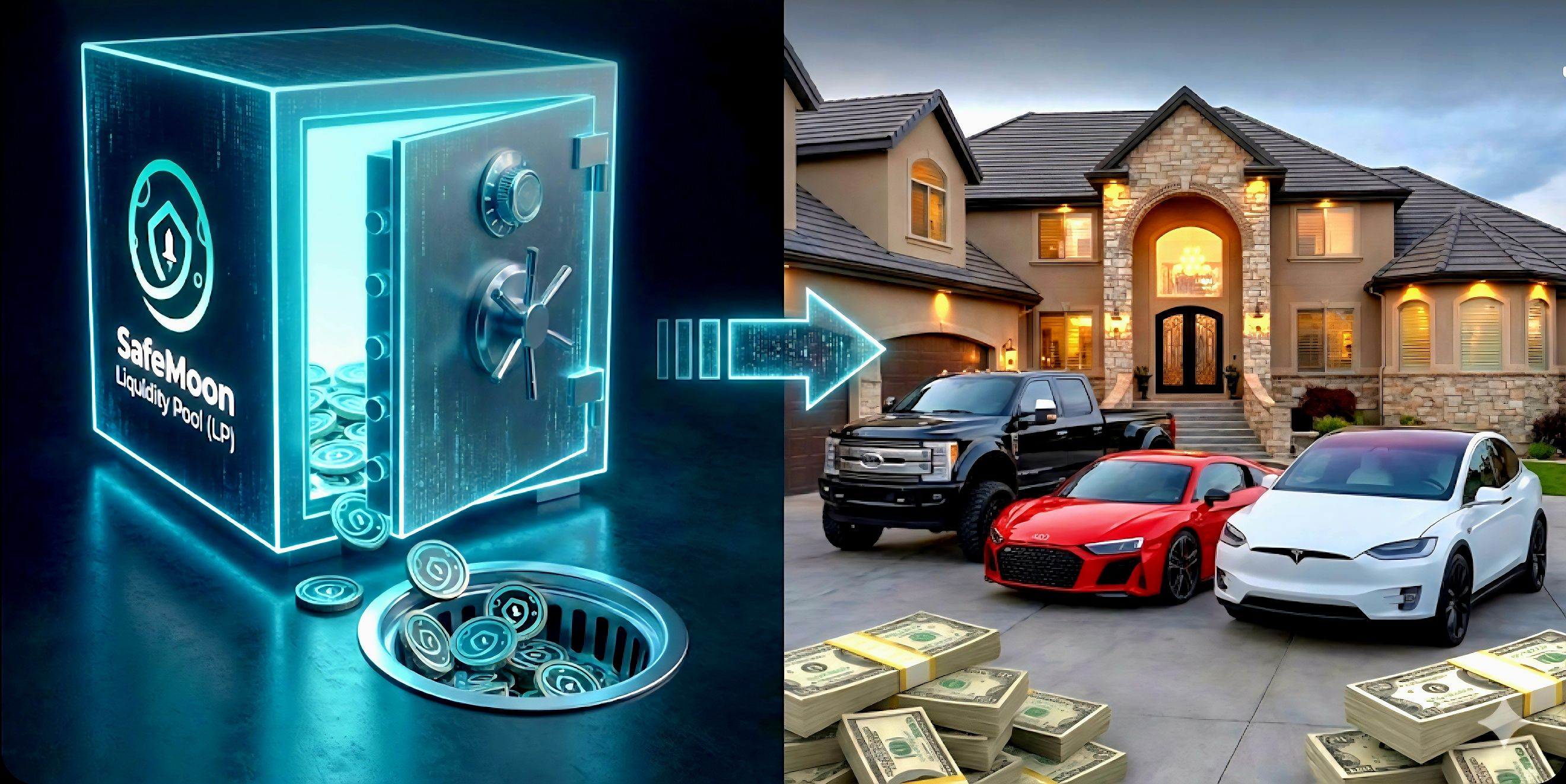
Why did SafeMoon take off in the first place? Because it sold the dream of easy money, using complex terminology like "automatic LP" as a smokescreen. The crowd saw a beautiful website and the word "Safe," buying the story without checking the code. Smart Money saw centralized access to liquidity and the absence of a real product, avoiding the asset entirely.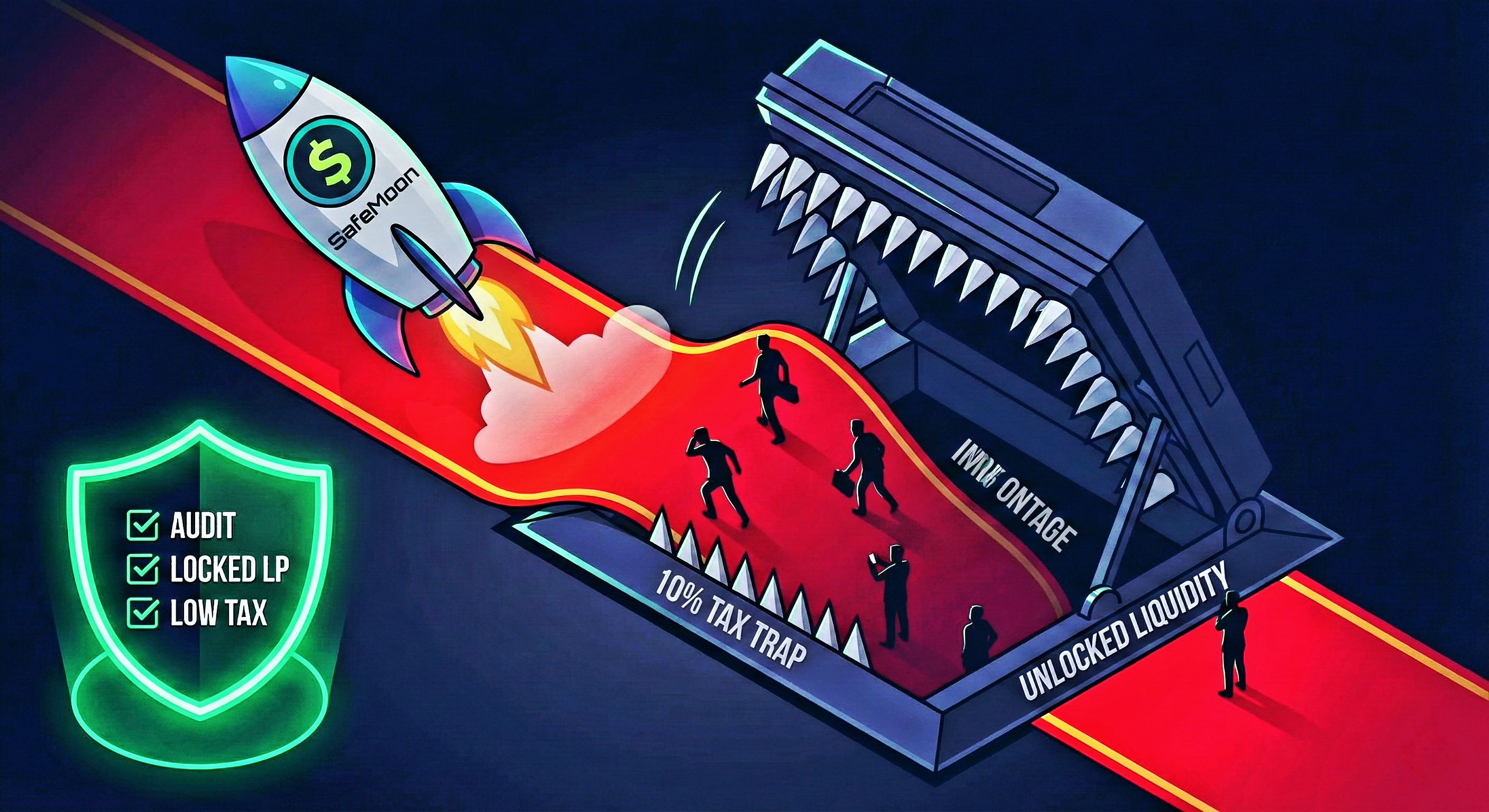
How to avoid becoming a victim of the next "SafeMoon"?
Check Liquidity Locking: If LP tokens are not locked (Unicrypt, PinkSale) or reside in a developer wallet — this is a 100% rug pull waiting to happen.
Analyze Transaction Tax: A fee above 5% (SafeMoon had 10%) is a major red flag. Real DeFi projects generate revenue from product usage, not an "entry/exit tax."
Watch Holder Distribution: If the top 10 wallets hold more than 20% of the supply (excluding CEXs and bridges) — you are liable to manipulation.
Code is Law: The absence of an audit from Tier-1 firms (Certik, Hacken) for a project with millions in market cap is unacceptable.
The story of SafeMoon is officially closed by the court, but it remains open in risk management textbooks. If a project promises you returns through a "sales tax" on other participants—that is not tokenomics; it is a Ponzi scheme in a pretty wrapper.