
Ammar1112_
6k 投稿
Ammar1112_
 厳選トピック確認済
報告
ユーザーをブロック
Everything in your life is rewards from God. Love to people, what are you praying for. Then rewards of god gonna come to you, Just be pure
1.1K+ フォロー
30.3K+ フォロワー
40.0K+ いいね
投稿
すべて
引用
ライブ
·
--
翻訳参照
The Receipt Is Getting Bigger. But Are People Getting More?
Think about an ordinary trip to the supermarket. You buy almost the same things you bought last month, yet the receipt is higher. Nothing dramatic happened, but somehow your money doesn't go as far as it used to.
That's the human side of October's PCE report, and I think it's getting less attention than it deserves.
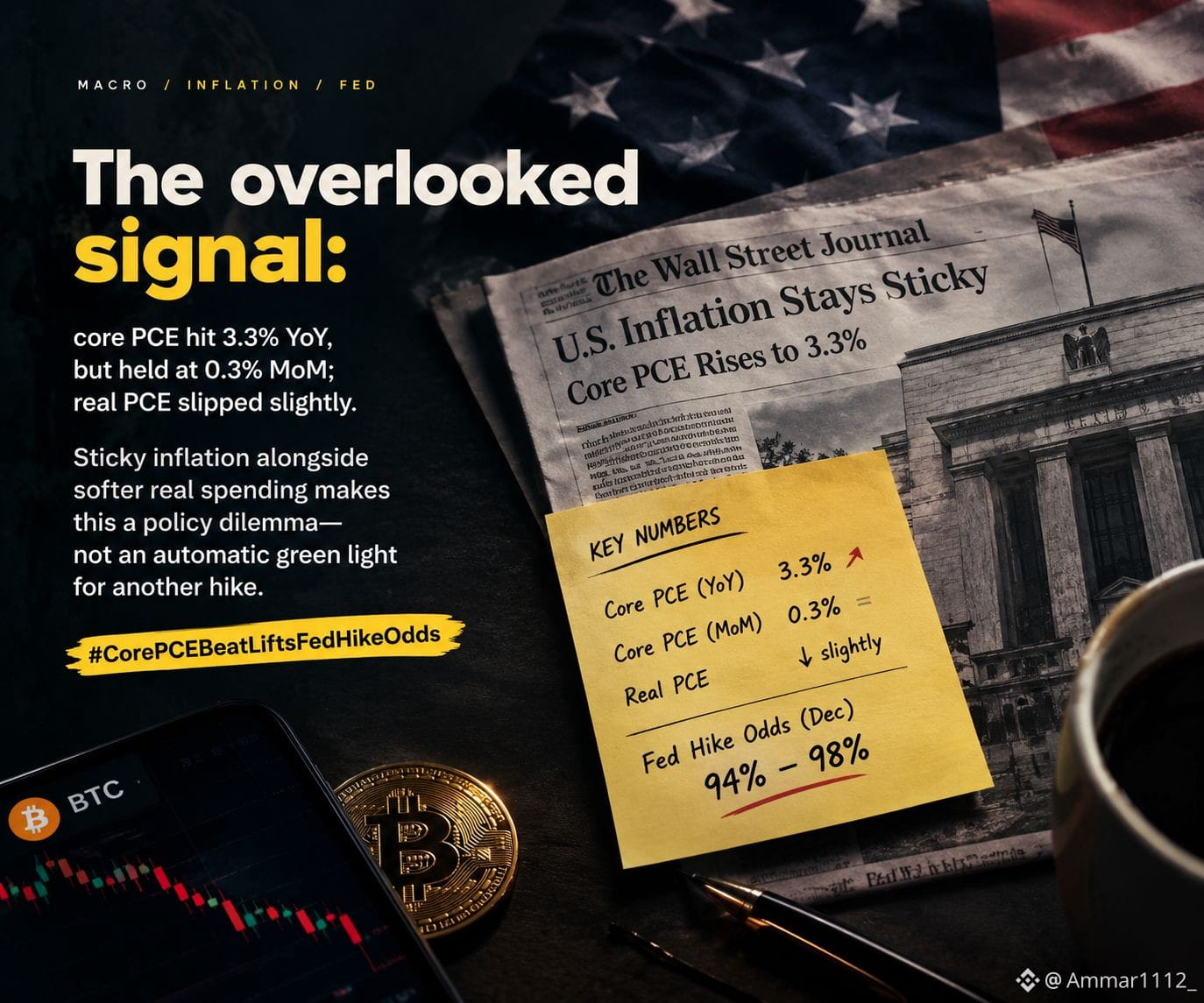
US consumer spending increased 0.3% in October in dollar terms. The PCE price index also rose 0.3%, while real PCE actually declined by $5.8 billion less than 0.1%.
Meanwhile, core PCE remains at 3.3% year over year.
There is an important distinction here: the economy is moving more dollars, but those dollars are not translating into more real consumption.
And this is where the Federal Reserve faces a difficult decision.
Raising rates may help cool persistent inflation, but it also makes borrowing more expensive for families, people with mortgages, and small businesses trying to keep their plans alive.
On the other hand, doing too little could allow inflation to remain a burden for even longer.
I don't think one inflation report should decide the Fed's next move. What matters is understanding what is happening beneath the headline numbers.
A higher spending figure doesn't always mean a healthier consumer. Sometimes, it simply means the same life costs more.
That's the signal I'll be watching beyond the next Fed announcement.
#CorePCEBeatLiftsFedHikeOdds
1
118
·
--
翻訳参照
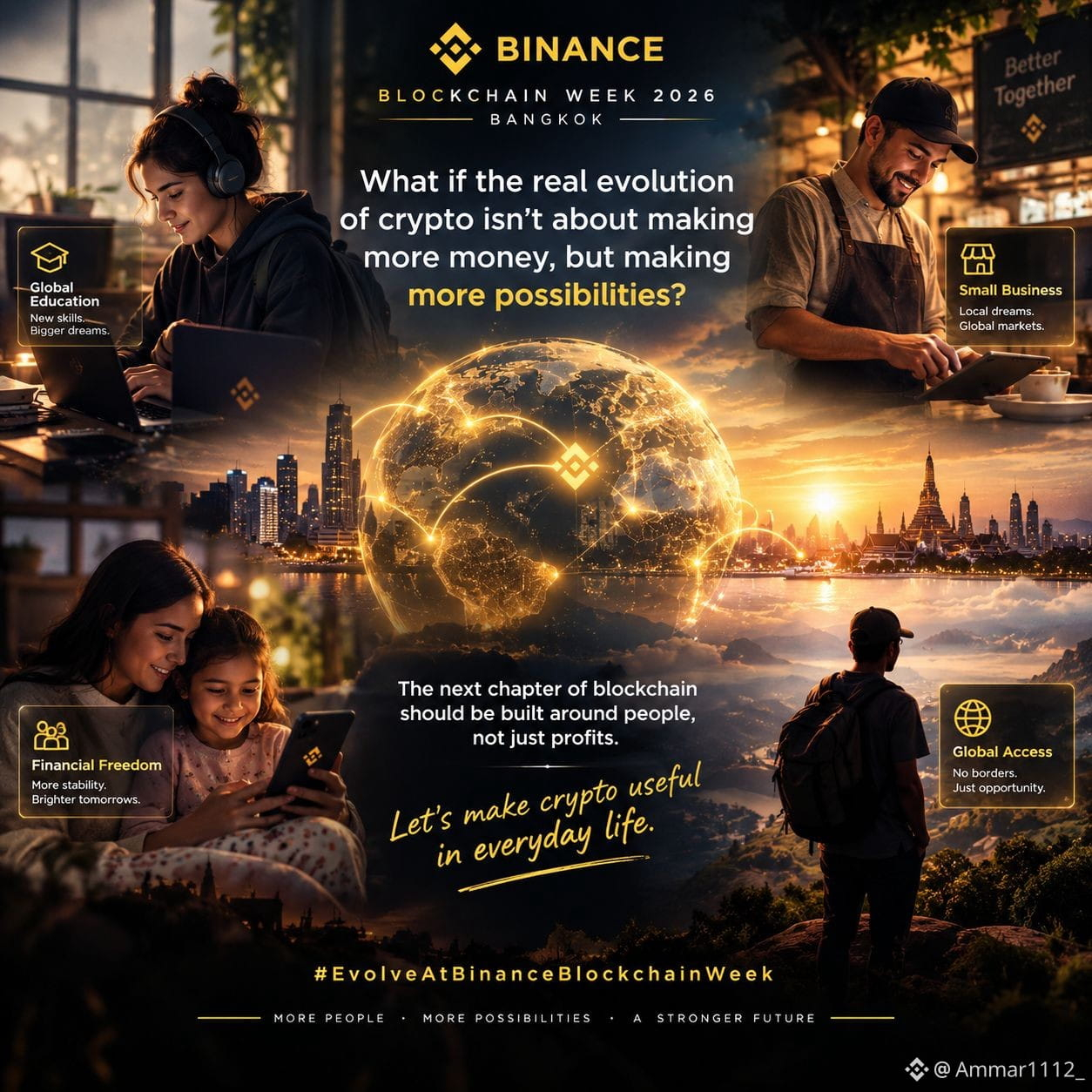
What if the real evolution of crypto isn't about making more money, but making more possibilities?
A student accessing global opportunities. A small business reaching new markets. A family finding easier ways to manage money.
The next chapter of blockchain should be built around people, not just profits.
Let's make crypto useful in everyday life.
#EvolveAtBinanceBlockchainWeek
A student accessing global opportunities. A small business reaching new markets. A family finding easier ways to manage money.
The next chapter of blockchain should be built around people, not just profits.
Let's make crypto useful in everyday life.
#EvolveAtBinanceBlockchainWeek
1
129
·
--
翻訳参照
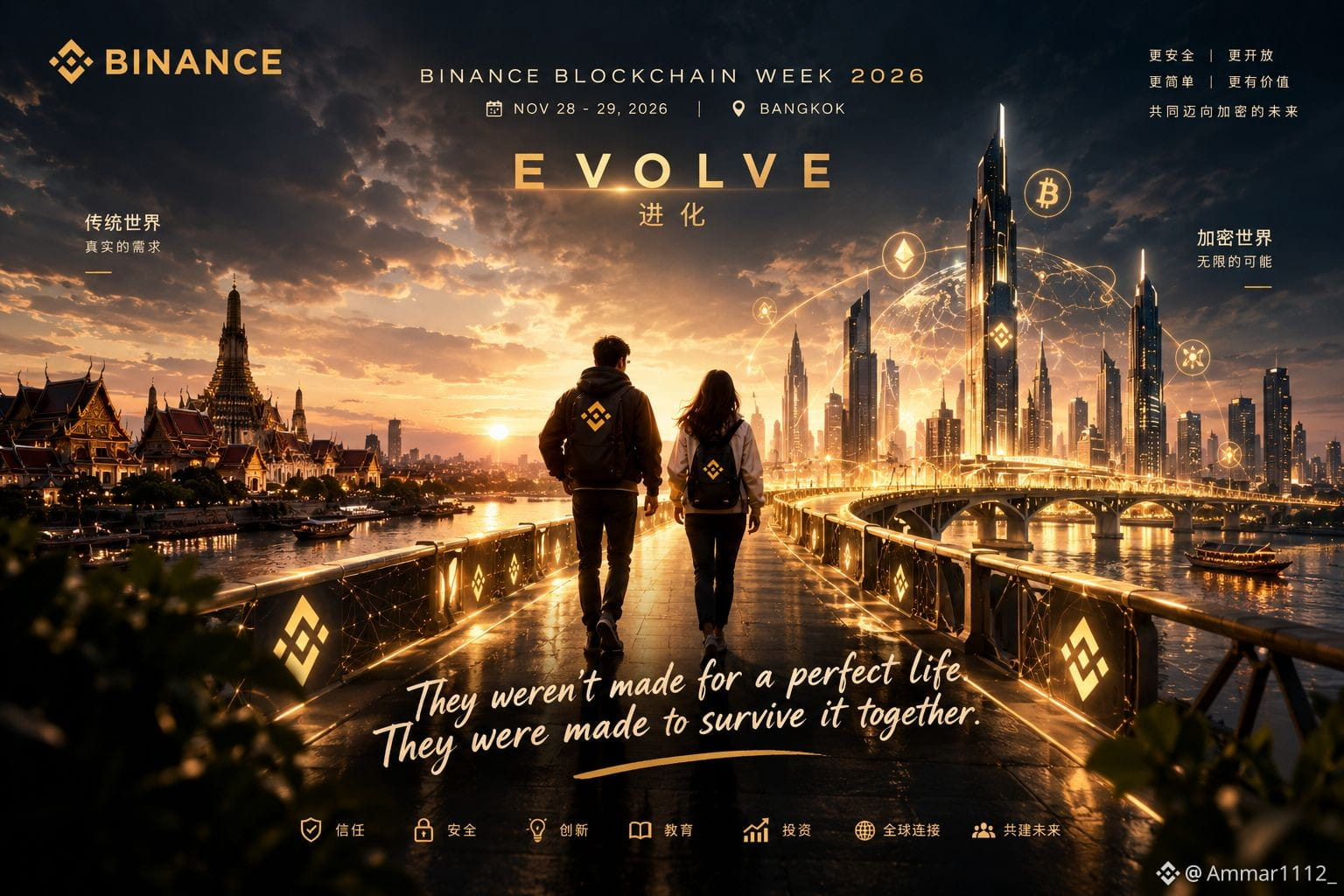
Binance Blockchain Week 2026:Evolve 让信任连接未来
我认为,真正的进化不仅是技术的升级,更是安全、信任与用户体验的全面提升。
Binance 不应该只是 个交易平台,更应该成为连接传统金融与加密世界的桥梁,让更多普通人能够简单、安全地进入数字经济。
未来,我希望 Binance 继续加强资产保护、透明度和反诈骗机制,同时简化交易、钱包及支付体验,让加密货币真正走进日常生活。
我也期待 Binance 支持更多具有实际价值的创新项目,拓展 AI、RWA 和 Web3 等领域,并在未来的活动中增加安全论坛、开发者挑战赛和全球社区交流。
个值得信赖的平台,不仅要推动技术发展,更要倾听用户、保护用户,并为整个生态创造长期价值。
这种演变不仅仅是扩大。 这是共同构建 个更安全、更简单、更可靠的未来。
#币安区块链周进化由你 @BinanceBlockchainWeek
Binance Blockchain Week 2026:Evolve 让信任连接未来
我认为,真正的进化不仅是技术的升级,更是安全、信任与用户体验的全面提升。
Binance 不应该只是 个交易平台,更应该成为连接传统金融与加密世界的桥梁,让更多普通人能够简单、安全地进入数字经济。
未来,我希望 Binance 继续加强资产保护、透明度和反诈骗机制,同时简化交易、钱包及支付体验,让加密货币真正走进日常生活。
我也期待 Binance 支持更多具有实际价值的创新项目,拓展 AI、RWA 和 Web3 等领域,并在未来的活动中增加安全论坛、开发者挑战赛和全球社区交流。
个值得信赖的平台,不仅要推动技术发展,更要倾听用户、保护用户,并为整个生态创造长期价值。
这种演变不仅仅是扩大。 这是共同构建 个更安全、更简单、更可靠的未来。
#币安区块链周进化由你 @Binance Blockchain Week
2
108
·
--
翻訳参照
After a volatile market and an October security incident that tested confidence, Binance says it has completed 100% coverage of all affected assets, with its latest Proof of Reserves allowing users to independently verify at least 1:1 backing. That matters; as does the community that kept asking hard questions, learning and building. Trust isn’t blind loyalty; it grows when accountability is visible and security keeps improving.
That’s why I’m looking to @BinanceBlockchainWeek for more than another price forecast. With regulators, banks, asset managers and blockchain builders in Bangkok, I want to hear how CBDCs, regulated stablecoins and open networks can work together; how tokenized assets can evolve into liquid investment products and 24/7 markets; and how AI agents can move from demonstrations to secure, verifiable payments.
The moment I’ll be watching for is the shift from “Can we tokenize it?” to “Who will trade it, provide liquidity and make it useful at scale?”
To me, the next growth cycle should be driven by institutional capital, real payment activity and products people actually use, not hype alone.
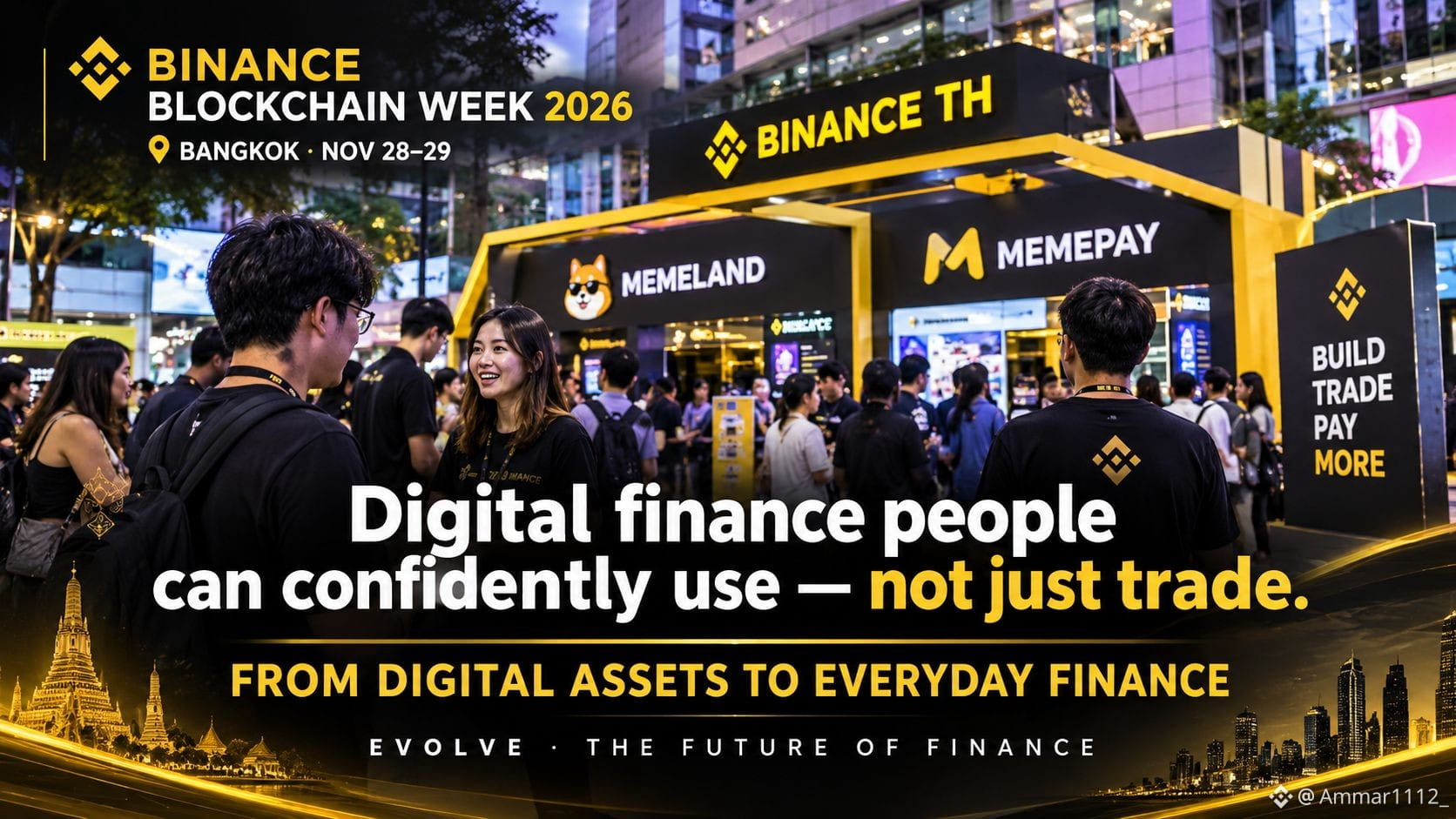
I hope Bangkok brings practical partnerships, bold ideas and measurable progress. That would be Evolve; the digital finance people can confidently use, not just trade.
#EvolveAtBinanceBlockchainWeek
After a volatile market and an October security incident that tested confidence, Binance says it has completed 100% coverage of all affected assets, with its latest Proof of Reserves allowing users to independently verify at least 1:1 backing. That matters; as does the community that kept asking hard questions, learning and building. Trust isn’t blind loyalty; it grows when accountability is visible and security keeps improving.
That’s why I’m looking to @Binance Blockchain Week for more than another price forecast. With regulators, banks, asset managers and blockchain builders in Bangkok, I want to hear how CBDCs, regulated stablecoins and open networks can work together; how tokenized assets can evolve into liquid investment products and 24/7 markets; and how AI agents can move from demonstrations to secure, verifiable payments.
The moment I’ll be watching for is the shift from “Can we tokenize it?” to “Who will trade it, provide liquidity and make it useful at scale?”
To me, the next growth cycle should be driven by institutional capital, real payment activity and products people actually use, not hype alone.
I hope Bangkok brings practical partnerships, bold ideas and measurable progress. That would be Evolve; the digital finance people can confidently use, not just trade.
#EvolveAtBinanceBlockchainWeek
2
2
107
·
--
翻訳参照
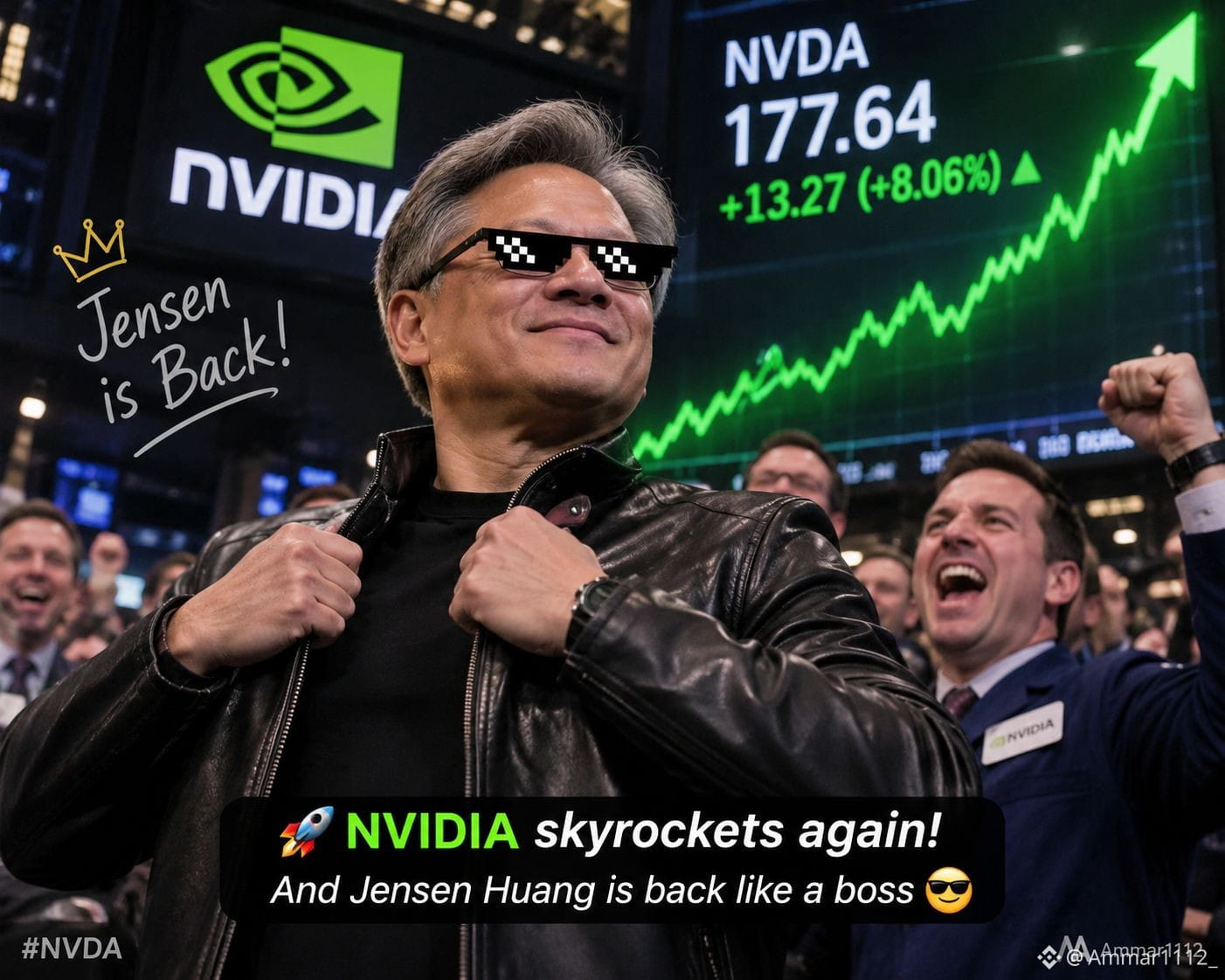
the December green month of $NVDAB come and Jensen Says Do you dare kick me boy? 😂
{spot}(NVDABUSDT)
the December green month of $NVDAB come and Jensen Says Do you dare kick me boy? 😂
1
120
·
--
翻訳参照
did the market is back healing.. Play earn hodl and don't look at the price.. $BNB
#BinanceSquareTalks
did the market is back healing.. Play earn hodl and don't look at the price.. $BNB
#BinanceSquareTalks
#BinanceSquareTalks

1
2
184
·
--
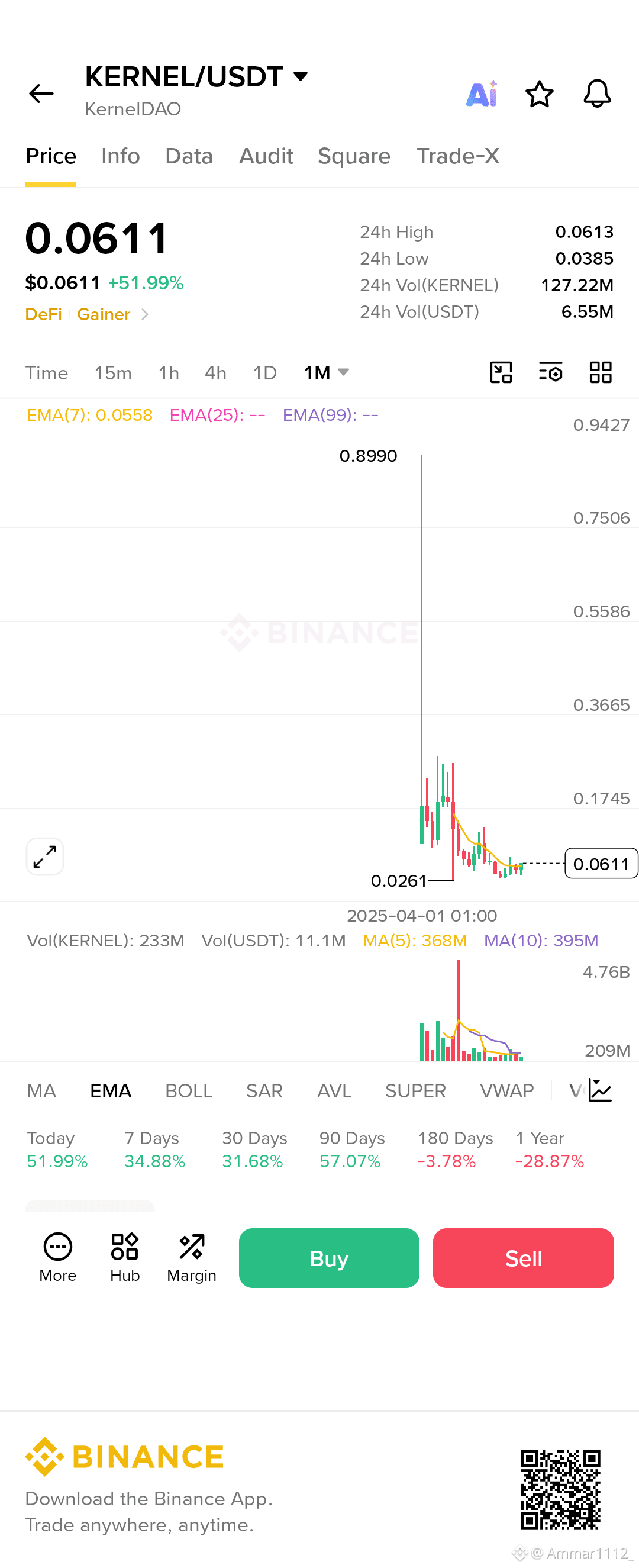
$KERNEL 緑の月はここから始まるのでしょうか?🤔 長期保有のポジションが来そうですね
{future}(KERNELUSDT)
$KERNEL 緑の月はここから始まるのでしょうか?🤔 長期保有のポジションが来そうですね
1
93
·
--
4
1
29
·
--
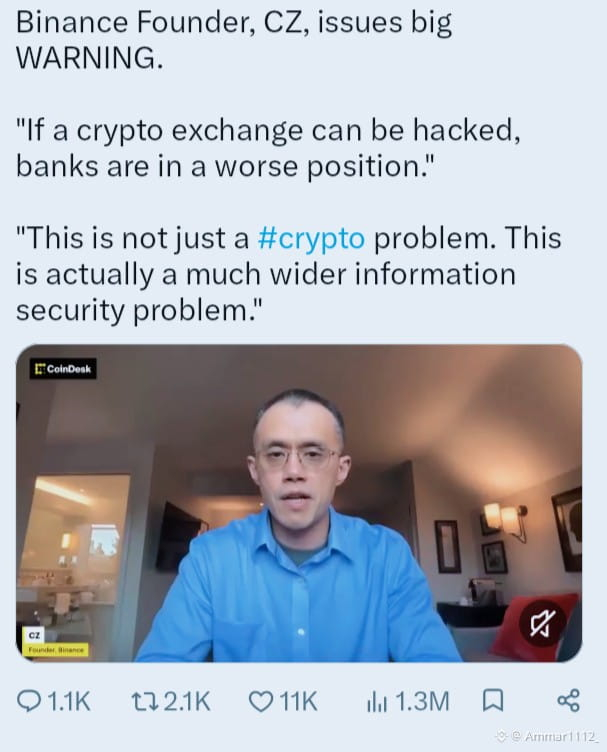
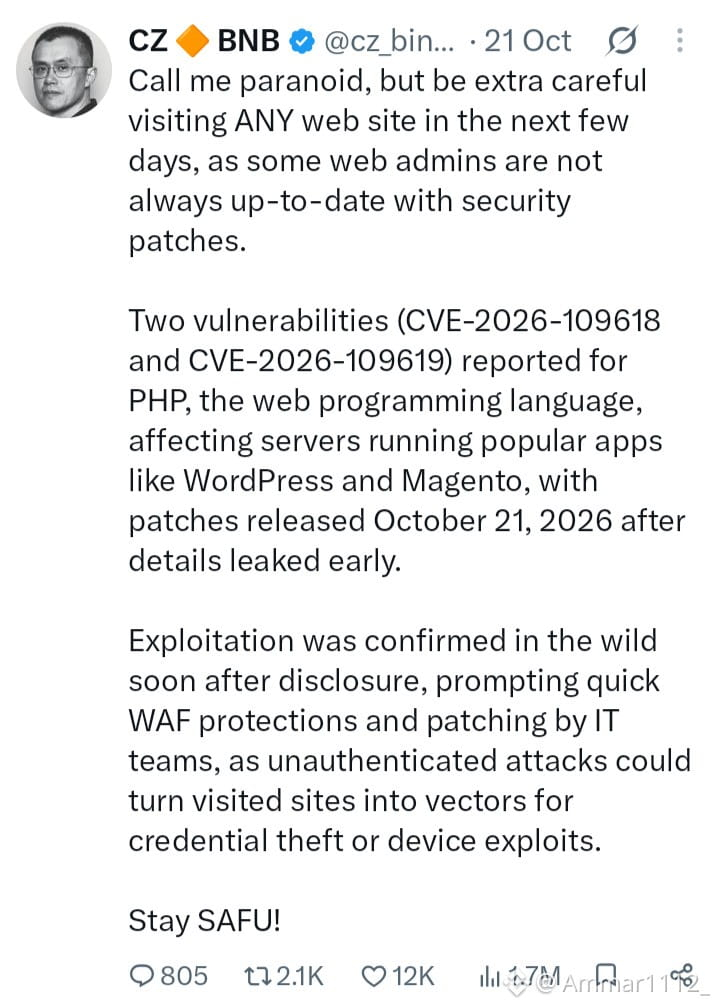
最後のハッキングについて質問があります⁉️
私の知る限り、中国にはサイバーセキュリティの開発者がたくさんいて、軍🪖や政府に属するシステムもあります。理由は分かりません😐。なのに、Binanceはなぜ高度なサイバーセキュリティの開発者やシステムなどを買収しなかったのでしょうか……#Binance が、最先端のサイバーセキュリティモデルや、中国内外で問題を見つけられる人間のエージェントを購入したり、投資したりできる能力については言うまでもありません。
質問は、Binanceがいつも「構築し続けよう」と言っていたのに、なぜ強力なサイバーセキュリティの開発者やシステムなどを構築しなかったのか、ということです。そして、私たちが知っているように、@CZ はみんな「自分がカジノのオーナーにならなければ」と考えていたのだから、こうした攻撃に対抗する高度なシステムを構築して、ほかの取引所にも販売できたはずです。Avastのように😂……マルウェア対策企業は問題を作り出してから、その解決策を売ることもあります。でも、Binanceが信頼を得ているのは、利益だけを求めているわけではないからだと、私たちはみんな知っています。だから、各国が自国通貨のステーブルコインを作るのを支援して世界を支配するという目標は、もっと難しくなるでしょう。でも、彼らならできます👌 63億年後でさえ、はは、そう😊。彼らはもっとできるはずです。それを見届け、彼らと一緒に成長できることを願っています。
頑張ってください @CZ @heyi
トレードをしに来て、家族のために残りました🫂💛
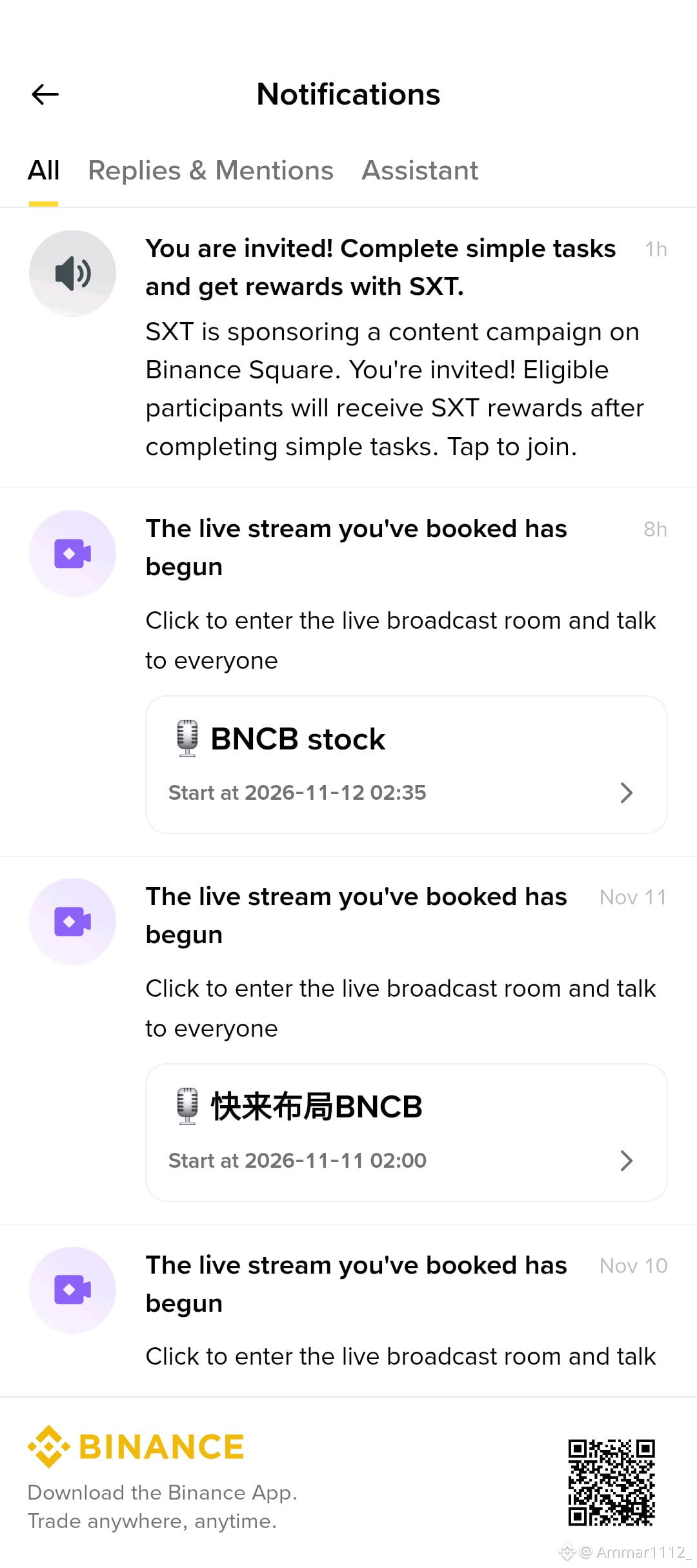
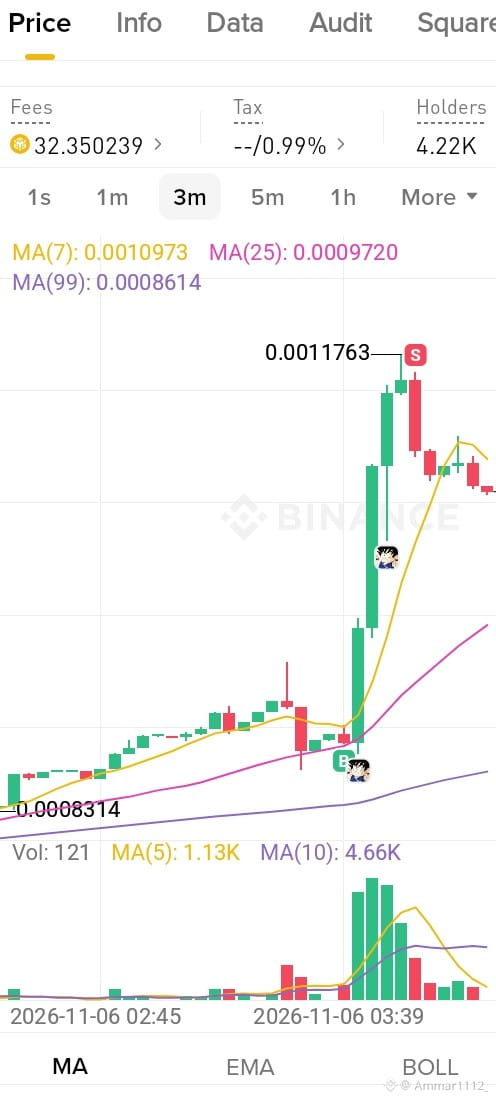
$BNB $BNCB
最後のハッキングについて質問があります⁉️
私の知る限り、中国にはサイバーセキュリティの開発者がたくさんいて、軍🪖や政府に属するシステムもあります。理由は分かりません😐。なのに、Binanceはなぜ高度なサイバーセキュリティの開発者やシステムなどを買収しなかったのでしょうか……#Binance が、最先端のサイバーセキュリティモデルや、中国内外で問題を見つけられる人間のエージェントを購入したり、投資したりできる能力については言うまでもありません。
質問は、Binanceがいつも「構築し続けよう」と言っていたのに、なぜ強力なサイバーセキュリティの開発者やシステムなどを構築しなかったのか、ということです。そして、私たちが知っているように、@CZ はみんな「自分がカジノのオーナーにならなければ」と考えていたのだから、こうした攻撃に対抗する高度なシステムを構築して、ほかの取引所にも販売できたはずです。Avastのように😂……マルウェア対策企業は問題を作り出してから、その解決策を売ることもあります。でも、Binanceが信頼を得ているのは、利益だけを求めているわけではないからだと、私たちはみんな知っています。だから、各国が自国通貨のステーブルコインを作るのを支援して世界を支配するという目標は、もっと難しくなるでしょう。でも、彼らならできます👌 63億年後でさえ、はは、そう😊。彼らはもっとできるはずです。それを見届け、彼らと一緒に成長できることを願っています。
頑張ってください @CZ @Yi He
トレードをしに来て、家族のために残りました🫂💛
$BNB $BNCB
2
45
·
--
$DEBIT が目標を動かしている🎯 価格は14ドルになるので、保有し続けられないならポジションを構築できません
$DEBIT が目標を動かしている🎯 価格は14ドルになるので、保有し続けられないならポジションを構築できません
56
·
--
$TRX 183.2 USDT(30日間の取引)
Ammar1112_
·
--
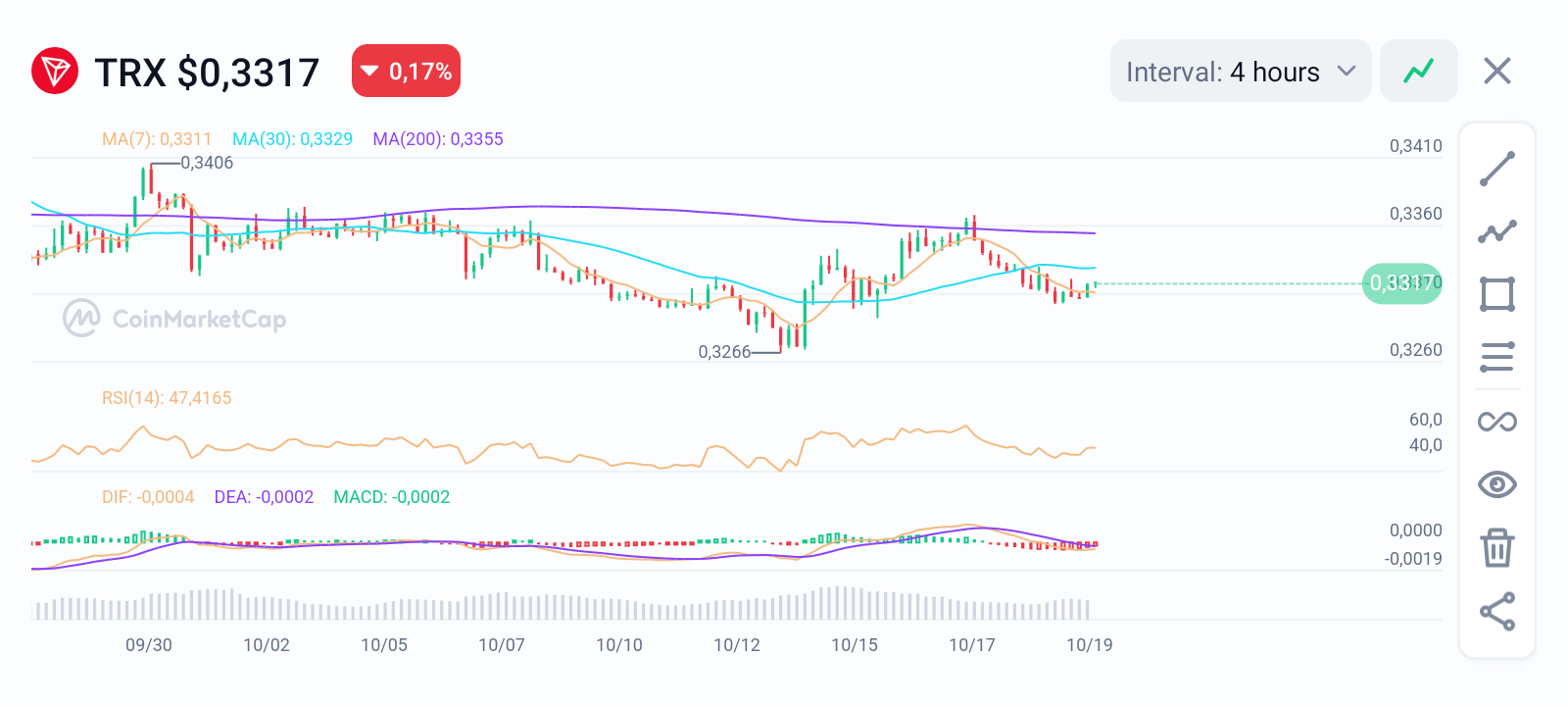
TRX:注目すべきラインは$0.3300
📍 重要な価格水準
サポート:$0.3300~$0.3306
下落時の目標:$0.3290 → $0.3270
強気転換の条件:$0.3328~$0.3335を回復
レジスタンス:$0.3351 → $0.3372
10月19日時点でTRXは$0.331付近にあり、$0.335から反落しています。次の動きは、買い手がサポートを守れるかどうかにかかっています。
📉 出来高は減少傾向
日次取引高は10月15日の約$540Mから、10月18日には$296Mへ減少し、約45%下落しました。これだけで再び売り込まれるとは限りませんが、上昇の動きを信頼するには、出来高の回復を確認したいところです。
👀 SNSのムード:強気だが、熱狂はまだ限定的
直近のスナップショットでは、24時間にわたる541件の投稿と306人の発信者のうち、約82%がポジティブなセンチメントを示しました。一方、追跡対象のSNS上の議論に占めるTRXの割合は約0.1%にとどまりました。会話はポジティブですが、熱狂的な盛り上がりには至っていません。強気なコメントだけでは、買い圧力があるとは確認できません。
ファンダメンタルズ面では、TRONは第3四半期のステーブルコイン決済額が約$2.21Tに達し、1日あたりの平均取引高は前四半期比3.9%増の$24.05Bになったと報告しました。これはネットワークの利用状況を示すもので、TRXへの需要が自動的に高まることを意味するわけではありません。
🎯 取引プラン(条件付き)
🟢 ロングのシナリオ:$0.3300~$0.3306を維持する場合は、出来高の増加を伴って$0.3328~$0.3335を回復するのを待ちます。目標は$0.3351、次に$0.3372です。回復に失敗すれば、このシナリオは弱まります。
🔴 ショートのシナリオ:$0.3300を明確に下抜け、さらに回復にも失敗した場合は、$0.3290、次に$0.3270が注目されます。$0.3306を上回って戻れば、下落シナリオは弱まります。
出来高の裏付けがなければ、まだ明確な取引機会とは言えません。
私の見方:センチメントはポジティブですが、価格はまだブレイクアウトを確認していません。コメントが強気だから買うのではなく、価格と出来高が揃うのを待ちたいです。
出来高が戻らなくてもブレイクアウトを信頼しますか?それとも、まずTRXが$0.3335を回復するのを待ちますか?
$TRX #Tron #TRX
1
143
·
--
そのままでいて #SAFU サードパーティのDAppを経由しなければ、すべてうまくいきます。アカウントのセキュリティ、開発者モード、エージェント型ウォレット…
そのままでいて #SAFU サードパーティのDAppを経由しなければ、すべてうまくいきます。アカウントのセキュリティ、開発者モード、エージェント型ウォレット…
124
·
--
$GANG、これはしばらくしたらアルファ版で公開される。0.005はナシ👎、0.00145まで下がって、次は0.0017、その後0.023。利確して、⌚で様子を見ておこう
$GANG 、これはしばらくしたらアルファ版で公開される。0.005はナシ👎、0.00145まで下がって、次は0.0017、その後0.023。利確して、⌚で様子を見ておこう
1
41
·
--
分からないけど、たくさんのトークンがAlphaに掲載されるべきだと思う。でもバイナンスがどう選んでいるかは知りたくない $WARD 少額で波を見よう 🌊
{alpha}(560xf5cb7cc90040aa717a16887c8b7d7c10a7c60984)
分からないけど、たくさんのトークンがAlphaに掲載されるべきだと思う。でもバイナンスがどう選んでいるかは知りたくない $WARD 少額で波を見よう 🌊
1
63
·
--
$WARD Alphaの新しいもの .. 0.0127ドルで早く逃げろ
{alpha}(560xf5cb7cc90040aa717a16887c8b7d7c10a7c60984)
$WARD Alphaの新しいもの .. 0.0127ドルで早く逃げろ
1
27
·
--
そのゴミトークンが#ALPHA に上場したときに買うなんて、最悪の考えだ
そのゴミトークンが#ALPHA に上場したときに買うなんて、最悪の考えだ


Binance Wallet
·
--
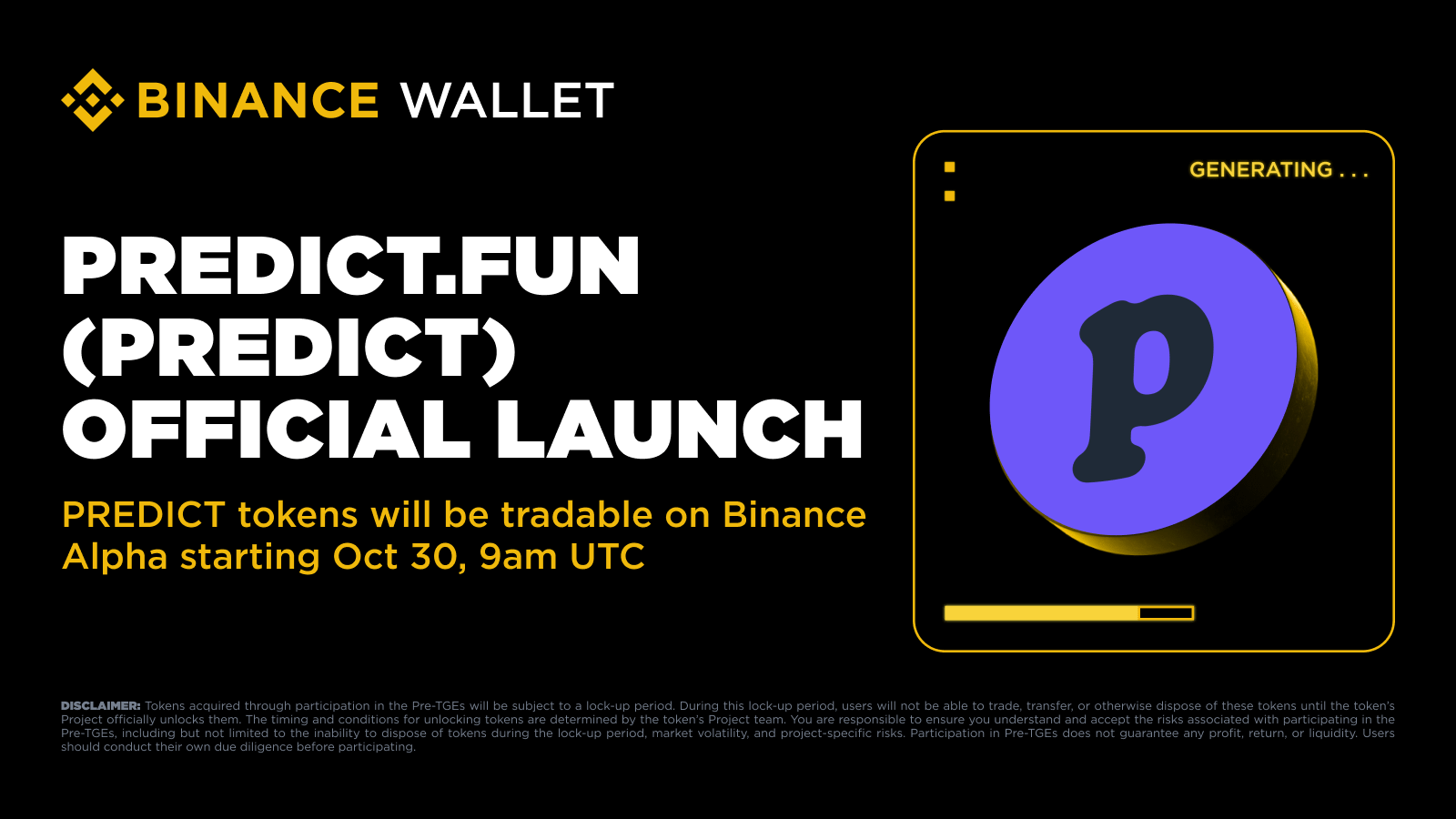
Predict.fun(PREDICT)トークンの流通がまもなく開始されます!
Alphaでの初回上場および取引開始時間:2026年10月30日 09:00(UTC)
Prime Sale Keysを取得済みのユーザーは、トークンの取引開始後すぐに、残高を確認してBinance AlphaでPREDICTトークンの取引を開始できます。
Alphaでの初回上場および取引開始時間:2026年10月30日 09:00(UTC)
Prime Sale Keysを取得済みのユーザーは、トークンの取引開始後すぐに、残高を確認してBinance AlphaでPREDICTトークンの取引を開始できます。
2
89
·
--
わかんないけど、この投票ってなんか…わかるでしょ🫵😂 とにかく投票して、その後は黙ってて
$SAFUでいこう #safu
わかんないけど、この投票ってなんか…わかるでしょ🫵😂 とにかく投票して、その後は黙ってて
$SAFUでいこう #safu
$SAFUでいこう #safu
19
ログインして、さらにコンテンツを読む
厳選トピックで世界の暗号資産トレーダーの仲間入り
⚡️ 暗号資産に関する最新かつ有益な情報が見つかります。
💬 世界最大の暗号資産取引所から信頼されています。
👍 認証を受けたクリエイターから、有益なインサイトを得られます。
メール / 電話番号
トレンドトピック
EvolveAtBinanceBlockchainWeek
閲覧回数 2.5M
20,547人が討論中
Binance Blockchain Weekが正式に開幕しました!🌍
11月28日〜29日、バンコクからでも遠方からでも、ライブ配信を視聴してBinance Squareで会話に参加しましょう!
イベントの見どころはこちら👇
📺 main stage liveを視聴
両日を通して、業界のスピーカーが今年のテーマ「Evolve(進化)」について、それぞれの視点を語ります。技術革新から現実世界での活用まで、暗号資産の次なる展開を探りましょう。
⚔️ 2つのトレード大会を視聴
Aster Open QualifierとBinance Trading Master Tournamentは、どちらもライブ配信されます。トレーダーたちの熱戦をぜひご覧ください。
🏆 Blockchain 100 Awards Ceremonyを視聴
「Blockchain 100」リストはコミュニティによって選ばれました。クリエイターたちと、彼らが発信するアイデアを一緒に祝いましょう!
💬 コミュニティの会話に参加
投稿に写真を添えて#EvolveAtBinanceBlockchainWeek を使い、楽しみにしていることや業界への意見、イベントでのお気に入りの瞬間をシェアしましょう。
event pageのライブ配信が始まりました!ワンクリックですべてのライブ配信を登録して、見逃さないようにしましょう👏
Binance Blockchain Week
·いいね:613件
·閲覧回数 951.9k
WorldLibertyActsToCutLiquidationRisk
閲覧回数 34,652
350人が討論中
LiquidHackerMoves598BTC
閲覧回数 27,584
250人が討論中