In 2026, the global financial conversation has shifted profoundly. "Blockchain" is no longer just a buzzword for speculative digital coins; it's the invisible infrastructure quietly revolutionizing how we buy, sell, and manage nearly every form of valuable asset. This seismic shift is known as the Tokenization of Real-World Assets (RWA), and it’s effectively bridging the traditional, physical world of finance with the agile, digital realm.
Think of it this way: for centuries, owning a piece of an office building, a government bond, or even a gold bar meant dealing with stacks of paper, legal complexities, and a glacial pace of transactions. If you had $50 million, you could buy a building. If you had $50, you were out of luck. RWA tokenization is changing all of that by taking these often illiquid, expensive assets and transforming them into easily tradable digital "tokens" on a blockchain.
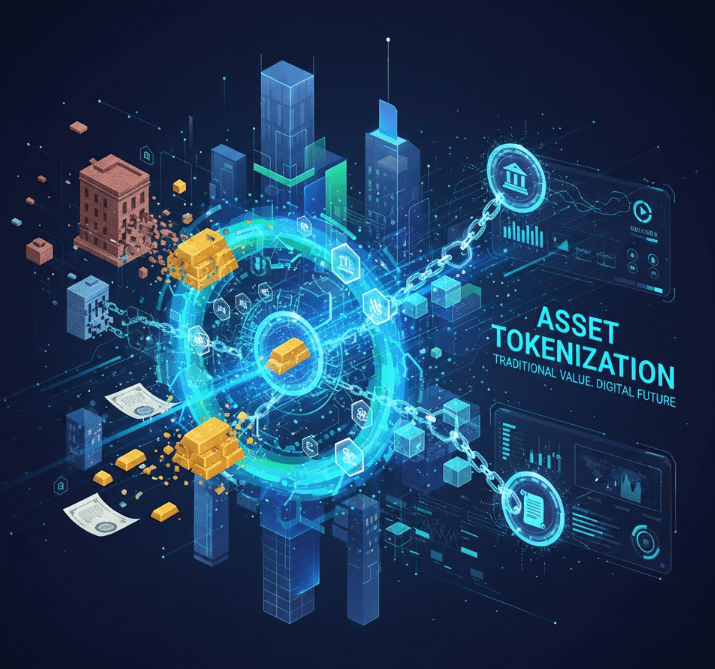
From Physical to Digital: The Engineering Behind the Tokens
Bringing a tangible asset like a property or a precious metal onto the blockchain isn't a simple magic trick; it’s a sophisticated blend of legal and technological engineering that has matured significantly by 2026. This process typically unfolds in a few critical layers:
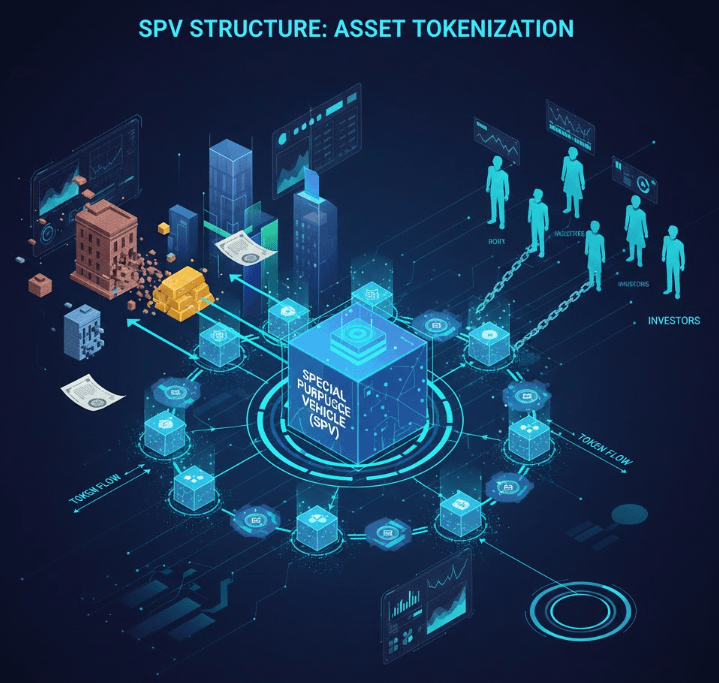
The Legal Framework (The "Wrapper"): A blockchain can't physically hold a building deed. So, the first step involves establishing a robust legal structure, most commonly a Special Purpose Vehicle (SPV). This is essentially a dedicated company or trust created solely to legally own the real-world asset (e.g., the apartment building, the bond portfolio, the gold reserves). When you purchase an RWA token, you are legally acquiring a fractional share or beneficial interest in this SPV. This ensures that your digital token has tangible, real-world legal backing, protecting your ownership even if the technology itself were to face issues.
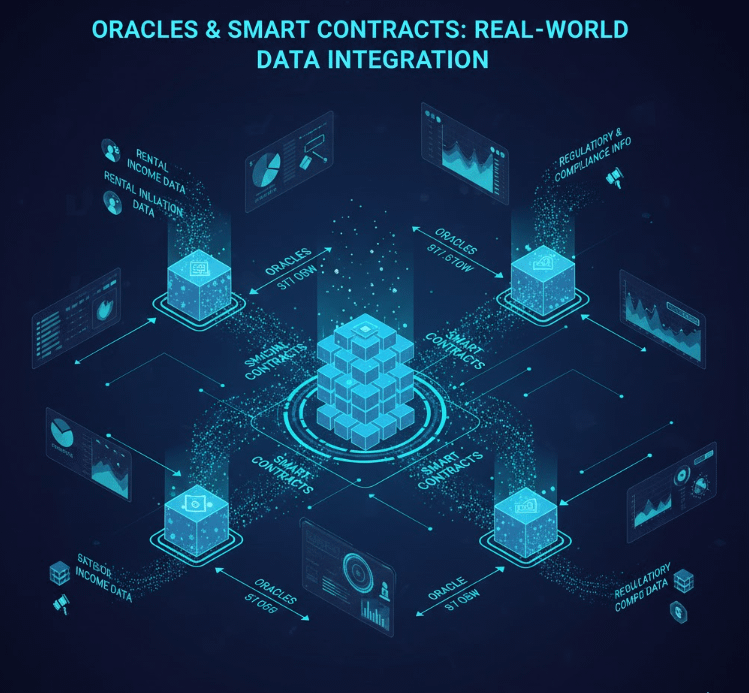
The Oracle Network (The "Eyes and Ears"): How does a digital token know if the underlying asset is still there, or if a tenant paid rent? This is where Oracles come in. By 2026, these are highly secure, decentralized data feeds (like Chainlink) that act as trusted bridges, bringing verified real-world information onto the blockchain. They confirm crucial details such as:
Proof of Reserve: Real-time audits confirming the physical existence of gold in a vault or the title of a property.
Performance Metrics: Updating the token with current rental income, bond yields, or asset valuations.
Compliance Data: Ensuring the asset adheres to all regulatory requirements.
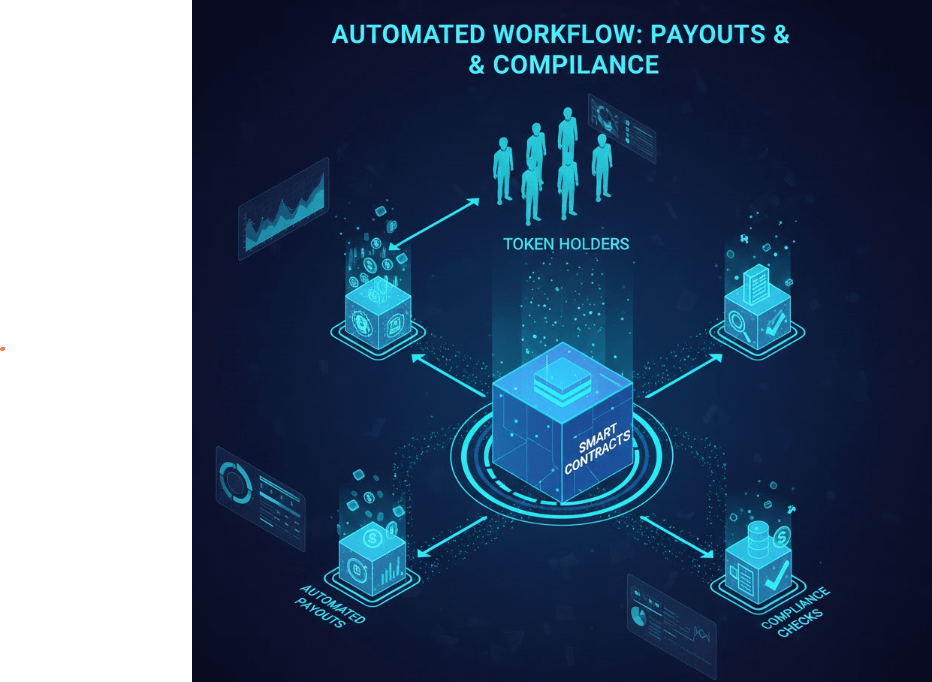
Smart Contract Automation (The "Rule Enforcer"): Once the asset is tokenized and its data is flowing, Smart Contracts take over the heavy lifting. These are self-executing computer programs stored on the blockchain that automatically enforce the terms of an agreement. For RWA, this means:
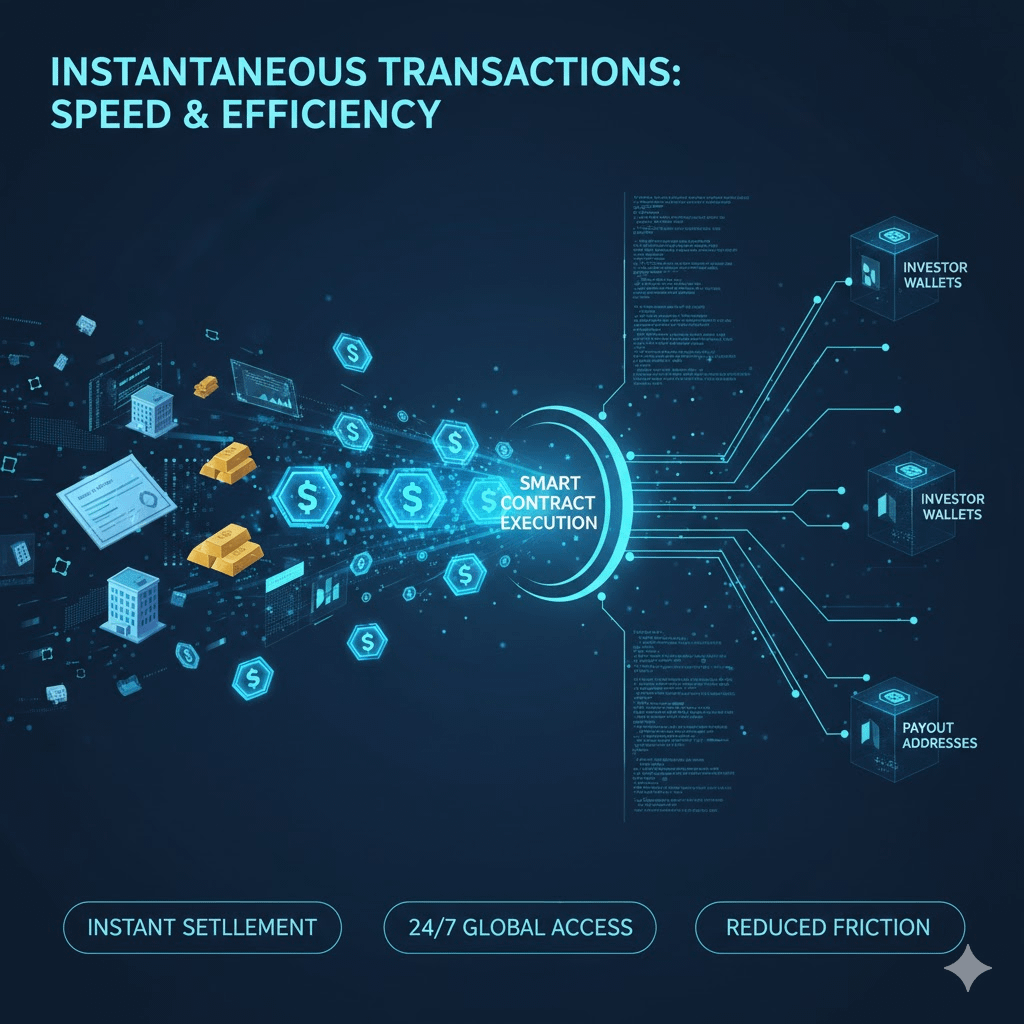
Automated Payouts: If an apartment building generates rental income, the Smart Contract instantly calculates and distributes each token holder's proportional share directly to their digital wallet, bypassing manual accounting and delays.
Transaction Logic: It can set rules like, "Only verified investors (KYC-approved) can buy this token," or "If the asset's value drops below X, initiate a collateral call."
The Current Landscape: What's Hot in RWA Today (2026)
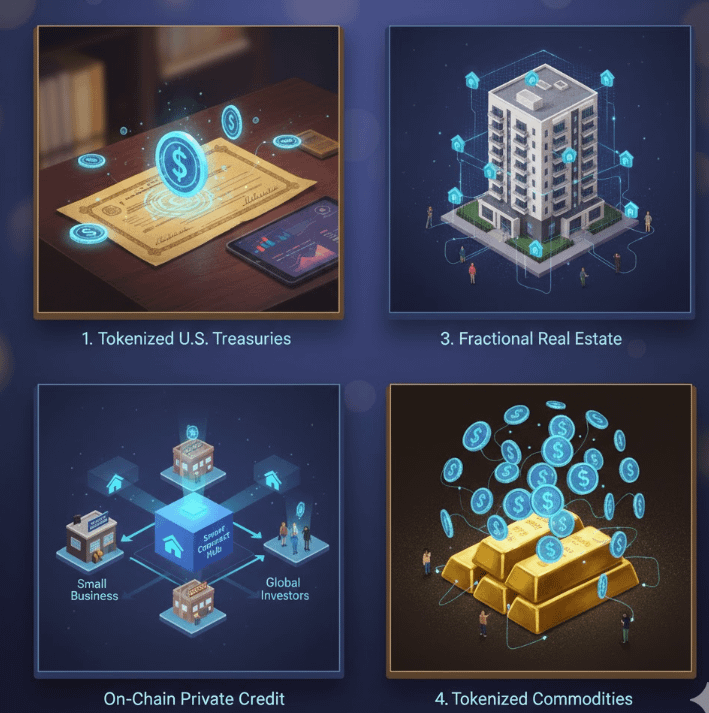
The market for RWA in 2026 is robust, driven by institutional adoption and a desire for stable, yielding assets. We're seeing particular traction in these areas:
Tokenized U.S. Treasuries: This is a major game-changer. Platforms like Ondo Finance and BlackRock's BUIDL fund are wrapping U.S. government bonds into digital tokens. This allows investors worldwide to access "risk-free" yields (currently around 4-5%) on U.S. debt without needing a traditional U.S. brokerage account, democratizing access to stable, high-quality collateral.
Fractional Real Estate: Companies such as RealT and Lofty have made it common to buy small, fractional stakes (e.g., as little as $50) in income-generating properties. What’s new in 2026 is the growing secondary market liquidity, meaning you can now sell your share of a property in hours, not months.
On-Chain Private Credit: This innovation connects traditional small businesses seeking loans with a global pool of digital capital. Investors can earn attractive yields (often 8-12%) by contributing to these loan pools, providing much-needed liquidity to entrepreneurs while sidestepping traditional banking bottlenecks.
Tokenized Commodities: Owning gold has never been easier. Platforms like PAX Gold (PAXG) and Tether Gold allow you to own digitally verifiable shares of physical gold bars stored in vaults, tradeable 24/7 with instant settlement, avoiding the logistical headaches and costs of physical delivery.
The Reality Check: Navigating the Nuances
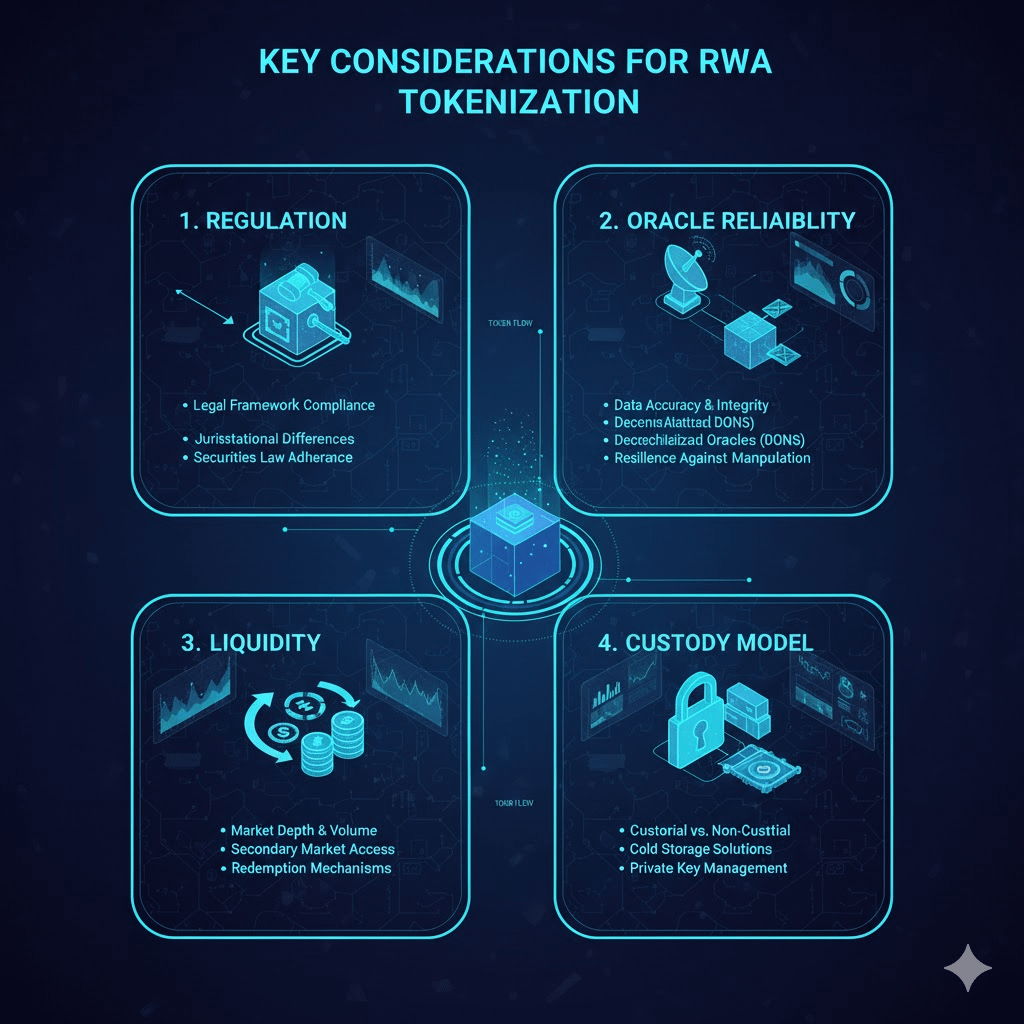
While RWA tokenization promises unprecedented efficiency and access, a well-informed investor in 2026 needs to be aware of the practical considerations:
Regulatory Evolution: The legal frameworks are catching up. While the U.S. Clarity Act of 2025-2026 provided some much-needed guidance for digital commodities and securities, cross-border regulations can still be complex. Investors need to ensure the platforms they use are compliant within their jurisdiction.
Oracle Reliability: The "garbage in, garbage out" principle applies. The token's value and integrity depend heavily on the accuracy and security of the Oracles feeding data from the real world. This is why multi-source oracles and robust audit trails are paramount.
Liquidity vs. Fractionality: While assets are fractionalized, liquidity isn't guaranteed for every single token. Highly specialized or niche tokenized assets might still have thinner secondary markets. It's crucial to evaluate the trading volume and established exchanges for any RWA token you consider.
Custodial vs. Non-Custodial: Understand who holds the physical asset. Is it a trusted institution (custodial) or is it fully self-sovereign with transparent proof of reserves (non-custodial)?
The "Atomic Finance" Future: Why This Matters Today
The ultimate vision for RWA tokenization in 2026 is "Atomic Finance"—the instantaneous, simultaneous exchange of assets and cash. Instead of waiting days for a stock or property transaction to settle (T+2), a tokenized transaction settles in minutes, or even seconds. This efficiency isn't just a convenience; it's a massive cost-saver, projected to inject trillions of dollars in annual efficiency into the global financial system by streamlining operations and unlocking trapped capital.
For the savvy investor, RWA represents not just a new asset class, but a fundamental shift in market structure. It’s about leveraging technology to democratize access, enhance liquidity, and redefine ownership in a digitally connected world.