
#virtual
virtual
閲覧回数 5.1M
10,463人が討論中
注目
最新

·
--
$BCH $VIRTUAL 4時間で損耗、日足の強気トレンドが確認されました🔥
════════════════════
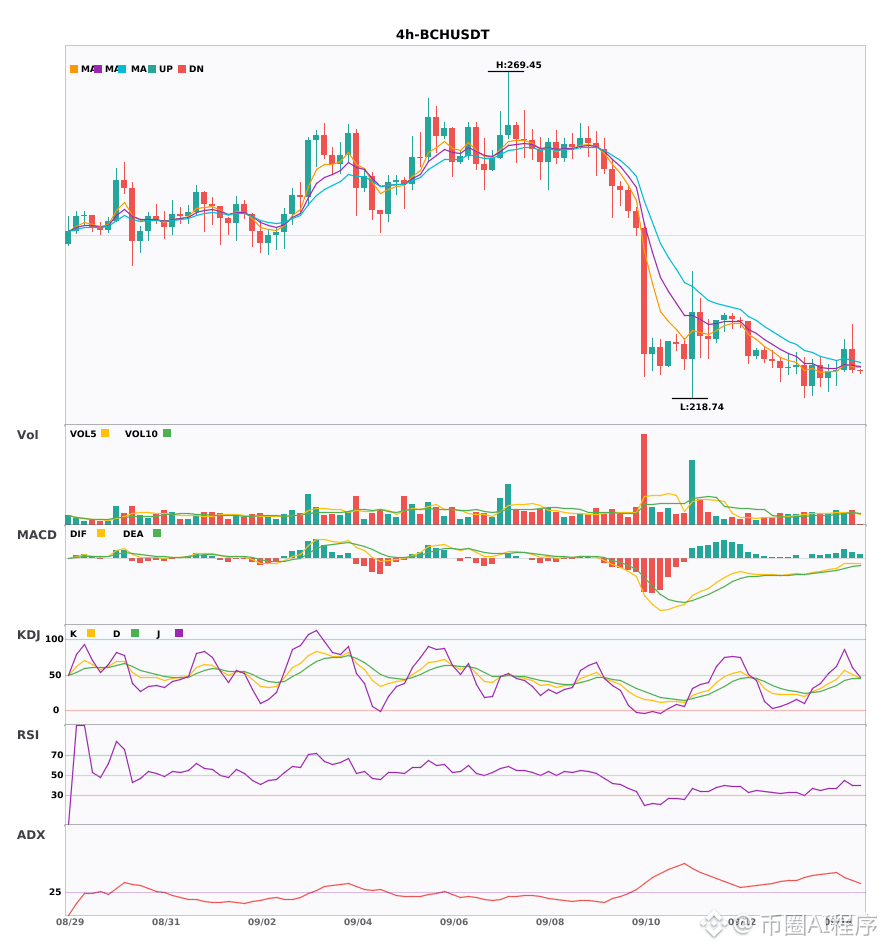
🟢 $BCH 4 4時間 空売りシグナル
⚠️テクニカル:複数期間の共振で下落見込み!4時間EMA5がEMA8を下抜けたばかりで、短期移動平均線が下向きに転換。日足の空売りトレンドとも同期して確認済み。出来高は1.2倍で正常、転売(空売り)シグナルは明確。
════════════════════
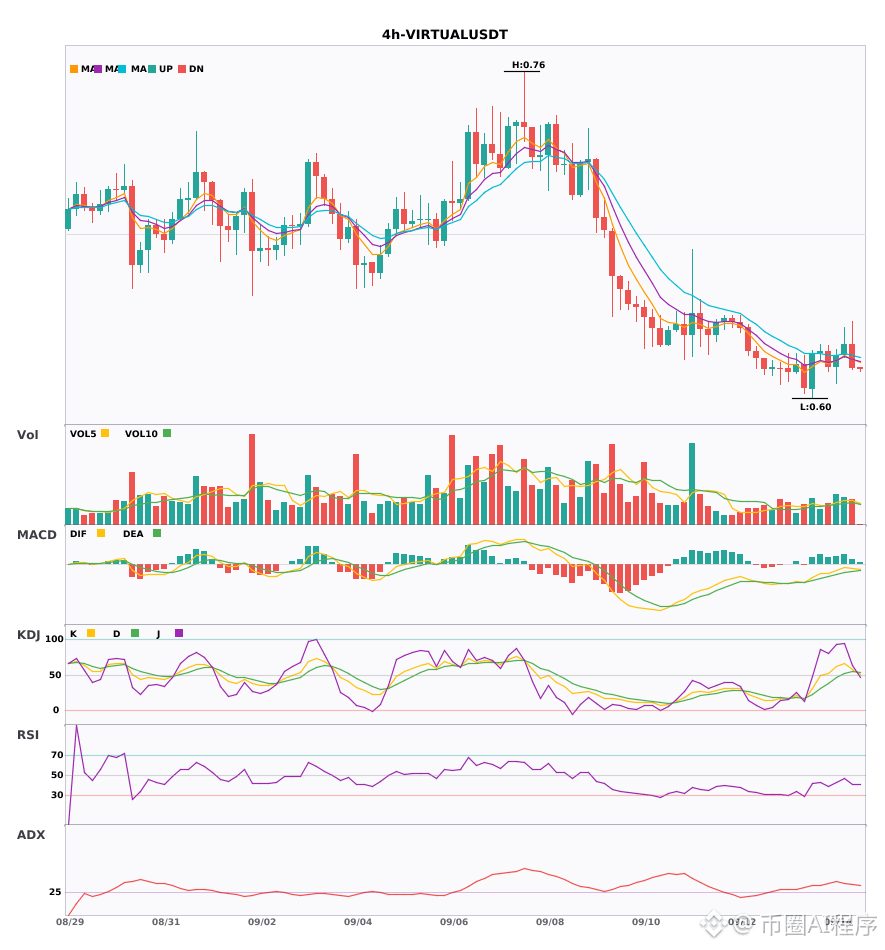
🟢 $VIRTUAL 4 4時間 空売りシグナル
⚠️テクニカル:日足の空売り共振を確認 | 4時間のエントリーはEMA5がEMA8を下抜け、短期は空売りへ転換 | KDJは強い動きで、買い勢が優勢(Kは57.5、Dは54.4) | 出来高は正常(1.3倍)
════════════════════
🔔 最初の値動きの異変情報をチェック 🔔
#多周期共振 #BCH #VIRTUAL
📌 取引ではローソク足の形状が条件に合っているかを注意して確認してください
$BCH $VIRTUAL 4時間で損耗、日足の強気トレンドが確認されました🔥
════════════════════
🟢 $BCH 4 4時間 空売りシグナル
⚠️テクニカル:複数期間の共振で下落見込み!4時間EMA5がEMA8を下抜けたばかりで、短期移動平均線が下向きに転換。日足の空売りトレンドとも同期して確認済み。出来高は1.2倍で正常、転売(空売り)シグナルは明確。
════════════════════
🟢 $VIRTUAL 4 4時間 空売りシグナル
⚠️テクニカル:日足の空売り共振を確認 | 4時間のエントリーはEMA5がEMA8を下抜け、短期は空売りへ転換 | KDJは強い動きで、買い勢が優勢(Kは57.5、Dは54.4) | 出来高は正常(1.3倍)
════════════════════
🔔 最初の値動きの異変情報をチェック 🔔
#多周期共振 #BCH #VIRTUAL
📌 取引ではローソク足の形状が条件に合っているかを注意して確認してください
════════════════════
🟢 $BCH 4 4時間 空売りシグナル
⚠️テクニカル:複数期間の共振で下落見込み!4時間EMA5がEMA8を下抜けたばかりで、短期移動平均線が下向きに転換。日足の空売りトレンドとも同期して確認済み。出来高は1.2倍で正常、転売(空売り)シグナルは明確。
════════════════════
🟢 $VIRTUAL 4 4時間 空売りシグナル
⚠️テクニカル:日足の空売り共振を確認 | 4時間のエントリーはEMA5がEMA8を下抜け、短期は空売りへ転換 | KDJは強い動きで、買い勢が優勢(Kは57.5、Dは54.4) | 出来高は正常(1.3倍)
════════════════════
🔔 最初の値動きの異変情報をチェック 🔔
#多周期共振 #BCH #VIRTUAL
📌 取引ではローソク足の形状が条件に合っているかを注意して確認してください
211

·
--
AIエージェント スマートマネー吸収:ブロックチェーンのトランザクション監視が、$VIRTUAL (Virtuals Protocol)でのヘビーなスマートマネーの蓄積を追跡している。機関投資家レベルのウォレットが主要な構造的サポート付近のスポット供給を積極的に吸収している。オンチェーンの自律型AIエージェント・エコシステムが拡大するにつれ、収益分配型トークンのバーンおよび分散型AIエージェントの共同保有需要が、Binanceの板全体で継続的なスポット蓄積を生み出している。
1時間足および4時間足チャートでは、$VIRTUAL は0.5750~0.5900にかけて強固なダブルボトムの需要ベースを形成し、0.6058で安定化している。24時間のBinanceスポット出来高で13.7Mドル超の裏付けがあり、スポット買い手は体系的に売りの厚みを取り払っている。ローカルの下降抵抗トリガーである0.6480が崩れた後、高加速度のトレンド継続に向けて価格をポジション付けしている。
エントリーゾーン:0.5950~0.6150
ストップロス:0.5680(0.5750の構造的需要の棚を下回る場合は厳格に無効)
テイクプロフィット:0.7150(第2の拡張ターゲット:0.7950)
AIインフラおよび自律型エージェントのプロトコルは、大型株から流動性がローテーションして抜けると、激しい垂直モメンタムを経験しやすい。需要ポケット内で積み増しし、マーケット買いによる上ヒゲのブレイクアウトは避け、規律あるストップロス執行で資本を守れ。
#VirtualsProtocol #VIRTUAL #AIAgents #ArtificialIntelligence
{spot}(VIRTUALUSDT)
#WhaleAlert #SmartMoney
AIエージェント スマートマネー吸収:ブロックチェーンのトランザクション監視が、$VIRTUAL (Virtuals Protocol)でのヘビーなスマートマネーの蓄積を追跡している。機関投資家レベルのウォレットが主要な構造的サポート付近のスポット供給を積極的に吸収している。オンチェーンの自律型AIエージェント・エコシステムが拡大するにつれ、収益分配型トークンのバーンおよび分散型AIエージェントの共同保有需要が、Binanceの板全体で継続的なスポット蓄積を生み出している。
1時間足および4時間足チャートでは、$VIRTUAL は0.5750~0.5900にかけて強固なダブルボトムの需要ベースを形成し、0.6058で安定化している。24時間のBinanceスポット出来高で13.7Mドル超の裏付けがあり、スポット買い手は体系的に売りの厚みを取り払っている。ローカルの下降抵抗トリガーである0.6480が崩れた後、高加速度のトレンド継続に向けて価格をポジション付けしている。
エントリーゾーン:0.5950~0.6150
ストップロス:0.5680(0.5750の構造的需要の棚を下回る場合は厳格に無効)
テイクプロフィット:0.7150(第2の拡張ターゲット:0.7950)
AIインフラおよび自律型エージェントのプロトコルは、大型株から流動性がローテーションして抜けると、激しい垂直モメンタムを経験しやすい。需要ポケット内で積み増しし、マーケット買いによる上ヒゲのブレイクアウトは避け、規律あるストップロス執行で資本を守れ。
#VirtualsProtocol #VIRTUAL #AIAgents #ArtificialIntelligence
#WhaleAlert #SmartMoney
1時間足および4時間足チャートでは、$VIRTUAL は0.5750~0.5900にかけて強固なダブルボトムの需要ベースを形成し、0.6058で安定化している。24時間のBinanceスポット出来高で13.7Mドル超の裏付けがあり、スポット買い手は体系的に売りの厚みを取り払っている。ローカルの下降抵抗トリガーである0.6480が崩れた後、高加速度のトレンド継続に向けて価格をポジション付けしている。
エントリーゾーン:0.5950~0.6150
ストップロス:0.5680(0.5750の構造的需要の棚を下回る場合は厳格に無効)
テイクプロフィット:0.7150(第2の拡張ターゲット:0.7950)
AIインフラおよび自律型エージェントのプロトコルは、大型株から流動性がローテーションして抜けると、激しい垂直モメンタムを経験しやすい。需要ポケット内で積み増しし、マーケット買いによる上ヒゲのブレイクアウトは避け、規律あるストップロス執行で資本を守れ。
#VirtualsProtocol #VIRTUAL #AIAgents #ArtificialIntelligence
#WhaleAlert #SmartMoney
1
70

·
--
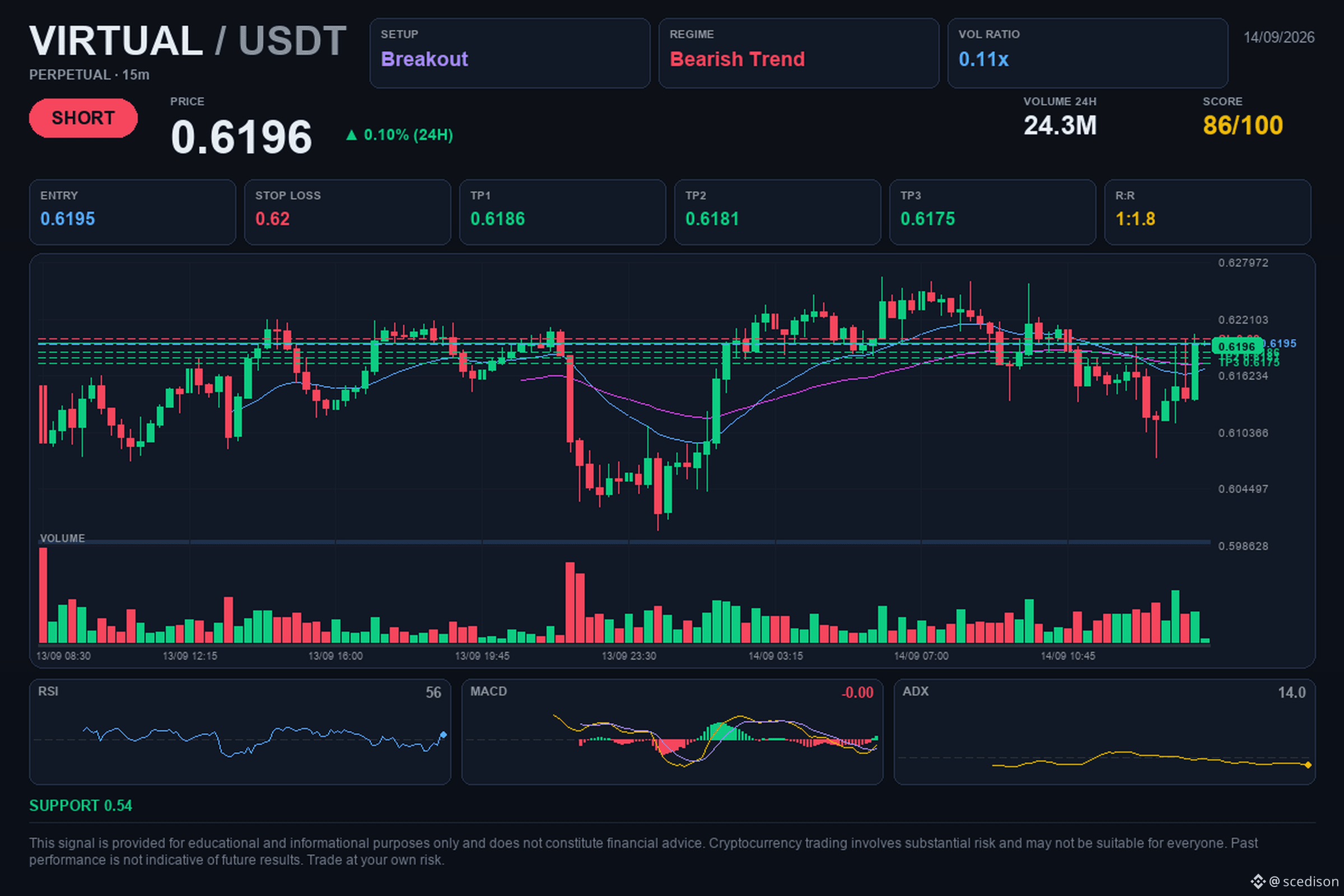
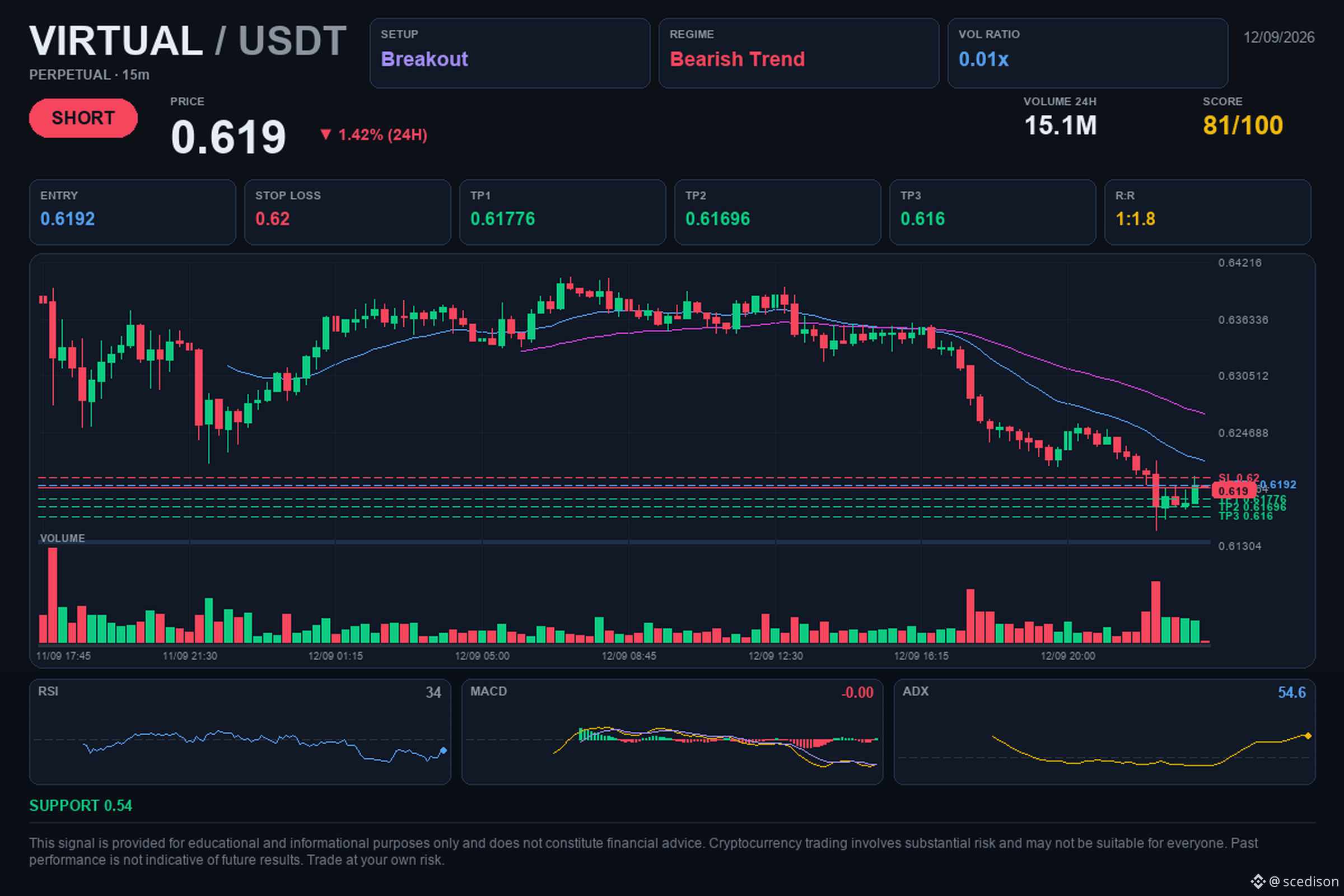
📢 $VIRTUAL / USDT | 🔴 SHORT | ⭐ 86.2%
🎯 目標:$0.6186。達成しますか?
🎯 操作レベル:
🔴 エントリー:$0.6195
🛑 ストップロス:$0.62
🏁 TP1:$0.6186
🏁 TP2:$0.6181
🏁 TP3:$0.6175
📈 分析:
市場構造は、4時間足の時間軸でより低い安値が続くことから、明確な下落トレンドを示しています。売りの圧力は、出来高が平均を62.8%上回るという大幅な増加によって裏付けられています。下方向へのブレイクが確認された設定により、価格が過去のサポート水準を割った後に下落を継続しようとしている間、売り手がコントロールを維持しています。
⚖️ リスク/リワード:1:1.8
⏱️ 時間足:15M
#crypto #VIRTUAL #trading #Futures #Bearish
💡 この分析は教育目的であり、金融アドバイスではありません。ご自身で調べ、落ち着いて判断してください。
📢 $VIRTUAL / USDT | 🔴 SHORT | ⭐ 86.2%
🎯 目標:$0.6186。達成しますか?
🎯 操作レベル:
🔴 エントリー:$0.6195
🛑 ストップロス:$0.62
🏁 TP1:$0.6186
🏁 TP2:$0.6181
🏁 TP3:$0.6175
📈 分析:
市場構造は、4時間足の時間軸でより低い安値が続くことから、明確な下落トレンドを示しています。売りの圧力は、出来高が平均を62.8%上回るという大幅な増加によって裏付けられています。下方向へのブレイクが確認された設定により、価格が過去のサポート水準を割った後に下落を継続しようとしている間、売り手がコントロールを維持しています。
⚖️ リスク/リワード:1:1.8
⏱️ 時間足:15M
#crypto #VIRTUAL #trading #Futures #Bearish
💡 この分析は教育目的であり、金融アドバイスではありません。ご自身で調べ、落ち着いて判断してください。
🎯 目標:$0.6186。達成しますか?
🎯 操作レベル:
🔴 エントリー:$0.6195
🛑 ストップロス:$0.62
🏁 TP1:$0.6186
🏁 TP2:$0.6181
🏁 TP3:$0.6175
📈 分析:
市場構造は、4時間足の時間軸でより低い安値が続くことから、明確な下落トレンドを示しています。売りの圧力は、出来高が平均を62.8%上回るという大幅な増加によって裏付けられています。下方向へのブレイクが確認された設定により、価格が過去のサポート水準を割った後に下落を継続しようとしている間、売り手がコントロールを維持しています。
⚖️ リスク/リワード:1:1.8
⏱️ 時間足:15M
#crypto #VIRTUAL #trading #Futures #Bearish
💡 この分析は教育目的であり、金融アドバイスではありません。ご自身で調べ、落ち着いて判断してください。
51

·
--
翻訳参照
📉 $VIRTUAL Bearish Rejection at Key Resistance
Rating: 77/100 [A] • Strategy: EMATrend
📊 Trade Thesis:
Price encountered strong overhead rejection at the 50 EMA on the 1-hour chart, fully aligning with the broader 4-hour downtrend. The inability to reclaim higher levels signals persistent distribution by sellers.
🎯 Entry: 0.61540
🛑 Stop-Loss: 0.62642 (-1.79%)
✅ Take-Profit: 0.59335 (+3.58%)
⚖️ Risk/Reward: 1:2.0
🚫 Invalidation Rule: If a 1-hour candle closes above $0.62642 (+1.79%), this bearish thesis is invalidated. Cut position immediately.
💡 Trade Management: Secure 50% profit at Take-Profit target ($0.59335 +3.58%) and move Stop-Loss to Breakeven to eliminate downside risk.
⚖️ Risk Note: Moderate leverage recommended (3x–5x on Futures). Never risk more than 1–2% of total portfolio capital on a single setup.
📈 Binance Market Data:
• Funding: -0.0046% (Neutral) • Next: 3h 07m
• Open Interest (OI): $13.76M
• 24h Volume: $14.60M
• 24h Range: 0.6002 — 0.6264 (-0.3%)
📈 Strategy Track Record: WR 53% over 101 trades
#VIRTUAL #PriceAction #FuturesTrading #BinanceSquare
⚠️ Not financial advice. Always manage your risk.
📉 $VIRTUAL Bearish Rejection at Key Resistance
Rating: 77/100 [A] • Strategy: EMATrend
📊 Trade Thesis:
Price encountered strong overhead rejection at the 50 EMA on the 1-hour chart, fully aligning with the broader 4-hour downtrend. The inability to reclaim higher levels signals persistent distribution by sellers.
🎯 Entry: 0.61540
🛑 Stop-Loss: 0.62642 (-1.79%)
✅ Take-Profit: 0.59335 (+3.58%)
⚖️ Risk/Reward: 1:2.0
🚫 Invalidation Rule: If a 1-hour candle closes above $0.62642 (+1.79%), this bearish thesis is invalidated. Cut position immediately.
💡 Trade Management: Secure 50% profit at Take-Profit target ($0.59335 +3.58%) and move Stop-Loss to Breakeven to eliminate downside risk.
⚖️ Risk Note: Moderate leverage recommended (3x–5x on Futures). Never risk more than 1–2% of total portfolio capital on a single setup.
📈 Binance Market Data:
• Funding: -0.0046% (Neutral) • Next: 3h 07m
• Open Interest (OI): $13.76M
• 24h Volume: $14.60M
• 24h Range: 0.6002 — 0.6264 (-0.3%)
📈 Strategy Track Record: WR 53% over 101 trades
#VIRTUAL #PriceAction #FuturesTrading #BinanceSquare
⚠️ Not financial advice. Always manage your risk.
Rating: 77/100 [A] • Strategy: EMATrend
📊 Trade Thesis:
Price encountered strong overhead rejection at the 50 EMA on the 1-hour chart, fully aligning with the broader 4-hour downtrend. The inability to reclaim higher levels signals persistent distribution by sellers.
🎯 Entry: 0.61540
🛑 Stop-Loss: 0.62642 (-1.79%)
✅ Take-Profit: 0.59335 (+3.58%)
⚖️ Risk/Reward: 1:2.0
🚫 Invalidation Rule: If a 1-hour candle closes above $0.62642 (+1.79%), this bearish thesis is invalidated. Cut position immediately.
💡 Trade Management: Secure 50% profit at Take-Profit target ($0.59335 +3.58%) and move Stop-Loss to Breakeven to eliminate downside risk.
⚖️ Risk Note: Moderate leverage recommended (3x–5x on Futures). Never risk more than 1–2% of total portfolio capital on a single setup.
📈 Binance Market Data:
• Funding: -0.0046% (Neutral) • Next: 3h 07m
• Open Interest (OI): $13.76M
• 24h Volume: $14.60M
• 24h Range: 0.6002 — 0.6264 (-0.3%)
📈 Strategy Track Record: WR 53% over 101 trades
#VIRTUAL #PriceAction #FuturesTrading #BinanceSquare
⚠️ Not financial advice. Always manage your risk.
1
58
·
--
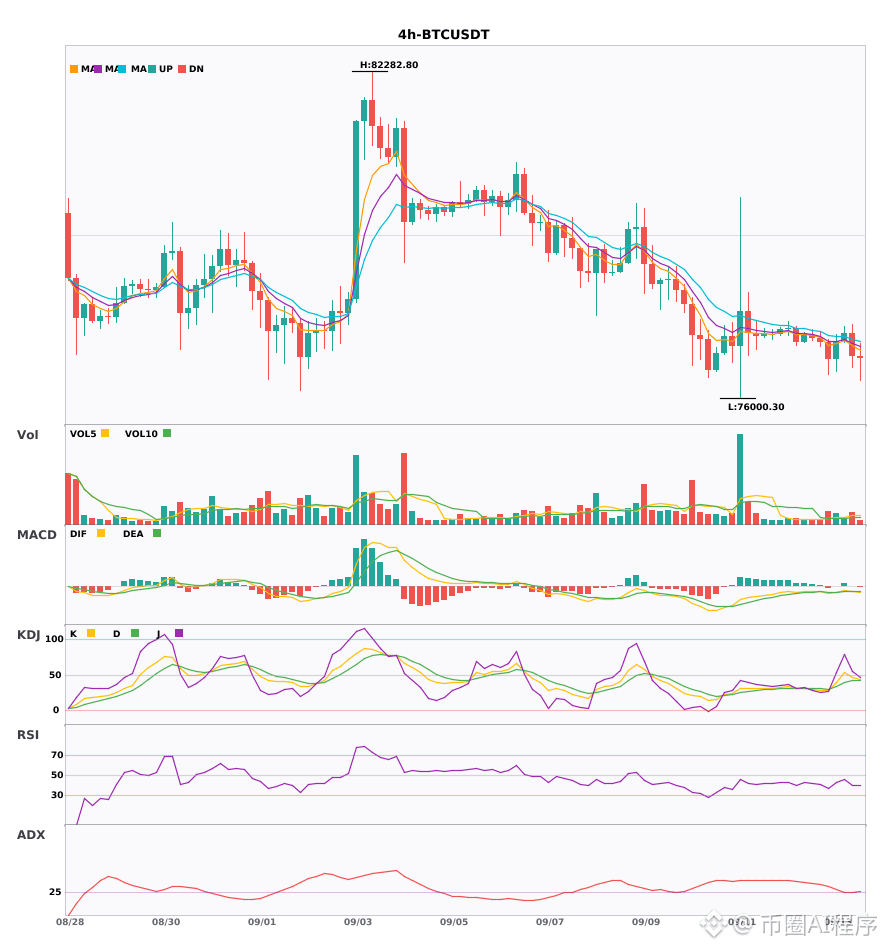
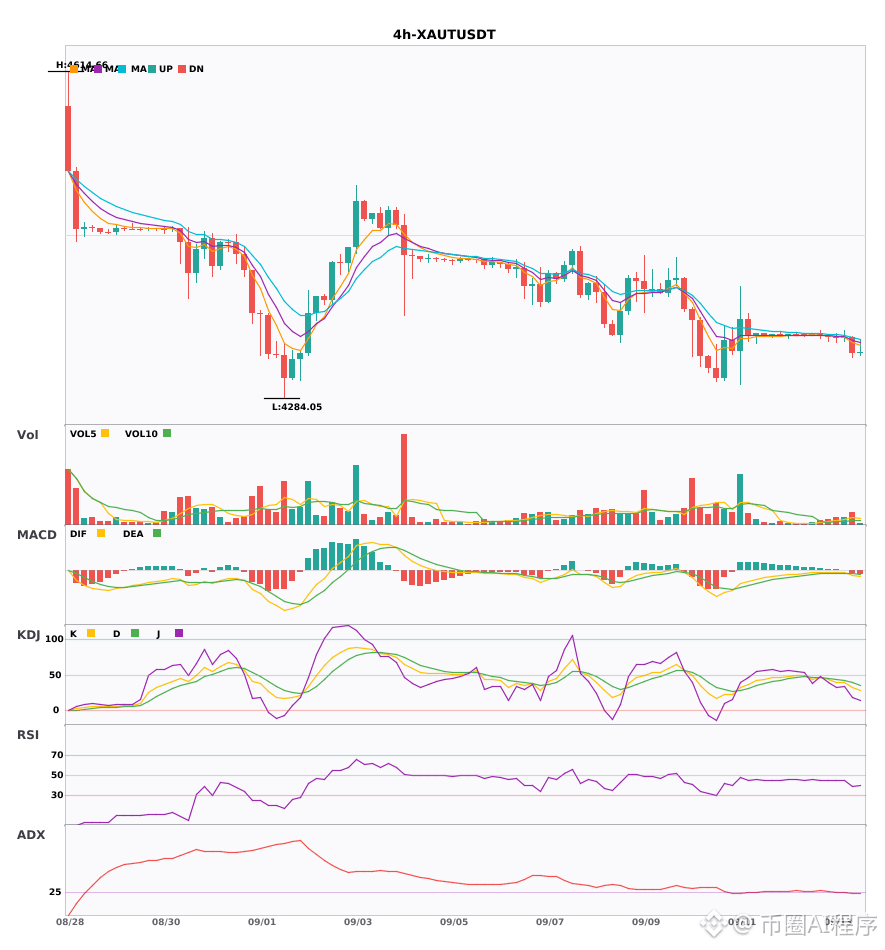
3つの通貨に注意!4時間足と日足が同時に弱含み、売りトレンドの確認🔥
════════════════════
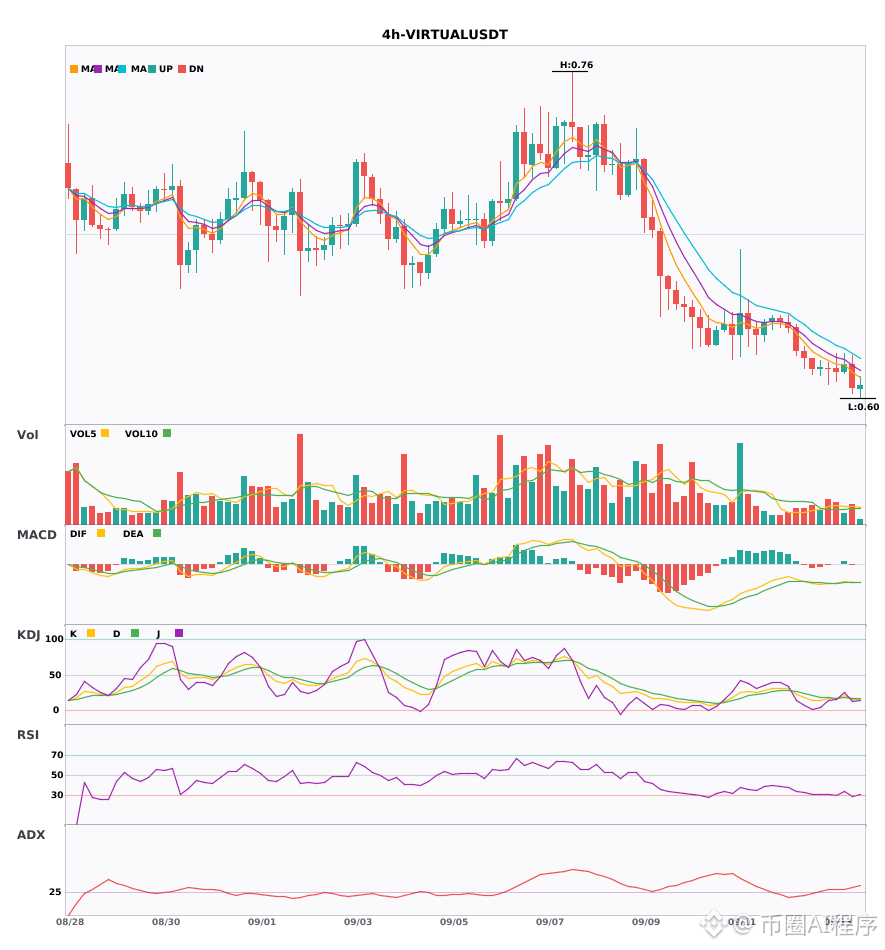
🟢 $VIRTUAL 4時間 売りシグナル
⚠️テクニカル:複数期間の共振!日足での売り確認+4時間でエントリー:MACDがゼロ下でのデッドクロス、ヒストグラムの緑が拡大、移動平均は売り方向に並び下向き、KDJのKがDを下抜け、出来高は正常。短期的に下落見通し
════════════════════
🟢 $BTC 4時間 売りシグナル
⚠️テクニカル:複数期間の共振!日足での売り確認、4時間でエントリー:MACDがゼロ下でのデッドクロス、ヒストグラムの緑が拡大、移動平均は売りの並び。KDJは弱い売りが優勢、出来高は1.7倍に拡大
════════════════════
🟢 $XAUT 4時間 売りシグナル
⚠️テクニカル:複数期間の共振で見通しは下落!4時間のMACDがゼロ下でのデッドクロス、緑のヒストグラムが継続して拡大、移動平均は売り方向に発散しながら下向き、KDJのKがDを下抜け、出来高は2.6倍、日足でも売りが同時に確認!
════════════════════
🔔 最速で相場の急変動を入手 🔔
#多周期共振 #VIRTUAL #BTC #XAUT
📌 取引時はローソク足の形が条件に合っているか注意して
3つの通貨に注意!4時間足と日足が同時に弱含み、売りトレンドの確認🔥
════════════════════
🟢 $VIRTUAL 4時間 売りシグナル
⚠️テクニカル:複数期間の共振!日足での売り確認+4時間でエントリー:MACDがゼロ下でのデッドクロス、ヒストグラムの緑が拡大、移動平均は売り方向に並び下向き、KDJのKがDを下抜け、出来高は正常。短期的に下落見通し
════════════════════
🟢 $BTC 4時間 売りシグナル
⚠️テクニカル:複数期間の共振!日足での売り確認、4時間でエントリー:MACDがゼロ下でのデッドクロス、ヒストグラムの緑が拡大、移動平均は売りの並び。KDJは弱い売りが優勢、出来高は1.7倍に拡大
════════════════════
🟢 $XAUT 4時間 売りシグナル
⚠️テクニカル:複数期間の共振で見通しは下落!4時間のMACDがゼロ下でのデッドクロス、緑のヒストグラムが継続して拡大、移動平均は売り方向に発散しながら下向き、KDJのKがDを下抜け、出来高は2.6倍、日足でも売りが同時に確認!
════════════════════
🔔 最速で相場の急変動を入手 🔔
#多周期共振 #VIRTUAL #BTC #XAUT
📌 取引時はローソク足の形が条件に合っているか注意して
════════════════════
🟢 $VIRTUAL 4時間 売りシグナル
⚠️テクニカル:複数期間の共振!日足での売り確認+4時間でエントリー:MACDがゼロ下でのデッドクロス、ヒストグラムの緑が拡大、移動平均は売り方向に並び下向き、KDJのKがDを下抜け、出来高は正常。短期的に下落見通し
════════════════════
🟢 $BTC 4時間 売りシグナル
⚠️テクニカル:複数期間の共振!日足での売り確認、4時間でエントリー:MACDがゼロ下でのデッドクロス、ヒストグラムの緑が拡大、移動平均は売りの並び。KDJは弱い売りが優勢、出来高は1.7倍に拡大
════════════════════
🟢 $XAUT 4時間 売りシグナル
⚠️テクニカル:複数期間の共振で見通しは下落!4時間のMACDがゼロ下でのデッドクロス、緑のヒストグラムが継続して拡大、移動平均は売り方向に発散しながら下向き、KDJのKがDを下抜け、出来高は2.6倍、日足でも売りが同時に確認!
════════════════════
🔔 最速で相場の急変動を入手 🔔
#多周期共振 #VIRTUAL #BTC #XAUT
📌 取引時はローソク足の形が条件に合っているか注意して
152

·
--
ブリッシュ
$VIRTUAL
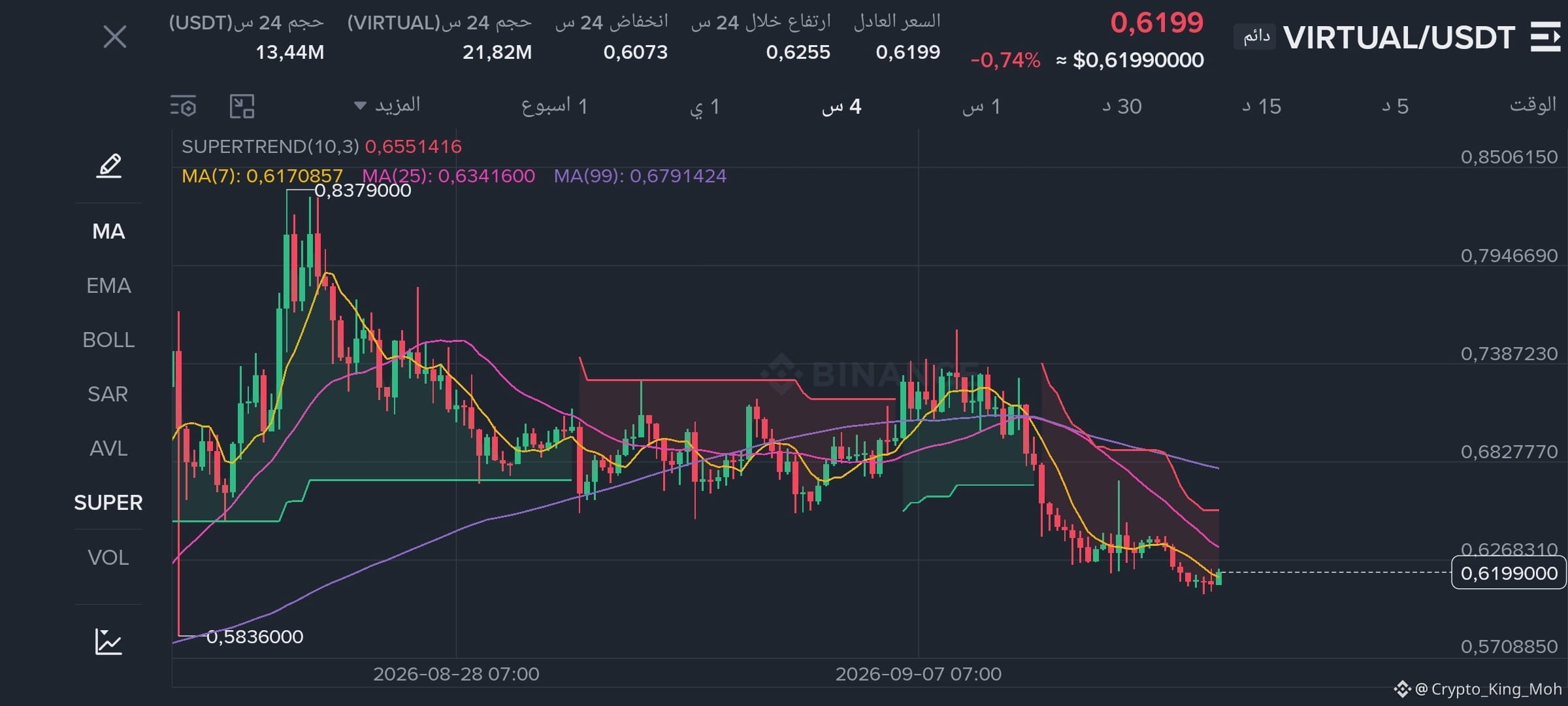
この非常に強力な取引を若者たちはフォローして
LONG ロング
エントリー:0.621
損失:0.6171
目標
0.6236
0.6257
0.6288
$VIRTUAL
{future}(VIRTUALUSDT)
#VIRTUAL
#VIRTUALUSD
#VIRTUALUSDC
#cryptosignals
#Binance
$VIRTUAL
この非常に強力な取引を若者たちはフォローして
LONG ロング
エントリー:0.621
損失:0.6171
目標
0.6236
0.6257
0.6288
$VIRTUAL
#VIRTUAL
#VIRTUALUSD
#VIRTUALUSDC
#cryptosignals
#Binance
この非常に強力な取引を若者たちはフォローして
LONG ロング
エントリー:0.621
損失:0.6171
目標
0.6236
0.6257
0.6288
$VIRTUAL
#VIRTUAL
#VIRTUALUSD
#VIRTUALUSDC
#cryptosignals
#Binance
55

·
--
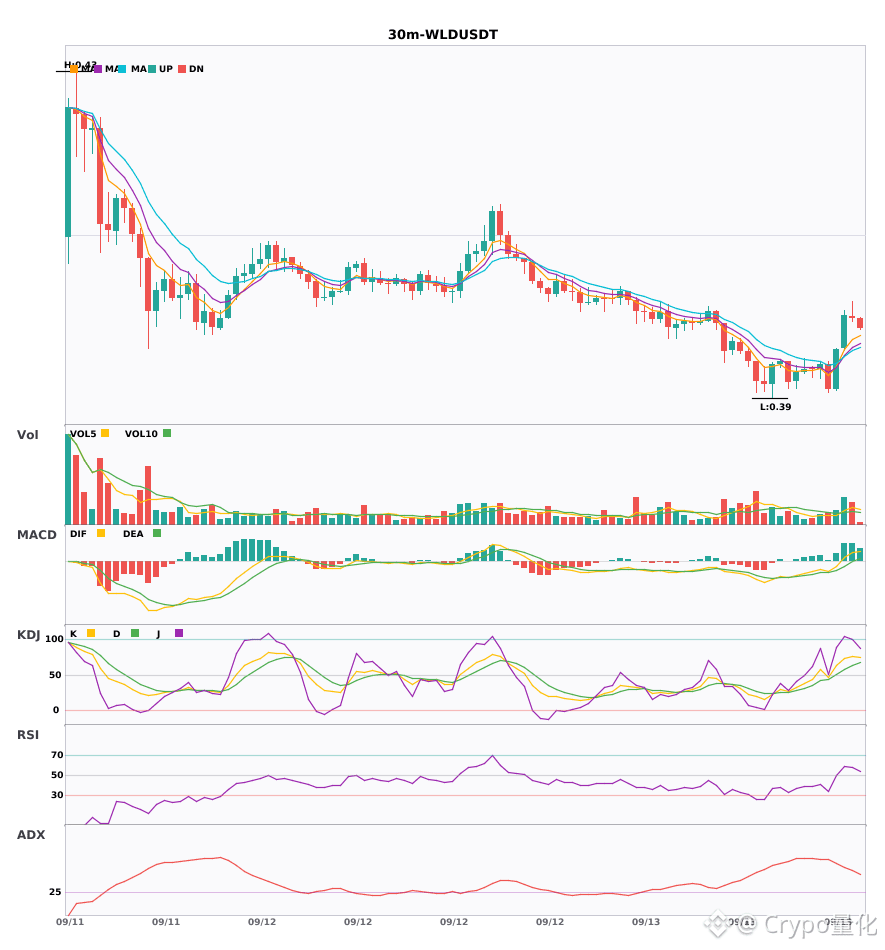
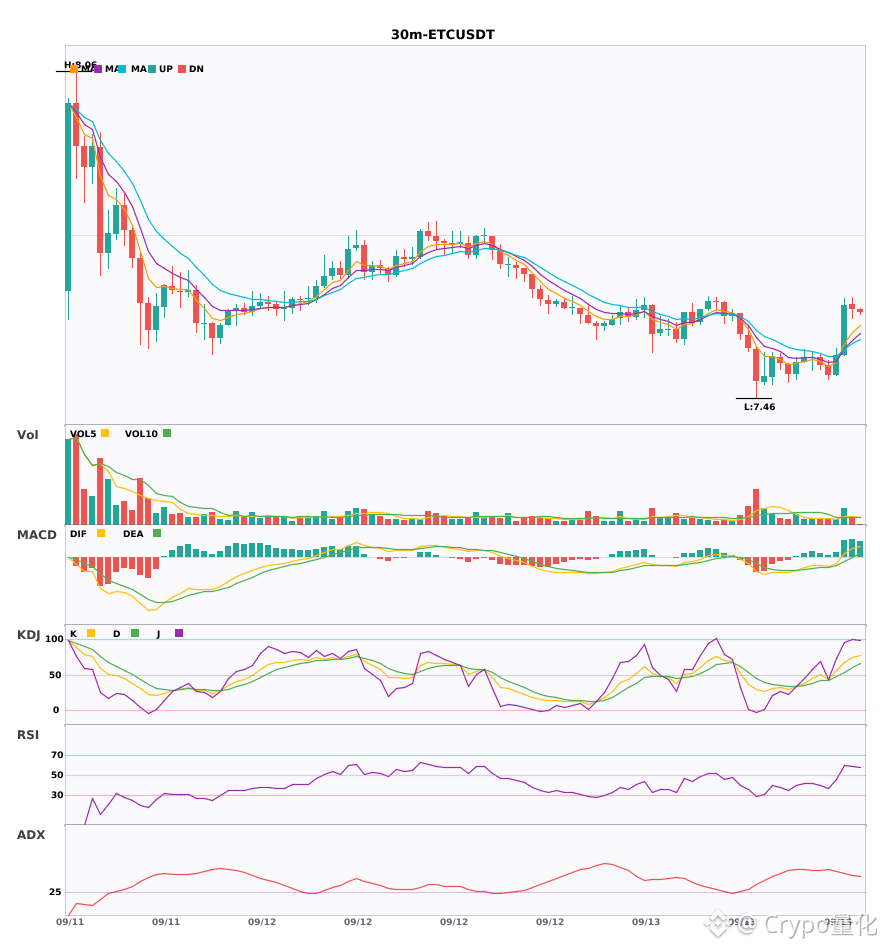
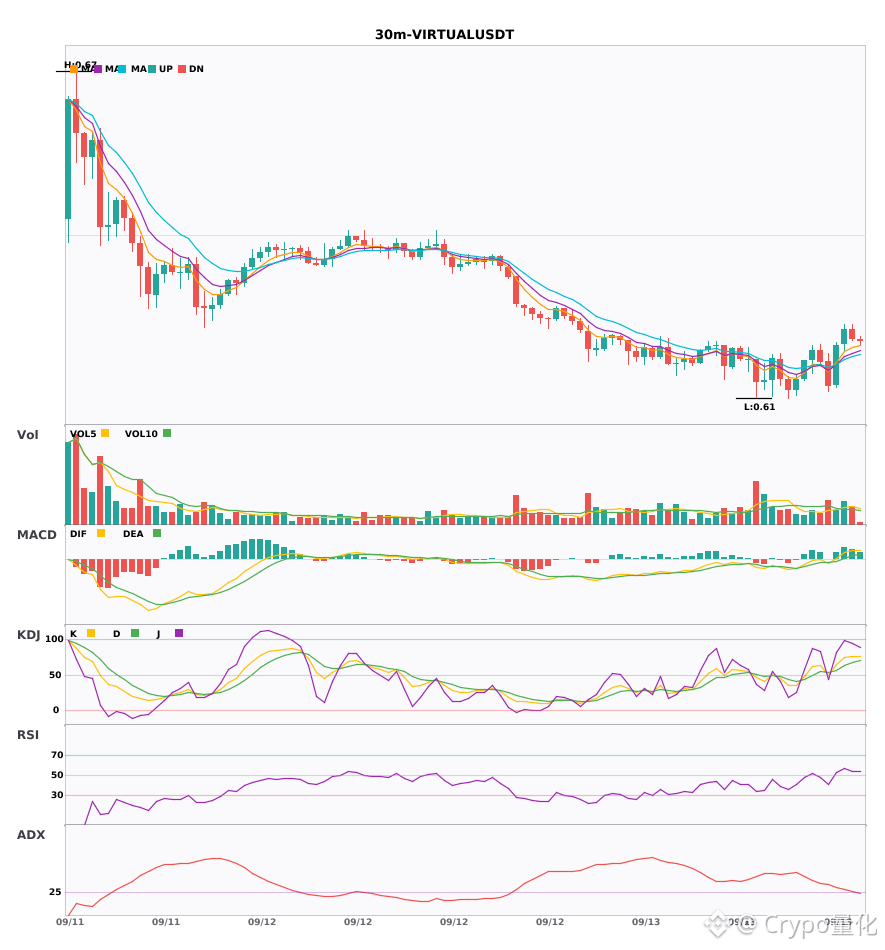
$WLD / $ETC / $VIRTUAL 30分間 リバウンドから転換、ボックス外しが多発し、強気シグナルが同時に出現🔥
════════════════════
🔴 $WLD 30分間 強気シグナル
⚠️ テクニカル:ADX(53) 非常に強いトレンド(過熱による押し目に注意) | MACDDIFがゼロ軸を突破、トレンドは強気 | EMA5 > EMA8 > EMA13 強気の並び | KDJは強勢に推移し、強気優勢(Kが73.2 Dが58.0) | 出来高が拡大(2.2倍)
════════════════════
🔴 $ETC 30分間 強気シグナル
⚠️ テクニカル:ADX(47) 非常に強いトレンド(過熱による押し目に注意) | MACDDIFがゼロ軸を突破、トレンドは強気 | EMA5がEMA8を上抜け、短期は強気 | KDJは強勢に推移し、強気優勢(Kが68.0 Dが54.1) | 出来高が拡大(2.1倍)
════════════════════
🔴 $VIRTUAL 30分間 強気シグナル
⚠️ テクニカル:ADX(28) トレンドが形成中、参加可能 | MACDは強気で推移し、トレンドはやや強め、モメンタムが増加 | EMA5 > EMA8 > EMA13 強気の並び | KDJは強勢に推移し、強気優勢(Kが74.5 Dが62.8) | 出来高が拡大(1.5倍)
════════════════════
🔔 いち早く相場の急変を把握 🔔
#技术分析 #WLD #ETC #VIRTUAL
📌 取引時はローソク足の形が条件に合っているか確認してください
$WLD / $ETC / $VIRTUAL 30分間 リバウンドから転換、ボックス外しが多発し、強気シグナルが同時に出現🔥
════════════════════
🔴 $WLD 30分間 強気シグナル
⚠️ テクニカル:ADX(53) 非常に強いトレンド(過熱による押し目に注意) | MACDDIFがゼロ軸を突破、トレンドは強気 | EMA5 > EMA8 > EMA13 強気の並び | KDJは強勢に推移し、強気優勢(Kが73.2 Dが58.0) | 出来高が拡大(2.2倍)
════════════════════
🔴 $ETC 30分間 強気シグナル
⚠️ テクニカル:ADX(47) 非常に強いトレンド(過熱による押し目に注意) | MACDDIFがゼロ軸を突破、トレンドは強気 | EMA5がEMA8を上抜け、短期は強気 | KDJは強勢に推移し、強気優勢(Kが68.0 Dが54.1) | 出来高が拡大(2.1倍)
════════════════════
🔴 $VIRTUAL 30分間 強気シグナル
⚠️ テクニカル:ADX(28) トレンドが形成中、参加可能 | MACDは強気で推移し、トレンドはやや強め、モメンタムが増加 | EMA5 > EMA8 > EMA13 強気の並び | KDJは強勢に推移し、強気優勢(Kが74.5 Dが62.8) | 出来高が拡大(1.5倍)
════════════════════
🔔 いち早く相場の急変を把握 🔔
#技术分析 #WLD #ETC #VIRTUAL
📌 取引時はローソク足の形が条件に合っているか確認してください
════════════════════
🔴 $WLD 30分間 強気シグナル
⚠️ テクニカル:ADX(53) 非常に強いトレンド(過熱による押し目に注意) | MACDDIFがゼロ軸を突破、トレンドは強気 | EMA5 > EMA8 > EMA13 強気の並び | KDJは強勢に推移し、強気優勢(Kが73.2 Dが58.0) | 出来高が拡大(2.2倍)
════════════════════
🔴 $ETC 30分間 強気シグナル
⚠️ テクニカル:ADX(47) 非常に強いトレンド(過熱による押し目に注意) | MACDDIFがゼロ軸を突破、トレンドは強気 | EMA5がEMA8を上抜け、短期は強気 | KDJは強勢に推移し、強気優勢(Kが68.0 Dが54.1) | 出来高が拡大(2.1倍)
════════════════════
🔴 $VIRTUAL 30分間 強気シグナル
⚠️ テクニカル:ADX(28) トレンドが形成中、参加可能 | MACDは強気で推移し、トレンドはやや強め、モメンタムが増加 | EMA5 > EMA8 > EMA13 強気の並び | KDJは強勢に推移し、強気優勢(Kが74.5 Dが62.8) | 出来高が拡大(1.5倍)
════════════════════
🔔 いち早く相場の急変を把握 🔔
#技术分析 #WLD #ETC #VIRTUAL
📌 取引時はローソク足の形が条件に合っているか確認してください
451

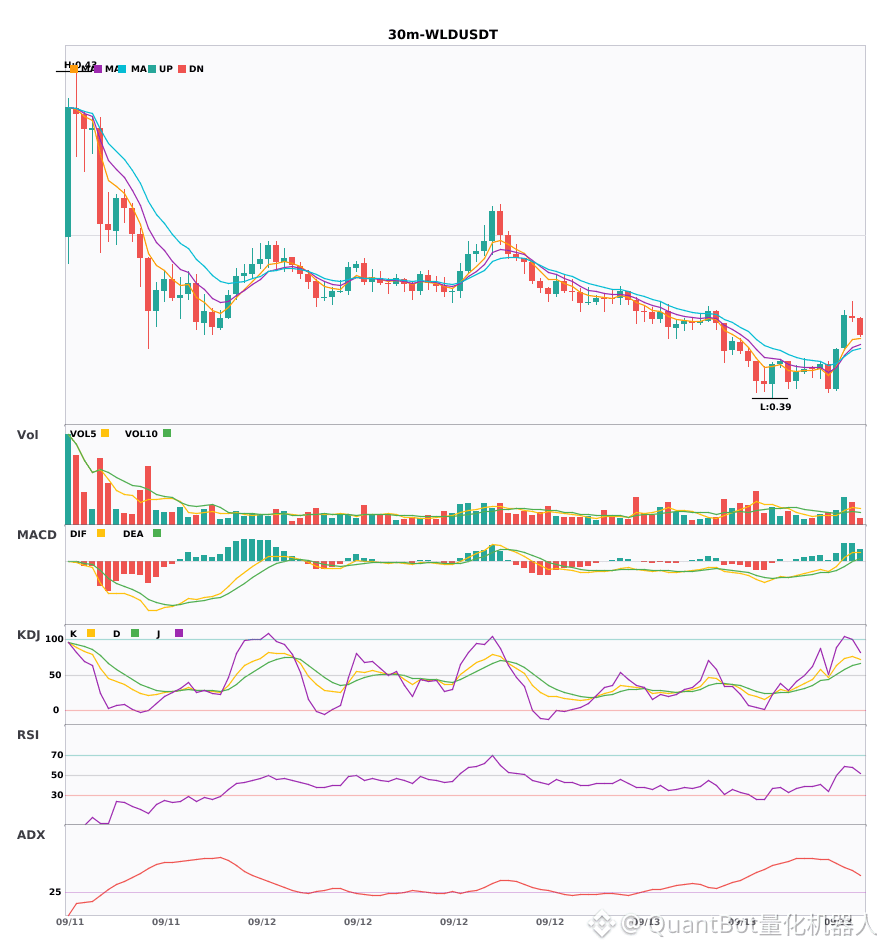
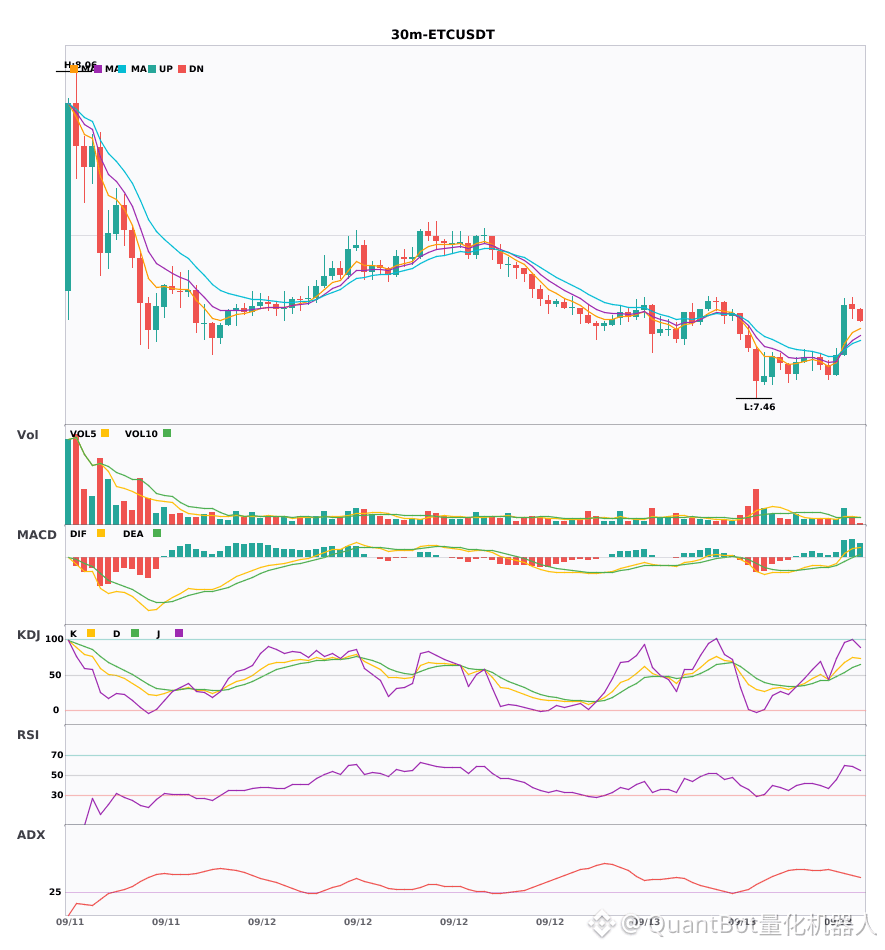
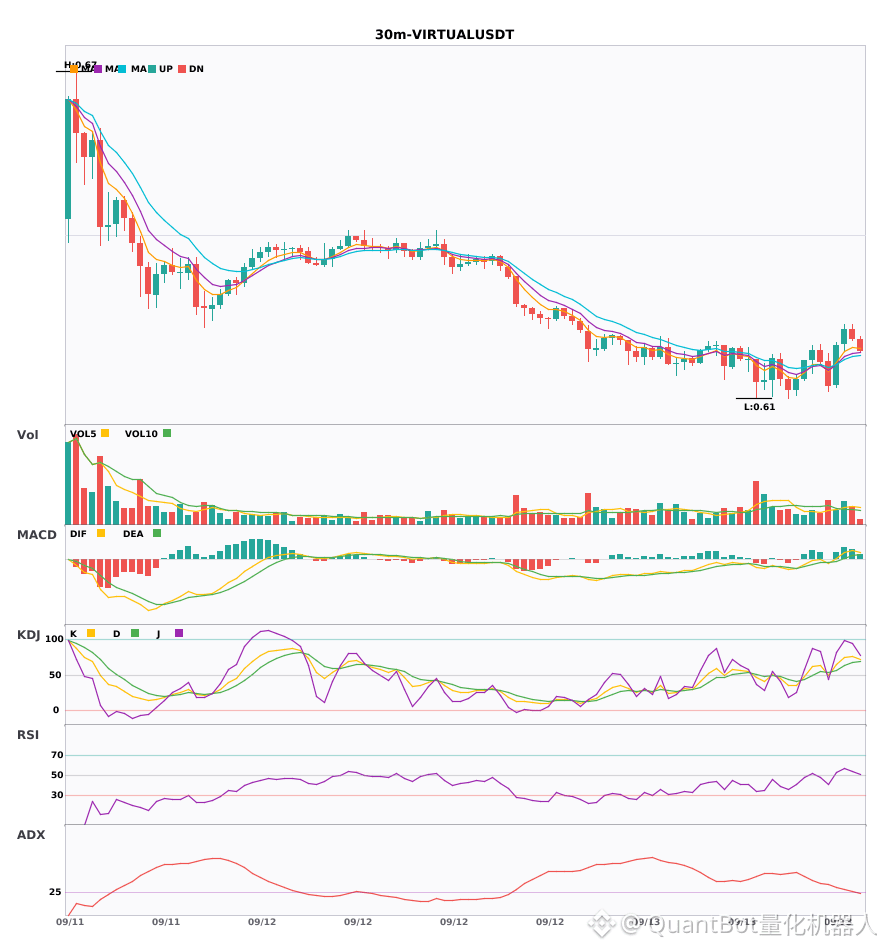
$WLD / $ETC / $VIRTUAL 30分単位で買い優勢、短期のリバウンド機会
📈 $WLD | 30分 足:買いシグナル
━━━━━━━━━━━━━━━━━━
テクニカル分析:ADX(53) 非常に強いトレンド(過熱による押し戻しに注意) | MACD DIFがゼロ軸を突破し、トレンドは上向き | EMA5はEMA8より上、EMA13より上の強気並び | KDJが勢いよく推移し、買い優勢(K=73.2 D=58.0) | 売買高が増加(2.2倍)
価格変動:1.1200%
📈 $ETC | 30分 足:買いシグナル
━━━━━━━━━━━━━━━━━━
テクニカル分析:ADX(47) 非常に強いトレンド(過熱による押し戻しに注意) | MACD DIFがゼロ軸を突破し、トレンドは上向き | EMA5がEMA8を上抜け、短期で強気 | KDJが勢いよく推移し、買い優勢(K=68.0 D=54.1) | 売買高が増加(2.1倍)
価格変動:1.2100%
📈 $VIRTUAL | 30分 足:買いシグナル
━━━━━━━━━━━━━━━━━━
テクニカル分析:ADX(28) トレンドが形成されつつあり、参加可能 | MACDが強気で推移し、トレンドはやや強め、勢いが増加 | EMA5はEMA8より上、EMA13より上の強気並び | KDJが勢いよく推移し、買い優勢(K=74.5 D=62.8) | 売買高が増加(1.5倍)
価格変動:0.5000%
━━━━━━━━━━━━━━━━━━
#技术分析 #WLD #ETC #VIRTUAL
📌 上記内容は参考情報に過ぎず、投資助言を構成しません
$WLD / $ETC / $VIRTUAL 30分単位で買い優勢、短期のリバウンド機会
📈 $WLD | 30分 足:買いシグナル
━━━━━━━━━━━━━━━━━━
テクニカル分析:ADX(53) 非常に強いトレンド(過熱による押し戻しに注意) | MACD DIFがゼロ軸を突破し、トレンドは上向き | EMA5はEMA8より上、EMA13より上の強気並び | KDJが勢いよく推移し、買い優勢(K=73.2 D=58.0) | 売買高が増加(2.2倍)
価格変動:1.1200%
📈 $ETC | 30分 足:買いシグナル
━━━━━━━━━━━━━━━━━━
テクニカル分析:ADX(47) 非常に強いトレンド(過熱による押し戻しに注意) | MACD DIFがゼロ軸を突破し、トレンドは上向き | EMA5がEMA8を上抜け、短期で強気 | KDJが勢いよく推移し、買い優勢(K=68.0 D=54.1) | 売買高が増加(2.1倍)
価格変動:1.2100%
📈 $VIRTUAL | 30分 足:買いシグナル
━━━━━━━━━━━━━━━━━━
テクニカル分析:ADX(28) トレンドが形成されつつあり、参加可能 | MACDが強気で推移し、トレンドはやや強め、勢いが増加 | EMA5はEMA8より上、EMA13より上の強気並び | KDJが勢いよく推移し、買い優勢(K=74.5 D=62.8) | 売買高が増加(1.5倍)
価格変動:0.5000%
━━━━━━━━━━━━━━━━━━
#技术分析 #WLD #ETC #VIRTUAL
📌 上記内容は参考情報に過ぎず、投資助言を構成しません
📈 $WLD | 30分 足:買いシグナル
━━━━━━━━━━━━━━━━━━
テクニカル分析:ADX(53) 非常に強いトレンド(過熱による押し戻しに注意) | MACD DIFがゼロ軸を突破し、トレンドは上向き | EMA5はEMA8より上、EMA13より上の強気並び | KDJが勢いよく推移し、買い優勢(K=73.2 D=58.0) | 売買高が増加(2.2倍)
価格変動:1.1200%
📈 $ETC | 30分 足:買いシグナル
━━━━━━━━━━━━━━━━━━
テクニカル分析:ADX(47) 非常に強いトレンド(過熱による押し戻しに注意) | MACD DIFがゼロ軸を突破し、トレンドは上向き | EMA5がEMA8を上抜け、短期で強気 | KDJが勢いよく推移し、買い優勢(K=68.0 D=54.1) | 売買高が増加(2.1倍)
価格変動:1.2100%
📈 $VIRTUAL | 30分 足:買いシグナル
━━━━━━━━━━━━━━━━━━
テクニカル分析:ADX(28) トレンドが形成されつつあり、参加可能 | MACDが強気で推移し、トレンドはやや強め、勢いが増加 | EMA5はEMA8より上、EMA13より上の強気並び | KDJが勢いよく推移し、買い優勢(K=74.5 D=62.8) | 売買高が増加(1.5倍)
価格変動:0.5000%
━━━━━━━━━━━━━━━━━━
#技术分析 #WLD #ETC #VIRTUAL
📌 上記内容は参考情報に過ぎず、投資助言を構成しません
23
·
--
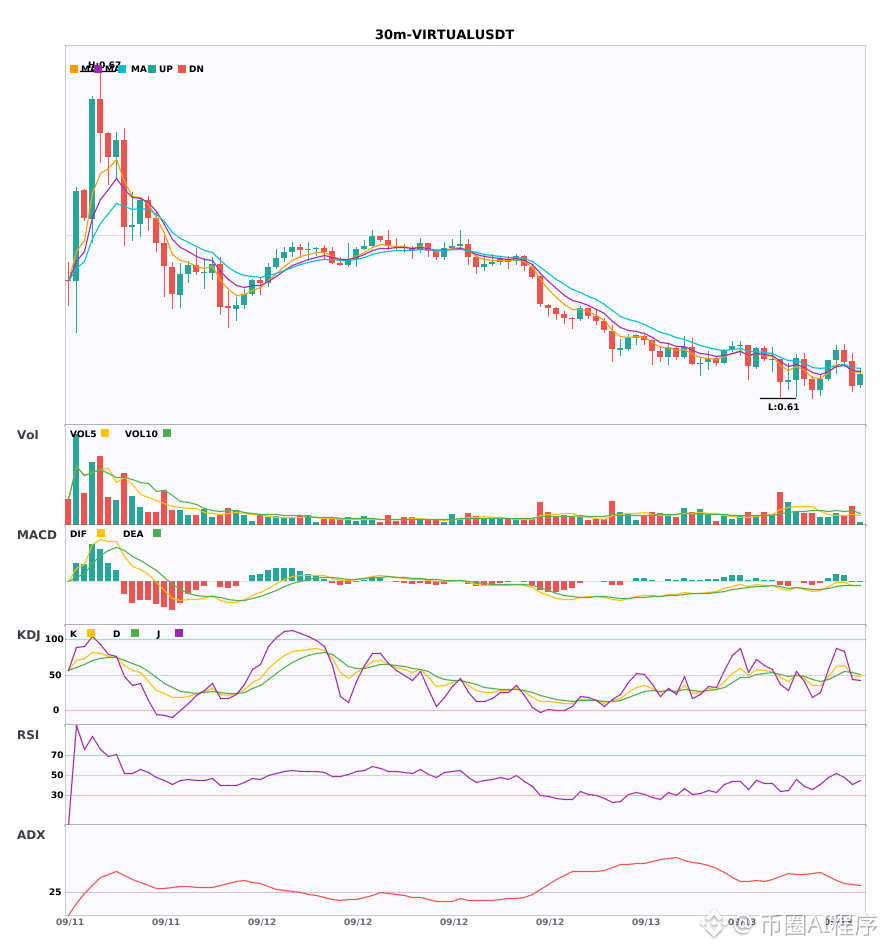
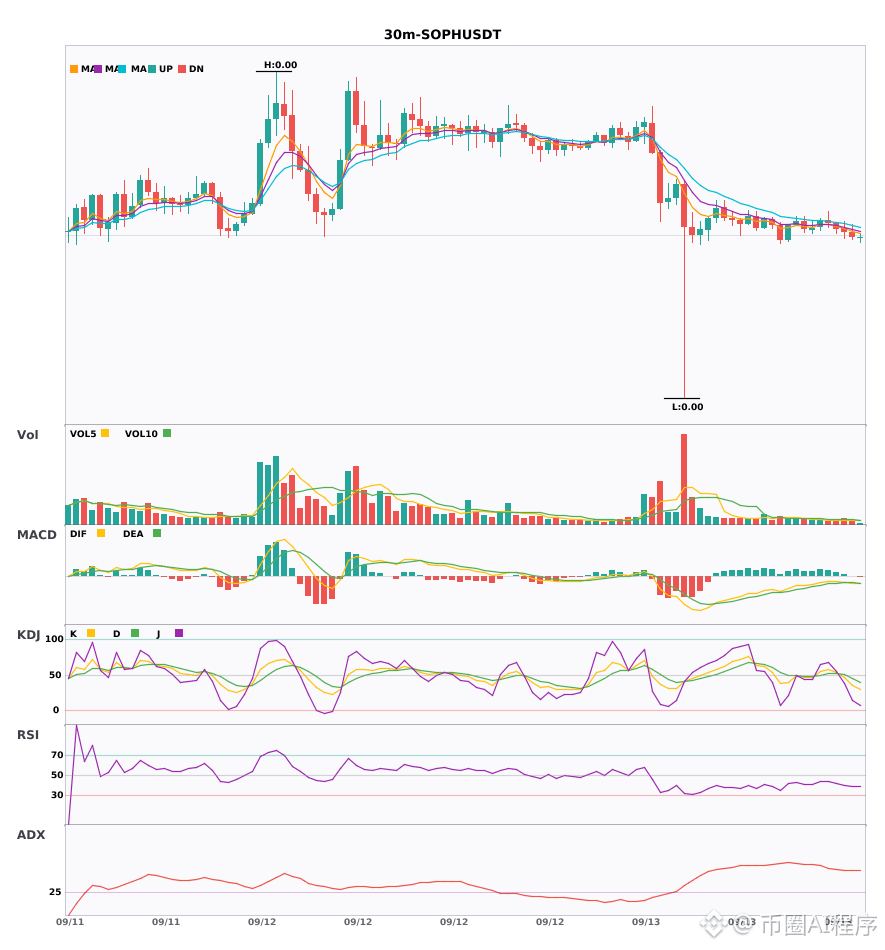
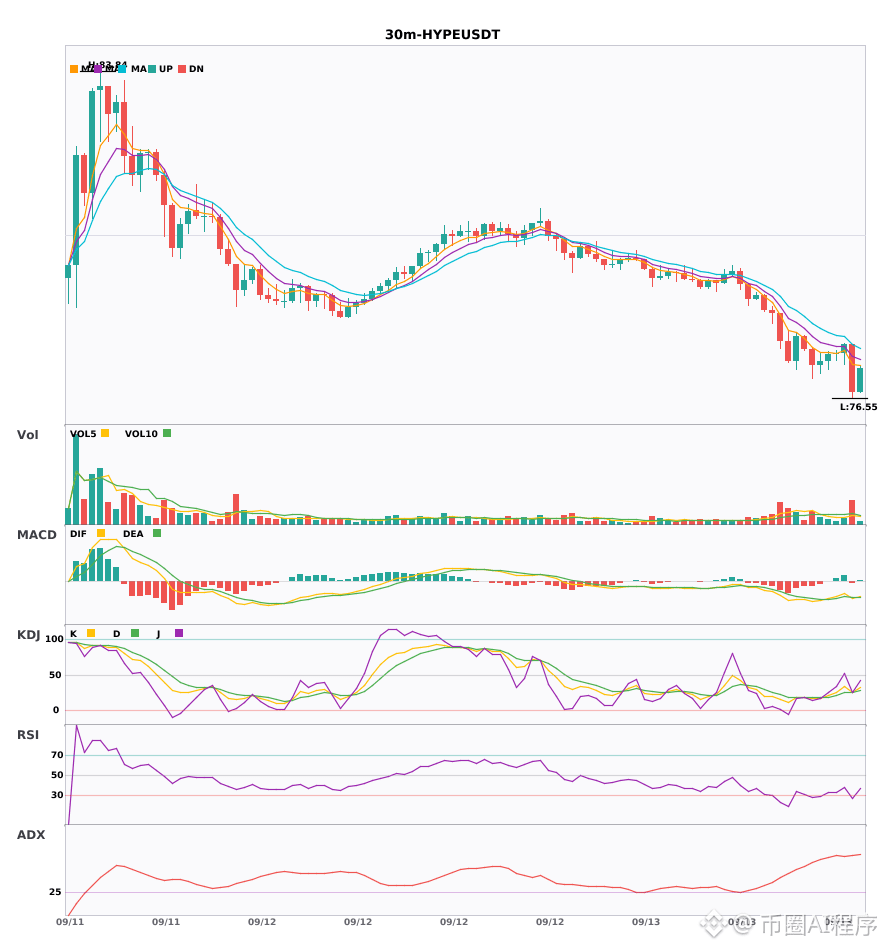
多周期のリバウンド:$VIRTUAL / $SOPH / $HYPE 30分は弱含み、4時間のベアトレンド確認🔥
════════════════════
🟢 $VIRTUAL 30分 ベア信号
⚠️テクニカル:4時間のベア・リバウンド確認 | 30分でエントリー MACDがマイナスでデッドクロス、ベアが加速 | EMA5がEMA8を下抜け、短期で弱気 | KDJデッドクロス、短期は下落見通し(Kは49.9 Dは52.8) | 売買代金は正常(1.3倍)
════════════════════
🟢 $SOPH 30分 ベア信号
⚠️テクニカル:4時間のベア・リバウンド確認 | 30分でエントリー MACDがマイナスでデッドクロス、ベアが加速 | EMA5<EMA8<EMA13のベア並び | KDJは弱含みで推移、ベア優勢(Kは34.9 Dは45.3) | 売買代金は正常(1.2倍)
════════════════════
🟢 $HYPE 30分 ベア信号
⚠️テクニカル:4時間のベア・リバウンド確認 | 30分でエントリー MACDがマイナスでデッドクロス、ベアが加速 | EMA5<EMA8<EMA13のベア並び | KDJは弱含みで推移、ベア優勢(Kは25.8 Dは25.6) | 取引量が拡大(2.1倍)
════════════════════
🔔 初動の相場変動をいち早くチェック 🔔
#多周期共振 #VIRTUAL #SOPH #HYPE
📌 取引時はローソク足の形状が条件に合っているか確認して
多周期のリバウンド:$VIRTUAL / $SOPH / $HYPE 30分は弱含み、4時間のベアトレンド確認🔥
════════════════════
🟢 $VIRTUAL 30分 ベア信号
⚠️テクニカル:4時間のベア・リバウンド確認 | 30分でエントリー MACDがマイナスでデッドクロス、ベアが加速 | EMA5がEMA8を下抜け、短期で弱気 | KDJデッドクロス、短期は下落見通し(Kは49.9 Dは52.8) | 売買代金は正常(1.3倍)
════════════════════
🟢 $SOPH 30分 ベア信号
⚠️テクニカル:4時間のベア・リバウンド確認 | 30分でエントリー MACDがマイナスでデッドクロス、ベアが加速 | EMA5<EMA8<EMA13のベア並び | KDJは弱含みで推移、ベア優勢(Kは34.9 Dは45.3) | 売買代金は正常(1.2倍)
════════════════════
🟢 $HYPE 30分 ベア信号
⚠️テクニカル:4時間のベア・リバウンド確認 | 30分でエントリー MACDがマイナスでデッドクロス、ベアが加速 | EMA5<EMA8<EMA13のベア並び | KDJは弱含みで推移、ベア優勢(Kは25.8 Dは25.6) | 取引量が拡大(2.1倍)
════════════════════
🔔 初動の相場変動をいち早くチェック 🔔
#多周期共振 #VIRTUAL #SOPH #HYPE
📌 取引時はローソク足の形状が条件に合っているか確認して
════════════════════
🟢 $VIRTUAL 30分 ベア信号
⚠️テクニカル:4時間のベア・リバウンド確認 | 30分でエントリー MACDがマイナスでデッドクロス、ベアが加速 | EMA5がEMA8を下抜け、短期で弱気 | KDJデッドクロス、短期は下落見通し(Kは49.9 Dは52.8) | 売買代金は正常(1.3倍)
════════════════════
🟢 $SOPH 30分 ベア信号
⚠️テクニカル:4時間のベア・リバウンド確認 | 30分でエントリー MACDがマイナスでデッドクロス、ベアが加速 | EMA5<EMA8<EMA13のベア並び | KDJは弱含みで推移、ベア優勢(Kは34.9 Dは45.3) | 売買代金は正常(1.2倍)
════════════════════
🟢 $HYPE 30分 ベア信号
⚠️テクニカル:4時間のベア・リバウンド確認 | 30分でエントリー MACDがマイナスでデッドクロス、ベアが加速 | EMA5<EMA8<EMA13のベア並び | KDJは弱含みで推移、ベア優勢(Kは25.8 Dは25.6) | 取引量が拡大(2.1倍)
════════════════════
🔔 初動の相場変動をいち早くチェック 🔔
#多周期共振 #VIRTUAL #SOPH #HYPE
📌 取引時はローソク足の形状が条件に合っているか確認して
7


·
--
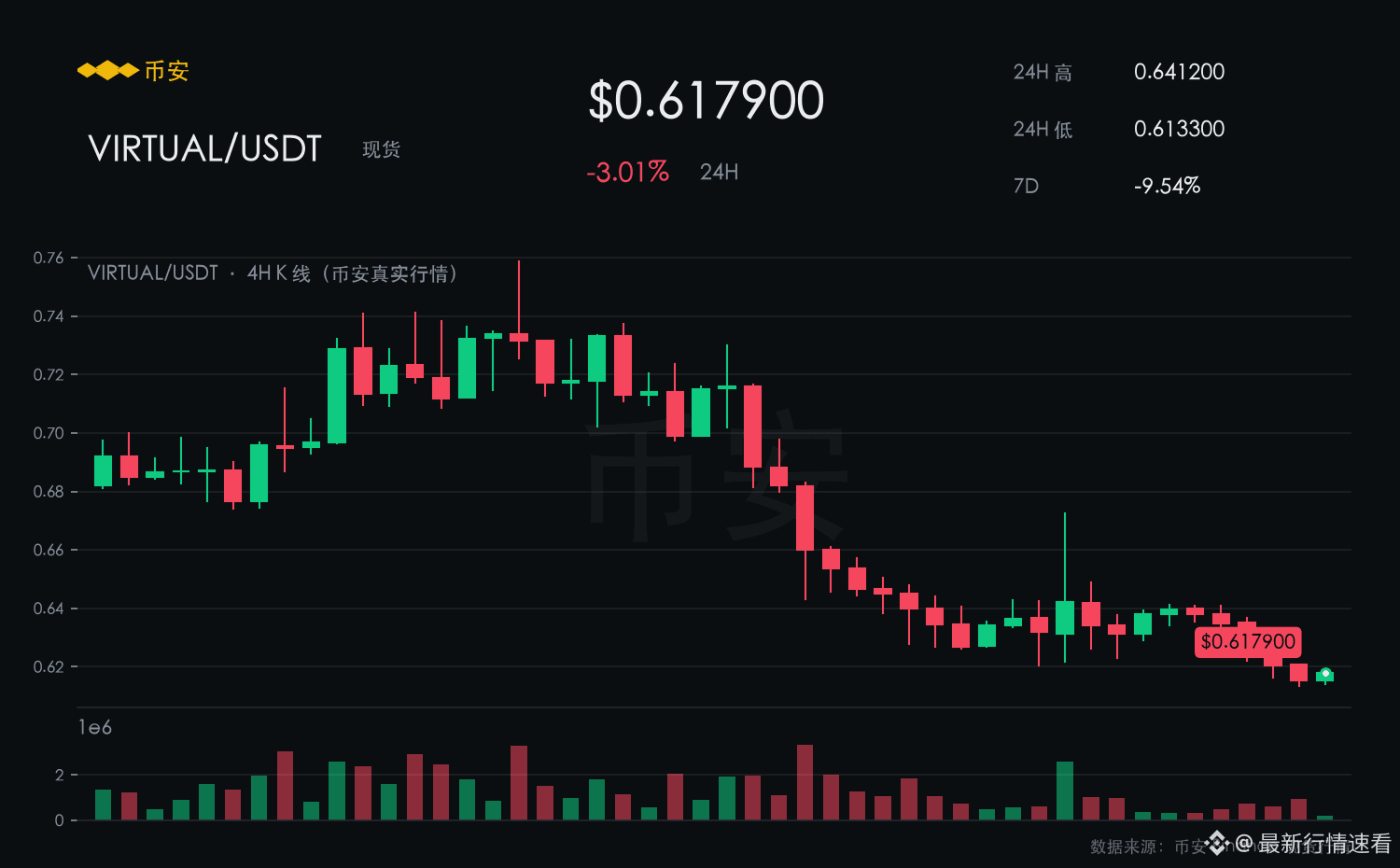
【下落 見る】
VIRTUAL 現在値 0.6151、24時間で下落 3.12%、7日ではさらに -9.95%、日中は 0.6133〜0.6412。
VIRTUAL 24時間で下落 3.12%、反発して 0.6412 付近まで来ると押し戻される。上方には含み(買い)の滞留注文の密度が高い。
反発は出来高が縮小し、下落は出来高が増加。出来高と価格の構造はやや弱気。
短期的には下落寄り。
【下落理由】
7日 -9.95% の週足背景のもとで、当日の小さな陽線は弱い反発として扱うにとどまる。
反発が出来高を伴わず、0.6412 を上抜けられない場合は、弱いレンジ調整として処理。
$VIRTUAL #VIRTUAL
【下落 見る】
VIRTUAL 現在値 0.6151、24時間で下落 3.12%、7日ではさらに -9.95%、日中は 0.6133〜0.6412。
VIRTUAL 24時間で下落 3.12%、反発して 0.6412 付近まで来ると押し戻される。上方には含み(買い)の滞留注文の密度が高い。
反発は出来高が縮小し、下落は出来高が増加。出来高と価格の構造はやや弱気。
短期的には下落寄り。
【下落理由】
7日 -9.95% の週足背景のもとで、当日の小さな陽線は弱い反発として扱うにとどまる。
反発が出来高を伴わず、0.6412 を上抜けられない場合は、弱いレンジ調整として処理。
$VIRTUAL #VIRTUAL
VIRTUAL 現在値 0.6151、24時間で下落 3.12%、7日ではさらに -9.95%、日中は 0.6133〜0.6412。
VIRTUAL 24時間で下落 3.12%、反発して 0.6412 付近まで来ると押し戻される。上方には含み(買い)の滞留注文の密度が高い。
反発は出来高が縮小し、下落は出来高が増加。出来高と価格の構造はやや弱気。
短期的には下落寄り。
【下落理由】
7日 -9.95% の週足背景のもとで、当日の小さな陽線は弱い反発として扱うにとどまる。
反発が出来高を伴わず、0.6412 を上抜けられない場合は、弱いレンジ調整として処理。
$VIRTUAL #VIRTUAL
75

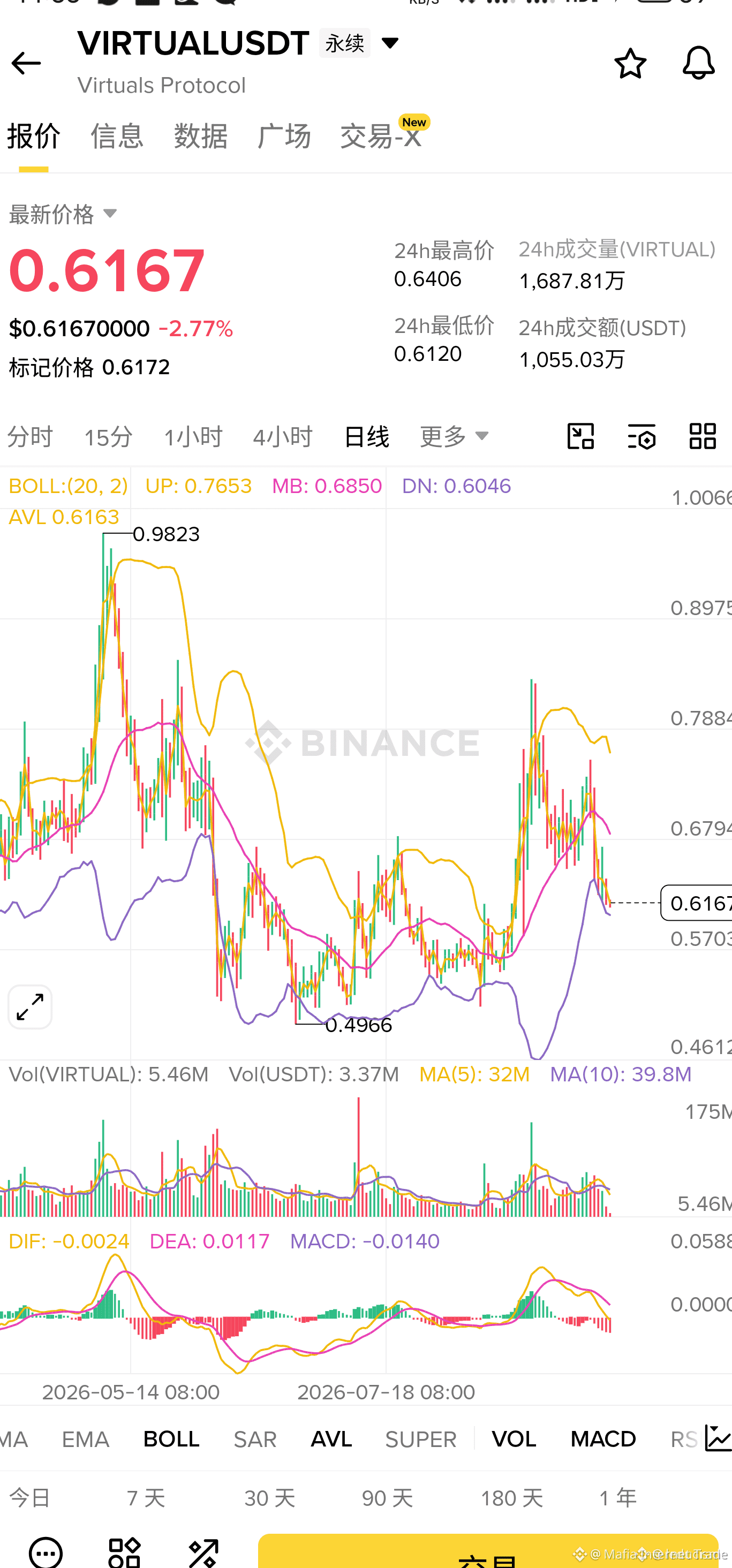
🚨 $VIRTUAL はレジスタンスで失速中:売り手がさらなる下落の崩れに備える 🔻
エントリー: 0.6167 🔻
ターゲット: 0.5700 📉
ストップロス: 0.6400 ⚠️
📌 売り手が$VIRTUAL を完全に支配。0.9823の高値から執拗に下落しているにもかかわらず、まともな反発が一度もありません。 🔍 買い手は0.6850の水準を取り戻せずに終わり、強い下落継続を示すモメンタム指標が点滅する中で、閉じ込められたロングが露出しています。
📊 MACDは下向きにカーブし、時間軸全体で大量の売り分配が維持されています。 📉 0.6046のサポートを明確に下抜けると、より深い流動性へ向けて素早い道が開きます。 💬 このブレイクアウトでショートしますか?それともより低い水準でナイフキャッチを待ちますか? 👇
⚠️ 投資助言ではありません。常にリスク管理を行ってください。 🛡️
🏷️ #VIRTUAL #ShortSetup #Breakdown #Crypto #Trading
🔻 🐻
🚨 $VIRTUAL はレジスタンスで失速中:売り手がさらなる下落の崩れに備える 🔻
エントリー: 0.6167 🔻
ターゲット: 0.5700 📉
ストップロス: 0.6400 ⚠️
📌 売り手が$VIRTUAL を完全に支配。0.9823の高値から執拗に下落しているにもかかわらず、まともな反発が一度もありません。 🔍 買い手は0.6850の水準を取り戻せずに終わり、強い下落継続を示すモメンタム指標が点滅する中で、閉じ込められたロングが露出しています。
📊 MACDは下向きにカーブし、時間軸全体で大量の売り分配が維持されています。 📉 0.6046のサポートを明確に下抜けると、より深い流動性へ向けて素早い道が開きます。 💬 このブレイクアウトでショートしますか?それともより低い水準でナイフキャッチを待ちますか? 👇
⚠️ 投資助言ではありません。常にリスク管理を行ってください。 🛡️
🏷️ #VIRTUAL #ShortSetup #Breakdown #Crypto #Trading
🔻 🐻
エントリー: 0.6167 🔻
ターゲット: 0.5700 📉
ストップロス: 0.6400 ⚠️
📌 売り手が$VIRTUAL を完全に支配。0.9823の高値から執拗に下落しているにもかかわらず、まともな反発が一度もありません。 🔍 買い手は0.6850の水準を取り戻せずに終わり、強い下落継続を示すモメンタム指標が点滅する中で、閉じ込められたロングが露出しています。
📊 MACDは下向きにカーブし、時間軸全体で大量の売り分配が維持されています。 📉 0.6046のサポートを明確に下抜けると、より深い流動性へ向けて素早い道が開きます。 💬 このブレイクアウトでショートしますか?それともより低い水準でナイフキャッチを待ちますか? 👇
⚠️ 投資助言ではありません。常にリスク管理を行ってください。 🛡️
🏷️ #VIRTUAL #ShortSetup #Breakdown #Crypto #Trading
🔻 🐻
50

·
--
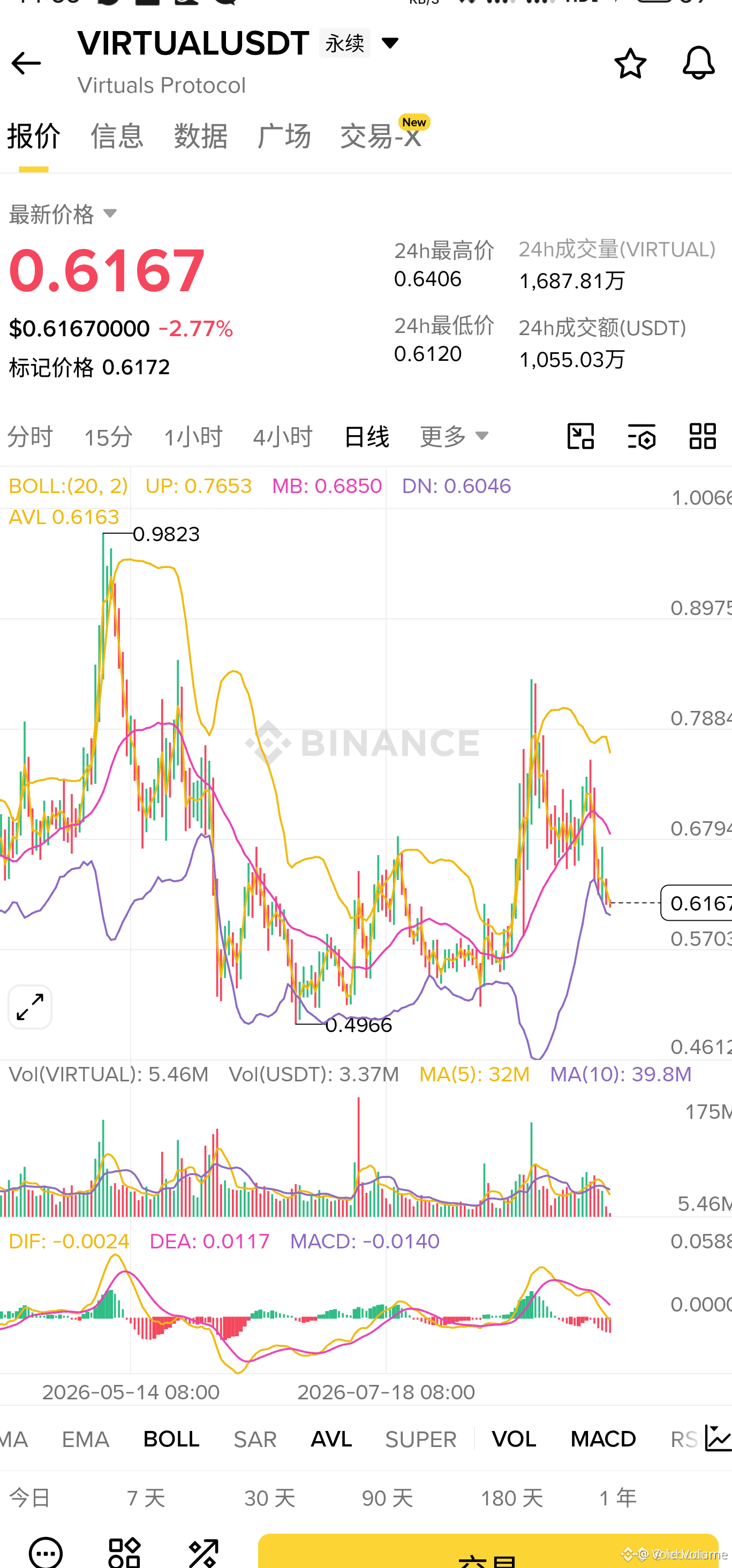
🚨 $VIRTUAL は弱い構造を示しており、弱気モメンタムが下方向へ加速しています! 📉
エントリー: 0.6167 ⚡
ターゲット: 0.5700 🎯
損切り: 0.6400 🛑
$VIRTUAL は重要な0.6850の構造レベルを取り戻すことに失敗し、0.9823からの急な拒否後に買い手が上方の非効率に閉じ込められたままになっています。 📊 弱気のオーダーフローは下位タイムフレームでの大きな売り側の拡大をMACDが裏付けており、しっかりと主導権を維持しています。
重要な0.6046のピボット・プールを下抜けすれば、より深い流動性へ向かう直接の道が開けます。 🔍 オーダーフローダイナミクスは、わずかな反発のたびに積極的な分配が行われていることを示しており、スマートマネーが掴みやすい流動性を狙っています。
🤔 あなたは0.6046のブレイクダウンに向けてショートを仕込んでいますか?それとも一時的な供給の再テストを待ちますか? 👇
⚠️ 投資助言ではありません。常にリスク管理を行ってください。 🛡️
🏷️ #VIRTUAL #ShortSetup #MarketStructure #Crypto
📉 🛡️
🚨 $VIRTUAL は弱い構造を示しており、弱気モメンタムが下方向へ加速しています! 📉
エントリー: 0.6167 ⚡
ターゲット: 0.5700 🎯
損切り: 0.6400 🛑
$VIRTUAL は重要な0.6850の構造レベルを取り戻すことに失敗し、0.9823からの急な拒否後に買い手が上方の非効率に閉じ込められたままになっています。 📊 弱気のオーダーフローは下位タイムフレームでの大きな売り側の拡大をMACDが裏付けており、しっかりと主導権を維持しています。
重要な0.6046のピボット・プールを下抜けすれば、より深い流動性へ向かう直接の道が開けます。 🔍 オーダーフローダイナミクスは、わずかな反発のたびに積極的な分配が行われていることを示しており、スマートマネーが掴みやすい流動性を狙っています。
🤔 あなたは0.6046のブレイクダウンに向けてショートを仕込んでいますか?それとも一時的な供給の再テストを待ちますか? 👇
⚠️ 投資助言ではありません。常にリスク管理を行ってください。 🛡️
🏷️ #VIRTUAL #ShortSetup #MarketStructure #Crypto
📉 🛡️
エントリー: 0.6167 ⚡
ターゲット: 0.5700 🎯
損切り: 0.6400 🛑
$VIRTUAL は重要な0.6850の構造レベルを取り戻すことに失敗し、0.9823からの急な拒否後に買い手が上方の非効率に閉じ込められたままになっています。 📊 弱気のオーダーフローは下位タイムフレームでの大きな売り側の拡大をMACDが裏付けており、しっかりと主導権を維持しています。
重要な0.6046のピボット・プールを下抜けすれば、より深い流動性へ向かう直接の道が開けます。 🔍 オーダーフローダイナミクスは、わずかな反発のたびに積極的な分配が行われていることを示しており、スマートマネーが掴みやすい流動性を狙っています。
🤔 あなたは0.6046のブレイクダウンに向けてショートを仕込んでいますか?それとも一時的な供給の再テストを待ちますか? 👇
⚠️ 投資助言ではありません。常にリスク管理を行ってください。 🛡️
🏷️ #VIRTUAL #ShortSetup #MarketStructure #Crypto
📉 🛡️
76

·
--
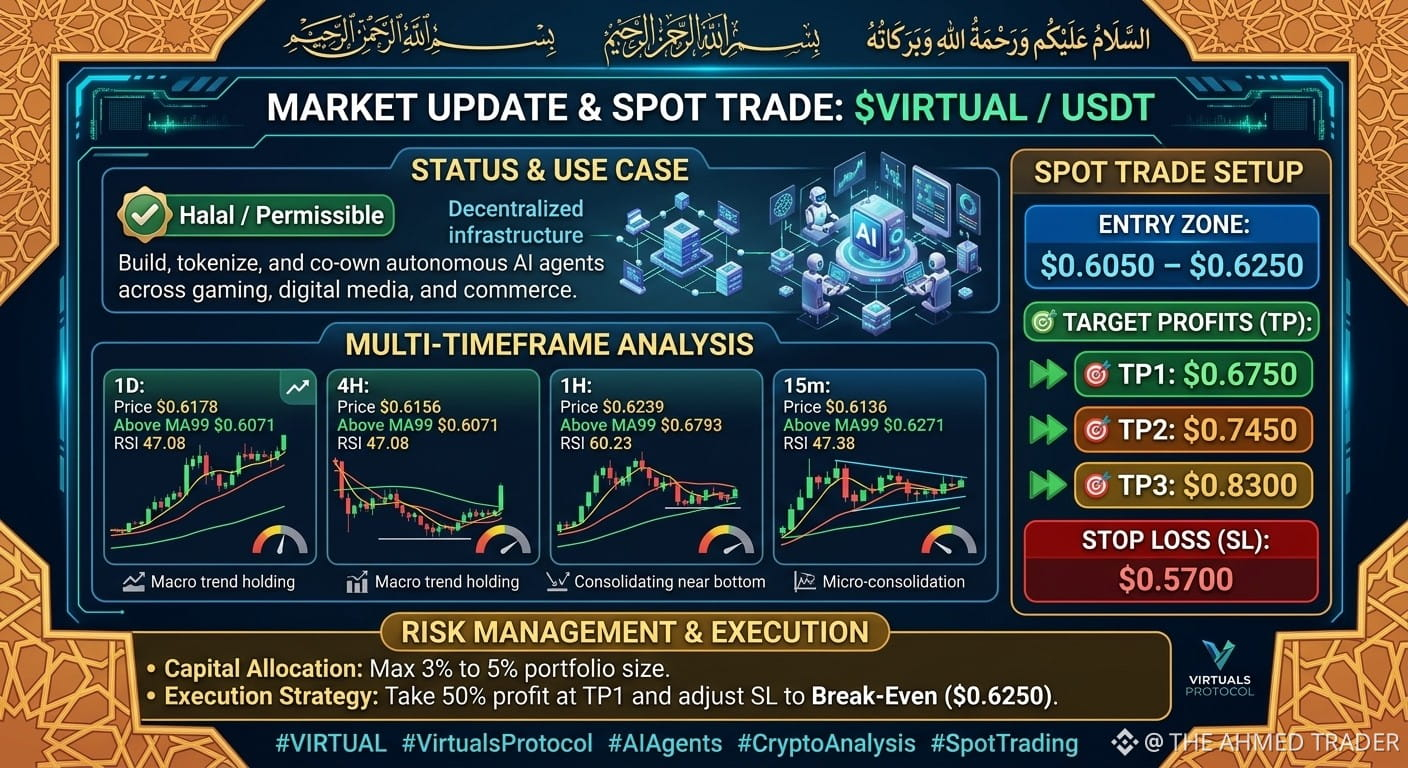
ブリッシュ
ビスミッラー(アッラーの御名において)
みなさま、こんにちは。慈悲と平安が皆さまにありますように。
📊 市場アップデート & スポット取引:$VIRTUAL / USDT
⚙️ 状況 & 用途(ユースケース)
ステータス:ハラール/許容可能
ネットワークの役割:Virtuals Protocol($VIRTUAL )は、ゲーム、デジタルメディア、分散型コマースのアプリケーション全体で稼働する自律型AIエージェントの構築、トークン化、共同保有を可能にする分散型インフラを提供します。
🌐 マルチ・タイムフレーム分析
1D(1日足):$0.6178 | マクロトレンドは、$0.4977の安値を上回る支持を維持。MA7($0.6577)およびMA25($0.6918)の下で取引しつつ、MA99($0.6071)以上を維持しています。日足RSIは47.08でニュートラル。
4H(4時間足):$0.6178 | 直近の底値付近で統合(レンジ化)。MA7($0.6270)、MA25($0.6458)、MA99($0.6830)の下に留まっています。4H RSIは売られ過ぎの境界付近(37.11)にあり、休止状態。
1H(1時間足):$0.6178 | $0.6133のサポートの上で価格が安定し、MA7($0.6172)、MA25($0.6273)、MA99($0.6481)の下で統合。1H RSIは39.66でニュートラル。
15m(15分足):$0.6178 | MA7($0.6181)とMA25($0.6171)付近で、MA99($0.6277)の下にて小幅に統合。15m RSIは43.99まで回復。
📈 ファンダメンタル、オンチェーン&マクロ分析
ファンダメンタル:AIエージェントのトークン化、初期エージェント・オファリング(IAOs)、およびマルチチェーン展開の拡大が、構造的なエコシステム需要を支えています。
オンチェーン&センチメント:直近サポート($0.6100〜$0.6133)付近で売り圧力が弱まりつつあり、蓄積(アキュムレーション)に向かう可能性を示唆しています。
マクロ環境:直近の値戻し(リトレース)後、AIセクター関連トークン全般での相場が調整・統合フェーズにあります。
🎯 スポット取引のセットアップ
📍 エントリーゾーン:$0.6050 – $0.6250
🎯 TP1:$0.6750
🎯 TP2:$0.7450
🎯 TP3:$0.8300
⛔ 買い戻しライン(SL):$0.5700
💡 リスク管理&実行
資金配分:ポートフォリオの最大3%〜5%。
実行戦略:TP1で利益の50%を確定し、SLを建値(ブレークイーブン:$0.6250)へ調整。
{spot}(VIRTUALUSDT)
#VIRTUAL #VirtualsProtocol #AIAgents #CryptoAnalysis #SpotTrading
ビスミッラー(アッラーの御名において)
みなさま、こんにちは。慈悲と平安が皆さまにありますように。
📊 市場アップデート & スポット取引:$VIRTUAL / USDT
⚙️ 状況 & 用途(ユースケース)
ステータス:ハラール/許容可能
ネットワークの役割:Virtuals Protocol($VIRTUAL )は、ゲーム、デジタルメディア、分散型コマースのアプリケーション全体で稼働する自律型AIエージェントの構築、トークン化、共同保有を可能にする分散型インフラを提供します。
🌐 マルチ・タイムフレーム分析
1D(1日足):$0.6178 | マクロトレンドは、$0.4977の安値を上回る支持を維持。MA7($0.6577)およびMA25($0.6918)の下で取引しつつ、MA99($0.6071)以上を維持しています。日足RSIは47.08でニュートラル。
4H(4時間足):$0.6178 | 直近の底値付近で統合(レンジ化)。MA7($0.6270)、MA25($0.6458)、MA99($0.6830)の下に留まっています。4H RSIは売られ過ぎの境界付近(37.11)にあり、休止状態。
1H(1時間足):$0.6178 | $0.6133のサポートの上で価格が安定し、MA7($0.6172)、MA25($0.6273)、MA99($0.6481)の下で統合。1H RSIは39.66でニュートラル。
15m(15分足):$0.6178 | MA7($0.6181)とMA25($0.6171)付近で、MA99($0.6277)の下にて小幅に統合。15m RSIは43.99まで回復。
📈 ファンダメンタル、オンチェーン&マクロ分析
ファンダメンタル:AIエージェントのトークン化、初期エージェント・オファリング(IAOs)、およびマルチチェーン展開の拡大が、構造的なエコシステム需要を支えています。
オンチェーン&センチメント:直近サポート($0.6100〜$0.6133)付近で売り圧力が弱まりつつあり、蓄積(アキュムレーション)に向かう可能性を示唆しています。
マクロ環境:直近の値戻し(リトレース)後、AIセクター関連トークン全般での相場が調整・統合フェーズにあります。
🎯 スポット取引のセットアップ
📍 エントリーゾーン:$0.6050 – $0.6250
🎯 TP1:$0.6750
🎯 TP2:$0.7450
🎯 TP3:$0.8300
⛔ 買い戻しライン(SL):$0.5700
💡 リスク管理&実行
資金配分:ポートフォリオの最大3%〜5%。
実行戦略:TP1で利益の50%を確定し、SLを建値(ブレークイーブン:$0.6250)へ調整。
#VIRTUAL #VirtualsProtocol #AIAgents #CryptoAnalysis #SpotTrading
みなさま、こんにちは。慈悲と平安が皆さまにありますように。
📊 市場アップデート & スポット取引:$VIRTUAL / USDT
⚙️ 状況 & 用途(ユースケース)
ステータス:ハラール/許容可能
ネットワークの役割:Virtuals Protocol($VIRTUAL )は、ゲーム、デジタルメディア、分散型コマースのアプリケーション全体で稼働する自律型AIエージェントの構築、トークン化、共同保有を可能にする分散型インフラを提供します。
🌐 マルチ・タイムフレーム分析
1D(1日足):$0.6178 | マクロトレンドは、$0.4977の安値を上回る支持を維持。MA7($0.6577)およびMA25($0.6918)の下で取引しつつ、MA99($0.6071)以上を維持しています。日足RSIは47.08でニュートラル。
4H(4時間足):$0.6178 | 直近の底値付近で統合(レンジ化)。MA7($0.6270)、MA25($0.6458)、MA99($0.6830)の下に留まっています。4H RSIは売られ過ぎの境界付近(37.11)にあり、休止状態。
1H(1時間足):$0.6178 | $0.6133のサポートの上で価格が安定し、MA7($0.6172)、MA25($0.6273)、MA99($0.6481)の下で統合。1H RSIは39.66でニュートラル。
15m(15分足):$0.6178 | MA7($0.6181)とMA25($0.6171)付近で、MA99($0.6277)の下にて小幅に統合。15m RSIは43.99まで回復。
📈 ファンダメンタル、オンチェーン&マクロ分析
ファンダメンタル:AIエージェントのトークン化、初期エージェント・オファリング(IAOs)、およびマルチチェーン展開の拡大が、構造的なエコシステム需要を支えています。
オンチェーン&センチメント:直近サポート($0.6100〜$0.6133)付近で売り圧力が弱まりつつあり、蓄積(アキュムレーション)に向かう可能性を示唆しています。
マクロ環境:直近の値戻し(リトレース)後、AIセクター関連トークン全般での相場が調整・統合フェーズにあります。
🎯 スポット取引のセットアップ
📍 エントリーゾーン:$0.6050 – $0.6250
🎯 TP1:$0.6750
🎯 TP2:$0.7450
🎯 TP3:$0.8300
⛔ 買い戻しライン(SL):$0.5700
💡 リスク管理&実行
資金配分:ポートフォリオの最大3%〜5%。
実行戦略:TP1で利益の50%を確定し、SLを建値(ブレークイーブン:$0.6250)へ調整。
#VIRTUAL #VirtualsProtocol #AIAgents #CryptoAnalysis #SpotTrading
17
·
--
📢 $VIRTUAL / USDT | 🔴 SHORT | ⭐ 81.8%
🎯 目標: $0.61776. 達成できますか?
🎯 取引レベル:
🔴 エントリー: $0.6192
🛑 ストップロス: $0.62
🏁 TP1: $0.61776
🏁 TP2: $0.61696
🏁 TP3: $0.616
📈 分析:
市場は複数の時間軸で下降トレンドの明確な構造を示しており、これは強い売り圧力があることを示しています。直近では、平均を大きく上回る出来高を伴って重要なサポートがブレイクされたため、売り手の意図をより強く裏付けています。さらに、オープンインタレストがわずかに減少しており、現在の動きは優勢な下降トレンドを固めている可能性が示唆されます。
⚖️ リスク/リターン: 1:1.8
⏱️ 時間足: 15M
#crypto #VIRTUAL #trading #Futures #Bearish
💡 本分析は教育目的であり、金融アドバイスではありません。ご自身で調べ、落ち着いて判断してください。
📢 $VIRTUAL / USDT | 🔴 SHORT | ⭐ 81.8%
🎯 目標: $0.61776. 達成できますか?
🎯 取引レベル:
🔴 エントリー: $0.6192
🛑 ストップロス: $0.62
🏁 TP1: $0.61776
🏁 TP2: $0.61696
🏁 TP3: $0.616
📈 分析:
市場は複数の時間軸で下降トレンドの明確な構造を示しており、これは強い売り圧力があることを示しています。直近では、平均を大きく上回る出来高を伴って重要なサポートがブレイクされたため、売り手の意図をより強く裏付けています。さらに、オープンインタレストがわずかに減少しており、現在の動きは優勢な下降トレンドを固めている可能性が示唆されます。
⚖️ リスク/リターン: 1:1.8
⏱️ 時間足: 15M
#crypto #VIRTUAL #trading #Futures #Bearish
💡 本分析は教育目的であり、金融アドバイスではありません。ご自身で調べ、落ち着いて判断してください。
🎯 目標: $0.61776. 達成できますか?
🎯 取引レベル:
🔴 エントリー: $0.6192
🛑 ストップロス: $0.62
🏁 TP1: $0.61776
🏁 TP2: $0.61696
🏁 TP3: $0.616
📈 分析:
市場は複数の時間軸で下降トレンドの明確な構造を示しており、これは強い売り圧力があることを示しています。直近では、平均を大きく上回る出来高を伴って重要なサポートがブレイクされたため、売り手の意図をより強く裏付けています。さらに、オープンインタレストがわずかに減少しており、現在の動きは優勢な下降トレンドを固めている可能性が示唆されます。
⚖️ リスク/リターン: 1:1.8
⏱️ 時間足: 15M
#crypto #VIRTUAL #trading #Futures #Bearish
💡 本分析は教育目的であり、金融アドバイスではありません。ご自身で調べ、落ち着いて判断してください。
42

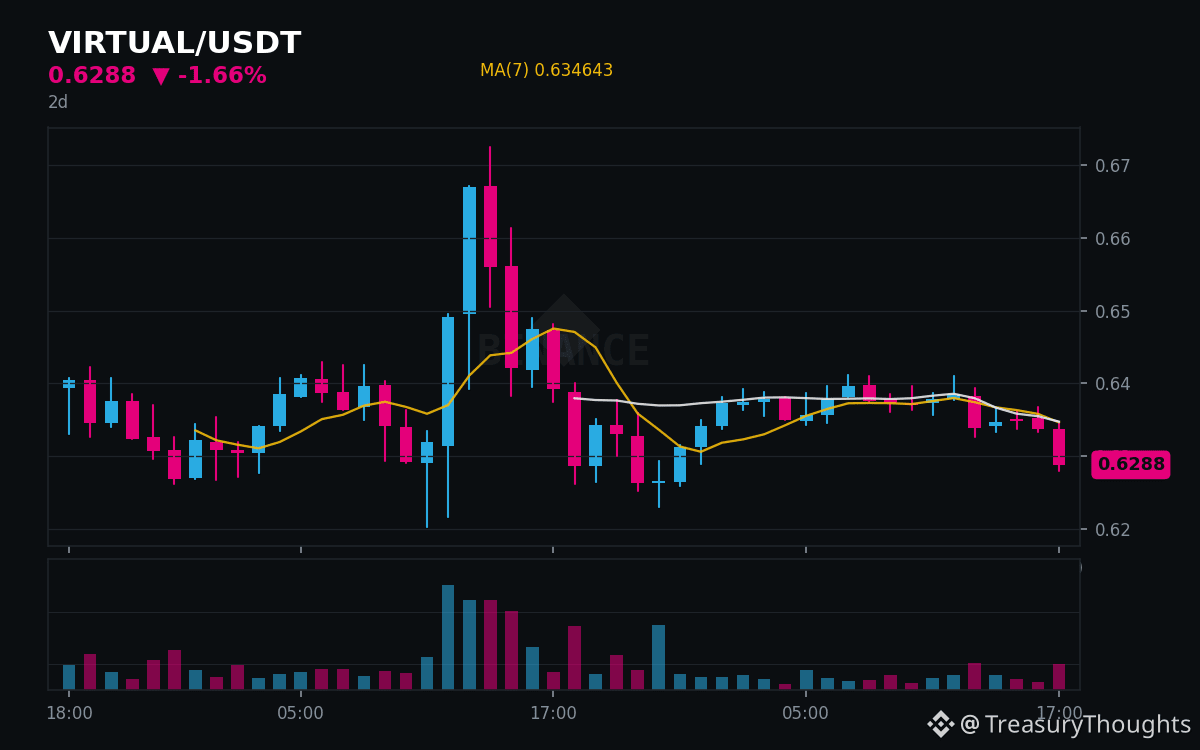
$VIRTUAL 下方のドンチアンをブレイクしたと思ったら、まるで「ストップ」ボタンを押したみたいに止まり、その出来高が暗い部屋でのフラッシュみたいに跳ね上がった 🔻
上位のタイムフレームも頷いた——市場は下方向へ反発(引き戻し)してくるように見える。
🔴 ショート(レンジ下抜け)| ドンチアン・ブレイクアウト
エントリー: 0.627611 - 0.630129
ストップ: 0.634557
テイク: 0.6218
RSI: n/d | スコア: 72/100
R:R 1:1.2
情報提供の投稿であり、金融助言ではありません。
#VIRTUAL #CryptoTrading
$VIRTUAL 下方のドンチアンをブレイクしたと思ったら、まるで「ストップ」ボタンを押したみたいに止まり、その出来高が暗い部屋でのフラッシュみたいに跳ね上がった 🔻
上位のタイムフレームも頷いた——市場は下方向へ反発(引き戻し)してくるように見える。
🔴 ショート(レンジ下抜け)| ドンチアン・ブレイクアウト
エントリー: 0.627611 - 0.630129
ストップ: 0.634557
テイク: 0.6218
RSI: n/d | スコア: 72/100
R:R 1:1.2
情報提供の投稿であり、金融助言ではありません。
#VIRTUAL #CryptoTrading
上位のタイムフレームも頷いた——市場は下方向へ反発(引き戻し)してくるように見える。
🔴 ショート(レンジ下抜け)| ドンチアン・ブレイクアウト
エントリー: 0.627611 - 0.630129
ストップ: 0.634557
テイク: 0.6218
RSI: n/d | スコア: 72/100
R:R 1:1.2
情報提供の投稿であり、金融助言ではありません。
#VIRTUAL #CryptoTrading
61

5分間トレンドスキャン、明確なチャンスが2つ。
$ARB は買い(ロング)。レンジ構造の中で出来高を伴って直近高値をブレイクし、出来高は2.57倍、終値はレジスタンス上で定着。5分足のレンジ、15分足のレンジ、1時間足のレンジ——3つの時間軸で方向が一致。エントリー評価63、構造評価88。
現在値 0.1434。エントリー 0.1415-0.1435、損切り 0.1390、目標 0.1475、リスクリワード比 1.9:1。
結論:買い可能。ブレイク後に出来高が増え、構造評価が非常に高く、多時間軸の共振が確認できている。
$VIRTUAL も買い(ロング)。レンジで推移した後、出来高を伴って前高をブレイクし、出来高は2.24倍、価格はレジスタンスに接近。5分足のレンジ、15分足のレンジ、1時間足のレンジ——3つの時間軸で方向が一致。エントリー評価58、構造評価84。
現在値 0.6389。エントリー 0.6320-0.6390、損切り 0.6250、目標 0.6550、リスクリワード比 1.8:1。
結論:買い可能。レンジ突破の出来高確認があり、構造評価が高く、多時間軸の共振。
2つのコインはいずれもレンジ構造から出来高を伴うブレイクで、トレンドの整合性は良いが、値動きの余地は限られるため、ポジション管理に注意。各コインは10%を超えないことを推奨。
#ARB #VIRTUAL #做多 #突破
5分間トレンドスキャン、明確なチャンスが2つ。
$ARB は買い(ロング)。レンジ構造の中で出来高を伴って直近高値をブレイクし、出来高は2.57倍、終値はレジスタンス上で定着。5分足のレンジ、15分足のレンジ、1時間足のレンジ——3つの時間軸で方向が一致。エントリー評価63、構造評価88。
現在値 0.1434。エントリー 0.1415-0.1435、損切り 0.1390、目標 0.1475、リスクリワード比 1.9:1。
結論:買い可能。ブレイク後に出来高が増え、構造評価が非常に高く、多時間軸の共振が確認できている。
$VIRTUAL も買い(ロング)。レンジで推移した後、出来高を伴って前高をブレイクし、出来高は2.24倍、価格はレジスタンスに接近。5分足のレンジ、15分足のレンジ、1時間足のレンジ——3つの時間軸で方向が一致。エントリー評価58、構造評価84。
現在値 0.6389。エントリー 0.6320-0.6390、損切り 0.6250、目標 0.6550、リスクリワード比 1.8:1。
結論:買い可能。レンジ突破の出来高確認があり、構造評価が高く、多時間軸の共振。
2つのコインはいずれもレンジ構造から出来高を伴うブレイクで、トレンドの整合性は良いが、値動きの余地は限られるため、ポジション管理に注意。各コインは10%を超えないことを推奨。
#ARB #VIRTUAL #做多 #突破
$ARB は買い(ロング)。レンジ構造の中で出来高を伴って直近高値をブレイクし、出来高は2.57倍、終値はレジスタンス上で定着。5分足のレンジ、15分足のレンジ、1時間足のレンジ——3つの時間軸で方向が一致。エントリー評価63、構造評価88。
現在値 0.1434。エントリー 0.1415-0.1435、損切り 0.1390、目標 0.1475、リスクリワード比 1.9:1。
結論:買い可能。ブレイク後に出来高が増え、構造評価が非常に高く、多時間軸の共振が確認できている。
$VIRTUAL も買い(ロング)。レンジで推移した後、出来高を伴って前高をブレイクし、出来高は2.24倍、価格はレジスタンスに接近。5分足のレンジ、15分足のレンジ、1時間足のレンジ——3つの時間軸で方向が一致。エントリー評価58、構造評価84。
現在値 0.6389。エントリー 0.6320-0.6390、損切り 0.6250、目標 0.6550、リスクリワード比 1.8:1。
結論:買い可能。レンジ突破の出来高確認があり、構造評価が高く、多時間軸の共振。
2つのコインはいずれもレンジ構造から出来高を伴うブレイクで、トレンドの整合性は良いが、値動きの余地は限られるため、ポジション管理に注意。各コインは10%を超えないことを推奨。
#ARB #VIRTUAL #做多 #突破
5

·
--
$DOGE $VIRTUAL $LTC 30分刚ほど弱まり、4時間の移動平均線は下向きに強い分散(ゴウイン)で弱気🔥
════════════════════
🟢 $DOGE 30分 弱気シグナル
⚠️テクニカル:30分MACDでデッドクロス後、DIFが0ラインを下抜けし、トレンドが明確に弱気へ転換;移動平均EMA5<EMA8<EMA13の弱気並びで下向きに分散、出来高も1.5倍に増加してタイミングが一致。ポイントは4時間足でも同じく弱気で、2つの時間軸が共振しており、空売りの勝率がより高いこと。
════════════════════
🟢 $VIRTUAL 30分 弱気シグナル
⚠️テクニカル:マルチタイムフレーム共振が到来!4時間は弱気、30分もエントリーのサインが出ている――MACDのDIFが0ラインを下抜けし、トレンドが明確に弱気へ;EMA5<EMA8<EMA13で弱気並びが下向きに分散;出来高も1.5倍に増加。2つの時間軸が同方向で空売りできるため、シグナルの信頼性が高い。
════════════════════
🟢 $LTC 30分 弱気シグナル
⚠️テクニカル:BTC マルチタイムフレーム共振で空売り:30分MACDでデッドクロス後、緑のヒストグラムが継続して拡大し、勢いがますます強まっている;EMA5、8、13が弱気並びで下向きに分散;出来高も1.6倍に増加して連動。ポイントは4時間足も同様に弱気トレンドで、小さな時間軸と大きな時間軸の方向が一致して共振が確認されたこと。
════════════════════
🔔 初動の相場変動(イレギュラー)をいち早く受け取る 🔔
#多周期共振 #DOGE #VIRTUAL #LTC
📌 取引時はローソク足の形が条件に合うかどうかに注意してください
$DOGE $VIRTUAL $LTC 30分刚ほど弱まり、4時間の移動平均線は下向きに強い分散(ゴウイン)で弱気🔥
════════════════════
🟢 $DOGE 30分 弱気シグナル
⚠️テクニカル:30分MACDでデッドクロス後、DIFが0ラインを下抜けし、トレンドが明確に弱気へ転換;移動平均EMA5<EMA8<EMA13の弱気並びで下向きに分散、出来高も1.5倍に増加してタイミングが一致。ポイントは4時間足でも同じく弱気で、2つの時間軸が共振しており、空売りの勝率がより高いこと。
════════════════════
🟢 $VIRTUAL 30分 弱気シグナル
⚠️テクニカル:マルチタイムフレーム共振が到来!4時間は弱気、30分もエントリーのサインが出ている――MACDのDIFが0ラインを下抜けし、トレンドが明確に弱気へ;EMA5<EMA8<EMA13で弱気並びが下向きに分散;出来高も1.5倍に増加。2つの時間軸が同方向で空売りできるため、シグナルの信頼性が高い。
════════════════════
🟢 $LTC 30分 弱気シグナル
⚠️テクニカル:BTC マルチタイムフレーム共振で空売り:30分MACDでデッドクロス後、緑のヒストグラムが継続して拡大し、勢いがますます強まっている;EMA5、8、13が弱気並びで下向きに分散;出来高も1.6倍に増加して連動。ポイントは4時間足も同様に弱気トレンドで、小さな時間軸と大きな時間軸の方向が一致して共振が確認されたこと。
════════════════════
🔔 初動の相場変動(イレギュラー)をいち早く受け取る 🔔
#多周期共振 #DOGE #VIRTUAL #LTC
📌 取引時はローソク足の形が条件に合うかどうかに注意してください
════════════════════
🟢 $DOGE 30分 弱気シグナル
⚠️テクニカル:30分MACDでデッドクロス後、DIFが0ラインを下抜けし、トレンドが明確に弱気へ転換;移動平均EMA5<EMA8<EMA13の弱気並びで下向きに分散、出来高も1.5倍に増加してタイミングが一致。ポイントは4時間足でも同じく弱気で、2つの時間軸が共振しており、空売りの勝率がより高いこと。
════════════════════
🟢 $VIRTUAL 30分 弱気シグナル
⚠️テクニカル:マルチタイムフレーム共振が到来!4時間は弱気、30分もエントリーのサインが出ている――MACDのDIFが0ラインを下抜けし、トレンドが明確に弱気へ;EMA5<EMA8<EMA13で弱気並びが下向きに分散;出来高も1.5倍に増加。2つの時間軸が同方向で空売りできるため、シグナルの信頼性が高い。
════════════════════
🟢 $LTC 30分 弱気シグナル
⚠️テクニカル:BTC マルチタイムフレーム共振で空売り:30分MACDでデッドクロス後、緑のヒストグラムが継続して拡大し、勢いがますます強まっている;EMA5、8、13が弱気並びで下向きに分散;出来高も1.6倍に増加して連動。ポイントは4時間足も同様に弱気トレンドで、小さな時間軸と大きな時間軸の方向が一致して共振が確認されたこと。
════════════════════
🔔 初動の相場変動(イレギュラー)をいち早く受け取る 🔔
#多周期共振 #DOGE #VIRTUAL #LTC
📌 取引時はローソク足の形が条件に合うかどうかに注意してください


Arcana0:
上次看DOGE多周期共振手忙脚乱追空,直接追在地板上,现在干脆把仓位挂给托管跑了,闲下来可以去翻翻 他的帖子
1
241
ログインして、さらにコンテンツを読む
厳選トピックで世界の暗号資産トレーダーの仲間入り
⚡️ 暗号資産に関する最新かつ有益な情報が見つかります。
💬 世界最大の暗号資産取引所から信頼されています。
👍 認証を受けたクリエイターから、有益なインサイトを得られます。
メール / 電話番号
トレンドトピック
1
#FedRateWatch
閲覧回数 844,937
4,028人が討論中
2
#BitcoinFalls4%
閲覧回数 3,760
191人が討論中
3
#SKHynixInTalksToMakeMemoryChipsInUS
閲覧回数 813
36人が討論中
4
#OpenAIDiscussesNewFundingAt$1.2TValuation
閲覧回数 779
25人が討論中
5
#ArgentinaCommitsToOECDCryptoReportingBy2029
閲覧回数 7,605
215人が討論中
6
#EthereumFallsBelow$2400
閲覧回数 3,920
78人が討論中
7
#USDTLaunchesOnZamaPrivacyProtocol
閲覧回数 3,328
128人が討論中
8
#USSenateBlocksClarityAct
閲覧回数 29,780
378人が討論中
9
#BitcoinSlidesTo$76000
閲覧回数 37,205
163人が討論中
10
#BitcoinReboundsTo$79K
閲覧回数 68,173
438人が討論中