
#vanryusdt
vanryusdt
閲覧回数 601,836
3,069人が討論中
注目
最新

·
--
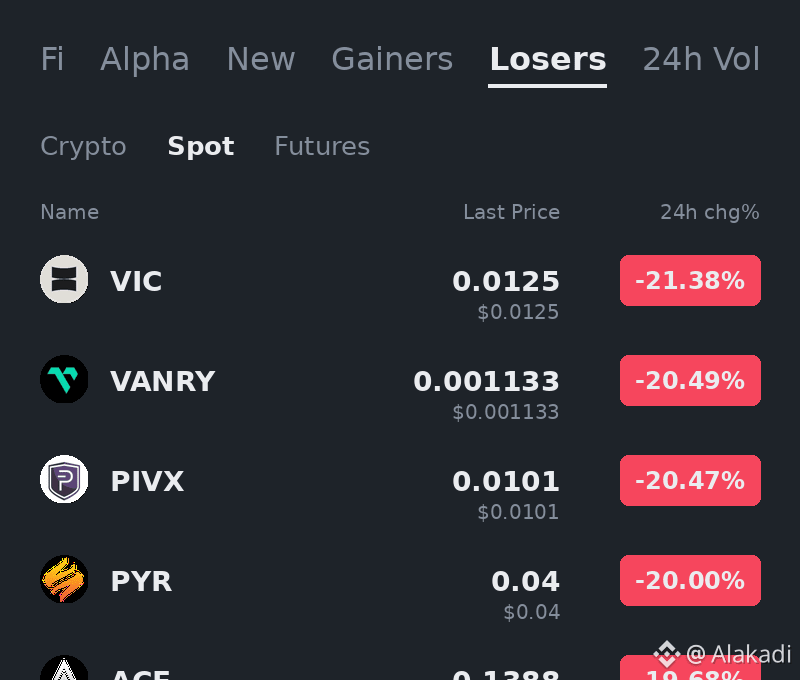
$VIC و $VANRY و $PIVX 下落幅が20%以上の損失銘柄トップに📉
- #VICUSDT : 急落 -21.38%
- #VANRYUSDT : 売り圧力 -20.49%
- #PIVXUSDT : 支持線のブレイク -20.47%
健全な調整が起きるのか、それともより深い下落トレンドの始まりなのか?
$VIC $VANRY $PIVX
このコンテンツは投資助言ではありません。自己で調べてください(DYOR)
$VIC و $VANRY و $PIVX 下落幅が20%以上の損失銘柄トップに📉
- #VICUSDT : 急落 -21.38%
- #VANRYUSDT : 売り圧力 -20.49%
- #PIVXUSDT : 支持線のブレイク -20.47%
健全な調整が起きるのか、それともより深い下落トレンドの始まりなのか?
$VIC $VANRY $PIVX
このコンテンツは投資助言ではありません。自己で調べてください(DYOR)
- #VICUSDT : 急落 -21.38%
- #VANRYUSDT : 売り圧力 -20.49%
- #PIVXUSDT : 支持線のブレイク -20.47%
健全な調整が起きるのか、それともより深い下落トレンドの始まりなのか?
$VIC $VANRY $PIVX
このコンテンツは投資助言ではありません。自己で調べてください(DYOR)
2
242


$VANRY 次の取引は少し待ってください——共有したい追加のセットアップがもう1つあって、タイミングがようやく合ってきました。
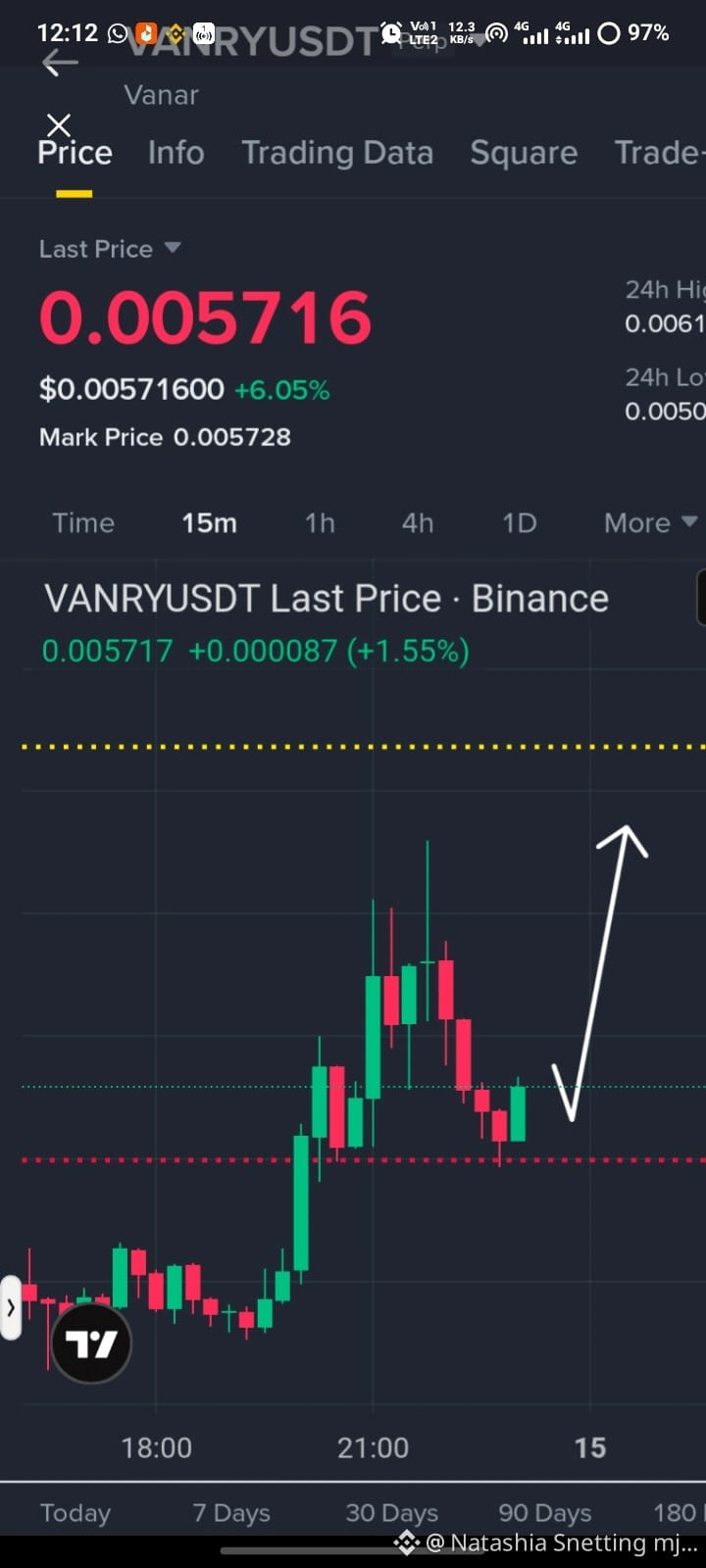
私は $VANRY を20倍レバレッジでロングし、目標は 0.0062 です。
VANRYUSDT パーペットは現在 0.005568 前後で推移しており、4.19% 上昇しています。
ここで注目しているのはファンディングレートで、-0.77%まで下がっています。まさに私が待っていたサインで、このセットアップは上方向への動きに非常に興味深いと見ています。
この取引ではストップロスは設定していません。代わりに、清算(ロスカット)ラインを十分に遠ざけ、リスクを自分のポートフォリオのわずか2%に抑えています。
いつも通り、リスクは慎重に管理し、口座に過度なエクスポージャーをかけないようにして、どうなるか見ていきましょう。
免責事項:これは情報提供のみを目的としており、金融・投資・法律・税務に関する助言とみなされるべきではありません。暗号資産の取引には重大なリスクが伴い、投資した資金の全額を失う可能性もあります。必ずご自身で調査してください。
$VANRY
{future}(VANRYUSDT)
#VANRYUSDT #JuneCPIFedHike20% #SamsungExploresPotentialUSADRListing
$VANRY 次の取引は少し待ってください——共有したい追加のセットアップがもう1つあって、タイミングがようやく合ってきました。
私は $VANRY を20倍レバレッジでロングし、目標は 0.0062 です。
VANRYUSDT パーペットは現在 0.005568 前後で推移しており、4.19% 上昇しています。
ここで注目しているのはファンディングレートで、-0.77%まで下がっています。まさに私が待っていたサインで、このセットアップは上方向への動きに非常に興味深いと見ています。
この取引ではストップロスは設定していません。代わりに、清算(ロスカット)ラインを十分に遠ざけ、リスクを自分のポートフォリオのわずか2%に抑えています。
いつも通り、リスクは慎重に管理し、口座に過度なエクスポージャーをかけないようにして、どうなるか見ていきましょう。
免責事項:これは情報提供のみを目的としており、金融・投資・法律・税務に関する助言とみなされるべきではありません。暗号資産の取引には重大なリスクが伴い、投資した資金の全額を失う可能性もあります。必ずご自身で調査してください。
$VANRY
#VANRYUSDT #JuneCPIFedHike20% #SamsungExploresPotentialUSADRListing
私は $VANRY を20倍レバレッジでロングし、目標は 0.0062 です。
VANRYUSDT パーペットは現在 0.005568 前後で推移しており、4.19% 上昇しています。
ここで注目しているのはファンディングレートで、-0.77%まで下がっています。まさに私が待っていたサインで、このセットアップは上方向への動きに非常に興味深いと見ています。
この取引ではストップロスは設定していません。代わりに、清算(ロスカット)ラインを十分に遠ざけ、リスクを自分のポートフォリオのわずか2%に抑えています。
いつも通り、リスクは慎重に管理し、口座に過度なエクスポージャーをかけないようにして、どうなるか見ていきましょう。
免責事項:これは情報提供のみを目的としており、金融・投資・法律・税務に関する助言とみなされるべきではありません。暗号資産の取引には重大なリスクが伴い、投資した資金の全額を失う可能性もあります。必ずご自身で調査してください。
$VANRY
#VANRYUSDT #JuneCPIFedHike20% #SamsungExploresPotentialUSADRListing
1
191

·
--
ブリッシュ
$VANRY - ロングシグナル
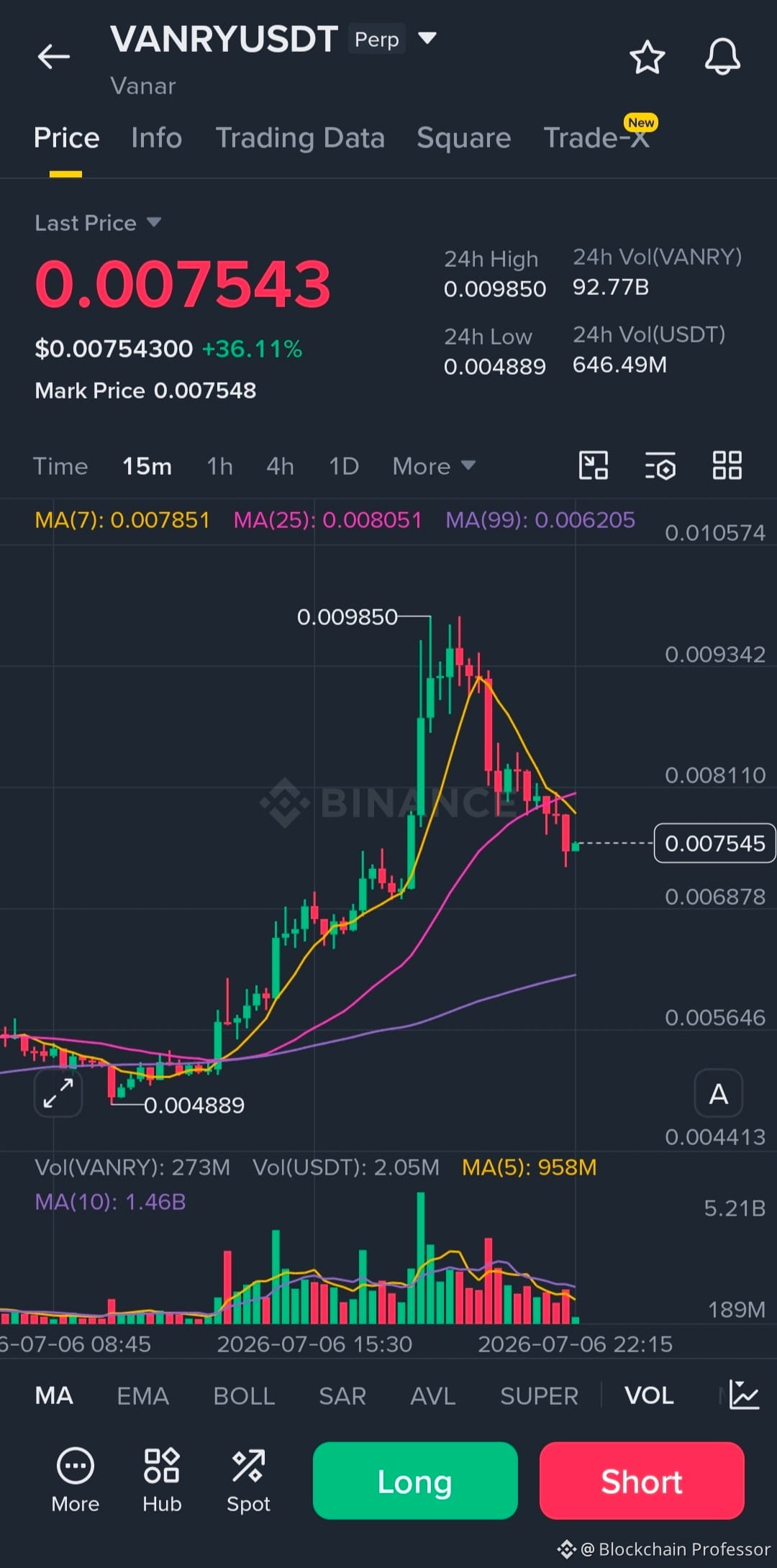
エントリーゾーン: 0.00745 – 0.00755
損切り: 0.00685
利益目標:
TP1: 0.00850
TP2: 0.00985
TP3: 0.01100+
VANRYは、高い出来高と強気のインジケーターの整合に支えられ、数週間にわたる蓄積フェーズを確信をもってブレイクしました。この動きは、アルトコイン全体の強さやAI/Web3インフラ領域でのプロジェクト進展とも一致しています。価格が0.00685を上回っている限り、強気の構造は維持されます。追加エントリーのために、MA(移動平均)への健全な押し目を注視してください。
自己判断(DYOR)し、責任ある取引を行ってください。
#VANRYUSDT #CryptoTrading #AltcoinSeason #BullishBreakout #TechnicalAnalysis
{future}(VANRYUSDT)
$VANRY - ロングシグナル
エントリーゾーン: 0.00745 – 0.00755
損切り: 0.00685
利益目標:
TP1: 0.00850
TP2: 0.00985
TP3: 0.01100+
VANRYは、高い出来高と強気のインジケーターの整合に支えられ、数週間にわたる蓄積フェーズを確信をもってブレイクしました。この動きは、アルトコイン全体の強さやAI/Web3インフラ領域でのプロジェクト進展とも一致しています。価格が0.00685を上回っている限り、強気の構造は維持されます。追加エントリーのために、MA(移動平均)への健全な押し目を注視してください。
自己判断(DYOR)し、責任ある取引を行ってください。
#VANRYUSDT #CryptoTrading #AltcoinSeason #BullishBreakout #TechnicalAnalysis
エントリーゾーン: 0.00745 – 0.00755
損切り: 0.00685
利益目標:
TP1: 0.00850
TP2: 0.00985
TP3: 0.01100+
VANRYは、高い出来高と強気のインジケーターの整合に支えられ、数週間にわたる蓄積フェーズを確信をもってブレイクしました。この動きは、アルトコイン全体の強さやAI/Web3インフラ領域でのプロジェクト進展とも一致しています。価格が0.00685を上回っている限り、強気の構造は維持されます。追加エントリーのために、MA(移動平均)への健全な押し目を注視してください。
自己判断(DYOR)し、責任ある取引を行ってください。
#VANRYUSDT #CryptoTrading #AltcoinSeason #BullishBreakout #TechnicalAnalysis
1
61

·
--
ブリッシュ
$VANRY プルバック・セットアップ 📊*
ブレイクアウトの冷却、リテストゾーンが機能中
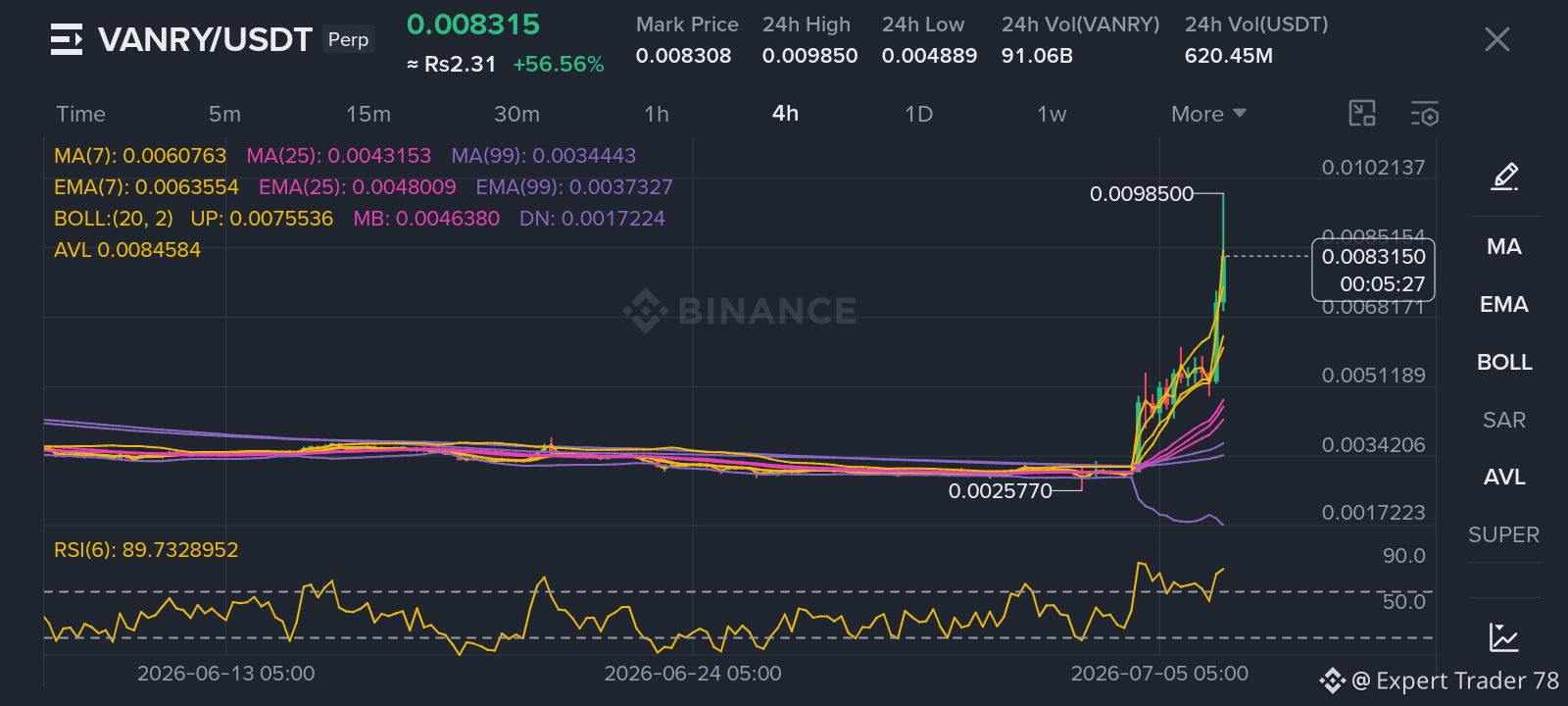
➤ ロング | エントリー: 0.00815–0.00840
➤ SL: 0.00770
➤ TP1: 0.00900 | TP2: 0.00950 | TP3: 0.00985
{future}(VANRYUSDT)
垂直ブレイクアウト(0.0026→0.0098)後、4H RSI は89まで伸び切っており、現在は値動きの起点となった OB/FVG ゾーン(約0.0083)へ押し戻されています。15分足 RSI は44まで冷却。買い勢がこのゾーンを維持できれば、典型的なリテスト継続型セットアップです — 無効化は0.0077割れ
#VANRY #VANRYUSDT .
$VANRY プルバック・セットアップ 📊*
ブレイクアウトの冷却、リテストゾーンが機能中
➤ ロング | エントリー: 0.00815–0.00840
➤ SL: 0.00770
➤ TP1: 0.00900 | TP2: 0.00950 | TP3: 0.00985
垂直ブレイクアウト(0.0026→0.0098)後、4H RSI は89まで伸び切っており、現在は値動きの起点となった OB/FVG ゾーン(約0.0083)へ押し戻されています。15分足 RSI は44まで冷却。買い勢がこのゾーンを維持できれば、典型的なリテスト継続型セットアップです — 無効化は0.0077割れ
#VANRY #VANRYUSDT .
ブレイクアウトの冷却、リテストゾーンが機能中
➤ ロング | エントリー: 0.00815–0.00840
➤ SL: 0.00770
➤ TP1: 0.00900 | TP2: 0.00950 | TP3: 0.00985
垂直ブレイクアウト(0.0026→0.0098)後、4H RSI は89まで伸び切っており、現在は値動きの起点となった OB/FVG ゾーン(約0.0083)へ押し戻されています。15分足 RSI は44まで冷却。買い勢がこのゾーンを維持できれば、典型的なリテスト継続型セットアップです — 無効化は0.0077割れ
#VANRY #VANRYUSDT .
80

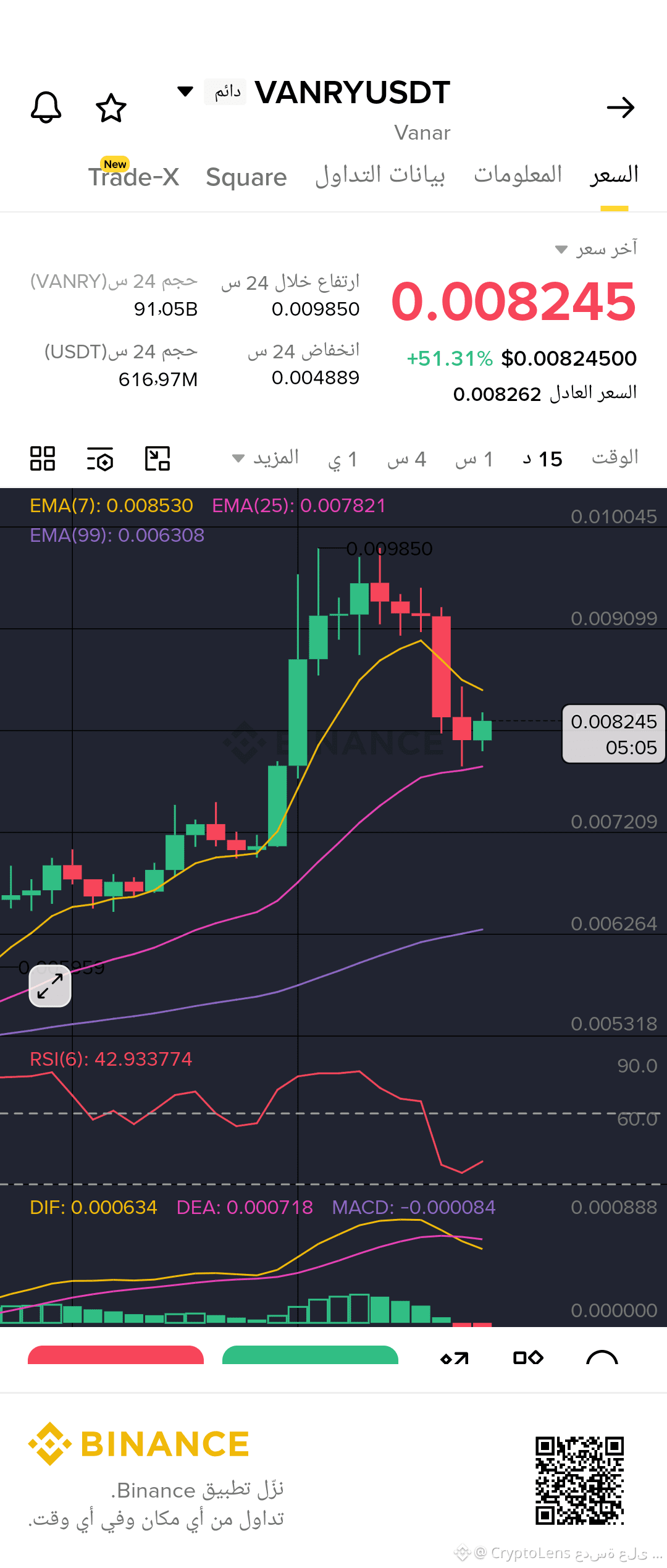
ついに市場を下落させ始めた!損切りが最高値にかかったままの状態で注文を解除し、0099を出し切ろう。大きな下落の波を起こせるのか見てみよう!👇👇
$VANRY
#Binance #BTC #VANRY #VANRYUSDT #VanryCoin
ついに市場を下落させ始めた!損切りが最高値にかかったままの状態で注文を解除し、0099を出し切ろう。大きな下落の波を起こせるのか見てみよう!👇👇
$VANRY
#Binance #BTC #VANRY #VANRYUSDT #VanryCoin
$VANRY
#Binance #BTC #VANRY #VANRYUSDT #VanryCoin
260

·
--
$VANRY Vanar Chain(VANRY)は、スケーラブルなWeb3アプリケーション、ゲーム、AI、デジタルエンターテインメントの構築に注力するブロックチェーン・プロジェクトです。エコシステムは、開発者とユーザーの両方に向けて高速かつ低コストの取引を提供することを目指しています。このコインは、提携や継続的なエコシステム開発により注目を集めています。VANRYの価格は変動しやすいため、暗号資産市場のリスクを理解している投資家に適しています。強い採用とネットワーク活動の増加は、中長期的な成長を後押しする可能性があります。しかし、市場全体のセンチメントや、他のブロックチェーン・プロジェクトとの競争が主な課題として残ります。トレーダーは意思決定を行う前に、重要なサポートおよびレジスタンスの水準を確認してください。長期投資家は、ロードマップの進捗、新たな統合、ユーザー採用の動向も併せて監視すべきです。いかなる暗号資産であっても、投資前に適切なリスク管理と徹底した調査が不可欠です。$VANRY #VANRYUSDT
{spot}(VANRYUSDT)
$VANRY Vanar Chain(VANRY)は、スケーラブルなWeb3アプリケーション、ゲーム、AI、デジタルエンターテインメントの構築に注力するブロックチェーン・プロジェクトです。エコシステムは、開発者とユーザーの両方に向けて高速かつ低コストの取引を提供することを目指しています。このコインは、提携や継続的なエコシステム開発により注目を集めています。VANRYの価格は変動しやすいため、暗号資産市場のリスクを理解している投資家に適しています。強い採用とネットワーク活動の増加は、中長期的な成長を後押しする可能性があります。しかし、市場全体のセンチメントや、他のブロックチェーン・プロジェクトとの競争が主な課題として残ります。トレーダーは意思決定を行う前に、重要なサポートおよびレジスタンスの水準を確認してください。長期投資家は、ロードマップの進捗、新たな統合、ユーザー採用の動向も併せて監視すべきです。いかなる暗号資産であっても、投資前に適切なリスク管理と徹底した調査が不可欠です。$VANRY #VANRYUSDT
168

·
--
ブリッシュ
アルトコイン・アクション 🎯
$VANRY +9% 🟢 $near 1% 🟡 $TRX +1% 🟢
強さを見せるアルトコイン!
VANRYがリード、TRXは安定、NEARは冷静に推移。
分散が鍵!
明日、どれが上回る? 🌟
#BinanceHerYerde #VANRYUSDT #Near #TRX
{spot}(VANRYUSDT)
アルトコイン・アクション 🎯
$VANRY +9% 🟢 $near 1% 🟡 $TRX +1% 🟢
強さを見せるアルトコイン!
VANRYがリード、TRXは安定、NEARは冷静に推移。
分散が鍵!
明日、どれが上回る? 🌟
#BinanceHerYerde #VANRYUSDT #Near #TRX
$VANRY +9% 🟢 $near 1% 🟡 $TRX +1% 🟢
強さを見せるアルトコイン!
VANRYがリード、TRXは安定、NEARは冷静に推移。
分散が鍵!
明日、どれが上回る? 🌟
#BinanceHerYerde #VANRYUSDT #Near #TRX
1
150

記事
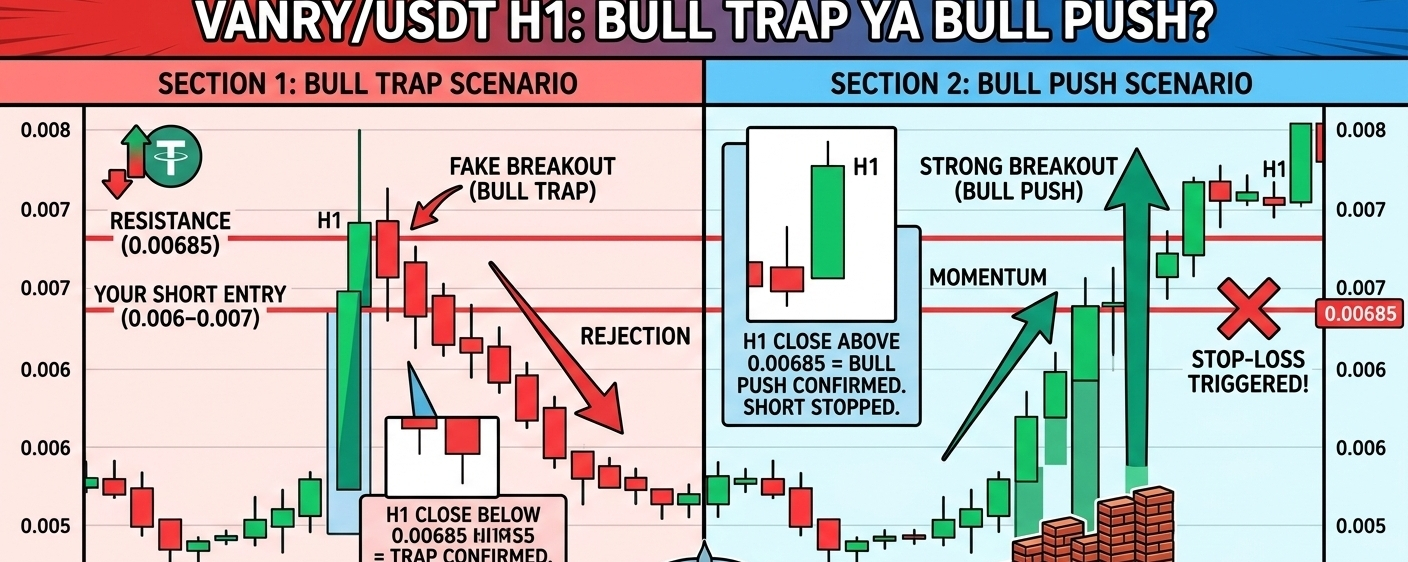
VANRY ショートセットアップVANRYのショートセットアップを0.006〜0.007付近で注視しています。
📍 ストップロス: H1終値が0.00685を上回る
買い勢はさらに押し上げるのか、それともこれは単なるブルトラップなのか?
#VANRYUSDT #VANRY/BTC <t-17/>#BinanceTurns9
VANRY ショートセットアップ
VANRYのショートセットアップを0.006〜0.007付近で注視しています。
📍 ストップロス: H1終値が0.00685を上回る
買い勢はさらに押し上げるのか、それともこれは単なるブルトラップなのか?
#VANRYUSDT #VANRY/BTC <t-17/>#BinanceTurns9
📍 ストップロス: H1終値が0.00685を上回る
買い勢はさらに押し上げるのか、それともこれは単なるブルトラップなのか?
#VANRYUSDT #VANRY/BTC <t-17/>#BinanceTurns9
12

·
--
ブリッシュ
🚀 $VANRY / USDT ロングセットアップ — 強気の反転が進行中! 🚀
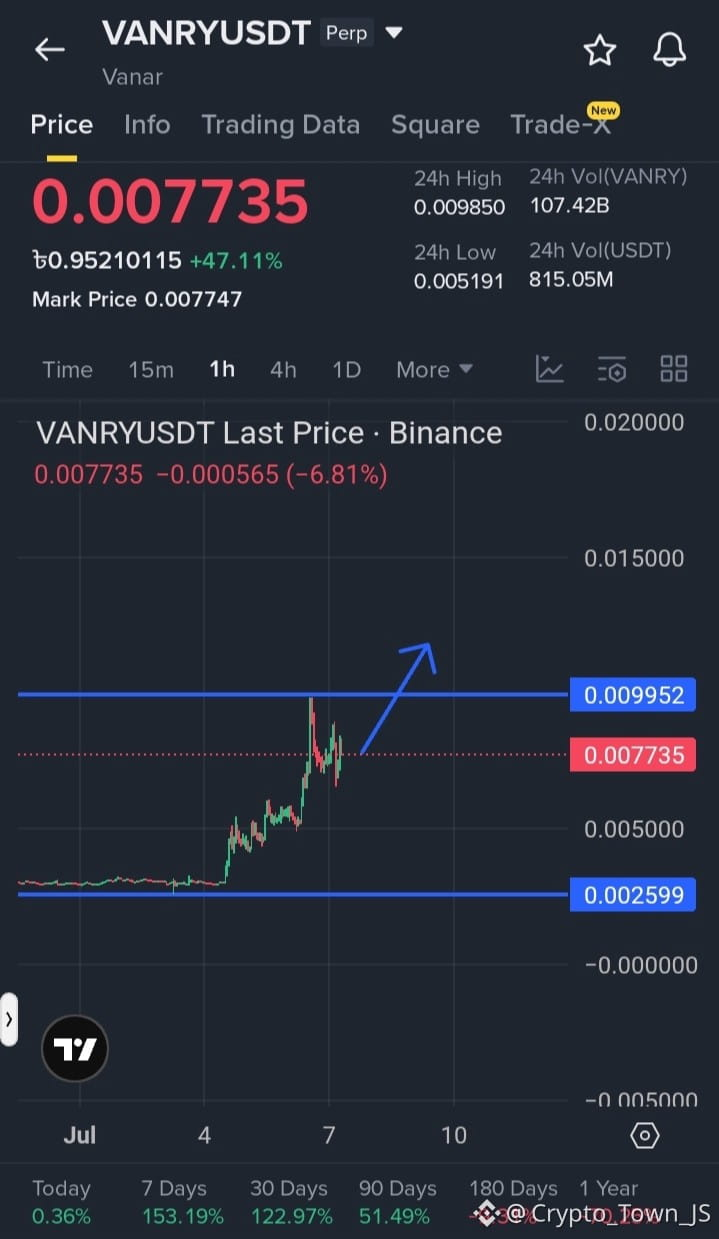
なんて大きな値動きだ! 🔥 VANRY(Vanar)は今日、驚異的な強さを見せており、直近24時間で爆発的な+47.11%の急騰を記録しています! 📈 24時間の取引高は圧倒的で、815.05M USDTに到達! 🐋💥
日中高値から一度軽い調整が入った後、強気派が再び積み上げています。チャート上の青い矢印は、大きなレジスタンス突破へまっすぐ向かっています!ここに私の確信度の高いロングセットアップを示します:
⚡ エントリーゾーン:0.00700 - 0.00775 $ 🛒
🎯 ターゲット1(TP1):0.00995 $(主要な青いレジスタンスラインをテスト) 💰
🎯 ターゲット2(TP2):0.01250 $(究極のブレイクアウト目標&矢印の到達地点) 💎
🛡️ ストップロス(SL):0.00550 $(直近のスイング安値の下で資金を保護) 🛑
⚠️ 市場分析:
VANRYは、下側の蓄積フロアである0.002599から強くデカップリング(切り離し)しています。現在はレンジで推移しており、1Hチャートではより高い安値を形成しています。現在の構造を維持する限り、0.009952の上抜けが次の大きな上昇局面への道を切り開きます! 🚀🔥
この調整ディップを買いますか?それとも、きれいなブレイクアウトの確定を待ちますか?下のコメント欄にお願いします! 👇💬
#VANRYUSDT #cryptotrading #technical_analysis #BinanceSquareFamily #Write2Earn
$BLUR $EPIC
{future}(EPICUSDT)
{future}(BLURUSDT)
{future}(VANRYUSDT)
🚀 $VANRY / USDT ロングセットアップ — 強気の反転が進行中! 🚀
なんて大きな値動きだ! 🔥 VANRY(Vanar)は今日、驚異的な強さを見せており、直近24時間で爆発的な+47.11%の急騰を記録しています! 📈 24時間の取引高は圧倒的で、815.05M USDTに到達! 🐋💥
日中高値から一度軽い調整が入った後、強気派が再び積み上げています。チャート上の青い矢印は、大きなレジスタンス突破へまっすぐ向かっています!ここに私の確信度の高いロングセットアップを示します:
⚡ エントリーゾーン:0.00700 - 0.00775 $ 🛒
🎯 ターゲット1(TP1):0.00995 $(主要な青いレジスタンスラインをテスト) 💰
🎯 ターゲット2(TP2):0.01250 $(究極のブレイクアウト目標&矢印の到達地点) 💎
🛡️ ストップロス(SL):0.00550 $(直近のスイング安値の下で資金を保護) 🛑
⚠️ 市場分析:
VANRYは、下側の蓄積フロアである0.002599から強くデカップリング(切り離し)しています。現在はレンジで推移しており、1Hチャートではより高い安値を形成しています。現在の構造を維持する限り、0.009952の上抜けが次の大きな上昇局面への道を切り開きます! 🚀🔥
この調整ディップを買いますか?それとも、きれいなブレイクアウトの確定を待ちますか?下のコメント欄にお願いします! 👇💬
#VANRYUSDT #cryptotrading #technical_analysis #BinanceSquareFamily #Write2Earn
$BLUR $EPIC
なんて大きな値動きだ! 🔥 VANRY(Vanar)は今日、驚異的な強さを見せており、直近24時間で爆発的な+47.11%の急騰を記録しています! 📈 24時間の取引高は圧倒的で、815.05M USDTに到達! 🐋💥
日中高値から一度軽い調整が入った後、強気派が再び積み上げています。チャート上の青い矢印は、大きなレジスタンス突破へまっすぐ向かっています!ここに私の確信度の高いロングセットアップを示します:
⚡ エントリーゾーン:0.00700 - 0.00775 $ 🛒
🎯 ターゲット1(TP1):0.00995 $(主要な青いレジスタンスラインをテスト) 💰
🎯 ターゲット2(TP2):0.01250 $(究極のブレイクアウト目標&矢印の到達地点) 💎
🛡️ ストップロス(SL):0.00550 $(直近のスイング安値の下で資金を保護) 🛑
⚠️ 市場分析:
VANRYは、下側の蓄積フロアである0.002599から強くデカップリング(切り離し)しています。現在はレンジで推移しており、1Hチャートではより高い安値を形成しています。現在の構造を維持する限り、0.009952の上抜けが次の大きな上昇局面への道を切り開きます! 🚀🔥
この調整ディップを買いますか?それとも、きれいなブレイクアウトの確定を待ちますか?下のコメント欄にお願いします! 👇💬
#VANRYUSDT #cryptotrading #technical_analysis #BinanceSquareFamily #Write2Earn
$BLUR $EPIC
249


·
--
$VANRY この取引は終わるのが早かった、規律の執行
結果:-24.67U | 保有 1分 | 損切りが発動
最高 +0.18%まで到達、最安 -3.3%まで下落
規律どおりに実行すればいい、行ったり来たりの芝居は不要
取引の振り返りのみで、投資助言ではありません。
#VANRYUSDT
$VANRY この取引は終わるのが早かった、規律の執行
結果:-24.67U | 保有 1分 | 損切りが発動
最高 +0.18%まで到達、最安 -3.3%まで下落
規律どおりに実行すればいい、行ったり来たりの芝居は不要
取引の振り返りのみで、投資助言ではありません。
#VANRYUSDT
結果:-24.67U | 保有 1分 | 損切りが発動
最高 +0.18%まで到達、最安 -3.3%まで下落
規律どおりに実行すればいい、行ったり来たりの芝居は不要
取引の振り返りのみで、投資助言ではありません。
#VANRYUSDT
156

·
--
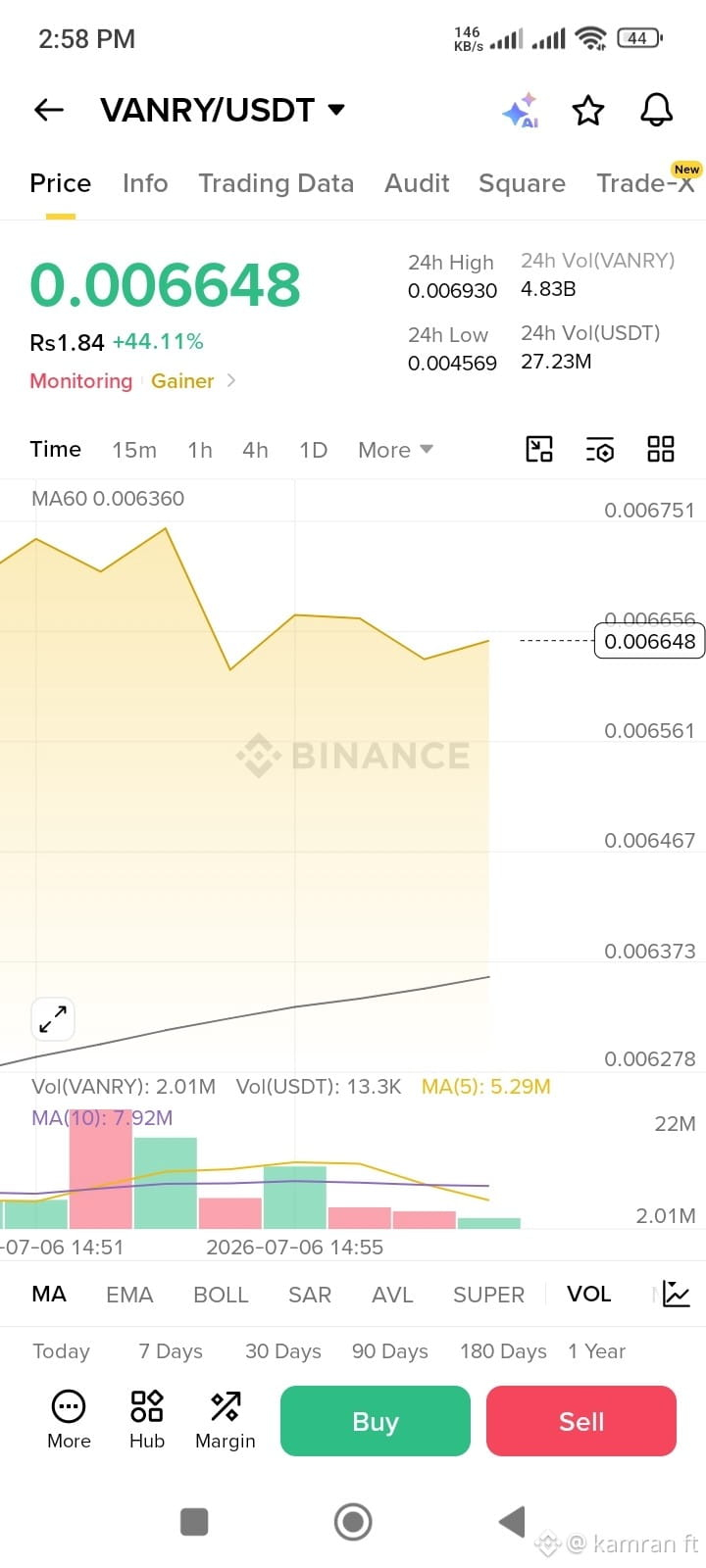
$VANRYは絶対に燃え上がっています。建玉(オープンインタレスト)は過去24時間で106%急増し、新たに6000万イェン超のポジションが追加された一方で、価格はさらに爆発的に上昇し続けています。
価格と建玉の両方が同期して上昇するこのような動きは、大きなブレイクアウトの前によく見られるセッティングです。勢いは急速に強まっており、$VANRYはまだ始まったばかりかもしれません。
#VANRYUSDT
$VANRYは絶対に燃え上がっています。建玉(オープンインタレスト)は過去24時間で106%急増し、新たに6000万イェン超のポジションが追加された一方で、価格はさらに爆発的に上昇し続けています。
価格と建玉の両方が同期して上昇するこのような動きは、大きなブレイクアウトの前によく見られるセッティングです。勢いは急速に強まっており、$VANRYはまだ始まったばかりかもしれません。
#VANRYUSDT
価格と建玉の両方が同期して上昇するこのような動きは、大きなブレイクアウトの前によく見られるセッティングです。勢いは急速に強まっており、$VANRYはまだ始まったばかりかもしれません。
#VANRYUSDT
183

·
--
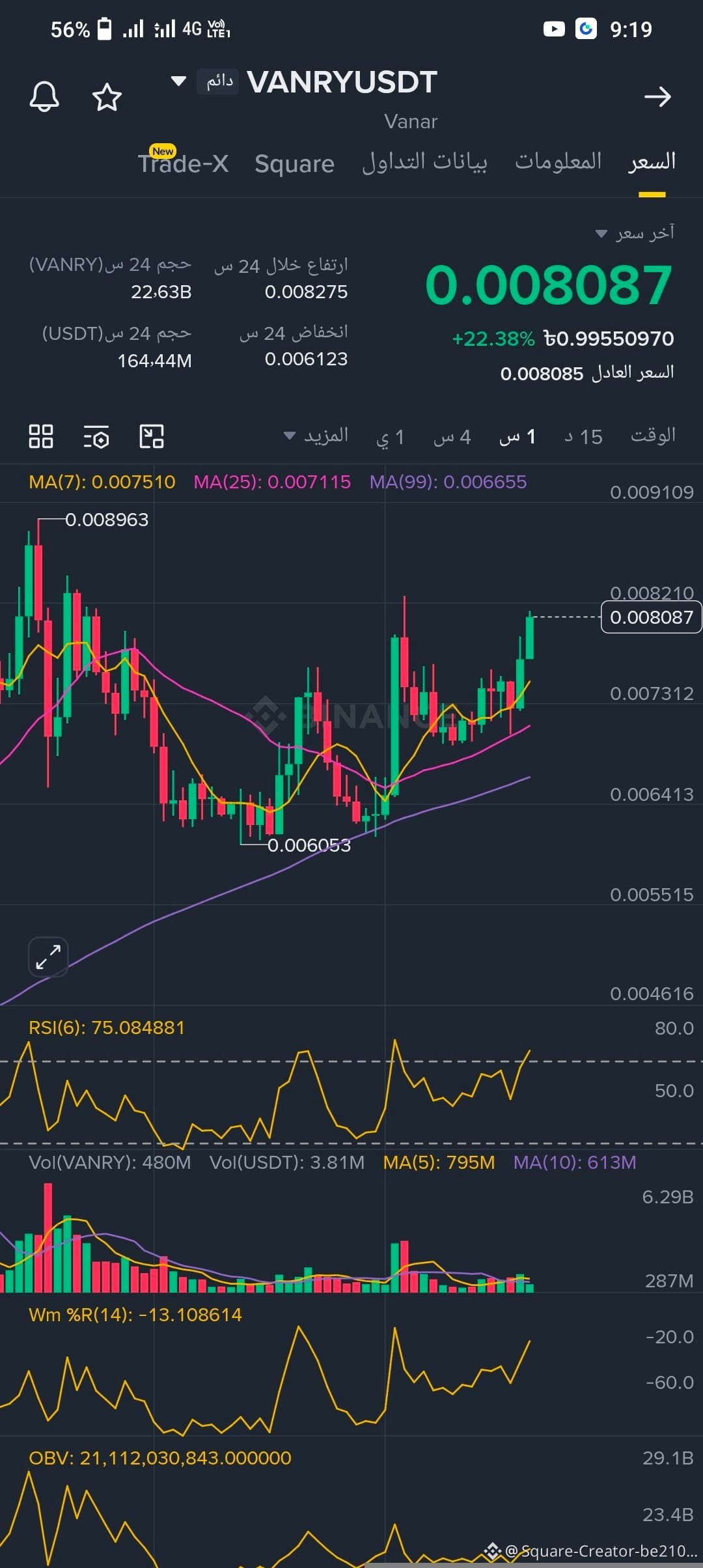
$VANRY
{future}(VANRYUSDT)
– 攻撃(侵入)を再テストし、上昇モメンタムは継続
取引の準備:買い(Long)
📍 エントリーエリア:0.00790 – 0.00802 ドル
🛑 損切り:0.00766 ドル
🎯 目標:
· TP1:0.00820
· TP2:0.00840
· TP3:0.00862
テクニカル見解:
価格は明確にレジスタンスをブレイクし、その後に破られたゾーンの成功したリテストが続きました。これは買い手の支配と、ポジティブなモメンタムの継続を示しています。価格が指定したサポート水準を上回っている限り、上記の目標に向かう新たな上昇波の可能性は依然としてあります。
$VANRY
リスク管理:
· レバレッジは20倍を超えないことを推奨します。
· 最初の目標(TP1)を達成したら損切りを損益分岐点へ移動し、利益を保護してください。
現在の価格:0.008064 ドル(+22.36%)
🔗 取引を$VANRY で実行はこちら👇
#VANRY #VANRYUSDT
$VANRY
– 攻撃(侵入)を再テストし、上昇モメンタムは継続
取引の準備:買い(Long)
📍 エントリーエリア:0.00790 – 0.00802 ドル
🛑 損切り:0.00766 ドル
🎯 目標:
· TP1:0.00820
· TP2:0.00840
· TP3:0.00862
テクニカル見解:
価格は明確にレジスタンスをブレイクし、その後に破られたゾーンの成功したリテストが続きました。これは買い手の支配と、ポジティブなモメンタムの継続を示しています。価格が指定したサポート水準を上回っている限り、上記の目標に向かう新たな上昇波の可能性は依然としてあります。
$VANRY
リスク管理:
· レバレッジは20倍を超えないことを推奨します。
· 最初の目標(TP1)を達成したら損切りを損益分岐点へ移動し、利益を保護してください。
現在の価格:0.008064 ドル(+22.36%)
🔗 取引を$VANRY で実行はこちら👇
#VANRY #VANRYUSDT
– 攻撃(侵入)を再テストし、上昇モメンタムは継続
取引の準備:買い(Long)
📍 エントリーエリア:0.00790 – 0.00802 ドル
🛑 損切り:0.00766 ドル
🎯 目標:
· TP1:0.00820
· TP2:0.00840
· TP3:0.00862
テクニカル見解:
価格は明確にレジスタンスをブレイクし、その後に破られたゾーンの成功したリテストが続きました。これは買い手の支配と、ポジティブなモメンタムの継続を示しています。価格が指定したサポート水準を上回っている限り、上記の目標に向かう新たな上昇波の可能性は依然としてあります。
$VANRY
リスク管理:
· レバレッジは20倍を超えないことを推奨します。
· 最初の目標(TP1)を達成したら損切りを損益分岐点へ移動し、利益を保護してください。
現在の価格:0.008064 ドル(+22.36%)
🔗 取引を$VANRY で実行はこちら👇
#VANRY #VANRYUSDT
381

VANRYは短期で仕掛けられそうな熟れ具合です。下落のブレイクが起きそうな気配が出ています。価格は重要な水準のすぐ上を推移しており、下に落ちるトリガーを待っている状態です。
━━━━━━━━━━━━━━━━━━━━━
🔴 VANRY ショート 📉
━━━━━━━━━━━━━━━━━━━━━
📍 エントリー範囲: $0.006684 – $0.006698
🛑 ストップロス: $0.006892 (-3.0%)
🎯 TP1: $0.006591 (+1.5%)
🏆 TP2: $0.006356 (+5.0%)
⚡ R/R(リスクリワード)比: 1:1.7
📊 信頼度: 88%
━━━━━━━━━━━━━━━━━━━━━
このVANRYのショート設定には注目しています。理由は明確なシグナルの組み合わせが揃っているからです。市場構造のブレイクがはっきりしていて、出来高が方向性を裏付けており、さらにフェアバリュー・ギャップも一致しています。オーダーブロックとPOIのコンフルエンス(重なり)がその上乗せになっていて、かなり魅力的なトレードです。ここでの構造はかなり脆そうにも見えます。
ストップロスは3.0%なので、私が理想とするより少しタイトです。そのため、急な吹き飛び(ブローアウト)を避けるためにレバレッジは控えめにします。
TP1に到達したら、まずは利益を一部確定して、残りは本当に走るかどうか見ながら持ちたいと思います。
金融アドバイスではありません — 必ず自己責任でリスク管理をしてください 🙏
#VANRYUSDT $VANRY #SMC #Write2Earn #Binance
VANRYは短期で仕掛けられそうな熟れ具合です。下落のブレイクが起きそうな気配が出ています。価格は重要な水準のすぐ上を推移しており、下に落ちるトリガーを待っている状態です。
━━━━━━━━━━━━━━━━━━━━━
🔴 VANRY ショート 📉
━━━━━━━━━━━━━━━━━━━━━
📍 エントリー範囲: $0.006684 – $0.006698
🛑 ストップロス: $0.006892 (-3.0%)
🎯 TP1: $0.006591 (+1.5%)
🏆 TP2: $0.006356 (+5.0%)
⚡ R/R(リスクリワード)比: 1:1.7
📊 信頼度: 88%
━━━━━━━━━━━━━━━━━━━━━
このVANRYのショート設定には注目しています。理由は明確なシグナルの組み合わせが揃っているからです。市場構造のブレイクがはっきりしていて、出来高が方向性を裏付けており、さらにフェアバリュー・ギャップも一致しています。オーダーブロックとPOIのコンフルエンス(重なり)がその上乗せになっていて、かなり魅力的なトレードです。ここでの構造はかなり脆そうにも見えます。
ストップロスは3.0%なので、私が理想とするより少しタイトです。そのため、急な吹き飛び(ブローアウト)を避けるためにレバレッジは控えめにします。
TP1に到達したら、まずは利益を一部確定して、残りは本当に走るかどうか見ながら持ちたいと思います。
金融アドバイスではありません — 必ず自己責任でリスク管理をしてください 🙏
#VANRYUSDT $VANRY #SMC #Write2Earn #Binance
━━━━━━━━━━━━━━━━━━━━━
🔴 VANRY ショート 📉
━━━━━━━━━━━━━━━━━━━━━
📍 エントリー範囲: $0.006684 – $0.006698
🛑 ストップロス: $0.006892 (-3.0%)
🎯 TP1: $0.006591 (+1.5%)
🏆 TP2: $0.006356 (+5.0%)
⚡ R/R(リスクリワード)比: 1:1.7
📊 信頼度: 88%
━━━━━━━━━━━━━━━━━━━━━
このVANRYのショート設定には注目しています。理由は明確なシグナルの組み合わせが揃っているからです。市場構造のブレイクがはっきりしていて、出来高が方向性を裏付けており、さらにフェアバリュー・ギャップも一致しています。オーダーブロックとPOIのコンフルエンス(重なり)がその上乗せになっていて、かなり魅力的なトレードです。ここでの構造はかなり脆そうにも見えます。
ストップロスは3.0%なので、私が理想とするより少しタイトです。そのため、急な吹き飛び(ブローアウト)を避けるためにレバレッジは控えめにします。
TP1に到達したら、まずは利益を一部確定して、残りは本当に走るかどうか見ながら持ちたいと思います。
金融アドバイスではありません — 必ず自己責任でリスク管理をしてください 🙏
#VANRYUSDT $VANRY #SMC #Write2Earn #Binance
91

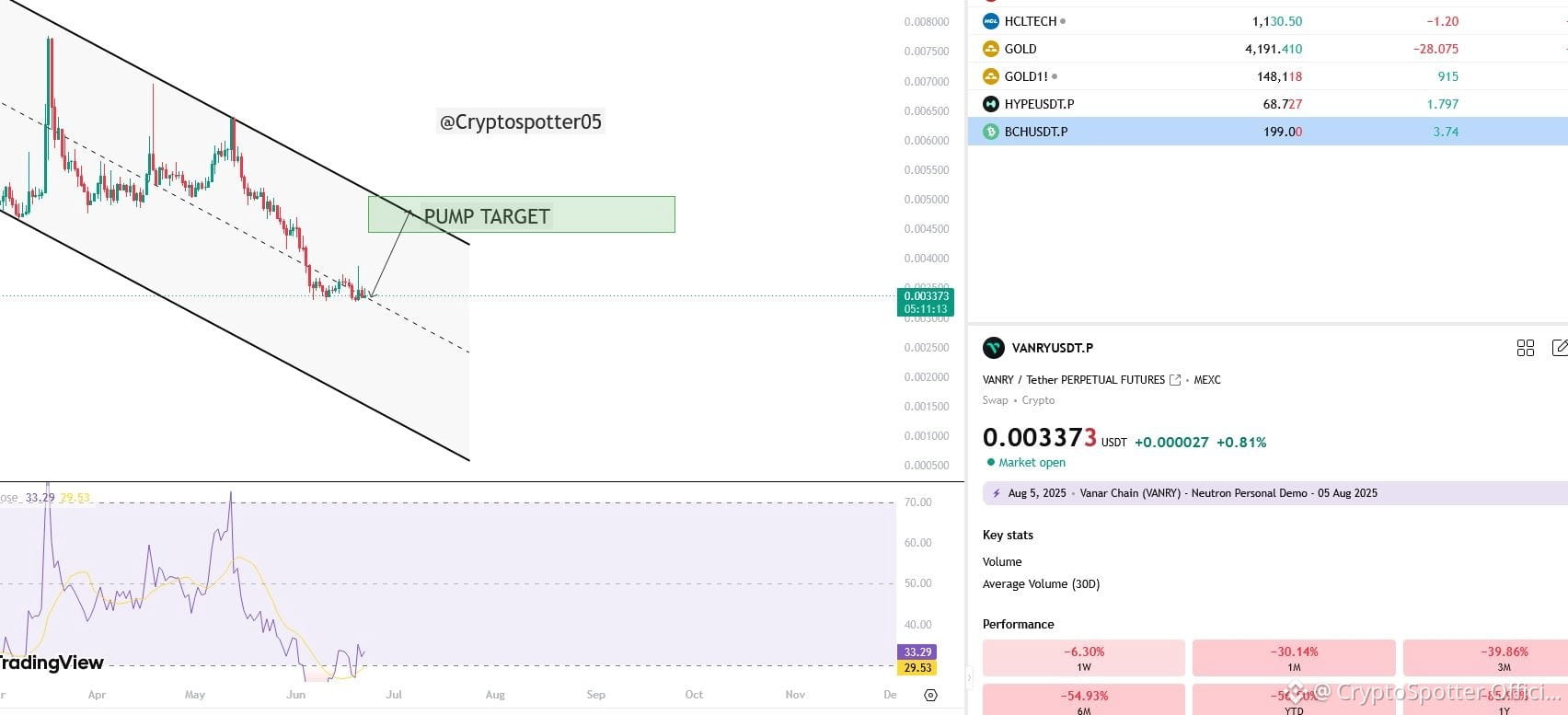
$VANRY チャートリクエスト 🚨
ターゲットゾーンへのポンプを期待しています
それは約0.0045以上です。
要するに、最良のシナリオは7月に1.5xから2xです..
頑張ってください。
@Cryptospotter1505 をフォローしてください
#VANRY #VANRYUSDT
$VANRY チャートリクエスト 🚨
ターゲットゾーンへのポンプを期待しています
それは約0.0045以上です。
要するに、最良のシナリオは7月に1.5xから2xです..
頑張ってください。
@CryptoSpotter Official をフォローしてください
#VANRY #VANRYUSDT
ターゲットゾーンへのポンプを期待しています
それは約0.0045以上です。
要するに、最良のシナリオは7月に1.5xから2xです..
頑張ってください。
@CryptoSpotter Official をフォローしてください
#VANRY #VANRYUSDT
410
·
--
$VANRY 先放进観察池
現物盤24hで31.0%上昇、現在値 0.00385
1hで14.8%急騰
今はより注意喚起という感じで、エントリー(建て)信号ではない。いったん下げたのを確認してから判断しよう
発動ラインに達するまでは、観察するだけで無闇に押さない
あくまで観察のみで、推奨ではありません。DYOR
#VANRYUSDT
$VANRY 先放进観察池
現物盤24hで31.0%上昇、現在値 0.00385
1hで14.8%急騰
今はより注意喚起という感じで、エントリー(建て)信号ではない。いったん下げたのを確認してから判断しよう
発動ラインに達するまでは、観察するだけで無闇に押さない
あくまで観察のみで、推奨ではありません。DYOR
#VANRYUSDT
現物盤24hで31.0%上昇、現在値 0.00385
1hで14.8%急騰
今はより注意喚起という感じで、エントリー(建て)信号ではない。いったん下げたのを確認してから判断しよう
発動ラインに達するまでは、観察するだけで無闇に押さない
あくまで観察のみで、推奨ではありません。DYOR
#VANRYUSDT
276

·
--
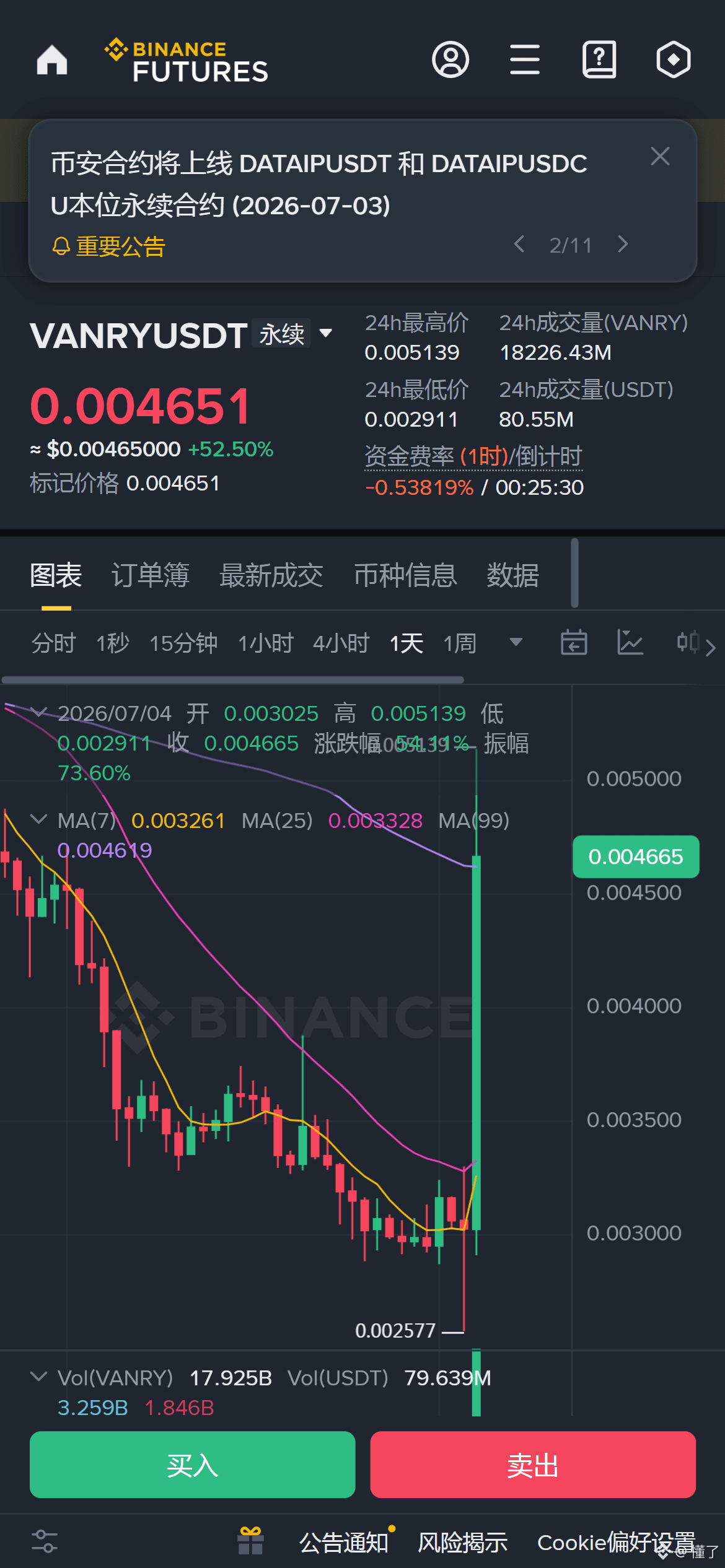
$VANRY
VANRYこの資金の動きがヤバい😏。契約の約定と保有量がともに急上昇していて、賢い資金はとっくに待機していた。みんなが今さら気づいたの?遅い!俺は主力についていくだけで相場は予想しない。できたての💰 #VANRYUSDT
$VANRY
VANRYこの資金の動きがヤバい😏。契約の約定と保有量がともに急上昇していて、賢い資金はとっくに待機していた。みんなが今さら気づいたの?遅い!俺は主力についていくだけで相場は予想しない。できたての💰 #VANRYUSDT
VANRYこの資金の動きがヤバい😏。契約の約定と保有量がともに急上昇していて、賢い資金はとっくに待機していた。みんなが今さら気づいたの?遅い!俺は主力についていくだけで相場は予想しない。できたての💰 #VANRYUSDT
303
VANRY は 94% の確信度でロングの長期トレードを準備しており、リスク/リワードは 1:1.7 を提示しています。現在の市場環境は成功確率が高いことを示しています。
━━━━━━━━━━━━━━━━━━━━━
🟢 VANRY ロング 📈
━━━━━━━━━━━━━━━━━━━━━
📍 エントリー範囲: $0.005005 – $0.005015
🛑 ストップロス: $0.004860 (-3.0%)
🎯 TP1: $0.005085 (+1.5%)
🏆 TP2: $0.005260 (+5.0%)
⚡ R/R 比率: 1:1.7
📊 確信度: 94%
━━━━━━━━━━━━━━━━━━━━━
CHoCH シグナルが発火し、市場構造のブレイクが示されています。さらに、FVG と OB が収束して強力な POI(反応の注目ゾーン)合流が形成されており、大きな値動きが間もなく起こることを示唆しています。複数のシグナルが重なることでトレード構成が補強され、上昇余地が見込まれます。市場構造はブレイクアウトに適した状態です。
3.0% のストップロスは比較的タイトであり、リスクを管理しながらリターンを最大化するために中程度のレバレッジの使用が示唆されます。
初回ターゲットで一部利確して利益を確定し、ストップロスを損益分岐(ブレークイーブン)まで調整して、残りのポジションが想定トレンドに乗れるようにすることを検討してください。
※金融アドバイスではありません—必ずご自身でリスク管理をしてください 🙏
#VANRYUSDT $VANRY #SMC #Write2Earn #Binance
VANRY は 94% の確信度でロングの長期トレードを準備しており、リスク/リワードは 1:1.7 を提示しています。現在の市場環境は成功確率が高いことを示しています。
━━━━━━━━━━━━━━━━━━━━━
🟢 VANRY ロング 📈
━━━━━━━━━━━━━━━━━━━━━
📍 エントリー範囲: $0.005005 – $0.005015
🛑 ストップロス: $0.004860 (-3.0%)
🎯 TP1: $0.005085 (+1.5%)
🏆 TP2: $0.005260 (+5.0%)
⚡ R/R 比率: 1:1.7
📊 確信度: 94%
━━━━━━━━━━━━━━━━━━━━━
CHoCH シグナルが発火し、市場構造のブレイクが示されています。さらに、FVG と OB が収束して強力な POI(反応の注目ゾーン)合流が形成されており、大きな値動きが間もなく起こることを示唆しています。複数のシグナルが重なることでトレード構成が補強され、上昇余地が見込まれます。市場構造はブレイクアウトに適した状態です。
3.0% のストップロスは比較的タイトであり、リスクを管理しながらリターンを最大化するために中程度のレバレッジの使用が示唆されます。
初回ターゲットで一部利確して利益を確定し、ストップロスを損益分岐(ブレークイーブン)まで調整して、残りのポジションが想定トレンドに乗れるようにすることを検討してください。
※金融アドバイスではありません—必ずご自身でリスク管理をしてください 🙏
#VANRYUSDT $VANRY #SMC #Write2Earn #Binance
━━━━━━━━━━━━━━━━━━━━━
🟢 VANRY ロング 📈
━━━━━━━━━━━━━━━━━━━━━
📍 エントリー範囲: $0.005005 – $0.005015
🛑 ストップロス: $0.004860 (-3.0%)
🎯 TP1: $0.005085 (+1.5%)
🏆 TP2: $0.005260 (+5.0%)
⚡ R/R 比率: 1:1.7
📊 確信度: 94%
━━━━━━━━━━━━━━━━━━━━━
CHoCH シグナルが発火し、市場構造のブレイクが示されています。さらに、FVG と OB が収束して強力な POI(反応の注目ゾーン)合流が形成されており、大きな値動きが間もなく起こることを示唆しています。複数のシグナルが重なることでトレード構成が補強され、上昇余地が見込まれます。市場構造はブレイクアウトに適した状態です。
3.0% のストップロスは比較的タイトであり、リスクを管理しながらリターンを最大化するために中程度のレバレッジの使用が示唆されます。
初回ターゲットで一部利確して利益を確定し、ストップロスを損益分岐(ブレークイーブン)まで調整して、残りのポジションが想定トレンドに乗れるようにすることを検討してください。
※金融アドバイスではありません—必ずご自身でリスク管理をしてください 🙏
#VANRYUSDT $VANRY #SMC #Write2Earn #Binance
113

·
--
📋 上期の振り返り(3銘柄 | 勝率 33% | 平均 +7.92%)
📈 $HOT((やや強気))
エントリー 0.00035400-0.00040000 → 現値 0.00038900 | 変動 +3.18% | 利益中 ✅
🛑 $EPIC((やや弱気))
エントリー 0.43250-0.52640 → 現値 0.44800 | 変動 -6.56% | 損切り完了❌
🎉 $VANRY((やや強気))
エントリー 0.004363-0.004600 → 現値 0.005697 | 変動 +27.12% | 🎯 第2の利確は達成!
🤩 前回まとめ:全体的に利益、引き続き頑張りましょう!
---
寄り付き見たら $VANRY がまた動いてる、すぐにみんなに分析を共有します
💰 現値:0.005900 USDT(2H +73.07%)
📈 4H 指標
RSI:77.9 ⚠️ 過買いゾーン、調整に注意
MACD:ゴールデンクロス🟢
トレンド:強気の並び✅ トレンドは良好
📊 日足指標
RSI:80.8
MA7/25:移動平均線上✅
MA99:年線上✅
MACD:ゴールデンクロス🟢
⚡ モメンタム
トレンド方向:やや強い(やや強気)
モメンタム 1H:+9.58 強気モメンタム↑
モメンタム 4H:+0.80 強気モメンタム↑
乖離シグナル:1H なし | 4H なし
モメンタム強度:強い 🔥
出来高:📊 取引量増(倍率 9.47x)
🔗 オンチェーン追跡
OI 変化 1H:+30.32%
OI 変化 4H:+36.61%
1H 資金フロー:強気の流入🟢 | ネット流入:778.42K
4H 資金フロー:弱気の流入🔴 | ネット流入:-2.53M
主力の動き:買い/売りの乗り換え
ファンディングレート:-0.0015%
🎯 取引アドバイス
方向:🟢 買い
エントリー:0.004718-0.005900
強めの損切り:0.004609
第1利確:0.006195
第2利確:0.006490
推奨レバレッジ:5x
#VANRY #VANRYUSDT #币安广场 #テクニカル分析
📋 上期の振り返り(3銘柄 | 勝率 33% | 平均 +7.92%)
📈 $HOT ((やや強気))
エントリー 0.00035400-0.00040000 → 現値 0.00038900 | 変動 +3.18% | 利益中 ✅
🛑 $EPIC ((やや弱気))
エントリー 0.43250-0.52640 → 現値 0.44800 | 変動 -6.56% | 損切り完了❌
🎉 $VANRY((やや強気))
エントリー 0.004363-0.004600 → 現値 0.005697 | 変動 +27.12% | 🎯 第2の利確は達成!
🤩 前回まとめ:全体的に利益、引き続き頑張りましょう!
---
寄り付き見たら $VANRY がまた動いてる、すぐにみんなに分析を共有します
💰 現値:0.005900 USDT(2H +73.07%)
📈 4H 指標
RSI:77.9 ⚠️ 過買いゾーン、調整に注意
MACD:ゴールデンクロス🟢
トレンド:強気の並び✅ トレンドは良好
📊 日足指標
RSI:80.8
MA7/25:移動平均線上✅
MA99:年線上✅
MACD:ゴールデンクロス🟢
⚡ モメンタム
トレンド方向:やや強い(やや強気)
モメンタム 1H:+9.58 強気モメンタム↑
モメンタム 4H:+0.80 強気モメンタム↑
乖離シグナル:1H なし | 4H なし
モメンタム強度:強い 🔥
出来高:📊 取引量増(倍率 9.47x)
🔗 オンチェーン追跡
OI 変化 1H:+30.32%
OI 変化 4H:+36.61%
1H 資金フロー:強気の流入🟢 | ネット流入:778.42K
4H 資金フロー:弱気の流入🔴 | ネット流入:-2.53M
主力の動き:買い/売りの乗り換え
ファンディングレート:-0.0015%
🎯 取引アドバイス
方向:🟢 買い
エントリー:0.004718-0.005900
強めの損切り:0.004609
第1利確:0.006195
第2利確:0.006490
推奨レバレッジ:5x
#VANRY #VANRYUSDT #币安广场 #テクニカル分析
📈 $HOT ((やや強気))
エントリー 0.00035400-0.00040000 → 現値 0.00038900 | 変動 +3.18% | 利益中 ✅
🛑 $EPIC ((やや弱気))
エントリー 0.43250-0.52640 → 現値 0.44800 | 変動 -6.56% | 損切り完了❌
🎉 $VANRY((やや強気))
エントリー 0.004363-0.004600 → 現値 0.005697 | 変動 +27.12% | 🎯 第2の利確は達成!
🤩 前回まとめ:全体的に利益、引き続き頑張りましょう!
---
寄り付き見たら $VANRY がまた動いてる、すぐにみんなに分析を共有します
💰 現値:0.005900 USDT(2H +73.07%)
📈 4H 指標
RSI:77.9 ⚠️ 過買いゾーン、調整に注意
MACD:ゴールデンクロス🟢
トレンド:強気の並び✅ トレンドは良好
📊 日足指標
RSI:80.8
MA7/25:移動平均線上✅
MA99:年線上✅
MACD:ゴールデンクロス🟢
⚡ モメンタム
トレンド方向:やや強い(やや強気)
モメンタム 1H:+9.58 強気モメンタム↑
モメンタム 4H:+0.80 強気モメンタム↑
乖離シグナル:1H なし | 4H なし
モメンタム強度:強い 🔥
出来高:📊 取引量増(倍率 9.47x)
🔗 オンチェーン追跡
OI 変化 1H:+30.32%
OI 変化 4H:+36.61%
1H 資金フロー:強気の流入🟢 | ネット流入:778.42K
4H 資金フロー:弱気の流入🔴 | ネット流入:-2.53M
主力の動き:買い/売りの乗り換え
ファンディングレート:-0.0015%
🎯 取引アドバイス
方向:🟢 買い
エントリー:0.004718-0.005900
強めの損切り:0.004609
第1利確:0.006195
第2利確:0.006490
推奨レバレッジ:5x
#VANRY #VANRYUSDT #币安广场 #テクニカル分析
197

✒️ 収益性の高いペンが、本当の昔話を物語っている――名もなき者が盤面をひっくり返せる場所。
🏆 LONG $VANRY
Entry: 0.00376
TP: 0.00395 | SL: 0.00339
💼 大手銀行は、このデジタル資産の波から外れられません。
🔍 サポート・コンフルエンス(合流ゾーン)が、非常に良い状態で価格を支えています。
📈 口座の飛躍は、思考の成熟に比例しています。
🍀 幸運に満ちた一日を。そして、恐るべきほど冴えたエントリー判断を。
#VANRYUSDT $VANRYUSDT
✒️ 収益性の高いペンが、本当の昔話を物語っている――名もなき者が盤面をひっくり返せる場所。
🏆 LONG $VANRY
Entry: 0.00376
TP: 0.00395 | SL: 0.00339
💼 大手銀行は、このデジタル資産の波から外れられません。
🔍 サポート・コンフルエンス(合流ゾーン)が、非常に良い状態で価格を支えています。
📈 口座の飛躍は、思考の成熟に比例しています。
🍀 幸運に満ちた一日を。そして、恐るべきほど冴えたエントリー判断を。
#VANRYUSDT $VANRYUSDT
🏆 LONG $VANRY
Entry: 0.00376
TP: 0.00395 | SL: 0.00339
💼 大手銀行は、このデジタル資産の波から外れられません。
🔍 サポート・コンフルエンス(合流ゾーン)が、非常に良い状態で価格を支えています。
📈 口座の飛躍は、思考の成熟に比例しています。
🍀 幸運に満ちた一日を。そして、恐るべきほど冴えたエントリー判断を。
#VANRYUSDT $VANRYUSDT
265
ログインして、さらにコンテンツを読む
厳選トピックで世界の暗号資産トレーダーの仲間入り
⚡️ 暗号資産に関する最新かつ有益な情報が見つかります。
💬 世界最大の暗号資産取引所から信頼されています。
👍 認証を受けたクリエイターから、有益なインサイトを得られます。
メール / 電話番号
トレンドトピック
1
#StellarActivatesProtocol28At211TPS
閲覧回数 2,346
85人が討論中
2
#SECGrantsInnovationExemptionForTokenizedStocks
閲覧回数 2,348
108人が討論中
3
#XRPGains3%AsRippleAddsMPPSupport
閲覧回数 1,328
80人が討論中
4
#SPGlobalToAcquireOpenZeppelin
閲覧回数 1,004
54人が討論中
5
#BitcoinSurpasses$77000
閲覧回数 19,641
233人が討論中
6
#ParadigmDisclosesZECHolding
閲覧回数 81,544
1,169人が討論中
7
#BitcoinETFsShed$450M
閲覧回数 27,968
223人が討論中
8
#USWeeklyJoblessClaimsFallTo196K
閲覧回数 45,062
673人が討論中
9
#ArkhamSaysBlackRockBuys$1.5BInETH
閲覧回数 7,554
74人が討論中
10
#FCARaidsThreeLondonIllegalCryptoSites
閲覧回数 3,377
89人が討論中