

#usdc
usdc
閲覧回数 579.3M
2.6M人が討論中
注目
最新

·
--
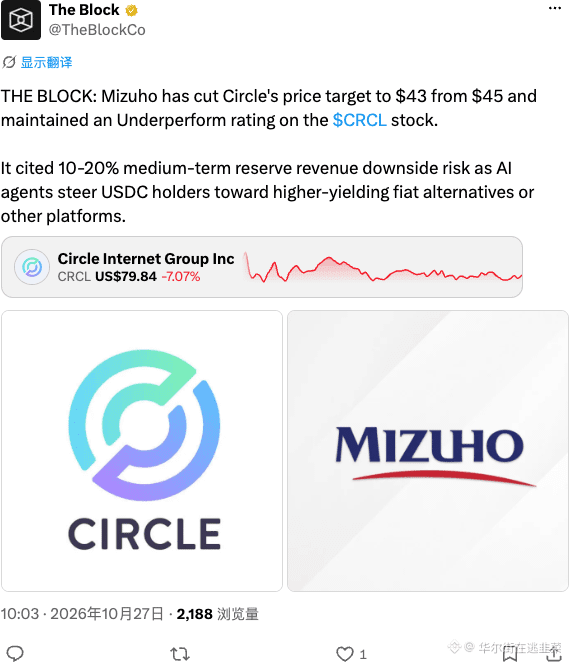
JPモルガンは、AIがUSDCの商売を奪うとして、Circleの目標株価を43ドルに引き下げた。これは単なる格下げではなく、ステーブルコインへの警鐘だ。真の流動性の刈り取り役はAIなのだ。利回りばかりに目を向けず、AIに持ち分を換金されないよう注意しよう。
$CRCL #AI #USDC
JPモルガンは、AIがUSDCの商売を奪うとして、Circleの目標株価を43ドルに引き下げた。これは単なる格下げではなく、ステーブルコインへの警鐘だ。真の流動性の刈り取り役はAIなのだ。利回りばかりに目を向けず、AIに持ち分を換金されないよう注意しよう。
$CRCL #AI #USDC
$CRCL #AI #USDC
1
331

翻訳参照
AI agents đe dọa doanh thu Circle lên đến 20%
- Mizuho dự báo rủi ro giảm doanh thu trung hạn từ 10-20% cho Circle.
- Nguyên nhân là AI agents hướng người dùng USDC sang các phương pháp tài chính fiat có lợi suất cao hơn.
- Điều này có thể ảnh hưởng đến thu nhập từ dự trữ của Circle.
#BinanceSquare #CryptoNews #USDC
$usdc
#vlikevn #Titanbot
Nguồn: The Block
AI agents đe dọa doanh thu Circle lên đến 20%
- Mizuho dự báo rủi ro giảm doanh thu trung hạn từ 10-20% cho Circle.
- Nguyên nhân là AI agents hướng người dùng USDC sang các phương pháp tài chính fiat có lợi suất cao hơn.
- Điều này có thể ảnh hưởng đến thu nhập từ dự trữ của Circle.
#BinanceSquare #CryptoNews #USDC
$usdc
#vlikevn #Titanbot
Nguồn: The Block
- Mizuho dự báo rủi ro giảm doanh thu trung hạn từ 10-20% cho Circle.
- Nguyên nhân là AI agents hướng người dùng USDC sang các phương pháp tài chính fiat có lợi suất cao hơn.
- Điều này có thể ảnh hưởng đến thu nhập từ dự trữ của Circle.
#BinanceSquare #CryptoNews #USDC
$usdc
#vlikevn #Titanbot
Nguồn: The Block

·
--
翻訳参照
⚖️ $USDC | USDC at $71.0 billion: does $11.4 billion in daily volume fit its size?
At the 2026-10-27 06:22 UTC snapshot, USDC carries a $71.0 billion market cap and rank 6, with $11.4 billion traded in 24 hours and a price of $0.9994, about -0.06% from the USD 1.00 reference. One reading sees that turnover as healthy liquidity for a fully collateralized dollar stablecoin used as a bridge between dollars and exchanges. Another asks whether a top-six asset should see more activity, or whether steady, moderate turnover is exactly what a settlement-focused stablecoin should look like.
Why it matters: For a stablecoin, volume relative to market cap hints at how much it is used for trading and settlement versus simply held, which matters for judging its role in the ecosystem.
💬 Is moderate turnover relative to market cap a sign of stability or of underuse for a dollar stablecoin?
Source: Official site https://www.circle.com/en/usdc
#USDC #Stablecoins
⚖️ $USDC | USDC at $71.0 billion: does $11.4 billion in daily volume fit its size?
At the 2026-10-27 06:22 UTC snapshot, USDC carries a $71.0 billion market cap and rank 6, with $11.4 billion traded in 24 hours and a price of $0.9994, about -0.06% from the USD 1.00 reference. One reading sees that turnover as healthy liquidity for a fully collateralized dollar stablecoin used as a bridge between dollars and exchanges. Another asks whether a top-six asset should see more activity, or whether steady, moderate turnover is exactly what a settlement-focused stablecoin should look like.
Why it matters: For a stablecoin, volume relative to market cap hints at how much it is used for trading and settlement versus simply held, which matters for judging its role in the ecosystem.
💬 Is moderate turnover relative to market cap a sign of stability or of underuse for a dollar stablecoin?
Source: Official site https://www.circle.com/en/usdc
#USDC #Stablecoins
At the 2026-10-27 06:22 UTC snapshot, USDC carries a $71.0 billion market cap and rank 6, with $11.4 billion traded in 24 hours and a price of $0.9994, about -0.06% from the USD 1.00 reference. One reading sees that turnover as healthy liquidity for a fully collateralized dollar stablecoin used as a bridge between dollars and exchanges. Another asks whether a top-six asset should see more activity, or whether steady, moderate turnover is exactly what a settlement-focused stablecoin should look like.
Why it matters: For a stablecoin, volume relative to market cap hints at how much it is used for trading and settlement versus simply held, which matters for judging its role in the ecosystem.
💬 Is moderate turnover relative to market cap a sign of stability or of underuse for a dollar stablecoin?
Source: Official site https://www.circle.com/en/usdc
#USDC #Stablecoins
翻訳参照
Circle đưa USDC và EURC vào bộ phận tài chính doanh nghiệp
- Circle và Tereina nhúng USDC, EURC vào SAP Cloud ERP
- Tích hợp thanh toán đồng ổn định cho doanh nghiệp
- Mở rộng quy trình tài chính doanh nghiệp
#BinanceSquare #CryptoNews #USDC #EURC #SAP
$usdc $eurc
vlikevn Titanbot
Nguồn: NewsBTC
Circle đưa USDC và EURC vào bộ phận tài chính doanh nghiệp
- Circle và Tereina nhúng USDC, EURC vào SAP Cloud ERP
- Tích hợp thanh toán đồng ổn định cho doanh nghiệp
- Mở rộng quy trình tài chính doanh nghiệp
#BinanceSquare #CryptoNews #USDC #EURC #SAP
$usdc $eurc
vlikevn Titanbot
Nguồn: NewsBTC
- Circle và Tereina nhúng USDC, EURC vào SAP Cloud ERP
- Tích hợp thanh toán đồng ổn định cho doanh nghiệp
- Mở rộng quy trình tài chính doanh nghiệp
#BinanceSquare #CryptoNews #USDC #EURC #SAP
$usdc $eurc
vlikevn Titanbot
Nguồn: NewsBTC

翻訳参照
💵 Circle 上半年赚了 14 亿美元,为什么只留下 7 美分?USDC 的生意没你想的那么好赚
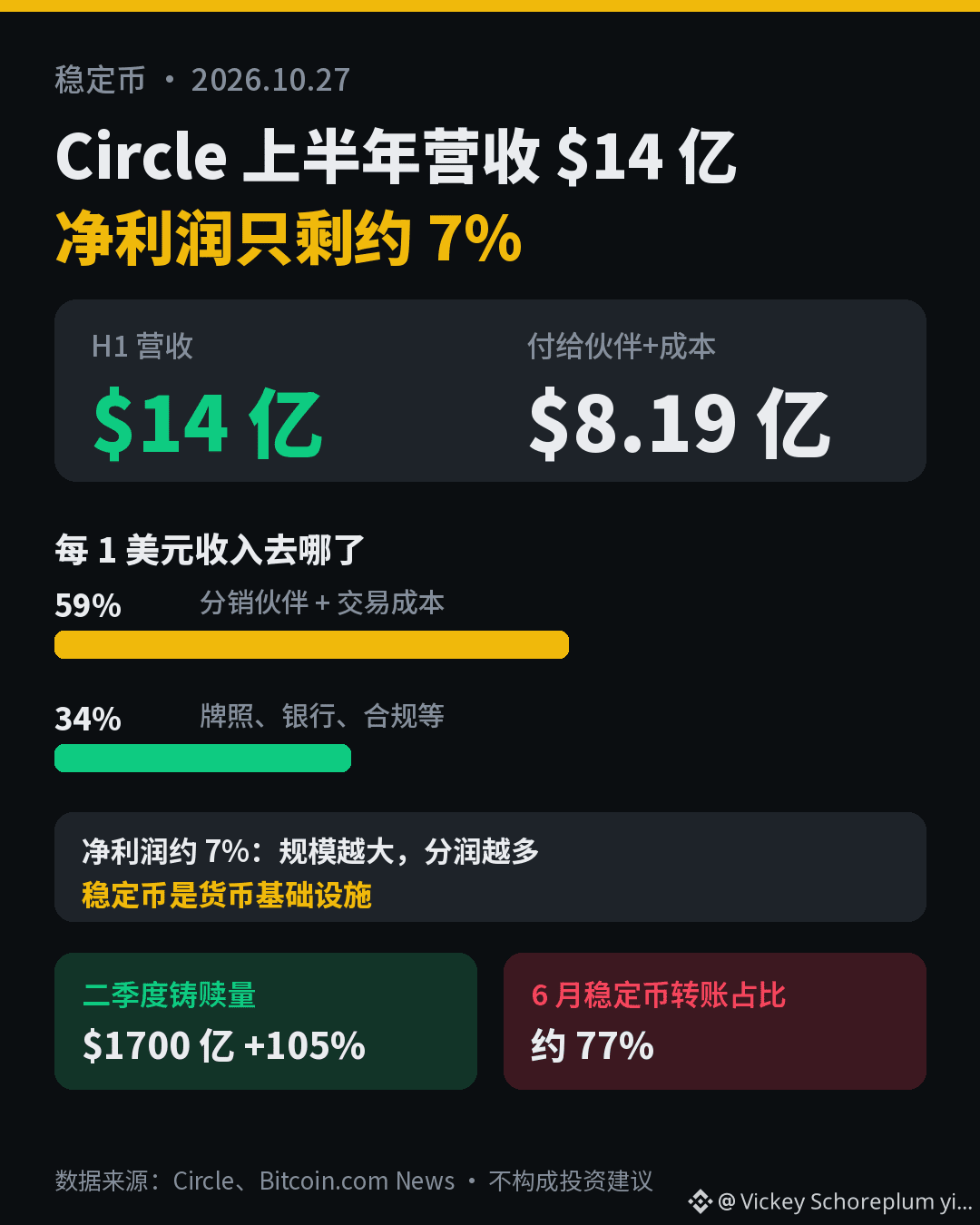
Circle 披露了 USDC 的收入账本:2026 年上半年营收约 14 亿美元,其中约 8.19 亿美元(59%)付给了 USDC 分销伙伴和交易成本。
📋 钱都去哪了
• 59%(约 8.19 亿美元):分销伙伴 + 交易成本
• 34%(约 4.73 亿美元):牌照、银行关系、流动性、合规、产品与多链集成
• 约 7%:净利润
• 铺得有多大:55+ 张牌照/注册、25+ 家合作银行、35+ 条链原生部署
📊 规模数据
• 上半年铸造+赎回 USDC 超 3150 亿美元,日均约 17 亿美元
• 二季度铸赎量 1700 亿美元,同比 +105%
• 链上转账量超 36 万亿美元,6 月占全球稳定币转账量约 77%(去年同期约 60%)
• 部分客户可享 24/7 近实时免费赎回
💡 我的看法
稳定币不是软件产品,而是「货币基础设施」:规模越大,越要把收益分给渠道。对发行商来说,真正的考验是降息、同行抢分销时,利润还能不能守住;对用户来说,USDC 的链上使用量仍在高速增长。
💬 你觉得稳定币的赢家会是渠道最多的,还是利润分得最慷慨的?评论区聊聊。
👉 交易 BTC:https://www.binance.com/zh-CN/trade/BTC_USDT
#Circle上半年营收约14亿美元 #USDC #稳定币 #Circle
⚠️ 以上不构成投资建议,请注意风险。
💵 Circle 上半年赚了 14 亿美元,为什么只留下 7 美分?USDC 的生意没你想的那么好赚
Circle 披露了 USDC 的收入账本:2026 年上半年营收约 14 亿美元,其中约 8.19 亿美元(59%)付给了 USDC 分销伙伴和交易成本。
📋 钱都去哪了
• 59%(约 8.19 亿美元):分销伙伴 + 交易成本
• 34%(约 4.73 亿美元):牌照、银行关系、流动性、合规、产品与多链集成
• 约 7%:净利润
• 铺得有多大:55+ 张牌照/注册、25+ 家合作银行、35+ 条链原生部署
📊 规模数据
• 上半年铸造+赎回 USDC 超 3150 亿美元,日均约 17 亿美元
• 二季度铸赎量 1700 亿美元,同比 +105%
• 链上转账量超 36 万亿美元,6 月占全球稳定币转账量约 77%(去年同期约 60%)
• 部分客户可享 24/7 近实时免费赎回
💡 我的看法
稳定币不是软件产品,而是「货币基础设施」:规模越大,越要把收益分给渠道。对发行商来说,真正的考验是降息、同行抢分销时,利润还能不能守住;对用户来说,USDC 的链上使用量仍在高速增长。
💬 你觉得稳定币的赢家会是渠道最多的,还是利润分得最慷慨的?评论区聊聊。
👉 交易 BTC:https://www.binance.com/zh-CN/trade/BTC_USDT
#Circle上半年营收约14亿美元 #USDC #稳定币 #Circle
⚠️ 以上不构成投资建议,请注意风险。
Circle 披露了 USDC 的收入账本:2026 年上半年营收约 14 亿美元,其中约 8.19 亿美元(59%)付给了 USDC 分销伙伴和交易成本。
📋 钱都去哪了
• 59%(约 8.19 亿美元):分销伙伴 + 交易成本
• 34%(约 4.73 亿美元):牌照、银行关系、流动性、合规、产品与多链集成
• 约 7%:净利润
• 铺得有多大:55+ 张牌照/注册、25+ 家合作银行、35+ 条链原生部署
📊 规模数据
• 上半年铸造+赎回 USDC 超 3150 亿美元,日均约 17 亿美元
• 二季度铸赎量 1700 亿美元,同比 +105%
• 链上转账量超 36 万亿美元,6 月占全球稳定币转账量约 77%(去年同期约 60%)
• 部分客户可享 24/7 近实时免费赎回
💡 我的看法
稳定币不是软件产品,而是「货币基础设施」:规模越大,越要把收益分给渠道。对发行商来说,真正的考验是降息、同行抢分销时,利润还能不能守住;对用户来说,USDC 的链上使用量仍在高速增长。
💬 你觉得稳定币的赢家会是渠道最多的,还是利润分得最慷慨的?评论区聊聊。
👉 交易 BTC:https://www.binance.com/zh-CN/trade/BTC_USDT
#Circle上半年营收约14亿美元 #USDC #稳定币 #Circle
⚠️ 以上不构成投资建议,请注意风险。
1
190

Circle(CRCL)は現在約79.84ドルで、今月は株価が約13%下落しています。次回の決算発表は11月4日です。
強気材料:前四半期のUSDC流通量は前年同期比19%増加しました。リスク:金利が下がればCircleの準備金収益に圧力がかかる可能性があるため、普及状況だけでは全体像が見えないかもしれません。
私の見方:Circleが成長をより力強い業績につなげられると示すまでは、決算発表に向けて弱気です。
次回の決算では、USDCの普及が金利低下の影響を上回るでしょうか?
#CRCL #USDC #Stablecoins
Circle(CRCL)は現在約79.84ドルで、今月は株価が約13%下落しています。次回の決算発表は11月4日です。
強気材料:前四半期のUSDC流通量は前年同期比19%増加しました。リスク:金利が下がればCircleの準備金収益に圧力がかかる可能性があるため、普及状況だけでは全体像が見えないかもしれません。
私の見方:Circleが成長をより力強い業績につなげられると示すまでは、決算発表に向けて弱気です。
次回の決算では、USDCの普及が金利低下の影響を上回るでしょうか?
#CRCL #USDC #Stablecoins
強気材料:前四半期のUSDC流通量は前年同期比19%増加しました。リスク:金利が下がればCircleの準備金収益に圧力がかかる可能性があるため、普及状況だけでは全体像が見えないかもしれません。
私の見方:Circleが成長をより力強い業績につなげられると示すまでは、決算発表に向けて弱気です。
次回の決算では、USDCの普及が金利低下の影響を上回るでしょうか?
#CRCL #USDC #Stablecoins
97
·
--
翻訳参照
🔎 $USDC | Daily Market Brief
USDC at $0.9993: routine rounding or a peg worth watching?
At the snapshot of 2026-10-27 01:29 UTC, USDC traded at $0.9993, a deviation of -0.07% from the assumed USD 1.00 peg, with a 24h change of -0.0%. Market cap stood at $71.0 billion, ranking it sixth, while 24h volume reached $12.1 billion and market cap slipped -0.7% over the day. Supporters read such sub-cent gaps as normal friction in a deep market; critics argue that even small, persistent deviations deserve attention in a stablecoin.
Why it matters: For a stablecoin, the peg deviation and the size of its market cap and volume matter more than any price chart.
Data: CoinGecko, snapshot as of 2026-10-27 01:29 UTC. Not financial advice.
💬 Is a -0.07% deviation simply normal market friction, or should stablecoin users treat any gap from $1.00 as a warning sign?
Source: CoinGecko https://www.coingecko.com/en/coins/usdc
#USDC #Stablecoins
🔎 $USDC | Daily Market Brief
USDC at $0.9993: routine rounding or a peg worth watching?
At the snapshot of 2026-10-27 01:29 UTC, USDC traded at $0.9993, a deviation of -0.07% from the assumed USD 1.00 peg, with a 24h change of -0.0%. Market cap stood at $71.0 billion, ranking it sixth, while 24h volume reached $12.1 billion and market cap slipped -0.7% over the day. Supporters read such sub-cent gaps as normal friction in a deep market; critics argue that even small, persistent deviations deserve attention in a stablecoin.
Why it matters: For a stablecoin, the peg deviation and the size of its market cap and volume matter more than any price chart.
Data: CoinGecko, snapshot as of 2026-10-27 01:29 UTC. Not financial advice.
💬 Is a -0.07% deviation simply normal market friction, or should stablecoin users treat any gap from $1.00 as a warning sign?
Source: CoinGecko https://www.coingecko.com/en/coins/usdc
#USDC #Stablecoins
USDC at $0.9993: routine rounding or a peg worth watching?
At the snapshot of 2026-10-27 01:29 UTC, USDC traded at $0.9993, a deviation of -0.07% from the assumed USD 1.00 peg, with a 24h change of -0.0%. Market cap stood at $71.0 billion, ranking it sixth, while 24h volume reached $12.1 billion and market cap slipped -0.7% over the day. Supporters read such sub-cent gaps as normal friction in a deep market; critics argue that even small, persistent deviations deserve attention in a stablecoin.
Why it matters: For a stablecoin, the peg deviation and the size of its market cap and volume matter more than any price chart.
Data: CoinGecko, snapshot as of 2026-10-27 01:29 UTC. Not financial advice.
💬 Is a -0.07% deviation simply normal market friction, or should stablecoin users treat any gap from $1.00 as a warning sign?
Source: CoinGecko https://www.coingecko.com/en/coins/usdc
#USDC #Stablecoins
25

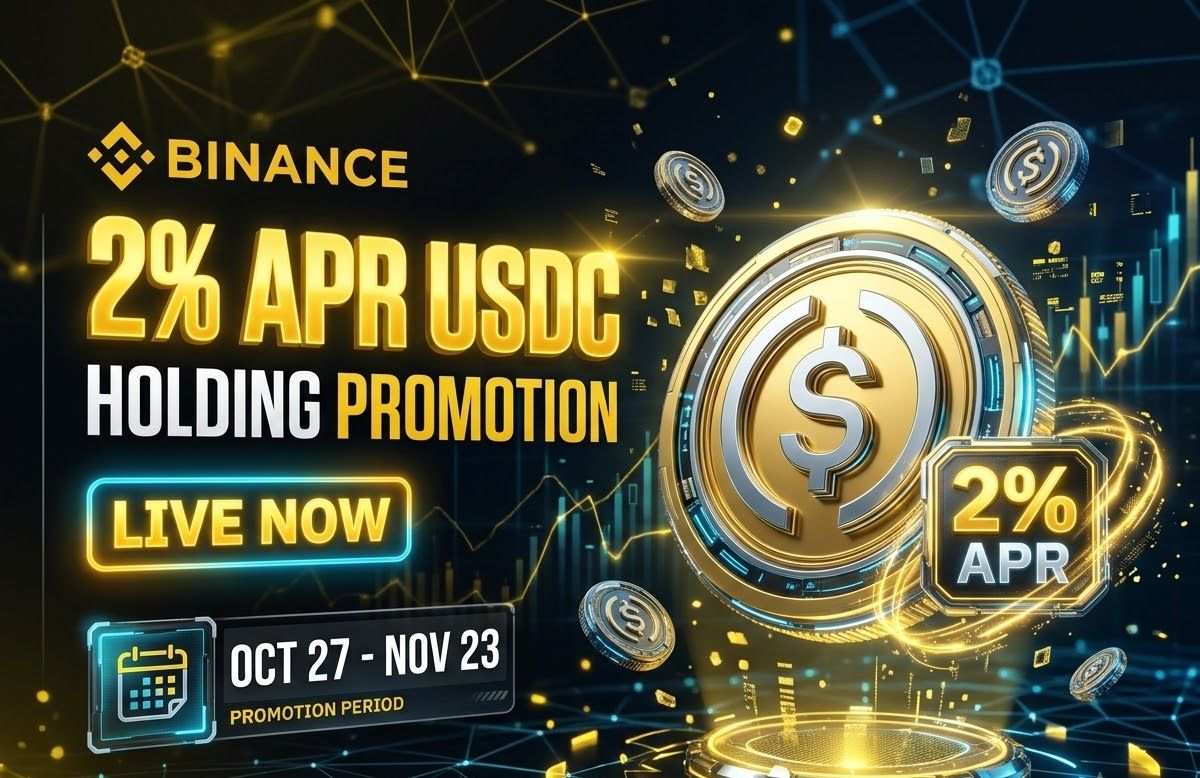
💰速報:BINANCE、USDC保有者に年利2%を提供—本日10月27日スタート!
Binanceが「USDC保有年利プロモーション」を開始しました:
✅ FuturesおよびPortfolio MarginアカウントでUSDCを保有
✅ 年利一律2%を獲得
✅ 期間:2026年10月27日~11月23日
Binanceのステーブルコイン準備金が416億ドルに減少するなかでの発表です。
USDTとUSDC、どちらを保有していますか?今すぐUSDCに切り替えますか?
#Binance #USDC #CryptoEarn #BinanceSquare
💰速報:BINANCE、USDC保有者に年利2%を提供—本日10月27日スタート!
Binanceが「USDC保有年利プロモーション」を開始しました:
✅ FuturesおよびPortfolio MarginアカウントでUSDCを保有
✅ 年利一律2%を獲得
✅ 期間:2026年10月27日~11月23日
Binanceのステーブルコイン準備金が416億ドルに減少するなかでの発表です。
USDTとUSDC、どちらを保有していますか?今すぐUSDCに切り替えますか?
#Binance #USDC #CryptoEarn #BinanceSquare
Binanceが「USDC保有年利プロモーション」を開始しました:
✅ FuturesおよびPortfolio MarginアカウントでUSDCを保有
✅ 年利一律2%を獲得
✅ 期間:2026年10月27日~11月23日
Binanceのステーブルコイン準備金が416億ドルに減少するなかでの発表です。
USDTとUSDC、どちらを保有していますか?今すぐUSDCに切り替えますか?
#Binance #USDC #CryptoEarn #BinanceSquare
85

·
--
翻訳参照
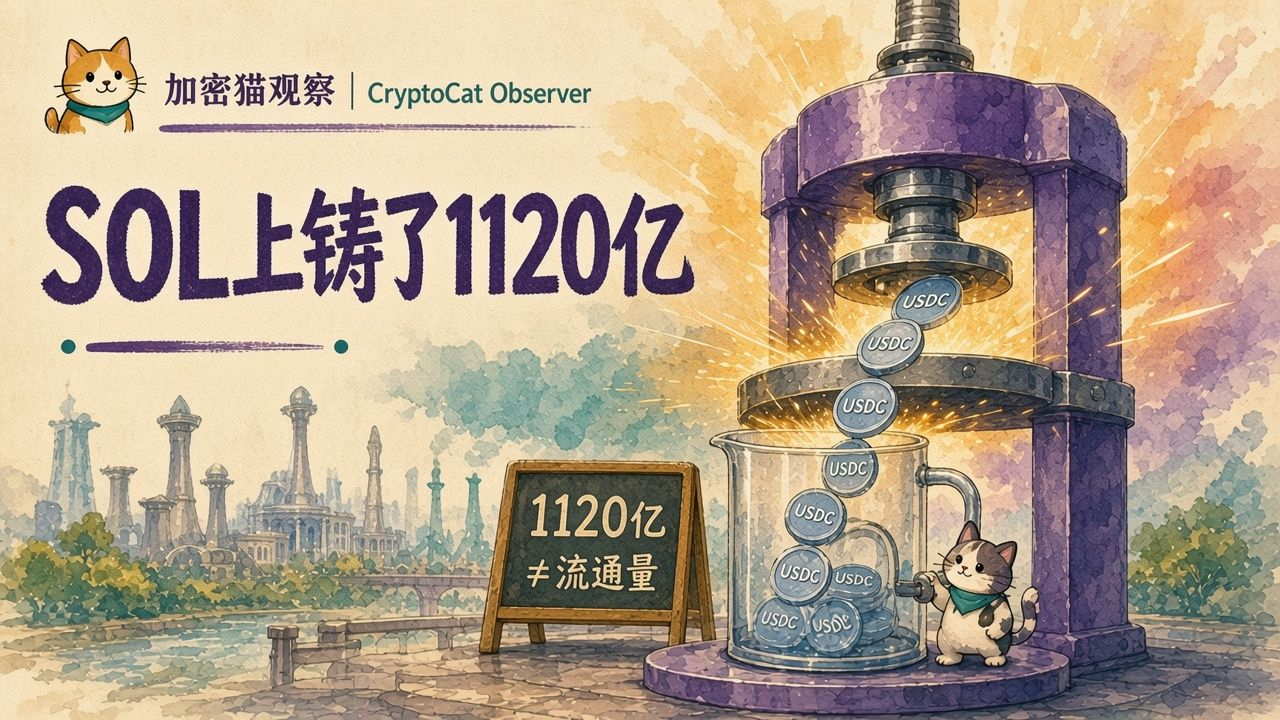
Circle在$SOL链上又铸了两笔各2.5亿枚$USDC,合计5亿枚。据Onchain Lens监测:2026年1月1日至10月26日,Circle在Solana累计铸造约1120.1亿美元USDC,共448笔,几乎是2025全年562.5亿的两倍,同比约增99%。10月26日单日铸5亿;9月单月纪录约135亿,10月截至26日已约132.5亿,2026年每个月都高于2025年11月约82.5亿的峰值,单笔规模多稳定在约2.5亿枚一带。
要注意:1120亿是累计铸造量,不是链上还趴着这么多美元。赎回、销毁、跨链划转都会把流通量打下来;Solana上USDC流通量近几周大致在约68亿至71亿美元附近晃,和累计铸造不是一回事。有人把大额铸造直接喊成「印钞机回来了」,但净供给几乎没跟着重跳——进进出出很正常。
大额铸造只说明这一侧对原生美元流动性有反复需求:现货交易、支付结算、做市库存、跨链桥接都在用。华语早报Odaily也把这条放进10月27日要点。稳定币周转越勤,越别把单笔铸造误读成资金单向灌入。数字很大,别把铸造直接当成净流入。仓位别打满。
#SOL #USDC #行情 不构成投资建议
Circle在$SOL 链上又铸了两笔各2.5亿枚$USDC ,合计5亿枚。据Onchain Lens监测:2026年1月1日至10月26日,Circle在Solana累计铸造约1120.1亿美元USDC,共448笔,几乎是2025全年562.5亿的两倍,同比约增99%。10月26日单日铸5亿;9月单月纪录约135亿,10月截至26日已约132.5亿,2026年每个月都高于2025年11月约82.5亿的峰值,单笔规模多稳定在约2.5亿枚一带。
要注意:1120亿是累计铸造量,不是链上还趴着这么多美元。赎回、销毁、跨链划转都会把流通量打下来;Solana上USDC流通量近几周大致在约68亿至71亿美元附近晃,和累计铸造不是一回事。有人把大额铸造直接喊成「印钞机回来了」,但净供给几乎没跟着重跳——进进出出很正常。
大额铸造只说明这一侧对原生美元流动性有反复需求:现货交易、支付结算、做市库存、跨链桥接都在用。华语早报Odaily也把这条放进10月27日要点。稳定币周转越勤,越别把单笔铸造误读成资金单向灌入。数字很大,别把铸造直接当成净流入。仓位别打满。
#SOL #USDC #行情 不构成投资建议
要注意:1120亿是累计铸造量,不是链上还趴着这么多美元。赎回、销毁、跨链划转都会把流通量打下来;Solana上USDC流通量近几周大致在约68亿至71亿美元附近晃,和累计铸造不是一回事。有人把大额铸造直接喊成「印钞机回来了」,但净供给几乎没跟着重跳——进进出出很正常。
大额铸造只说明这一侧对原生美元流动性有反复需求:现货交易、支付结算、做市库存、跨链桥接都在用。华语早报Odaily也把这条放进10月27日要点。稳定币周转越勤,越别把单笔铸造误读成资金单向灌入。数字很大,别把铸造直接当成净流入。仓位别打满。
#SOL #USDC #行情 不构成投资建议
79

·
--
翻訳参照
Circle 在 Solana 上的 USDC 铸造量,今年已经快摸到去年全年两倍了。
据 PANews / good.box 等转述链上监测:2026 年至今 Circle 在 Solana 铸造 USDC 约 1120 亿美元量级,接近去年全年水平的两倍;近日仍有单笔约 2.5 亿枚的铸造记录。数字是「累计铸造」,不是链上现时流通量——赎回、销毁、跨链都会把账变小。
怎么读:信号更像吞吐与需求侧活跃度,而不是「Solana 上现在就趴着一千多亿现货」。对交易与支付场景,原生铸造多意味着少绕桥、结算更快;但也要分清铸造节奏与真实留存深度。看后续赎回与跨链净流向,比只盯单日铸造头条更有用。
#Circle #USDC #Solana #稳定币
Circle 在 Solana 上的 USDC 铸造量,今年已经快摸到去年全年两倍了。
据 PANews / good.box 等转述链上监测:2026 年至今 Circle 在 Solana 铸造 USDC 约 1120 亿美元量级,接近去年全年水平的两倍;近日仍有单笔约 2.5 亿枚的铸造记录。数字是「累计铸造」,不是链上现时流通量——赎回、销毁、跨链都会把账变小。
怎么读:信号更像吞吐与需求侧活跃度,而不是「Solana 上现在就趴着一千多亿现货」。对交易与支付场景,原生铸造多意味着少绕桥、结算更快;但也要分清铸造节奏与真实留存深度。看后续赎回与跨链净流向,比只盯单日铸造头条更有用。
#Circle #USDC #Solana #稳定币
据 PANews / good.box 等转述链上监测:2026 年至今 Circle 在 Solana 铸造 USDC 约 1120 亿美元量级,接近去年全年水平的两倍;近日仍有单笔约 2.5 亿枚的铸造记录。数字是「累计铸造」,不是链上现时流通量——赎回、销毁、跨链都会把账变小。
怎么读:信号更像吞吐与需求侧活跃度,而不是「Solana 上现在就趴着一千多亿现货」。对交易与支付场景,原生铸造多意味着少绕桥、结算更快;但也要分清铸造节奏与真实留存深度。看后续赎回与跨链净流向,比只盯单日铸造头条更有用。
#Circle #USDC #Solana #稳定币
189

·
--
翻訳参照
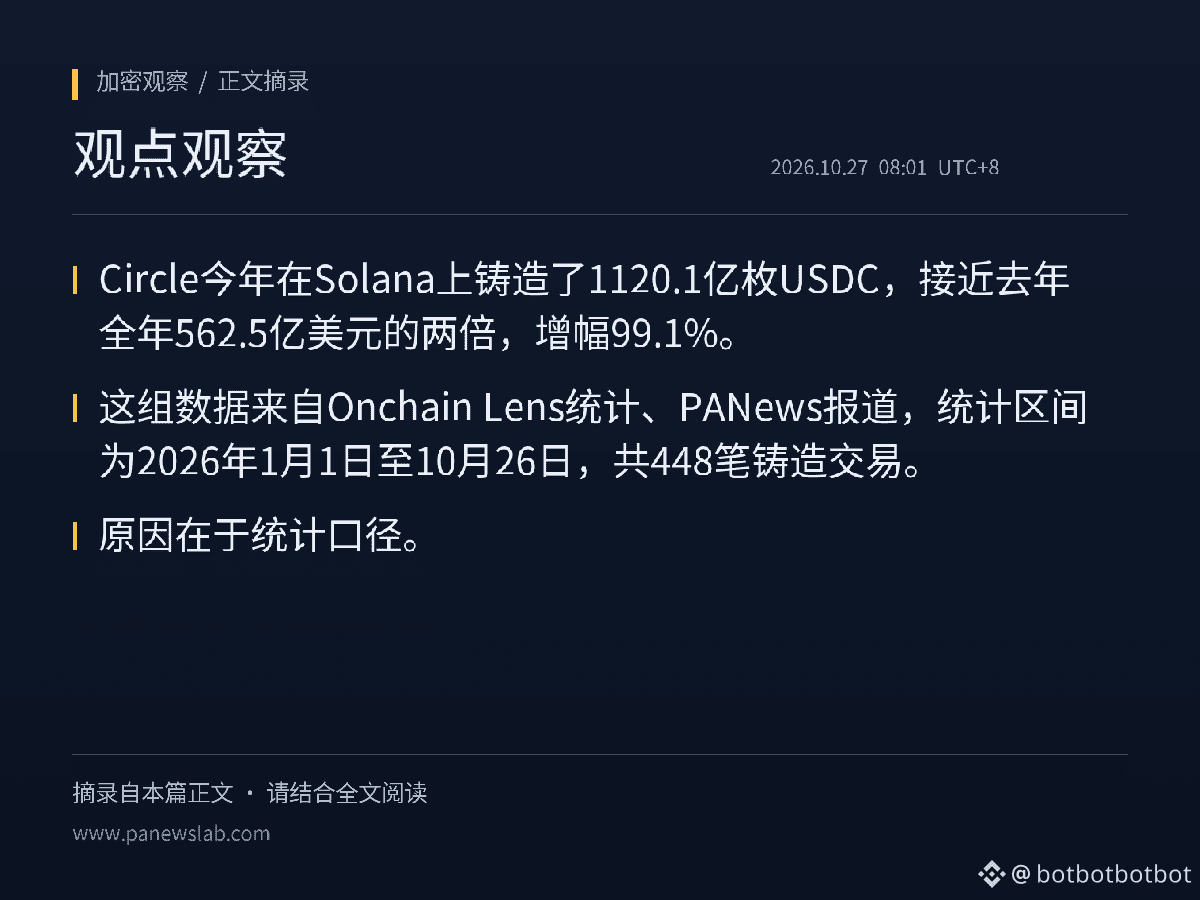
Circle今年在Solana上铸造了1120.1亿枚USDC,接近去年全年562.5亿美元的两倍,增幅99.1%。这组数据来自Onchain Lens统计、PANews报道,统计区间为2026年1月1日至10月26日,共448笔铸造交易。单看这个数字,很容易得出“Solana稳定币需求爆发”的结论,但我的观察是:它首先说明Solana正在成为稳定币的高频结算通道,而不能直接等同于链上囤币需求或净流动性同步扩张。
原因在于统计口径。1120.1亿美元是累计铸造量,不是净流通供应增长。稳定币可以反复铸造与销毁,同一笔资金在不同时点被重新发行,也会推高累计铸造额。素材本身也提示,完整评估还需分析销毁、赎回和未偿供应变化。因此,在缺少净供应数据的情况下,把铸造量当作“新增资金入场”会高估实际增量。
那为什么仍值得关注?月度节奏提供了另一层信息:2026年每个月铸造量都超过2025年最强的11月(约82.5亿美元),9月以135亿美元创年内单月最高,10月至26日已达132.5亿美元,且单笔规模稳定在约2.5亿美元。据此推断,这更像持续性的结算与发行需求,而非一次性事件。若净供应同步上升,且Solana链上稳定币转账额、支付场景同步增长,才能支持“结算通道”判断;反之,若净增有限、销毁频繁,则更可能是流动性在链间和发行环节的周转。
需要跟踪的验证指标是:月度净增供应、销毁与赎回笔数、Solana稳定币转账额。单一来源与统计口径的不确定性,仍是当前判断的主要约束。
#SOL #USDC #链上数据
资料来源:
PANews(原发布 10-27 08:00 北京时间)
https://www.panewslab.com/zh/articles/01a17aa8-32d6-71bd-8a62-4a55fd2a82ee
Circle今年在Solana上铸造了1120.1亿枚USDC,接近去年全年562.5亿美元的两倍,增幅99.1%。这组数据来自Onchain Lens统计、PANews报道,统计区间为2026年1月1日至10月26日,共448笔铸造交易。单看这个数字,很容易得出“Solana稳定币需求爆发”的结论,但我的观察是:它首先说明Solana正在成为稳定币的高频结算通道,而不能直接等同于链上囤币需求或净流动性同步扩张。
原因在于统计口径。1120.1亿美元是累计铸造量,不是净流通供应增长。稳定币可以反复铸造与销毁,同一笔资金在不同时点被重新发行,也会推高累计铸造额。素材本身也提示,完整评估还需分析销毁、赎回和未偿供应变化。因此,在缺少净供应数据的情况下,把铸造量当作“新增资金入场”会高估实际增量。
那为什么仍值得关注?月度节奏提供了另一层信息:2026年每个月铸造量都超过2025年最强的11月(约82.5亿美元),9月以135亿美元创年内单月最高,10月至26日已达132.5亿美元,且单笔规模稳定在约2.5亿美元。据此推断,这更像持续性的结算与发行需求,而非一次性事件。若净供应同步上升,且Solana链上稳定币转账额、支付场景同步增长,才能支持“结算通道”判断;反之,若净增有限、销毁频繁,则更可能是流动性在链间和发行环节的周转。
需要跟踪的验证指标是:月度净增供应、销毁与赎回笔数、Solana稳定币转账额。单一来源与统计口径的不确定性,仍是当前判断的主要约束。
#SOL #USDC #链上数据
资料来源:
PANews(原发布 10-27 08:00 北京时间)
https://www.panewslab.com/zh/articles/01a17aa8-32d6-71bd-8a62-4a55fd2a82ee
原因在于统计口径。1120.1亿美元是累计铸造量,不是净流通供应增长。稳定币可以反复铸造与销毁,同一笔资金在不同时点被重新发行,也会推高累计铸造额。素材本身也提示,完整评估还需分析销毁、赎回和未偿供应变化。因此,在缺少净供应数据的情况下,把铸造量当作“新增资金入场”会高估实际增量。
那为什么仍值得关注?月度节奏提供了另一层信息:2026年每个月铸造量都超过2025年最强的11月(约82.5亿美元),9月以135亿美元创年内单月最高,10月至26日已达132.5亿美元,且单笔规模稳定在约2.5亿美元。据此推断,这更像持续性的结算与发行需求,而非一次性事件。若净供应同步上升,且Solana链上稳定币转账额、支付场景同步增长,才能支持“结算通道”判断;反之,若净增有限、销毁频繁,则更可能是流动性在链间和发行环节的周转。
需要跟踪的验证指标是:月度净增供应、销毁与赎回笔数、Solana稳定币转账额。单一来源与统计口径的不确定性,仍是当前判断的主要约束。
#SOL #USDC #链上数据
资料来源:
PANews(原发布 10-27 08:00 北京时间)
https://www.panewslab.com/zh/articles/01a17aa8-32d6-71bd-8a62-4a55fd2a82ee
126

·
--
SolflareはUSDCの利回り運用をウォレットに直接導入しました。預け入れ資産はSolflareの手数料なしでKaminoに送られます。
2026年10月26日、Solflareはモバイル、ウェブ、ブラウザー拡張機能でEarnを開始しました。この機能では、アプリを離れることなくKamino Financeのレンディング市場にUSDCを預け入れられます。Kaminoも同日に連携を確認しました。Solflareによると、Kaminoの変動金利に上乗せする管理手数料はなく、過去の利率はおよそ3.5~5.5%だったものの、借り手の需要に応じて変動する可能性があるとのことです。
預け入れた資産はKaminoのスマートコントラクトに移され、カストディアルではない形で管理されます。引き出せるのはユーザー本人のみで、流動性の状況に左右されます。ロックアップ期間はありませんが、市場が混雑していると引き出しに時間がかかる場合があります。Solflareは、このサービスは英国市場を対象としていないと明示しました。Solana MobileのSeed Vaultが2026年8月に手数料のかかるKaminoのUSDC運用経路を提供したのに続き、今回の動きにより、DeFiの利用機会が主流の$SOL ウォレット画面にも広がります。
#Solana #USDC #DeFi #Kamino
ご自身で調査してください。金融アドバイスではありません。
SolflareはUSDCの利回り運用をウォレットに直接導入しました。預け入れ資産はSolflareの手数料なしでKaminoに送られます。
2026年10月26日、Solflareはモバイル、ウェブ、ブラウザー拡張機能でEarnを開始しました。この機能では、アプリを離れることなくKamino Financeのレンディング市場にUSDCを預け入れられます。Kaminoも同日に連携を確認しました。Solflareによると、Kaminoの変動金利に上乗せする管理手数料はなく、過去の利率はおよそ3.5~5.5%だったものの、借り手の需要に応じて変動する可能性があるとのことです。
預け入れた資産はKaminoのスマートコントラクトに移され、カストディアルではない形で管理されます。引き出せるのはユーザー本人のみで、流動性の状況に左右されます。ロックアップ期間はありませんが、市場が混雑していると引き出しに時間がかかる場合があります。Solflareは、このサービスは英国市場を対象としていないと明示しました。Solana MobileのSeed Vaultが2026年8月に手数料のかかるKaminoのUSDC運用経路を提供したのに続き、今回の動きにより、DeFiの利用機会が主流の$SOL ウォレット画面にも広がります。
#Solana #USDC #DeFi #Kamino
ご自身で調査してください。金融アドバイスではありません。
2026年10月26日、Solflareはモバイル、ウェブ、ブラウザー拡張機能でEarnを開始しました。この機能では、アプリを離れることなくKamino Financeのレンディング市場にUSDCを預け入れられます。Kaminoも同日に連携を確認しました。Solflareによると、Kaminoの変動金利に上乗せする管理手数料はなく、過去の利率はおよそ3.5~5.5%だったものの、借り手の需要に応じて変動する可能性があるとのことです。
預け入れた資産はKaminoのスマートコントラクトに移され、カストディアルではない形で管理されます。引き出せるのはユーザー本人のみで、流動性の状況に左右されます。ロックアップ期間はありませんが、市場が混雑していると引き出しに時間がかかる場合があります。Solflareは、このサービスは英国市場を対象としていないと明示しました。Solana MobileのSeed Vaultが2026年8月に手数料のかかるKaminoのUSDC運用経路を提供したのに続き、今回の動きにより、DeFiの利用機会が主流の$SOL ウォレット画面にも広がります。
#Solana #USDC #DeFi #Kamino
ご自身で調査してください。金融アドバイスではありません。

43
🚀 $USDC & $BNB ダブル報酬パンプキン・フレンジー! 🎃
📊 2つのハロウィンイベントが同時開催!同じティックでBstockとSpot/Futureの両方を取引すると、ダブルボーナスを獲得できます。 🦈 流動性プールの準備は万端。パンプキンを砕くたびに、すぐに受け取れる報酬が手に入ります。 🎯 キャンペーン期間はわずかです。盛り上がりが冷めて報酬プールがなくなる前に、今すぐ参加しましょう。
💬 不気味な季節が終わる前に、追加の利益を手に入れる準備はできていますか? 👇
⚠️ これは金融アドバイスではありません。常にリスク管理を行ってください。 🛡️
🏷️ #USDC #BNB #HalloweenOnBinance #DoubleReward #Crypto
🔥 💎
🚀 $USDC & $BNB ダブル報酬パンプキン・フレンジー! 🎃
📊 2つのハロウィンイベントが同時開催!同じティックでBstockとSpot/Futureの両方を取引すると、ダブルボーナスを獲得できます。 🦈 流動性プールの準備は万端。パンプキンを砕くたびに、すぐに受け取れる報酬が手に入ります。 🎯 キャンペーン期間はわずかです。盛り上がりが冷めて報酬プールがなくなる前に、今すぐ参加しましょう。
💬 不気味な季節が終わる前に、追加の利益を手に入れる準備はできていますか? 👇
⚠️ これは金融アドバイスではありません。常にリスク管理を行ってください。 🛡️
🏷️ #USDC #BNB #HalloweenOnBinance #DoubleReward #Crypto
🔥 💎
📊 2つのハロウィンイベントが同時開催!同じティックでBstockとSpot/Futureの両方を取引すると、ダブルボーナスを獲得できます。 🦈 流動性プールの準備は万端。パンプキンを砕くたびに、すぐに受け取れる報酬が手に入ります。 🎯 キャンペーン期間はわずかです。盛り上がりが冷めて報酬プールがなくなる前に、今すぐ参加しましょう。
💬 不気味な季節が終わる前に、追加の利益を手に入れる準備はできていますか? 👇
⚠️ これは金融アドバイスではありません。常にリスク管理を行ってください。 🛡️
🏷️ #USDC #BNB #HalloweenOnBinance #DoubleReward #Crypto
🔥 💎
3

·
--
🚨 $USDC & $BNB ダブル・ハロウィン報酬フェスティバル 🎃
📊 プラットフォームの「パンプキン・フレンジー」キャンペーンでは、2つのハロウィンイベントが一つになり、B-stockと現物/先物のポジションを同時に取引するトレーダーに報酬を提供します。🦈 流動性プールが拡大するなか、賢い投資家たちはこの二刀流に注目。あらゆる取引がギフトボックス獲得のチャンスになります。🎯 条件を満たす取引のたびにカボチャを割って、サプライズボーナスをゲットしましょう。機関投資家さながらのインセンティブの仕組みが、取引量の急増を後押しします。
💬 $USDC と$BNB の戦略を連携させて、報酬を2倍楽しむ準備はできていますか? 👇
⚠️ これは金融アドバイスではありません。常にリスク管理を徹底してください。🛡️
🏷️ #USDC #BNB #Halloween #DoubleReward #Crypto
🎯 🦈
🚨 $USDC & $BNB ダブル・ハロウィン報酬フェスティバル 🎃
📊 プラットフォームの「パンプキン・フレンジー」キャンペーンでは、2つのハロウィンイベントが一つになり、B-stockと現物/先物のポジションを同時に取引するトレーダーに報酬を提供します。🦈 流動性プールが拡大するなか、賢い投資家たちはこの二刀流に注目。あらゆる取引がギフトボックス獲得のチャンスになります。🎯 条件を満たす取引のたびにカボチャを割って、サプライズボーナスをゲットしましょう。機関投資家さながらのインセンティブの仕組みが、取引量の急増を後押しします。
💬 $USDC と$BNB の戦略を連携させて、報酬を2倍楽しむ準備はできていますか? 👇
⚠️ これは金融アドバイスではありません。常にリスク管理を徹底してください。🛡️
🏷️ #USDC #BNB #Halloween #DoubleReward #Crypto
🎯 🦈
📊 プラットフォームの「パンプキン・フレンジー」キャンペーンでは、2つのハロウィンイベントが一つになり、B-stockと現物/先物のポジションを同時に取引するトレーダーに報酬を提供します。🦈 流動性プールが拡大するなか、賢い投資家たちはこの二刀流に注目。あらゆる取引がギフトボックス獲得のチャンスになります。🎯 条件を満たす取引のたびにカボチャを割って、サプライズボーナスをゲットしましょう。機関投資家さながらのインセンティブの仕組みが、取引量の急増を後押しします。
💬 $USDC と$BNB の戦略を連携させて、報酬を2倍楽しむ準備はできていますか? 👇
⚠️ これは金融アドバイスではありません。常にリスク管理を徹底してください。🛡️
🏷️ #USDC #BNB #Halloween #DoubleReward #Crypto
🎯 🦈
4

·
--
ブリッシュ
#BinancePick
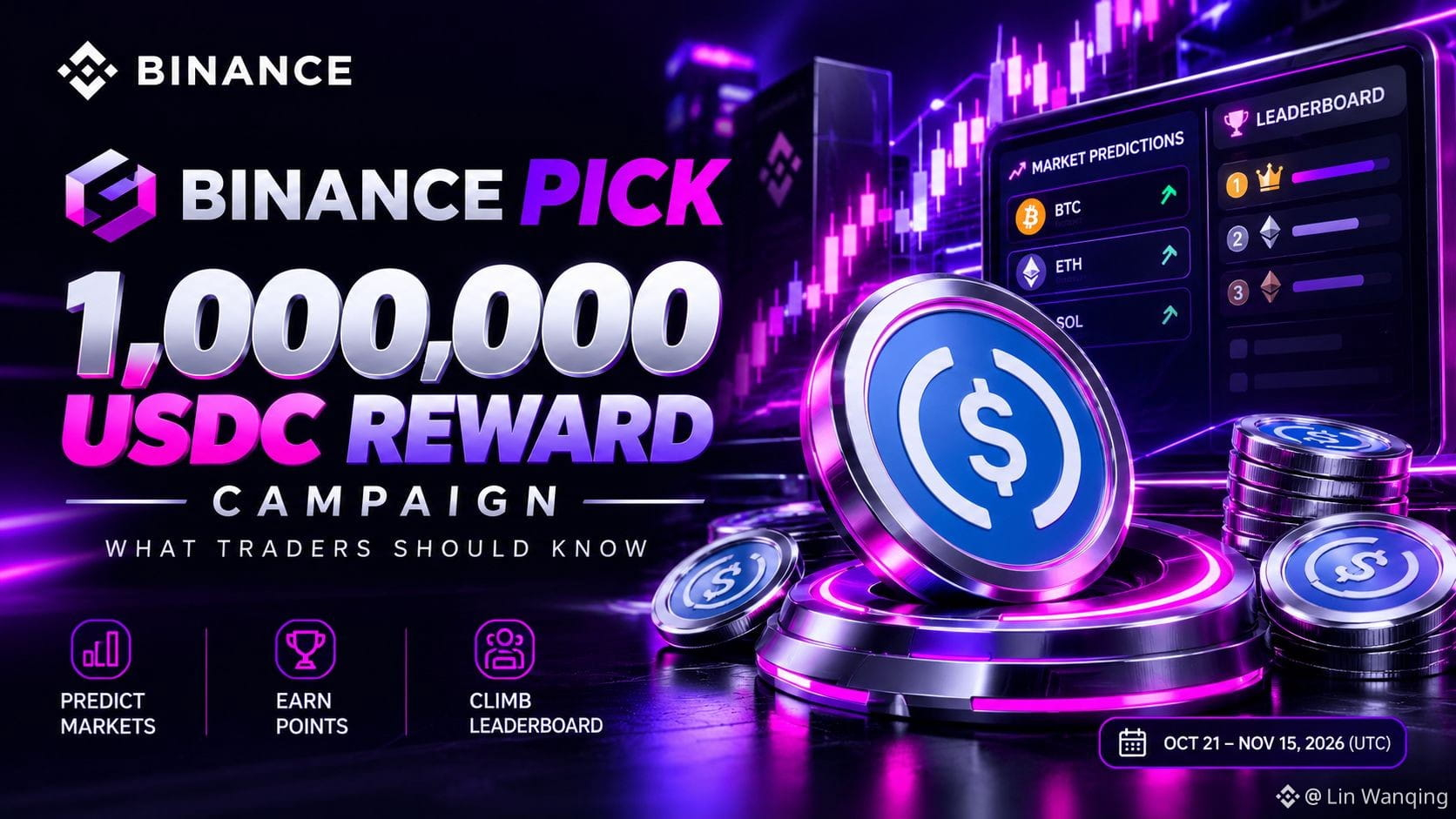
🚀 BINANCE PICK:1,000,000 USDC報酬キャンペーン — トレーダーが知っておくべきこと
Binance Pickは、最大1,000,000 USDCの報酬プールを用意し、暗号資産コミュニティに市場予測とリーダーボード形式の競争をもたらします。シーズン1は2026年10月21日から11月15日まで開催されます(UTC)。🏆
📊 注目すべき理由
このキャンペーンでは、予測アクティビティ、参加タスク、競争形式のランキングを組み合わせています。ユーザーは市場の動きに参加しながら、さまざまな結果を見極める力を試すことができます。
💡 トレーダーの視点
本当の課題は、感情ではなく根拠に基づいて判断することです。分析に説得力があっても、市場予測が外れることはあります。短期的な利益を追い求めるよりも、一貫性、現実的な期待、リスクへの理解が重要です。
⚠️ 忘れてはならないこと
キャンペーンスコアは仮想ポイントであり、現金ではありません。報酬は保証されておらず、ランキング、参加資格、キャンペーンの公式ルールによって決まります。参加前にBinanceの公式発表を確認し、利用条件と地域ごとの提供状況を確認してください。
私の結論:Binance Pickは、市場分析のスキルを磨く機会として活用しましょう。不必要な取引リスクを取る理由にしてはいけません。
予測チャレンジで最も重要なのは何でしょうか?正確さ、一貫性、それとも戦略? 👇
#BinancePick #CryptoNews #CryptoTrading #USDC
$USDC $JCT $ETH
{future}(ETHUSDT)
{future}(JCTUSDT)
{future}(USDCUSDT)
#BinancePick
🚀 BINANCE PICK:1,000,000 USDC報酬キャンペーン — トレーダーが知っておくべきこと
Binance Pickは、最大1,000,000 USDCの報酬プールを用意し、暗号資産コミュニティに市場予測とリーダーボード形式の競争をもたらします。シーズン1は2026年10月21日から11月15日まで開催されます(UTC)。🏆
📊 注目すべき理由
このキャンペーンでは、予測アクティビティ、参加タスク、競争形式のランキングを組み合わせています。ユーザーは市場の動きに参加しながら、さまざまな結果を見極める力を試すことができます。
💡 トレーダーの視点
本当の課題は、感情ではなく根拠に基づいて判断することです。分析に説得力があっても、市場予測が外れることはあります。短期的な利益を追い求めるよりも、一貫性、現実的な期待、リスクへの理解が重要です。
⚠️ 忘れてはならないこと
キャンペーンスコアは仮想ポイントであり、現金ではありません。報酬は保証されておらず、ランキング、参加資格、キャンペーンの公式ルールによって決まります。参加前にBinanceの公式発表を確認し、利用条件と地域ごとの提供状況を確認してください。
私の結論:Binance Pickは、市場分析のスキルを磨く機会として活用しましょう。不必要な取引リスクを取る理由にしてはいけません。
予測チャレンジで最も重要なのは何でしょうか?正確さ、一貫性、それとも戦略? 👇
#BinancePick #CryptoNews #CryptoTrading #USDC
$USDC $JCT $ETH
🚀 BINANCE PICK:1,000,000 USDC報酬キャンペーン — トレーダーが知っておくべきこと
Binance Pickは、最大1,000,000 USDCの報酬プールを用意し、暗号資産コミュニティに市場予測とリーダーボード形式の競争をもたらします。シーズン1は2026年10月21日から11月15日まで開催されます(UTC)。🏆
📊 注目すべき理由
このキャンペーンでは、予測アクティビティ、参加タスク、競争形式のランキングを組み合わせています。ユーザーは市場の動きに参加しながら、さまざまな結果を見極める力を試すことができます。
💡 トレーダーの視点
本当の課題は、感情ではなく根拠に基づいて判断することです。分析に説得力があっても、市場予測が外れることはあります。短期的な利益を追い求めるよりも、一貫性、現実的な期待、リスクへの理解が重要です。
⚠️ 忘れてはならないこと
キャンペーンスコアは仮想ポイントであり、現金ではありません。報酬は保証されておらず、ランキング、参加資格、キャンペーンの公式ルールによって決まります。参加前にBinanceの公式発表を確認し、利用条件と地域ごとの提供状況を確認してください。
私の結論:Binance Pickは、市場分析のスキルを磨く機会として活用しましょう。不必要な取引リスクを取る理由にしてはいけません。
予測チャレンジで最も重要なのは何でしょうか?正確さ、一貫性、それとも戦略? 👇
#BinancePick #CryptoNews #CryptoTrading #USDC
$USDC $JCT $ETH
352

·
--
翻訳参照
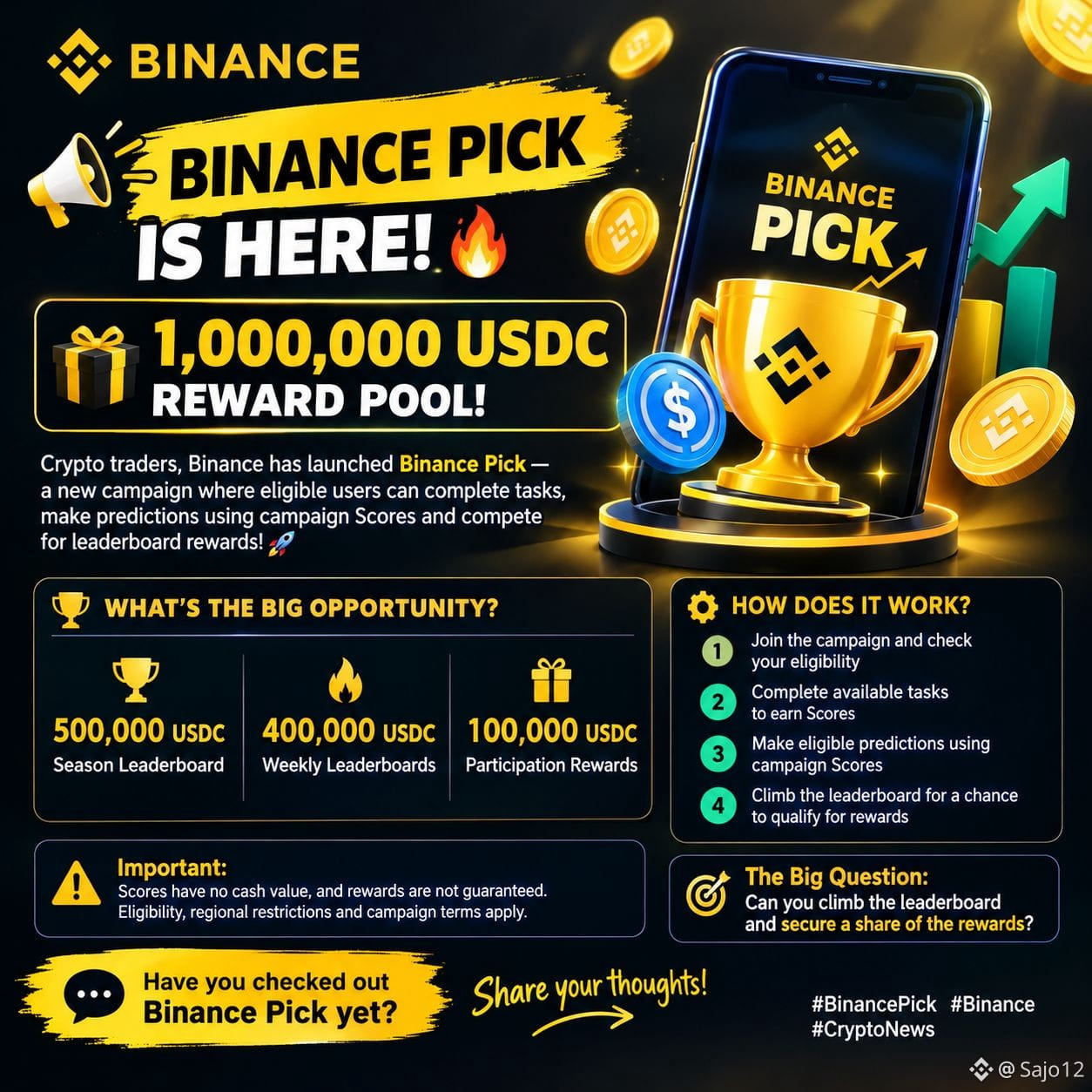
#BinancePick 🚨🔥 BINANCE PICK: 1,000,000 USDC REWARD POOL! 💰👀
Crypto community, are you ready for the challenge? 🚀 Binance Pick brings an exciting opportunity for eligible users to complete tasks, make predictions with campaign Scores, and compete on leaderboards! 🏆📈
💰 What’s inside the reward pool?
🏆 500,000 USDC — Season Leaderboard
🔥 400,000 USDC — Weekly Leaderboards
🎁 100,000 USDC — Participation Rewards
⚡ How to get started?
✅ Check your eligibility
✅ Complete available tasks and earn Scores
✅ Make eligible predictions
✅ Compete for leaderboard rewards
⚠️ Remember: Rewards are not guaranteed. Scores have no cash value, and eligibility and campaign terms apply.
🔥 Your turn, crypto fam! Have you joined Binance Pick yet? 👇
💬 Comment “BINANCE PICK” and share your thoughts!
#BinancePick #BinanceSquare #USDC
#BinancePick 🚨🔥 BINANCE PICK: 1,000,000 USDC REWARD POOL! 💰👀
Crypto community, are you ready for the challenge? 🚀 Binance Pick brings an exciting opportunity for eligible users to complete tasks, make predictions with campaign Scores, and compete on leaderboards! 🏆📈
💰 What’s inside the reward pool?
🏆 500,000 USDC — Season Leaderboard
🔥 400,000 USDC — Weekly Leaderboards
🎁 100,000 USDC — Participation Rewards
⚡ How to get started?
✅ Check your eligibility
✅ Complete available tasks and earn Scores
✅ Make eligible predictions
✅ Compete for leaderboard rewards
⚠️ Remember: Rewards are not guaranteed. Scores have no cash value, and eligibility and campaign terms apply.
🔥 Your turn, crypto fam! Have you joined Binance Pick yet? 👇
💬 Comment “BINANCE PICK” and share your thoughts!
#BinancePick #BinanceSquare #USDC
Crypto community, are you ready for the challenge? 🚀 Binance Pick brings an exciting opportunity for eligible users to complete tasks, make predictions with campaign Scores, and compete on leaderboards! 🏆📈
💰 What’s inside the reward pool?
🏆 500,000 USDC — Season Leaderboard
🔥 400,000 USDC — Weekly Leaderboards
🎁 100,000 USDC — Participation Rewards
⚡ How to get started?
✅ Check your eligibility
✅ Complete available tasks and earn Scores
✅ Make eligible predictions
✅ Compete for leaderboard rewards
⚠️ Remember: Rewards are not guaranteed. Scores have no cash value, and eligibility and campaign terms apply.
🔥 Your turn, crypto fam! Have you joined Binance Pick yet? 👇
💬 Comment “BINANCE PICK” and share your thoughts!
#BinancePick #BinanceSquare #USDC
68

·
--
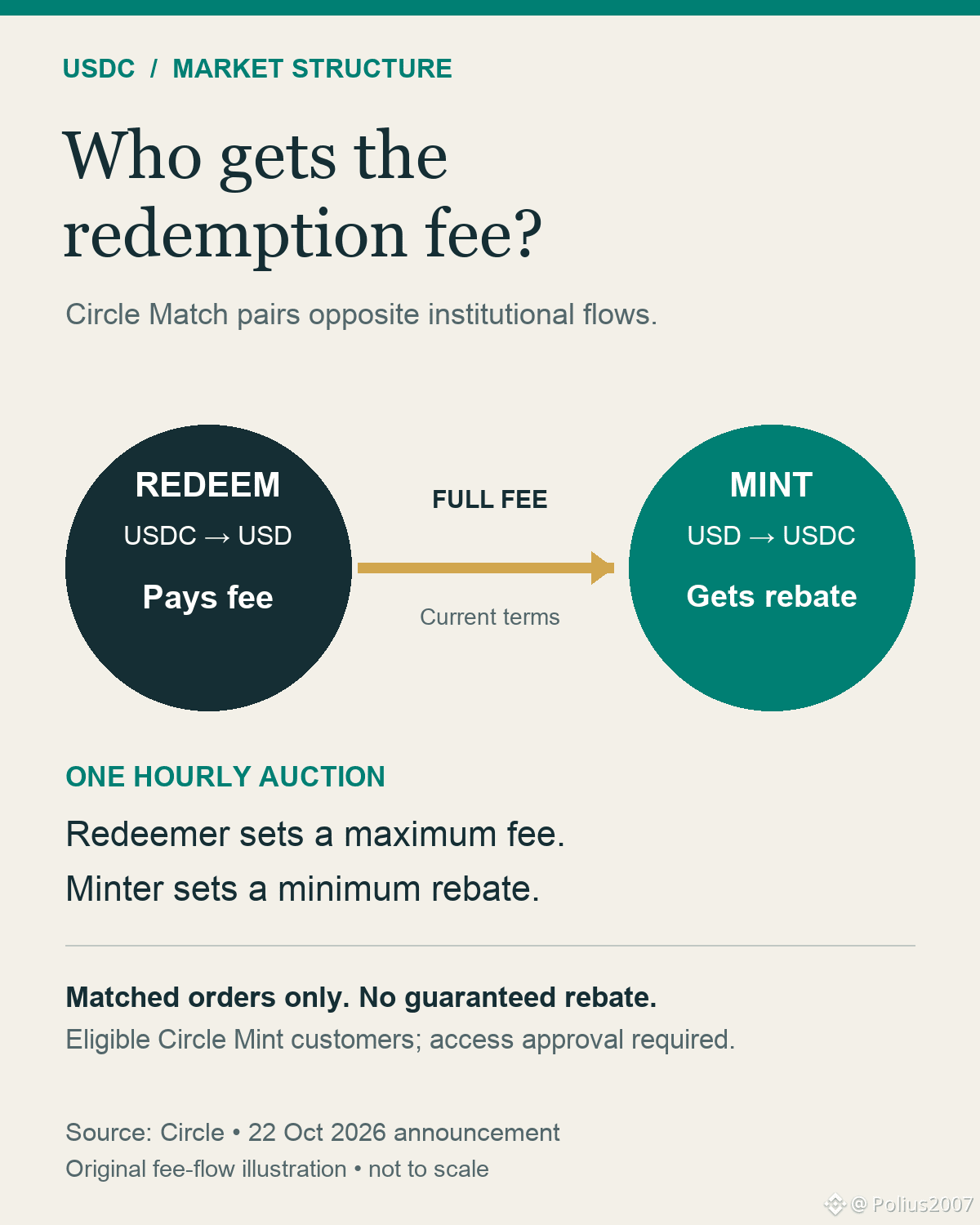
Circleは、USDCのミンターが、USDCを償還する人が支払う手数料を受け取れる仕組みを提供します。
10月22日に発表されたCircle Matchは、機関投資家によるミント注文と償還注文を、1時間ごとのオークションでマッチングします。ミンターは受け入れ可能な最低リベート額を設定し、償還者は支払う意思のある最高額を設定します。両者の条件が一致すると、単一の決済手数料が適用されます。Circleによると、現行の条件では、償還側が手数料を支払い、ミント側がその全額を受け取ります。ただし、マッチングや特定のリベートが保証されるわけではありません。
利用できるのは、Circle Mintの対象顧客のうち、承認を受けた顧客に限られます。そのため、USDCを保有しているだけでは、この仕組みでリベートを得ることはできません。オークションで決まるのはサービス手数料であり、トークンのドル価格ではありません。マッチングが成立した償還の費用は、顧客が設定した上限額またはCircleのExpressレートを超えることはありません。
出典:Circle、2026年10月22日。2026年10月26日確認。
https://www.circle.com/blog/circle-match-get-a-rebate-to-mint-set-your-price-to-redeem
#USDC #ステーブルコイン
Circleは、USDCのミンターが、USDCを償還する人が支払う手数料を受け取れる仕組みを提供します。
10月22日に発表されたCircle Matchは、機関投資家によるミント注文と償還注文を、1時間ごとのオークションでマッチングします。ミンターは受け入れ可能な最低リベート額を設定し、償還者は支払う意思のある最高額を設定します。両者の条件が一致すると、単一の決済手数料が適用されます。Circleによると、現行の条件では、償還側が手数料を支払い、ミント側がその全額を受け取ります。ただし、マッチングや特定のリベートが保証されるわけではありません。
利用できるのは、Circle Mintの対象顧客のうち、承認を受けた顧客に限られます。そのため、USDCを保有しているだけでは、この仕組みでリベートを得ることはできません。オークションで決まるのはサービス手数料であり、トークンのドル価格ではありません。マッチングが成立した償還の費用は、顧客が設定した上限額またはCircleのExpressレートを超えることはありません。
出典:Circle、2026年10月22日。2026年10月26日確認。
https://www.circle.com/blog/circle-match-get-a-rebate-to-mint-set-your-price-to-redeem
#USDC #ステーブルコイン
10月22日に発表されたCircle Matchは、機関投資家によるミント注文と償還注文を、1時間ごとのオークションでマッチングします。ミンターは受け入れ可能な最低リベート額を設定し、償還者は支払う意思のある最高額を設定します。両者の条件が一致すると、単一の決済手数料が適用されます。Circleによると、現行の条件では、償還側が手数料を支払い、ミント側がその全額を受け取ります。ただし、マッチングや特定のリベートが保証されるわけではありません。
利用できるのは、Circle Mintの対象顧客のうち、承認を受けた顧客に限られます。そのため、USDCを保有しているだけでは、この仕組みでリベートを得ることはできません。オークションで決まるのはサービス手数料であり、トークンのドル価格ではありません。マッチングが成立した償還の費用は、顧客が設定した上限額またはCircleのExpressレートを超えることはありません。
出典:Circle、2026年10月22日。2026年10月26日確認。
https://www.circle.com/blog/circle-match-get-a-rebate-to-mint-set-your-price-to-redeem
#USDC #ステーブルコイン
80

#BinancePick
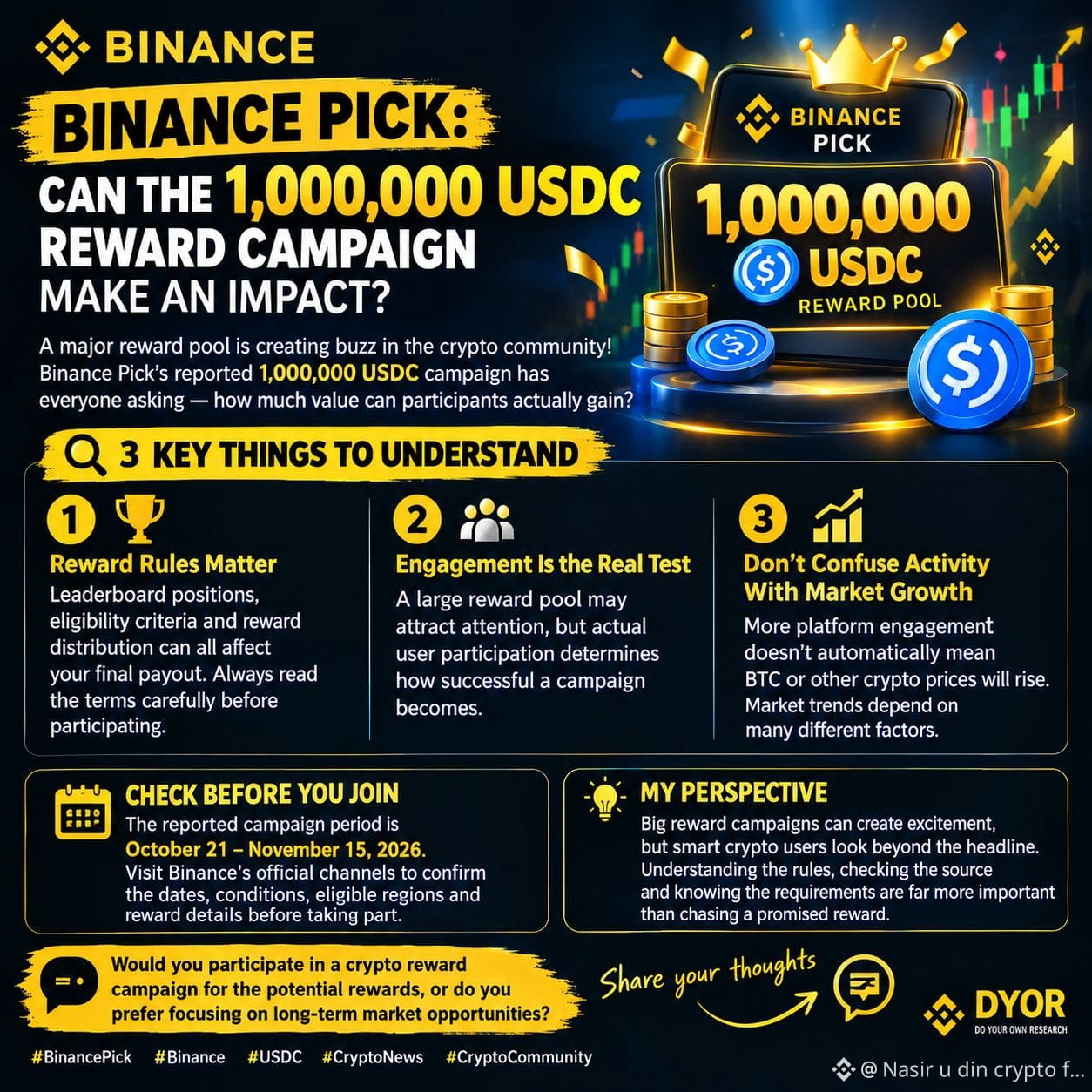
🚨 BINANCE PICK:1,000,000 USDCの報酬キャンペーンは影響をもたらすのか?
暗号資産コミュニティで、大規模な報酬プールが注目を集めています! 👀 Binance Pickが発表したとされる1,000,000 USDCのキャンペーンをめぐり、興味深い疑問が浮かびます。参加者は実際にどれほどの価値を得られるのでしょうか?
大きな数字に目を向ける前に、本当に大切なことを見てみましょう。 👇
🔎 理解しておきたい3つのポイント
🏆 1. 報酬のルールが重要
ランキングの順位、参加資格、報酬の配分は、最終的な結果に影響する可能性があります。参加する前に、必ず利用規約をよく確認しましょう。
📊 2. 本当の試金石は参加状況
大規模な報酬プールは注目を集めるかもしれませんが、キャンペーンがどれほど成功するかは、実際のユーザー参加によって決まります。
📈 3. 活動の活発さと市場の成長を混同しない
プラットフォームの利用が活発になっても、BTCやほかの暗号資産の価格が上がるとは限りません。市場の動向は複数の要因に左右されます。
⚠️ 参加前に確認しましょう
キャンペーン期間は2026年10月21日~11月15日とされています。参加する前に、Binanceの公式チャンネルで開催日、条件、対象地域、報酬の詳細を確認してください。
💡 私の見解
大規模な報酬キャンペーンは期待感を高めることがありますが、賢明な暗号資産ユーザーは見出しの先を見ています。ルールを理解し、情報源を確認し、参加条件を把握することは、約束された報酬を追い求めることより、はるかに重要です。
🔥 コミュニティへの質問:
報酬が得られる可能性を期待して暗号資産の報酬キャンペーンに参加しますか?それとも、長期的な市場機会に注目するほうがよいと思いますか?
ぜひ下に意見をお寄せください! 👇
#BinancePick #Binance #USDC #CryptoNews #CryptoCommunity
$XRP $ETH
{spot}(ETHUSDT)
{spot}(XRPUSDT)
$LINK
{spot}(LINKUSDT)
#BinancePick
🚨 BINANCE PICK:1,000,000 USDCの報酬キャンペーンは影響をもたらすのか?
暗号資産コミュニティで、大規模な報酬プールが注目を集めています! 👀 Binance Pickが発表したとされる1,000,000 USDCのキャンペーンをめぐり、興味深い疑問が浮かびます。参加者は実際にどれほどの価値を得られるのでしょうか?
大きな数字に目を向ける前に、本当に大切なことを見てみましょう。 👇
🔎 理解しておきたい3つのポイント
🏆 1. 報酬のルールが重要
ランキングの順位、参加資格、報酬の配分は、最終的な結果に影響する可能性があります。参加する前に、必ず利用規約をよく確認しましょう。
📊 2. 本当の試金石は参加状況
大規模な報酬プールは注目を集めるかもしれませんが、キャンペーンがどれほど成功するかは、実際のユーザー参加によって決まります。
📈 3. 活動の活発さと市場の成長を混同しない
プラットフォームの利用が活発になっても、BTCやほかの暗号資産の価格が上がるとは限りません。市場の動向は複数の要因に左右されます。
⚠️ 参加前に確認しましょう
キャンペーン期間は2026年10月21日~11月15日とされています。参加する前に、Binanceの公式チャンネルで開催日、条件、対象地域、報酬の詳細を確認してください。
💡 私の見解
大規模な報酬キャンペーンは期待感を高めることがありますが、賢明な暗号資産ユーザーは見出しの先を見ています。ルールを理解し、情報源を確認し、参加条件を把握することは、約束された報酬を追い求めることより、はるかに重要です。
🔥 コミュニティへの質問:
報酬が得られる可能性を期待して暗号資産の報酬キャンペーンに参加しますか?それとも、長期的な市場機会に注目するほうがよいと思いますか?
ぜひ下に意見をお寄せください! 👇
#BinancePick #Binance #USDC #CryptoNews #CryptoCommunity
$XRP $ETH
$LINK
🚨 BINANCE PICK:1,000,000 USDCの報酬キャンペーンは影響をもたらすのか?
暗号資産コミュニティで、大規模な報酬プールが注目を集めています! 👀 Binance Pickが発表したとされる1,000,000 USDCのキャンペーンをめぐり、興味深い疑問が浮かびます。参加者は実際にどれほどの価値を得られるのでしょうか?
大きな数字に目を向ける前に、本当に大切なことを見てみましょう。 👇
🔎 理解しておきたい3つのポイント
🏆 1. 報酬のルールが重要
ランキングの順位、参加資格、報酬の配分は、最終的な結果に影響する可能性があります。参加する前に、必ず利用規約をよく確認しましょう。
📊 2. 本当の試金石は参加状況
大規模な報酬プールは注目を集めるかもしれませんが、キャンペーンがどれほど成功するかは、実際のユーザー参加によって決まります。
📈 3. 活動の活発さと市場の成長を混同しない
プラットフォームの利用が活発になっても、BTCやほかの暗号資産の価格が上がるとは限りません。市場の動向は複数の要因に左右されます。
⚠️ 参加前に確認しましょう
キャンペーン期間は2026年10月21日~11月15日とされています。参加する前に、Binanceの公式チャンネルで開催日、条件、対象地域、報酬の詳細を確認してください。
💡 私の見解
大規模な報酬キャンペーンは期待感を高めることがありますが、賢明な暗号資産ユーザーは見出しの先を見ています。ルールを理解し、情報源を確認し、参加条件を把握することは、約束された報酬を追い求めることより、はるかに重要です。
🔥 コミュニティへの質問:
報酬が得られる可能性を期待して暗号資産の報酬キャンペーンに参加しますか?それとも、長期的な市場機会に注目するほうがよいと思いますか?
ぜひ下に意見をお寄せください! 👇
#BinancePick #Binance #USDC #CryptoNews #CryptoCommunity
$XRP $ETH
$LINK
1
3
1.9k

·
--
弱気相場
🚨 #BinancePick : 1,000,000 USDCの報酬プールは本当に違いを生む? 👀
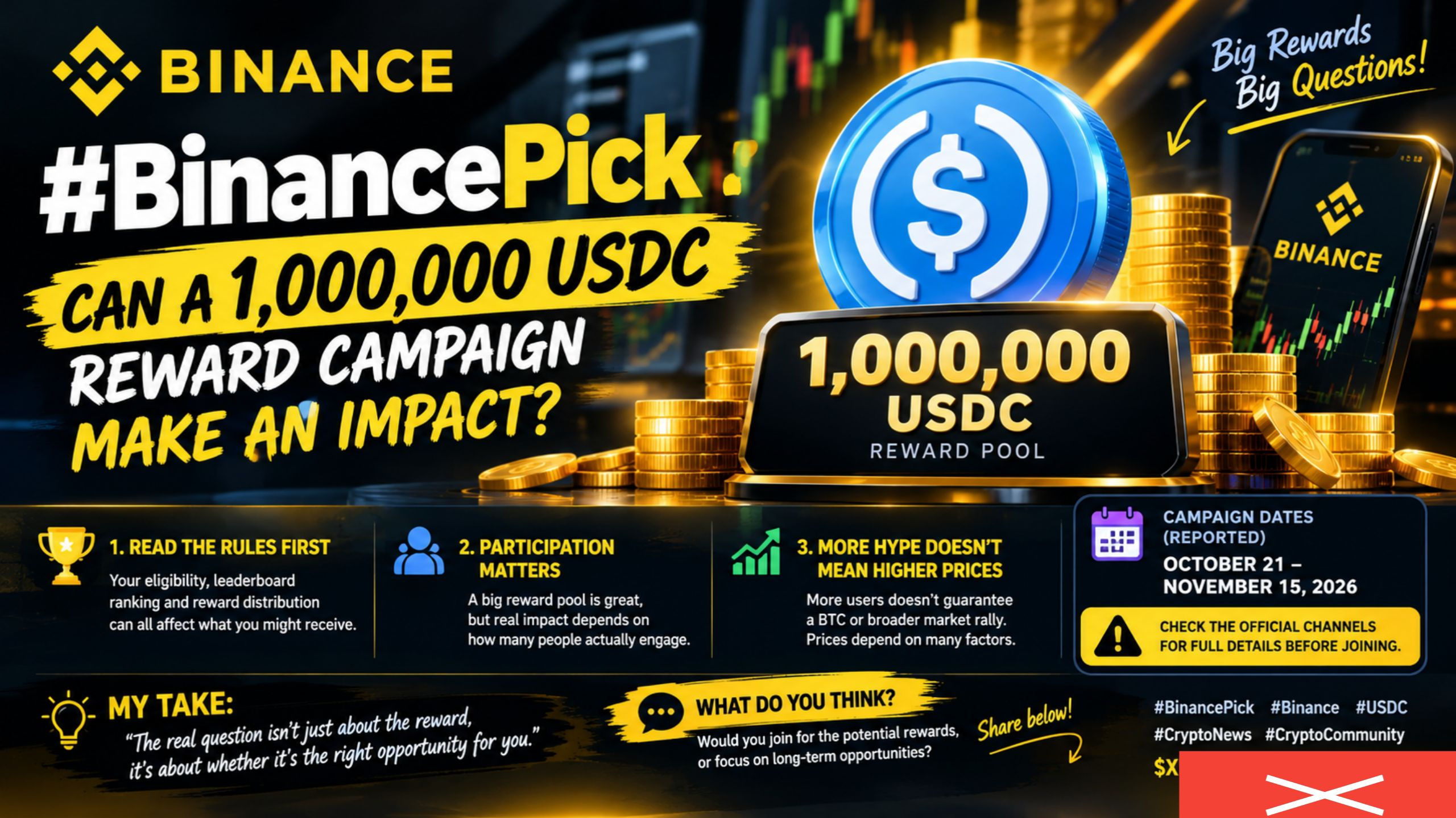
1,000,000 USDCの報酬キャンペーンが実施されるとの報道があり、暗号資産コミュニティで注目を集めています。でも、大きな報酬プールがあるからといって、誰もが高額の報酬を受け取れるとは限りません。
参加する前に、確認しておきたいことがいくつかあります。👇
🏆 1. まずはルールを読む
参加資格、ランキング順位、報酬の配分方法によって、受け取れる報酬は変わる可能性があります。細かい条件も必ず確認しましょう。
📊 2. 参加状況が重要
キャンペーンが大きな話題を呼ぶことはありますが、実際の効果は、参加者がどのように関わるか、そして最初の盛り上がりの後も活動が続くかどうかに左右されます。
📈 3. 話題性が高まっても価格上昇につながるとは限らない
キャンペーンでユーザーが増えたとしても、ビットコインや暗号資産市場全体が上昇するとは限りません。BTC、XRP、ETHなどの資産価格は、引き続き市場全体の状況に左右されます。
⚠️ 参加する前に
報道されているキャンペーン期間は、2026年10月21日~11月15日です。参加する前に、開催日程、参加資格、対象地域、報酬の配分ルールをBinanceの公式チャンネルで必ず確認してください。
💡 私の考え
暗号資産のチャンスには前向きですが、報酬額の見出しだけに注目するつもりはありません。本当に大切なのは、条件を理解しているか、そして自分にとって参加する価値があるかどうかです。
🔥 ぜひ話し合いましょう!
報酬の可能性に期待して暗号資産キャンペーンに参加しますか?それとも、長期的なチャンスに時間を使いたいですか?
ぜひコメントで意見を聞かせてください! 👇
#Binance #USDC #CryptoNews #CryptoCommunity
$XRP $ETH $BTC
{future}(BTCUSDT)
{future}(ETHUSDT)
{future}(XRPUSDT)
🚨 #BinancePick : 1,000,000 USDCの報酬プールは本当に違いを生む? 👀
1,000,000 USDCの報酬キャンペーンが実施されるとの報道があり、暗号資産コミュニティで注目を集めています。でも、大きな報酬プールがあるからといって、誰もが高額の報酬を受け取れるとは限りません。
参加する前に、確認しておきたいことがいくつかあります。👇
🏆 1. まずはルールを読む
参加資格、ランキング順位、報酬の配分方法によって、受け取れる報酬は変わる可能性があります。細かい条件も必ず確認しましょう。
📊 2. 参加状況が重要
キャンペーンが大きな話題を呼ぶことはありますが、実際の効果は、参加者がどのように関わるか、そして最初の盛り上がりの後も活動が続くかどうかに左右されます。
📈 3. 話題性が高まっても価格上昇につながるとは限らない
キャンペーンでユーザーが増えたとしても、ビットコインや暗号資産市場全体が上昇するとは限りません。BTC、XRP、ETHなどの資産価格は、引き続き市場全体の状況に左右されます。
⚠️ 参加する前に
報道されているキャンペーン期間は、2026年10月21日~11月15日です。参加する前に、開催日程、参加資格、対象地域、報酬の配分ルールをBinanceの公式チャンネルで必ず確認してください。
💡 私の考え
暗号資産のチャンスには前向きですが、報酬額の見出しだけに注目するつもりはありません。本当に大切なのは、条件を理解しているか、そして自分にとって参加する価値があるかどうかです。
🔥 ぜひ話し合いましょう!
報酬の可能性に期待して暗号資産キャンペーンに参加しますか?それとも、長期的なチャンスに時間を使いたいですか?
ぜひコメントで意見を聞かせてください! 👇
#Binance #USDC #CryptoNews #CryptoCommunity
$XRP $ETH $BTC
1,000,000 USDCの報酬キャンペーンが実施されるとの報道があり、暗号資産コミュニティで注目を集めています。でも、大きな報酬プールがあるからといって、誰もが高額の報酬を受け取れるとは限りません。
参加する前に、確認しておきたいことがいくつかあります。👇
🏆 1. まずはルールを読む
参加資格、ランキング順位、報酬の配分方法によって、受け取れる報酬は変わる可能性があります。細かい条件も必ず確認しましょう。
📊 2. 参加状況が重要
キャンペーンが大きな話題を呼ぶことはありますが、実際の効果は、参加者がどのように関わるか、そして最初の盛り上がりの後も活動が続くかどうかに左右されます。
📈 3. 話題性が高まっても価格上昇につながるとは限らない
キャンペーンでユーザーが増えたとしても、ビットコインや暗号資産市場全体が上昇するとは限りません。BTC、XRP、ETHなどの資産価格は、引き続き市場全体の状況に左右されます。
⚠️ 参加する前に
報道されているキャンペーン期間は、2026年10月21日~11月15日です。参加する前に、開催日程、参加資格、対象地域、報酬の配分ルールをBinanceの公式チャンネルで必ず確認してください。
💡 私の考え
暗号資産のチャンスには前向きですが、報酬額の見出しだけに注目するつもりはありません。本当に大切なのは、条件を理解しているか、そして自分にとって参加する価値があるかどうかです。
🔥 ぜひ話し合いましょう!
報酬の可能性に期待して暗号資産キャンペーンに参加しますか?それとも、長期的なチャンスに時間を使いたいですか?
ぜひコメントで意見を聞かせてください! 👇
#Binance #USDC #CryptoNews #CryptoCommunity
$XRP $ETH $BTC
94

🚨 OCCがステーブルコイン発行事業者にゴーサイン!銀行決済を再定義へ $USDC
📊 OCCの勧告により、地域銀行は認可を受けたステーブルコインの発行へと促され、従来の決済インフラが暗号資産ネイティブの経路へと変わりつつあります。🦈 賢明な投資家はこれを流動性を高めるきっかけと捉えています。規模の小さな銀行も、大手取引所の強い介入を受けることなく、機関投資家からの資金フローを確保できる可能性があります。⚡ $USDC を日常の取引に組み込むことで、規制上の安心感とオンチェーンの効率性を両立させる橋渡し役となり、あらゆる決済のスピードを変える可能性があります。
💬 小規模銀行は$USDC をどのように活用し、新たな決済市場のシェアを獲得するでしょうか? 👇
⚠️ これは金融アドバイスではありません。常にリスクを管理しましょう。 🛡️
🏷️ #USDC #Stablecoin #Banking #CryptoAdoption #Regulation
🔥 💎
🚨 OCCがステーブルコイン発行事業者にゴーサイン!銀行決済を再定義へ $USDC
📊 OCCの勧告により、地域銀行は認可を受けたステーブルコインの発行へと促され、従来の決済インフラが暗号資産ネイティブの経路へと変わりつつあります。🦈 賢明な投資家はこれを流動性を高めるきっかけと捉えています。規模の小さな銀行も、大手取引所の強い介入を受けることなく、機関投資家からの資金フローを確保できる可能性があります。⚡ $USDC を日常の取引に組み込むことで、規制上の安心感とオンチェーンの効率性を両立させる橋渡し役となり、あらゆる決済のスピードを変える可能性があります。
💬 小規模銀行は$USDC をどのように活用し、新たな決済市場のシェアを獲得するでしょうか? 👇
⚠️ これは金融アドバイスではありません。常にリスクを管理しましょう。 🛡️
🏷️ #USDC #Stablecoin #Banking #CryptoAdoption #Regulation
🔥 💎
📊 OCCの勧告により、地域銀行は認可を受けたステーブルコインの発行へと促され、従来の決済インフラが暗号資産ネイティブの経路へと変わりつつあります。🦈 賢明な投資家はこれを流動性を高めるきっかけと捉えています。規模の小さな銀行も、大手取引所の強い介入を受けることなく、機関投資家からの資金フローを確保できる可能性があります。⚡ $USDC を日常の取引に組み込むことで、規制上の安心感とオンチェーンの効率性を両立させる橋渡し役となり、あらゆる決済のスピードを変える可能性があります。
💬 小規模銀行は$USDC をどのように活用し、新たな決済市場のシェアを獲得するでしょうか? 👇
⚠️ これは金融アドバイスではありません。常にリスクを管理しましょう。 🛡️
🏷️ #USDC #Stablecoin #Banking #CryptoAdoption #Regulation
🔥 💎

2
ログインして、さらにコンテンツを読む
厳選トピックで世界の暗号資産トレーダーの仲間入り
⚡️ 暗号資産に関する最新かつ有益な情報が見つかります。
💬 世界最大の暗号資産取引所から信頼されています。
👍 認証を受けたクリエイターから、有益なインサイトを得られます。
メール / 電話番号
トレンドトピック
1
#BinancePick
閲覧回数 3.4M
165,034人が討論中
2
#EarningsSeason
閲覧回数 5.5M
26,910人が討論中
3
#StrategySkipsBitcoinPurchasesSpends$205MOnSTRCBuybacks
閲覧回数 916
26人が討論中
4
#BitmineAdds10452ETH
閲覧回数 9,962
251人が討論中
5
#SouthKoreaConsidersEducationTaxOnCryptoExchanges
閲覧回数 8,096
220人が討論中
6
#OCCUrgesCommunityBanksToEnterStablecoinPayments
閲覧回数 7,698
142人が討論中
7
#RippleWinsFullApprovalAsNationalTrustBank
閲覧回数 7,069
143人が討論中
8
#AkashSelectsSolanaAsMigrationTarget
閲覧回数 4,476
69人が討論中
9
#OndoToOpenSubscriptionsForOpenAIPreIPOTokenizedNotes
閲覧回数 331
19人が討論中
10
#AnthropicTTMRevenueGrewAbout1200%
閲覧回数 60,034
607人が討論中