

#sto
sto
閲覧回数 3.9M
11,608人が討論中
注目
最新

·
--
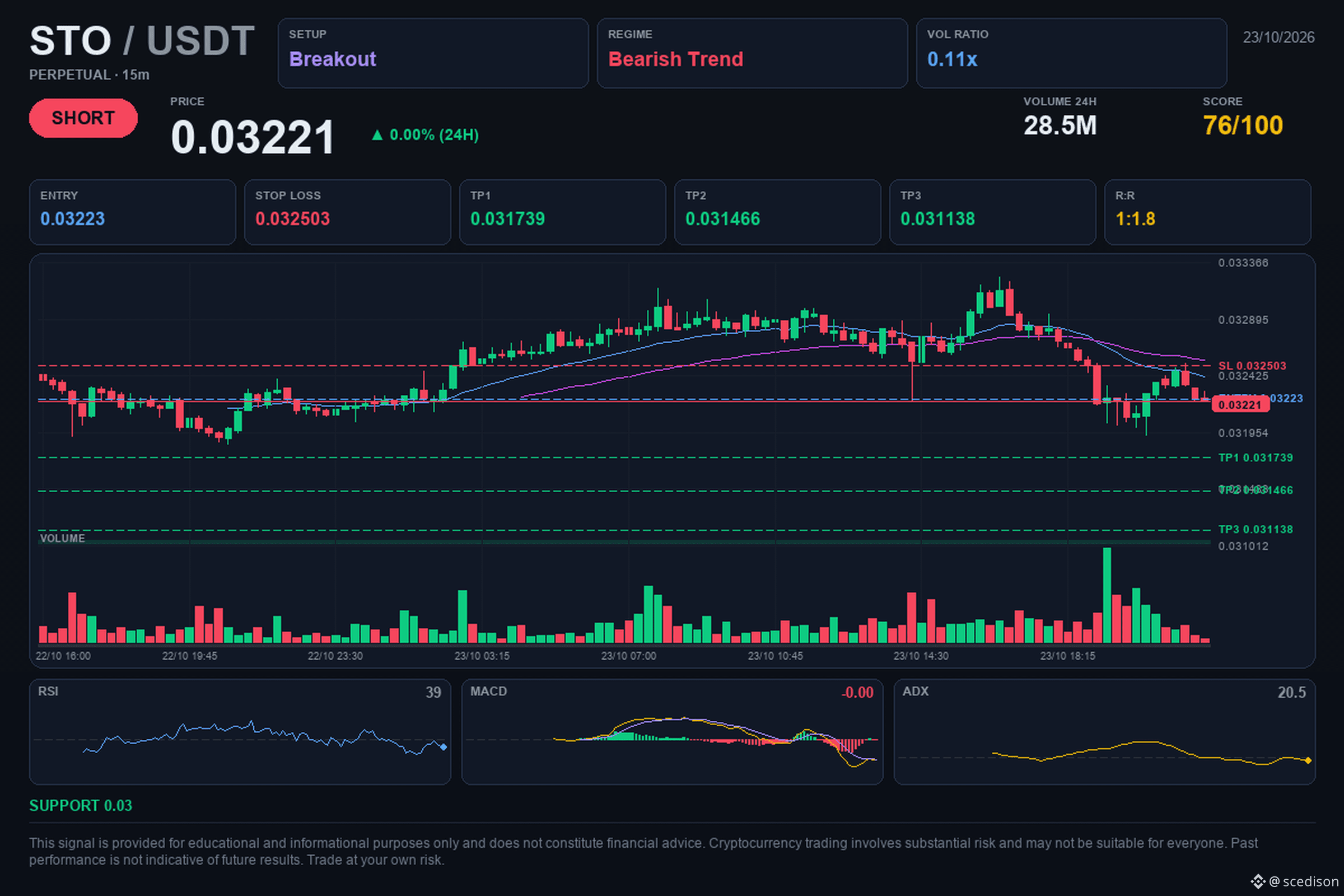
📢 $STO / USDT | 🔴 ショート | ⭐ 77%
🎯 目標: $0.03173877。到達できるでしょうか?
🎯 取引レベル:
🔴 エントリー: $0.03223
🛑 損切り: $0.032503
🏁 TP1: $0.031739
🏁 TP2: $0.031466
🏁 TP3: $0.031138
📈 分析:
この資産は、4時間足で安値と高値を切り下げる明確な下降構造を示しており、全体的な下落トレンドを裏付けています。売り圧力は取引量の大幅な増加にも支えられており、出来高は平均を73.3%上回っています。さらに、モメンタム指標であるMACDは弱気圏にとどまっており、現在の値動きでは売り手が主導権を握っていることを示唆しています。
⚖️ リスク/リワード: 1:1.8
⏱️ 時間足: 15M
💭 弱気のブレイクアウトは、価格が以前のサポート水準を下抜けたときに発生します。この動きは、その水準で売り手が買い手の買い圧力を上回ったことを示します。
#crypto #STO #trading #Bearish
💡 この分析は教育目的であり、金融アドバイスではありません。ご自身で調査し、落ち着いて判断してください。
📢 $STO / USDT | 🔴 ショート | ⭐ 77%
🎯 目標: $0.03173877。到達できるでしょうか?
🎯 取引レベル:
🔴 エントリー: $0.03223
🛑 損切り: $0.032503
🏁 TP1: $0.031739
🏁 TP2: $0.031466
🏁 TP3: $0.031138
📈 分析:
この資産は、4時間足で安値と高値を切り下げる明確な下降構造を示しており、全体的な下落トレンドを裏付けています。売り圧力は取引量の大幅な増加にも支えられており、出来高は平均を73.3%上回っています。さらに、モメンタム指標であるMACDは弱気圏にとどまっており、現在の値動きでは売り手が主導権を握っていることを示唆しています。
⚖️ リスク/リワード: 1:1.8
⏱️ 時間足: 15M
💭 弱気のブレイクアウトは、価格が以前のサポート水準を下抜けたときに発生します。この動きは、その水準で売り手が買い手の買い圧力を上回ったことを示します。
#crypto #STO #trading #Bearish
💡 この分析は教育目的であり、金融アドバイスではありません。ご自身で調査し、落ち着いて判断してください。
🎯 目標: $0.03173877。到達できるでしょうか?
🎯 取引レベル:
🔴 エントリー: $0.03223
🛑 損切り: $0.032503
🏁 TP1: $0.031739
🏁 TP2: $0.031466
🏁 TP3: $0.031138
📈 分析:
この資産は、4時間足で安値と高値を切り下げる明確な下降構造を示しており、全体的な下落トレンドを裏付けています。売り圧力は取引量の大幅な増加にも支えられており、出来高は平均を73.3%上回っています。さらに、モメンタム指標であるMACDは弱気圏にとどまっており、現在の値動きでは売り手が主導権を握っていることを示唆しています。
⚖️ リスク/リワード: 1:1.8
⏱️ 時間足: 15M
💭 弱気のブレイクアウトは、価格が以前のサポート水準を下抜けたときに発生します。この動きは、その水準で売り手が買い手の買い圧力を上回ったことを示します。
#crypto #STO #trading #Bearish
💡 この分析は教育目的であり、金融アドバイスではありません。ご自身で調査し、落ち着いて判断してください。
7
·
--
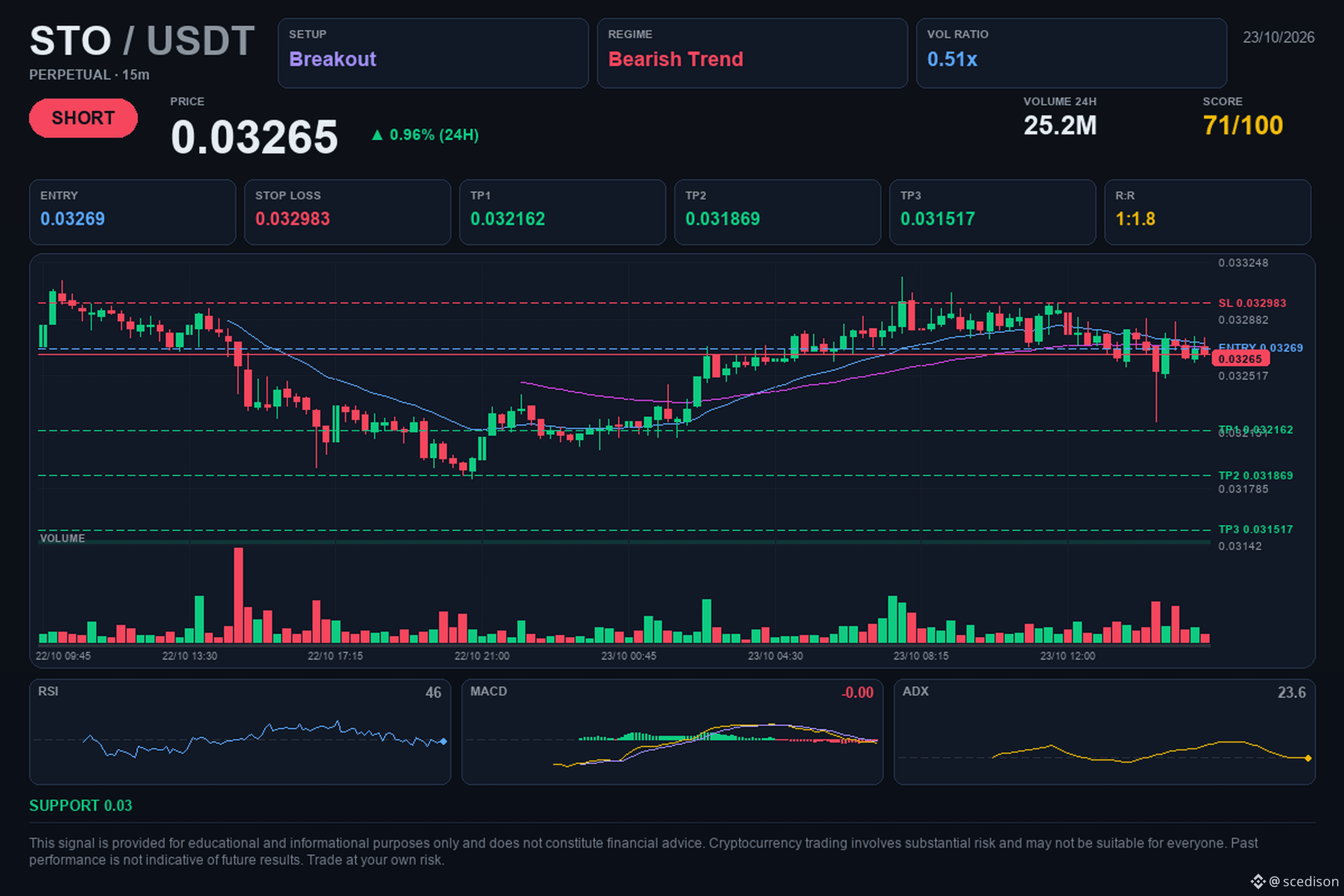
📢 $STO / USDT | 🔴 ショート | ⭐ 71%
🎯 目標価格: $0.03216236。到達するでしょうか?
🎯 取引レベル:
🔴 エントリー: $0.03269
🛑 損切り: $0.032983
🏁 TP1: $0.032162
🏁 TP2: $0.031869
🏁 TP3: $0.031517
📈 分析:
4時間足では、高値と安値が切り下がる明確な下降構造が見られます。取引量が大幅に増加しており、この資産への売り圧力が強まっていることが示唆されます。このブレイクアウトシナリオでは、現在のトレンドの弱さを利用し、下値水準に向かう動きを後押しするテクニカルな状況を踏まえています。
⚖️ リスク/リワード: 1:1.8
⏱️ 時間足: 15M
#crypto #STO #trading #Bearish
💡 この分析は教育目的であり、金融アドバイスではありません。ご自身で調査し、落ち着いて判断してください。
📢 $STO / USDT | 🔴 ショート | ⭐ 71%
🎯 目標価格: $0.03216236。到達するでしょうか?
🎯 取引レベル:
🔴 エントリー: $0.03269
🛑 損切り: $0.032983
🏁 TP1: $0.032162
🏁 TP2: $0.031869
🏁 TP3: $0.031517
📈 分析:
4時間足では、高値と安値が切り下がる明確な下降構造が見られます。取引量が大幅に増加しており、この資産への売り圧力が強まっていることが示唆されます。このブレイクアウトシナリオでは、現在のトレンドの弱さを利用し、下値水準に向かう動きを後押しするテクニカルな状況を踏まえています。
⚖️ リスク/リワード: 1:1.8
⏱️ 時間足: 15M
#crypto #STO #trading #Bearish
💡 この分析は教育目的であり、金融アドバイスではありません。ご自身で調査し、落ち着いて判断してください。
🎯 目標価格: $0.03216236。到達するでしょうか?
🎯 取引レベル:
🔴 エントリー: $0.03269
🛑 損切り: $0.032983
🏁 TP1: $0.032162
🏁 TP2: $0.031869
🏁 TP3: $0.031517
📈 分析:
4時間足では、高値と安値が切り下がる明確な下降構造が見られます。取引量が大幅に増加しており、この資産への売り圧力が強まっていることが示唆されます。このブレイクアウトシナリオでは、現在のトレンドの弱さを利用し、下値水準に向かう動きを後押しするテクニカルな状況を踏まえています。
⚖️ リスク/リワード: 1:1.8
⏱️ 時間足: 15M
#crypto #STO #trading #Bearish
💡 この分析は教育目的であり、金融アドバイスではありません。ご自身で調査し、落ち着いて判断してください。
7



·
--
$STO のチャートを見て、目が覚めちゃった😳
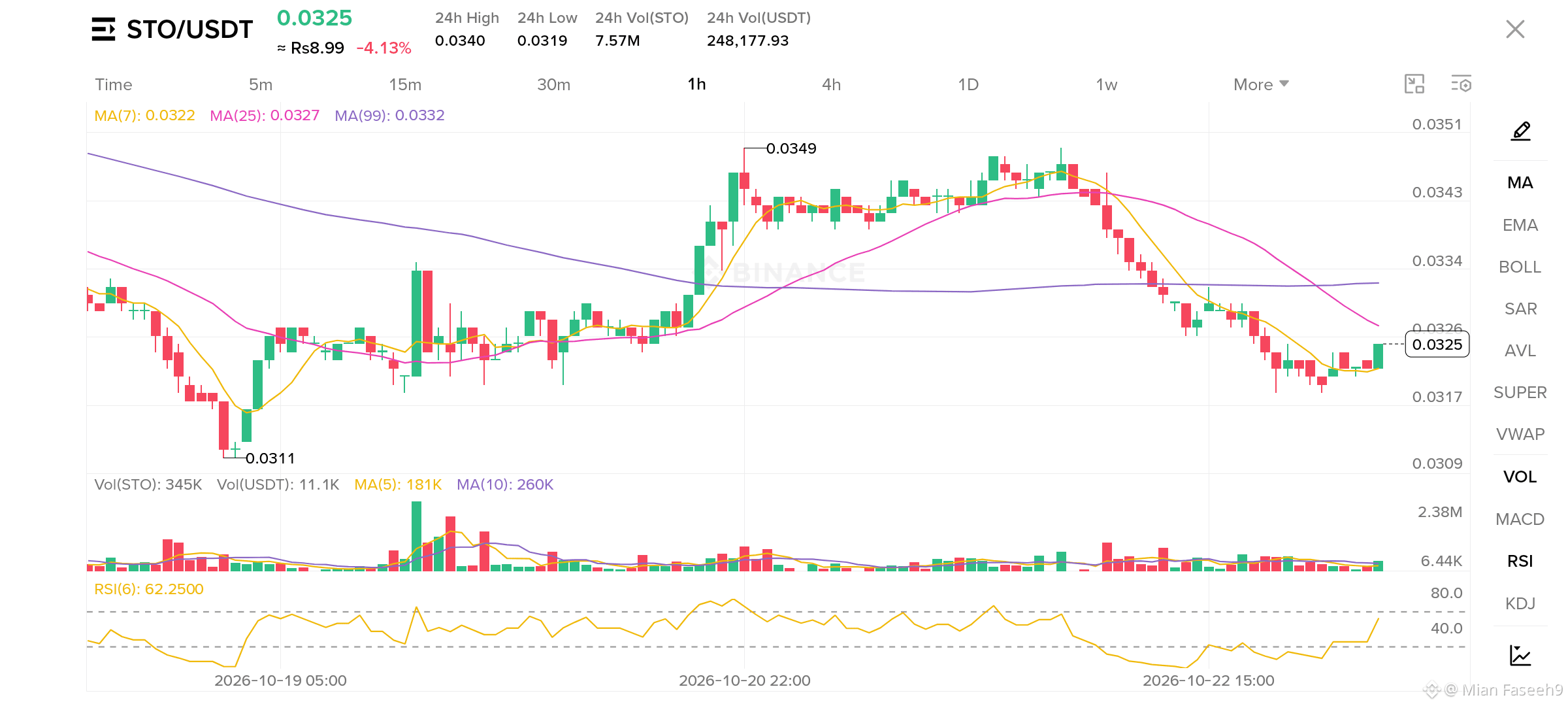
兄弟、$STO が$0.0311から反発したの、誰か気づいた?今の価格は$0.0325で、MA7が上抜け、RSIも62.25で強気になってきてる。
昨日は$0.0349まで急騰して、その後クジラが売り浴びせたけど、今また出来高が増えてる。チャートは前回の急騰前とまったく同じパターンを作ってる。
自分の戦略は明確:
$0.0330を突破したら、次の目標は$0.0349〜$0.0360。サポートは$0.0315で、そこを下回ったら損切りする。
自分はホールド中。この水準はパニック売りじゃなく、買いのチャンスに見える。
みんなはどうする?$STO は$0.0360まで上がる?それともまた$0.030に戻る?コメントで正直に教えて。
こういうリアルなチャート更新を毎日見たい人は、フォローしてね。見逃さないように。
#STO #STOUSDT #CryptoTrading #Altcoins #Write2Earn
{spot}(STOUSDT)
$STO のチャートを見て、目が覚めちゃった😳
兄弟、$STO が$0.0311から反発したの、誰か気づいた?今の価格は$0.0325で、MA7が上抜け、RSIも62.25で強気になってきてる。
昨日は$0.0349まで急騰して、その後クジラが売り浴びせたけど、今また出来高が増えてる。チャートは前回の急騰前とまったく同じパターンを作ってる。
自分の戦略は明確:
$0.0330を突破したら、次の目標は$0.0349〜$0.0360。サポートは$0.0315で、そこを下回ったら損切りする。
自分はホールド中。この水準はパニック売りじゃなく、買いのチャンスに見える。
みんなはどうする?$STO は$0.0360まで上がる?それともまた$0.030に戻る?コメントで正直に教えて。
こういうリアルなチャート更新を毎日見たい人は、フォローしてね。見逃さないように。
#STO #STOUSDT #CryptoTrading #Altcoins #Write2Earn
兄弟、$STO が$0.0311から反発したの、誰か気づいた?今の価格は$0.0325で、MA7が上抜け、RSIも62.25で強気になってきてる。
昨日は$0.0349まで急騰して、その後クジラが売り浴びせたけど、今また出来高が増えてる。チャートは前回の急騰前とまったく同じパターンを作ってる。
自分の戦略は明確:
$0.0330を突破したら、次の目標は$0.0349〜$0.0360。サポートは$0.0315で、そこを下回ったら損切りする。
自分はホールド中。この水準はパニック売りじゃなく、買いのチャンスに見える。
みんなはどうする?$STO は$0.0360まで上がる?それともまた$0.030に戻る?コメントで正直に教えて。
こういうリアルなチャート更新を毎日見たい人は、フォローしてね。見逃さないように。
#STO #STOUSDT #CryptoTrading #Altcoins #Write2Earn
1
81

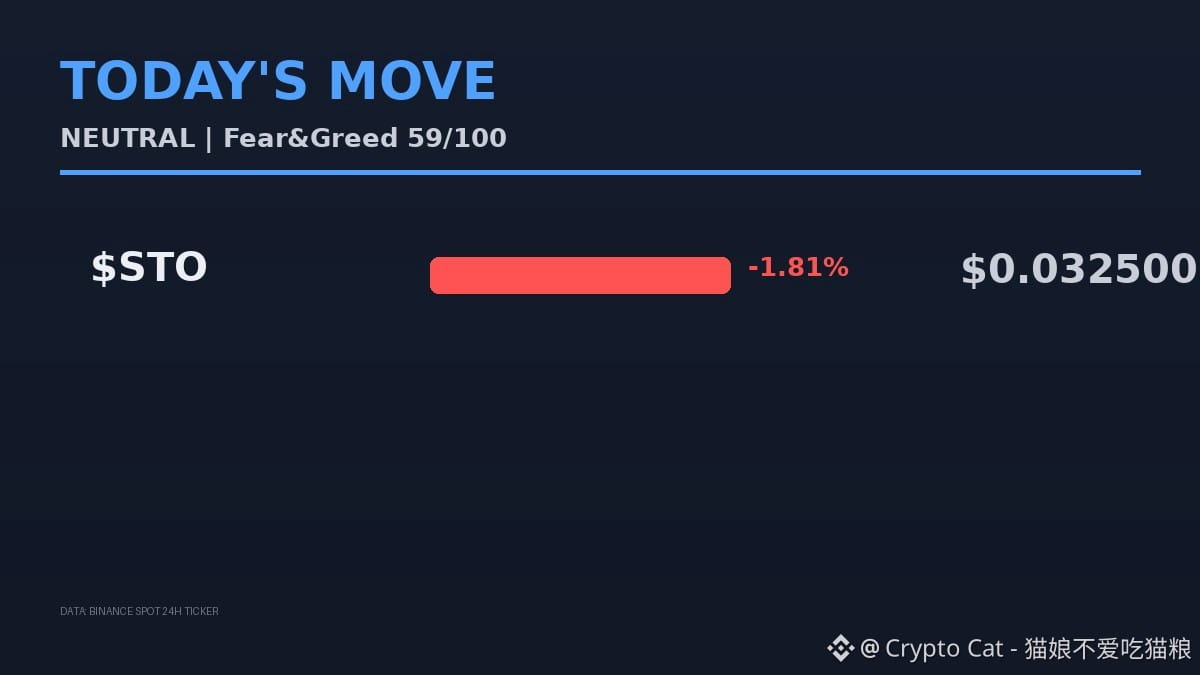
韓国の未来資産証券が2027年Q1にトークン化商品を投入する計画ですが、$STO は先に1.81%下落。
市場全体の強欲指数は59。短期資金は遠い先の好材料には乗ってきません。実現までまだ2年もかかるとなれば、$STO が先に下落するのも当然です。
強気の条件:今後、具体的な発表があり、$STO の出来高が3日連続で平均を上回り、資金調達率がプラスに転じれば、少し試しに入ってみてもよいでしょう。
弱気なら1週間待ちましょう。続報がなく、出来高が細ったままじりじり下げるなら、焦って落ちるナイフをつかまず、追いかけて高値づかみするより資金を温存するほうが賢明です。
バイナンス現物取引大会S6に参加して腕試ししませんか?コメントで交流してWrite2Earn報酬を獲得しましょう。
今回の長期的な好材料、あなたは実現を確認してから待つ(1を入力)派?それとも今のうちに先回りしてポジションを取る(2を入力)派?
#Write2Earn #BinanceSquare #STO RWA #TradingTournament
韓国の未来資産証券が2027年Q1にトークン化商品を投入する計画ですが、$STO は先に1.81%下落。
市場全体の強欲指数は59。短期資金は遠い先の好材料には乗ってきません。実現までまだ2年もかかるとなれば、$STO が先に下落するのも当然です。
強気の条件:今後、具体的な発表があり、$STO の出来高が3日連続で平均を上回り、資金調達率がプラスに転じれば、少し試しに入ってみてもよいでしょう。
弱気なら1週間待ちましょう。続報がなく、出来高が細ったままじりじり下げるなら、焦って落ちるナイフをつかまず、追いかけて高値づかみするより資金を温存するほうが賢明です。
バイナンス現物取引大会S6に参加して腕試ししませんか?コメントで交流してWrite2Earn報酬を獲得しましょう。
今回の長期的な好材料、あなたは実現を確認してから待つ(1を入力)派?それとも今のうちに先回りしてポジションを取る(2を入力)派?
#Write2Earn #BinanceSquare #STO RWA #TradingTournament
市場全体の強欲指数は59。短期資金は遠い先の好材料には乗ってきません。実現までまだ2年もかかるとなれば、$STO が先に下落するのも当然です。
強気の条件:今後、具体的な発表があり、$STO の出来高が3日連続で平均を上回り、資金調達率がプラスに転じれば、少し試しに入ってみてもよいでしょう。
弱気なら1週間待ちましょう。続報がなく、出来高が細ったままじりじり下げるなら、焦って落ちるナイフをつかまず、追いかけて高値づかみするより資金を温存するほうが賢明です。
バイナンス現物取引大会S6に参加して腕試ししませんか?コメントで交流してWrite2Earn報酬を獲得しましょう。
今回の長期的な好材料、あなたは実現を確認してから待つ(1を入力)派?それとも今のうちに先回りしてポジションを取る(2を入力)派?
#Write2Earn #BinanceSquare #STO RWA #TradingTournament
49
韓国の暗号資産取引口座が1118万件を突破、浸透率は20%超。それなのにエコシステムはまだ個人投資家の手数料頼み?
調査レポートは、韓国のトークン化市場が2030年に2530億ドル規模に達すると予測。財閥が17億ドルを投じて参入を急いでいる。
$STO は現在0.0324ドルで1.52%下落、$SOL は小幅に2.1%上昇。この水準で高値を追う価値はない。
$STO 法案の成立か、インフラ整備の確かな進展を待ってから動こう。見立てを確かめたい? BinanceのRWUSDとbStocksの取引ペアはすでに上場済み。
韓国のこの兆ドル規模の転換、先回りして期待を買う?それとも法案成立を待つ?強気なら「1」、確認待ちなら「2」とコメント。
#Write2Earn #BinanceSquare #STO RWA #TradingTournament
韓国の暗号資産取引口座が1118万件を突破、浸透率は20%超。それなのにエコシステムはまだ個人投資家の手数料頼み?
調査レポートは、韓国のトークン化市場が2030年に2530億ドル規模に達すると予測。財閥が17億ドルを投じて参入を急いでいる。
$STO は現在0.0324ドルで1.52%下落、$SOL は小幅に2.1%上昇。この水準で高値を追う価値はない。
$STO 法案の成立か、インフラ整備の確かな進展を待ってから動こう。見立てを確かめたい? BinanceのRWUSDとbStocksの取引ペアはすでに上場済み。
韓国のこの兆ドル規模の転換、先回りして期待を買う?それとも法案成立を待つ?強気なら「1」、確認待ちなら「2」とコメント。
#Write2Earn #BinanceSquare #STO RWA #TradingTournament
調査レポートは、韓国のトークン化市場が2030年に2530億ドル規模に達すると予測。財閥が17億ドルを投じて参入を急いでいる。
$STO は現在0.0324ドルで1.52%下落、$SOL は小幅に2.1%上昇。この水準で高値を追う価値はない。
$STO 法案の成立か、インフラ整備の確かな進展を待ってから動こう。見立てを確かめたい? BinanceのRWUSDとbStocksの取引ペアはすでに上場済み。
韓国のこの兆ドル規模の転換、先回りして期待を買う?それとも法案成立を待つ?強気なら「1」、確認待ちなら「2」とコメント。
#Write2Earn #BinanceSquare #STO RWA #TradingTournament
15

⚡ $STO 買い手が抵抗線に対して価格を圧縮する中、いよいよ急騰の準備完了! 💥
エントリー:0.0435~0.0450 ⚡
目標価格:0.0500 / 0.0580 / 0.0680 🚀
損切り:0.0400 ⚠️
📌 大口投資家は0.0435の蓄積レンジ内で、売り側の流動性を静かに吸収し、高い確信度を伴うモメンタム相場への準備を進めています。 📊 下落するたびに力強く買い戻されている点に注目してください。次の上昇局面を前に、相場の底堅さが示されています。
💡 最初の上値目標は0.0500。ここを明確にブレイクすれば、上昇余地とリスクの非対称性を活かし、0.0680まで一気に向かう展開が期待できます。 💬 この需要ゾーンで買い注文を仕込んでいますか?それともブレイクアウトの確認を待ちますか? 👇
⚠️ 金融アドバイスではありません。常にリスク管理を徹底してください。 🛡️
🏷️ #STO #LongSetup #Crypto #Trading #Altcoins
🔥 ⚡
⚡ $STO 買い手が抵抗線に対して価格を圧縮する中、いよいよ急騰の準備完了! 💥
エントリー:0.0435~0.0450 ⚡
目標価格:0.0500 / 0.0580 / 0.0680 🚀
損切り:0.0400 ⚠️
📌 大口投資家は0.0435の蓄積レンジ内で、売り側の流動性を静かに吸収し、高い確信度を伴うモメンタム相場への準備を進めています。 📊 下落するたびに力強く買い戻されている点に注目してください。次の上昇局面を前に、相場の底堅さが示されています。
💡 最初の上値目標は0.0500。ここを明確にブレイクすれば、上昇余地とリスクの非対称性を活かし、0.0680まで一気に向かう展開が期待できます。 💬 この需要ゾーンで買い注文を仕込んでいますか?それともブレイクアウトの確認を待ちますか? 👇
⚠️ 金融アドバイスではありません。常にリスク管理を徹底してください。 🛡️
🏷️ #STO #LongSetup #Crypto #Trading #Altcoins
🔥 ⚡
エントリー:0.0435~0.0450 ⚡
目標価格:0.0500 / 0.0580 / 0.0680 🚀
損切り:0.0400 ⚠️
📌 大口投資家は0.0435の蓄積レンジ内で、売り側の流動性を静かに吸収し、高い確信度を伴うモメンタム相場への準備を進めています。 📊 下落するたびに力強く買い戻されている点に注目してください。次の上昇局面を前に、相場の底堅さが示されています。
💡 最初の上値目標は0.0500。ここを明確にブレイクすれば、上昇余地とリスクの非対称性を活かし、0.0680まで一気に向かう展開が期待できます。 💬 この需要ゾーンで買い注文を仕込んでいますか?それともブレイクアウトの確認を待ちますか? 👇
⚠️ 金融アドバイスではありません。常にリスク管理を徹底してください。 🛡️
🏷️ #STO #LongSetup #Crypto #Trading #Altcoins
🔥 ⚡
30
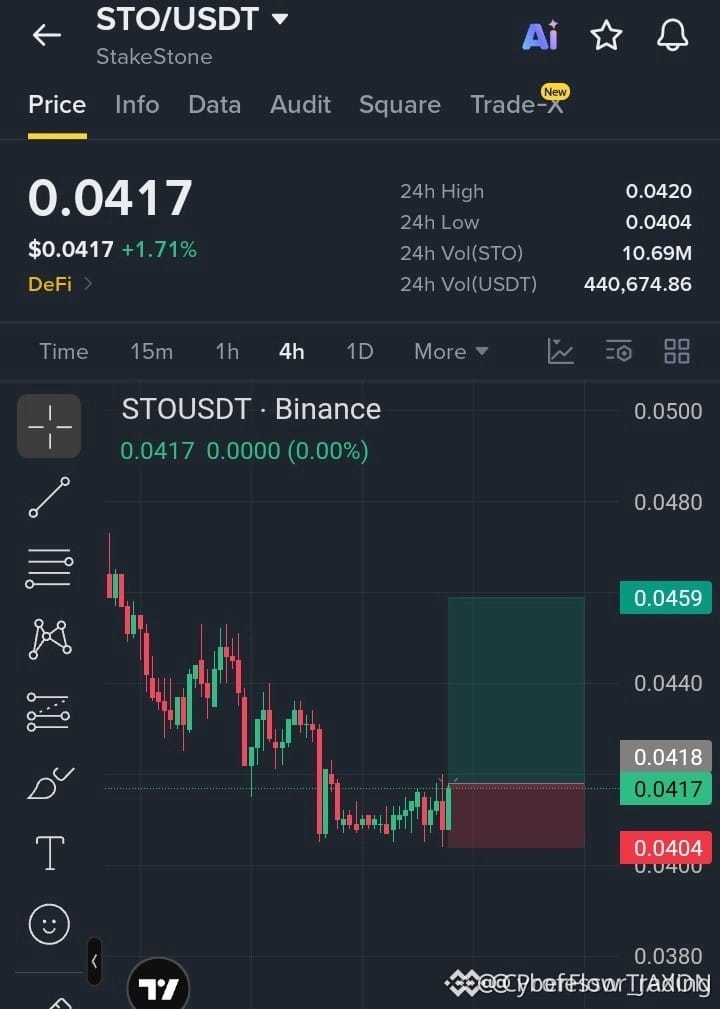
🟢 $STO 重要な需要ゾーンを防衛中。安値切り上げが爆発的な反発を示唆!🚀
エントリー:0.0416 - 0.0419 ⚡
目標:0.0435 - 0.0459 🚀
損切り:0.0404 ⚠️
📌 買い手は0.0404の基盤を力強く守り、4時間足で安値を切り上げるタイトな値動きを形成しています。📊 注文フローは急速に変化しており、0.0418を明確に奪回すれば、主要な流動性プールである0.0459に向けて一気に上昇する道が開けます。
💡 サポートで下落リスクがしっかり抑えられているため、注文板の反転を見守るモメンタムトレーダーにとって、非常に狙い目の局面です。💬 このリテストで買いを入れますか?それとも、まず0.0418のブレイクを待ちますか?👇
⚠️ 金融アドバイスではありません。常にリスク管理を行ってください。🛡️
🏷️ #STO #LongSetup #Breakout #Crypto
🔥 ⚡
🟢 $STO 重要な需要ゾーンを防衛中。安値切り上げが爆発的な反発を示唆!🚀
エントリー:0.0416 - 0.0419 ⚡
目標:0.0435 - 0.0459 🚀
損切り:0.0404 ⚠️
📌 買い手は0.0404の基盤を力強く守り、4時間足で安値を切り上げるタイトな値動きを形成しています。📊 注文フローは急速に変化しており、0.0418を明確に奪回すれば、主要な流動性プールである0.0459に向けて一気に上昇する道が開けます。
💡 サポートで下落リスクがしっかり抑えられているため、注文板の反転を見守るモメンタムトレーダーにとって、非常に狙い目の局面です。💬 このリテストで買いを入れますか?それとも、まず0.0418のブレイクを待ちますか?👇
⚠️ 金融アドバイスではありません。常にリスク管理を行ってください。🛡️
🏷️ #STO #LongSetup #Breakout #Crypto
🔥 ⚡
エントリー:0.0416 - 0.0419 ⚡
目標:0.0435 - 0.0459 🚀
損切り:0.0404 ⚠️
📌 買い手は0.0404の基盤を力強く守り、4時間足で安値を切り上げるタイトな値動きを形成しています。📊 注文フローは急速に変化しており、0.0418を明確に奪回すれば、主要な流動性プールである0.0459に向けて一気に上昇する道が開けます。
💡 サポートで下落リスクがしっかり抑えられているため、注文板の反転を見守るモメンタムトレーダーにとって、非常に狙い目の局面です。💬 このリテストで買いを入れますか?それとも、まず0.0418のブレイクを待ちますか?👇
⚠️ 金融アドバイスではありません。常にリスク管理を行ってください。🛡️
🏷️ #STO #LongSetup #Breakout #Crypto
🔥 ⚡
59

·
--
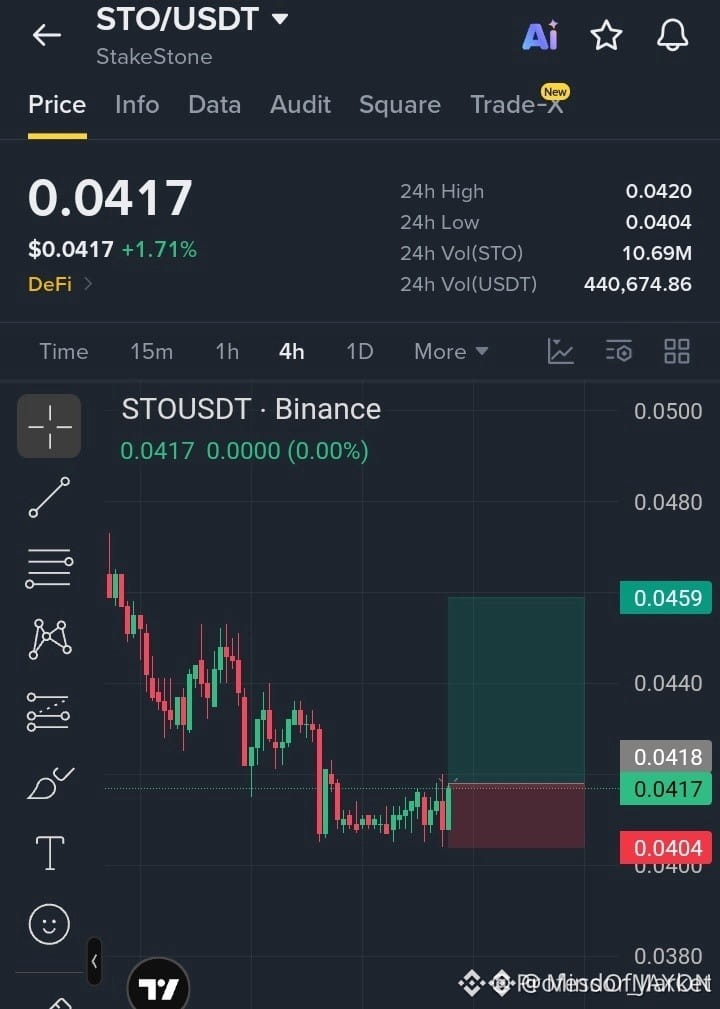
🚨 $STO 需要帯が強く維持され、機関投資家の買い集めとともに安値を切り上げ! 💥
エントリー:0.0416 - 0.0419 ⚡
目標:0.0435 / 0.0445 / 0.0459 🚀
損切り:0.0404 ⚠️
📌 スマートマネーは引き続き0.0404の構造的な需要ブロックを守っており、4時間足では典型的な安値切り上げの動きが続いています。 🔍 注文フローが分配から受動的な買い集めへと移行するなか、売り手の勢いが尽きつつあることが明らかになってきました。
⚡ 0.0418を明確に上回って定着すれば、目先の上昇モメンタムが確認され、上値にある買いサイドの流動性を抜けて0.0459を目指す効率的な道が開けます。 📊 このセットアップは、規律ある構造分析トレーダーにとって非対称なリスクリワードをもたらします。 💬 この上昇を狙ってポジションを取りますか? それともレジスタンスを上回って終値が確定するのを待ちますか? 👇
⚠️ 金融アドバイスではありません。常にリスク管理を徹底してください。 🛡️
🏷️ #STO #LongSetup #MarketStructure #Crypto #Breakout
🎯 🦈
🚨 $STO 需要帯が強く維持され、機関投資家の買い集めとともに安値を切り上げ! 💥
エントリー:0.0416 - 0.0419 ⚡
目標:0.0435 / 0.0445 / 0.0459 🚀
損切り:0.0404 ⚠️
📌 スマートマネーは引き続き0.0404の構造的な需要ブロックを守っており、4時間足では典型的な安値切り上げの動きが続いています。 🔍 注文フローが分配から受動的な買い集めへと移行するなか、売り手の勢いが尽きつつあることが明らかになってきました。
⚡ 0.0418を明確に上回って定着すれば、目先の上昇モメンタムが確認され、上値にある買いサイドの流動性を抜けて0.0459を目指す効率的な道が開けます。 📊 このセットアップは、規律ある構造分析トレーダーにとって非対称なリスクリワードをもたらします。 💬 この上昇を狙ってポジションを取りますか? それともレジスタンスを上回って終値が確定するのを待ちますか? 👇
⚠️ 金融アドバイスではありません。常にリスク管理を徹底してください。 🛡️
🏷️ #STO #LongSetup #MarketStructure #Crypto #Breakout
🎯 🦈
エントリー:0.0416 - 0.0419 ⚡
目標:0.0435 / 0.0445 / 0.0459 🚀
損切り:0.0404 ⚠️
📌 スマートマネーは引き続き0.0404の構造的な需要ブロックを守っており、4時間足では典型的な安値切り上げの動きが続いています。 🔍 注文フローが分配から受動的な買い集めへと移行するなか、売り手の勢いが尽きつつあることが明らかになってきました。
⚡ 0.0418を明確に上回って定着すれば、目先の上昇モメンタムが確認され、上値にある買いサイドの流動性を抜けて0.0459を目指す効率的な道が開けます。 📊 このセットアップは、規律ある構造分析トレーダーにとって非対称なリスクリワードをもたらします。 💬 この上昇を狙ってポジションを取りますか? それともレジスタンスを上回って終値が確定するのを待ちますか? 👇
⚠️ 金融アドバイスではありません。常にリスク管理を徹底してください。 🛡️
🏷️ #STO #LongSetup #MarketStructure #Crypto #Breakout
🎯 🦈
43

暗号資産カレンダー — 2026年10月3日
本日のイベント:$STO
{future}(STOUSDT)
トークンのアンロックはUTC 05:00。
新たな供給が市場に流入すると、特にニュースの静かな日が明けた直後は短期的なボラティリティにつながる可能性があります。アンロックの時間帯付近で出来高と価格の反応を注視する価値があります。
先を見据えると、$LA
{future}(LAUSDT)
トークンは明日(日曜日)も再びアンロックされます。今週金曜日のLAアンロックに続く、2回目のLAアンロックです。
今日のアンロックを取引する?それとも様子見で待つ?👇
#STO #TokenUnlock #CryptoCalendar
暗号資産カレンダー — 2026年10月3日
本日のイベント:$STO
トークンのアンロックはUTC 05:00。
新たな供給が市場に流入すると、特にニュースの静かな日が明けた直後は短期的なボラティリティにつながる可能性があります。アンロックの時間帯付近で出来高と価格の反応を注視する価値があります。
先を見据えると、$LA
トークンは明日(日曜日)も再びアンロックされます。今週金曜日のLAアンロックに続く、2回目のLAアンロックです。
今日のアンロックを取引する?それとも様子見で待つ?👇
#STO #TokenUnlock #CryptoCalendar
本日のイベント:$STO
トークンのアンロックはUTC 05:00。
新たな供給が市場に流入すると、特にニュースの静かな日が明けた直後は短期的なボラティリティにつながる可能性があります。アンロックの時間帯付近で出来高と価格の反応を注視する価値があります。
先を見据えると、$LA
トークンは明日(日曜日)も再びアンロックされます。今週金曜日のLAアンロックに続く、2回目のLAアンロックです。
今日のアンロックを取引する?それとも様子見で待つ?👇
#STO #TokenUnlock #CryptoCalendar
562

·
--
🔴 STO — 強い買いの勢い
30分足のRSIが70.23に達しており、下落の調整開始の可能性を後押しします。
🔻 SHORT
🎯 0.0455
🎯 0.0447
🎯 0.0438
🛑 SL: 0.0472
❤️ あなたのサポートが私にとって大きな力になります
🔥 毎日100件以上の推奨
$STO #STO
🔴 STO — 強い買いの勢い
30分足のRSIが70.23に達しており、下落の調整開始の可能性を後押しします。
🔻 SHORT
🎯 0.0455
🎯 0.0447
🎯 0.0438
🛑 SL: 0.0472
❤️ あなたのサポートが私にとって大きな力になります
🔥 毎日100件以上の推奨
$STO #STO
30分足のRSIが70.23に達しており、下落の調整開始の可能性を後押しします。
🔻 SHORT
🎯 0.0455
🎯 0.0447
🎯 0.0438
🛑 SL: 0.0472
❤️ あなたのサポートが私にとって大きな力になります
🔥 毎日100件以上の推奨
$STO #STO
40
·
--
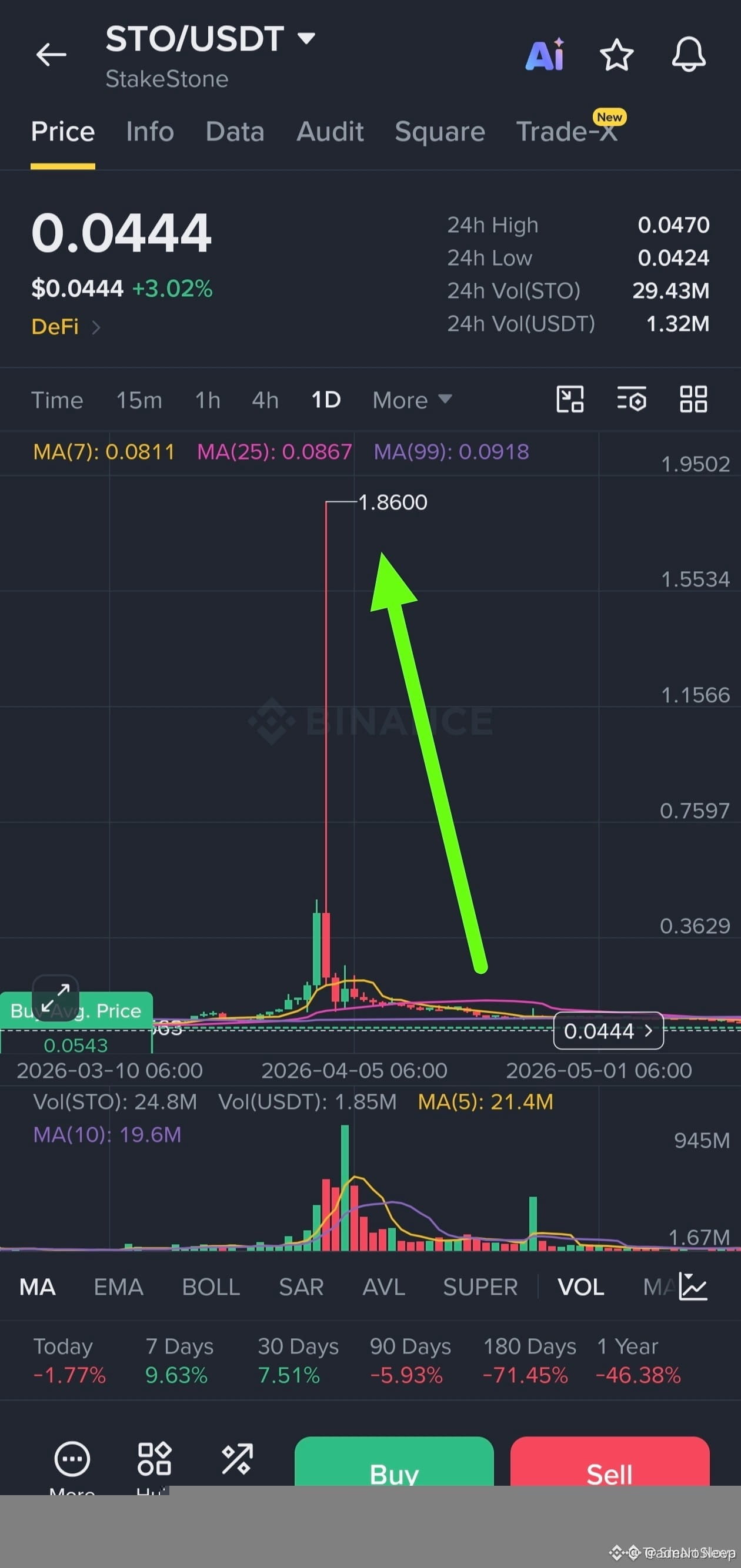
🚨 $STO DEMAND ZONE HOLDING STRONG FOR POTENTIAL INSTITUTIONAL EXPANSION PHASE 🦈
エントリー:0.0435 - 0.0450 ⚡
ターゲット:0.0500 / 0.0580 / 0.0680 🚀
ストップロス:0.0400 ⚠️
スマートマネーの蓄積が、$0.0435の需要ゾーン付近で確認できます。堅い土台を築く前に、売り側の流動性をスイープ(刈り取り)している状態です。📊 上側の不均衡は、高時間足の効率埋めへ向かうクリーンな道筋を示唆しています。
構造的なサポートの下で下落リスクがきっちり定義されているため、リスク・リワードは未回収のオーダーブロックへの上方拡大を支持します。🔍 購入意欲が残りの供給を吸収するにつれて、モメンタムは主要ターゲットに向けた急速な継続を点火させる可能性があります。💬 このオーダーブロックでポジションを取りますか、それとも構造的な転換の確認を待ちますか? 👇
⚠️ 金融助言ではありません。必ずリスク管理を行ってください。🛡️
🏷️ #STO #LongSetup #Crypto #MarketStructure
🦈 🎯
🚨 $STO DEMAND ZONE HOLDING STRONG FOR POTENTIAL INSTITUTIONAL EXPANSION PHASE 🦈
エントリー:0.0435 - 0.0450 ⚡
ターゲット:0.0500 / 0.0580 / 0.0680 🚀
ストップロス:0.0400 ⚠️
スマートマネーの蓄積が、$0.0435の需要ゾーン付近で確認できます。堅い土台を築く前に、売り側の流動性をスイープ(刈り取り)している状態です。📊 上側の不均衡は、高時間足の効率埋めへ向かうクリーンな道筋を示唆しています。
構造的なサポートの下で下落リスクがきっちり定義されているため、リスク・リワードは未回収のオーダーブロックへの上方拡大を支持します。🔍 購入意欲が残りの供給を吸収するにつれて、モメンタムは主要ターゲットに向けた急速な継続を点火させる可能性があります。💬 このオーダーブロックでポジションを取りますか、それとも構造的な転換の確認を待ちますか? 👇
⚠️ 金融助言ではありません。必ずリスク管理を行ってください。🛡️
🏷️ #STO #LongSetup #Crypto #MarketStructure
🦈 🎯
エントリー:0.0435 - 0.0450 ⚡
ターゲット:0.0500 / 0.0580 / 0.0680 🚀
ストップロス:0.0400 ⚠️
スマートマネーの蓄積が、$0.0435の需要ゾーン付近で確認できます。堅い土台を築く前に、売り側の流動性をスイープ(刈り取り)している状態です。📊 上側の不均衡は、高時間足の効率埋めへ向かうクリーンな道筋を示唆しています。
構造的なサポートの下で下落リスクがきっちり定義されているため、リスク・リワードは未回収のオーダーブロックへの上方拡大を支持します。🔍 購入意欲が残りの供給を吸収するにつれて、モメンタムは主要ターゲットに向けた急速な継続を点火させる可能性があります。💬 このオーダーブロックでポジションを取りますか、それとも構造的な転換の確認を待ちますか? 👇
⚠️ 金融助言ではありません。必ずリスク管理を行ってください。🛡️
🏷️ #STO #LongSetup #Crypto #MarketStructure
🦈 🎯
52

·
--
記事
STO Cion簡易分析
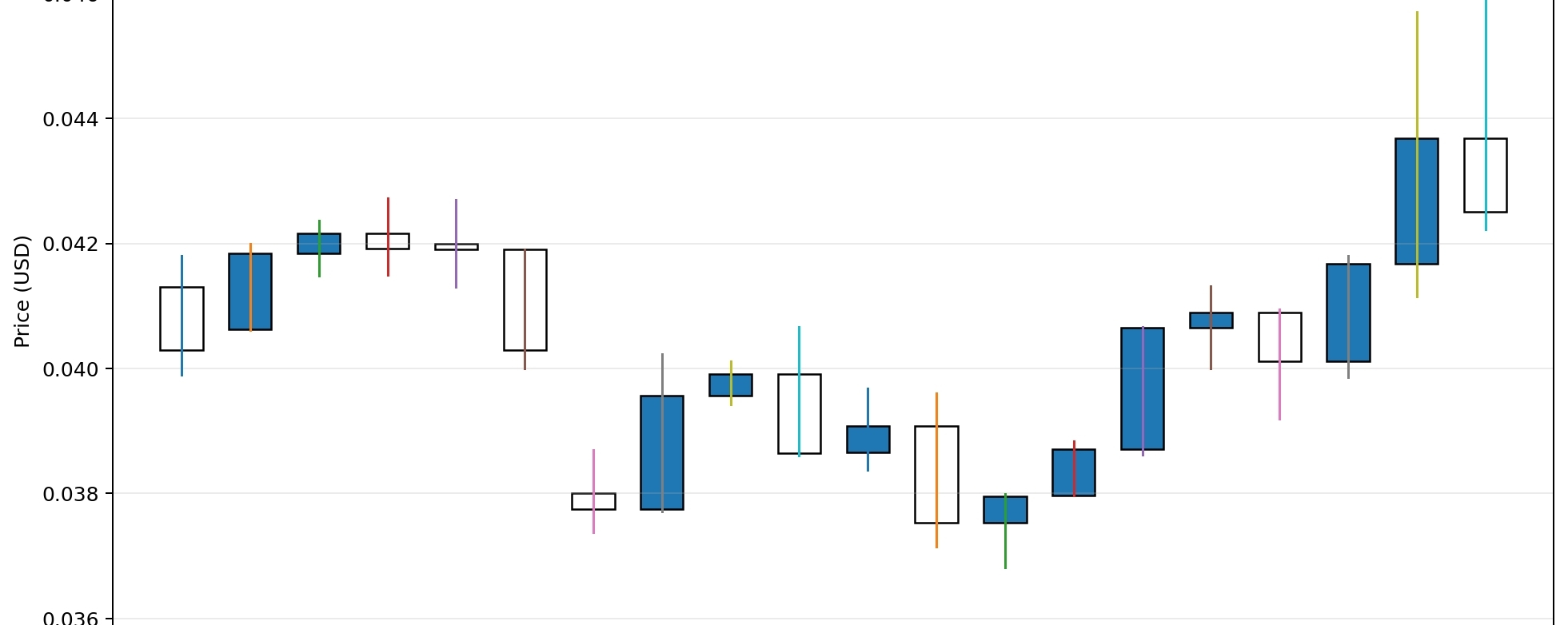
現在の価格:約 $0.0424。時価総額は約 $9.6Mで、最大供給量 1B のうち約 225.3M STO が流通しています。
$STO は最近、$0.037のあたりから $0.043〜$0.046 へ回復しており、短期的なモメンタムがより強いことを示しています。
直近のチャートでは、サポートが $0.040〜$0.041 あたりに見られ、注目すべき抵抗は $0.045〜$0.046 あたりにあります。
その抵抗を上抜けすると技術的に重要になります。$0.040のあたりを失うと、直近の構造は弱まります。
$STO は小型株トークンなので、ボラティリティと流動性リスクは比較的高いです。CoinGeckoによると、24時間の出来高は約 $2.66M、TVLは $27.2M です。
STO Cion
簡易分析
現在の価格:約 $0.0424。時価総額は約 $9.6Mで、最大供給量 1B のうち約 225.3M STO が流通しています。
$STO は最近、$0.037のあたりから $0.043〜$0.046 へ回復しており、短期的なモメンタムがより強いことを示しています。
直近のチャートでは、サポートが $0.040〜$0.041 あたりに見られ、注目すべき抵抗は $0.045〜$0.046 あたりにあります。
その抵抗を上抜けすると技術的に重要になります。$0.040のあたりを失うと、直近の構造は弱まります。
$STO は小型株トークンなので、ボラティリティと流動性リスクは比較的高いです。CoinGeckoによると、24時間の出来高は約 $2.66M、TVLは $27.2M です。
現在の価格:約 $0.0424。時価総額は約 $9.6Mで、最大供給量 1B のうち約 225.3M STO が流通しています。
$STO は最近、$0.037のあたりから $0.043〜$0.046 へ回復しており、短期的なモメンタムがより強いことを示しています。
直近のチャートでは、サポートが $0.040〜$0.041 あたりに見られ、注目すべき抵抗は $0.045〜$0.046 あたりにあります。
その抵抗を上抜けすると技術的に重要になります。$0.040のあたりを失うと、直近の構造は弱まります。
$STO は小型株トークンなので、ボラティリティと流動性リスクは比較的高いです。CoinGeckoによると、24時間の出来高は約 $2.66M、TVLは $27.2M です。
981

·
--
🚀 $STO モメンタム・アラート:マルチタイムフレームの整合
評価:80/100 [A+] ・戦略:フィボナッチ
📊 取引テーゼ:
価格は61.8%〜65%のゴールデンポケットのコンフルエンス・ゾーンへ直接リトレースしています。水平の構造的サポートとフィボナッチ・レベルの重なりにより、非対称なリスク・リワードのセットアップが得られます。
🎯 エントリー:0.04456
🛑 ストップロス:0.04396 (-1.35%)
✅ テイクプロフィット:0.04611 (+3.48%)
⚖️ リスク/リワード:1:2.6
🚫 無効化ルール:1時間足が$0.04396 (-1.35%)を下回って終値で確定した場合、この強気テーゼは無効になります。ドローダウンに耐える形で保有せずに、取引を終了してください。
💡 取引管理:テイクプロフィット目標($0.04611 +3.48%)で利益50%を確保し、ストップロスをブレークイーブンへ移動して下方向のリスクを排除します。
⚖️ リスク注記:適度なレバレッジを推奨(先物で3x〜5x)。単一のセットアップで総ポートフォリオ資本の1〜2%を超えてリスクを取らないでください。
📈 Binanceのマーケットデータ:
• フィンディング:0.0050%(ニュートラル) ・次:3h 52m
• オープン・インタレスト(OI):$3.75M
• 24h出来高:$7.97M
• 24hレンジ:0.04207 — 0.04697 (+2.0%)
📈 戦略の実績:203回の取引でWR 34%
#STO #PriceAction #Altcoins #BinanceSquare
⚠️ これは金融アドバイスではありません。必ず自分のリスクを管理してください。
🚀 $STO モメンタム・アラート:マルチタイムフレームの整合
評価:80/100 [A+] ・戦略:フィボナッチ
📊 取引テーゼ:
価格は61.8%〜65%のゴールデンポケットのコンフルエンス・ゾーンへ直接リトレースしています。水平の構造的サポートとフィボナッチ・レベルの重なりにより、非対称なリスク・リワードのセットアップが得られます。
🎯 エントリー:0.04456
🛑 ストップロス:0.04396 (-1.35%)
✅ テイクプロフィット:0.04611 (+3.48%)
⚖️ リスク/リワード:1:2.6
🚫 無効化ルール:1時間足が$0.04396 (-1.35%)を下回って終値で確定した場合、この強気テーゼは無効になります。ドローダウンに耐える形で保有せずに、取引を終了してください。
💡 取引管理:テイクプロフィット目標($0.04611 +3.48%)で利益50%を確保し、ストップロスをブレークイーブンへ移動して下方向のリスクを排除します。
⚖️ リスク注記:適度なレバレッジを推奨(先物で3x〜5x)。単一のセットアップで総ポートフォリオ資本の1〜2%を超えてリスクを取らないでください。
📈 Binanceのマーケットデータ:
• フィンディング:0.0050%(ニュートラル) ・次:3h 52m
• オープン・インタレスト(OI):$3.75M
• 24h出来高:$7.97M
• 24hレンジ:0.04207 — 0.04697 (+2.0%)
📈 戦略の実績:203回の取引でWR 34%
#STO #PriceAction #Altcoins #BinanceSquare
⚠️ これは金融アドバイスではありません。必ず自分のリスクを管理してください。
評価:80/100 [A+] ・戦略:フィボナッチ
📊 取引テーゼ:
価格は61.8%〜65%のゴールデンポケットのコンフルエンス・ゾーンへ直接リトレースしています。水平の構造的サポートとフィボナッチ・レベルの重なりにより、非対称なリスク・リワードのセットアップが得られます。
🎯 エントリー:0.04456
🛑 ストップロス:0.04396 (-1.35%)
✅ テイクプロフィット:0.04611 (+3.48%)
⚖️ リスク/リワード:1:2.6
🚫 無効化ルール:1時間足が$0.04396 (-1.35%)を下回って終値で確定した場合、この強気テーゼは無効になります。ドローダウンに耐える形で保有せずに、取引を終了してください。
💡 取引管理:テイクプロフィット目標($0.04611 +3.48%)で利益50%を確保し、ストップロスをブレークイーブンへ移動して下方向のリスクを排除します。
⚖️ リスク注記:適度なレバレッジを推奨(先物で3x〜5x)。単一のセットアップで総ポートフォリオ資本の1〜2%を超えてリスクを取らないでください。
📈 Binanceのマーケットデータ:
• フィンディング:0.0050%(ニュートラル) ・次:3h 52m
• オープン・インタレスト(OI):$3.75M
• 24h出来高:$7.97M
• 24hレンジ:0.04207 — 0.04697 (+2.0%)
📈 戦略の実績:203回の取引でWR 34%
#STO #PriceAction #Altcoins #BinanceSquare
⚠️ これは金融アドバイスではありません。必ず自分のリスクを管理してください。
46

·
--
📊 $STO リバウンド来る?それともまだ下落の途中の一休みだけ? 🤔こんにちは、コミュニティ!STO/USDCの1時間足チャートを眺めていたら、状況が面白くなってきました。エントリーポイントを探している方、またはリスク管理をしている方の参考になればと思い、私が見ていることを共有します:
ボリンジャーバンド:価格がちょうど上方向にミドルライン(MB: 0.0636)をクロスし、現在0.0637で取引されています。過去の傾向として、このゾーンを維持できるなら上バンド(0.0646付近)を探す良いサインになりがちです。ただし、出来高はまだやや控えめです。
オーダーブック(板):力がかなり拮抗しています(買い需要51.07% 対 売り供給48.93%)。0.0631には注目すべき買いの「壁」がありますが、0.0642には売り待ちの約313k STOが入っているので注意してください。🚧
📊 $STO リバウンド来る?それともまだ下落の途中の一休みだけ? 🤔
こんにちは、コミュニティ!STO/USDCの1時間足チャートを眺めていたら、状況が面白くなってきました。エントリーポイントを探している方、またはリスク管理をしている方の参考になればと思い、私が見ていることを共有します:
ボリンジャーバンド:価格がちょうど上方向にミドルライン(MB: 0.0636)をクロスし、現在0.0637で取引されています。過去の傾向として、このゾーンを維持できるなら上バンド(0.0646付近)を探す良いサインになりがちです。ただし、出来高はまだやや控えめです。
オーダーブック(板):力がかなり拮抗しています(買い需要51.07% 対 売り供給48.93%)。0.0631には注目すべき買いの「壁」がありますが、0.0642には売り待ちの約313k STOが入っているので注意してください。🚧
ボリンジャーバンド:価格がちょうど上方向にミドルライン(MB: 0.0636)をクロスし、現在0.0637で取引されています。過去の傾向として、このゾーンを維持できるなら上バンド(0.0646付近)を探す良いサインになりがちです。ただし、出来高はまだやや控えめです。
オーダーブック(板):力がかなり拮抗しています(買い需要51.07% 対 売り供給48.93%)。0.0631には注目すべき買いの「壁」がありますが、0.0642には売り待ちの約313k STOが入っているので注意してください。🚧
438

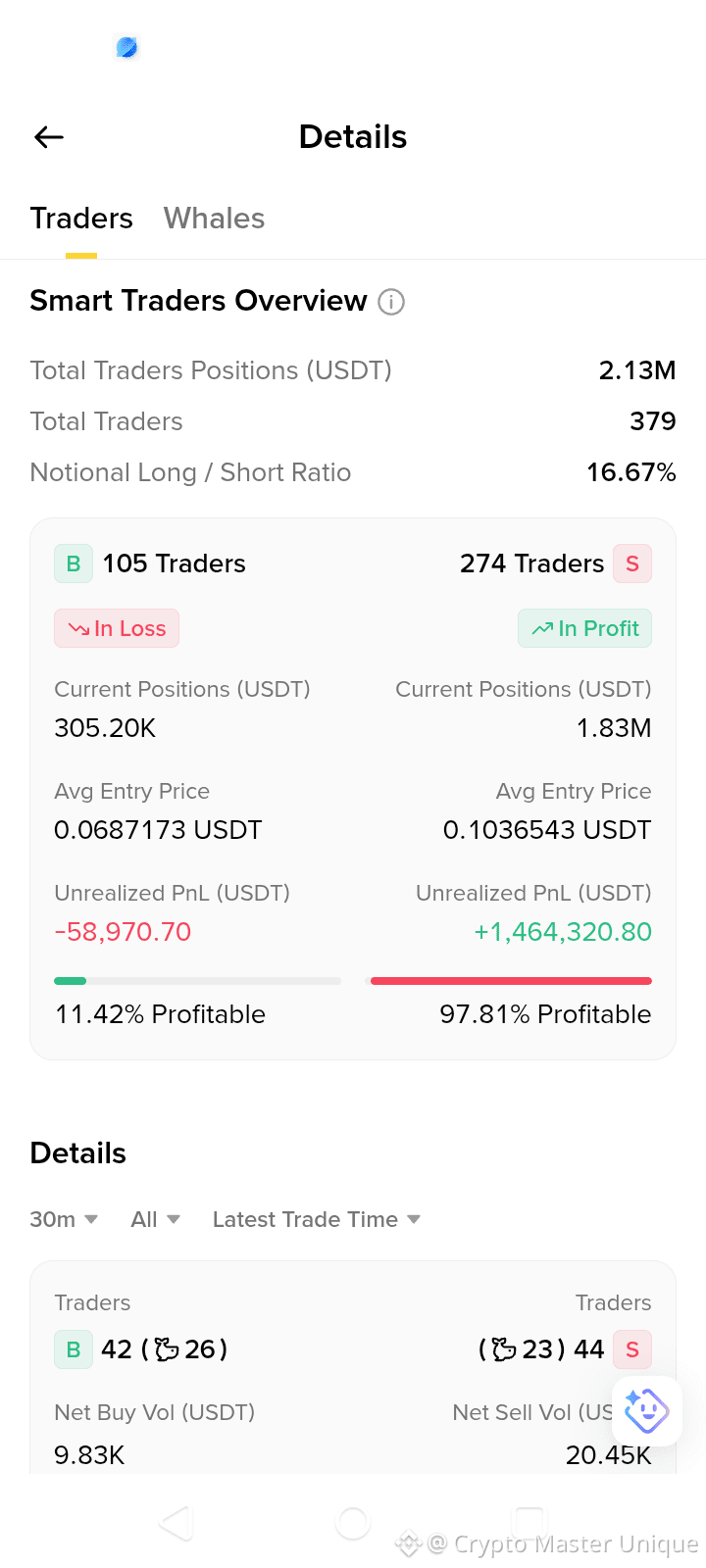
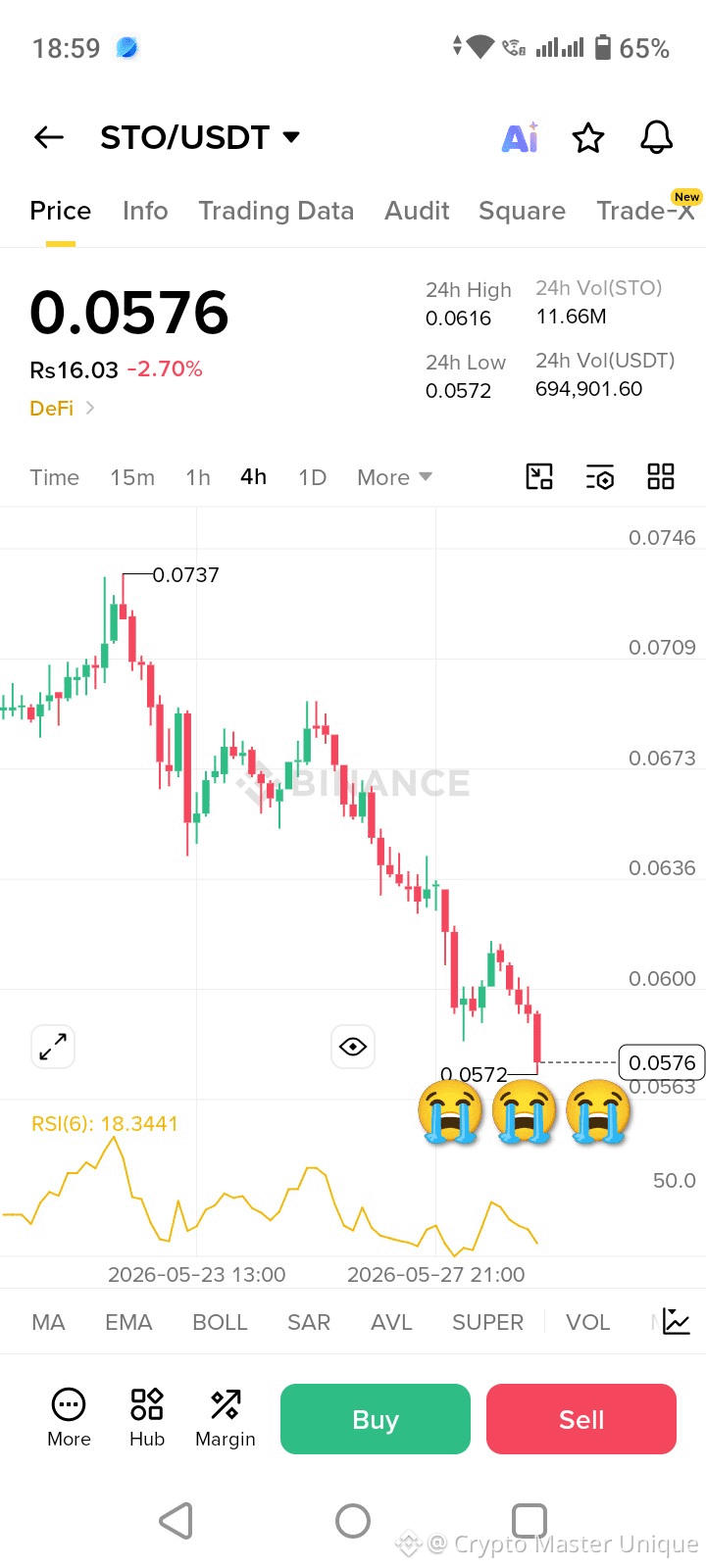

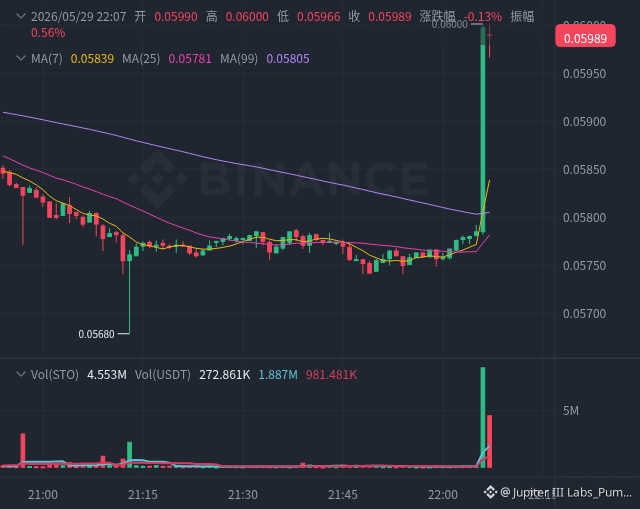
$STO 🚨 STO価格アラート - 3.88%上昇 - 原因:
- プライスアクション分析: トレーダーはSTOチャートの弱気指標に注目しており、さらなる下落が予想され、0.058レベル付近の下支えを試す可能性がある; キーのレジスタンスを取り戻すまでショートバイアスが支配。
- バッグホルダーのセンチメント: コミュニティのコメントは最近の価格アクションがホルダーにダメージを与えていることを強調しており、ボラティリティの中で他の機会に焦点を移すよう呼びかけている。
- 比較ポンプ: STOは、ALLOのような他のトークンに対する過去のチャートパターンの例として言及されており、低フロートのメメコインや類似資産におけるパターン認識を示唆。
- 規制/機関コンテキスト: STOのアライアンスと韓国の機関が規制に先立って暗号インフラ(取引所、ステーブルコイン、トークン化された資産)を構築していることが言及されており、より広範なRWA/トークン化のトレンドにリンク。
- トレーディングバイブス: 不確実な時期にJTOのような代替バッグに注目するようユーザーが促し、STOが市場のムードに影響を与えていることに軽いジョークを交えている。
#STO
{future}(STOUSDT)
$STO 🚨 STO価格アラート - 3.88%上昇 - 原因:
- プライスアクション分析: トレーダーはSTOチャートの弱気指標に注目しており、さらなる下落が予想され、0.058レベル付近の下支えを試す可能性がある; キーのレジスタンスを取り戻すまでショートバイアスが支配。
- バッグホルダーのセンチメント: コミュニティのコメントは最近の価格アクションがホルダーにダメージを与えていることを強調しており、ボラティリティの中で他の機会に焦点を移すよう呼びかけている。
- 比較ポンプ: STOは、ALLOのような他のトークンに対する過去のチャートパターンの例として言及されており、低フロートのメメコインや類似資産におけるパターン認識を示唆。
- 規制/機関コンテキスト: STOのアライアンスと韓国の機関が規制に先立って暗号インフラ(取引所、ステーブルコイン、トークン化された資産)を構築していることが言及されており、より広範なRWA/トークン化のトレンドにリンク。
- トレーディングバイブス: 不確実な時期にJTOのような代替バッグに注目するようユーザーが促し、STOが市場のムードに影響を与えていることに軽いジョークを交えている。
#STO
- プライスアクション分析: トレーダーはSTOチャートの弱気指標に注目しており、さらなる下落が予想され、0.058レベル付近の下支えを試す可能性がある; キーのレジスタンスを取り戻すまでショートバイアスが支配。
- バッグホルダーのセンチメント: コミュニティのコメントは最近の価格アクションがホルダーにダメージを与えていることを強調しており、ボラティリティの中で他の機会に焦点を移すよう呼びかけている。
- 比較ポンプ: STOは、ALLOのような他のトークンに対する過去のチャートパターンの例として言及されており、低フロートのメメコインや類似資産におけるパターン認識を示唆。
- 規制/機関コンテキスト: STOのアライアンスと韓国の機関が規制に先立って暗号インフラ(取引所、ステーブルコイン、トークン化された資産)を構築していることが言及されており、より広範なRWA/トークン化のトレンドにリンク。
- トレーディングバイブス: 不確実な時期にJTOのような代替バッグに注目するようユーザーが促し、STOが市場のムードに影響を与えていることに軽いジョークを交えている。
#STO
1
395

·
--
StakeStoneの価格が136%爆発、史上最高値を更新🚀
StakeStone(STO)の価格が$0.11から$0.26を超えるまで急騰し、130%以上の大幅な上昇を記録しました。この重要な動きは、新たに作成されたウォレットに関連する大規模なトランザクションが、バイナンスから$485万相当の2550万STOトークンを引き出したことに続いています。
即時の需要ショックが価格を押し上げ、市場価格付近の売り流動性を吸収しました。高いレベルでの供給が限られているため、各連続フィルは徐々に高い価格で行われ、StakeStoneのチャートにはほぼ垂直のキャンドルが描かれました。
ほとんどの暗号通貨が重要なサポートレベル付近で取引される中、STOは24時間以内に$1.9億以上のデイトレードボリュームを記録しました。このトークンは、2月6日以来ほぼ倍増した市場キャップを持ち、執筆時点で$0.25を超える新たな高値を達成しています。
しかし、このラリーの規模とスピードを考えると、利益確定が急激な反落を引き起こす可能性があります。主要なサポートレベルには$0.19および$0.15-$0.11が含まれます。これらの潜在的な下落にもかかわらず、循環供給の減少は高い価格を長期間維持するのに役立つかもしれません。
StakeStoneを保有していますか?潜在的な修正前にコメントで教えてください!📈
#STO #EthereumStake #CryptoMarketUpdate
StakeStoneの価格が136%爆発、史上最高値を更新🚀
StakeStone(STO)の価格が$0.11から$0.26を超えるまで急騰し、130%以上の大幅な上昇を記録しました。この重要な動きは、新たに作成されたウォレットに関連する大規模なトランザクションが、バイナンスから$485万相当の2550万STOトークンを引き出したことに続いています。
即時の需要ショックが価格を押し上げ、市場価格付近の売り流動性を吸収しました。高いレベルでの供給が限られているため、各連続フィルは徐々に高い価格で行われ、StakeStoneのチャートにはほぼ垂直のキャンドルが描かれました。
ほとんどの暗号通貨が重要なサポートレベル付近で取引される中、STOは24時間以内に$1.9億以上のデイトレードボリュームを記録しました。このトークンは、2月6日以来ほぼ倍増した市場キャップを持ち、執筆時点で$0.25を超える新たな高値を達成しています。
しかし、このラリーの規模とスピードを考えると、利益確定が急激な反落を引き起こす可能性があります。主要なサポートレベルには$0.19および$0.15-$0.11が含まれます。これらの潜在的な下落にもかかわらず、循環供給の減少は高い価格を長期間維持するのに役立つかもしれません。
StakeStoneを保有していますか?潜在的な修正前にコメントで教えてください!📈
#STO #EthereumStake #CryptoMarketUpdate
StakeStone(STO)の価格が$0.11から$0.26を超えるまで急騰し、130%以上の大幅な上昇を記録しました。この重要な動きは、新たに作成されたウォレットに関連する大規模なトランザクションが、バイナンスから$485万相当の2550万STOトークンを引き出したことに続いています。
即時の需要ショックが価格を押し上げ、市場価格付近の売り流動性を吸収しました。高いレベルでの供給が限られているため、各連続フィルは徐々に高い価格で行われ、StakeStoneのチャートにはほぼ垂直のキャンドルが描かれました。
ほとんどの暗号通貨が重要なサポートレベル付近で取引される中、STOは24時間以内に$1.9億以上のデイトレードボリュームを記録しました。このトークンは、2月6日以来ほぼ倍増した市場キャップを持ち、執筆時点で$0.25を超える新たな高値を達成しています。
しかし、このラリーの規模とスピードを考えると、利益確定が急激な反落を引き起こす可能性があります。主要なサポートレベルには$0.19および$0.15-$0.11が含まれます。これらの潜在的な下落にもかかわらず、循環供給の減少は高い価格を長期間維持するのに役立つかもしれません。
StakeStoneを保有していますか?潜在的な修正前にコメントで教えてください!📈
#STO #EthereumStake #CryptoMarketUpdate
303

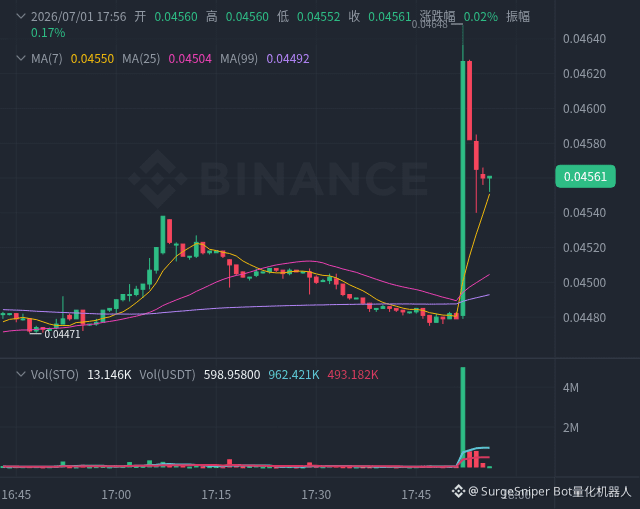
$STO [吸い集め] STO 主力はこっそり買い集めている?OIが急騰して価格が爆上げ寸前なのに、まだ張り付いている!
[VIPシグナル] OI+1.9% 価格はわずかにしか上がらず -0.0% ——典型的に出来高が先で価格が遅れる。目利きの人はもう見ている
オンチェーンのデータをざっと確認したところ、OIは穏やかに増加し、価格はその場で足踏み。可能性としては初期の吸い集め
人の言葉で言うと:
大口資金がこっそり仕込んでいるのに、価格はまだあまり動いていない——これこそ本当に注目すべきウィンドウ期!
OI 30分で+1.9%急騰したのに、価格は動いたのは -0.02% だけ。典型的に出来高が価格に先行。
この「資金が先、価格が遅れる」という構造は、過去に出現すると多くの場合、その後に一波の上昇が伴う。市場はまだ反応していないけど、OIは嘘をつかない。
━━━ 資金面の読み解き ━━━
[大口は様子見] 大口の買い/売り比率 2.31。主力はまだ表明していないので、現状は板の動きに従う
[個人は中立] 個人の感情は正常(買い/売り比率 1.66)。極端なシグナルはなく、トレンドに乗ればOK
━━━ 一言まとめ ━━━
データは嘘をつかない:資金はすでに揃っていて、価格が遅れているだけ。見逃さないで。
[OIシグナル戦略 V3.2]
#STO
{future}(STOUSDT)
$STO [吸い集め] STO 主力はこっそり買い集めている?OIが急騰して価格が爆上げ寸前なのに、まだ張り付いている!
[VIPシグナル] OI+1.9% 価格はわずかにしか上がらず -0.0% ——典型的に出来高が先で価格が遅れる。目利きの人はもう見ている
オンチェーンのデータをざっと確認したところ、OIは穏やかに増加し、価格はその場で足踏み。可能性としては初期の吸い集め
人の言葉で言うと:
大口資金がこっそり仕込んでいるのに、価格はまだあまり動いていない——これこそ本当に注目すべきウィンドウ期!
OI 30分で+1.9%急騰したのに、価格は動いたのは -0.02% だけ。典型的に出来高が価格に先行。
この「資金が先、価格が遅れる」という構造は、過去に出現すると多くの場合、その後に一波の上昇が伴う。市場はまだ反応していないけど、OIは嘘をつかない。
━━━ 資金面の読み解き ━━━
[大口は様子見] 大口の買い/売り比率 2.31。主力はまだ表明していないので、現状は板の動きに従う
[個人は中立] 個人の感情は正常(買い/売り比率 1.66)。極端なシグナルはなく、トレンドに乗ればOK
━━━ 一言まとめ ━━━
データは嘘をつかない:資金はすでに揃っていて、価格が遅れているだけ。見逃さないで。
[OIシグナル戦略 V3.2]
#STO
[VIPシグナル] OI+1.9% 価格はわずかにしか上がらず -0.0% ——典型的に出来高が先で価格が遅れる。目利きの人はもう見ている
オンチェーンのデータをざっと確認したところ、OIは穏やかに増加し、価格はその場で足踏み。可能性としては初期の吸い集め
人の言葉で言うと:
大口資金がこっそり仕込んでいるのに、価格はまだあまり動いていない——これこそ本当に注目すべきウィンドウ期!
OI 30分で+1.9%急騰したのに、価格は動いたのは -0.02% だけ。典型的に出来高が価格に先行。
この「資金が先、価格が遅れる」という構造は、過去に出現すると多くの場合、その後に一波の上昇が伴う。市場はまだ反応していないけど、OIは嘘をつかない。
━━━ 資金面の読み解き ━━━
[大口は様子見] 大口の買い/売り比率 2.31。主力はまだ表明していないので、現状は板の動きに従う
[個人は中立] 個人の感情は正常(買い/売り比率 1.66)。極端なシグナルはなく、トレンドに乗ればOK
━━━ 一言まとめ ━━━
データは嘘をつかない:資金はすでに揃っていて、価格が遅れているだけ。見逃さないで。
[OIシグナル戦略 V3.2]
#STO
93
ログインして、さらにコンテンツを読む
厳選トピックで世界の暗号資産トレーダーの仲間入り
⚡️ 暗号資産に関する最新かつ有益な情報が見つかります。
💬 世界最大の暗号資産取引所から信頼されています。
👍 認証を受けたクリエイターから、有益なインサイトを得られます。
メール / 電話番号
トレンドトピック
1
#BinancePick
閲覧回数 3M
152,524人が討論中
2
#EarningsSeason
閲覧回数 5.3M
25,932人が討論中
3
#AnthropicTTMRevenueGrewAbout1200%
閲覧回数 26,659
387人が討論中
4
#AnthropicS1ExpectedToday
閲覧回数 24,477
325人が討論中
5
#SouthKoreaReportedlyWeighsFourthCryptoTaxDelay
閲覧回数 29,171
450人が討論中
6
#FranklinTempletonFilesForTwoDividendToBitcoinETFs
閲覧回数 38,381
524人が討論中
7
#StrategyMSTRSurpassesNasdaqInMarketCap
閲覧回数 28,959
379人が討論中
8
#CanadaProposesStablecoinRedemptionWithin3BusinessDays
閲覧回数 1,286
36人が討論中
9
#ElectrumWalletBugLetRogueServersStealFunds
閲覧回数 30,196
456人が討論中
10
#ArgentineCourtDismissesLIBRACaseAgainstMilei
閲覧回数 45,263
564人が討論中