

#privatekeys
privatekeys
閲覧回数 488,319
41人が討論中
注目
最新
·
--
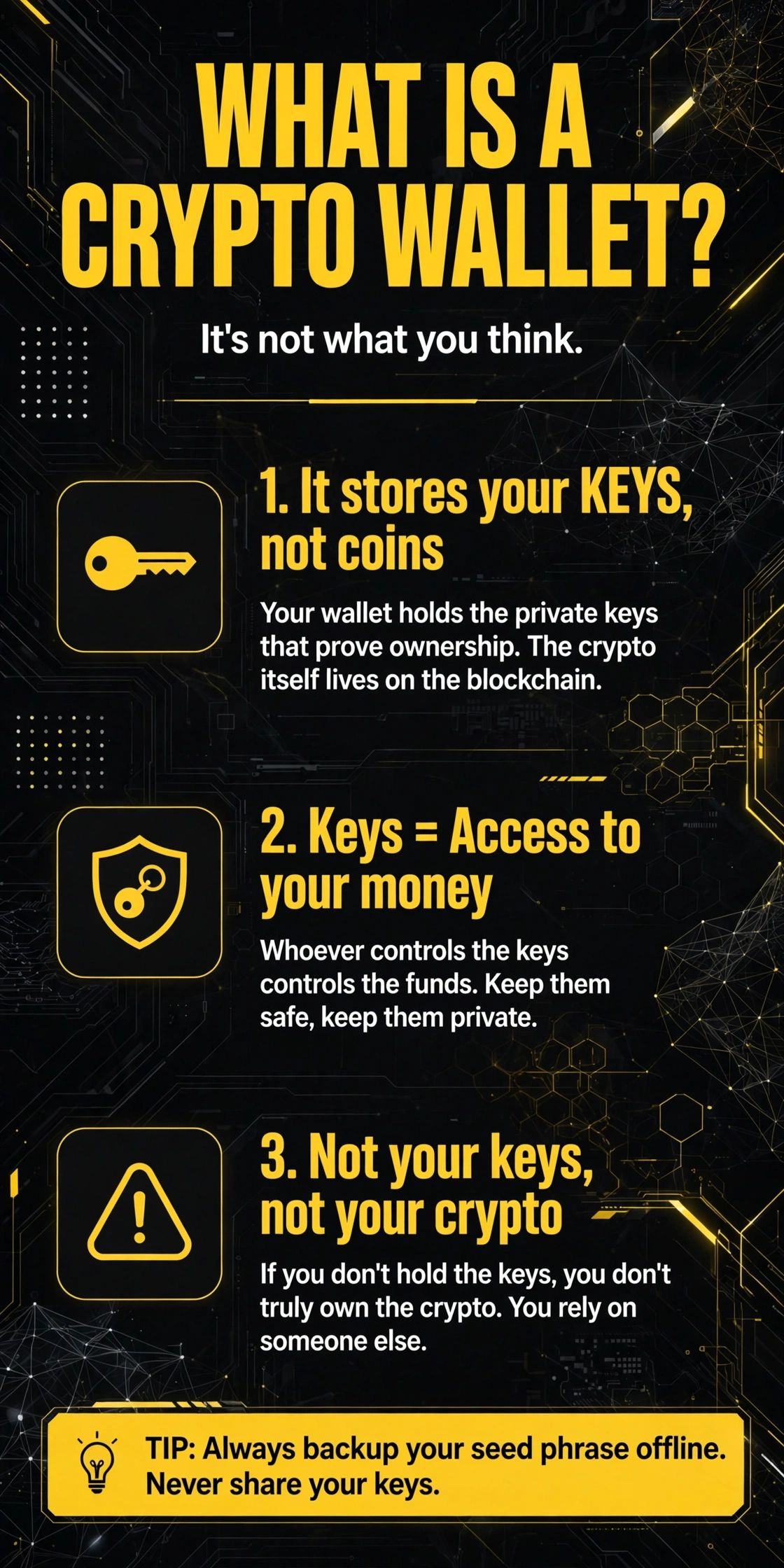
暗号ウォレットとは? 🔑
みんなこれを間違えています。
あなたのウォレットはコインを「保管している」のではありません。
保管しているのは「鍵」です。
1️⃣ 鍵=それを所有している証拠
2️⃣ 鍵=あなたのお金へのアクセス
3️⃣ 鍵がない=あなたの暗号資産ではない
暗号資産はブロックチェーン上に存在します。あなたのウォレットはそれを解錠するだけです。
ヒント:シードフレーズを絶対にスクリーンショットしないでください。オフラインで書き留めましょう。
どれが一番わからなくなりますか? コメントで教えてください。説明します。
#LearnCrypto #Web3ForBeginners #PrivateKeys
暗号ウォレットとは? 🔑
みんなこれを間違えています。
あなたのウォレットはコインを「保管している」のではありません。
保管しているのは「鍵」です。
1️⃣ 鍵=それを所有している証拠
2️⃣ 鍵=あなたのお金へのアクセス
3️⃣ 鍵がない=あなたの暗号資産ではない
暗号資産はブロックチェーン上に存在します。あなたのウォレットはそれを解錠するだけです。
ヒント:シードフレーズを絶対にスクリーンショットしないでください。オフラインで書き留めましょう。
どれが一番わからなくなりますか? コメントで教えてください。説明します。
#LearnCrypto #Web3ForBeginners #PrivateKeys
みんなこれを間違えています。
あなたのウォレットはコインを「保管している」のではありません。
保管しているのは「鍵」です。
1️⃣ 鍵=それを所有している証拠
2️⃣ 鍵=あなたのお金へのアクセス
3️⃣ 鍵がない=あなたの暗号資産ではない
暗号資産はブロックチェーン上に存在します。あなたのウォレットはそれを解錠するだけです。
ヒント:シードフレーズを絶対にスクリーンショットしないでください。オフラインで書き留めましょう。
どれが一番わからなくなりますか? コメントで教えてください。説明します。
#LearnCrypto #Web3ForBeginners #PrivateKeys
2
103

🛡️ 秘密鍵とカストディ(保管):暗号資産を誰が管理するのか? 自己保管と取引所保管の違いを理解する
2026年7月29日、総暗号資産価値が2.27Tドルに達する中で、「保管(カストディ)」の問題は最重要課題です。秘密鍵とは、ブロックチェーン上の資産の保有を証明する暗号学的な秘密情報です。自己保管とは、通常はハードウェアまたはソフトウェアのウォレットに保存された秘密鍵を、あなた自身だけが管理することを意味します。取引所保管とは、プラットフォームがあなたに代わって鍵を保有することを指します。
最近のニュースは重要性を浮き彫りにしています。Celsiusと連動するビットコインマイナーであるIonic Digitalは、Nasdaqのデビューで26%上昇し、中央集権的な組織とユーザー資産の間にある複雑な関係を強調しました。ホドル(長期保有)する人は、「利便性」と「真の所有」の原則のどちらを取るかを慎重に検討する必要があります。
📌 重要なポイント:
あなたの鍵ではないなら、あなたのコインでもない——自己保管こそが、デジタル資産を常に完全に自分でコントロールし続けられる唯一の方法です。
#PrivateKeys #Custody #CryptoSecurity
#BinanceAlphaAlert
🛡️ 秘密鍵とカストディ(保管):暗号資産を誰が管理するのか? 自己保管と取引所保管の違いを理解する
2026年7月29日、総暗号資産価値が2.27Tドルに達する中で、「保管(カストディ)」の問題は最重要課題です。秘密鍵とは、ブロックチェーン上の資産の保有を証明する暗号学的な秘密情報です。自己保管とは、通常はハードウェアまたはソフトウェアのウォレットに保存された秘密鍵を、あなた自身だけが管理することを意味します。取引所保管とは、プラットフォームがあなたに代わって鍵を保有することを指します。
最近のニュースは重要性を浮き彫りにしています。Celsiusと連動するビットコインマイナーであるIonic Digitalは、Nasdaqのデビューで26%上昇し、中央集権的な組織とユーザー資産の間にある複雑な関係を強調しました。ホドル(長期保有)する人は、「利便性」と「真の所有」の原則のどちらを取るかを慎重に検討する必要があります。
📌 重要なポイント:
あなたの鍵ではないなら、あなたのコインでもない——自己保管こそが、デジタル資産を常に完全に自分でコントロールし続けられる唯一の方法です。
#PrivateKeys #Custody #CryptoSecurity
#BinanceAlphaAlert
2026年7月29日、総暗号資産価値が2.27Tドルに達する中で、「保管(カストディ)」の問題は最重要課題です。秘密鍵とは、ブロックチェーン上の資産の保有を証明する暗号学的な秘密情報です。自己保管とは、通常はハードウェアまたはソフトウェアのウォレットに保存された秘密鍵を、あなた自身だけが管理することを意味します。取引所保管とは、プラットフォームがあなたに代わって鍵を保有することを指します。
最近のニュースは重要性を浮き彫りにしています。Celsiusと連動するビットコインマイナーであるIonic Digitalは、Nasdaqのデビューで26%上昇し、中央集権的な組織とユーザー資産の間にある複雑な関係を強調しました。ホドル(長期保有)する人は、「利便性」と「真の所有」の原則のどちらを取るかを慎重に検討する必要があります。
📌 重要なポイント:
あなたの鍵ではないなら、あなたのコインでもない——自己保管こそが、デジタル資産を常に完全に自分でコントロールし続けられる唯一の方法です。
#PrivateKeys #Custody #CryptoSecurity
#BinanceAlphaAlert
52
聞いてくれ、「『自分の鍵じゃない、コインじゃない』」みたいなカッコつけた暗号資産用語じゃない。これは最も重要な教訓なんだ。暗号資産を金庫の中の現金だと思ってみて。コインが取引所にある間、その金庫の鍵を握っているのは*彼ら*だ。あなたの「プライベートキー」は、お金を動かすための*本物の鍵*。それを持っていなければ、完全に相手を信頼することになる。
取引所Xが突然出金を凍結したり、もっと小さなプラットフォームがただ消えたりしたときに、友人たちがすべてを失うのを見た。画面には自分の500 SOLが表示されていても、*自分の*鍵がなければ、それはただの数字にすぎない。消える。いろんなプラットフォームに資金が安全だと思い込んでいた自分みたいにはなるな。いま実際に取引している額を超えているなら、取引所から出して、*あなた*が管理するウォレットへ移してくれ。暗号資産を自分のものにしよう。
#CryptoSafety #PrivateKeys #SelfCustody #DontGetRekt
聞いてくれ、「『自分の鍵じゃない、コインじゃない』」みたいなカッコつけた暗号資産用語じゃない。これは最も重要な教訓なんだ。暗号資産を金庫の中の現金だと思ってみて。コインが取引所にある間、その金庫の鍵を握っているのは*彼ら*だ。あなたの「プライベートキー」は、お金を動かすための*本物の鍵*。それを持っていなければ、完全に相手を信頼することになる。
取引所Xが突然出金を凍結したり、もっと小さなプラットフォームがただ消えたりしたときに、友人たちがすべてを失うのを見た。画面には自分の500 SOLが表示されていても、*自分の*鍵がなければ、それはただの数字にすぎない。消える。いろんなプラットフォームに資金が安全だと思い込んでいた自分みたいにはなるな。いま実際に取引している額を超えているなら、取引所から出して、*あなた*が管理するウォレットへ移してくれ。暗号資産を自分のものにしよう。
#CryptoSafety #PrivateKeys #SelfCustody #DontGetRekt
取引所Xが突然出金を凍結したり、もっと小さなプラットフォームがただ消えたりしたときに、友人たちがすべてを失うのを見た。画面には自分の500 SOLが表示されていても、*自分の*鍵がなければ、それはただの数字にすぎない。消える。いろんなプラットフォームに資金が安全だと思い込んでいた自分みたいにはなるな。いま実際に取引している額を超えているなら、取引所から出して、*あなた*が管理するウォレットへ移してくれ。暗号資産を自分のものにしよう。
#CryptoSafety #PrivateKeys #SelfCustody #DontGetRekt
50
"鍵はあなたのものではない。コインもあなたのものではない。" これは単なる決まり文句じゃありません。*生き残るための教訓*です。つまり、秘密鍵を持っている人――暗号資産の*秘密コード*を握っている人――がそれを*所有する*ということ。例え話:金庫の現金。取引所が鍵を持っていれば、その金庫は*取引所のもの*であり、*お金もあなたのもの*。あなたはただ、取引所がそれを失くさないことを願っているだけです。
取引所がハッキングされたり、資金を凍結されたり、破綻したり(FTX!)すると、あなたの暗号資産は消えてしまいます。鍵がなかったのです。FTXにあった100 DOGE、覚えていますか?パッと消えました。鍵はあなたのではなく、彼らのものです。
暗号資産は自分で所有しましょう。ハードウェアウォレット、またはノンカストディアル(自己管理)ウォレットを使います。鍵を自分で管理してください。誰にもあなたの経済的な未来を人質にさせないでください。
#CryptoSecurity #SelfCustody #PrivateKeys #BeYourOwnBank
"鍵はあなたのものではない。コインもあなたのものではない。" これは単なる決まり文句じゃありません。*生き残るための教訓*です。つまり、秘密鍵を持っている人――暗号資産の*秘密コード*を握っている人――がそれを*所有する*ということ。例え話:金庫の現金。取引所が鍵を持っていれば、その金庫は*取引所のもの*であり、*お金もあなたのもの*。あなたはただ、取引所がそれを失くさないことを願っているだけです。
取引所がハッキングされたり、資金を凍結されたり、破綻したり(FTX!)すると、あなたの暗号資産は消えてしまいます。鍵がなかったのです。FTXにあった100 DOGE、覚えていますか?パッと消えました。鍵はあなたのではなく、彼らのものです。
暗号資産は自分で所有しましょう。ハードウェアウォレット、またはノンカストディアル(自己管理)ウォレットを使います。鍵を自分で管理してください。誰にもあなたの経済的な未来を人質にさせないでください。
#CryptoSecurity #SelfCustody #PrivateKeys #BeYourOwnBank
取引所がハッキングされたり、資金を凍結されたり、破綻したり(FTX!)すると、あなたの暗号資産は消えてしまいます。鍵がなかったのです。FTXにあった100 DOGE、覚えていますか?パッと消えました。鍵はあなたのではなく、彼らのものです。
暗号資産は自分で所有しましょう。ハードウェアウォレット、またはノンカストディアル(自己管理)ウォレットを使います。鍵を自分で管理してください。誰にもあなたの経済的な未来を人質にさせないでください。
#CryptoSecurity #SelfCustody #PrivateKeys #BeYourOwnBank
55
🛡️ 秘密鍵とシードフレーズ:暗号資産ユーザーのためのセキュリティ入門
2026年7月23日、暗号資産には毎日数十億が流れている中で、秘密鍵を理解することは最も重要なセキュリティの学びです。秘密鍵とは、ブロックチェーン上の資産の所有権を証明する暗号学上の秘密情報であり、鍵を持っている人が資金を支配します。
シードフレーズ(リカバリーフレーズとも呼ばれます)は、秘密鍵を人間が読める形にしたものです。通常は12語または24語です。シードフレーズを失うと二度とアクセスできなくなります——パスワードの再設定も、カスタマーサポートによる復旧もありません。
決して、秘密鍵やシードフレーズを誰にも共有しないでください。正規のサービスがそれらを求めることはありません。紙に書き、確実な安全なオフライン場所に保管してください。
📌 重要ポイント:
秘密鍵は、暗号資産を最終的にコントロールする鍵です。失うと取り返しのつかない永久的な損失につながり、共有すると所有権を譲り渡すことになります。
#PrivateKeys #CryptoSecurity #Educational
#BinanceAlphaAlert
🛡️ 秘密鍵とシードフレーズ:暗号資産ユーザーのためのセキュリティ入門
2026年7月23日、暗号資産には毎日数十億が流れている中で、秘密鍵を理解することは最も重要なセキュリティの学びです。秘密鍵とは、ブロックチェーン上の資産の所有権を証明する暗号学上の秘密情報であり、鍵を持っている人が資金を支配します。
シードフレーズ(リカバリーフレーズとも呼ばれます)は、秘密鍵を人間が読める形にしたものです。通常は12語または24語です。シードフレーズを失うと二度とアクセスできなくなります——パスワードの再設定も、カスタマーサポートによる復旧もありません。
決して、秘密鍵やシードフレーズを誰にも共有しないでください。正規のサービスがそれらを求めることはありません。紙に書き、確実な安全なオフライン場所に保管してください。
📌 重要ポイント:
秘密鍵は、暗号資産を最終的にコントロールする鍵です。失うと取り返しのつかない永久的な損失につながり、共有すると所有権を譲り渡すことになります。
#PrivateKeys #CryptoSecurity #Educational
#BinanceAlphaAlert
2026年7月23日、暗号資産には毎日数十億が流れている中で、秘密鍵を理解することは最も重要なセキュリティの学びです。秘密鍵とは、ブロックチェーン上の資産の所有権を証明する暗号学上の秘密情報であり、鍵を持っている人が資金を支配します。
シードフレーズ(リカバリーフレーズとも呼ばれます)は、秘密鍵を人間が読める形にしたものです。通常は12語または24語です。シードフレーズを失うと二度とアクセスできなくなります——パスワードの再設定も、カスタマーサポートによる復旧もありません。
決して、秘密鍵やシードフレーズを誰にも共有しないでください。正規のサービスがそれらを求めることはありません。紙に書き、確実な安全なオフライン場所に保管してください。
📌 重要ポイント:
秘密鍵は、暗号資産を最終的にコントロールする鍵です。失うと取り返しのつかない永久的な損失につながり、共有すると所有権を譲り渡すことになります。
#PrivateKeys #CryptoSecurity #Educational
#BinanceAlphaAlert
64

秘密鍵が原因で暗号ハックによる被害の40%を生む
* 秘密鍵(private keys)に関連するハック事件は、暗号業界全体で盗まれた金額の最大40%を占めており、これは160億米ドルに相当します。
* この数字は、秘密鍵が主な被害原因であることを示しており、スマートコントラクトの脆弱性(smart contracts)を大きく上回っています。
* 業界では秘密鍵のセキュリティ問題の解決に取り組んでいますが、修復の進捗はプロジェクトやプラットフォームごとにまだ一様ではありません。
* Pharosの共同創業者兼CEOであるWish Wuは、ユーザーの資産を守るために秘密鍵のセキュリティを改善することの重要性を強調しています。
#CryptoSecurity #Hack #PrivateKeys #Blockchain #BinanceSquare CryptoNews
$btc $eth
vlikevn Titanbot
出典:CoinDesk
秘密鍵が原因で暗号ハックによる被害の40%を生む
* 秘密鍵(private keys)に関連するハック事件は、暗号業界全体で盗まれた金額の最大40%を占めており、これは160億米ドルに相当します。
* この数字は、秘密鍵が主な被害原因であることを示しており、スマートコントラクトの脆弱性(smart contracts)を大きく上回っています。
* 業界では秘密鍵のセキュリティ問題の解決に取り組んでいますが、修復の進捗はプロジェクトやプラットフォームごとにまだ一様ではありません。
* Pharosの共同創業者兼CEOであるWish Wuは、ユーザーの資産を守るために秘密鍵のセキュリティを改善することの重要性を強調しています。
#CryptoSecurity #Hack #PrivateKeys #Blockchain #BinanceSquare CryptoNews
$btc $eth
vlikevn Titanbot
出典:CoinDesk
* 秘密鍵(private keys)に関連するハック事件は、暗号業界全体で盗まれた金額の最大40%を占めており、これは160億米ドルに相当します。
* この数字は、秘密鍵が主な被害原因であることを示しており、スマートコントラクトの脆弱性(smart contracts)を大きく上回っています。
* 業界では秘密鍵のセキュリティ問題の解決に取り組んでいますが、修復の進捗はプロジェクトやプラットフォームごとにまだ一様ではありません。
* Pharosの共同創業者兼CEOであるWish Wuは、ユーザーの資産を守るために秘密鍵のセキュリティを改善することの重要性を強調しています。
#CryptoSecurity #Hack #PrivateKeys #Blockchain #BinanceSquare CryptoNews
$btc $eth
vlikevn Titanbot
出典:CoinDesk
200
🛡️ 秘密鍵の重要性:なぜ暗号資産のセルフカストディが重要なのか
2026年7月20日現在でも、秘密鍵は暗号資産のセキュリティにおいて最も重要な要素です。秘密鍵とは、ブロックチェーン上の資産の所有権を証明する暗号学的な秘密情報であり、鍵を持つ人が資金をコントロールします。秘密鍵を失うとアクセスは永久に失われます。復旧のために銀行に連絡することはできません。
ハードウェアおよびソフトウェアのウォレットは、これらの鍵を安全に生成・保存します。「鍵は自分のもの、コインも自分のもの」という格言が示す通り、$BTC またはその他のデジタル資産を保有するすべての人にとってセルフカストディは不可欠です。
📌 要点:
あなたの秘密鍵は$BTC に対する最終的な権限です。安全に保管し、決して誰にも共有しないでください。
#CryptoSecurity #PrivateKeys #SelfCustody #CryptoEducation
#BinanceAlphaAlert
🛡️ 秘密鍵の重要性:なぜ暗号資産のセルフカストディが重要なのか
2026年7月20日現在でも、秘密鍵は暗号資産のセキュリティにおいて最も重要な要素です。秘密鍵とは、ブロックチェーン上の資産の所有権を証明する暗号学的な秘密情報であり、鍵を持つ人が資金をコントロールします。秘密鍵を失うとアクセスは永久に失われます。復旧のために銀行に連絡することはできません。
ハードウェアおよびソフトウェアのウォレットは、これらの鍵を安全に生成・保存します。「鍵は自分のもの、コインも自分のもの」という格言が示す通り、$BTC またはその他のデジタル資産を保有するすべての人にとってセルフカストディは不可欠です。
📌 要点:
あなたの秘密鍵は$BTC に対する最終的な権限です。安全に保管し、決して誰にも共有しないでください。
#CryptoSecurity #PrivateKeys #SelfCustody #CryptoEducation
#BinanceAlphaAlert
2026年7月20日現在でも、秘密鍵は暗号資産のセキュリティにおいて最も重要な要素です。秘密鍵とは、ブロックチェーン上の資産の所有権を証明する暗号学的な秘密情報であり、鍵を持つ人が資金をコントロールします。秘密鍵を失うとアクセスは永久に失われます。復旧のために銀行に連絡することはできません。
ハードウェアおよびソフトウェアのウォレットは、これらの鍵を安全に生成・保存します。「鍵は自分のもの、コインも自分のもの」という格言が示す通り、$BTC またはその他のデジタル資産を保有するすべての人にとってセルフカストディは不可欠です。
📌 要点:
あなたの秘密鍵は$BTC に対する最終的な権限です。安全に保管し、決して誰にも共有しないでください。
#CryptoSecurity #PrivateKeys #SelfCustody #CryptoEducation
#BinanceAlphaAlert
47

·
--
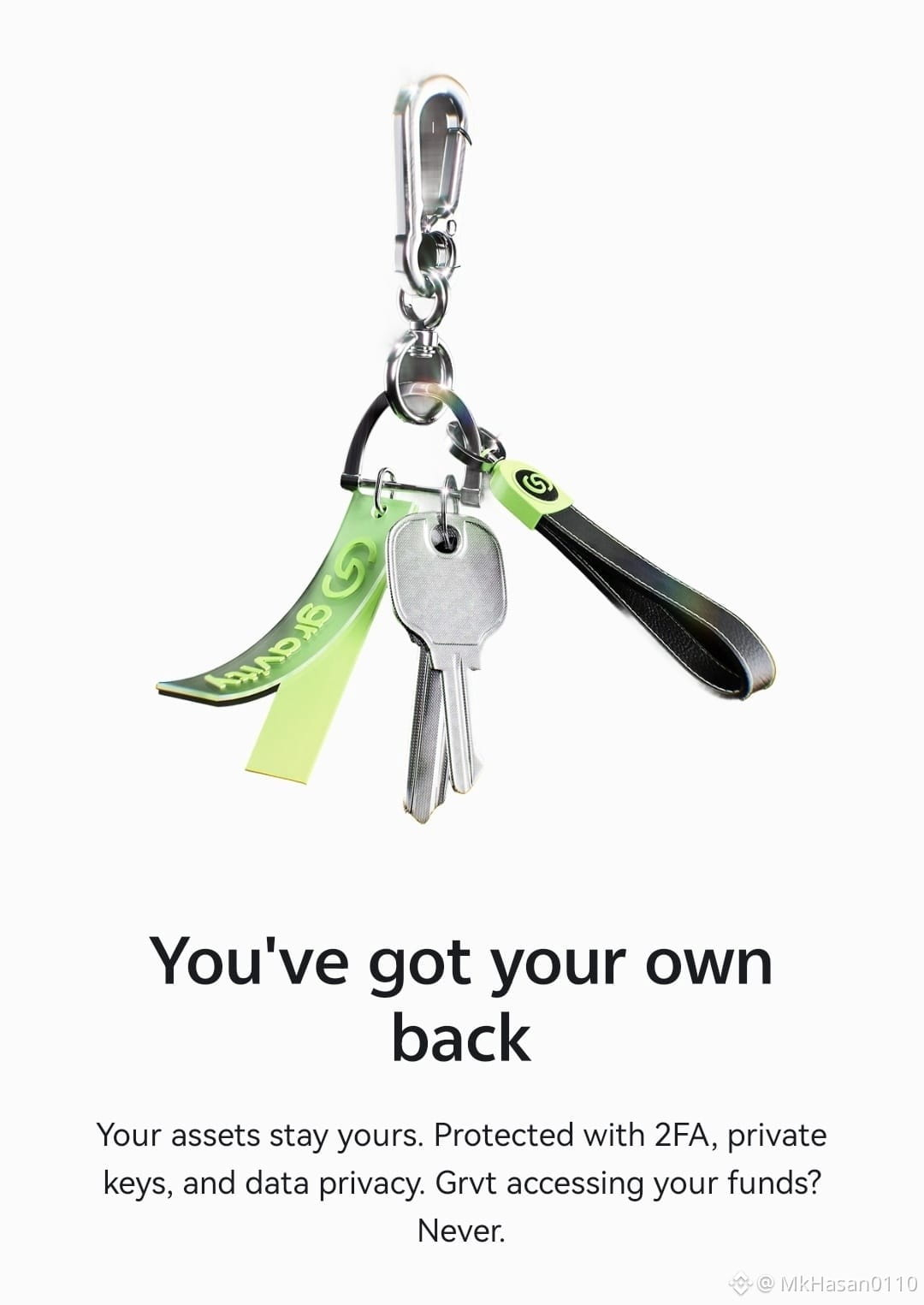
#grvt セキュリティは、GRVTアプリを使う上で私にとって最も重要なことです。ここでは私の資産は完全に私のものであり、他人のものではありません。二要素認証、秘密鍵、データのプライバシーなどの強固なセキュリティにより、私は完全に安心しています。GRVTは私の資金にアクセスできることは決してなく、それによって私の信頼はより強まりました。 @grvt_io #SecurityFirst #PrivateKeys #DataPrivac #CryptoSecurity
#grvt セキュリティは、GRVTアプリを使う上で私にとって最も重要なことです。ここでは私の資産は完全に私のものであり、他人のものではありません。二要素認証、秘密鍵、データのプライバシーなどの強固なセキュリティにより、私は完全に安心しています。GRVTは私の資金にアクセスできることは決してなく、それによって私の信頼はより強まりました。 @grvt_io #SecurityFirst #PrivateKeys #DataPrivac #CryptoSecurity
54
8
29
502

·
--
🚨 元FBI監督者、$BTC で925Kドル相当を盗んだとして起訴 — 内部の犯行でありハッキングではない 🦈
元FBI監督者が、ロシア系と結びつく人物のウォレットから約925Kドル相当の暗号資産を抜き取ったとして起訴されました。 🦈 ハッキングもフィッシングもなし——彼はFBI自身のプライベートキーを使い、良心が限界を迎えるまでに資金を最大12回まで移動させたのです。
これが暗号資産の生の真実です:鍵を持つ者が権力を持つ。 🔒 FBIは資金を回収し、その場で彼を解雇しましたが、本当の物語は攻撃の入口(ベクター)——悪用ではなく内部アクセスです。 📊
連邦機関の自前のウォレット管理が“内側”から崩れるなら、あなたの取引所残高ももう一度見直すべきです。 💬 コールドストレージかホットウォレットか——あなたはどちら側の陣営ですか? 👇
⚠️ 金融助言ではありません。常にリスクを管理してください。 🛡️
🏷️ #BTC #CryptoNews #SelfCustody #PrivateKeys #Security
🦈 🛡️
🚨 元FBI監督者、$BTC で925Kドル相当を盗んだとして起訴 — 内部の犯行でありハッキングではない 🦈
元FBI監督者が、ロシア系と結びつく人物のウォレットから約925Kドル相当の暗号資産を抜き取ったとして起訴されました。 🦈 ハッキングもフィッシングもなし——彼はFBI自身のプライベートキーを使い、良心が限界を迎えるまでに資金を最大12回まで移動させたのです。
これが暗号資産の生の真実です:鍵を持つ者が権力を持つ。 🔒 FBIは資金を回収し、その場で彼を解雇しましたが、本当の物語は攻撃の入口(ベクター)——悪用ではなく内部アクセスです。 📊
連邦機関の自前のウォレット管理が“内側”から崩れるなら、あなたの取引所残高ももう一度見直すべきです。 💬 コールドストレージかホットウォレットか——あなたはどちら側の陣営ですか? 👇
⚠️ 金融助言ではありません。常にリスクを管理してください。 🛡️
🏷️ #BTC #CryptoNews #SelfCustody #PrivateKeys #Security
🦈 🛡️
元FBI監督者が、ロシア系と結びつく人物のウォレットから約925Kドル相当の暗号資産を抜き取ったとして起訴されました。 🦈 ハッキングもフィッシングもなし——彼はFBI自身のプライベートキーを使い、良心が限界を迎えるまでに資金を最大12回まで移動させたのです。
これが暗号資産の生の真実です:鍵を持つ者が権力を持つ。 🔒 FBIは資金を回収し、その場で彼を解雇しましたが、本当の物語は攻撃の入口(ベクター)——悪用ではなく内部アクセスです。 📊
連邦機関の自前のウォレット管理が“内側”から崩れるなら、あなたの取引所残高ももう一度見直すべきです。 💬 コールドストレージかホットウォレットか——あなたはどちら側の陣営ですか? 👇
⚠️ 金融助言ではありません。常にリスクを管理してください。 🛡️
🏷️ #BTC #CryptoNews #SelfCustody #PrivateKeys #Security
🦈 🛡️
41

·
--
📘 プライベートキーとは?
プライベートキーはあなたの暗号資産へのアクセスです。
これは秘密のコードで、
✔️ 暗号を送信することを可能にする
✔️ 所有権を証明する
重要:
• 誰かがあなたのキーを取得したら → 彼らがあなたの資産をコントロールします
• 失くしたら → 永久にアクセスを失います
ベストプラクティス:
🔐 決して共有しない
📄 オフラインで保存する
🛡️ 安全なウォレットを使用する
💡 セキュリティは暗号の基盤です。
#privatekeys
シンプルな暗号教育のためにCoin-Dropzをフォローしてください。
📘 プライベートキーとは?
プライベートキーはあなたの暗号資産へのアクセスです。
これは秘密のコードで、
✔️ 暗号を送信することを可能にする
✔️ 所有権を証明する
重要:
• 誰かがあなたのキーを取得したら → 彼らがあなたの資産をコントロールします
• 失くしたら → 永久にアクセスを失います
ベストプラクティス:
🔐 決して共有しない
📄 オフラインで保存する
🛡️ 安全なウォレットを使用する
💡 セキュリティは暗号の基盤です。
#privatekeys
シンプルな暗号教育のためにCoin-Dropzをフォローしてください。
プライベートキーはあなたの暗号資産へのアクセスです。
これは秘密のコードで、
✔️ 暗号を送信することを可能にする
✔️ 所有権を証明する
重要:
• 誰かがあなたのキーを取得したら → 彼らがあなたの資産をコントロールします
• 失くしたら → 永久にアクセスを失います
ベストプラクティス:
🔐 決して共有しない
📄 オフラインで保存する
🛡️ 安全なウォレットを使用する
💡 セキュリティは暗号の基盤です。
#privatekeys
シンプルな暗号教育のためにCoin-Dropzをフォローしてください。
166
ログインして、さらにコンテンツを読む
厳選トピックで世界の暗号資産トレーダーの仲間入り
⚡️ 暗号資産に関する最新かつ有益な情報が見つかります。
💬 世界最大の暗号資産取引所から信頼されています。
👍 認証を受けたクリエイターから、有益なインサイトを得られます。
メール / 電話番号
トレンドトピック
1
#CanMicrosoftDeliverOnAI
閲覧回数 157,431
1,248人が討論中
2
#CanGoogleDefindItsCore
閲覧回数 80,733
887人が討論中
3
#FOMCWatch
閲覧回数 9.1M
28,518人が討論中
4
#USGovSellsFTXLinkedAnthropicSharesFor$627M
閲覧回数 0
3人が討論中
5
#SKHynixUnveils$45BShareholderReturns
閲覧回数 108
5人が討論中
6
#OSMOPlansToBurn100MTokensFromCommunityPool
閲覧回数 4,010
131人が討論中
7
#EthereumDropsBelow$2300
閲覧回数 12,666
167人が討論中
8
#BitcoinSlipsBelow$80KAgain
閲覧回数 36,016
134人が討論中
9
#ThailandLaunchesWORPTStablecoinToQRPaymentApp
閲覧回数 80,854
947人が討論中
10
#StrategySkipsBitcoinPurchasesSpends$205MOnSTRCBuybacks
閲覧回数 14,346
102人が討論中