

#pond
pond
閲覧回数 836,844
2,166人が討論中
注目
最新

·
--
🚨 $POND トレーダーの皆さん — BINANCEの上場廃止まであと数時間です。これは通常の状況ではありません。
Binanceは、$POND のスポット取引を10月7日03:00 UTC(パキスタン時間08:00)に終了すると発表しました。取引停止時に、未約定のスポット注文はすべてキャンセルされます。
🔥 トレーダーの優位性 — 誇大な話ではなく、出口に注目:
📉 上場廃止前:流動性が不安定になり、ボラティリティが急上昇する可能性があります。
⚠️ 弱気の確認:激しい売りとサポートの崩壊。
📈 予想外の強さ:買い手が売り圧力を吸収し、上場廃止のリスクがあるにもかかわらず価格を維持するなら、その反応自体がシグナルになります。
上場廃止がボラティリティを生みます。
流動性が取引の行方を決めます。
直前のローソク足を追いかけないでください。リスクを尊重し、値動きの反応を見極めましょう。
#POND #Crypto #Trading #Binance #Zyverra
🚨 $POND トレーダーの皆さん — BINANCEの上場廃止まであと数時間です。これは通常の状況ではありません。
Binanceは、$POND のスポット取引を10月7日03:00 UTC(パキスタン時間08:00)に終了すると発表しました。取引停止時に、未約定のスポット注文はすべてキャンセルされます。
🔥 トレーダーの優位性 — 誇大な話ではなく、出口に注目:
📉 上場廃止前:流動性が不安定になり、ボラティリティが急上昇する可能性があります。
⚠️ 弱気の確認:激しい売りとサポートの崩壊。
📈 予想外の強さ:買い手が売り圧力を吸収し、上場廃止のリスクがあるにもかかわらず価格を維持するなら、その反応自体がシグナルになります。
上場廃止がボラティリティを生みます。
流動性が取引の行方を決めます。
直前のローソク足を追いかけないでください。リスクを尊重し、値動きの反応を見極めましょう。
#POND #Crypto #Trading #Binance #Zyverra
Binanceは、$POND のスポット取引を10月7日03:00 UTC(パキスタン時間08:00)に終了すると発表しました。取引停止時に、未約定のスポット注文はすべてキャンセルされます。
🔥 トレーダーの優位性 — 誇大な話ではなく、出口に注目:
📉 上場廃止前:流動性が不安定になり、ボラティリティが急上昇する可能性があります。
⚠️ 弱気の確認:激しい売りとサポートの崩壊。
📈 予想外の強さ:買い手が売り圧力を吸収し、上場廃止のリスクがあるにもかかわらず価格を維持するなら、その反応自体がシグナルになります。
上場廃止がボラティリティを生みます。
流動性が取引の行方を決めます。
直前のローソク足を追いかけないでください。リスクを尊重し、値動きの反応を見極めましょう。
#POND #Crypto #Trading #Binance #Zyverra
3

·
--
ブリッシュ
$POND Marlin(POND)は、トークン全体でボラティリティが高止まりする中、再び注目の的となっています。直近のセッションで急激に上昇した後、PONDはモメンタム、流動性、そして主要なサポート水準について注意深く見極める局面に入っています。
市場スナップショット ・最近の値動き:非常に値動きが荒い
取引活動:直近の動きの間、活発
注目すべきポイント:約0.0013~0.0015ドル付近
市場構造:モメンタムは依然として活発ですが、押し戻りリスクも大きい
今回の値動きは、PONDが短期間で強い市場の関心を集め得ることを示しています。トレーダーにとって今の焦点は、単に動きに追随することではありません。出来高による裏付け、サポートの維持、そして規律あるリスク管理にあります。
PONDは要注目です。
市場データは急速に変化します。取引判断を行う前に、必ずライブの価格と流動性を確認してください。
#POND #Marlin #Crypto #Altcoins #Binance
$BTC
$BNB
{spot}(BTCUSDT)
{spot}(SOLUSDT)
{spot}(BNBUSDT)
$POND Marlin(POND)は、トークン全体でボラティリティが高止まりする中、再び注目の的となっています。直近のセッションで急激に上昇した後、PONDはモメンタム、流動性、そして主要なサポート水準について注意深く見極める局面に入っています。
市場スナップショット ・最近の値動き:非常に値動きが荒い
取引活動:直近の動きの間、活発
注目すべきポイント:約0.0013~0.0015ドル付近
市場構造:モメンタムは依然として活発ですが、押し戻りリスクも大きい
今回の値動きは、PONDが短期間で強い市場の関心を集め得ることを示しています。トレーダーにとって今の焦点は、単に動きに追随することではありません。出来高による裏付け、サポートの維持、そして規律あるリスク管理にあります。
PONDは要注目です。
市場データは急速に変化します。取引判断を行う前に、必ずライブの価格と流動性を確認してください。
#POND #Marlin #Crypto #Altcoins #Binance
$BTC
$BNB
市場スナップショット ・最近の値動き:非常に値動きが荒い
取引活動:直近の動きの間、活発
注目すべきポイント:約0.0013~0.0015ドル付近
市場構造:モメンタムは依然として活発ですが、押し戻りリスクも大きい
今回の値動きは、PONDが短期間で強い市場の関心を集め得ることを示しています。トレーダーにとって今の焦点は、単に動きに追随することではありません。出来高による裏付け、サポートの維持、そして規律あるリスク管理にあります。
PONDは要注目です。
市場データは急速に変化します。取引判断を行う前に、必ずライブの価格と流動性を確認してください。
#POND #Marlin #Crypto #Altcoins #Binance
$BTC
$BNB
4
215


·
--
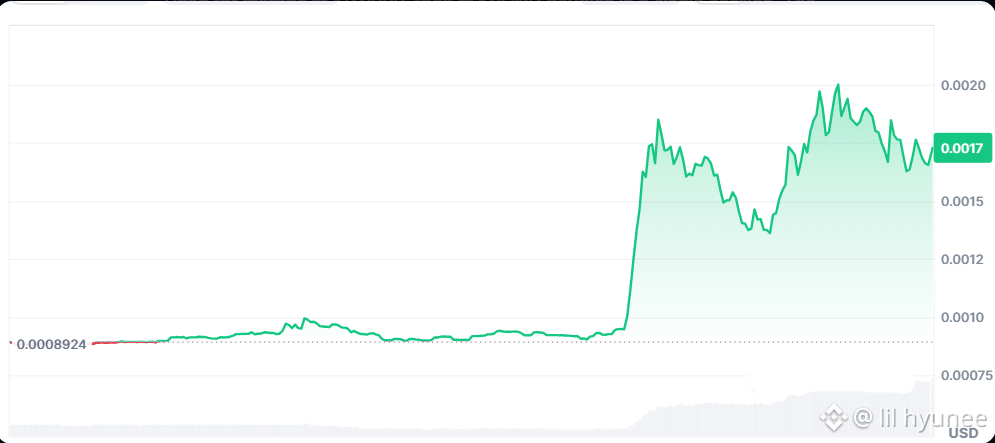
$0.0009で何か月も死んでいたのに、単一セッションで$POND 倍もの数値が増えた。グラフはフラットラインから、ある夜にいきなり垂直な線になった。前兆の積み上げも、蓄積フェーズもなく、ただスイッチが切り替わっただけ。
総供給10Bのうちすでに82.7%が流通しており、FDVが時価総額の1.21倍に過ぎない。これにより、このトークンはマイクロキャップ領域で最も“きれいな”供給構造の一つと言える。未解放のものはほとんどない。価格を動かしているのは供給ゲームではなく需要だ。
しかし、ここからが面白い。Vol/時価総額が59.99%なら健全に見えるが、Liq/時価総額が1.41%だと分かる。オンチェーン流動性はおよそ$200Kしかないのに、時価総額$14.51Mのトークンで96%の急騰を吸収している。しかもこの全てのポンプはCEXのレール上で起きており、裏付けるオンチェーンの厚み(デプス)はなかった。
#POND #DePIN. #Aİ #Altcoin
$0.0009で何か月も死んでいたのに、単一セッションで$POND 倍もの数値が増えた。グラフはフラットラインから、ある夜にいきなり垂直な線になった。前兆の積み上げも、蓄積フェーズもなく、ただスイッチが切り替わっただけ。
総供給10Bのうちすでに82.7%が流通しており、FDVが時価総額の1.21倍に過ぎない。これにより、このトークンはマイクロキャップ領域で最も“きれいな”供給構造の一つと言える。未解放のものはほとんどない。価格を動かしているのは供給ゲームではなく需要だ。
しかし、ここからが面白い。Vol/時価総額が59.99%なら健全に見えるが、Liq/時価総額が1.41%だと分かる。オンチェーン流動性はおよそ$200Kしかないのに、時価総額$14.51Mのトークンで96%の急騰を吸収している。しかもこの全てのポンプはCEXのレール上で起きており、裏付けるオンチェーンの厚み(デプス)はなかった。
#POND #DePIN. #Aİ #Altcoin
総供給10Bのうちすでに82.7%が流通しており、FDVが時価総額の1.21倍に過ぎない。これにより、このトークンはマイクロキャップ領域で最も“きれいな”供給構造の一つと言える。未解放のものはほとんどない。価格を動かしているのは供給ゲームではなく需要だ。
しかし、ここからが面白い。Vol/時価総額が59.99%なら健全に見えるが、Liq/時価総額が1.41%だと分かる。オンチェーン流動性はおよそ$200Kしかないのに、時価総額$14.51Mのトークンで96%の急騰を吸収している。しかもこの全てのポンプはCEXのレール上で起きており、裏付けるオンチェーンの厚み(デプス)はなかった。
#POND #DePIN. #Aİ #Altcoin
2
888

·
--
POND市場構造分析
現在、$POND はサポートゾーンの約$0.001879付近で取引されており、24時間の変動率は-16.52%で強いベアリッシュモメンタムを示しています。ボリュームプロファイルは、買い圧力の中程度の減少を示しており、24時間のボリュームは$6.55Mです。$POND の動向を注意深く追跡しており、ボリュームが拡大する中で、現在の価格アクションの下限付近をうろうろしている状態で、サポートゾーンからの反発の可能性は排除できません。
$PONDのファンディングレートは比較的中立的であり、市場構造の潜在的な変化を示唆しているかもしれません。$0.002000を超えたところでロングエントリーの可能性を監視しており、ターゲットは$0.002380で、19%のアップサイドを表しています。現在の価格$0.001920は$0.002380の中間値から12%下回っており、このレベルをクリーンにブレイクアウトすれば、買い圧力の大幅な増加につながる可能性があります。
$POND
#POND #Crypto #BinanceSquare
POND市場構造分析
現在、$POND はサポートゾーンの約$0.001879付近で取引されており、24時間の変動率は-16.52%で強いベアリッシュモメンタムを示しています。ボリュームプロファイルは、買い圧力の中程度の減少を示しており、24時間のボリュームは$6.55Mです。$POND の動向を注意深く追跡しており、ボリュームが拡大する中で、現在の価格アクションの下限付近をうろうろしている状態で、サポートゾーンからの反発の可能性は排除できません。
$PONDのファンディングレートは比較的中立的であり、市場構造の潜在的な変化を示唆しているかもしれません。$0.002000を超えたところでロングエントリーの可能性を監視しており、ターゲットは$0.002380で、19%のアップサイドを表しています。現在の価格$0.001920は$0.002380の中間値から12%下回っており、このレベルをクリーンにブレイクアウトすれば、買い圧力の大幅な増加につながる可能性があります。
$POND
#POND #Crypto #BinanceSquare
現在、$POND はサポートゾーンの約$0.001879付近で取引されており、24時間の変動率は-16.52%で強いベアリッシュモメンタムを示しています。ボリュームプロファイルは、買い圧力の中程度の減少を示しており、24時間のボリュームは$6.55Mです。$POND の動向を注意深く追跡しており、ボリュームが拡大する中で、現在の価格アクションの下限付近をうろうろしている状態で、サポートゾーンからの反発の可能性は排除できません。
$PONDのファンディングレートは比較的中立的であり、市場構造の潜在的な変化を示唆しているかもしれません。$0.002000を超えたところでロングエントリーの可能性を監視しており、ターゲットは$0.002380で、19%のアップサイドを表しています。現在の価格$0.001920は$0.002380の中間値から12%下回っており、このレベルをクリーンにブレイクアウトすれば、買い圧力の大幅な増加につながる可能性があります。
$POND
#POND #Crypto #BinanceSquare
144


PONDは1.89xで厚い買い壁を見せており、私のクオンツモデルがこれを検知しています。この構成は今日のトレードに注目しています。
🔥 ディープ・マーケット・インテル
💎 注文板: バランスの取れたDOM(1.00x)
💎 1H建玉: 減少(-)
💎 クジラのL/S: 50.0% ロング
💎 テイカー・フロー: 1.00x
💎
🎯 $POND UPTREND ALERT 🌪️
💎 エントリーゾーン: 0.001418 - 0.001440
💎 🎯 ターゲット1: 0.001468
💎 🎯 ターゲット2: 0.001495
💎 🎯 ターゲット3: 0.001528
💎 🛑 無効化(SL): 0.001385
#POND #Alts
PONDは1.89xで厚い買い壁を見せており、私のクオンツモデルがこれを検知しています。この構成は今日のトレードに注目しています。
🔥 ディープ・マーケット・インテル
💎 注文板: バランスの取れたDOM(1.00x)
💎 1H建玉: 減少(-)
💎 クジラのL/S: 50.0% ロング
💎 テイカー・フロー: 1.00x
💎
🎯 $POND UPTREND ALERT 🌪️
💎 エントリーゾーン: 0.001418 - 0.001440
💎 🎯 ターゲット1: 0.001468
💎 🎯 ターゲット2: 0.001495
💎 🎯 ターゲット3: 0.001528
💎 🛑 無効化(SL): 0.001385
#POND #Alts
🔥 ディープ・マーケット・インテル
💎 注文板: バランスの取れたDOM(1.00x)
💎 1H建玉: 減少(-)
💎 クジラのL/S: 50.0% ロング
💎 テイカー・フロー: 1.00x
💎
🎯 $POND UPTREND ALERT 🌪️
💎 エントリーゾーン: 0.001418 - 0.001440
💎 🎯 ターゲット1: 0.001468
💎 🎯 ターゲット2: 0.001495
💎 🎯 ターゲット3: 0.001528
💎 🛑 無効化(SL): 0.001385
#POND #Alts
183

·
--
ブリッシュ
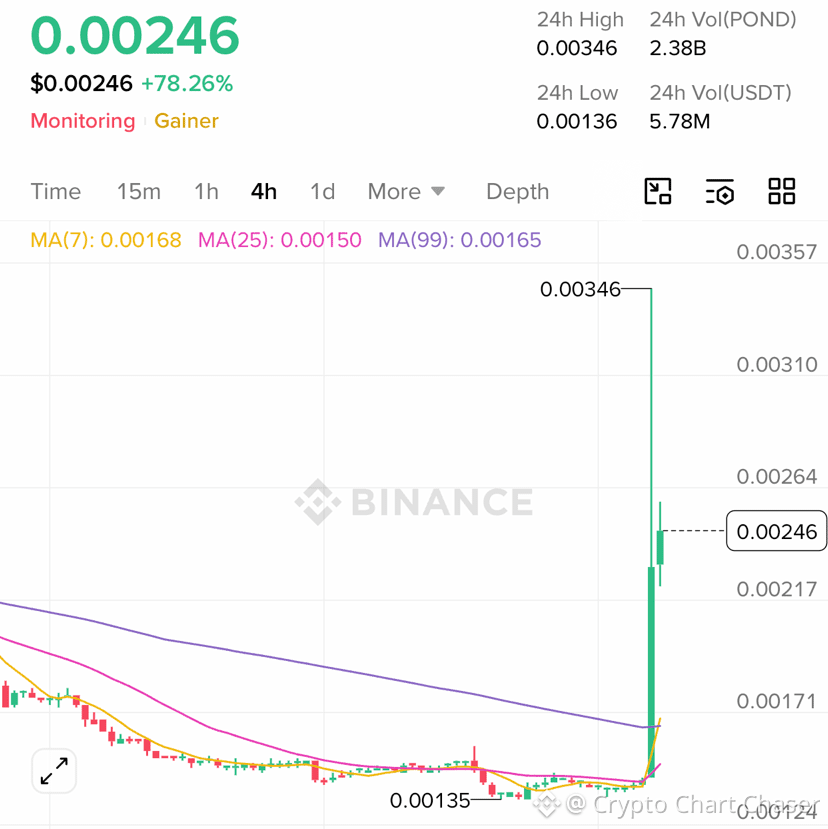
🚀🚀 $POND が爆発的なブレイクアウトムーブを実現し、巨大なモメンタムを持っている 🚀🔥
{spot}(PONDUSDT)
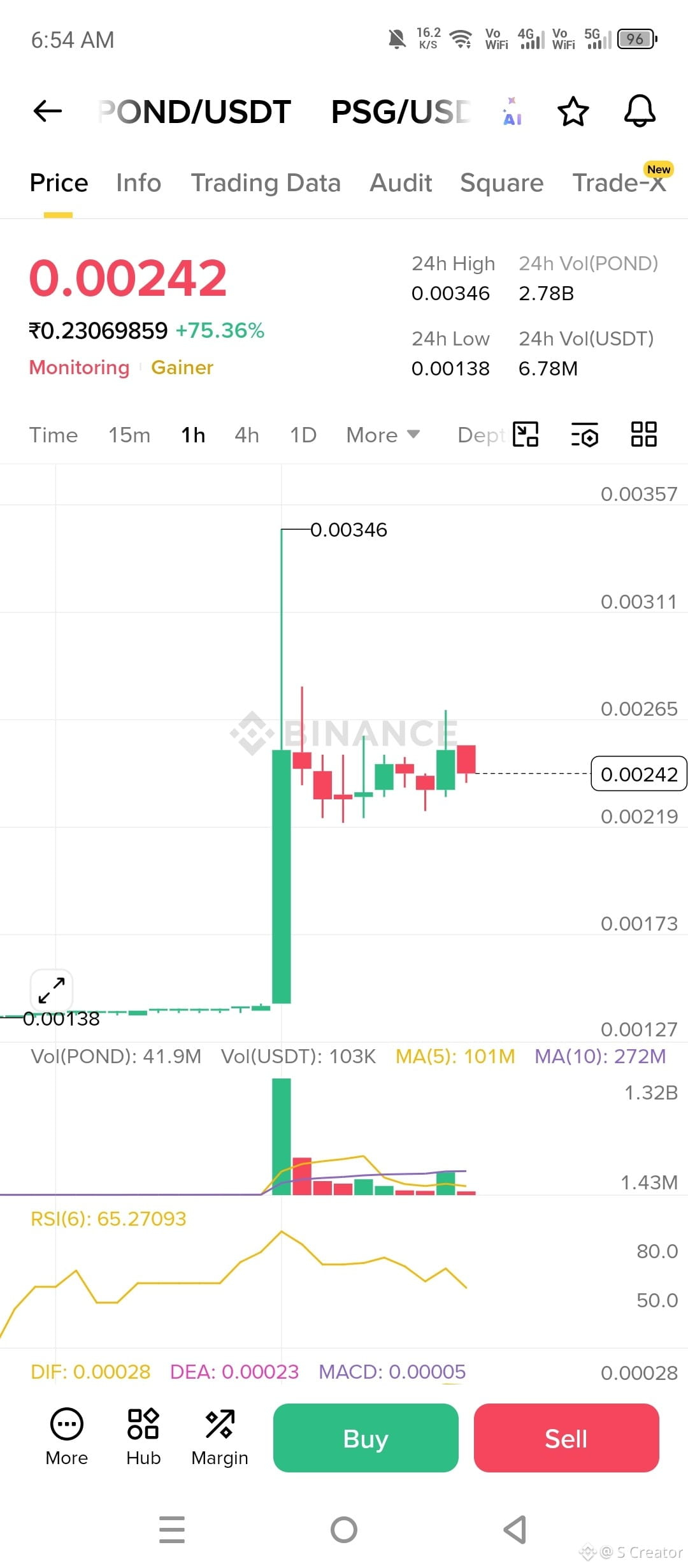
価格は0.0013ゾーンから0.00346近くの高値まで急騰し、その後0.00242周辺で調整フェーズに入った。プルバック後も、ブルたちはブレイクアウトベースの上でしっかりと保持しており、市場の強い関心を示している 📈
テクニカルシグナル:
🔹 RSIは約65 — ブルのモメンタムはまだアクティブ
🔹 巨大なボリュームスパイクが攻撃的な買い圧力を確認
🔹 MACDは短期的なクーリングにもかかわらずポジティブを維持
注目すべきキーライン:
✅ サポート: 0.00220 – 0.00200
🚀 レジスタンス: 0.00265 – 0.00346
もしバイザーが0.00265以上でモメンタムを取り戻せば、$POND は再び強力なブレイクアウトウェーブを試みる可能性がある。ボラティリティは依然として高いため、トレーダーはこれらの急激な動きの中でリスクを慎重に管理するべき ⚡📊
#POND #Crypto #Binance #USConsumerSentimentThirdMonthDecline
🚀🚀 $POND が爆発的なブレイクアウトムーブを実現し、巨大なモメンタムを持っている 🚀🔥
価格は0.0013ゾーンから0.00346近くの高値まで急騰し、その後0.00242周辺で調整フェーズに入った。プルバック後も、ブルたちはブレイクアウトベースの上でしっかりと保持しており、市場の強い関心を示している 📈
テクニカルシグナル:
🔹 RSIは約65 — ブルのモメンタムはまだアクティブ
🔹 巨大なボリュームスパイクが攻撃的な買い圧力を確認
🔹 MACDは短期的なクーリングにもかかわらずポジティブを維持
注目すべきキーライン:
✅ サポート: 0.00220 – 0.00200
🚀 レジスタンス: 0.00265 – 0.00346
もしバイザーが0.00265以上でモメンタムを取り戻せば、$POND は再び強力なブレイクアウトウェーブを試みる可能性がある。ボラティリティは依然として高いため、トレーダーはこれらの急激な動きの中でリスクを慎重に管理するべき ⚡📊
#POND #Crypto #Binance #USConsumerSentimentThirdMonthDecline
価格は0.0013ゾーンから0.00346近くの高値まで急騰し、その後0.00242周辺で調整フェーズに入った。プルバック後も、ブルたちはブレイクアウトベースの上でしっかりと保持しており、市場の強い関心を示している 📈
テクニカルシグナル:
🔹 RSIは約65 — ブルのモメンタムはまだアクティブ
🔹 巨大なボリュームスパイクが攻撃的な買い圧力を確認
🔹 MACDは短期的なクーリングにもかかわらずポジティブを維持
注目すべきキーライン:
✅ サポート: 0.00220 – 0.00200
🚀 レジスタンス: 0.00265 – 0.00346
もしバイザーが0.00265以上でモメンタムを取り戻せば、$POND は再び強力なブレイクアウトウェーブを試みる可能性がある。ボラティリティは依然として高いため、トレーダーはこれらの急激な動きの中でリスクを慎重に管理するべき ⚡📊
#POND #Crypto #Binance #USConsumerSentimentThirdMonthDecline
86



·
--
📊 $POND は$0.00217にいて、ボリュームは$10.4M — チャートでは重要なサポートでタイトな統合を示していて、買い壁が静かに積み上がっている。
オンチェーンの蓄積の痕跡が至る所に。スマートマネーは確認を待っていない。
モメンタムのシフトが迫っている。ブレイクアウトかブレイクダウンが次の30-50%の動きを決める。
今、PONDはプレイすべきか?
#POND #DeFi
📊 $POND は$0.00217にいて、ボリュームは$10.4M — チャートでは重要なサポートでタイトな統合を示していて、買い壁が静かに積み上がっている。
オンチェーンの蓄積の痕跡が至る所に。スマートマネーは確認を待っていない。
モメンタムのシフトが迫っている。ブレイクアウトかブレイクダウンが次の30-50%の動きを決める。
今、PONDはプレイすべきか?
#POND #DeFi
オンチェーンの蓄積の痕跡が至る所に。スマートマネーは確認を待っていない。
モメンタムのシフトが迫っている。ブレイクアウトかブレイクダウンが次の30-50%の動きを決める。
今、PONDはプレイすべきか?
#POND #DeFi
225

#POND
🚨 $POND : 上場廃止のハンマーとテクノロジーのアニルの間で
マーレンプロトコル ($POND ) はバイナンスの圧力に耐えられるのか、それともトークンの終わりの始まりを目撃しているのか?2026年5月末の状況を理解しましょう。
⚖️ 主な対立:
バイナンスは2026年4月30日にPONDをモニタリングタグリストに追加し、プロジェクトが除外されるリスクにさらされています。これは世界最大の取引所からの「イエローカード」であり、流動性と活動に問題があることを直接示しています。
📉 それが危険な理由は?
価格圧力: 「モニタリング」タグは多くのトレーダーに「退却」の信号を送り、ボラティリティと恐怖を増大させます。
初心者の壁: 90日ごとの必須クイズはカジュアルな投資家を遠ざけ、取引量を減少させます。
🚀 しかし、希望はあるのか? (テクノロジーフロント)
市場がパニックに陥る中、マーレンチームは「構築」を続けています:
TEEインフラストラクチャ: 機密計算(Trusted Execution Environment)の積極的な実装は、Web3のAIソリューションにとって重要になっています。
Suiとの統合: キーマネジメントサービスや他のクロスチェーンサービスの作業は、プロトコルが単なる投機的関心ではなく、実際のエンジニアリング価値を持っていることを示しています。
高いパワー: すでにネットワークで稼働している2万以上の仮想CPUは、単なる言葉ではなく、実際に機能する製品です。
🔍 評価: 「テクノロジー」は「リスク」を補うのに十分か?
現在、マーレンの根本的な成功は取引所のメトリクスと直接矛盾しています。
マーレンがAIダウンロードの分野での代替不可能性を証明できれば、バイナンスは他の成功したプロジェクトと同様にタグを削除するかもしれません。
コミュニティと開発者の活動が書類上のものであれば、上場廃止のリスクは現実のものとなります。
私の見解: $POND は今高リスクのゲームです。トークンの生存はマーケティングではなく、次の3ヶ月でどれだけの実際の開発者がマーレンインフラストラクチャを使用するかに依存しています。
{spot}(PONDUSDT)
#POND
🚨 $POND : 上場廃止のハンマーとテクノロジーのアニルの間で
マーレンプロトコル ($POND ) はバイナンスの圧力に耐えられるのか、それともトークンの終わりの始まりを目撃しているのか?2026年5月末の状況を理解しましょう。
⚖️ 主な対立:
バイナンスは2026年4月30日にPONDをモニタリングタグリストに追加し、プロジェクトが除外されるリスクにさらされています。これは世界最大の取引所からの「イエローカード」であり、流動性と活動に問題があることを直接示しています。
📉 それが危険な理由は?
価格圧力: 「モニタリング」タグは多くのトレーダーに「退却」の信号を送り、ボラティリティと恐怖を増大させます。
初心者の壁: 90日ごとの必須クイズはカジュアルな投資家を遠ざけ、取引量を減少させます。
🚀 しかし、希望はあるのか? (テクノロジーフロント)
市場がパニックに陥る中、マーレンチームは「構築」を続けています:
TEEインフラストラクチャ: 機密計算(Trusted Execution Environment)の積極的な実装は、Web3のAIソリューションにとって重要になっています。
Suiとの統合: キーマネジメントサービスや他のクロスチェーンサービスの作業は、プロトコルが単なる投機的関心ではなく、実際のエンジニアリング価値を持っていることを示しています。
高いパワー: すでにネットワークで稼働している2万以上の仮想CPUは、単なる言葉ではなく、実際に機能する製品です。
🔍 評価: 「テクノロジー」は「リスク」を補うのに十分か?
現在、マーレンの根本的な成功は取引所のメトリクスと直接矛盾しています。
マーレンがAIダウンロードの分野での代替不可能性を証明できれば、バイナンスは他の成功したプロジェクトと同様にタグを削除するかもしれません。
コミュニティと開発者の活動が書類上のものであれば、上場廃止のリスクは現実のものとなります。
私の見解: $POND は今高リスクのゲームです。トークンの生存はマーケティングではなく、次の3ヶ月でどれだけの実際の開発者がマーレンインフラストラクチャを使用するかに依存しています。
🚨 $POND : 上場廃止のハンマーとテクノロジーのアニルの間で
マーレンプロトコル ($POND ) はバイナンスの圧力に耐えられるのか、それともトークンの終わりの始まりを目撃しているのか?2026年5月末の状況を理解しましょう。
⚖️ 主な対立:
バイナンスは2026年4月30日にPONDをモニタリングタグリストに追加し、プロジェクトが除外されるリスクにさらされています。これは世界最大の取引所からの「イエローカード」であり、流動性と活動に問題があることを直接示しています。
📉 それが危険な理由は?
価格圧力: 「モニタリング」タグは多くのトレーダーに「退却」の信号を送り、ボラティリティと恐怖を増大させます。
初心者の壁: 90日ごとの必須クイズはカジュアルな投資家を遠ざけ、取引量を減少させます。
🚀 しかし、希望はあるのか? (テクノロジーフロント)
市場がパニックに陥る中、マーレンチームは「構築」を続けています:
TEEインフラストラクチャ: 機密計算(Trusted Execution Environment)の積極的な実装は、Web3のAIソリューションにとって重要になっています。
Suiとの統合: キーマネジメントサービスや他のクロスチェーンサービスの作業は、プロトコルが単なる投機的関心ではなく、実際のエンジニアリング価値を持っていることを示しています。
高いパワー: すでにネットワークで稼働している2万以上の仮想CPUは、単なる言葉ではなく、実際に機能する製品です。
🔍 評価: 「テクノロジー」は「リスク」を補うのに十分か?
現在、マーレンの根本的な成功は取引所のメトリクスと直接矛盾しています。
マーレンがAIダウンロードの分野での代替不可能性を証明できれば、バイナンスは他の成功したプロジェクトと同様にタグを削除するかもしれません。
コミュニティと開発者の活動が書類上のものであれば、上場廃止のリスクは現実のものとなります。
私の見解: $POND は今高リスクのゲームです。トークンの生存はマーケティングではなく、次の3ヶ月でどれだけの実際の開発者がマーレンインフラストラクチャを使用するかに依存しています。

1
360


·
--
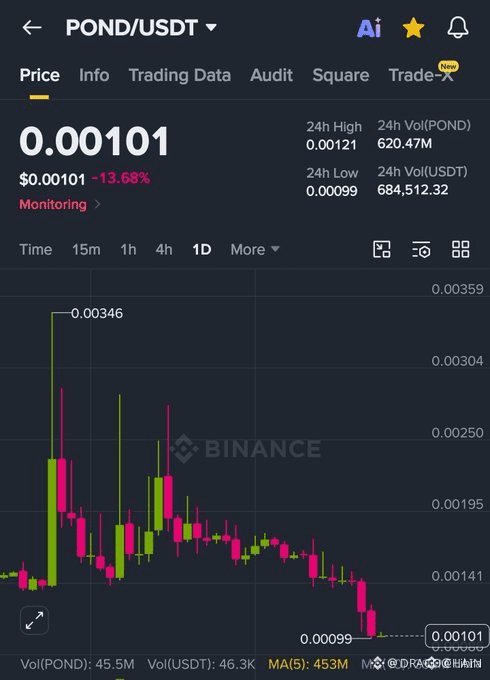
$POND BEING ACCUMULATED AT 0.00101 — ポテンシャル・スイング・エントリー 🔥
エントリー: 0.00101 🔥
現在の市場価格「$POND 」(0.00101)の状況では、ボリュームを意識する参加者による早期の買いが入っているようです。この水準では売り圧が継続的に吸収されており、スマートマネーがポジションを構築していることを示唆しています。
この水準は、過去に跳ね返りを生み出してきた既存の需要ゾーンと一致しています。小型株のグロース銘柄として、$POND は蓄積(コン・ソリデーション)が完了すれば非対称的な上昇余地を提供します。今後数セッションでの出来高の確認が鍵となります。
ここで蓄積していますか?それともより低いエントリーを待っていますか?
※投資助言ではありません。必ずリスク管理を行ってください。
#POND #SmallCap #Accumulation #SwingSetup
🔥
$POND BEING ACCUMULATED AT 0.00101 — ポテンシャル・スイング・エントリー 🔥
エントリー: 0.00101 🔥
現在の市場価格「$POND 」(0.00101)の状況では、ボリュームを意識する参加者による早期の買いが入っているようです。この水準では売り圧が継続的に吸収されており、スマートマネーがポジションを構築していることを示唆しています。
この水準は、過去に跳ね返りを生み出してきた既存の需要ゾーンと一致しています。小型株のグロース銘柄として、$POND は蓄積(コン・ソリデーション)が完了すれば非対称的な上昇余地を提供します。今後数セッションでの出来高の確認が鍵となります。
ここで蓄積していますか?それともより低いエントリーを待っていますか?
※投資助言ではありません。必ずリスク管理を行ってください。
#POND #SmallCap #Accumulation #SwingSetup
🔥
エントリー: 0.00101 🔥
現在の市場価格「$POND 」(0.00101)の状況では、ボリュームを意識する参加者による早期の買いが入っているようです。この水準では売り圧が継続的に吸収されており、スマートマネーがポジションを構築していることを示唆しています。
この水準は、過去に跳ね返りを生み出してきた既存の需要ゾーンと一致しています。小型株のグロース銘柄として、$POND は蓄積(コン・ソリデーション)が完了すれば非対称的な上昇余地を提供します。今後数セッションでの出来高の確認が鍵となります。
ここで蓄積していますか?それともより低いエントリーを待っていますか?
※投資助言ではありません。必ずリスク管理を行ってください。
#POND #SmallCap #Accumulation #SwingSetup
🔥
63

·
--
ブリッシュ
流動性はDeFiの命です。
$POND は、分散型金融全体で資本効率と流動性ソリューションを改善することを目指しています。DeFiが進化し続ける中で、流動性を最適化するプロジェクトはますます重要な役割を果たす可能性があります。
今日の動きは、市場の関心の高まりを示しています。
#POND #defi #liquidity #BinanceSquare #BinanceSquare
{spot}(PONDUSDT)
流動性はDeFiの命です。
$POND は、分散型金融全体で資本効率と流動性ソリューションを改善することを目指しています。DeFiが進化し続ける中で、流動性を最適化するプロジェクトはますます重要な役割を果たす可能性があります。
今日の動きは、市場の関心の高まりを示しています。
#POND #defi #liquidity #BinanceSquare #BinanceSquare
$POND は、分散型金融全体で資本効率と流動性ソリューションを改善することを目指しています。DeFiが進化し続ける中で、流動性を最適化するプロジェクトはますます重要な役割を果たす可能性があります。
今日の動きは、市場の関心の高まりを示しています。
#POND #defi #liquidity #BinanceSquare #BinanceSquare
90

·
--
$POND
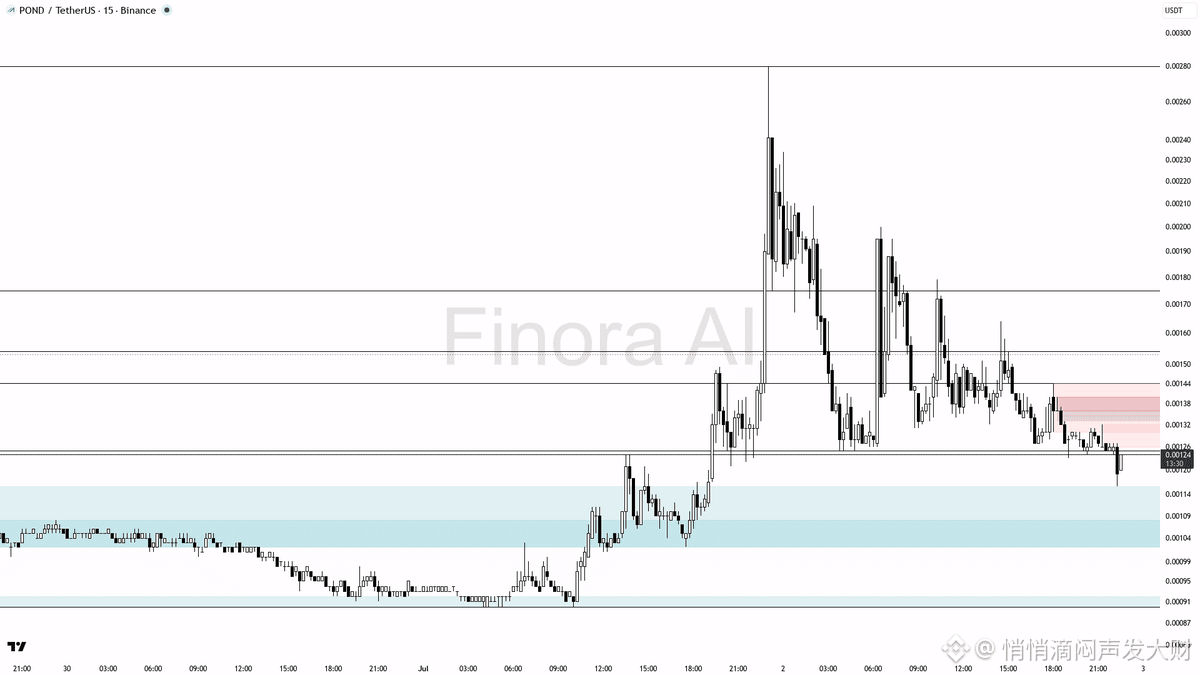
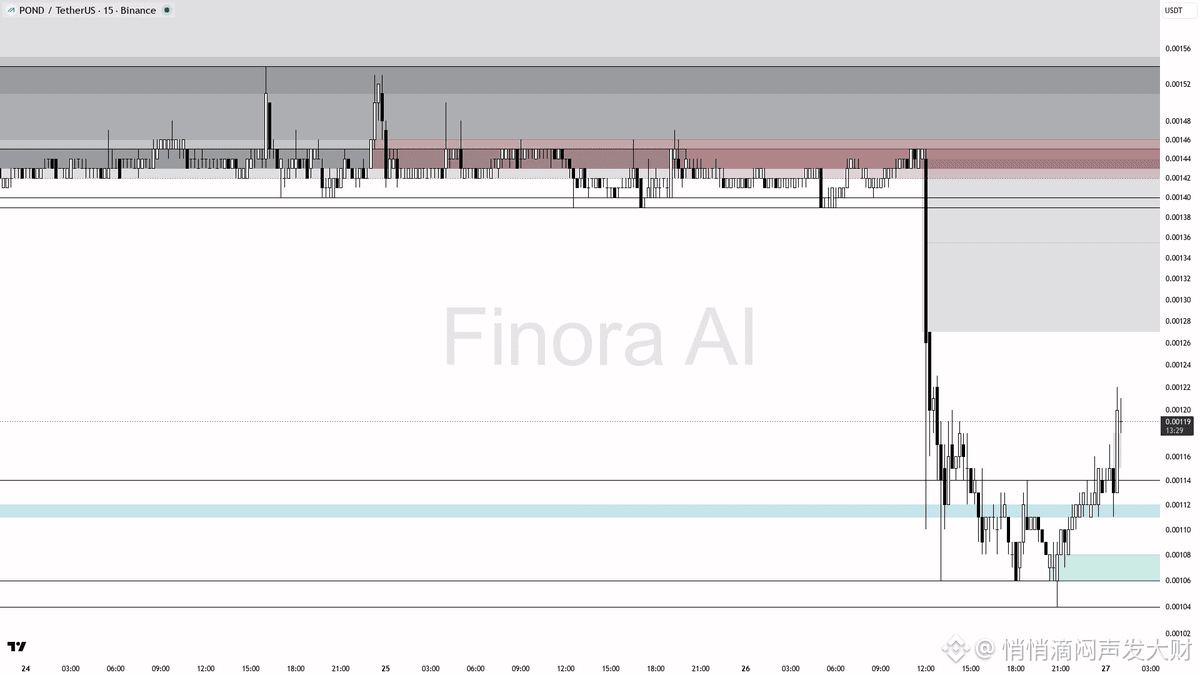
🐻 6.0xで$POND における大規模な売り手側出来高(Sell-Side Volume)
- 極端な出来高スパイクと強い売りが見られるため、これは単なる個人の撤退というより、ディストリビューション(分配)やパニック売りの可能性が高いです。はっきりした吸収(売りの吸い込み)や素早い反転シグナルがない限り、さらなる下落を見込んでいます。
- 価格が0.00125〜0.00131のゾーンを再テストし、明確なリジェクション(拒否)が確認できるなら、ショートエントリーを検討できます。目標は0.00111、次にテイクプロフィット(利確)エリアとして0.00102です。
- 例:ショートのセットアップ。0.00125〜0.00131でリジェクションを確認してエントリーし、5分足チャートでベアリッシュ・インガルフ(下降包み)または強いリジェクションのウィックで確定。利確はまず0.00111、次に0.00102。ストップロスは直近のスイングハイの上、またはボラティリティ次第で0.00131の上に設定します。
- 価格がすぐに取り戻して、0.00131を出来高の吸収を伴って強く終値で上回る場合、0.00144または0.00146へ向かうスクイーズ(ショートカバー)も警戒します。これはブレイクダウン失敗のサインになります。
- 現時点では、0.00111を下抜ける“操作的なスイープ”(モミ消しのような下振れ)のあと、ハンマーや下位足での高出来高の吸収といった強い反転根拠が出るまでは、ロングは避けてください。
- トレンドに逆らってカウンタートレードする前に、ピンバー、下方向の支持線をブレイクできない失敗、または下位足での強いベアリッシュ(上昇を示す)インガルフのような明確な確証を待ちましょう。
📝 これは投資助言ではありませんが、高出来高の異常とスマートマネーの動きを理解するための教育目的のレポートです。必ず確証を待ち、リスク管理を慎重に行ってください!
📊 ご希望の任意の時間軸で、どんなコインでも詳細な無料分析を入手できます。Finora AI - Your Trade Buddy を無料で試す → tinyurl.com/FinoraBot
#POND
{future}(PONDUSDT)
$POND
🐻 6.0xで$POND における大規模な売り手側出来高(Sell-Side Volume)
- 極端な出来高スパイクと強い売りが見られるため、これは単なる個人の撤退というより、ディストリビューション(分配)やパニック売りの可能性が高いです。はっきりした吸収(売りの吸い込み)や素早い反転シグナルがない限り、さらなる下落を見込んでいます。
- 価格が0.00125〜0.00131のゾーンを再テストし、明確なリジェクション(拒否)が確認できるなら、ショートエントリーを検討できます。目標は0.00111、次にテイクプロフィット(利確)エリアとして0.00102です。
- 例:ショートのセットアップ。0.00125〜0.00131でリジェクションを確認してエントリーし、5分足チャートでベアリッシュ・インガルフ(下降包み)または強いリジェクションのウィックで確定。利確はまず0.00111、次に0.00102。ストップロスは直近のスイングハイの上、またはボラティリティ次第で0.00131の上に設定します。
- 価格がすぐに取り戻して、0.00131を出来高の吸収を伴って強く終値で上回る場合、0.00144または0.00146へ向かうスクイーズ(ショートカバー)も警戒します。これはブレイクダウン失敗のサインになります。
- 現時点では、0.00111を下抜ける“操作的なスイープ”(モミ消しのような下振れ)のあと、ハンマーや下位足での高出来高の吸収といった強い反転根拠が出るまでは、ロングは避けてください。
- トレンドに逆らってカウンタートレードする前に、ピンバー、下方向の支持線をブレイクできない失敗、または下位足での強いベアリッシュ(上昇を示す)インガルフのような明確な確証を待ちましょう。
📝 これは投資助言ではありませんが、高出来高の異常とスマートマネーの動きを理解するための教育目的のレポートです。必ず確証を待ち、リスク管理を慎重に行ってください!
📊 ご希望の任意の時間軸で、どんなコインでも詳細な無料分析を入手できます。Finora AI - Your Trade Buddy を無料で試す → tinyurl.com/FinoraBot
#POND
🐻 6.0xで$POND における大規模な売り手側出来高(Sell-Side Volume)
- 極端な出来高スパイクと強い売りが見られるため、これは単なる個人の撤退というより、ディストリビューション(分配)やパニック売りの可能性が高いです。はっきりした吸収(売りの吸い込み)や素早い反転シグナルがない限り、さらなる下落を見込んでいます。
- 価格が0.00125〜0.00131のゾーンを再テストし、明確なリジェクション(拒否)が確認できるなら、ショートエントリーを検討できます。目標は0.00111、次にテイクプロフィット(利確)エリアとして0.00102です。
- 例:ショートのセットアップ。0.00125〜0.00131でリジェクションを確認してエントリーし、5分足チャートでベアリッシュ・インガルフ(下降包み)または強いリジェクションのウィックで確定。利確はまず0.00111、次に0.00102。ストップロスは直近のスイングハイの上、またはボラティリティ次第で0.00131の上に設定します。
- 価格がすぐに取り戻して、0.00131を出来高の吸収を伴って強く終値で上回る場合、0.00144または0.00146へ向かうスクイーズ(ショートカバー)も警戒します。これはブレイクダウン失敗のサインになります。
- 現時点では、0.00111を下抜ける“操作的なスイープ”(モミ消しのような下振れ)のあと、ハンマーや下位足での高出来高の吸収といった強い反転根拠が出るまでは、ロングは避けてください。
- トレンドに逆らってカウンタートレードする前に、ピンバー、下方向の支持線をブレイクできない失敗、または下位足での強いベアリッシュ(上昇を示す)インガルフのような明確な確証を待ちましょう。
📝 これは投資助言ではありませんが、高出来高の異常とスマートマネーの動きを理解するための教育目的のレポートです。必ず確証を待ち、リスク管理を慎重に行ってください!
📊 ご希望の任意の時間軸で、どんなコインでも詳細な無料分析を入手できます。Finora AI - Your Trade Buddy を無料で試す → tinyurl.com/FinoraBot
#POND
101
·
--
$POND
🎯 6.3倍で$POND の大規模な買い手側出来高
- 現在のイベントは非常に異例で、しばしば反転の始まり、または少なくとも短期のリバウンドの兆候となります。とはいえ、トレンドはまだ下落基調のため注意が必要です。価格が0.00110〜0.00106を終値で下回らず、強気の反転確認(ピンバー、強い強気の包み足、または下位タイムフレームでの明確な市場構造のブレイクなど)を確認できるなら、0.00114付近でのロングエントリーは妥当です。
- 最初の目標値:0.00123、その次に0.00139。勢いが維持されるなら、0.00145、場合によっては0.00154までの動きにも注目してください。
- ストップロスは、操作(ワイック)で刈り取られないようにするため、0.00104のスイング安値の下に設定します。
- 価格が0.00104を上で維持できない場合、または出来高を伴う弱気の包み足が見えた場合は、ロングの考えをやめ、直近安値の下での新たな流動性刈り取りを探してから、次のロングを検討してください。
- 上記の通り、強い強気の確認が見られた場合のみエントリーします。焦らないでください(FOMOしない)—サポートで明確な反転シグナルが出るまで待ちましょう。
📝 これは投資助言ではありませんが、この例外的な出来高スパイクを巡る起こり得るシナリオを理解するための教育目的の分析です。必ず健全なリスク管理を行い、行動する前に明確な確認が得られるまで粘り強く待ってください。
📊 希望するあらゆる時間軸で、任意のコインの詳細な無料分析を入手できます。Finora AI - Your Trade Buddyを無料で試す → tinyurl.com/FinoraBot
#POND
{future}(PONDUSDT)
$POND
🎯 6.3倍で$POND の大規模な買い手側出来高
- 現在のイベントは非常に異例で、しばしば反転の始まり、または少なくとも短期のリバウンドの兆候となります。とはいえ、トレンドはまだ下落基調のため注意が必要です。価格が0.00110〜0.00106を終値で下回らず、強気の反転確認(ピンバー、強い強気の包み足、または下位タイムフレームでの明確な市場構造のブレイクなど)を確認できるなら、0.00114付近でのロングエントリーは妥当です。
- 最初の目標値:0.00123、その次に0.00139。勢いが維持されるなら、0.00145、場合によっては0.00154までの動きにも注目してください。
- ストップロスは、操作(ワイック)で刈り取られないようにするため、0.00104のスイング安値の下に設定します。
- 価格が0.00104を上で維持できない場合、または出来高を伴う弱気の包み足が見えた場合は、ロングの考えをやめ、直近安値の下での新たな流動性刈り取りを探してから、次のロングを検討してください。
- 上記の通り、強い強気の確認が見られた場合のみエントリーします。焦らないでください(FOMOしない)—サポートで明確な反転シグナルが出るまで待ちましょう。
📝 これは投資助言ではありませんが、この例外的な出来高スパイクを巡る起こり得るシナリオを理解するための教育目的の分析です。必ず健全なリスク管理を行い、行動する前に明確な確認が得られるまで粘り強く待ってください。
📊 希望するあらゆる時間軸で、任意のコインの詳細な無料分析を入手できます。Finora AI - Your Trade Buddyを無料で試す → tinyurl.com/FinoraBot
#POND
🎯 6.3倍で$POND の大規模な買い手側出来高
- 現在のイベントは非常に異例で、しばしば反転の始まり、または少なくとも短期のリバウンドの兆候となります。とはいえ、トレンドはまだ下落基調のため注意が必要です。価格が0.00110〜0.00106を終値で下回らず、強気の反転確認(ピンバー、強い強気の包み足、または下位タイムフレームでの明確な市場構造のブレイクなど)を確認できるなら、0.00114付近でのロングエントリーは妥当です。
- 最初の目標値:0.00123、その次に0.00139。勢いが維持されるなら、0.00145、場合によっては0.00154までの動きにも注目してください。
- ストップロスは、操作(ワイック)で刈り取られないようにするため、0.00104のスイング安値の下に設定します。
- 価格が0.00104を上で維持できない場合、または出来高を伴う弱気の包み足が見えた場合は、ロングの考えをやめ、直近安値の下での新たな流動性刈り取りを探してから、次のロングを検討してください。
- 上記の通り、強い強気の確認が見られた場合のみエントリーします。焦らないでください(FOMOしない)—サポートで明確な反転シグナルが出るまで待ちましょう。
📝 これは投資助言ではありませんが、この例外的な出来高スパイクを巡る起こり得るシナリオを理解するための教育目的の分析です。必ず健全なリスク管理を行い、行動する前に明確な確認が得られるまで粘り強く待ってください。
📊 希望するあらゆる時間軸で、任意のコインの詳細な無料分析を入手できます。Finora AI - Your Trade Buddyを無料で試す → tinyurl.com/FinoraBot
#POND
80

グリーンモーニング!🚀 市場モメンタムアップデート
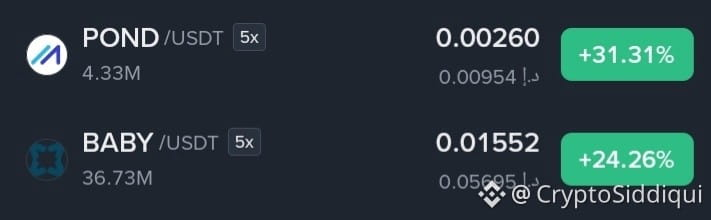
選ばれたトレーディングペアの間で大きな上昇が見られ、朝のスタートが好調です。両資産は過去24時間で強い買い圧力を示しています。
主なハイライト:
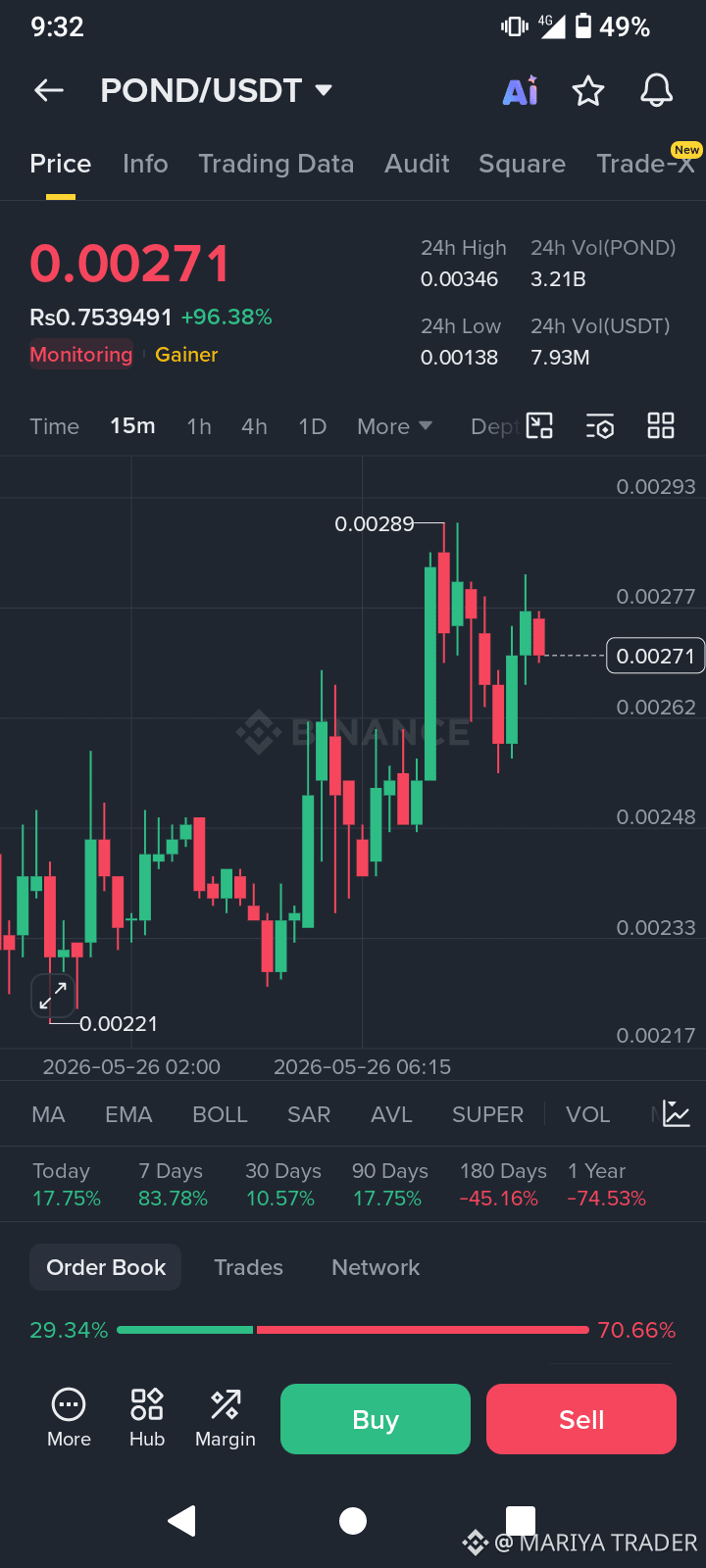
$POND / USDT: +31.31%の急騰、取引価格は$0.00260です。
$BABY / USDT: +24.26%のラリー、取引価格は$0.01552です。
両ペアは5倍のレバレッジオプションが設定されており、今朝は非常に流動的で活発なトレーディング条件を示しています。この波に乗りますか、それともプルバックを待ちますか?
あなたの戦略を下に教えてください!👇
#CryptoTrading #Altcoins #POND #BABYUSDT #CryptoMarket
グリーンモーニング!🚀 市場モメンタムアップデート
選ばれたトレーディングペアの間で大きな上昇が見られ、朝のスタートが好調です。両資産は過去24時間で強い買い圧力を示しています。
主なハイライト:
$POND / USDT: +31.31%の急騰、取引価格は$0.00260です。
$BABY / USDT: +24.26%のラリー、取引価格は$0.01552です。
両ペアは5倍のレバレッジオプションが設定されており、今朝は非常に流動的で活発なトレーディング条件を示しています。この波に乗りますか、それともプルバックを待ちますか?
あなたの戦略を下に教えてください!👇
#CryptoTrading #Altcoins #POND #BABYUSDT #CryptoMarket
選ばれたトレーディングペアの間で大きな上昇が見られ、朝のスタートが好調です。両資産は過去24時間で強い買い圧力を示しています。
主なハイライト:
$POND / USDT: +31.31%の急騰、取引価格は$0.00260です。
$BABY / USDT: +24.26%のラリー、取引価格は$0.01552です。
両ペアは5倍のレバレッジオプションが設定されており、今朝は非常に流動的で活発なトレーディング条件を示しています。この波に乗りますか、それともプルバックを待ちますか?
あなたの戦略を下に教えてください!👇
#CryptoTrading #Altcoins #POND #BABYUSDT #CryptoMarket
2
239

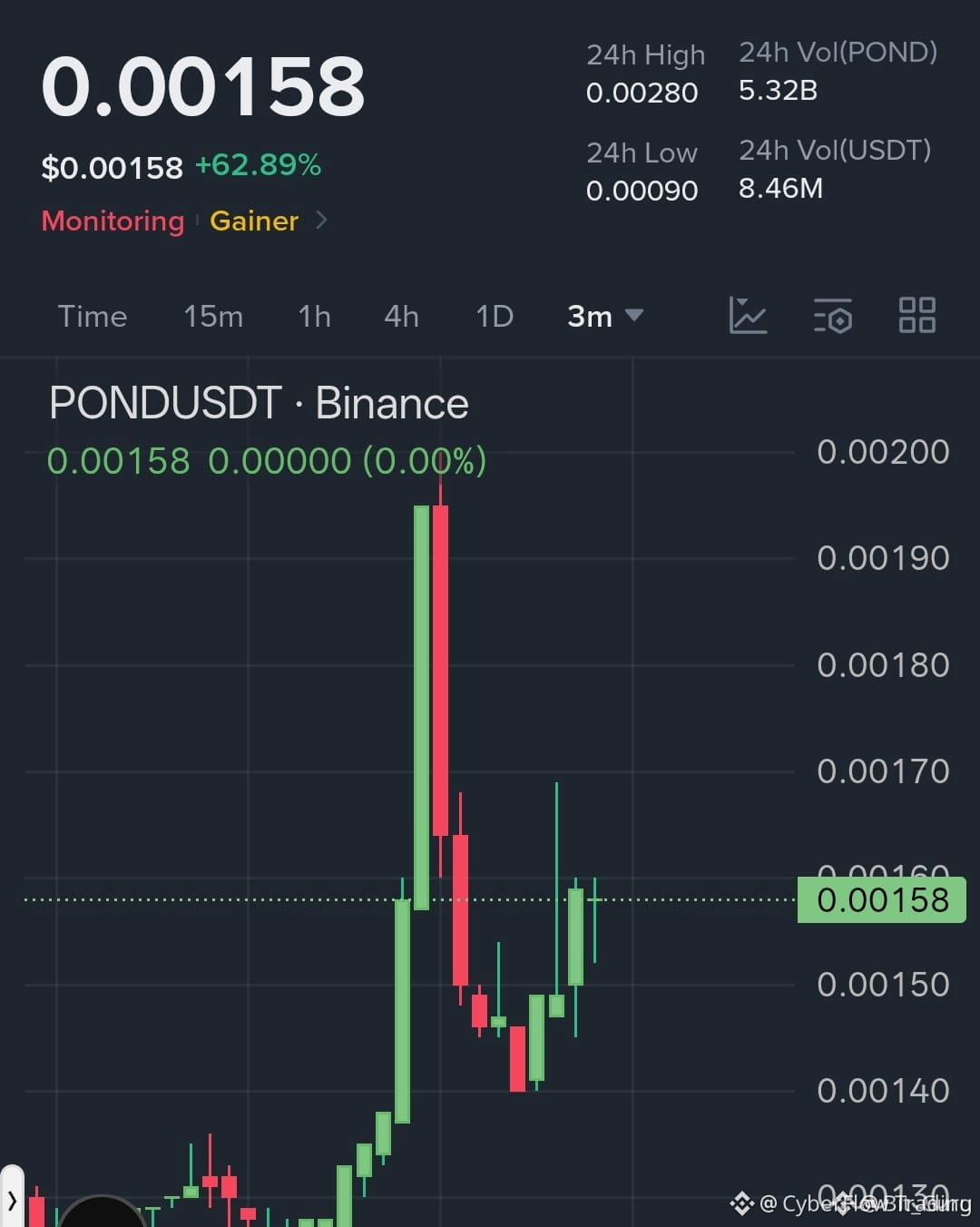
$POND BULLS ARE DEFENDING KEY SUPPORT — SETUP LOOKS CLEAN 🎯
エントリー: 0.00155 – 0.00158 🔥
ターゲット: 0.00172 🚀
ストップロス: 0.00145 ⚠️
このサポートゾーンは何度もテストされており、買い手が一貫して入ってきています。定義されたリスクにより、最初の目標で2.3倍の堅実なリワードが得られ、次の目標に向けて走れる余地もあります。直近の調整(コンソリデーション)の後、勢いがブル側に戻りつつあります。
あなたの見解は?ここでロングしますか、それとも下方向のスイープを待ちますか?
※投資助言ではありません。必ずリスク管理を行ってください。
#POND #LongSetup #Breakout #CryptoAlts
🎯
$POND BULLS ARE DEFENDING KEY SUPPORT — SETUP LOOKS CLEAN 🎯
エントリー: 0.00155 – 0.00158 🔥
ターゲット: 0.00172 🚀
ストップロス: 0.00145 ⚠️
このサポートゾーンは何度もテストされており、買い手が一貫して入ってきています。定義されたリスクにより、最初の目標で2.3倍の堅実なリワードが得られ、次の目標に向けて走れる余地もあります。直近の調整(コンソリデーション)の後、勢いがブル側に戻りつつあります。
あなたの見解は?ここでロングしますか、それとも下方向のスイープを待ちますか?
※投資助言ではありません。必ずリスク管理を行ってください。
#POND #LongSetup #Breakout #CryptoAlts
🎯
エントリー: 0.00155 – 0.00158 🔥
ターゲット: 0.00172 🚀
ストップロス: 0.00145 ⚠️
このサポートゾーンは何度もテストされており、買い手が一貫して入ってきています。定義されたリスクにより、最初の目標で2.3倍の堅実なリワードが得られ、次の目標に向けて走れる余地もあります。直近の調整(コンソリデーション)の後、勢いがブル側に戻りつつあります。
あなたの見解は?ここでロングしますか、それとも下方向のスイープを待ちますか?
※投資助言ではありません。必ずリスク管理を行ってください。
#POND #LongSetup #Breakout #CryptoAlts
🎯
27

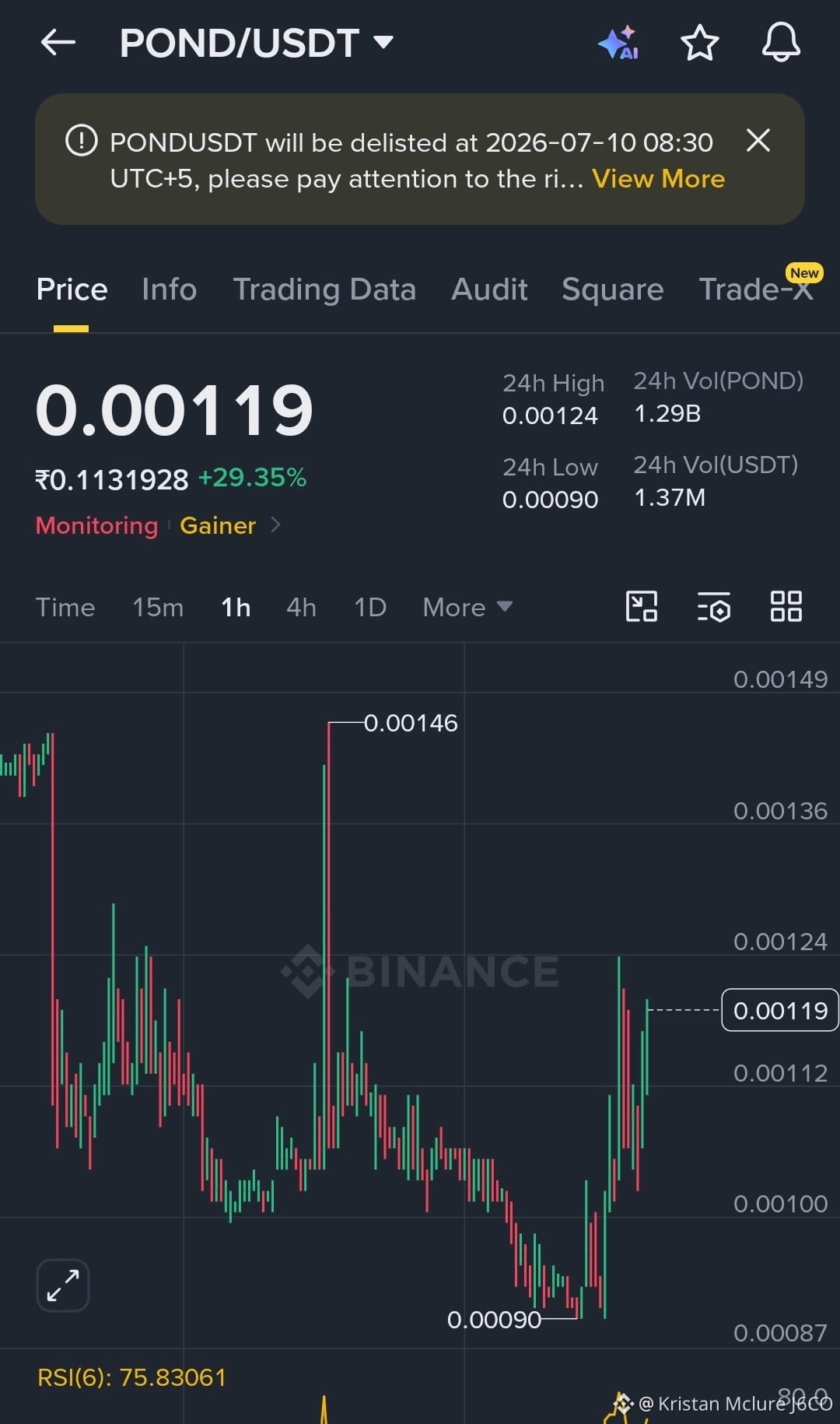
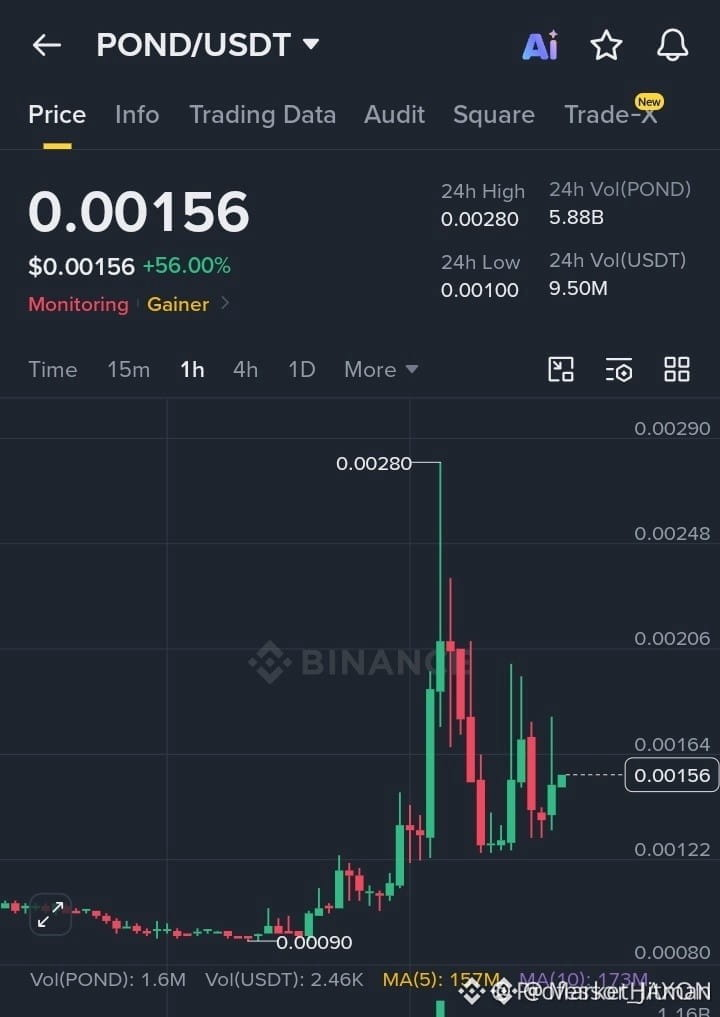
$POND は、丸い底の反転を完了した後、$0.00090の需要ゾーンから急反発しています。価格は短期レンジを取り戻し、現在は$0.00124のレジスタンスへ押し上げられており、さらに高値の切り上げが見られることから、買い手が主導権を取り戻していることが示されています。
セットアップ:
エントリー: $0.00116 - $0.00120
ターゲット 1: $0.00128
ターゲット 2: $0.00136
ターゲット 3: $0.00146
損切り: $0.00108
$0.00124を明確に上抜けて終値で確定すればブレイクアウトが確認され、直前のスイング・ハイである$0.00146が露出します。$0.00108-$0.00110がサポートとして維持されている限り、強気のリカバリー構造は維持されており、上昇するモメンタムが継続を後押しします。今後の上場廃止(デリスティング)発表が控えているにもかかわらずです。
取引 #POND ここ
{spot}(PONDUSDT)
$TAIKO $NFP
$POND は、丸い底の反転を完了した後、$0.00090の需要ゾーンから急反発しています。価格は短期レンジを取り戻し、現在は$0.00124のレジスタンスへ押し上げられており、さらに高値の切り上げが見られることから、買い手が主導権を取り戻していることが示されています。
セットアップ:
エントリー: $0.00116 - $0.00120
ターゲット 1: $0.00128
ターゲット 2: $0.00136
ターゲット 3: $0.00146
損切り: $0.00108
$0.00124を明確に上抜けて終値で確定すればブレイクアウトが確認され、直前のスイング・ハイである$0.00146が露出します。$0.00108-$0.00110がサポートとして維持されている限り、強気のリカバリー構造は維持されており、上昇するモメンタムが継続を後押しします。今後の上場廃止(デリスティング)発表が控えているにもかかわらずです。
取引 #POND ここ
$TAIKO $NFP
セットアップ:
エントリー: $0.00116 - $0.00120
ターゲット 1: $0.00128
ターゲット 2: $0.00136
ターゲット 3: $0.00146
損切り: $0.00108
$0.00124を明確に上抜けて終値で確定すればブレイクアウトが確認され、直前のスイング・ハイである$0.00146が露出します。$0.00108-$0.00110がサポートとして維持されている限り、強気のリカバリー構造は維持されており、上昇するモメンタムが継続を後押しします。今後の上場廃止(デリスティング)発表が控えているにもかかわらずです。
取引 #POND ここ
$TAIKO $NFP
1
1
197

·
--
$POND HOLDING SUPPORT AT BREAKOUT – NEXT TARGET IN SIGHT 🔥
Entry: 0.00150 – 0.00158 🔥
Target: 0.00172 🚀
Stop Loss: 0.00134 ⚠️
このゾーンは、直近のインパルス・ブレイクアウトのエリアと完全に一致しています。買い手は力強い上昇の後、サポートとして0.00150を守っており、この水準がサポートとして維持されれば、継続の可能性が高い構造です。
0.00134を下抜けるとセットアップは無効になるため、ここでのリスク管理が重要です。多くのトレーダーは最初のターゲットに到達したらストップをトレールします。もうポジションは取っていますか、それともより明確なエントリーを待っていますか?
投資助言ではありません。必ずリスクを管理してください。
#POND #LongSetup #Breakout #Crypto
🔥
$POND HOLDING SUPPORT AT BREAKOUT – NEXT TARGET IN SIGHT 🔥
Entry: 0.00150 – 0.00158 🔥
Target: 0.00172 🚀
Stop Loss: 0.00134 ⚠️
このゾーンは、直近のインパルス・ブレイクアウトのエリアと完全に一致しています。買い手は力強い上昇の後、サポートとして0.00150を守っており、この水準がサポートとして維持されれば、継続の可能性が高い構造です。
0.00134を下抜けるとセットアップは無効になるため、ここでのリスク管理が重要です。多くのトレーダーは最初のターゲットに到達したらストップをトレールします。もうポジションは取っていますか、それともより明確なエントリーを待っていますか?
投資助言ではありません。必ずリスクを管理してください。
#POND #LongSetup #Breakout #Crypto
🔥
Entry: 0.00150 – 0.00158 🔥
Target: 0.00172 🚀
Stop Loss: 0.00134 ⚠️
このゾーンは、直近のインパルス・ブレイクアウトのエリアと完全に一致しています。買い手は力強い上昇の後、サポートとして0.00150を守っており、この水準がサポートとして維持されれば、継続の可能性が高い構造です。
0.00134を下抜けるとセットアップは無効になるため、ここでのリスク管理が重要です。多くのトレーダーは最初のターゲットに到達したらストップをトレールします。もうポジションは取っていますか、それともより明確なエントリーを待っていますか?
投資助言ではありません。必ずリスクを管理してください。
#POND #LongSetup #Breakout #Crypto
🔥
28
ログインして、さらにコンテンツを読む
厳選トピックで世界の暗号資産トレーダーの仲間入り
⚡️ 暗号資産に関する最新かつ有益な情報が見つかります。
💬 世界最大の暗号資産取引所から信頼されています。
👍 認証を受けたクリエイターから、有益なインサイトを得られます。
メール / 電話番号
トレンドトピック
1
#BinancePick
閲覧回数 3.2M
156,265人が討論中
2
#EarningsSeason
閲覧回数 5.4M
26,193人が討論中
3
#SouthKoreaConsidersEducationTaxOnCryptoExchanges
閲覧回数 0
2人が討論中
4
#OCCUrgesCommunityBanksToEnterStablecoinPayments
閲覧回数 0
0人が討論中
5
#RippleWinsFullApprovalAsNationalTrustBank
閲覧回数 0
1人が討論中
6
#OndoToOpenSubscriptionsForOpenAIPreIPOTokenizedNotes
閲覧回数 0
0人が討論中
7
#AnthropicTTMRevenueGrewAbout1200%
閲覧回数 40,636
491人が討論中
8
#AnthropicS1ExpectedToday
閲覧回数 33,379
382人が討論中
9
#SouthKoreaReportedlyWeighsFourthCryptoTaxDelay
閲覧回数 35,527
513人が討論中
10
#FranklinTempletonFilesForTwoDividendToBitcoinETFs
閲覧回数 46,947
588人が討論中