
#mining
mining
閲覧回数 1.2M
3,803人が討論中
注目
最新

·
--
翻訳参照
🔸 0.43%
that's fees as a share of what miners earned over a day
the halving is on a schedule everyone can recite. the line that's supposed to replace the subsidy afterwards is a rounding error, and almost nobody quotes it
block rewards shrink on time. the fee market was supposed to grow into the gap. one of those two is happening
the year says it from another side:
— eight difficulty increases, 33.34% together
— ten decreases, -45.27% together
— net -11.93% across the timeframe
so the network breathes. it doesn't grow
and every four years the half of miner revenue that arrives on a schedule gets cut in half again, while the half that has to be earned from actual usage sits at 0.43% and shows no sign of moving
$BTC doesn't need an answer to this today. it needs one eventually, and eventually has a date on it whether anyone likes the date or not
#Mining
🔸 0.43%
that's fees as a share of what miners earned over a day
the halving is on a schedule everyone can recite. the line that's supposed to replace the subsidy afterwards is a rounding error, and almost nobody quotes it
block rewards shrink on time. the fee market was supposed to grow into the gap. one of those two is happening
the year says it from another side:
— eight difficulty increases, 33.34% together
— ten decreases, -45.27% together
— net -11.93% across the timeframe
so the network breathes. it doesn't grow
and every four years the half of miner revenue that arrives on a schedule gets cut in half again, while the half that has to be earned from actual usage sits at 0.43% and shows no sign of moving
$BTC doesn't need an answer to this today. it needs one eventually, and eventually has a date on it whether anyone likes the date or not
#Mining
that's fees as a share of what miners earned over a day
the halving is on a schedule everyone can recite. the line that's supposed to replace the subsidy afterwards is a rounding error, and almost nobody quotes it
block rewards shrink on time. the fee market was supposed to grow into the gap. one of those two is happening
the year says it from another side:
— eight difficulty increases, 33.34% together
— ten decreases, -45.27% together
— net -11.93% across the timeframe
so the network breathes. it doesn't grow
and every four years the half of miner revenue that arrives on a schedule gets cut in half again, while the half that has to be earned from actual usage sits at 0.43% and shows no sign of moving
$BTC doesn't need an answer to this today. it needs one eventually, and eventually has a date on it whether anyone likes the date or not
#Mining
2
23
·
--
翻訳参照
🔸 hashprice up 22.24%
hashrate barely moved
so the machines are the same and the payout isn't. that's the week for a miner
the numbers:
— difficulty up 1.31%, to 127.45 trillion on September 6, 2026
— eighth increase of the year
— hashrate around 934 EH/s, still under 1 ZH/s
— hashprice $39.63 per PH/s per day
that last line decides whether an old rig stays plugged in. every fleet has a level where the electricity costs more than the coin pays, and a week like this pushes a pile of them back over it
for as long as it lasts
why I watch it at all: miners are the only $BTC holders with a monthly electricity bill. they sell into strength because they have to, not because they think anything
where the extra 22.24% came from, I don't know. the numbers I have don't say 🤔
#Mining
🔸 hashprice up 22.24%
hashrate barely moved
so the machines are the same and the payout isn't. that's the week for a miner
the numbers:
— difficulty up 1.31%, to 127.45 trillion on September 6, 2026
— eighth increase of the year
— hashrate around 934 EH/s, still under 1 ZH/s
— hashprice $39.63 per PH/s per day
that last line decides whether an old rig stays plugged in. every fleet has a level where the electricity costs more than the coin pays, and a week like this pushes a pile of them back over it
for as long as it lasts
why I watch it at all: miners are the only $BTC holders with a monthly electricity bill. they sell into strength because they have to, not because they think anything
where the extra 22.24% came from, I don't know. the numbers I have don't say 🤔
#Mining
hashrate barely moved
so the machines are the same and the payout isn't. that's the week for a miner
the numbers:
— difficulty up 1.31%, to 127.45 trillion on September 6, 2026
— eighth increase of the year
— hashrate around 934 EH/s, still under 1 ZH/s
— hashprice $39.63 per PH/s per day
that last line decides whether an old rig stays plugged in. every fleet has a level where the electricity costs more than the coin pays, and a week like this pushes a pile of them back over it
for as long as it lasts
why I watch it at all: miners are the only $BTC holders with a monthly electricity bill. they sell into strength because they have to, not because they think anything
where the extra 22.24% came from, I don't know. the numbers I have don't say 🤔
#Mining
ФЕДАТ - цифровая экосистема спорта:
Майнеры — это единственный источник постоянного предложения BTC на рынке из-за их ежемесячных счетов за электричество. Рост хэшпрайса на 22% — это отличный буфер, который спасает маржинальность и удерживает старые машины от отключения. Отличный фундаментальный разбор! ⛏️📈
1
3
48

·
--
翻訳参照
中文版:
巴西抢夺关键矿物资源,但国家管控让投资者犹豫!矿业市场要变天了,关键矿物代币或迎机遇。#criticalminerals #Brazil $LITH $BTC
English:
Brazil's critical minerals push meets state control dilemma! Miners are hesitant as market faces potential shake-up. Key mineral tokens could see opportunities. #criticalminerals #mining $LITH $BTC
中文版:
巴西抢夺关键矿物资源,但国家管控让投资者犹豫!矿业市场要变天了,关键矿物代币或迎机遇。#criticalminerals #Brazil $LITH $BTC
English:
Brazil's critical minerals push meets state control dilemma! Miners are hesitant as market faces potential shake-up. Key mineral tokens could see opportunities. #criticalminerals #mining $LITH $BTC
巴西抢夺关键矿物资源,但国家管控让投资者犹豫!矿业市场要变天了,关键矿物代币或迎机遇。#criticalminerals #Brazil $LITH $BTC
English:
Brazil's critical minerals push meets state control dilemma! Miners are hesitant as market faces potential shake-up. Key mineral tokens could see opportunities. #criticalminerals #mining $LITH $BTC
70

·
--
翻訳参照
Les mineurs Bitcoin ratent le train: BTC grimpe 22% depuis le 17 août, mais les actions minières affichent un gain médian de seulement 1,8%. À $78,488 (-0,52%) aujourd'hui, le spot reste volatil pendant que l'infrastructure sous-performe. ETH à $2,481 (-0,57%) suit le même rythme prudent. C'est un signal clair de méfiance post-halving: les investisseurs font confiance au spot, pas aux marges minières. Vous restez sur le Bitcoin ou vous pariez sur les mineurs? #Bitcoin #Mining
Les mineurs Bitcoin ratent le train: BTC grimpe 22% depuis le 17 août, mais les actions minières affichent un gain médian de seulement 1,8%. À $78,488 (-0,52%) aujourd'hui, le spot reste volatil pendant que l'infrastructure sous-performe. ETH à $2,481 (-0,57%) suit le même rythme prudent. C'est un signal clair de méfiance post-halving: les investisseurs font confiance au spot, pas aux marges minières. Vous restez sur le Bitcoin ou vous pariez sur les mineurs? #Bitcoin #Mining
86

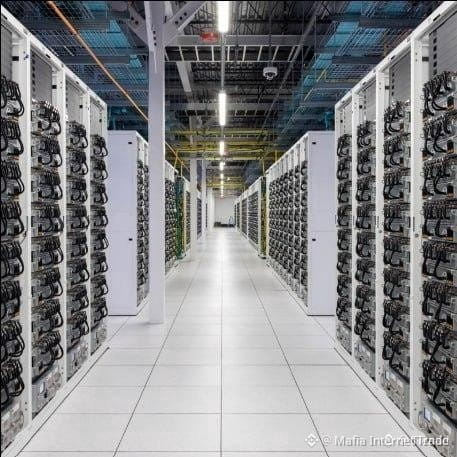
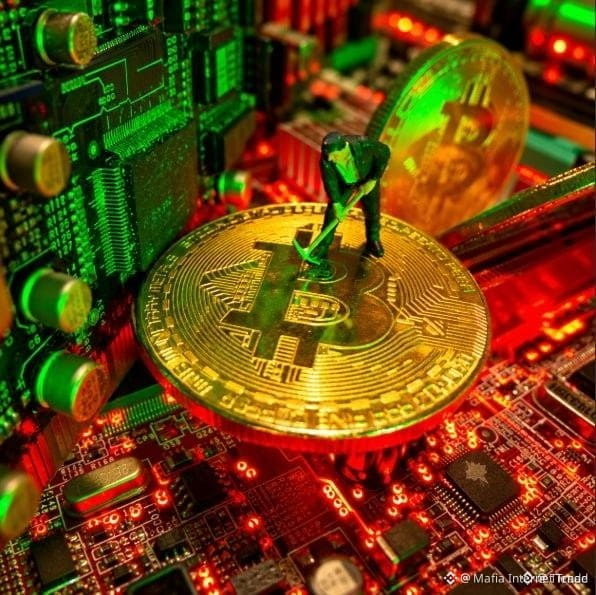
🚨 $BTC MINERS、AIを投入しながら収益が急騰—ハッシュレートは急落 ⚡
📊 AI搭載のリグが、いま1kWhあたりの収益を25倍に引き上げている一方で、ネットワークのハッシュレートは21%低下。これにより、まさに古典的な需給の綱引きが始まっています。🦈 「賢い資金」は上昇余地を見ています。計算需要が伸びれば、AIワークロードの拡大に伴い補助的なトークン($IOST and $KAT )もターボチャージされ得ると。🌊 しかし採掘の収益性低下は警戒材料です。セキュリティのバッファが縮み、長期保有者にとっては流動性の締め付け(リスク)が高まる可能性があります。
⚡ 強気派は、機関投資家による新たな計算需要の波を指摘。一方で弱気派は、ハッシュの落ち込みが防衛ラインを薄くするかもしれないと警告します。AI採掘の分岐点で、どちらの陣営がビットコインの次の一手を左右するのでしょうか?🤔👇
⚠️ これは金融アドバイスではありません。常にリスクを管理してください。🛡️
🏷️ #BTC #AIShift #Mining #Crypto
🚀 ⚡
🚨 $BTC MINERS、AIを投入しながら収益が急騰—ハッシュレートは急落 ⚡
📊 AI搭載のリグが、いま1kWhあたりの収益を25倍に引き上げている一方で、ネットワークのハッシュレートは21%低下。これにより、まさに古典的な需給の綱引きが始まっています。🦈 「賢い資金」は上昇余地を見ています。計算需要が伸びれば、AIワークロードの拡大に伴い補助的なトークン($IOST and $KAT )もターボチャージされ得ると。🌊 しかし採掘の収益性低下は警戒材料です。セキュリティのバッファが縮み、長期保有者にとっては流動性の締め付け(リスク)が高まる可能性があります。
⚡ 強気派は、機関投資家による新たな計算需要の波を指摘。一方で弱気派は、ハッシュの落ち込みが防衛ラインを薄くするかもしれないと警告します。AI採掘の分岐点で、どちらの陣営がビットコインの次の一手を左右するのでしょうか?🤔👇
⚠️ これは金融アドバイスではありません。常にリスクを管理してください。🛡️
🏷️ #BTC #AIShift #Mining #Crypto
🚀 ⚡
📊 AI搭載のリグが、いま1kWhあたりの収益を25倍に引き上げている一方で、ネットワークのハッシュレートは21%低下。これにより、まさに古典的な需給の綱引きが始まっています。🦈 「賢い資金」は上昇余地を見ています。計算需要が伸びれば、AIワークロードの拡大に伴い補助的なトークン($IOST and $KAT )もターボチャージされ得ると。🌊 しかし採掘の収益性低下は警戒材料です。セキュリティのバッファが縮み、長期保有者にとっては流動性の締め付け(リスク)が高まる可能性があります。
⚡ 強気派は、機関投資家による新たな計算需要の波を指摘。一方で弱気派は、ハッシュの落ち込みが防衛ラインを薄くするかもしれないと警告します。AI採掘の分岐点で、どちらの陣営がビットコインの次の一手を左右するのでしょうか?🤔👇
⚠️ これは金融アドバイスではありません。常にリスクを管理してください。🛡️
🏷️ #BTC #AIShift #Mining #Crypto
🚀 ⚡
174

·
--
翻訳参照
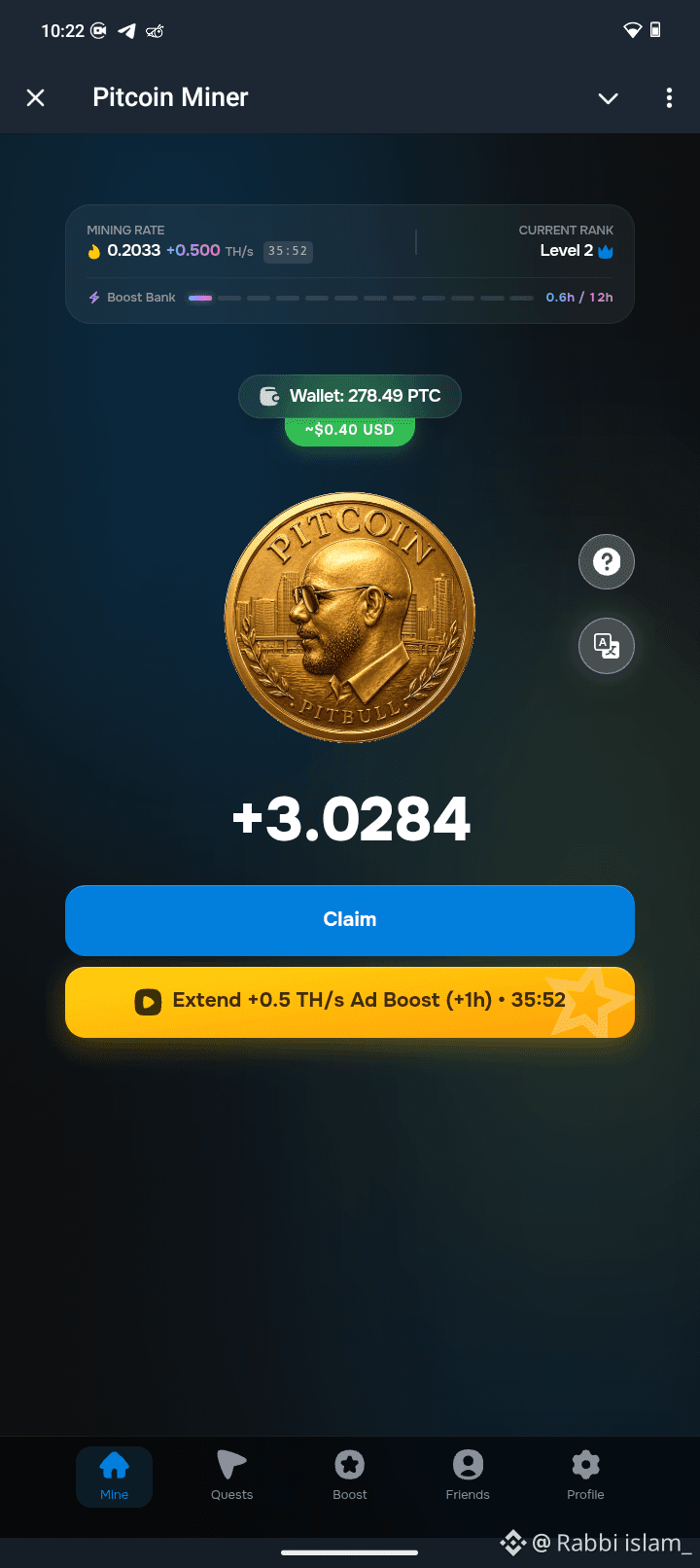
🔥 New Telegram Mining Bot "Pitcoin Miner" – Mine Free $PTC Tokens Now! 🚀
Looking for the next big crypto project on Telegram? Check out Pitcoin Miner! You can start mining PTC tokens completely for free without any investment.
🌟 Key Features:
Easy Mining: Claim your PTC tokens with just a few clicks every day.
Speed Boost: Increase your mining rate (+0.5 TH/s) easily by extending your ad boost and completing tasks.
Level System: Upgrade your rank and complete quests to maximize your daily yield.
👇 Join now and start mining via the link below:
👉 https://t.me/pitbullcoinbot/app?startapp=7694782730
⚡ Don't miss out early! Join now and start accumulating your tokens today.
#crypto #Mining #FreeCrypto #BinanceSquare
🔥 New Telegram Mining Bot "Pitcoin Miner" – Mine Free $PTC Tokens Now! 🚀
Looking for the next big crypto project on Telegram? Check out Pitcoin Miner! You can start mining PTC tokens completely for free without any investment.
🌟 Key Features:
Easy Mining: Claim your PTC tokens with just a few clicks every day.
Speed Boost: Increase your mining rate (+0.5 TH/s) easily by extending your ad boost and completing tasks.
Level System: Upgrade your rank and complete quests to maximize your daily yield.
👇 Join now and start mining via the link below:
👉 https://t.me/pitbullcoinbot/app?startapp=7694782730
⚡ Don't miss out early! Join now and start accumulating your tokens today.
#crypto #Mining #FreeCrypto #BinanceSquare
Looking for the next big crypto project on Telegram? Check out Pitcoin Miner! You can start mining PTC tokens completely for free without any investment.
🌟 Key Features:
Easy Mining: Claim your PTC tokens with just a few clicks every day.
Speed Boost: Increase your mining rate (+0.5 TH/s) easily by extending your ad boost and completing tasks.
Level System: Upgrade your rank and complete quests to maximize your daily yield.
👇 Join now and start mining via the link below:
👉 https://t.me/pitbullcoinbot/app?startapp=7694782730
⚡ Don't miss out early! Join now and start accumulating your tokens today.
#crypto #Mining #FreeCrypto #BinanceSquare
3

⛏️ BitFuFuは2026年8月のビットコイン採掘と運用のアップデートを発表
ビットコインの採掘およびサービスで先導するBitFuFu社は、2026年8月の未監査の操業生産指標を発表しました。同発表には、当該期間に採掘されたビットコインの数量や、同社の運用に関する更新情報が含まれます。
━━━━━━━━━━━━━━
📊 影響: 📊 中程度
🏷️ BITCOIN
#Bitcoin #Mining #BitFuFu #CryptoNews #Blockchain
📰 出典: financialpost.com
⛏️ BitFuFuは2026年8月のビットコイン採掘と運用のアップデートを発表
ビットコインの採掘およびサービスで先導するBitFuFu社は、2026年8月の未監査の操業生産指標を発表しました。同発表には、当該期間に採掘されたビットコインの数量や、同社の運用に関する更新情報が含まれます。
━━━━━━━━━━━━━━
📊 影響: 📊 中程度
🏷️ BITCOIN
#Bitcoin #Mining #BitFuFu #CryptoNews #Blockchain
📰 出典: financialpost.com
ビットコインの採掘およびサービスで先導するBitFuFu社は、2026年8月の未監査の操業生産指標を発表しました。同発表には、当該期間に採掘されたビットコインの数量や、同社の運用に関する更新情報が含まれます。
━━━━━━━━━━━━━━
📊 影響: 📊 中程度
🏷️ BITCOIN
#Bitcoin #Mining #BitFuFu #CryptoNews #Blockchain
📰 出典: financialpost.com
43
⛏️ 海洋マイニング、ボブ・バー二ットを取締役会長に任命
海洋マイニング社は、暗号資産業界のベテランであるボブ・バー二ットを取締役会の議長に任命したと発表した。今回の任命は、同社が事業拡大に向けて準備を進める中で行われており、企業の経営を兼務して担う役割が、ビットコイン採掘分野における分散化に関するいくつかの課題を伴う可能性がある。
━━━━━━━━━━━━━━
📊 影響: 📊 中程度
🏷️ BITCOIN
#Bitcoin #Mining #Leadership #CryptoNews #Blockchain
📰 出所: cryptobriefing.com
⛏️ 海洋マイニング、ボブ・バー二ットを取締役会長に任命
海洋マイニング社は、暗号資産業界のベテランであるボブ・バー二ットを取締役会の議長に任命したと発表した。今回の任命は、同社が事業拡大に向けて準備を進める中で行われており、企業の経営を兼務して担う役割が、ビットコイン採掘分野における分散化に関するいくつかの課題を伴う可能性がある。
━━━━━━━━━━━━━━
📊 影響: 📊 中程度
🏷️ BITCOIN
#Bitcoin #Mining #Leadership #CryptoNews #Blockchain
📰 出所: cryptobriefing.com
海洋マイニング社は、暗号資産業界のベテランであるボブ・バー二ットを取締役会の議長に任命したと発表した。今回の任命は、同社が事業拡大に向けて準備を進める中で行われており、企業の経営を兼務して担う役割が、ビットコイン採掘分野における分散化に関するいくつかの課題を伴う可能性がある。
━━━━━━━━━━━━━━
📊 影響: 📊 中程度
🏷️ BITCOIN
#Bitcoin #Mining #Leadership #CryptoNews #Blockchain
📰 出所: cryptobriefing.com
9

·
--
$BTC
BitFuFuはBitcoin準備高を積み増しています。
シンガポール拠点のマイニング企業である同社は、保有する財務資産を1,373まで引き上げ、単に採掘して市場で売却するだけではない戦略を強めています。
$BTC
重要な理由: マイナーはBitcoin経済の最前線に立っています。公開されているマイニング事業者が生産したもののより多くを保持することを選ぶと、それは資産を保有することへの自信を示しますが、同時に価格変動や事業運営上の圧力へのエクスポージャーも高まります。
これはそれ自体で市場全体の需要指標ではなく、またこのレポートでは積み増しのペースやコストについても詳しく述べていません。それでも、企業の財務戦略の動きは、業界参加者がバランスシートをどのように位置づけているかを示すため、注視する価値があります。
次に注目すべきは、BitFuFuが引き続き積み増しを行うのか、マイニング戦略を調整するのか、あるいは財務リスクをどのように管理する計画かについて、より詳しい情報を示すのかです。
Bitcoinマイナーは、自動的な売り手ではなく、より長期保有者になりつつあるのでしょうか?
#Bitcoin #Mining #CryptoNews
$BTC
BitFuFuはBitcoin準備高を積み増しています。
シンガポール拠点のマイニング企業である同社は、保有する財務資産を1,373まで引き上げ、単に採掘して市場で売却するだけではない戦略を強めています。
$BTC
重要な理由: マイナーはBitcoin経済の最前線に立っています。公開されているマイニング事業者が生産したもののより多くを保持することを選ぶと、それは資産を保有することへの自信を示しますが、同時に価格変動や事業運営上の圧力へのエクスポージャーも高まります。
これはそれ自体で市場全体の需要指標ではなく、またこのレポートでは積み増しのペースやコストについても詳しく述べていません。それでも、企業の財務戦略の動きは、業界参加者がバランスシートをどのように位置づけているかを示すため、注視する価値があります。
次に注目すべきは、BitFuFuが引き続き積み増しを行うのか、マイニング戦略を調整するのか、あるいは財務リスクをどのように管理する計画かについて、より詳しい情報を示すのかです。
Bitcoinマイナーは、自動的な売り手ではなく、より長期保有者になりつつあるのでしょうか?
#Bitcoin #Mining #CryptoNews
BitFuFuはBitcoin準備高を積み増しています。
シンガポール拠点のマイニング企業である同社は、保有する財務資産を1,373まで引き上げ、単に採掘して市場で売却するだけではない戦略を強めています。
$BTC
重要な理由: マイナーはBitcoin経済の最前線に立っています。公開されているマイニング事業者が生産したもののより多くを保持することを選ぶと、それは資産を保有することへの自信を示しますが、同時に価格変動や事業運営上の圧力へのエクスポージャーも高まります。
これはそれ自体で市場全体の需要指標ではなく、またこのレポートでは積み増しのペースやコストについても詳しく述べていません。それでも、企業の財務戦略の動きは、業界参加者がバランスシートをどのように位置づけているかを示すため、注視する価値があります。
次に注目すべきは、BitFuFuが引き続き積み増しを行うのか、マイニング戦略を調整するのか、あるいは財務リスクをどのように管理する計画かについて、より詳しい情報を示すのかです。
Bitcoinマイナーは、自動的な売り手ではなく、より長期保有者になりつつあるのでしょうか?
#Bitcoin #Mining #CryptoNews
36

·
--
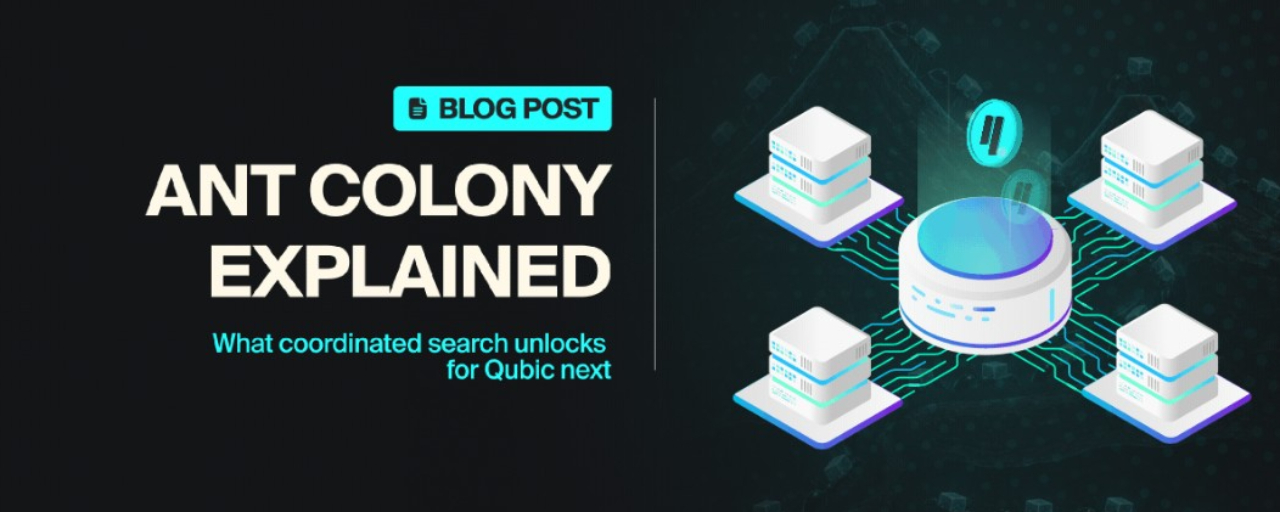
記事
Qubic Ant Colony Mining が稼働開始: 使い捨て PoW の終焉Qubic Ant Colony Mining が稼働開始: 使い捨て PoW の終焉
エポック228以降、Qubicでのマイニングは自らの上に積み重なっていく。もう、どのマイナーもゼロから始めることはない。
それが変更のすべてだ。1文で言うより、ずっと大きい。
Ant Colony Mining が置き換えるもの: 記憶を持たないくじ引き
ビットコインでのマイニングも、それ以降に作られたほとんどすべてのものでも、記憶を持たないくじ引きだ。
あなたのマシンは推測する。また推測する。何兆回も推測する。1つの推測が勝ち、世界中のそれ以外のすべての推測はゴミ箱に捨てられる。保存もされず、再利用もされず、次に挑戦する人にとって何の価値もない。そして、より多くのマイナーが現れると、そのパズルは単に、同じペースを保つのがより難しくなるだけだ。誰も結局、より先へ進めない。
Qubic Ant Colony Mining が稼働開始: 使い捨て PoW の終焉
Qubic Ant Colony Mining が稼働開始: 使い捨て PoW の終焉
エポック228以降、Qubicでのマイニングは自らの上に積み重なっていく。もう、どのマイナーもゼロから始めることはない。
それが変更のすべてだ。1文で言うより、ずっと大きい。
Ant Colony Mining が置き換えるもの: 記憶を持たないくじ引き
ビットコインでのマイニングも、それ以降に作られたほとんどすべてのものでも、記憶を持たないくじ引きだ。
あなたのマシンは推測する。また推測する。何兆回も推測する。1つの推測が勝ち、世界中のそれ以外のすべての推測はゴミ箱に捨てられる。保存もされず、再利用もされず、次に挑戦する人にとって何の価値もない。そして、より多くのマイナーが現れると、そのパズルは単に、同じペースを保つのがより難しくなるだけだ。誰も結局、より先へ進めない。
エポック228以降、Qubicでのマイニングは自らの上に積み重なっていく。もう、どのマイナーもゼロから始めることはない。
それが変更のすべてだ。1文で言うより、ずっと大きい。
Ant Colony Mining が置き換えるもの: 記憶を持たないくじ引き
ビットコインでのマイニングも、それ以降に作られたほとんどすべてのものでも、記憶を持たないくじ引きだ。
あなたのマシンは推測する。また推測する。何兆回も推測する。1つの推測が勝ち、世界中のそれ以外のすべての推測はゴミ箱に捨てられる。保存もされず、再利用もされず、次に挑戦する人にとって何の価値もない。そして、より多くのマイナーが現れると、そのパズルは単に、同じペースを保つのがより難しくなるだけだ。誰も結局、より先へ進めない。
129
·
--
ワイオミング州でまた動きがあった!FrontierasとWestern FuelsがMOUを締結して、Dry Fork炭鉱に石炭加工工場を建設し、そこで生産されたFASCarbonを組合加盟の発電会社へそのまま鉄道輸送することになった。
要するに、エネルギー供給がさらに強化されるということ。ワイオミングはもともと採掘の聖地で、電気代が安く、政策も友好的。そこに石炭加工が加わることで、地元の鉱山の電力コストはさらに下がるはずだ。
理屈はシンプル。コストが下がるほどマイナーは価格下落に耐えやすくなり、売り圧力も小さくなる。これはBTCのマイニング計算能力にとって、まさに長期的な追い風だ。さらに、FASCarbonのような炭素関連商品は、いずれ炭素クレジットのオンチェーン化という物語が盛り上がっても不思議ではないので、今のうちに注目しておきたい。
仕込みの考え方としては、エネルギーコスト削減+採掘コスト削減で長期は強気。ただし短期の値動きは普通に荒れるので、熱くなりすぎないこと。
#Bitcoin #Mining $BTC
ワイオミングで大きな動き!FrontierasとWestern Fuelsが、Dry Fork鉱山に石炭加工プラントを建設し、FASCarbonを加盟ユーティリティへ直接鉄道輸送するためのMOUを締結した。
言い換えれば、より安いエネルギーがさらに増えるということ。ワイオミングはすでにマイニングの楽園で、電力コストが低く、規制も友好的。そこに石炭加工が加わることで、マイナーの電気代はさらに圧縮される。
コストが低い = マイナーは暴落局面でも生き残りやすい = 売り圧力が減る。これは$BTCにとって長期的にかなり強気。さらに炭素のテーマも見逃せない。トークン化されたカーボンクレジットの物語が、将来熱を帯びる可能性もある。
エネルギー + マイニング = 本命の長期戦。
#Bitcoin #Mining $BTC
ワイオミング州でまた動きがあった!FrontierasとWestern FuelsがMOUを締結して、Dry Fork炭鉱に石炭加工工場を建設し、そこで生産されたFASCarbonを組合加盟の発電会社へそのまま鉄道輸送することになった。
要するに、エネルギー供給がさらに強化されるということ。ワイオミングはもともと採掘の聖地で、電気代が安く、政策も友好的。そこに石炭加工が加わることで、地元の鉱山の電力コストはさらに下がるはずだ。
理屈はシンプル。コストが下がるほどマイナーは価格下落に耐えやすくなり、売り圧力も小さくなる。これはBTCのマイニング計算能力にとって、まさに長期的な追い風だ。さらに、FASCarbonのような炭素関連商品は、いずれ炭素クレジットのオンチェーン化という物語が盛り上がっても不思議ではないので、今のうちに注目しておきたい。
仕込みの考え方としては、エネルギーコスト削減+採掘コスト削減で長期は強気。ただし短期の値動きは普通に荒れるので、熱くなりすぎないこと。
#Bitcoin #Mining $BTC
ワイオミングで大きな動き!FrontierasとWestern Fuelsが、Dry Fork鉱山に石炭加工プラントを建設し、FASCarbonを加盟ユーティリティへ直接鉄道輸送するためのMOUを締結した。
言い換えれば、より安いエネルギーがさらに増えるということ。ワイオミングはすでにマイニングの楽園で、電力コストが低く、規制も友好的。そこに石炭加工が加わることで、マイナーの電気代はさらに圧縮される。
コストが低い = マイナーは暴落局面でも生き残りやすい = 売り圧力が減る。これは$BTC にとって長期的にかなり強気。さらに炭素のテーマも見逃せない。トークン化されたカーボンクレジットの物語が、将来熱を帯びる可能性もある。
エネルギー + マイニング = 本命の長期戦。
#Bitcoin #Mining $BTC
要するに、エネルギー供給がさらに強化されるということ。ワイオミングはもともと採掘の聖地で、電気代が安く、政策も友好的。そこに石炭加工が加わることで、地元の鉱山の電力コストはさらに下がるはずだ。
理屈はシンプル。コストが下がるほどマイナーは価格下落に耐えやすくなり、売り圧力も小さくなる。これはBTCのマイニング計算能力にとって、まさに長期的な追い風だ。さらに、FASCarbonのような炭素関連商品は、いずれ炭素クレジットのオンチェーン化という物語が盛り上がっても不思議ではないので、今のうちに注目しておきたい。
仕込みの考え方としては、エネルギーコスト削減+採掘コスト削減で長期は強気。ただし短期の値動きは普通に荒れるので、熱くなりすぎないこと。
#Bitcoin #Mining $BTC
ワイオミングで大きな動き!FrontierasとWestern Fuelsが、Dry Fork鉱山に石炭加工プラントを建設し、FASCarbonを加盟ユーティリティへ直接鉄道輸送するためのMOUを締結した。
言い換えれば、より安いエネルギーがさらに増えるということ。ワイオミングはすでにマイニングの楽園で、電力コストが低く、規制も友好的。そこに石炭加工が加わることで、マイナーの電気代はさらに圧縮される。
コストが低い = マイナーは暴落局面でも生き残りやすい = 売り圧力が減る。これは$BTC にとって長期的にかなり強気。さらに炭素のテーマも見逃せない。トークン化されたカーボンクレジットの物語が、将来熱を帯びる可能性もある。
エネルギー + マイニング = 本命の長期戦。
#Bitcoin #Mining $BTC
110


·
--
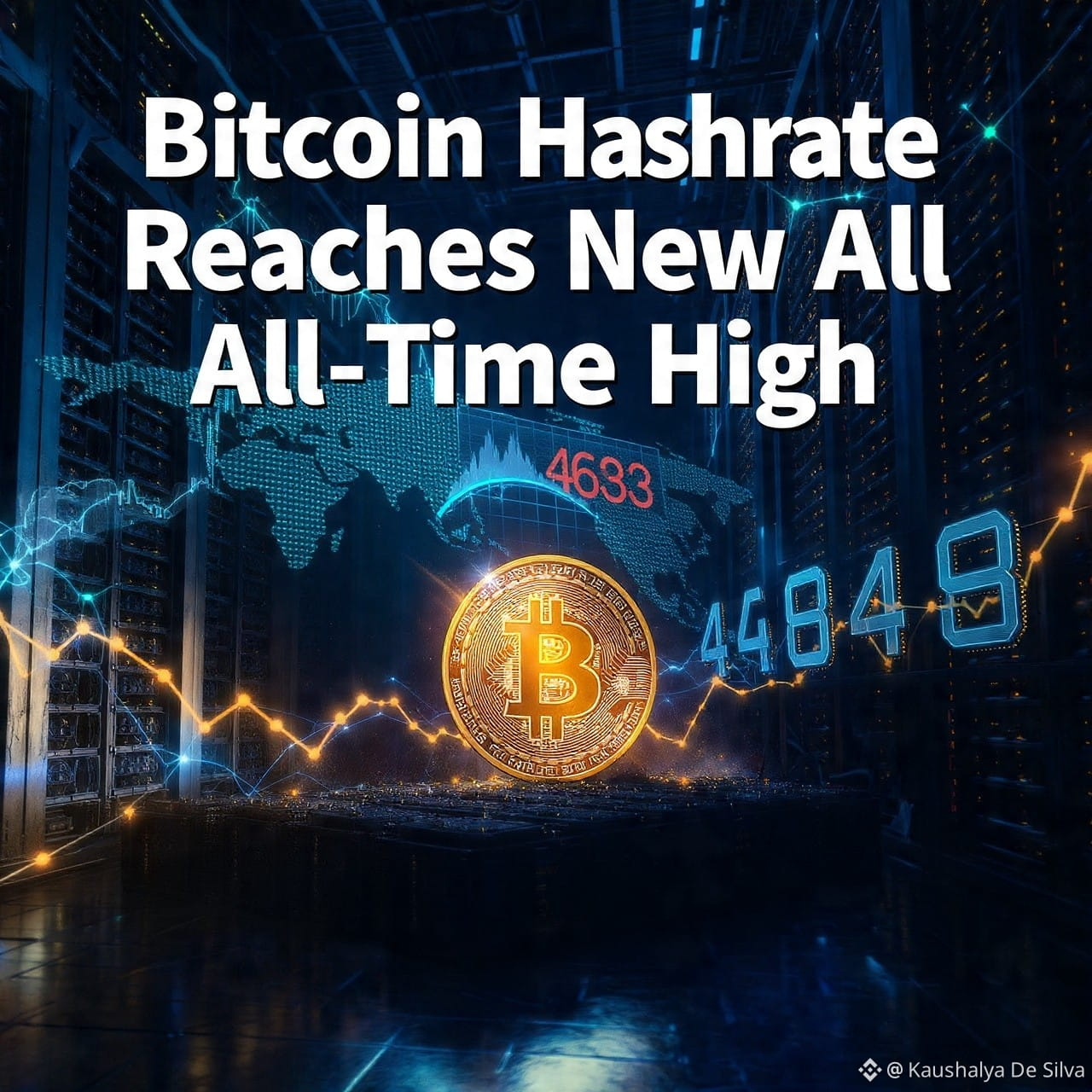
GM。インフレについて一般人が文句を言っている間に、実際のディジェンたちはハッシュレートがフル180度回転するのを見ていた。ビットコインは公式に最初のハッシュレートのベアマーケットに入っている。しかも、それはマイナーたちがFUDに怯えているからじゃない――次の大きな儲けどころを追っているだけだ。AIだ。どうやら、そのGPUは新しく鋳造されたばかりのNFTよりも熱いらしい。
これはブロック報酬を巡る競争が減ることを意味する。つまり、マイナーがNvidiaとじゃれ合っている間でも、私たちHODLerにとっては技術的に強気だ。ハッシュレートのトレンドに注目してくれ。これが本当の地下アルファだ。#Bitcoin #CryptoNews #Mining
だから、マイナーたちがASICからRTXへとリグをアップグレードしている間に覚えておいてほしい。日々のチャートには出てこない“シフト”の中に、時には最大の伸びがある。変な見せ方だけど、いいやマイナーたちよ。AIマネーを取りに行け。
このハッシュレートの下落が、BTCの急騰(リップ)に繋がるか見よう。下で結果を教えて!
GM。インフレについて一般人が文句を言っている間に、実際のディジェンたちはハッシュレートがフル180度回転するのを見ていた。ビットコインは公式に最初のハッシュレートのベアマーケットに入っている。しかも、それはマイナーたちがFUDに怯えているからじゃない――次の大きな儲けどころを追っているだけだ。AIだ。どうやら、そのGPUは新しく鋳造されたばかりのNFTよりも熱いらしい。
これはブロック報酬を巡る競争が減ることを意味する。つまり、マイナーがNvidiaとじゃれ合っている間でも、私たちHODLerにとっては技術的に強気だ。ハッシュレートのトレンドに注目してくれ。これが本当の地下アルファだ。#Bitcoin #CryptoNews #Mining
だから、マイナーたちがASICからRTXへとリグをアップグレードしている間に覚えておいてほしい。日々のチャートには出てこない“シフト”の中に、時には最大の伸びがある。変な見せ方だけど、いいやマイナーたちよ。AIマネーを取りに行け。
このハッシュレートの下落が、BTCの急騰(リップ)に繋がるか見よう。下で結果を教えて!
これはブロック報酬を巡る競争が減ることを意味する。つまり、マイナーがNvidiaとじゃれ合っている間でも、私たちHODLerにとっては技術的に強気だ。ハッシュレートのトレンドに注目してくれ。これが本当の地下アルファだ。#Bitcoin #CryptoNews #Mining
だから、マイナーたちがASICからRTXへとリグをアップグレードしている間に覚えておいてほしい。日々のチャートには出てこない“シフト”の中に、時には最大の伸びがある。変な見せ方だけど、いいやマイナーたちよ。AIマネーを取りに行け。
このハッシュレートの下落が、BTCの急騰(リップ)に繋がるか見よう。下で結果を教えて!
19

ビットコインは価格の話題で語られることが多いですが、注目すべき基本もネットワークにはあります。ハッシュレート、マイニング経済性、そしてネットワークのセキュリティは、チャートとは別の物語を伝えています。
ハッシュレートは、ネットワークを支える計算能力を測ります。上昇しているときは、より多くのマイナーが参加している、または既存のマイナーが拡大している可能性があり、長期的な経済性への自信を示すシグナルになり得ます。急に下がる場合は、現在の価格ではコストをまかなえないために、マイナーが稼働を停止していることを意味する場合があります。
マイニング経済性は、複数の要素が組み合わさって決まります。ビットコイン価格、電気代、ハードウェア効率、そして報酬の仕組みです。価格がコストに対して高ければ、マイニングは利益を生みやすくなり、より多くの容量がオンラインに入ってきがちです。価格が下がるか、コストが上昇すれば、弱いマイナーは締め出されることがあります。これは、時間とともに自然なフィルタリングが働くことを意味します。
難易度調整も重要な要素です。ビットコインは、総ハッシュレートに基づいて、新しいブロックをどれくらい採掘しにくいかを自動的に調整し、ブロックタイムが目標に近づくようにします。調整には時間がかかるため、ハッシュレートの変化が必ずしもマイナーの収益性の即時の変化につながるとは限りません。
では、なぜマイナーの経済性以外の面で重要なのでしょうか?ハッシュレートが高いほど、ネットワークを攻撃するコストが高くなります。これが、人々がビットコインを決済レイヤーとして信頼する理由の一つです。ハッシュレートが下がると疑問が生じることはありますが、ネットワークが自動的に壊れていることを意味するわけではありません。調整メカニズムや、マイナーが経済状況にどう対応するかが設計の一部になっています。
要点は、価格が全体像のほんの一部だということです。ハッシュレート、難易度、マイニングの収益性といったネットワークの基本は、システムの健全性について別の角度を与えてくれます。価格を予測するものではありませんが、その下で動いているエンジンの状態について何かを教えてくれます。
質問:ハッシュレートやマイニング経済性のようなビットコインのネットワーク基本に注目していますか?それとも、価格や市場のシグナルの方をより重視していますか?あなたの経験はどんなものですか?👇
#Bitcoin #Network #Mining #Crypto #Bitcoin
ビットコインは価格の話題で語られることが多いですが、注目すべき基本もネットワークにはあります。ハッシュレート、マイニング経済性、そしてネットワークのセキュリティは、チャートとは別の物語を伝えています。
ハッシュレートは、ネットワークを支える計算能力を測ります。上昇しているときは、より多くのマイナーが参加している、または既存のマイナーが拡大している可能性があり、長期的な経済性への自信を示すシグナルになり得ます。急に下がる場合は、現在の価格ではコストをまかなえないために、マイナーが稼働を停止していることを意味する場合があります。
マイニング経済性は、複数の要素が組み合わさって決まります。ビットコイン価格、電気代、ハードウェア効率、そして報酬の仕組みです。価格がコストに対して高ければ、マイニングは利益を生みやすくなり、より多くの容量がオンラインに入ってきがちです。価格が下がるか、コストが上昇すれば、弱いマイナーは締め出されることがあります。これは、時間とともに自然なフィルタリングが働くことを意味します。
難易度調整も重要な要素です。ビットコインは、総ハッシュレートに基づいて、新しいブロックをどれくらい採掘しにくいかを自動的に調整し、ブロックタイムが目標に近づくようにします。調整には時間がかかるため、ハッシュレートの変化が必ずしもマイナーの収益性の即時の変化につながるとは限りません。
では、なぜマイナーの経済性以外の面で重要なのでしょうか?ハッシュレートが高いほど、ネットワークを攻撃するコストが高くなります。これが、人々がビットコインを決済レイヤーとして信頼する理由の一つです。ハッシュレートが下がると疑問が生じることはありますが、ネットワークが自動的に壊れていることを意味するわけではありません。調整メカニズムや、マイナーが経済状況にどう対応するかが設計の一部になっています。
要点は、価格が全体像のほんの一部だということです。ハッシュレート、難易度、マイニングの収益性といったネットワークの基本は、システムの健全性について別の角度を与えてくれます。価格を予測するものではありませんが、その下で動いているエンジンの状態について何かを教えてくれます。
質問:ハッシュレートやマイニング経済性のようなビットコインのネットワーク基本に注目していますか?それとも、価格や市場のシグナルの方をより重視していますか?あなたの経験はどんなものですか?👇
#Bitcoin #Network #Mining #Crypto #Bitcoin
ハッシュレートは、ネットワークを支える計算能力を測ります。上昇しているときは、より多くのマイナーが参加している、または既存のマイナーが拡大している可能性があり、長期的な経済性への自信を示すシグナルになり得ます。急に下がる場合は、現在の価格ではコストをまかなえないために、マイナーが稼働を停止していることを意味する場合があります。
マイニング経済性は、複数の要素が組み合わさって決まります。ビットコイン価格、電気代、ハードウェア効率、そして報酬の仕組みです。価格がコストに対して高ければ、マイニングは利益を生みやすくなり、より多くの容量がオンラインに入ってきがちです。価格が下がるか、コストが上昇すれば、弱いマイナーは締め出されることがあります。これは、時間とともに自然なフィルタリングが働くことを意味します。
難易度調整も重要な要素です。ビットコインは、総ハッシュレートに基づいて、新しいブロックをどれくらい採掘しにくいかを自動的に調整し、ブロックタイムが目標に近づくようにします。調整には時間がかかるため、ハッシュレートの変化が必ずしもマイナーの収益性の即時の変化につながるとは限りません。
では、なぜマイナーの経済性以外の面で重要なのでしょうか?ハッシュレートが高いほど、ネットワークを攻撃するコストが高くなります。これが、人々がビットコインを決済レイヤーとして信頼する理由の一つです。ハッシュレートが下がると疑問が生じることはありますが、ネットワークが自動的に壊れていることを意味するわけではありません。調整メカニズムや、マイナーが経済状況にどう対応するかが設計の一部になっています。
要点は、価格が全体像のほんの一部だということです。ハッシュレート、難易度、マイニングの収益性といったネットワークの基本は、システムの健全性について別の角度を与えてくれます。価格を予測するものではありませんが、その下で動いているエンジンの状態について何かを教えてくれます。
質問:ハッシュレートやマイニング経済性のようなビットコインのネットワーク基本に注目していますか?それとも、価格や市場のシグナルの方をより重視していますか?あなたの経験はどんなものですか?👇
#Bitcoin #Network #Mining #Crypto #Bitcoin
16

·
--
機関投資家マイナーは、$BTC 生産コストが73.3Kドルまで低下したことを受け、AIへと軸足を移している 📊
機関投資家マイナーは、運用効率の最適化を進めながら、コスト基準を引き下げている。機関投資家マイナーのCangoは、第2四半期に656 $BTC を採掘し、1枚あたりの平均現金コストは73,313ドルだったと報告しており、前四半期比で5%のコスト削減を示している。 📊
総運用ハッシュレートを27.58 EH/sまで拡大し、積極的なキャッシュフローヘッジ戦略を導入することで、賢い資金の運用主体は、マクロの変動からバランスシートを守っている。 🔍 同時に、旧来のマイニング基盤を高性能GPUホスティングクラスターへ転換することで、暗号資産と人工知能の両方で二重の収益源が生まれる。 ⚡
純粋なPoW拡大からAIインフラへのこの戦略的な転換は、企業の資本配分における構造的な変化を示している。 💡 利益率が低下する局面で、マイナーのAI多角化は企業の資金繰りを恒久的に下支えすると考えますか? 👇
⚠️ 投資助言ではありません。常にリスク管理を行ってください。 🛡️
🏷️ #BTC #Bitcoin #Crypto #Mining
🎯 ⚡
機関投資家マイナーは、$BTC 生産コストが73.3Kドルまで低下したことを受け、AIへと軸足を移している 📊
機関投資家マイナーは、運用効率の最適化を進めながら、コスト基準を引き下げている。機関投資家マイナーのCangoは、第2四半期に656 $BTC を採掘し、1枚あたりの平均現金コストは73,313ドルだったと報告しており、前四半期比で5%のコスト削減を示している。 📊
総運用ハッシュレートを27.58 EH/sまで拡大し、積極的なキャッシュフローヘッジ戦略を導入することで、賢い資金の運用主体は、マクロの変動からバランスシートを守っている。 🔍 同時に、旧来のマイニング基盤を高性能GPUホスティングクラスターへ転換することで、暗号資産と人工知能の両方で二重の収益源が生まれる。 ⚡
純粋なPoW拡大からAIインフラへのこの戦略的な転換は、企業の資本配分における構造的な変化を示している。 💡 利益率が低下する局面で、マイナーのAI多角化は企業の資金繰りを恒久的に下支えすると考えますか? 👇
⚠️ 投資助言ではありません。常にリスク管理を行ってください。 🛡️
🏷️ #BTC #Bitcoin #Crypto #Mining
🎯 ⚡
機関投資家マイナーは、運用効率の最適化を進めながら、コスト基準を引き下げている。機関投資家マイナーのCangoは、第2四半期に656 $BTC を採掘し、1枚あたりの平均現金コストは73,313ドルだったと報告しており、前四半期比で5%のコスト削減を示している。 📊
総運用ハッシュレートを27.58 EH/sまで拡大し、積極的なキャッシュフローヘッジ戦略を導入することで、賢い資金の運用主体は、マクロの変動からバランスシートを守っている。 🔍 同時に、旧来のマイニング基盤を高性能GPUホスティングクラスターへ転換することで、暗号資産と人工知能の両方で二重の収益源が生まれる。 ⚡
純粋なPoW拡大からAIインフラへのこの戦略的な転換は、企業の資本配分における構造的な変化を示している。 💡 利益率が低下する局面で、マイナーのAI多角化は企業の資金繰りを恒久的に下支えすると考えますか? 👇
⚠️ 投資助言ではありません。常にリスク管理を行ってください。 🛡️
🏷️ #BTC #Bitcoin #Crypto #Mining
🎯 ⚡
5





·
--
記事
ライバル国が伸びる中、米国のビットコイン・マイニング支配力は第1四半期から第3四半期にかけて緩む$BTC 世界のハッシュレートに占める米国のシェアは、第1四半期からほぼ1ポイント分低下しており、実際の計算能力として約55 EH/sが失われた。
それは小さな漏れではない。約55 EH/sが海外に移転しているのは、意味のあるマイニングの戦力であり、すぐに元に戻るわけではない。
ロシア、中国、そしてその他の競合国が、能力(キャパシティ)を静かに吸収している。おそらく、より安い電力、より規制が柔軟な環境、そして半減後の生存圧力が米国の事業運営を圧迫し、米国からの流出が起きているのだろう。
現時点では、米国がまだリードしているものの、その優位は薄れつつある。エネルギーコストが高止まりし、ハッシュプライスが下落し続けるなら、安い電気を求めてさらに多くのリグが移ることが見込まれる。
ライバル国が伸びる中、米国のビットコイン・マイニング支配力は第1四半期から第3四半期にかけて緩む
$BTC 世界のハッシュレートに占める米国のシェアは、第1四半期からほぼ1ポイント分低下しており、実際の計算能力として約55 EH/sが失われた。
それは小さな漏れではない。約55 EH/sが海外に移転しているのは、意味のあるマイニングの戦力であり、すぐに元に戻るわけではない。
ロシア、中国、そしてその他の競合国が、能力(キャパシティ)を静かに吸収している。おそらく、より安い電力、より規制が柔軟な環境、そして半減後の生存圧力が米国の事業運営を圧迫し、米国からの流出が起きているのだろう。
現時点では、米国がまだリードしているものの、その優位は薄れつつある。エネルギーコストが高止まりし、ハッシュプライスが下落し続けるなら、安い電気を求めてさらに多くのリグが移ることが見込まれる。
それは小さな漏れではない。約55 EH/sが海外に移転しているのは、意味のあるマイニングの戦力であり、すぐに元に戻るわけではない。
ロシア、中国、そしてその他の競合国が、能力(キャパシティ)を静かに吸収している。おそらく、より安い電力、より規制が柔軟な環境、そして半減後の生存圧力が米国の事業運営を圧迫し、米国からの流出が起きているのだろう。
現時点では、米国がまだリードしているものの、その優位は薄れつつある。エネルギーコストが高止まりし、ハッシュプライスが下落し続けるなら、安い電気を求めてさらに多くのリグが移ることが見込まれる。
61

⚡ $BTC 生産が急増:採掘インフラがAIメガトレンドを収益化し、322%成長! 🚀
Bitdeerは7月だけでネットワークから1,190 $BTC を引き出し、前年同期比で大幅な322%の生産急増を記録しました。採掘事業者はもはやブロック報酬をハッシュ化するだけではありません。ノルウェーとマレーシア全域で、高性能なAI計算インフラへとシフトし、財務(バランスシート)における資金力を強化しています。 🏦
📊 賢い資本が、従来のエネルギー資産と高利益率のAI契約をつなぐことで、$BTC の長期的なハッシュレートの下支えを確保します。 💡 この供給サイドの強靭さは、採掘者が“追い詰められて縮小する”のではなく、“戦略的な拡大”に向けてポジショニングしていることを示しています。
💬 次の四半期にかけて、このAI×マイニングの相乗効果がネットワークのファンダメンタルズにどう影響すると見ていますか? 👇
⚠️ 投資助言ではありません。必ずリスクを管理してください。 🛡️
🏷️ #BTC #Bitcoin #Mining #Crypto
🔥 💎
⚡ $BTC 生産が急増:採掘インフラがAIメガトレンドを収益化し、322%成長! 🚀
Bitdeerは7月だけでネットワークから1,190 $BTC を引き出し、前年同期比で大幅な322%の生産急増を記録しました。採掘事業者はもはやブロック報酬をハッシュ化するだけではありません。ノルウェーとマレーシア全域で、高性能なAI計算インフラへとシフトし、財務(バランスシート)における資金力を強化しています。 🏦
📊 賢い資本が、従来のエネルギー資産と高利益率のAI契約をつなぐことで、$BTC の長期的なハッシュレートの下支えを確保します。 💡 この供給サイドの強靭さは、採掘者が“追い詰められて縮小する”のではなく、“戦略的な拡大”に向けてポジショニングしていることを示しています。
💬 次の四半期にかけて、このAI×マイニングの相乗効果がネットワークのファンダメンタルズにどう影響すると見ていますか? 👇
⚠️ 投資助言ではありません。必ずリスクを管理してください。 🛡️
🏷️ #BTC #Bitcoin #Mining #Crypto
🔥 💎
Bitdeerは7月だけでネットワークから1,190 $BTC を引き出し、前年同期比で大幅な322%の生産急増を記録しました。採掘事業者はもはやブロック報酬をハッシュ化するだけではありません。ノルウェーとマレーシア全域で、高性能なAI計算インフラへとシフトし、財務(バランスシート)における資金力を強化しています。 🏦
📊 賢い資本が、従来のエネルギー資産と高利益率のAI契約をつなぐことで、$BTC の長期的なハッシュレートの下支えを確保します。 💡 この供給サイドの強靭さは、採掘者が“追い詰められて縮小する”のではなく、“戦略的な拡大”に向けてポジショニングしていることを示しています。
💬 次の四半期にかけて、このAI×マイニングの相乗効果がネットワークのファンダメンタルズにどう影響すると見ていますか? 👇
⚠️ 投資助言ではありません。必ずリスクを管理してください。 🛡️
🏷️ #BTC #Bitcoin #Mining #Crypto
🔥 💎
91
ログインして、さらにコンテンツを読む
厳選トピックで世界の暗号資産トレーダーの仲間入り
⚡️ 暗号資産に関する最新かつ有益な情報が見つかります。
💬 世界最大の暗号資産取引所から信頼されています。
👍 認証を受けたクリエイターから、有益なインサイトを得られます。
メール / 電話番号
トレンドトピック
1
#USAugustPPIRisesLessThanExpected
閲覧回数 7,015
241人が討論中
2
#SECApprovesNasdaqTexasCommodityTrustRule
閲覧回数 6,339
258人が討論中
3
#ECBRaisesRatesSecondTimeTo2.5%
閲覧回数 3,785
178人が討論中
4
#USContinuingJoblessClaims1.774M
閲覧回数 9,896
281人が討論中
5
#USAugustPPIYoYRisesTo5.4%
閲覧回数 8,987
217人が討論中
6
#AppleDebutsFoldablePhone
閲覧回数 75,831
1,289人が討論中
7
#TSMCAugustRevenueUp53.3%YoY
閲覧回数 18,963
486人が討論中
8
#IranSaysReadyToEscalateWarWithUS
閲覧回数 27,313
483人が討論中
9
#EUExtendsCentralContactPointToCASPs
閲覧回数 23,149
490人が討論中
10
#US10YTreasuryYieldHitsHighestSinceNov2023
閲覧回数 51,406
748人が討論中