
#macrodata
macrodata
閲覧回数 34,089
132人が討論中
注目
最新

·
--
🚨 NFPニュース速報:暗号資産に大きな動きが来る?取引のゲームプランはこちら!📈📉
本文:暗号資産トレーダーの皆さん、準備はいいですか?10日、待望の米国の雇用統計(NFP)データが発表されます。🇺🇸
歴史的に、NFPデータは伝統的な金融市場と暗号資産市場の両方で大きなボラティリティを引き起こします。
もしあなたが$BTC または主要なアルトコインを取引しているなら、これは無視できないイベントです。高ボラティリティは高いチャンスでもありますが、逆側で捕まると強制清算(リクイデーション)のリスクも非常に大きくなります。
#NFP #NonFarmPayrolls #MacroData #FedInterestRate
$BTC
{spot}(BTCUSDT)
🚨 NFPニュース速報:暗号資産に大きな動きが来る?取引のゲームプランはこちら!📈📉
本文:暗号資産トレーダーの皆さん、準備はいいですか?10日、待望の米国の雇用統計(NFP)データが発表されます。🇺🇸
歴史的に、NFPデータは伝統的な金融市場と暗号資産市場の両方で大きなボラティリティを引き起こします。
もしあなたが$BTC または主要なアルトコインを取引しているなら、これは無視できないイベントです。高ボラティリティは高いチャンスでもありますが、逆側で捕まると強制清算(リクイデーション)のリスクも非常に大きくなります。
#NFP #NonFarmPayrolls #MacroData #FedInterestRate
$BTC
本文:暗号資産トレーダーの皆さん、準備はいいですか?10日、待望の米国の雇用統計(NFP)データが発表されます。🇺🇸
歴史的に、NFPデータは伝統的な金融市場と暗号資産市場の両方で大きなボラティリティを引き起こします。
もしあなたが$BTC または主要なアルトコインを取引しているなら、これは無視できないイベントです。高ボラティリティは高いチャンスでもありますが、逆側で捕まると強制清算(リクイデーション)のリスクも非常に大きくなります。
#NFP #NonFarmPayrolls #MacroData #FedInterestRate
$BTC
96

·
--
📊 米国の労働市場の混乱が、$MARSCOIN と$DASH にわたるマクロボラティリティを引き起こす! ⚡
8月の雇用統計データは、消費者のファンダメンタルズに構造的な変化があることを示しており、女性が雇用増加の98%を獲得し、賃金上昇を牽引しています。🏦 賢い資金はすでに、この人口動態の流動性フローの変化が、より広範な市場センチメントや裁量的な消費支出パターンにどのような影響を与えるかを評価しています。
支出力の増加はしばしば中期的な市場安定の基盤となりますが、根底にある構造的不均衡は短期的なオーダーブックのボラティリティを引き起こす可能性があります。🔍 プライバシーや価値保存の手段としての$DASH や、$MARSCOIN のような専門性の高い資産への資金流入は、こうしたマクロ流動性の触媒に対して依然として敏感です。
🤔 この変化するマクロ流動性の基準に合わせて、あなたはどのようにポートフォリオを位置づけていますか?👇
⚠️ 投資助言ではありません。常にリスク管理を行ってください。🛡️
🏷️ #MARSCOIN #DASH #MacroData #MarketStructure #Crypto
🎯 🦈
📊 米国の労働市場の混乱が、$MARSCOIN と$DASH にわたるマクロボラティリティを引き起こす! ⚡
8月の雇用統計データは、消費者のファンダメンタルズに構造的な変化があることを示しており、女性が雇用増加の98%を獲得し、賃金上昇を牽引しています。🏦 賢い資金はすでに、この人口動態の流動性フローの変化が、より広範な市場センチメントや裁量的な消費支出パターンにどのような影響を与えるかを評価しています。
支出力の増加はしばしば中期的な市場安定の基盤となりますが、根底にある構造的不均衡は短期的なオーダーブックのボラティリティを引き起こす可能性があります。🔍 プライバシーや価値保存の手段としての$DASH や、$MARSCOIN のような専門性の高い資産への資金流入は、こうしたマクロ流動性の触媒に対して依然として敏感です。
🤔 この変化するマクロ流動性の基準に合わせて、あなたはどのようにポートフォリオを位置づけていますか?👇
⚠️ 投資助言ではありません。常にリスク管理を行ってください。🛡️
🏷️ #MARSCOIN #DASH #MacroData #MarketStructure #Crypto
🎯 🦈
8月の雇用統計データは、消費者のファンダメンタルズに構造的な変化があることを示しており、女性が雇用増加の98%を獲得し、賃金上昇を牽引しています。🏦 賢い資金はすでに、この人口動態の流動性フローの変化が、より広範な市場センチメントや裁量的な消費支出パターンにどのような影響を与えるかを評価しています。
支出力の増加はしばしば中期的な市場安定の基盤となりますが、根底にある構造的不均衡は短期的なオーダーブックのボラティリティを引き起こす可能性があります。🔍 プライバシーや価値保存の手段としての$DASH や、$MARSCOIN のような専門性の高い資産への資金流入は、こうしたマクロ流動性の触媒に対して依然として敏感です。
🤔 この変化するマクロ流動性の基準に合わせて、あなたはどのようにポートフォリオを位置づけていますか?👇
⚠️ 投資助言ではありません。常にリスク管理を行ってください。🛡️
🏷️ #MARSCOIN #DASH #MacroData #MarketStructure #Crypto
🎯 🦈

186
·
--
$BTC BRACES FOR KEY US JOBS DATA AS FED POLICY HINGES ON INFLATION 🔥
Russell Investmentsのシニア・ストラテジストは、6月の雇用者数が力強く増えると見込んでおり、それにより、次のFRBの動きを左右する主な要因としてインフレが改めて強まる可能性があるとしています。金融サービス領域ではM&AとIPOの動きが増加しており、データが木曜日に発表される際に注目すべき指標です。
この雇用統計は、四半期のロール(更新)前の最後の大きな材料であり、市場の反応が7月のムードを左右しそうです。ブレイクアウトに備えていますか、それとも発表結果を待ちますか?
投資助言ではありません。常にリスクを管理してください。
#BTC #MacroData #JobsReport #FedPolicy
🔥
$BTC BRACES FOR KEY US JOBS DATA AS FED POLICY HINGES ON INFLATION 🔥
Russell Investmentsのシニア・ストラテジストは、6月の雇用者数が力強く増えると見込んでおり、それにより、次のFRBの動きを左右する主な要因としてインフレが改めて強まる可能性があるとしています。金融サービス領域ではM&AとIPOの動きが増加しており、データが木曜日に発表される際に注目すべき指標です。
この雇用統計は、四半期のロール(更新)前の最後の大きな材料であり、市場の反応が7月のムードを左右しそうです。ブレイクアウトに備えていますか、それとも発表結果を待ちますか?
投資助言ではありません。常にリスクを管理してください。
#BTC #MacroData #JobsReport #FedPolicy
🔥
Russell Investmentsのシニア・ストラテジストは、6月の雇用者数が力強く増えると見込んでおり、それにより、次のFRBの動きを左右する主な要因としてインフレが改めて強まる可能性があるとしています。金融サービス領域ではM&AとIPOの動きが増加しており、データが木曜日に発表される際に注目すべき指標です。
この雇用統計は、四半期のロール(更新)前の最後の大きな材料であり、市場の反応が7月のムードを左右しそうです。ブレイクアウトに備えていますか、それとも発表結果を待ちますか?
投資助言ではありません。常にリスクを管理してください。
#BTC #MacroData #JobsReport #FedPolicy
🔥
29

·
--
🟢 強気
🚨 米国CPI、予想を下回る!
最新の消費者物価指数データが出ました。インフレの鈍化が予想以上に進み、コアCPIは前月比で横ばいでした。これにより、今後のFRB(米連邦準備制度)の利上げ期待が後退しています。
📊 市場への影響:リスクオンのセンチメントが幅広い市場に戻りつつあります。$BTC が一時的に3週間ぶりの高値$65,200に達し、アルトコインは上昇ラリーの準備が整っています。
#MacroData #CryptoNews
🟢 強気
🚨 米国CPI、予想を下回る!
最新の消費者物価指数データが出ました。インフレの鈍化が予想以上に進み、コアCPIは前月比で横ばいでした。これにより、今後のFRB(米連邦準備制度)の利上げ期待が後退しています。
📊 市場への影響:リスクオンのセンチメントが幅広い市場に戻りつつあります。$BTC が一時的に3週間ぶりの高値$65,200に達し、アルトコインは上昇ラリーの準備が整っています。
#MacroData #CryptoNews
🚨 米国CPI、予想を下回る!
最新の消費者物価指数データが出ました。インフレの鈍化が予想以上に進み、コアCPIは前月比で横ばいでした。これにより、今後のFRB(米連邦準備制度)の利上げ期待が後退しています。
📊 市場への影響:リスクオンのセンチメントが幅広い市場に戻りつつあります。$BTC が一時的に3週間ぶりの高値$65,200に達し、アルトコインは上昇ラリーの準備が整っています。
#MacroData #CryptoNews
13

·
--
$BTC SURGES AFTER JOLTS DATA SURPRISE—LABOR MARKET DEFIES EXPECTATIONS 🔥
米国の求人件数は5月に760万件に急増し、予想中央値の697.5万件を大きく上回りました。これはほぼ2年ぶりの高水準で、地政学的な不確実性があっても労働市場が安定しつつあることを示しています。
ビットコインのようなリスク資産にとって、このデータは景気後退への懸念を後退させ、マクロの見通しを引き締めます。直後の反応では、4Hチャート上の重要な流動性ゾーンへの強い買いが見られました。今後は、この勢いが先週の高値を上回って維持できるかどうかが注目点です。
このまま継続を見込んでポジションを取っていますか?それともブレイクアウト水準の再テストを狙っていますか?
※投資助言ではありません。常にリスク管理を行ってください。
#BTC #MacroData #LaborMarket #RiskOn
⚡
$BTC SURGES AFTER JOLTS DATA SURPRISE—LABOR MARKET DEFIES EXPECTATIONS 🔥
米国の求人件数は5月に760万件に急増し、予想中央値の697.5万件を大きく上回りました。これはほぼ2年ぶりの高水準で、地政学的な不確実性があっても労働市場が安定しつつあることを示しています。
ビットコインのようなリスク資産にとって、このデータは景気後退への懸念を後退させ、マクロの見通しを引き締めます。直後の反応では、4Hチャート上の重要な流動性ゾーンへの強い買いが見られました。今後は、この勢いが先週の高値を上回って維持できるかどうかが注目点です。
このまま継続を見込んでポジションを取っていますか?それともブレイクアウト水準の再テストを狙っていますか?
※投資助言ではありません。常にリスク管理を行ってください。
#BTC #MacroData #LaborMarket #RiskOn
⚡
米国の求人件数は5月に760万件に急増し、予想中央値の697.5万件を大きく上回りました。これはほぼ2年ぶりの高水準で、地政学的な不確実性があっても労働市場が安定しつつあることを示しています。
ビットコインのようなリスク資産にとって、このデータは景気後退への懸念を後退させ、マクロの見通しを引き締めます。直後の反応では、4Hチャート上の重要な流動性ゾーンへの強い買いが見られました。今後は、この勢いが先週の高値を上回って維持できるかどうかが注目点です。
このまま継続を見込んでポジションを取っていますか?それともブレイクアウト水準の再テストを狙っていますか?
※投資助言ではありません。常にリスク管理を行ってください。
#BTC #MacroData #LaborMarket #RiskOn
⚡
43
·
--
$BTC US 失業保険申請件数が予想を下回って減少 – 次はどうなる?🔥
エントリー:不明 🔥
ターゲット:不明 🚀
ストップロス:不明 ⚠️
米労働省は、6月27日までの週の新規失業保険申請件数を21.5万件と報告しました。これは、市場予想(コンセンサス)22万件を5,000件下回る結果です。これは2週連続の良好な内容であり、通常はリスク選好をマクロの面で下支えする、労働市場の引き締まりを示唆しています。
BTCにとっては、申請件数の減少により、直近の景気後退(リセッション)懸念が後退し、短期的には買い側の流動性が維持されやすくなります。問題は、このデータが現在のレンジ(もみ合い)を突破するほど物語(ナラティブ)を変えるかどうかです。
暗号資産のポジショニングに、今回の指標をどう読み取っていますか?
※投資助言ではありません。必ずリスク管理を行ってください。
#BTC #MacroData #JoblessClaims #LaborMarket
🔥
$BTC US 失業保険申請件数が予想を下回って減少 – 次はどうなる?🔥
エントリー:不明 🔥
ターゲット:不明 🚀
ストップロス:不明 ⚠️
米労働省は、6月27日までの週の新規失業保険申請件数を21.5万件と報告しました。これは、市場予想(コンセンサス)22万件を5,000件下回る結果です。これは2週連続の良好な内容であり、通常はリスク選好をマクロの面で下支えする、労働市場の引き締まりを示唆しています。
BTCにとっては、申請件数の減少により、直近の景気後退(リセッション)懸念が後退し、短期的には買い側の流動性が維持されやすくなります。問題は、このデータが現在のレンジ(もみ合い)を突破するほど物語(ナラティブ)を変えるかどうかです。
暗号資産のポジショニングに、今回の指標をどう読み取っていますか?
※投資助言ではありません。必ずリスク管理を行ってください。
#BTC #MacroData #JoblessClaims #LaborMarket
🔥
エントリー:不明 🔥
ターゲット:不明 🚀
ストップロス:不明 ⚠️
米労働省は、6月27日までの週の新規失業保険申請件数を21.5万件と報告しました。これは、市場予想(コンセンサス)22万件を5,000件下回る結果です。これは2週連続の良好な内容であり、通常はリスク選好をマクロの面で下支えする、労働市場の引き締まりを示唆しています。
BTCにとっては、申請件数の減少により、直近の景気後退(リセッション)懸念が後退し、短期的には買い側の流動性が維持されやすくなります。問題は、このデータが現在のレンジ(もみ合い)を突破するほど物語(ナラティブ)を変えるかどうかです。
暗号資産のポジショニングに、今回の指標をどう読み取っていますか?
※投資助言ではありません。必ずリスク管理を行ってください。
#BTC #MacroData #JoblessClaims #LaborMarket
🔥
33

$BTC FEELS THE HEAT FROM STRONG US ECONOMIC DATA 🔥
失業保険申請件数(初回)が215Kで、予想の225Kを下回りました。さらにQ1のGDPは2.1%まで上方修正されており、いずれも景気の底堅さを示しています。コアPCEは3.4%で据え置きとなり予想通りでしたが、依然として不快なほど高い水準です。
仮想通貨にとっては、これは短期のFRB(米連邦準備制度)の利下げ確率を下げる材料です。引き締まった雇用 + 粘着性のあるインフレ = すでに市場が織り込む利下げは遠のく形。リスク資産はすでに4H(4時間足)でより低い水準へ価格調整が進んでいます。
このマクロデータを「買いの好機」と見ますか?それとも「様子見(フラット)すべき」という警告でしょうか?
投資助言ではありません。常にリスク管理を行ってください。
#BTC #MacroData #FedPolicy #CryptoMarkets
🔥
$BTC FEELS THE HEAT FROM STRONG US ECONOMIC DATA 🔥
失業保険申請件数(初回)が215Kで、予想の225Kを下回りました。さらにQ1のGDPは2.1%まで上方修正されており、いずれも景気の底堅さを示しています。コアPCEは3.4%で据え置きとなり予想通りでしたが、依然として不快なほど高い水準です。
仮想通貨にとっては、これは短期のFRB(米連邦準備制度)の利下げ確率を下げる材料です。引き締まった雇用 + 粘着性のあるインフレ = すでに市場が織り込む利下げは遠のく形。リスク資産はすでに4H(4時間足)でより低い水準へ価格調整が進んでいます。
このマクロデータを「買いの好機」と見ますか?それとも「様子見(フラット)すべき」という警告でしょうか?
投資助言ではありません。常にリスク管理を行ってください。
#BTC #MacroData #FedPolicy #CryptoMarkets
🔥
失業保険申請件数(初回)が215Kで、予想の225Kを下回りました。さらにQ1のGDPは2.1%まで上方修正されており、いずれも景気の底堅さを示しています。コアPCEは3.4%で据え置きとなり予想通りでしたが、依然として不快なほど高い水準です。
仮想通貨にとっては、これは短期のFRB(米連邦準備制度)の利下げ確率を下げる材料です。引き締まった雇用 + 粘着性のあるインフレ = すでに市場が織り込む利下げは遠のく形。リスク資産はすでに4H(4時間足)でより低い水準へ価格調整が進んでいます。
このマクロデータを「買いの好機」と見ますか?それとも「様子見(フラット)すべき」という警告でしょうか?
投資助言ではありません。常にリスク管理を行ってください。
#BTC #MacroData #FedPolicy #CryptoMarkets
🔥
44
·
--
$BTC WEAK 米国雇用データ — 流動性スイープが進行中 🔥
米国の週次の雇用者数の変化は30,750から21,000へ低下し、数週間で最も低い水準となりました。このミスは、労働市場の軟化を示唆しており、歴史的には利下げ見通しを背景に資本が暗号資産のようなリスク資産へ向かう要因になってきました。
ビットコインは現在、4Hの重要なオーダーブロック付近を推移しており、売り圧力が弱まっています。このマクロ要因が構造的ブレイクを引き起こすなら、次の流動性プールは直近の高値の上に位置します。
このデータを強気の転換点だと見ますか?それともトレンド内のノイズでしょうか?
※投資助言ではありません。常にリスク管理を行ってください。
#BTC #MacroData #JobReport #CryptoAnalysis
⚡
$BTC WEAK 米国雇用データ — 流動性スイープが進行中 🔥
米国の週次の雇用者数の変化は30,750から21,000へ低下し、数週間で最も低い水準となりました。このミスは、労働市場の軟化を示唆しており、歴史的には利下げ見通しを背景に資本が暗号資産のようなリスク資産へ向かう要因になってきました。
ビットコインは現在、4Hの重要なオーダーブロック付近を推移しており、売り圧力が弱まっています。このマクロ要因が構造的ブレイクを引き起こすなら、次の流動性プールは直近の高値の上に位置します。
このデータを強気の転換点だと見ますか?それともトレンド内のノイズでしょうか?
※投資助言ではありません。常にリスク管理を行ってください。
#BTC #MacroData #JobReport #CryptoAnalysis
⚡
米国の週次の雇用者数の変化は30,750から21,000へ低下し、数週間で最も低い水準となりました。このミスは、労働市場の軟化を示唆しており、歴史的には利下げ見通しを背景に資本が暗号資産のようなリスク資産へ向かう要因になってきました。
ビットコインは現在、4Hの重要なオーダーブロック付近を推移しており、売り圧力が弱まっています。このマクロ要因が構造的ブレイクを引き起こすなら、次の流動性プールは直近の高値の上に位置します。
このデータを強気の転換点だと見ますか?それともトレンド内のノイズでしょうか?
※投資助言ではありません。常にリスク管理を行ってください。
#BTC #MacroData #JobReport #CryptoAnalysis
⚡
27
·
--
🚨 米国ISM PMIが予想を下回り、$FIL がマクロ再評価に直面 📊
最新の米国ISM製造業PMIは、コンセンサスの55.2に対して54.6と予想を下回り、拡張モメンタムのわずかな減速を示しました。📊 スマートマネーのデスクは、この利回り曲線の反応を受けて、$FIL のようなハイベータ資産全体でマクロ流動性がどのように再調整されるかを注視しています。
ヘッドライン数値は予想に届かなかったものの、主要な分散型ストレージ関連銘柄における市場構造は、機関投資家の蓄積ゾーン付近で圧縮されたボラティリティによって引き続き特徴づけられています。🔍 スマートマネーがこのマクロ指標の発表を消化する中、構造的なオーダーブロックを注意深く見守ってください。💬 このマクロ指標の発表に対する市場の完全な反応を前に、$FIL をどのようにポジショニングしていますか?👇
⚠️ これは金融アドバイスではありません。常にリスク管理を行ってください。🛡️
🏷️ #FIL #MacroData #Crypto #MarketStructure
📊 🦈
🚨 米国ISM PMIが予想を下回り、$FIL がマクロ再評価に直面 📊
最新の米国ISM製造業PMIは、コンセンサスの55.2に対して54.6と予想を下回り、拡張モメンタムのわずかな減速を示しました。📊 スマートマネーのデスクは、この利回り曲線の反応を受けて、$FIL のようなハイベータ資産全体でマクロ流動性がどのように再調整されるかを注視しています。
ヘッドライン数値は予想に届かなかったものの、主要な分散型ストレージ関連銘柄における市場構造は、機関投資家の蓄積ゾーン付近で圧縮されたボラティリティによって引き続き特徴づけられています。🔍 スマートマネーがこのマクロ指標の発表を消化する中、構造的なオーダーブロックを注意深く見守ってください。💬 このマクロ指標の発表に対する市場の完全な反応を前に、$FIL をどのようにポジショニングしていますか?👇
⚠️ これは金融アドバイスではありません。常にリスク管理を行ってください。🛡️
🏷️ #FIL #MacroData #Crypto #MarketStructure
📊 🦈
最新の米国ISM製造業PMIは、コンセンサスの55.2に対して54.6と予想を下回り、拡張モメンタムのわずかな減速を示しました。📊 スマートマネーのデスクは、この利回り曲線の反応を受けて、$FIL のようなハイベータ資産全体でマクロ流動性がどのように再調整されるかを注視しています。
ヘッドライン数値は予想に届かなかったものの、主要な分散型ストレージ関連銘柄における市場構造は、機関投資家の蓄積ゾーン付近で圧縮されたボラティリティによって引き続き特徴づけられています。🔍 スマートマネーがこのマクロ指標の発表を消化する中、構造的なオーダーブロックを注意深く見守ってください。💬 このマクロ指標の発表に対する市場の完全な反応を前に、$FIL をどのようにポジショニングしていますか?👇
⚠️ これは金融アドバイスではありません。常にリスク管理を行ってください。🛡️
🏷️ #FIL #MacroData #Crypto #MarketStructure
📊 🦈

179

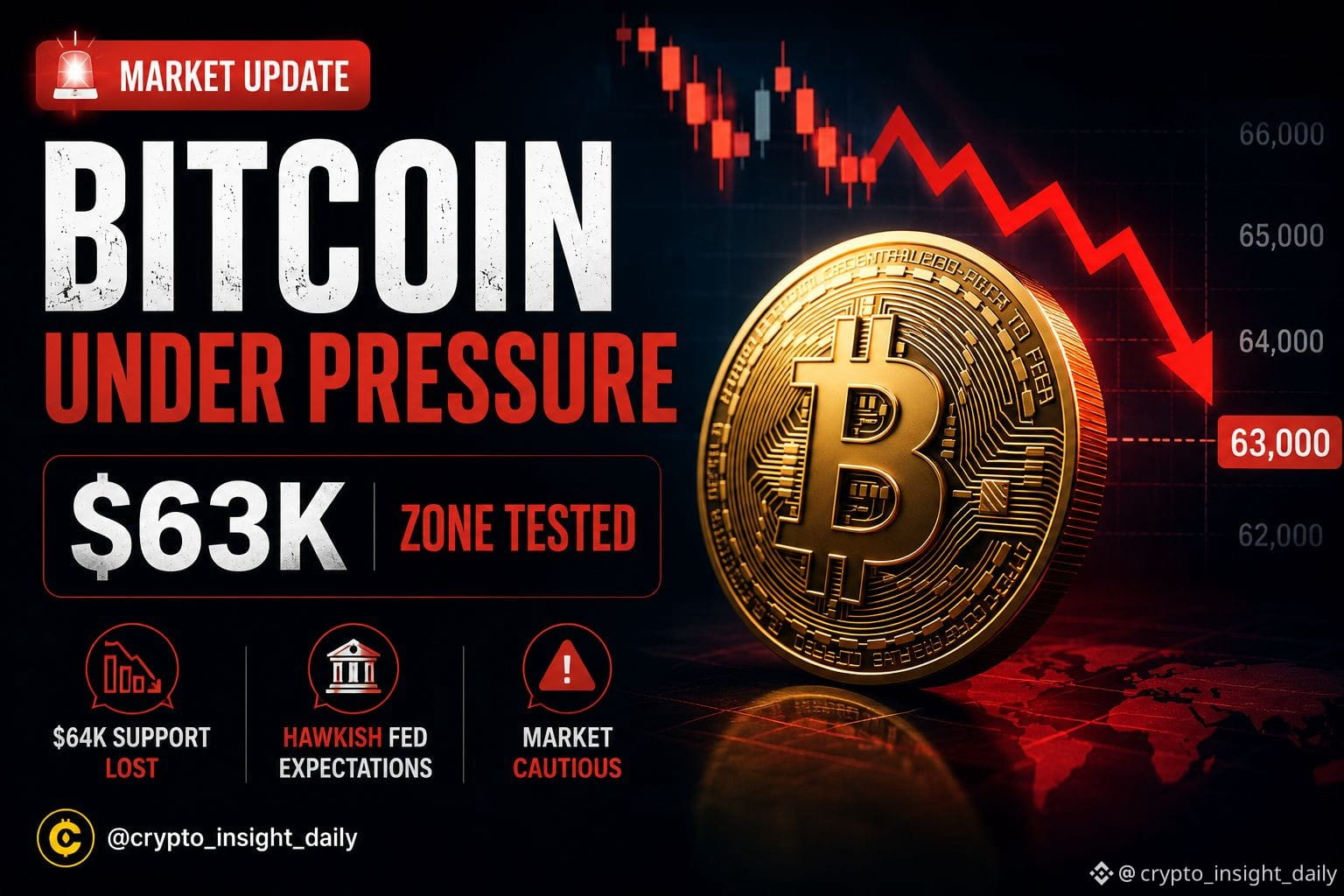
🚨 ビットコインが$63Kゾーンをテストしたばかり — 市場は注目している。
予想以上の米国のマクロシグナルと連邦準備制度の引き締め期待の再燃を受けて、リスク資産には新たな売り圧力がかかっている。BTCは約$64Kのサポートエリアを下回り、$63Kに向かって一時的に移動し、トレーダーたちはより慎重な短期スタンスにシフトした。
これが重要な理由:
• 流動性の低下はボラティリティを増加させる可能性がある
• アルトコインはBTCの動きに対してより大きく反応することが多い
• 次のサポート/レジスタンスレベルがモメンタムの鍵となる
$BTC #bitcoin #MacroData #BTC
これは次の上昇前の健康的なプルバックなのか — それともより深い修正の始まりなのか? 👇
{spot}(BTCUSDT)
🚨 ビットコインが$63Kゾーンをテストしたばかり — 市場は注目している。
予想以上の米国のマクロシグナルと連邦準備制度の引き締め期待の再燃を受けて、リスク資産には新たな売り圧力がかかっている。BTCは約$64Kのサポートエリアを下回り、$63Kに向かって一時的に移動し、トレーダーたちはより慎重な短期スタンスにシフトした。
これが重要な理由:
• 流動性の低下はボラティリティを増加させる可能性がある
• アルトコインはBTCの動きに対してより大きく反応することが多い
• 次のサポート/レジスタンスレベルがモメンタムの鍵となる
$BTC #bitcoin #MacroData #BTC
これは次の上昇前の健康的なプルバックなのか — それともより深い修正の始まりなのか? 👇
予想以上の米国のマクロシグナルと連邦準備制度の引き締め期待の再燃を受けて、リスク資産には新たな売り圧力がかかっている。BTCは約$64Kのサポートエリアを下回り、$63Kに向かって一時的に移動し、トレーダーたちはより慎重な短期スタンスにシフトした。
これが重要な理由:
• 流動性の低下はボラティリティを増加させる可能性がある
• アルトコインはBTCの動きに対してより大きく反応することが多い
• 次のサポート/レジスタンスレベルがモメンタムの鍵となる
$BTC #bitcoin #MacroData #BTC
これは次の上昇前の健康的なプルバックなのか — それともより深い修正の始まりなのか? 👇
1
120
·
--
🚨 米国の雇用統計データがぶつかり合うことで、$BTC に対する次のマクロ流動性スイープが引き起こされる可能性があります! 📊
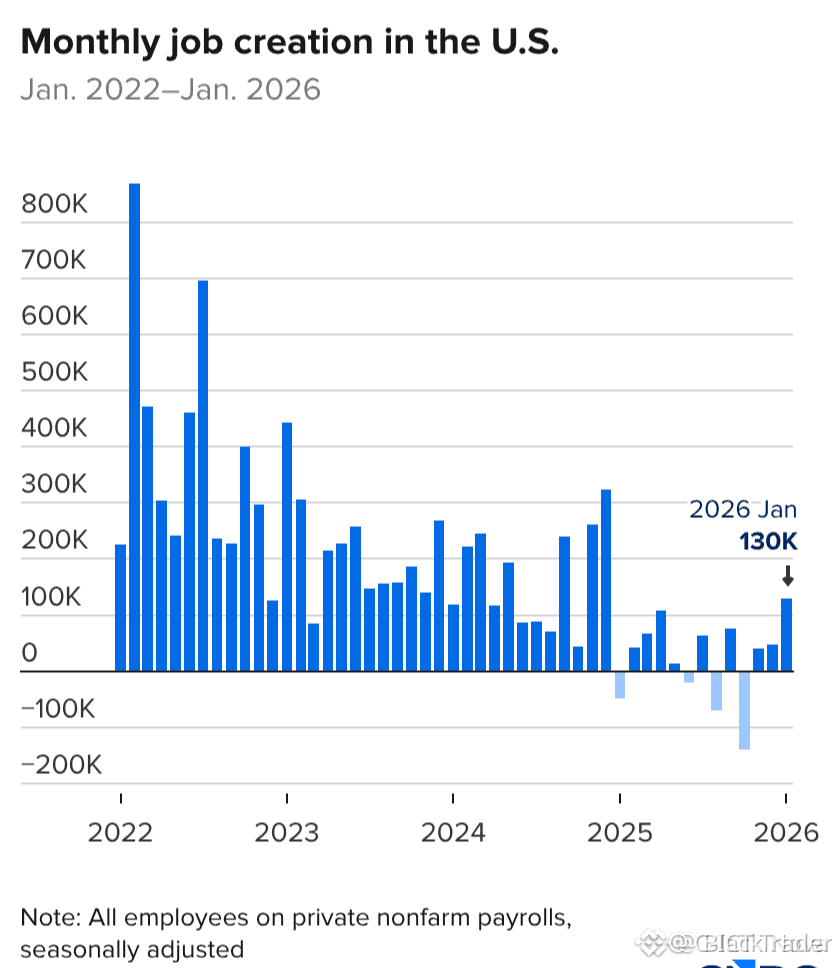
機関投資家のデスクは、$BTC 、$ETH 、$SOL にとって重要なマクロ要因として、失業率4.1%の基準に注目しています。4.1%を下回ると利下げへのためらいが強まり、利回りを押し上げ、主要リスク資産全体で短期的な流動性狩りを促します。🦈
逆に、予想を上回る数値はFRBの緩和観測を強め、スマートマネーに上昇拡大に必要なマクロの追い風を与えます。🔍 DXYと債券利回りの確認によって、最初の急騰が本物の構造的な動きなのか、それとも仕組まれた罠なのかが明らかになります。📊
💬 発表前にポジションを取っていますか、それとも発表後の市場構造の確認を待ちますか?👇
⚠️ 投資助言ではありません。常にリスク管理を行ってください。🛡️
🏷️ #BTC #MacroData #Bitcoin #Crypto #OrderFlow
🎯 🦈
🚨 米国の雇用統計データがぶつかり合うことで、$BTC に対する次のマクロ流動性スイープが引き起こされる可能性があります! 📊
機関投資家のデスクは、$BTC 、$ETH 、$SOL にとって重要なマクロ要因として、失業率4.1%の基準に注目しています。4.1%を下回ると利下げへのためらいが強まり、利回りを押し上げ、主要リスク資産全体で短期的な流動性狩りを促します。🦈
逆に、予想を上回る数値はFRBの緩和観測を強め、スマートマネーに上昇拡大に必要なマクロの追い風を与えます。🔍 DXYと債券利回りの確認によって、最初の急騰が本物の構造的な動きなのか、それとも仕組まれた罠なのかが明らかになります。📊
💬 発表前にポジションを取っていますか、それとも発表後の市場構造の確認を待ちますか?👇
⚠️ 投資助言ではありません。常にリスク管理を行ってください。🛡️
🏷️ #BTC #MacroData #Bitcoin #Crypto #OrderFlow
🎯 🦈
機関投資家のデスクは、$BTC 、$ETH 、$SOL にとって重要なマクロ要因として、失業率4.1%の基準に注目しています。4.1%を下回ると利下げへのためらいが強まり、利回りを押し上げ、主要リスク資産全体で短期的な流動性狩りを促します。🦈
逆に、予想を上回る数値はFRBの緩和観測を強め、スマートマネーに上昇拡大に必要なマクロの追い風を与えます。🔍 DXYと債券利回りの確認によって、最初の急騰が本物の構造的な動きなのか、それとも仕組まれた罠なのかが明らかになります。📊
💬 発表前にポジションを取っていますか、それとも発表後の市場構造の確認を待ちますか?👇
⚠️ 投資助言ではありません。常にリスク管理を行ってください。🛡️
🏷️ #BTC #MacroData #Bitcoin #Crypto #OrderFlow
🎯 🦈
27

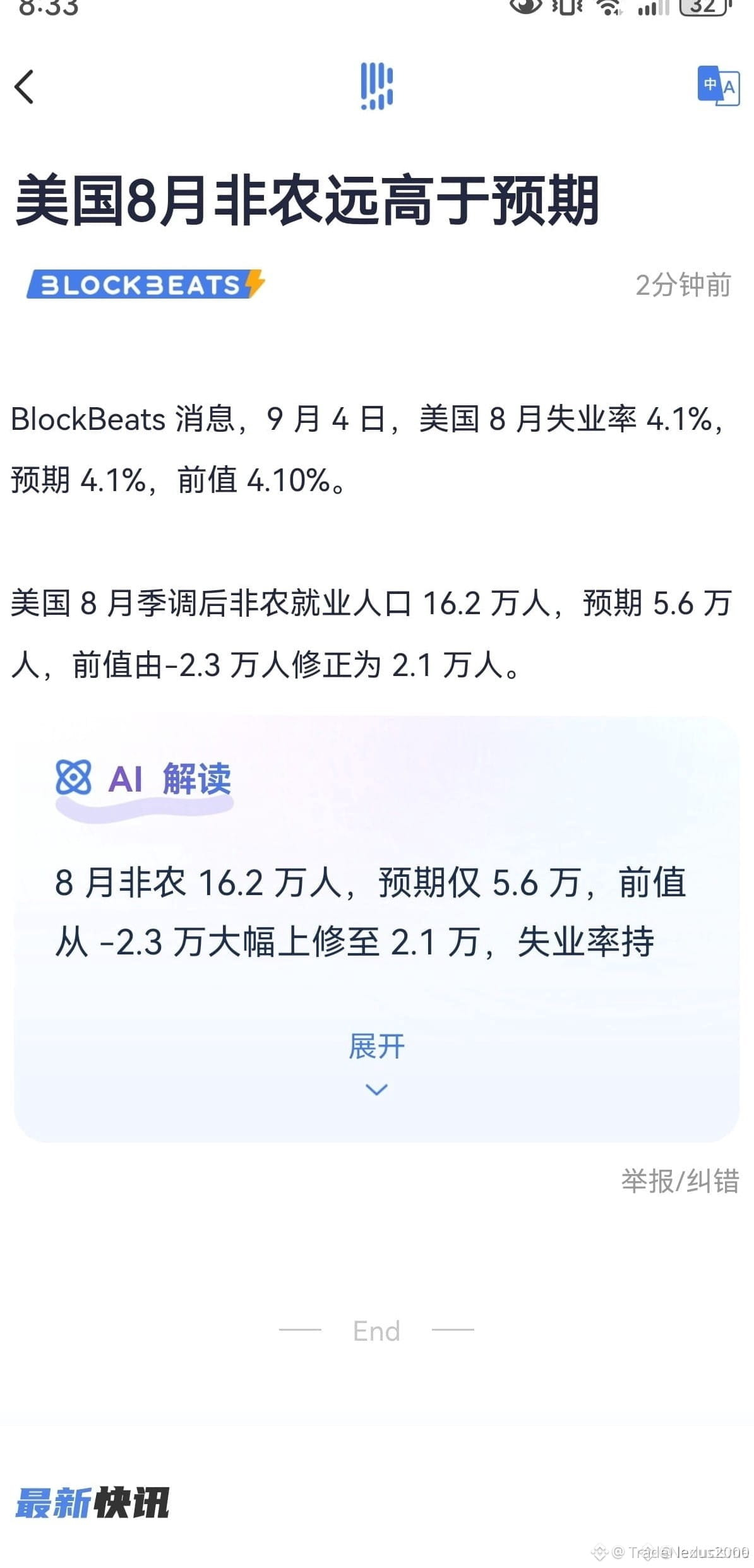
🚨 予想以上に強いNFPデータが主要水準全体で急激な$BTC 流動性スイープを引き起こす! 📉
予想を上回る米国非農業部門雇用者数(NFP)の発表により、マクロ面で即座の再評価が起こり、$BTC に強い売り圧力が発生しました。🔍 スマートマネーはこのニュースによるボラティリティを利用し、最近の保ち合いの下にある待機流動性を激しく刈り取りました。
📌 突然の下落によって生じたこの大きな非効率性は、上方に明確な市場構造の不均衡を残しています。📊 機関投資家の注文が最初のショックを吸収する中で、価格が下側の需要ゾーン付近でどう反応するかを見ることで、これが一時的な流動性の奪取なのか、それともより深い構造的なトレンド転換なのかが分かるでしょう。
💬 ここでの反発狙いのエントリーを狙っていますか、それともポジションを取る前に構造確認を待ちますか? 👇
⚠️ これは投資助言ではありません。常にリスク管理を行ってください。🛡️
🏷️ #BTC #Bitcoin #MacroData #LiquiditySweep #MarketStructure
🎯 🦈
🚨 予想以上に強いNFPデータが主要水準全体で急激な$BTC 流動性スイープを引き起こす! 📉
予想を上回る米国非農業部門雇用者数(NFP)の発表により、マクロ面で即座の再評価が起こり、$BTC に強い売り圧力が発生しました。🔍 スマートマネーはこのニュースによるボラティリティを利用し、最近の保ち合いの下にある待機流動性を激しく刈り取りました。
📌 突然の下落によって生じたこの大きな非効率性は、上方に明確な市場構造の不均衡を残しています。📊 機関投資家の注文が最初のショックを吸収する中で、価格が下側の需要ゾーン付近でどう反応するかを見ることで、これが一時的な流動性の奪取なのか、それともより深い構造的なトレンド転換なのかが分かるでしょう。
💬 ここでの反発狙いのエントリーを狙っていますか、それともポジションを取る前に構造確認を待ちますか? 👇
⚠️ これは投資助言ではありません。常にリスク管理を行ってください。🛡️
🏷️ #BTC #Bitcoin #MacroData #LiquiditySweep #MarketStructure
🎯 🦈
予想を上回る米国非農業部門雇用者数(NFP)の発表により、マクロ面で即座の再評価が起こり、$BTC に強い売り圧力が発生しました。🔍 スマートマネーはこのニュースによるボラティリティを利用し、最近の保ち合いの下にある待機流動性を激しく刈り取りました。
📌 突然の下落によって生じたこの大きな非効率性は、上方に明確な市場構造の不均衡を残しています。📊 機関投資家の注文が最初のショックを吸収する中で、価格が下側の需要ゾーン付近でどう反応するかを見ることで、これが一時的な流動性の奪取なのか、それともより深い構造的なトレンド転換なのかが分かるでしょう。
💬 ここでの反発狙いのエントリーを狙っていますか、それともポジションを取る前に構造確認を待ちますか? 👇
⚠️ これは投資助言ではありません。常にリスク管理を行ってください。🛡️
🏷️ #BTC #Bitcoin #MacroData #LiquiditySweep #MarketStructure
🎯 🦈
28

📊 マクロ流動性シフト: 206K の新規失業保険申請件数が $BTC AND $SOL に対する暗黙の再価格付けを示唆
206K の新規失業保険申請件数を些細なノイズとして片付けるのは、統計的な重要性を見落としている。統計的に言えば、機関投資家のディーリングデスクは、金利確率を再計算するためにこれらの正確な指標を分析している。労働データのわずかな変動はドルの再価格付けに対する期待を歪め、$BTC AND $SOL のようなリスク資産全体での資本フローの期待値を直接シフトさせる。
定量モデルは、市場がコンセンサスに追いつくずっと前からエクスポージャーを構築する。アルゴリズムはこれらのデータ入力を取り込み、高い時間軸の需要ゾーン付近にある流動性クラスターを探す。あなたのフレームワークは、今後のマクロ指標の発表を先回りすることを好むのか、それとも明確な市場構造の回復が有利になるまで待つのか?
これは金融アドバイスではない。厳格なパラメータに基づいてリスクを管理せよ。
#BTC #SOL #MacroData #MarketStructure #Crypto
データを入力。意思決定を出力。
📊 マクロ流動性シフト: 206K の新規失業保険申請件数が $BTC AND $SOL に対する暗黙の再価格付けを示唆
206K の新規失業保険申請件数を些細なノイズとして片付けるのは、統計的な重要性を見落としている。統計的に言えば、機関投資家のディーリングデスクは、金利確率を再計算するためにこれらの正確な指標を分析している。労働データのわずかな変動はドルの再価格付けに対する期待を歪め、$BTC AND $SOL のようなリスク資産全体での資本フローの期待値を直接シフトさせる。
定量モデルは、市場がコンセンサスに追いつくずっと前からエクスポージャーを構築する。アルゴリズムはこれらのデータ入力を取り込み、高い時間軸の需要ゾーン付近にある流動性クラスターを探す。あなたのフレームワークは、今後のマクロ指標の発表を先回りすることを好むのか、それとも明確な市場構造の回復が有利になるまで待つのか?
これは金融アドバイスではない。厳格なパラメータに基づいてリスクを管理せよ。
#BTC #SOL #MacroData #MarketStructure #Crypto
データを入力。意思決定を出力。
206K の新規失業保険申請件数を些細なノイズとして片付けるのは、統計的な重要性を見落としている。統計的に言えば、機関投資家のディーリングデスクは、金利確率を再計算するためにこれらの正確な指標を分析している。労働データのわずかな変動はドルの再価格付けに対する期待を歪め、$BTC AND $SOL のようなリスク資産全体での資本フローの期待値を直接シフトさせる。
定量モデルは、市場がコンセンサスに追いつくずっと前からエクスポージャーを構築する。アルゴリズムはこれらのデータ入力を取り込み、高い時間軸の需要ゾーン付近にある流動性クラスターを探す。あなたのフレームワークは、今後のマクロ指標の発表を先回りすることを好むのか、それとも明確な市場構造の回復が有利になるまで待つのか?
これは金融アドバイスではない。厳格なパラメータに基づいてリスクを管理せよ。
#BTC #SOL #MacroData #MarketStructure #Crypto
データを入力。意思決定を出力。
42
·
--
🚨 $ARB における機関投資家のポジショニングが、マクロ指標急変を前に加速中! 📊
スマートマネーは今後発表されるISM PMIとJOLTSを先回りし、$ARB や$0Gのようなリスク資産全体で鋭いモメンタムを生み出しています。機関投資家の注文フローは、トレーダーがより弱いマクロ指標を流動性の触媒と見込んでいることを反映し、積極的なポジション構築を示しています。📊
市場構造は主要な構造的転換点で引き続き拮抗しています。弱めのマクロ指標が出れば、上方向への非効率な埋め戻しへの即時の道が開かれますが、予想外に強い指標が出れば、まず下方向の流動性プールを刈り取るリスクがあります。🔍
データ発表前でボラティリティが圧縮されているため、定量トレーダーはすでに、数値が出そろった時点での方向ブレイクアウトに向けて整っています。💬 この高インパクトなマクロ変動イベントを前に、あなたはどのようにリスクを構築していますか? 👇
⚠️ これは投資助言ではありません。常にリスク管理を行ってください。🛡️
🏷️ #ARB #0G #MacroData #MarketStructure #Crypto
🎯 🦈
🚨 $ARB における機関投資家のポジショニングが、マクロ指標急変を前に加速中! 📊
スマートマネーは今後発表されるISM PMIとJOLTSを先回りし、$ARB や$0Gのようなリスク資産全体で鋭いモメンタムを生み出しています。機関投資家の注文フローは、トレーダーがより弱いマクロ指標を流動性の触媒と見込んでいることを反映し、積極的なポジション構築を示しています。📊
市場構造は主要な構造的転換点で引き続き拮抗しています。弱めのマクロ指標が出れば、上方向への非効率な埋め戻しへの即時の道が開かれますが、予想外に強い指標が出れば、まず下方向の流動性プールを刈り取るリスクがあります。🔍
データ発表前でボラティリティが圧縮されているため、定量トレーダーはすでに、数値が出そろった時点での方向ブレイクアウトに向けて整っています。💬 この高インパクトなマクロ変動イベントを前に、あなたはどのようにリスクを構築していますか? 👇
⚠️ これは投資助言ではありません。常にリスク管理を行ってください。🛡️
🏷️ #ARB #0G #MacroData #MarketStructure #Crypto
🎯 🦈
スマートマネーは今後発表されるISM PMIとJOLTSを先回りし、$ARB や$0Gのようなリスク資産全体で鋭いモメンタムを生み出しています。機関投資家の注文フローは、トレーダーがより弱いマクロ指標を流動性の触媒と見込んでいることを反映し、積極的なポジション構築を示しています。📊
市場構造は主要な構造的転換点で引き続き拮抗しています。弱めのマクロ指標が出れば、上方向への非効率な埋め戻しへの即時の道が開かれますが、予想外に強い指標が出れば、まず下方向の流動性プールを刈り取るリスクがあります。🔍
データ発表前でボラティリティが圧縮されているため、定量トレーダーはすでに、数値が出そろった時点での方向ブレイクアウトに向けて整っています。💬 この高インパクトなマクロ変動イベントを前に、あなたはどのようにリスクを構築していますか? 👇
⚠️ これは投資助言ではありません。常にリスク管理を行ってください。🛡️
🏷️ #ARB #0G #MacroData #MarketStructure #Crypto
🎯 🦈

184
·
--
🚨 米国の失業データが $BTC 流動性に脅威 ジャクソンホール・シンポジウム前に 💥
208Kとされる雇用市場の指標(予想)が、ジャクソンホール前のFRB(連邦準備制度)政策への期待を左右する。より高い結果はマクロの減速を示唆し、利下げ確率の上昇と、リスクオンの流動性を $BTC 市場構造へ放出することにつながる。
逆に、急な下振れサプライズは「より長く高金利」を裏付ける利回りの上昇を強め、方向性の新規ポジションを構築する前に、スマートマネーが売り側の流動性を一掃する可能性がある。 📊 取引の最初に出るアルゴのヒゲではなく、指標公表後に機関投資家のオーダーフローがどう反応するかを追跡しよう。
💬 高ボラティリティの流動性スイープに備える?それとも、データが出た後の構造的な確認を待つ? 👇
⚠️ 金融助言ではない。常にリスク管理を行ってください。 🛡️
🏷️ #BTC #MacroData #Fed #Bitcoin #MarketStructure
🦈 🔍
🚨 米国の失業データが $BTC 流動性に脅威 ジャクソンホール・シンポジウム前に 💥
208Kとされる雇用市場の指標(予想)が、ジャクソンホール前のFRB(連邦準備制度)政策への期待を左右する。より高い結果はマクロの減速を示唆し、利下げ確率の上昇と、リスクオンの流動性を $BTC 市場構造へ放出することにつながる。
逆に、急な下振れサプライズは「より長く高金利」を裏付ける利回りの上昇を強め、方向性の新規ポジションを構築する前に、スマートマネーが売り側の流動性を一掃する可能性がある。 📊 取引の最初に出るアルゴのヒゲではなく、指標公表後に機関投資家のオーダーフローがどう反応するかを追跡しよう。
💬 高ボラティリティの流動性スイープに備える?それとも、データが出た後の構造的な確認を待つ? 👇
⚠️ 金融助言ではない。常にリスク管理を行ってください。 🛡️
🏷️ #BTC #MacroData #Fed #Bitcoin #MarketStructure
🦈 🔍
208Kとされる雇用市場の指標(予想)が、ジャクソンホール前のFRB(連邦準備制度)政策への期待を左右する。より高い結果はマクロの減速を示唆し、利下げ確率の上昇と、リスクオンの流動性を $BTC 市場構造へ放出することにつながる。
逆に、急な下振れサプライズは「より長く高金利」を裏付ける利回りの上昇を強め、方向性の新規ポジションを構築する前に、スマートマネーが売り側の流動性を一掃する可能性がある。 📊 取引の最初に出るアルゴのヒゲではなく、指標公表後に機関投資家のオーダーフローがどう反応するかを追跡しよう。
💬 高ボラティリティの流動性スイープに備える?それとも、データが出た後の構造的な確認を待つ? 👇
⚠️ 金融助言ではない。常にリスク管理を行ってください。 🛡️
🏷️ #BTC #MacroData #Fed #Bitcoin #MarketStructure
🦈 🔍
46
·
--
🚨 米国の失業保険申請件数が20万6,000件に低下、機関投資家の流動性が$BTC をまたいでシフト! 📊
最新のマクロ経済データによると、米国の新規失業保険申請件数は20万6,000件となり、21万件のコンセンサス予想を下回りました。この雇用市場の底堅さは、より引き締まったマクロ流動性環境を示しており、スマートマネーが$BTC のような主要な流動性資産全体でリスクエクスポージャーを再調整する要因となっています。🔍
前回分が21万2,000件へ上方修正されたことで、市場参加者は機関投資家の注文フローが根強い金利見通しをどう織り込むのかを注視しています。安定した雇用統計は、しばしば積極的な流動性供給を遅らせ、スマートマネーが構造的なポジションを構築する明確なレンジ上限・下限を形成します。📊
この雇用の強さが、今後の取引セッションで全体的な市場構造にどのような影響を与えると予想しますか? 👇
⚠️ 投資助言ではありません。常にリスク管理を行ってください。🛡️
🏷️ #BTC #MacroData #Crypto #MarketStructure #OrderFlow
🎯 🦈
🚨 米国の失業保険申請件数が20万6,000件に低下、機関投資家の流動性が$BTC をまたいでシフト! 📊
最新のマクロ経済データによると、米国の新規失業保険申請件数は20万6,000件となり、21万件のコンセンサス予想を下回りました。この雇用市場の底堅さは、より引き締まったマクロ流動性環境を示しており、スマートマネーが$BTC のような主要な流動性資産全体でリスクエクスポージャーを再調整する要因となっています。🔍
前回分が21万2,000件へ上方修正されたことで、市場参加者は機関投資家の注文フローが根強い金利見通しをどう織り込むのかを注視しています。安定した雇用統計は、しばしば積極的な流動性供給を遅らせ、スマートマネーが構造的なポジションを構築する明確なレンジ上限・下限を形成します。📊
この雇用の強さが、今後の取引セッションで全体的な市場構造にどのような影響を与えると予想しますか? 👇
⚠️ 投資助言ではありません。常にリスク管理を行ってください。🛡️
🏷️ #BTC #MacroData #Crypto #MarketStructure #OrderFlow
🎯 🦈
最新のマクロ経済データによると、米国の新規失業保険申請件数は20万6,000件となり、21万件のコンセンサス予想を下回りました。この雇用市場の底堅さは、より引き締まったマクロ流動性環境を示しており、スマートマネーが$BTC のような主要な流動性資産全体でリスクエクスポージャーを再調整する要因となっています。🔍
前回分が21万2,000件へ上方修正されたことで、市場参加者は機関投資家の注文フローが根強い金利見通しをどう織り込むのかを注視しています。安定した雇用統計は、しばしば積極的な流動性供給を遅らせ、スマートマネーが構造的なポジションを構築する明確なレンジ上限・下限を形成します。📊
この雇用の強さが、今後の取引セッションで全体的な市場構造にどのような影響を与えると予想しますか? 👇
⚠️ 投資助言ではありません。常にリスク管理を行ってください。🛡️
🏷️ #BTC #MacroData #Crypto #MarketStructure #OrderFlow
🎯 🦈

28

MACRO FIREWORKS LOADED — $ACE & $HEI SET FOR A VOLATILE RIDE ⚡
経済カレンダーが引き金を引こうとしていて、$ACE と $HEI が燃え尽きる導火線を見張っています。🦈 こうしたマクロの放出は、単にローソク足を動かすだけじゃなく、足元の注文フローの順番そのものを組み替えてしまいます。データが出る前に効くのは忍耐だけです。
📊 大口は、指標が出る前にめったにコミットしません。不確実性でまず弱い手を振るいにかけてから、狙いどころを選びます。センチメントが反転すれば、勢いはゴムバンドのようにスナップすることがある——そしてこの2つのティッカーは、そのむち打ち(鞭打ちのような急変)に備えて整っています。💡
相場のチリが落ち着くのを待って現金で構えていますか?それとも混乱の中で逆指値/指値を仕込んでいますか?💬
⚠️ 金融助言ではありません。必ずリスク管理をしてください。🛡️
🏷️ #ACE #HEI #MacroData #Volatility #Crypto
⚡ 🦈
MACRO FIREWORKS LOADED — $ACE & $HEI SET FOR A VOLATILE RIDE ⚡
経済カレンダーが引き金を引こうとしていて、$ACE と $HEI が燃え尽きる導火線を見張っています。🦈 こうしたマクロの放出は、単にローソク足を動かすだけじゃなく、足元の注文フローの順番そのものを組み替えてしまいます。データが出る前に効くのは忍耐だけです。
📊 大口は、指標が出る前にめったにコミットしません。不確実性でまず弱い手を振るいにかけてから、狙いどころを選びます。センチメントが反転すれば、勢いはゴムバンドのようにスナップすることがある——そしてこの2つのティッカーは、そのむち打ち(鞭打ちのような急変)に備えて整っています。💡
相場のチリが落ち着くのを待って現金で構えていますか?それとも混乱の中で逆指値/指値を仕込んでいますか?💬
⚠️ 金融助言ではありません。必ずリスク管理をしてください。🛡️
🏷️ #ACE #HEI #MacroData #Volatility #Crypto
⚡ 🦈
経済カレンダーが引き金を引こうとしていて、$ACE と $HEI が燃え尽きる導火線を見張っています。🦈 こうしたマクロの放出は、単にローソク足を動かすだけじゃなく、足元の注文フローの順番そのものを組み替えてしまいます。データが出る前に効くのは忍耐だけです。
📊 大口は、指標が出る前にめったにコミットしません。不確実性でまず弱い手を振るいにかけてから、狙いどころを選びます。センチメントが反転すれば、勢いはゴムバンドのようにスナップすることがある——そしてこの2つのティッカーは、そのむち打ち(鞭打ちのような急変)に備えて整っています。💡
相場のチリが落ち着くのを待って現金で構えていますか?それとも混乱の中で逆指値/指値を仕込んでいますか?💬
⚠️ 金融助言ではありません。必ずリスク管理をしてください。🛡️
🏷️ #ACE #HEI #MacroData #Volatility #Crypto
⚡ 🦈


162
·
--
$BTC REACTS AS US PAYROLLS MISS BY 53K – WEAK LABOR DATA IN PLAY ⚡
6月の雇用統計(ペイロール)は、予想の110,000に対し57,000となり、明確な下振れでした。失業率は4.2%へと低下したものの、労働参加率は0.3%下落。さらに宿泊・飲食サービスでは55,000人分の雇用が失われ、ワールドカップに対する見通しを完全に裏切る結果となりました。
雇用関連データの弱さは、利上げ観測の圧力を下げます。BTCのようなリスク資産にとっては、マクロ面での追い風です。いま問題は、このCMEのギャップがまず埋められるのか、それともここからじわじわと上昇していくのか、という点です。
これをBTCにとっての強気材料(バリュエーション上昇のきっかけ)として見ていますか?それとも短期的な「売り・ニュース消化」イベントとして捉えていますか?
※投資助言ではありません。常にリスク管理を行ってください。
#BTC #MacroData #NonFarmPayrolls #FedPivot #Crypto
⚡
$BTC REACTS AS US PAYROLLS MISS BY 53K – WEAK LABOR DATA IN PLAY ⚡
6月の雇用統計(ペイロール)は、予想の110,000に対し57,000となり、明確な下振れでした。失業率は4.2%へと低下したものの、労働参加率は0.3%下落。さらに宿泊・飲食サービスでは55,000人分の雇用が失われ、ワールドカップに対する見通しを完全に裏切る結果となりました。
雇用関連データの弱さは、利上げ観測の圧力を下げます。BTCのようなリスク資産にとっては、マクロ面での追い風です。いま問題は、このCMEのギャップがまず埋められるのか、それともここからじわじわと上昇していくのか、という点です。
これをBTCにとっての強気材料(バリュエーション上昇のきっかけ)として見ていますか?それとも短期的な「売り・ニュース消化」イベントとして捉えていますか?
※投資助言ではありません。常にリスク管理を行ってください。
#BTC #MacroData #NonFarmPayrolls #FedPivot #Crypto
⚡
6月の雇用統計(ペイロール)は、予想の110,000に対し57,000となり、明確な下振れでした。失業率は4.2%へと低下したものの、労働参加率は0.3%下落。さらに宿泊・飲食サービスでは55,000人分の雇用が失われ、ワールドカップに対する見通しを完全に裏切る結果となりました。
雇用関連データの弱さは、利上げ観測の圧力を下げます。BTCのようなリスク資産にとっては、マクロ面での追い風です。いま問題は、このCMEのギャップがまず埋められるのか、それともここからじわじわと上昇していくのか、という点です。
これをBTCにとっての強気材料(バリュエーション上昇のきっかけ)として見ていますか?それとも短期的な「売り・ニュース消化」イベントとして捉えていますか?
※投資助言ではありません。常にリスク管理を行ってください。
#BTC #MacroData #NonFarmPayrolls #FedPivot #Crypto
⚡
28
·
--
$THE AND $SOXLB CATCHING BIDS AFTER STABLE JOBLESS CLAIMS 🔥
エントリー: 指定なし
ターゲット: 指定なし
損切り: 指定なし
米国の新規失業保険申請件数は215,000件で、前回の読みと一致しました。これは労働市場が安定していることを示す教科書的な確認であり、景気循環の初期局面におけるリスク選好のグリーンライトになってきました。私は$THE and $SOXLB が週次のオープン水準を上回る状態を維持するかどうかを注視しています。買い手がそのゾーンを守れば、モメンタムの転換が引けに向けて加速する可能性があります。
このマクロ指標は不確実性を一段取り除きますが、本当の試金石はレジスタンスでの注文フローです。あなたはロングに傾いていますか?それとも、まず流動性を刈り取る動きを待ちますか?
金融助言ではありません。必ずリスク管理を行ってください。
#THE #SOXLB #TAG #MacroData #JoblessClaims
🔥
$THE AND $SOXLB CATCHING BIDS AFTER STABLE JOBLESS CLAIMS 🔥
エントリー: 指定なし
ターゲット: 指定なし
損切り: 指定なし
米国の新規失業保険申請件数は215,000件で、前回の読みと一致しました。これは労働市場が安定していることを示す教科書的な確認であり、景気循環の初期局面におけるリスク選好のグリーンライトになってきました。私は$THE and $SOXLB が週次のオープン水準を上回る状態を維持するかどうかを注視しています。買い手がそのゾーンを守れば、モメンタムの転換が引けに向けて加速する可能性があります。
このマクロ指標は不確実性を一段取り除きますが、本当の試金石はレジスタンスでの注文フローです。あなたはロングに傾いていますか?それとも、まず流動性を刈り取る動きを待ちますか?
金融助言ではありません。必ずリスク管理を行ってください。
#THE #SOXLB #TAG #MacroData #JoblessClaims
🔥
エントリー: 指定なし
ターゲット: 指定なし
損切り: 指定なし
米国の新規失業保険申請件数は215,000件で、前回の読みと一致しました。これは労働市場が安定していることを示す教科書的な確認であり、景気循環の初期局面におけるリスク選好のグリーンライトになってきました。私は$THE and $SOXLB が週次のオープン水準を上回る状態を維持するかどうかを注視しています。買い手がそのゾーンを守れば、モメンタムの転換が引けに向けて加速する可能性があります。
このマクロ指標は不確実性を一段取り除きますが、本当の試金石はレジスタンスでの注文フローです。あなたはロングに傾いていますか?それとも、まず流動性を刈り取る動きを待ちますか?
金融助言ではありません。必ずリスク管理を行ってください。
#THE #SOXLB #TAG #MacroData #JoblessClaims
🔥

163

$BTC AND PPI DATA — 次の流動性スイープが進行中 ⚡
本文
本日の米PPIデータが低下し、ここで構造が試される。BTCは重要なレジスタンス帯のすぐ下で、非常に狭いレンジ内に圧縮されている。これは通常、マクロ指標で急激な値動き(拡大)が起きるような仕込みの形だ。
時間足で出来高が薄くなっている。これは賢い資金が待機しているサインだ。直近の安値を下抜ける“フェイクアウト”で流動性を回収し、その後反転するのが最も起こり得るシナリオである。なぜなら60,000のすぐ下にストップが大量に置かれているからだ。
リリースを取引するのか、それとも落ち着くまで様子見するのか?
※金融助言ではない。常にリスクを管理してくれ。
#BTC #PPI #Volatility #Crypto #MacroData
⚡
$BTC AND PPI DATA — 次の流動性スイープが進行中 ⚡
本文
本日の米PPIデータが低下し、ここで構造が試される。BTCは重要なレジスタンス帯のすぐ下で、非常に狭いレンジ内に圧縮されている。これは通常、マクロ指標で急激な値動き(拡大)が起きるような仕込みの形だ。
時間足で出来高が薄くなっている。これは賢い資金が待機しているサインだ。直近の安値を下抜ける“フェイクアウト”で流動性を回収し、その後反転するのが最も起こり得るシナリオである。なぜなら60,000のすぐ下にストップが大量に置かれているからだ。
リリースを取引するのか、それとも落ち着くまで様子見するのか?
※金融助言ではない。常にリスクを管理してくれ。
#BTC #PPI #Volatility #Crypto #MacroData
⚡
本文
本日の米PPIデータが低下し、ここで構造が試される。BTCは重要なレジスタンス帯のすぐ下で、非常に狭いレンジ内に圧縮されている。これは通常、マクロ指標で急激な値動き(拡大)が起きるような仕込みの形だ。
時間足で出来高が薄くなっている。これは賢い資金が待機しているサインだ。直近の安値を下抜ける“フェイクアウト”で流動性を回収し、その後反転するのが最も起こり得るシナリオである。なぜなら60,000のすぐ下にストップが大量に置かれているからだ。
リリースを取引するのか、それとも落ち着くまで様子見するのか?
※金融助言ではない。常にリスクを管理してくれ。
#BTC #PPI #Volatility #Crypto #MacroData
⚡

25
ログインして、さらにコンテンツを読む
厳選トピックで世界の暗号資産トレーダーの仲間入り
⚡️ 暗号資産に関する最新かつ有益な情報が見つかります。
💬 世界最大の暗号資産取引所から信頼されています。
👍 認証を受けたクリエイターから、有益なインサイトを得られます。
メール / 電話番号
トレンドトピック
1
#BitcoinReboundsTo$79K
閲覧回数 22,650
208人が討論中
2
#BitcoinSpotETFsNetInflow$160M
閲覧回数 618
47人が討論中
3
#SouthKoreaCryptoTaxDelayPetitionTops50000
閲覧回数 15,224
429人が討論中
4
#SolanaTransactionV1GoesLiveOnMainnet
閲覧回数 9,991
289人が討論中
5
#RussianCentralBankFlagsCryptoAsFinancialRisk
閲覧回数 8,583
268人が討論中
6
#GrayscalePutsXRPAt26.11%InAdvisorPortfolio
閲覧回数 21,957
381人が討論中
7
#PhiladelphiaSemiconductorIndexFalls5.9%
閲覧回数 7,437
232人が討論中
8
#SECChairUrgesCongressToAdvanceClarityAct
閲覧回数 21,496
245人が討論中
9
#FedHikeOddsRiseTo89%
閲覧回数 118,247
1,277人が討論中
10
#RLUSDSupplyHitsRecord$2.442B
閲覧回数 8,463
71人が討論中