Binance Square
#learntotrade

learntotrade

閲覧回数 129,431
442人が討論中
Infinity Group Inc
·
--
ブリッシュ
翻訳参照
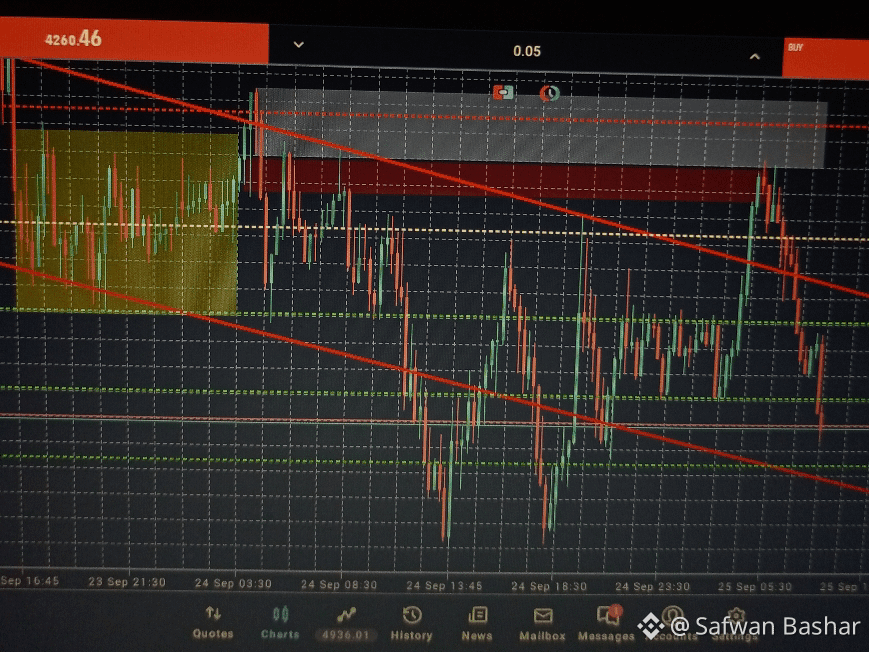
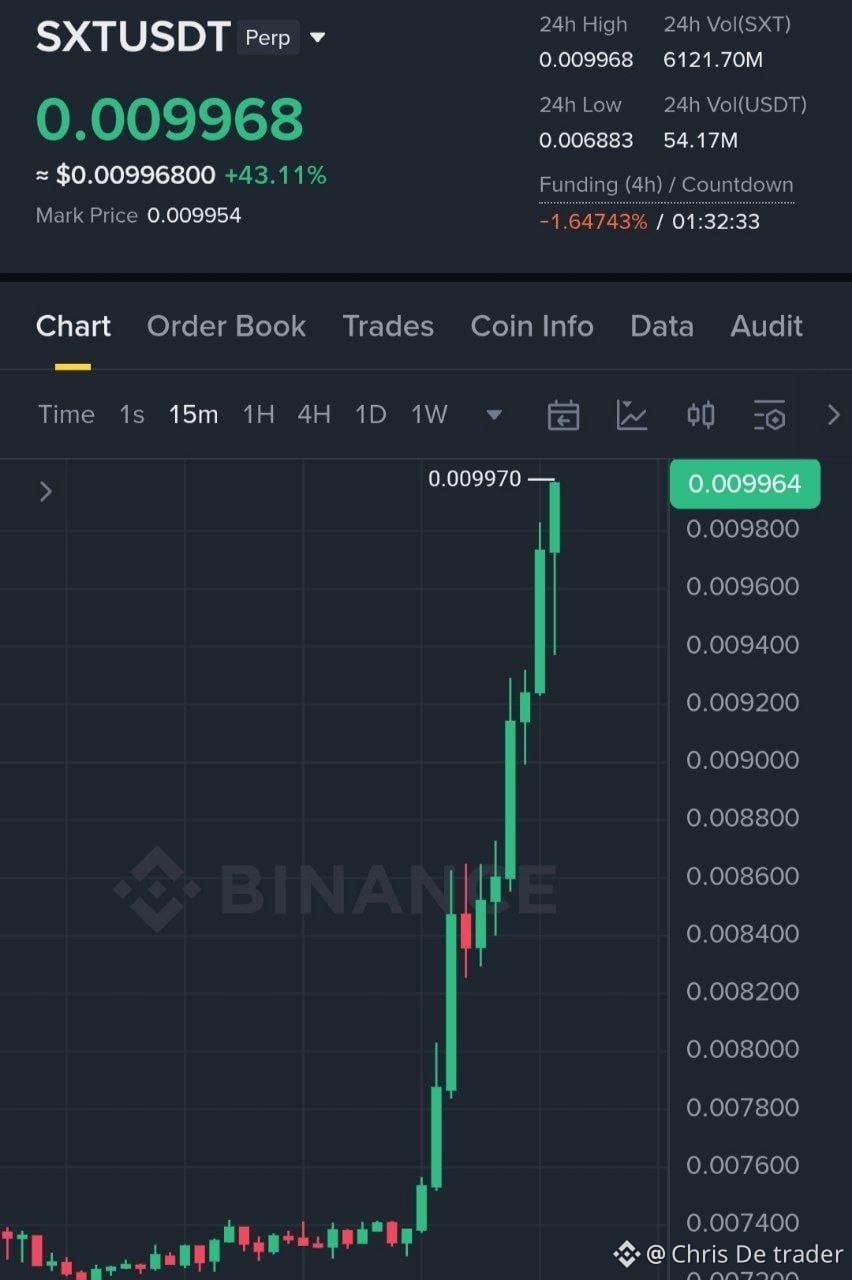
🚨 Attention:- As predicted bitcoin started toward upward 👆🏻⬆️. Every guru was selling. That is what we learn by Psychology. Don't see only money if you want to become a real trader. 📈 Understanding what others are doing and behaving to trap them is real trading. We don't show big Profit that's why people don't pay attention but no worries. I hope some real trader will understand. Thank you #learntotrade $BTC $SOL
🚨 Attention:-
As predicted bitcoin started toward upward 👆🏻⬆️.
Every guru was selling. That is what we learn by Psychology. Don't see only money if you want to become a real trader. 📈

Understanding what others are doing and behaving to trap them is real trading. We don't show big Profit that's why people don't pay attention but no worries. I hope some real trader will understand.

Thank you #learntotrade
$BTC $SOL
記事
翻訳参照
10. Northern Star — Bullish variant (star-like at bottom)In the vast world of Japanese Candlesticks, specific patterns act like bright beacons, signaling that a change in market direction is imminent. One of the most significant, yet often misunderstood, "star" patterns is the Northern Star. While many traders are familiar with the standard Morning Star, the Northern Star serves as a specific bullish variant that appears at the bottom of a downtrend, acting as a "guiding light" for a potential upward reversal. In this comprehensive lesson, we are going to dive deep into the psychology, structure, and trading strategy behind the Northern Star. Whether you are a complete beginner or an experienced trader looking to refine your price action skills, this guide will provide everything you need to identify and trade this pattern with confidence. What is the Northern Star? The Northern Star is a bullish reversal pattern categorized as a "Star" formation. It typically appears after a sustained move downward. It signals that the selling pressure, which was previously dominant, has finally exhausted itself, and the buyers (bulls) are starting to step into the ring. The name "Northern Star" comes from the idea of the North Star being a fixed point of navigation. In trading, when this star appears at the bottom of a "dark" bearish period, it points the way "North" (upward) toward higher prices. The Core Concept: Think of the market like a heavy ball rolling down a hill. The Northern Star represents the moment that ball hits a soft patch of grass, slows down almost to a stop, and then begins to be pushed back up by someone standing at the bottom. It represents a transition from fear and selling to uncertainty, and finally to hope and buying. The Anatomy: What Does It Look Like? The Northern Star is a multi-candle pattern, but its power comes from the specific relationship between the candles. To identify a true Northern Star, you need to look for these three specific components: The Preceding Trend: There must be a clear downtrend in place. You cannot have a reversal pattern if there is nothing to reverse!The Bearish Candle (The Setup): A large, red (bearish) candle that shows the sellers are still in control.The Star (The Signal): A small-bodied candle (the "star") that gaps away from the body of the previous candle. This star can be green or red, but its small size is the key—it shows that the bears couldn't push the price lower, and the bulls couldn't push it higher yet. It is a moment of indecision. Key Visual Characteristics: The Gap: Ideally, there is a physical gap between the body of the large red candle and the body of the star. This gap represents the final "exhaustion" of the sellers.Small Real Body: The star's body must be small. It can be a "Doji" (where open and close are the same) or a small spinning top.Location: It must appear at the lowest point of the recent price action. The Psychology: What is the Market Thinking? To be a great trader, you must look past the "lines and colors" and understand the human emotions driving the price. Here is the "story" behind the Northern Star: Phase 1: The Panic (The Big Red Candle) The market is in a downtrend. Sellers are confident. They are successfully pushing prices lower, and everyone is afraid. A large red candle forms, which usually represents the "climax" of this fear. People are selling because they think the price will go to zero. Phase 2: The Hesitation (The Star) The next day (or period), the price opens even lower (the gap down). This should be the final victory for the bears. However, something strange happens: the price stops moving. Despite the momentum, the sellers can't push it any further. Simultaneously, some buyers see the price as "cheap" and start buying. This tug-of-war creates a tiny candle body. This is the "Northern Star." It tells us the bears are exhausted and the bulls are waking up. Phase 3: The Reversal (The Following Confirmation) When the next candle opens and starts moving higher, it confirms that the "Star" was indeed a floor. The bears who sold at the bottom are now trapped and must buy back to close their positions, which fuels the move upward. Step-by-Step Guide to Trading the Northern Star Trading is not just about spotting a pattern; it’s about having a plan. Here is how you should approach a Northern Star on your charts: Step 1: Identify the Trend Look for a series of lower highs and lower lows. The Northern Star is only valid if it occurs during a bearish phase. If you see this pattern in a sideways market, it is much less reliable. Step 2: Spot the Star Look for that small-bodied candle that "star" jumps away from a big red candle. Don't worry too much about the color of the star itself, though a green star is slightly more bullish than a red one. Step 3: Wait for Confirmation This is the most important step. Do not enter a trade the moment you see the star. Wait for the next candle to close. If the next candle is a strong green (bullish) candle that closes well into the body of the first big red candle, your "Northern Star" is confirmed. Step 4: Set Your Entry and Exit Entry: Buy at the close of the confirmation candle or at the break of the Star's high.Stop Loss: Place your stop loss slightly below the lowest point (the wick) of the Star. If the price falls below the star, the pattern has failed, and you want to get out.Take Profit: Look for the next major resistance level or use a 2:1 reward-to-risk ratio. Common Mistakes to Avoid Even the best patterns can fail if you don't use them correctly. Here are the "traps" beginners often fall into with the Northern Star: Ignoring the Gap: If the star's body overlaps significantly with the previous candle's body, it isn't a true Northern Star; it's likely just a "Spinning Top" in a range. The gap is the "secret sauce" that shows exhaustion.Trading Without a Downtrend: You cannot "reverse" a trend that doesn't exist. Using this pattern in a choppy, sideways market will result in many "fakeouts."Forgetting Volume: A true Northern Star reversal is often accompanied by a spike in volume on the "Star" day or the "Confirmation" day. This shows that big institutional players are involved.Over-leveraging: No pattern is 100% accurate. Always manage your risk. Even a perfect Northern Star can be wiped out by a bad news event. Comparison: Northern Star vs. Morning Star You might be asking, "How is this different from a Morning Star?" It’s a great question. ComponentsNorthern Star: Focuses primarily on the price gap and the "Star" candle itself acting as a navigational bottom.Morning Star: A strict, 3-candle sequence consisting of a Long Bearish candle, a Star (doji or small body), and a Long Bullish candle.FlexibilityNorthern Star: Often used as a general, broader term for bullish star variants found at the bottom of a trend.Morning Star: Follows a specific, rigid technical definition required for chart validation.ReliabilityNorthern Star: High, especially when the physical gap between the candles is clear.Morning Star: Very High; it is widely considered a "top tier" bullish reversal pattern by technical analysts. Think of the Northern Star as the identity of the candle at the bottom, while the Morning Star is the entire three-part play. Real-World Example Story Imagine you are looking at the chart for a popular tech stock. For two weeks, the stock has been falling from $150 down to $120. On Monday, a massive red candle appears, closing at $110. The news is bad, and everyone is shouting "Sell!" On Tuesday, the stock opens at $105 (a big gap down). But throughout the day, the price just wiggles between $104 and $106. It closes at $105.50. This tiny candle, sitting all by itself below the previous day's action, is the Northern Star. On Wednesday, the stock opens at $106 and quickly climbs to $112, closing the day strong. The "Star" told us the sellers were out of ammo on Tuesday. By Wednesday, the buyers took over. If you bought on Wednesday's close with a stop at $104, you would be positioned for the move back up to $130. Summary Checklist for the Northern Star Before you place a trade based on this pattern, run through this mental checklist: [ ] Is there a clear downtrend leading into this?[ ] Was the candle before the star a large, bearish candle?[ ] Did the "Star" candle gap away from the previous body?[ ] Is the "Star" candle body small (indicating indecision)?[ ] Has a bullish confirmation candle appeared after the star?[ ] Do I have a stop loss placed below the star's wick? By following these rules, you turn a simple visual pattern into a professional trading system. The Northern Star is one of the most beautiful signals in technical analysis because it represents the exact moment when the "darkness" of a sell-off meets the "light" of a new beginning. By @mrjangken • ID: 766881381 • #CandlestickPatterns #TradingLessons #PriceAction #TechnicalAnalysis #LearnToTrade

10. Northern Star — Bullish variant (star-like at bottom)

In the vast world of Japanese Candlesticks, specific patterns act like bright beacons, signaling that a change in market direction is imminent. One of the most significant, yet often misunderstood, "star" patterns is the Northern Star. While many traders are familiar with the standard Morning Star, the Northern Star serves as a specific bullish variant that appears at the bottom of a downtrend, acting as a "guiding light" for a potential upward reversal.
In this comprehensive lesson, we are going to dive deep into the psychology, structure, and trading strategy behind the Northern Star. Whether you are a complete beginner or an experienced trader looking to refine your price action skills, this guide will provide everything you need to identify and trade this pattern with confidence.
What is the Northern Star?
The Northern Star is a bullish reversal pattern categorized as a "Star" formation. It typically appears after a sustained move downward. It signals that the selling pressure, which was previously dominant, has finally exhausted itself, and the buyers (bulls) are starting to step into the ring.
The name "Northern Star" comes from the idea of the North Star being a fixed point of navigation. In trading, when this star appears at the bottom of a "dark" bearish period, it points the way "North" (upward) toward higher prices.
The Core Concept:
Think of the market like a heavy ball rolling down a hill. The Northern Star represents the moment that ball hits a soft patch of grass, slows down almost to a stop, and then begins to be pushed back up by someone standing at the bottom. It represents a transition from fear and selling to uncertainty, and finally to hope and buying.
The Anatomy: What Does It Look Like?
The Northern Star is a multi-candle pattern, but its power comes from the specific relationship between the candles. To identify a true Northern Star, you need to look for these three specific components:
The Preceding Trend: There must be a clear downtrend in place. You cannot have a reversal pattern if there is nothing to reverse!The Bearish Candle (The Setup): A large, red (bearish) candle that shows the sellers are still in control.The Star (The Signal): A small-bodied candle (the "star") that gaps away from the body of the previous candle. This star can be green or red, but its small size is the key—it shows that the bears couldn't push the price lower, and the bulls couldn't push it higher yet. It is a moment of indecision.

Key Visual Characteristics:
The Gap: Ideally, there is a physical gap between the body of the large red candle and the body of the star. This gap represents the final "exhaustion" of the sellers.Small Real Body: The star's body must be small. It can be a "Doji" (where open and close are the same) or a small spinning top.Location: It must appear at the lowest point of the recent price action.
The Psychology: What is the Market Thinking?
To be a great trader, you must look past the "lines and colors" and understand the human emotions driving the price. Here is the "story" behind the Northern Star:
Phase 1: The Panic (The Big Red Candle)
The market is in a downtrend. Sellers are confident. They are successfully pushing prices lower, and everyone is afraid. A large red candle forms, which usually represents the "climax" of this fear. People are selling because they think the price will go to zero.
Phase 2: The Hesitation (The Star)
The next day (or period), the price opens even lower (the gap down). This should be the final victory for the bears. However, something strange happens: the price stops moving. Despite the momentum, the sellers can't push it any further. Simultaneously, some buyers see the price as "cheap" and start buying. This tug-of-war creates a tiny candle body. This is the "Northern Star." It tells us the bears are exhausted and the bulls are waking up.
Phase 3: The Reversal (The Following Confirmation)
When the next candle opens and starts moving higher, it confirms that the "Star" was indeed a floor. The bears who sold at the bottom are now trapped and must buy back to close their positions, which fuels the move upward.
Step-by-Step Guide to Trading the Northern Star
Trading is not just about spotting a pattern; it’s about having a plan. Here is how you should approach a Northern Star on your charts:
Step 1: Identify the Trend
Look for a series of lower highs and lower lows. The Northern Star is only valid if it occurs during a bearish phase. If you see this pattern in a sideways market, it is much less reliable.
Step 2: Spot the Star
Look for that small-bodied candle that "star" jumps away from a big red candle. Don't worry too much about the color of the star itself, though a green star is slightly more bullish than a red one.
Step 3: Wait for Confirmation
This is the most important step. Do not enter a trade the moment you see the star. Wait for the next candle to close. If the next candle is a strong green (bullish) candle that closes well into the body of the first big red candle, your "Northern Star" is confirmed.
Step 4: Set Your Entry and Exit
Entry: Buy at the close of the confirmation candle or at the break of the Star's high.Stop Loss: Place your stop loss slightly below the lowest point (the wick) of the Star. If the price falls below the star, the pattern has failed, and you want to get out.Take Profit: Look for the next major resistance level or use a 2:1 reward-to-risk ratio.
Common Mistakes to Avoid
Even the best patterns can fail if you don't use them correctly. Here are the "traps" beginners often fall into with the Northern Star:
Ignoring the Gap: If the star's body overlaps significantly with the previous candle's body, it isn't a true Northern Star; it's likely just a "Spinning Top" in a range. The gap is the "secret sauce" that shows exhaustion.Trading Without a Downtrend: You cannot "reverse" a trend that doesn't exist. Using this pattern in a choppy, sideways market will result in many "fakeouts."Forgetting Volume: A true Northern Star reversal is often accompanied by a spike in volume on the "Star" day or the "Confirmation" day. This shows that big institutional players are involved.Over-leveraging: No pattern is 100% accurate. Always manage your risk. Even a perfect Northern Star can be wiped out by a bad news event.
Comparison: Northern Star vs. Morning Star
You might be asking, "How is this different from a Morning Star?" It’s a great question.
ComponentsNorthern Star: Focuses primarily on the price gap and the "Star" candle itself acting as a navigational bottom.Morning Star: A strict, 3-candle sequence consisting of a Long Bearish candle, a Star (doji or small body), and a Long Bullish candle.FlexibilityNorthern Star: Often used as a general, broader term for bullish star variants found at the bottom of a trend.Morning Star: Follows a specific, rigid technical definition required for chart validation.ReliabilityNorthern Star: High, especially when the physical gap between the candles is clear.Morning Star: Very High; it is widely considered a "top tier" bullish reversal pattern by technical analysts.
Think of the Northern Star as the identity of the candle at the bottom, while the Morning Star is the entire three-part play.
Real-World Example Story
Imagine you are looking at the chart for a popular tech stock. For two weeks, the stock has been falling from $150 down to $120. On Monday, a massive red candle appears, closing at $110. The news is bad, and everyone is shouting "Sell!"
On Tuesday, the stock opens at $105 (a big gap down). But throughout the day, the price just wiggles between $104 and $106. It closes at $105.50. This tiny candle, sitting all by itself below the previous day's action, is the Northern Star.
On Wednesday, the stock opens at $106 and quickly climbs to $112, closing the day strong. The "Star" told us the sellers were out of ammo on Tuesday. By Wednesday, the buyers took over. If you bought on Wednesday's close with a stop at $104, you would be positioned for the move back up to $130.
Summary Checklist for the Northern Star
Before you place a trade based on this pattern, run through this mental checklist:
[ ] Is there a clear downtrend leading into this?[ ] Was the candle before the star a large, bearish candle?[ ] Did the "Star" candle gap away from the previous body?[ ] Is the "Star" candle body small (indicating indecision)?[ ] Has a bullish confirmation candle appeared after the star?[ ] Do I have a stop loss placed below the star's wick?
By following these rules, you turn a simple visual pattern into a professional trading system. The Northern Star is one of the most beautiful signals in technical analysis because it represents the exact moment when the "darkness" of a sell-off meets the "light" of a new beginning.
By @MrJangKen • ID: 766881381 •
#CandlestickPatterns #TradingLessons #PriceAction #TechnicalAnalysis #LearnToTrade
記事
9. ブルリッシュ・ペーパー・アンブレラ — ブルリッシュ反転(アンブレララインのバリエーション)あなたの価格アクションの世界で最も視覚的に際立ち、強力な信号の一つであるブルリッシュ・ペーパー・アンブレラに関する深いレッスンへようこそ。あなたが画面上の「スティック」を理解しようとする新しいトレーダーであれ、エントリー信号を洗練させようとする経験豊富なプロであれ、このパターンの心理と構造を理解することはゲームチェンジャーです。 このレッスンでは、単に画像を見るのではなく、買い手と売り手の心の中に入っていきます。このパターンがなぜ形成されるのか、チャートのどこに現れるのか、そしてそれを使って市場が反転し、月に向かう正確な瞬間を見つける可能性があるかを探求します。

9. ブルリッシュ・ペーパー・アンブレラ — ブルリッシュ反転(アンブレララインのバリエーション)

あなたの価格アクションの世界で最も視覚的に際立ち、強力な信号の一つであるブルリッシュ・ペーパー・アンブレラに関する深いレッスンへようこそ。あなたが画面上の「スティック」を理解しようとする新しいトレーダーであれ、エントリー信号を洗練させようとする経験豊富なプロであれ、このパターンの心理と構造を理解することはゲームチェンジャーです。
このレッスンでは、単に画像を見るのではなく、買い手と売り手の心の中に入っていきます。このパターンがなぜ形成されるのか、チャートのどこに現れるのか、そしてそれを使って市場が反転し、月に向かう正確な瞬間を見つける可能性があるかを探求します。
·
--
弱気相場
🚨 SWARMSに対する弱気の見解 🚨 $swarms () は、基本的なファンダメンタルが弱い別の過剰評価されたマイクロキャップに見えてきています。 📉 ボリュームは不安定で、最近の価格動向は蓄積よりも分配を示唆しています。 ポンプは短命で、売り手がすぐに出てくる — これは本当の需要ではなく、出口流動性の典型的な兆候です。 「AI + ブロックチェーン」のナラティブは混雑しており、明確な優位性や証明されたユーティリティがない限り、SWARMSはノイズに消えてしまうリスクがあります。このようなプロジェクトは持続可能な成長よりもハイプサイクルに依存することがよくあります。 技術的には、抵抗での繰り返しの拒否と脆弱なサポートレベルは下落リスクが高まっていることを示しています。 モメンタムがさらに鈍化すれば、急激な修正が起きても驚くことではありません。 強力な上場はなく、大きなカタリストもなく、限られた透明性 — この市場のすべての赤信号です。 ⚠️ 注意深く取引してください。 もし注意が他に移れば、この株は流出する可能性があります。$BTC $ETH #written2earn #learntotrade #TrumpDeadlineOnIran #AnthropicBansOpenClawFromClaude
🚨 SWARMSに対する弱気の見解 🚨
$swarms () は、基本的なファンダメンタルが弱い別の過剰評価されたマイクロキャップに見えてきています。 📉
ボリュームは不安定で、最近の価格動向は蓄積よりも分配を示唆しています。 ポンプは短命で、売り手がすぐに出てくる — これは本当の需要ではなく、出口流動性の典型的な兆候です。
「AI + ブロックチェーン」のナラティブは混雑しており、明確な優位性や証明されたユーティリティがない限り、SWARMSはノイズに消えてしまうリスクがあります。このようなプロジェクトは持続可能な成長よりもハイプサイクルに依存することがよくあります。
技術的には、抵抗での繰り返しの拒否と脆弱なサポートレベルは下落リスクが高まっていることを示しています。 モメンタムがさらに鈍化すれば、急激な修正が起きても驚くことではありません。
強力な上場はなく、大きなカタリストもなく、限られた透明性 — この市場のすべての赤信号です。
⚠️ 注意深く取引してください。 もし注意が他に移れば、この株は流出する可能性があります。$BTC $ETH
#written2earn
#learntotrade
#TrumpDeadlineOnIran
#AnthropicBansOpenClawFromClaude
callmesae187:
check my pinned post and claim your free red package and quiz in USTD🎁🎁
記事
8. タクリライン — 強力な強気反転 (ハンマーのようですが下ヒゲが本体の3倍)日本のキャンドルスティックの世界で最も強力な強気反転シグナルの一つに関する最も包括的なガイドへようこそ: タクリライン。 もしあなたが価格チャートを見て突然の劇的な下落を目撃し、それがすぐに買い手によって飲み込まれたのを見たことがあるなら、あなたはおそらく"タクリ"の動きを目にしたことがあるでしょう。日本語で"タクリ"は"竿で釣る"または"ロープをループさせる"と大まかに翻訳され、漁師が深いところからラインを引き上げる様子を指します。トレーディングでは、市場が低価格レベルに深く入り込み、"底を釣り上げて"価格を引き戻すことを表しています。

8. タクリライン — 強力な強気反転 (ハンマーのようですが下ヒゲが本体の3倍)

日本のキャンドルスティックの世界で最も強力な強気反転シグナルの一つに関する最も包括的なガイドへようこそ: タクリライン。
もしあなたが価格チャートを見て突然の劇的な下落を目撃し、それがすぐに買い手によって飲み込まれたのを見たことがあるなら、あなたはおそらく"タクリ"の動きを目にしたことがあるでしょう。日本語で"タクリ"は"竿で釣る"または"ロープをループさせる"と大まかに翻訳され、漁師が深いところからラインを引き上げる様子を指します。トレーディングでは、市場が低価格レベルに深く入り込み、"底を釣り上げて"価格を引き戻すことを表しています。
記事
7. ブルリッシュピンバー — ブルリッシュリバーサル(長い下ヒゲの拒否)価格アクショントレーディングの世界で最も象徴的で強力なシグナルの一つ、ブルリッシュピンバーの決定的な探求へようこそ。価格チャートを見て、単一のキャンドル内で突然劇的な「V字型」回復を目にしたことがあるなら、あなたはピンバーの心理を目撃したことになります。 このレッスンでは、このパターンの層を剥がしていきます。私たちはそれがどのように見えるかだけでなく、買い手と売り手の間の戦い、なぜこのパターンが非常に高い確率のトレードセットアップを生み出すのか、そして「宝石」を見つけながら「偽物」を避ける方法を深く掘り下げます。

7. ブルリッシュピンバー — ブルリッシュリバーサル(長い下ヒゲの拒否)

価格アクショントレーディングの世界で最も象徴的で強力なシグナルの一つ、ブルリッシュピンバーの決定的な探求へようこそ。価格チャートを見て、単一のキャンドル内で突然劇的な「V字型」回復を目にしたことがあるなら、あなたはピンバーの心理を目撃したことになります。
このレッスンでは、このパターンの層を剥がしていきます。私たちはそれがどのように見えるかだけでなく、買い手と売り手の間の戦い、なぜこのパターンが非常に高い確率のトレードセットアップを生み出すのか、そして「宝石」を見つけながら「偽物」を避ける方法を深く掘り下げます。
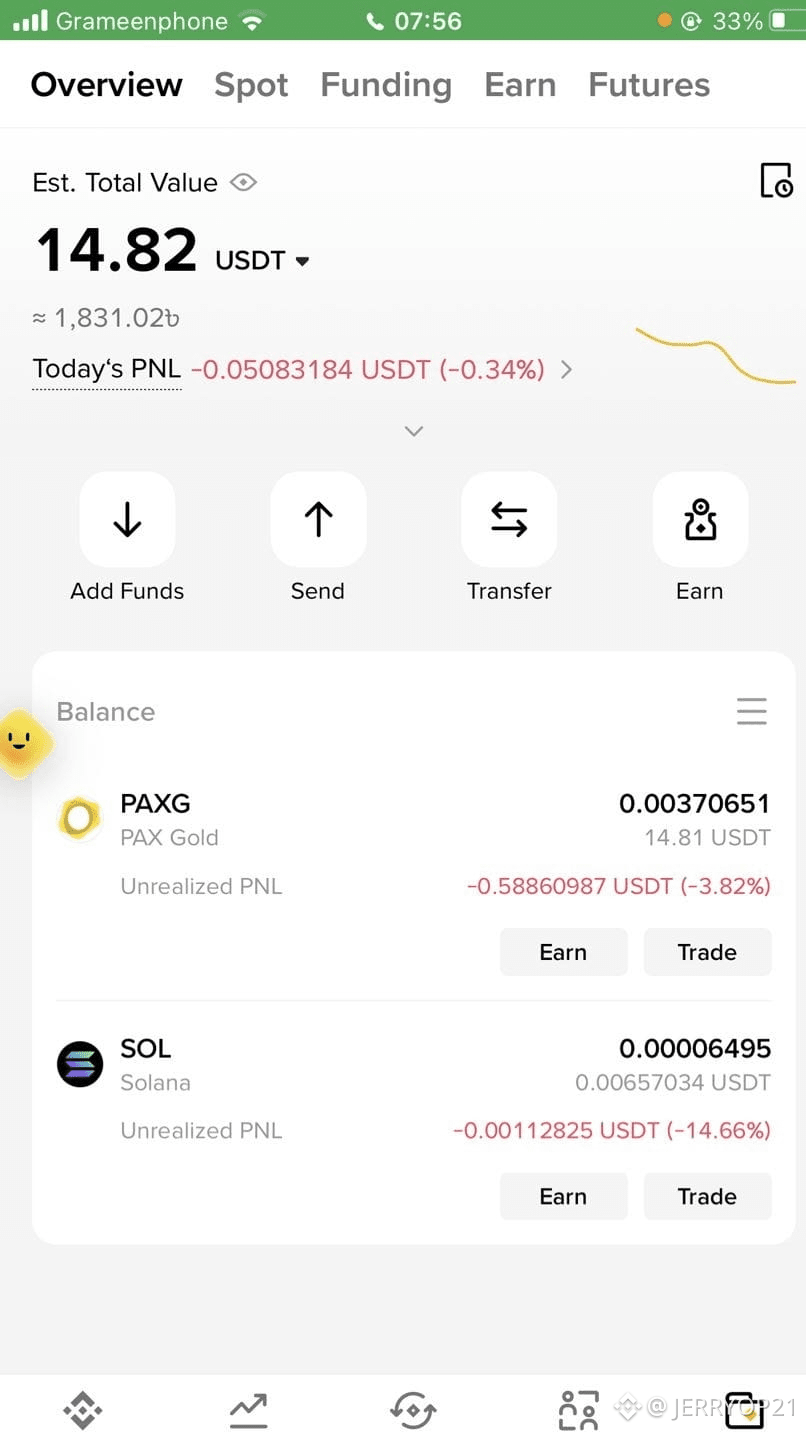
思ったんだけど、もっと私の#noobsjourney を文書化して共有すべきだと思う。#learntotrade について理解しているのは1-5%だけだ - 正直言って、私は#dummy ではないし、技術的に#simplescience のことや、簡単に学んで学ぶことができることについて学ぶのが好きだ🤭 最初の数週間はLiteでPNLグラフチャートを使ってやってみている。 そして、今日は繰り返しコンバージョンがあったことに気づいた😂。それも上手くいっている 私のオンラインCrypto Adventuresの#FollowForMore と、Zero2Heroに行けるかどうかの暗い投稿を通り抜けること そして、私はまだ自分のマイニングワーカーを始めていない - 正直言って、どうやってやるか分からなかった😂 その後、ラップトップを使う必要があることに気づいた😱 なぜ私が自分の電話アプリで何も見つけられないのか説明している - 私はサヴェージだから - Cryptoを取引している - それを失敗している - 時間だけが全てを教えてくれる 私の学習と取引をより速く、簡単にできることは十分に理解しているが、それは私がバトルパスを取得せずにそれを解決する目的を無意味にする バイナンスファミリー、イースターおめでとう
思ったんだけど、もっと私の#noobsjourney を文書化して共有すべきだと思う。#learntotrade について理解しているのは1-5%だけだ -

正直言って、私は#dummy ではないし、技術的に#simplescience のことや、簡単に学んで学ぶことができることについて学ぶのが好きだ🤭

最初の数週間はLiteでPNLグラフチャートを使ってやってみている。
そして、今日は繰り返しコンバージョンがあったことに気づいた😂。それも上手くいっている

私のオンラインCrypto Adventuresの#FollowForMore と、Zero2Heroに行けるかどうかの暗い投稿を通り抜けること

そして、私はまだ自分のマイニングワーカーを始めていない - 正直言って、どうやってやるか分からなかった😂 その後、ラップトップを使う必要があることに気づいた😱

なぜ私が自分の電話アプリで何も見つけられないのか説明している - 私はサヴェージだから - Cryptoを取引している - それを失敗している - 時間だけが全てを教えてくれる

私の学習と取引をより速く、簡単にできることは十分に理解しているが、それは私がバトルパスを取得せずにそれを解決する目的を無意味にする

バイナンスファミリー、イースターおめでとう
記事
翻訳参照
6. Bullish Belt Hold — Bullish reversal (opens at low, strong close higher)Welcome to your deep-dive lesson on one of the most powerful "gap-and-go" signals in technical analysis: The Bullish Belt Hold. In the world of Japanese Candlesticks, this pattern is also known as Yorikiri. It is a signal of sudden, overwhelming strength that catches sellers off guard and marks a definitive line in the sand for a new bullish trend. In this lesson, we will peel back every layer of this pattern—from its visual construction to the deep psychology of the traders involved—to ensure you can spot it, trust it, and trade it with confidence. 1. What Exactly is a Bullish Belt Hold? The Bullish Belt Hold is a single-candle bullish reversal pattern that typically appears at the end of a downtrend or during a sharp pullback in an uptrend. Imagine a market that has been sliding down for days. Pessimism is high. Then, suddenly, a new candle opens. Instead of drifting lower, it opens at its absolute lowest point and immediately explodes upward, closing near its high. This "shoves" the bears out of the way, creating a "belt" or a floor that price refuses to go below. The Anatomy of the Pattern To be a true Bullish Belt Hold, the candle must meet these strict criteria: The Opening Price: This is the most critical part. The candle must open at its absolute low for that period. This means there is no lower wick (or a microscopically small one). In technical terms, the Open = Low.The Body: It must be a long, healthy green (or white) bullish body. The larger the body, the more significant the reversal.The Upper Wick: It may have a small upper wick, but the candle should close near its high.The Context: It must appear after a series of red candles (a downtrend). 2. The Psychology: What are Traders Thinking? To trade like a pro, you must look past the "lines on a chart" and see the human emotions driving the price. The Setup (The Bearish Exhaustion) Before the Belt Hold appears, the "Bears" (sellers) are in total control. They have been pushing prices lower, and everyone expects the trend to continue. Short-sellers are feeling confident, and long-term holders are feeling fearful. The "Opening" Shock The market opens. Usually, in a downtrend, you'd expect the price to try and push a bit lower before finding support. But with the Bullish Belt Hold, the Open is the Low. From the very first second of the session, there are no sellers left willing to sell lower. The "Squeeze" As the price starts climbing immediately after the open, the "Bears" start to panic. Their stop-losses are triggered, which forces them to buy to close their positions. This adds fuel to the fire. Meanwhile, "Bulls" (buyers) see the sudden strength and jump in, afraid of missing the bottom. The Conclusion By the time the candle closes, the sentiment has completely flipped. The market has moved so far, so fast, that a "floor" has been established at the opening price. 3. Reliability Factors: When is it Strongest? Not every green candle is a Bullish Belt Hold. To find the "Gems" that lead to massive profits, look for these three boosters: A. The Length of the Body A tiny Belt Hold is weak. You want to see a Marubozu-like body. The longer the green body is relative to the previous 5–10 candles, the more "room" it has created between the old bearish trend and the new bullish reality. B. The Volume Spike If you see a Bullish Belt Hold accompanied by a huge surge in trading volume, it is a high-probability signal. This tells you that big institutional players (the "Whales") are the ones doing the buying, not just retail traders. C. Proximity to Support If the Bullish Belt Hold opens exactly on a major support level, a long-term moving average (like the 200 EMA), or a round psychological number (like $100.00), its reliability skyrockets. It confirms that the "floor" is backed by historical data. 4. How to Trade the Bullish Belt Hold (Step-by-Step) Don't just jump in the moment you see a green candle! Follow this professional checklist: Step 1: Identify the Trend Is the market in a clear downtrend? You need "room to reverse." If the market is just moving sideways (choppy), the Belt Hold loses its meaning. Step 2: Spot the Pattern Look for that Open = Low structure. Ensure the body is significantly large. Step 3: Wait for Confirmation A smart trader often waits for the next candle. If the next candle stays above the midpoint of the Belt Hold or breaks above its high, the signal is confirmed. Step 4: Set Your Stop-Loss The "Safety Zone" is just below the opening price of the Belt Hold candle. Since the Open was the Low, if the price ever goes back below that level, the pattern has failed, and you should exit immediately. Step 5: Target Your Take-Profit Look for the next major resistance level or the start of the previous bearish "swing high" as your first target. 5. Common Mistakes to Avoid Even the best patterns can fail if misapplied. Watch out for these "traps": Ignoring the Wick: If there is a noticeable wick at the bottom, it is NOT a Bullish Belt Hold. It might be a Hammer or a Piercing Pattern, but a true Belt Hold must open at its low to show that immediate, total rejection of lower prices.Trading in a Bull Market: If the market is already going up and you see this pattern, it's a Continuation signal, not a Reversal. It’s still bullish, but the "reversal" logic doesn't apply.Forgetting the "Gap": In many markets (like Stocks), the Bullish Belt Hold is even more powerful if it gaps down to open, then charges back up. If it just opens where the last candle closed, it’s slightly less aggressive. 6. Summary Comparison Table Bullish Belt Hold vs. Hammer Pattern Lower WickBullish Belt Hold: None (or almost none).Hammer Pattern: Very long (usually 2-3x the size of the body).Upper WickBullish Belt Hold: Very small.Hammer Pattern: Very small.Body SizeBullish Belt Hold: Large/Long.Hammer Pattern: Small.MeaningBullish Belt Hold: Indicates an immediate, aggressive takeover by buyers from the open.Hammer Pattern: Indicates the market tested new lows but saw a strong recovery within the same period.ReliabilityBullish Belt Hold: Moderate-High.Hammer Pattern: High. 7. Final Coaching Thought The Bullish Belt Hold is like a door slamming shut on the bears. It is a statement of intent. When you see it, you are seeing a moment where the sellers gave up and the buyers took the wheel without looking back. Practice finding these on your daily charts, and look for that "clean" open with no lower wick. That is where the power lies! By @mrjangken • ID: 766881381 • #CandlestickPatterns #TradingLessons #PriceAction #TechnicalAnalysis #LearnToTrade

6. Bullish Belt Hold — Bullish reversal (opens at low, strong close higher)

Welcome to your deep-dive lesson on one of the most powerful "gap-and-go" signals in technical analysis: The Bullish Belt Hold. In the world of Japanese Candlesticks, this pattern is also known as Yorikiri. It is a signal of sudden, overwhelming strength that catches sellers off guard and marks a definitive line in the sand for a new bullish trend.
In this lesson, we will peel back every layer of this pattern—from its visual construction to the deep psychology of the traders involved—to ensure you can spot it, trust it, and trade it with confidence.
1. What Exactly is a Bullish Belt Hold?
The Bullish Belt Hold is a single-candle bullish reversal pattern that typically appears at the end of a downtrend or during a sharp pullback in an uptrend.
Imagine a market that has been sliding down for days. Pessimism is high. Then, suddenly, a new candle opens. Instead of drifting lower, it opens at its absolute lowest point and immediately explodes upward, closing near its high. This "shoves" the bears out of the way, creating a "belt" or a floor that price refuses to go below.
The Anatomy of the Pattern
To be a true Bullish Belt Hold, the candle must meet these strict criteria:
The Opening Price: This is the most critical part. The candle must open at its absolute low for that period. This means there is no lower wick (or a microscopically small one). In technical terms, the Open = Low.The Body: It must be a long, healthy green (or white) bullish body. The larger the body, the more significant the reversal.The Upper Wick: It may have a small upper wick, but the candle should close near its high.The Context: It must appear after a series of red candles (a downtrend).

2. The Psychology: What are Traders Thinking?
To trade like a pro, you must look past the "lines on a chart" and see the human emotions driving the price.
The Setup (The Bearish Exhaustion)
Before the Belt Hold appears, the "Bears" (sellers) are in total control. They have been pushing prices lower, and everyone expects the trend to continue. Short-sellers are feeling confident, and long-term holders are feeling fearful.
The "Opening" Shock
The market opens. Usually, in a downtrend, you'd expect the price to try and push a bit lower before finding support. But with the Bullish Belt Hold, the Open is the Low. From the very first second of the session, there are no sellers left willing to sell lower.
The "Squeeze"
As the price starts climbing immediately after the open, the "Bears" start to panic. Their stop-losses are triggered, which forces them to buy to close their positions. This adds fuel to the fire. Meanwhile, "Bulls" (buyers) see the sudden strength and jump in, afraid of missing the bottom.
The Conclusion
By the time the candle closes, the sentiment has completely flipped. The market has moved so far, so fast, that a "floor" has been established at the opening price.
3. Reliability Factors: When is it Strongest?
Not every green candle is a Bullish Belt Hold. To find the "Gems" that lead to massive profits, look for these three boosters:
A. The Length of the Body
A tiny Belt Hold is weak. You want to see a Marubozu-like body. The longer the green body is relative to the previous 5–10 candles, the more "room" it has created between the old bearish trend and the new bullish reality.
B. The Volume Spike
If you see a Bullish Belt Hold accompanied by a huge surge in trading volume, it is a high-probability signal. This tells you that big institutional players (the "Whales") are the ones doing the buying, not just retail traders.
C. Proximity to Support
If the Bullish Belt Hold opens exactly on a major support level, a long-term moving average (like the 200 EMA), or a round psychological number (like $100.00), its reliability skyrockets. It confirms that the "floor" is backed by historical data.
4. How to Trade the Bullish Belt Hold (Step-by-Step)
Don't just jump in the moment you see a green candle! Follow this professional checklist:
Step 1: Identify the Trend
Is the market in a clear downtrend? You need "room to reverse." If the market is just moving sideways (choppy), the Belt Hold loses its meaning.
Step 2: Spot the Pattern
Look for that Open = Low structure. Ensure the body is significantly large.
Step 3: Wait for Confirmation
A smart trader often waits for the next candle. If the next candle stays above the midpoint of the Belt Hold or breaks above its high, the signal is confirmed.
Step 4: Set Your Stop-Loss
The "Safety Zone" is just below the opening price of the Belt Hold candle. Since the Open was the Low, if the price ever goes back below that level, the pattern has failed, and you should exit immediately.
Step 5: Target Your Take-Profit
Look for the next major resistance level or the start of the previous bearish "swing high" as your first target.
5. Common Mistakes to Avoid
Even the best patterns can fail if misapplied. Watch out for these "traps":
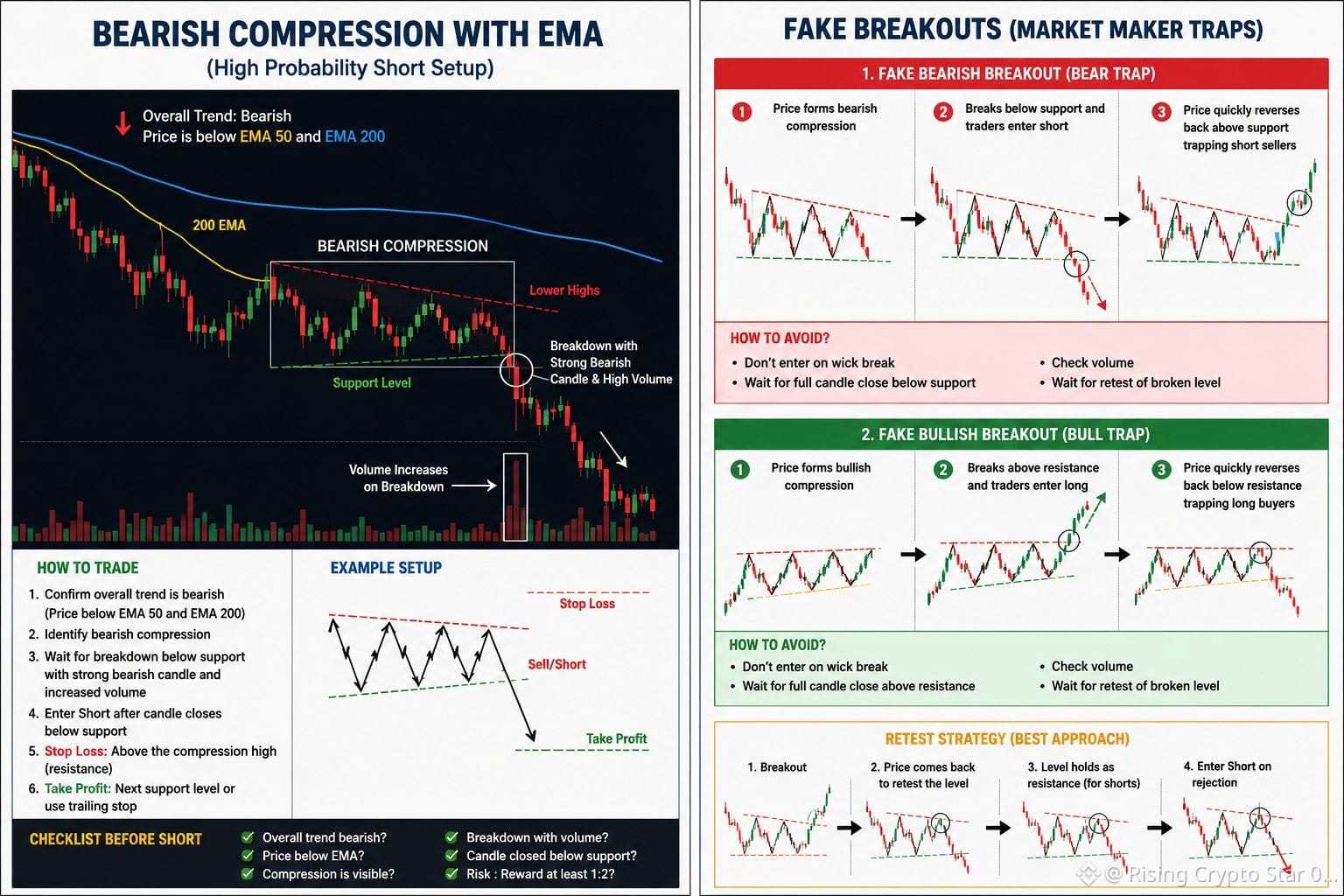
Ignoring the Wick: If there is a noticeable wick at the bottom, it is NOT a Bullish Belt Hold. It might be a Hammer or a Piercing Pattern, but a true Belt Hold must open at its low to show that immediate, total rejection of lower prices.Trading in a Bull Market: If the market is already going up and you see this pattern, it's a Continuation signal, not a Reversal. It’s still bullish, but the "reversal" logic doesn't apply.Forgetting the "Gap": In many markets (like Stocks), the Bullish Belt Hold is even more powerful if it gaps down to open, then charges back up. If it just opens where the last candle closed, it’s slightly less aggressive.
6. Summary Comparison Table
Bullish Belt Hold vs. Hammer Pattern
Lower WickBullish Belt Hold: None (or almost none).Hammer Pattern: Very long (usually 2-3x the size of the body).Upper WickBullish Belt Hold: Very small.Hammer Pattern: Very small.Body SizeBullish Belt Hold: Large/Long.Hammer Pattern: Small.MeaningBullish Belt Hold: Indicates an immediate, aggressive takeover by buyers from the open.Hammer Pattern: Indicates the market tested new lows but saw a strong recovery within the same period.ReliabilityBullish Belt Hold: Moderate-High.Hammer Pattern: High.
7. Final Coaching Thought
The Bullish Belt Hold is like a door slamming shut on the bears. It is a statement of intent. When you see it, you are seeing a moment where the sellers gave up and the buyers took the wheel without looking back. Practice finding these on your daily charts, and look for that "clean" open with no lower wick. That is where the power lies!
By @MrJangKen • ID: 766881381 •
#CandlestickPatterns #TradingLessons #PriceAction #TechnicalAnalysis #LearnToTrade
記事
翻訳参照
5. Bullish Marubozu — Strong bullish momentum/continuation (long green body, no/minimal wicks)Welcome to the definitive guide on one of the most powerful and unmistakable signals in the world of price action trading: The Bullish Marubozu. In the world of Japanese Candlestick patterns, "Marubozu" (pronounced mah-roo-boh-zoo) translates roughly to "bald" or "shaved head." While that might sound like an odd name for a financial chart pattern, it perfectly describes what you are seeing. A Marubozu is a candle with no "hair"—meaning it has no wicks (shadows) on either the top or the bottom. When you see a Bullish Marubozu, you aren't just looking at a green rectangle; you are looking at a total takeover. It is the visual representation of one side of the market—the buyers—completely crushing the sellers from the second the clock starts until the second it stops. 1. Anatomy of a Bullish Marubozu: What Does It Look Like? To understand the Bullish Marubozu, we have to look at its physical structure. In trading, wicks represent "rejection" or "hesitation." They show where the price tried to go but couldn't stay. The Bullish Marubozu is famous because it has zero hesitation. The Three Key Features: The Open: The price opens at its absolute lowest point of the session. There is no "dip" below the opening price.The Body: The candle is a long, solid green (or white) vertical bar. This represents a massive price increase.The Close: The price closes at its absolute highest point of the session. There is no "pullback" before the candle finishes. In a "perfect" Bullish Marubozu, the Open = Low and the Close = High. However, in real-world trading, you might see a tiny, microscopic wick on either end. As long as the body makes up about 95% or more of the candle's total range, it is still considered a Marubozu. It tells the same story: The Bulls (buyers) started strong and finished even stronger. 2. The Psychology: What Is the Market Thinking? Every candlestick tells a story of a battle between two armies: The Bulls (who want prices to go up) and The Bears (who want prices to go down). Imagine a tug-of-war where one team is so strong that the other team doesn't even get to move the rope an inch in their direction. That is the Bullish Marubozu. The Start of the Session: As soon as the market opens, buyers jump in immediately. There is so much demand that the price never even ticks down below the opening price.During the Session: Buyers continue to pour in. They are willing to pay higher and higher prices throughout the entire timeframe (whether it's a 5-minute chart or a Daily chart).The End of the Session: Right up until the final second, buyers are still aggressive. They don't take profits, and they don't get scared. The candle closes at the very top. The take-away: This pattern indicates extreme conviction. It shows that the bears have completely given up, and the bulls are in total control. 3. Market Context: Where Does It Appear? A Bullish Marubozu's meaning changes slightly depending on where you find it on your chart. Context is everything in trading! A. The Bullish Continuation (In an Uptrend) If the market is already moving up and a Bullish Marubozu appears, it’s like someone just stepped on the gas pedal of a car. It suggests that the trend is healthy, strong, and likely to continue much higher. It tells you, "The buyers aren't tired yet!" B. The Bullish Reversal (At the Bottom of a Downtrend) If the market has been falling for days and suddenly a giant Bullish Marubozu appears, it’s a massive "Stop" sign for the bears. It indicates that buyers have found a price they love and have entered the market with so much force that they've instantly reversed the momentum. C. The Breakout (At Resistance) This is perhaps the most powerful version. If the price has been stuck under a "ceiling" (Resistance) and a Bullish Marubozu blasts through that ceiling and closes above it, it confirms a breakout. It shows the market has enough power to sustain prices at new highs. 4. How to Trade the Bullish Marubozu While the Marubozu is a "Strong" signal, smart traders never trade a single candle in isolation. We look for confirmation. Step 1: Identify the Trend Is the Marubozu moving with the overall trend? If the Daily trend is up and you see a Marubozu on the 1-hour chart, your odds of success are much higher. Step 2: Look for High Volume A true Bullish Marubozu should be accompanied by a spike in trading volume. High volume means a lot of people participated in that move, making it more reliable. If the volume is low, the Marubozu might be a "fake-out." Step 3: Entry and Stop Loss Entry: Many traders enter a "Long" (Buy) position as soon as the Marubozu candle closes, or they wait for the next candle to break above the Marubozu's high.Stop Loss: The safest place for a stop loss is usually just below the bottom (the Open) of the Marubozu candle. Since the bulls were so strong there, if the price falls back below that level, the pattern has failed. 5. Common Mistakes to Avoid Even the most powerful patterns can lead to losses if you aren't careful. Here are the "Gems of Wisdom" to keep you safe: Don't Chase "Overextended" Marubozus: Sometimes a Marubozu is so huge that the move is already "exhausted." If the candle is 5 times larger than any other candle on the chart, the market might need to rest or "pull back" before going higher.Ignoring Resistance: If a Bullish Marubozu stops right under a major historical resistance level, don't buy yet! Wait to see if it can actually break through.Trading in a "Choppy" Market: If the market is moving sideways in a tight range, candles often lose their meaning. Wait for the Marubozu to appear in a clear trend or as part of a breakout. 6. Summary Table for Quick Reference Feature Description Reliability High (especially with volume) Candle Type Single Candle Appearance Long green body, no wicks Trend Position Reversal at bottom / Continuation in uptrend Market Message Total Bullish Dominance Confirmation Next candle breaks High 7. Practice Quiz: Test Your Knowledge! Let's see if you've mastered the Bullish Marubozu! What does the word "Marubozu" mean in Japanese?(Answer: Bald or Shaved Head, referring to the lack of wicks.)If a Bullish Marubozu has a tiny wick at the top, what does that tell you?(Answer: It means there was a very slight amount of profit-taking or selling right before the close, but the bulls are still mostly in control.)Where should you usually place your Stop Loss when trading this pattern?(Answer: Just below the Open/Low of the Marubozu candle.) Final Thoughts from your Coach The Bullish Marubozu is your "Green Light." It is the market's way of shouting, "The buyers are here, and they mean business!" When you see this pattern, stop what you are doing and look at the volume and the trend. It is one of the clearest signals you will ever find on a price chart. Keep your charts clean, stay patient, and wait for that "Bald" candle to show you where the big money is moving! By @mrjangken • ID: 766881381 • #CandlestickPatterns #TradingLessons #PriceAction #TechnicalAnalysis #LearnToTrade

5. Bullish Marubozu — Strong bullish momentum/continuation (long green body, no/minimal wicks)

Welcome to the definitive guide on one of the most powerful and unmistakable signals in the world of price action trading: The Bullish Marubozu.
In the world of Japanese Candlestick patterns, "Marubozu" (pronounced mah-roo-boh-zoo) translates roughly to "bald" or "shaved head." While that might sound like an odd name for a financial chart pattern, it perfectly describes what you are seeing. A Marubozu is a candle with no "hair"—meaning it has no wicks (shadows) on either the top or the bottom.
When you see a Bullish Marubozu, you aren't just looking at a green rectangle; you are looking at a total takeover. It is the visual representation of one side of the market—the buyers—completely crushing the sellers from the second the clock starts until the second it stops.
1. Anatomy of a Bullish Marubozu: What Does It Look Like?
To understand the Bullish Marubozu, we have to look at its physical structure. In trading, wicks represent "rejection" or "hesitation." They show where the price tried to go but couldn't stay. The Bullish Marubozu is famous because it has zero hesitation.
The Three Key Features:
The Open: The price opens at its absolute lowest point of the session. There is no "dip" below the opening price.The Body: The candle is a long, solid green (or white) vertical bar. This represents a massive price increase.The Close: The price closes at its absolute highest point of the session. There is no "pullback" before the candle finishes.

In a "perfect" Bullish Marubozu, the Open = Low and the Close = High.
However, in real-world trading, you might see a tiny, microscopic wick on either end. As long as the body makes up about 95% or more of the candle's total range, it is still considered a Marubozu. It tells the same story: The Bulls (buyers) started strong and finished even stronger.
2. The Psychology: What Is the Market Thinking?
Every candlestick tells a story of a battle between two armies: The Bulls (who want prices to go up) and The Bears (who want prices to go down).
Imagine a tug-of-war where one team is so strong that the other team doesn't even get to move the rope an inch in their direction. That is the Bullish Marubozu.
The Start of the Session: As soon as the market opens, buyers jump in immediately. There is so much demand that the price never even ticks down below the opening price.During the Session: Buyers continue to pour in. They are willing to pay higher and higher prices throughout the entire timeframe (whether it's a 5-minute chart or a Daily chart).The End of the Session: Right up until the final second, buyers are still aggressive. They don't take profits, and they don't get scared. The candle closes at the very top.
The take-away: This pattern indicates extreme conviction. It shows that the bears have completely given up, and the bulls are in total control.
3. Market Context: Where Does It Appear?
A Bullish Marubozu's meaning changes slightly depending on where you find it on your chart. Context is everything in trading!
A. The Bullish Continuation (In an Uptrend)
If the market is already moving up and a Bullish Marubozu appears, it’s like someone just stepped on the gas pedal of a car. It suggests that the trend is healthy, strong, and likely to continue much higher. It tells you, "The buyers aren't tired yet!"
B. The Bullish Reversal (At the Bottom of a Downtrend)
If the market has been falling for days and suddenly a giant Bullish Marubozu appears, it’s a massive "Stop" sign for the bears. It indicates that buyers have found a price they love and have entered the market with so much force that they've instantly reversed the momentum.
C. The Breakout (At Resistance)
This is perhaps the most powerful version. If the price has been stuck under a "ceiling" (Resistance) and a Bullish Marubozu blasts through that ceiling and closes above it, it confirms a breakout. It shows the market has enough power to sustain prices at new highs.
4. How to Trade the Bullish Marubozu
While the Marubozu is a "Strong" signal, smart traders never trade a single candle in isolation. We look for confirmation.
Step 1: Identify the Trend
Is the Marubozu moving with the overall trend? If the Daily trend is up and you see a Marubozu on the 1-hour chart, your odds of success are much higher.
Step 2: Look for High Volume
A true Bullish Marubozu should be accompanied by a spike in trading volume. High volume means a lot of people participated in that move, making it more reliable. If the volume is low, the Marubozu might be a "fake-out."
Step 3: Entry and Stop Loss
Entry: Many traders enter a "Long" (Buy) position as soon as the Marubozu candle closes, or they wait for the next candle to break above the Marubozu's high.Stop Loss: The safest place for a stop loss is usually just below the bottom (the Open) of the Marubozu candle. Since the bulls were so strong there, if the price falls back below that level, the pattern has failed.

5. Common Mistakes to Avoid
Even the most powerful patterns can lead to losses if you aren't careful. Here are the "Gems of Wisdom" to keep you safe:
Don't Chase "Overextended" Marubozus: Sometimes a Marubozu is so huge that the move is already "exhausted." If the candle is 5 times larger than any other candle on the chart, the market might need to rest or "pull back" before going higher.Ignoring Resistance: If a Bullish Marubozu stops right under a major historical resistance level, don't buy yet! Wait to see if it can actually break through.Trading in a "Choppy" Market: If the market is moving sideways in a tight range, candles often lose their meaning. Wait for the Marubozu to appear in a clear trend or as part of a breakout.
6. Summary Table for Quick Reference
Feature Description
Reliability High (especially with volume)
Candle Type Single Candle
Appearance Long green body, no wicks
Trend Position Reversal at bottom / Continuation in uptrend
Market Message Total Bullish Dominance
Confirmation Next candle breaks High
7. Practice Quiz: Test Your Knowledge!
Let's see if you've mastered the Bullish Marubozu!
What does the word "Marubozu" mean in Japanese?(Answer: Bald or Shaved Head, referring to the lack of wicks.)If a Bullish Marubozu has a tiny wick at the top, what does that tell you?(Answer: It means there was a very slight amount of profit-taking or selling right before the close, but the bulls are still mostly in control.)Where should you usually place your Stop Loss when trading this pattern?(Answer: Just below the Open/Low of the Marubozu candle.)
Final Thoughts from your Coach
The Bullish Marubozu is your "Green Light." It is the market's way of shouting, "The buyers are here, and they mean business!" When you see this pattern, stop what you are doing and look at the volume and the trend. It is one of the clearest signals you will ever find on a price chart.
Keep your charts clean, stay patient, and wait for that "Bald" candle to show you where the big money is moving!
By @MrJangKen • ID: 766881381 •
#CandlestickPatterns #TradingLessons #PriceAction #TechnicalAnalysis #LearnToTrade
翻訳参照
$STO #learntotrade should have run the trade longer. but at least we learnt to respect the trend 😉
$STO #learntotrade
should have run the trade longer.
but at least we learnt to respect the trend 😉
記事
3. 強気のスピニングトップ — 迷い(小さなボディ、長いウィック;潜在的な反転)価格アクショントレーディングの世界で最も微妙でありながら強力なシグナルの1つ、強気のスピニングトップについての包括的な深掘りへようこそ。あなたの専任キャンドルスティックジェムマネージャーとして、このパターンの層を剥がすためにここにいます。いくつかのトレーダーはその小さなサイズのためにこれを見落としますが、スピニングトップは実際には「叫んでいる」シグナルが「ささやき」に包まれているのです。それは、舞台裏で大規模な綱引きが行われていることを私たちに伝え、重要な動きがすぐそこにあるかもしれないことを示しています。 強気のスピニングトップとは何ですか?

3. 強気のスピニングトップ — 迷い(小さなボディ、長いウィック;潜在的な反転)

価格アクショントレーディングの世界で最も微妙でありながら強力なシグナルの1つ、強気のスピニングトップについての包括的な深掘りへようこそ。あなたの専任キャンドルスティックジェムマネージャーとして、このパターンの層を剥がすためにここにいます。いくつかのトレーダーはその小さなサイズのためにこれを見落としますが、スピニングトップは実際には「叫んでいる」シグナルが「ささやき」に包まれているのです。それは、舞台裏で大規模な綱引きが行われていることを私たちに伝え、重要な動きがすぐそこにあるかもしれないことを示しています。
強気のスピニングトップとは何ですか?
記事
2. インバーテッドハンマー — 強気の反転(下落トレンド;小さなボディ、長い上ヒゲ)価格アクショントレーディングの世界で最も興味深いシグナルの1つ、インバーテッドハンマーに関する包括的なマスタークラスへようこそ。 日本のローソク足の世界では、私たちはしばしば「転換点」を探します。これは、市場が長い間一方向に進んでいたが、突然風向きが変わる瞬間です。インバーテッドハンマーはまさにそれです。これは、ベア(売り手)がその grip を失い、ブル(買い手)がその力を発揮し始めているという信号です。 1. インバーテッドハンマーとは何ですか?

2. インバーテッドハンマー — 強気の反転(下落トレンド;小さなボディ、長い上ヒゲ)

価格アクショントレーディングの世界で最も興味深いシグナルの1つ、インバーテッドハンマーに関する包括的なマスタークラスへようこそ。
日本のローソク足の世界では、私たちはしばしば「転換点」を探します。これは、市場が長い間一方向に進んでいたが、突然風向きが変わる瞬間です。インバーテッドハンマーはまさにそれです。これは、ベア(売り手)がその grip を失い、ブル(買い手)がその力を発揮し始めているという信号です。
1. インバーテッドハンマーとは何ですか?
記事
翻訳参照
4. Dragonfly Doji — Bullish reversal (long lower wick, open/close near high)Welcome to one of the most important lessons in your trading journey. Today, we are going to dive deep into a single, elegant, and incredibly powerful signal: The Dragonfly Doji. In the world of Japanese Candlestick patterns, Dojis represent moments of intense market indecision. However, the Dragonfly Doji is special. It isn't just "undecided"—it is a story of a failed takeover by sellers and a heroic comeback by buyers. By the end of this guide, you will understand exactly how to spot it, why it happens, and how to use it to find high-probability trading opportunities. 1. What is a Dragonfly Doji? At its heart, the Dragonfly Doji is a bullish reversal pattern. This means it usually appears at the end of a downtrend and signals that the price might be ready to start heading back up. The Anatomy Visually, it looks like a "T" or a dragonfly hovering over the water. It has three main characteristics: The Open, High, and Close are the same (or very close): This creates a flat horizontal line at the very top of the candle.No Upper Wick: Because the price closed at the high of the session, there is no "tail" sticking out of the top.A Long Lower Wick: This is the most important part. It shows that during the session, sellers pushed the price way down, but buyers fought back and pushed it all the way back up to where it started. 2. The Psychology: What is the Market Thinking? To be a great trader, you must stop seeing candles as just "lines on a screen" and start seeing them as a battle between two armies: the Bulls (Buyers) and the Bears (Sellers). Here is the "story" behind a Dragonfly Doji: The Opening Bell: The market opens, and the Bears are feeling confident. They have been in control, pushing prices lower for days.The Attack: The Bears strike hard. They sell aggressively, driving the price down to a new low. At this point, the candle looks like a long, scary red bar. It looks like the downtrend will continue forever.The Counter-Attack: Suddenly, at that low price, the Bulls see "value." They start buying everything. They are so aggressive that they completely overwhelm the Bears.The Victory: By the time the session ends, the Bulls have pushed the price all the way back up to the starting point. The Bears have failed to keep the price down. When you see a Dragonfly Doji, you are seeing a rejection of lower prices. The market tried to go lower, and the door was slammed shut. 3. How to Identify a Perfect Dragonfly Doji Not every "T-shaped" candle is a true Dragonfly. Here is a checklist to ensure you are looking at the real deal: A. The Context (The Background) A Dragonfly Doji is most powerful when it appears after a prolonged downtrend. If the market is just moving sideways (ranging), a Doji doesn't mean much—it's just noise. But if the market has been falling for 5 or 10 candles and then you see a Dragonfly, pay close attention. B. The Lower Wick Length The lower wick should be significantly longer than the "body" (the flat line at the top). The longer the wick, the more powerful the rejection of the sellers. A long wick tells us that the "tussle" at the bottom was intense and the recovery was massive. C. The High Ideally, there should be no upper wick at all. If there is a tiny "pimple" of a wick on top, it’s still technically a Dragonfly, but a perfect flat top is the strongest signal because it shows the Bulls finished the day at the absolute peak of their power. 4. Trading Strategy: How to Trade the Dragonfly Doji You should never jump into a trade the instant you see the pattern. We need a plan. Step 1: Wait for Confirmation A Dragonfly Doji is a "potential" reversal. We need the next candle to prove the Bulls are still in charge. Wait for the next candle to close above the Dragonfly's high. * If the next candle is a strong green (bullish) candle, the signal is confirmed. Step 2: Entry Point Enter a Long (Buy) position once the confirmation candle closes or when the price breaks above the high of the Dragonfly Doji. Step 3: Stop Loss (Your Safety Net) The most logical place for a Stop Loss is just below the tip of the long lower wick. Why? Because if the price falls below that wick, it means the "rejection" failed and the Bears have regained control. Your trade idea is no longer valid, and it’s time to get out. Step 4: Take Profit Look for previous "Resistance" levels—areas where the price struggled to go higher in the past. Or, aim for a Risk-to-Reward ratio of at least 1:2 (meaning if you risk $10, you aim to make $20). 5. Reliability Factors How do you know if a Dragonfly Doji is "High Quality" or "Low Quality"? FeatureHigh ReliabilityLow ReliabilityPrevious TrendStrong, clear downtrend.Side-ways or choppy market.Support LevelForms exactly on a Support line or Moving Average.Forms in "the middle of nowhere."Wick LengthVery long (2x-3x the size of surrounding candles).Short or average wick.VolumeHigh volume on the Dragonfly candle.Very low trading volume. 6. Common Mistakes to Avoid Even the best patterns can fail. Here are the traps beginners fall into: Ignoring the Trend: Buying a Dragonfly Doji during a strong uptrend. While it can be a "continuation" signal, it is primarily a reversal tool. Using it in the wrong context leads to "fake-outs."No Confirmation: Entering the trade before the next candle closes. Sometimes, the market creates a Dragonfly and then immediately keeps crashing. Always wait for that green confirmation candle!Mistaking it for a "Hanging Man": A Hanging Man looks similar but has a small body at the top. While also a reversal signal, the Doji version (no body) is technically a more "pure" representation of indecision-turned-reversal. 7. Real-Chart Story: The "Bounced Ball" Analogy Think of the price action like a rubber ball dropped from a tall building. The Downtrend is the ball falling.The Lower Wick is the ball hitting the concrete floor.The Close at the High is the ball bouncing back up into the air. If the ball doesn't bounce (no wick), it's just a dead weight. If it hits the floor and snaps back up instantly, you know there is a lot of energy (buying pressure) at that floor. That floor is your Support Level. 8. Summary for Your Trading Journal Pattern Name: Dragonfly DojiCategory: Single Candle PatternMarket Context: End of a downtrend / At a support level.Sentiment: Bullish Reversal.Action: Look for Buy opportunities after bullish confirmation.Pro Tip: Look for this pattern on higher timeframes (like the 4-hour or Daily chart) for much higher accuracy. The Dragonfly Doji is a gift from the market—it is the market's way of saying, "I've gone as low as I want to go for now." When you see it, take a deep breath, wait for your confirmation, and prepare for the bounce! By @mrjangken • ID: 766881381 • #CandlestickPatterns #TradingLessons #PriceAction #TechnicalAnalysis #LearnToTrade

4. Dragonfly Doji — Bullish reversal (long lower wick, open/close near high)

Welcome to one of the most important lessons in your trading journey. Today, we are going to dive deep into a single, elegant, and incredibly powerful signal: The Dragonfly Doji.
In the world of Japanese Candlestick patterns, Dojis represent moments of intense market indecision. However, the Dragonfly Doji is special. It isn't just "undecided"—it is a story of a failed takeover by sellers and a heroic comeback by buyers. By the end of this guide, you will understand exactly how to spot it, why it happens, and how to use it to find high-probability trading opportunities.
1. What is a Dragonfly Doji?
At its heart, the Dragonfly Doji is a bullish reversal pattern. This means it usually appears at the end of a downtrend and signals that the price might be ready to start heading back up.
The Anatomy
Visually, it looks like a "T" or a dragonfly hovering over the water. It has three main characteristics:
The Open, High, and Close are the same (or very close): This creates a flat horizontal line at the very top of the candle.No Upper Wick: Because the price closed at the high of the session, there is no "tail" sticking out of the top.A Long Lower Wick: This is the most important part. It shows that during the session, sellers pushed the price way down, but buyers fought back and pushed it all the way back up to where it started.

2. The Psychology: What is the Market Thinking?
To be a great trader, you must stop seeing candles as just "lines on a screen" and start seeing them as a battle between two armies: the Bulls (Buyers) and the Bears (Sellers).
Here is the "story" behind a Dragonfly Doji:
The Opening Bell: The market opens, and the Bears are feeling confident. They have been in control, pushing prices lower for days.The Attack: The Bears strike hard. They sell aggressively, driving the price down to a new low. At this point, the candle looks like a long, scary red bar. It looks like the downtrend will continue forever.The Counter-Attack: Suddenly, at that low price, the Bulls see "value." They start buying everything. They are so aggressive that they completely overwhelm the Bears.The Victory: By the time the session ends, the Bulls have pushed the price all the way back up to the starting point. The Bears have failed to keep the price down.
When you see a Dragonfly Doji, you are seeing a rejection of lower prices. The market tried to go lower, and the door was slammed shut.
3. How to Identify a Perfect Dragonfly Doji
Not every "T-shaped" candle is a true Dragonfly. Here is a checklist to ensure you are looking at the real deal:
A. The Context (The Background)
A Dragonfly Doji is most powerful when it appears after a prolonged downtrend. If the market is just moving sideways (ranging), a Doji doesn't mean much—it's just noise. But if the market has been falling for 5 or 10 candles and then you see a Dragonfly, pay close attention.
B. The Lower Wick Length
The lower wick should be significantly longer than the "body" (the flat line at the top). The longer the wick, the more powerful the rejection of the sellers. A long wick tells us that the "tussle" at the bottom was intense and the recovery was massive.
C. The High
Ideally, there should be no upper wick at all. If there is a tiny "pimple" of a wick on top, it’s still technically a Dragonfly, but a perfect flat top is the strongest signal because it shows the Bulls finished the day at the absolute peak of their power.
4. Trading Strategy: How to Trade the Dragonfly Doji
You should never jump into a trade the instant you see the pattern. We need a plan.
Step 1: Wait for Confirmation
A Dragonfly Doji is a "potential" reversal. We need the next candle to prove the Bulls are still in charge.
Wait for the next candle to close above the Dragonfly's high. * If the next candle is a strong green (bullish) candle, the signal is confirmed.
Step 2: Entry Point
Enter a Long (Buy) position once the confirmation candle closes or when the price breaks above the high of the Dragonfly Doji.
Step 3: Stop Loss (Your Safety Net)
The most logical place for a Stop Loss is just below the tip of the long lower wick.
Why? Because if the price falls below that wick, it means the "rejection" failed and the Bears have regained control. Your trade idea is no longer valid, and it’s time to get out.
Step 4: Take Profit
Look for previous "Resistance" levels—areas where the price struggled to go higher in the past. Or, aim for a Risk-to-Reward ratio of at least 1:2 (meaning if you risk $10, you aim to make $20).
5. Reliability Factors
How do you know if a Dragonfly Doji is "High Quality" or "Low Quality"?
FeatureHigh ReliabilityLow ReliabilityPrevious TrendStrong, clear downtrend.Side-ways or choppy market.Support LevelForms exactly on a Support line or Moving Average.Forms in "the middle of nowhere."Wick LengthVery long (2x-3x the size of surrounding candles).Short or average wick.VolumeHigh volume on the Dragonfly candle.Very low trading volume.
6. Common Mistakes to Avoid
Even the best patterns can fail. Here are the traps beginners fall into:
Ignoring the Trend: Buying a Dragonfly Doji during a strong uptrend. While it can be a "continuation" signal, it is primarily a reversal tool. Using it in the wrong context leads to "fake-outs."No Confirmation: Entering the trade before the next candle closes. Sometimes, the market creates a Dragonfly and then immediately keeps crashing. Always wait for that green confirmation candle!Mistaking it for a "Hanging Man": A Hanging Man looks similar but has a small body at the top. While also a reversal signal, the Doji version (no body) is technically a more "pure" representation of indecision-turned-reversal.
7. Real-Chart Story: The "Bounced Ball" Analogy
Think of the price action like a rubber ball dropped from a tall building.
The Downtrend is the ball falling.The Lower Wick is the ball hitting the concrete floor.The Close at the High is the ball bouncing back up into the air.
If the ball doesn't bounce (no wick), it's just a dead weight. If it hits the floor and snaps back up instantly, you know there is a lot of energy (buying pressure) at that floor. That floor is your Support Level.
8. Summary for Your Trading Journal
Pattern Name: Dragonfly DojiCategory: Single Candle PatternMarket Context: End of a downtrend / At a support level.Sentiment: Bullish Reversal.Action: Look for Buy opportunities after bullish confirmation.Pro Tip: Look for this pattern on higher timeframes (like the 4-hour or Daily chart) for much higher accuracy.
The Dragonfly Doji is a gift from the market—it is the market's way of saying, "I've gone as low as I want to go for now." When you see it, take a deep breath, wait for your confirmation, and prepare for the bounce!
By @MrJangKen • ID: 766881381 •
#CandlestickPatterns #TradingLessons #PriceAction #TechnicalAnalysis #LearnToTrade
記事
1. ハンマー — 強気の反転(下落トレンド; 小さなボディ、長い下ヒゲ)価格アクションをマスターするための最初のステップへようこそ。今日は、「チャート上の線」を見るだけではありません。市場の魂を見ていきます。ハンマーを学びます。 105種類のローソク足パターンの世界では、ハンマーはおそらく最も有名で、最も認知されており、正しく使用されれば市場の転換点の最も強力なシグナルの一つです。しかし、そのシンプルな形に騙されないでください。この1本のキャンドルの背後には、買い手と売り手の間の大きな戦いがあります。

1. ハンマー — 強気の反転(下落トレンド; 小さなボディ、長い下ヒゲ)

価格アクションをマスターするための最初のステップへようこそ。今日は、「チャート上の線」を見るだけではありません。市場の魂を見ていきます。ハンマーを学びます。
105種類のローソク足パターンの世界では、ハンマーはおそらく最も有名で、最も認知されており、正しく使用されれば市場の転換点の最も強力なシグナルの一つです。しかし、そのシンプルな形に騙されないでください。この1本のキャンドルの背後には、買い手と売り手の間の大きな戦いがあります。
TikTokからトレーディングを学ぶな!🤡 90秒のクリップではプロにはなれません。代わりに: 📚 マーケット心理学の本を読む 🎧 トレーディング心理学のポッドキャストを聞く 📊 過去のチャートを分析する 本当の成功を望むなら、成功したトレーダーが何をしているのか、インフルエンサーがあなたに信じさせたいことではなく、学びなさい。 #CryptoEducation #LearnToTrade #FinancialFreedom #CryptoTips
TikTokからトレーディングを学ぶな!🤡

90秒のクリップではプロにはなれません。代わりに:
📚 マーケット心理学の本を読む
🎧 トレーディング心理学のポッドキャストを聞く
📊 過去のチャートを分析する

本当の成功を望むなら、成功したトレーダーが何をしているのか、インフルエンサーがあなたに信じさせたいことではなく、学びなさい。

#CryptoEducation #LearnToTrade #FinancialFreedom #CryptoTips
·
--
Crypto Insiders
·
--
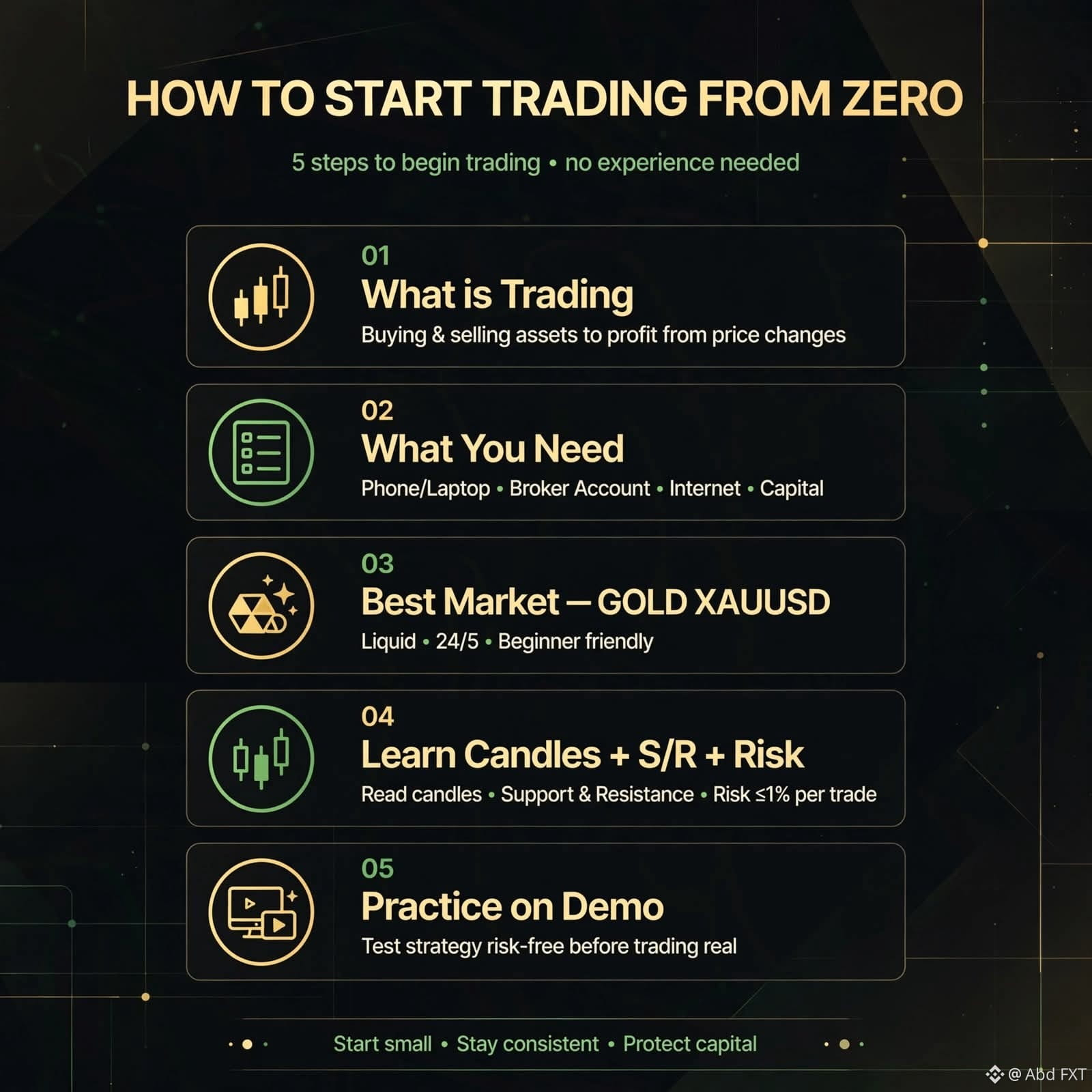
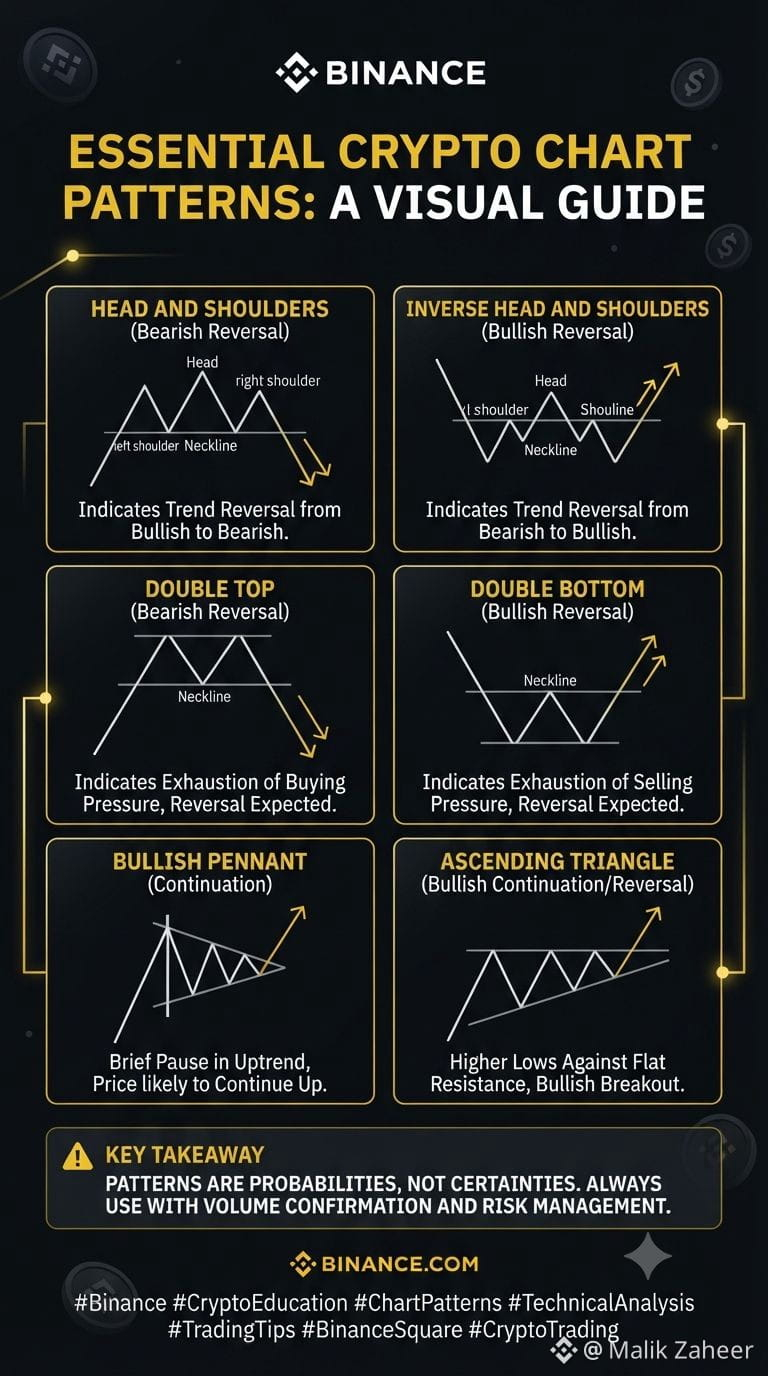
キャンドルを理解する - 取引の精度を高める方法 - 実践的なチュートリアル
デイトレードとは、トレーダーが当日中に暗号通貨を売買し、その日の終わりまでにポジションを残さないという暗号通貨への投資方法です。したがって、デイトレーダーは、暗号通貨を安値で購入して高値で売るか、高値で空売りして同日中に安値で購入しようとします。これには、市場をよく理解し、適切な判断を下すのに役立つ関連情報が必要です。暗号通貨市場では、暗号通貨の価格は、需要と供給などの要因によって決まります。
#RiskRewardRatio #リスク報酬比 #暗号取引 #スマートトレーディング #BTC戦略 #トレーディングマインドセット #リスク管理 #暗号のヒント #目的を持って利益を得る #ビットコイン戦略 #暗号規律 #スマートに取引する #リスクを知る #トレーディング心理学 #論理的に稼ぐ #BTCセットアップ #計算された動き #初心者からトレーダーへ #暗号の知恵 #報酬を最大化 #LearnToTrade
#RiskRewardRatio
#リスク報酬比
#暗号取引
#スマートトレーディング
#BTC戦略
#トレーディングマインドセット
#リスク管理
#暗号のヒント
#目的を持って利益を得る
#ビットコイン戦略
#暗号規律
#スマートに取引する
#リスクを知る
#トレーディング心理学
#論理的に稼ぐ
#BTCセットアップ
#計算された動き
#初心者からトレーダーへ
#暗号の知恵
#報酬を最大化
#LearnToTrade
暗号取引の基本をマスターしよう 暗号取引は報酬をもたらす可能性がありますが、成功は基本をマスターすることから始まります。 堅実な基盤を築くための簡単なガイドをご覧ください: 📌 市場のトレンドを理解する 価格の動き、サポートとレジスタンスのレベル、移動平均などの指標を学びましょう。パターンを認識することで、情報に基づいた意思決定が可能になります。 📌 リスク管理が鍵 失っても良い額以上は投資しないでください。ストップロス注文やポジションサイズを利用して資本を保護しましょう。 📌 異なる注文タイプを学ぶ マーケット注文、リミット注文、ストップリミット注文はそれぞれ独自の目的を持っています。効果的に使用する方法を知ることで、戦略を強化できます。 📌 ニュースとアップデートに目を光らせる 規制、パートナーシップ、技術の発展は価格に影響を与える可能性があります。市場の変化を予測するために情報を把握しておきましょう。 📌 感情 vs. 戦略 恐怖や欲望に基づく衝動的な取引を避けましょう。十分に調査された計画に従い、規律を保ちましょう。 これらの基本をマスターすれば、より賢い取引の意思決定ができるようになります。🚀💡 行こう!! ここで取引 $BIFI {spot}(BIFIUSDT) $WCT {future}(WCTUSDT) #CryptoTradingTips #LearnToTrade #CryptoBasics #Write2Earn
暗号取引の基本をマスターしよう

暗号取引は報酬をもたらす可能性がありますが、成功は基本をマスターすることから始まります。

堅実な基盤を築くための簡単なガイドをご覧ください:

📌 市場のトレンドを理解する
価格の動き、サポートとレジスタンスのレベル、移動平均などの指標を学びましょう。パターンを認識することで、情報に基づいた意思決定が可能になります。

📌 リスク管理が鍵
失っても良い額以上は投資しないでください。ストップロス注文やポジションサイズを利用して資本を保護しましょう。

📌 異なる注文タイプを学ぶ
マーケット注文、リミット注文、ストップリミット注文はそれぞれ独自の目的を持っています。効果的に使用する方法を知ることで、戦略を強化できます。

📌 ニュースとアップデートに目を光らせる
規制、パートナーシップ、技術の発展は価格に影響を与える可能性があります。市場の変化を予測するために情報を把握しておきましょう。

📌 感情 vs. 戦略
恐怖や欲望に基づく衝動的な取引を避けましょう。十分に調査された計画に従い、規律を保ちましょう。

これらの基本をマスターすれば、より賢い取引の意思決定ができるようになります。🚀💡

行こう!! ここで取引

$BIFI
$WCT

#CryptoTradingTips #LearnToTrade #CryptoBasics #Write2Earn
#TradingPairs101 取引ペアとは? #TradingPairs101 取引ペアは、一つの資産を別の資産に交換する方法を示します。 📌 例: BTC/USDT ➡️ あなたはビットコインをテザー(USDT)と交換しています。 ➡️ もしBTC/USDT = 68,000であれば、1 BTC = 68,000 USDTという意味です。 💡 一般的なペアの種類: 💱 暗号通貨対法定通貨(例: ETH/USD) 🔄 暗号通貨対暗号通貨(例: ETH/BTC) 🪙 ステーブルコインペア(例: SOL/USDT) ✅ 適切なペアを選ぶ基準: • 市場の流動性 • 取引量 • あなたの基軸通貨 📊 ペアを理解することで、プロのように取引所をナビゲートできます! あなたが最も取引するペアはどれですか?👇 #TradingPairs101 #CryptoBasics #LearnToTrade
#TradingPairs101

取引ペアとは?
#TradingPairs101

取引ペアは、一つの資産を別の資産に交換する方法を示します。

📌 例: BTC/USDT
➡️ あなたはビットコインをテザー(USDT)と交換しています。
➡️ もしBTC/USDT = 68,000であれば、1 BTC = 68,000 USDTという意味です。

💡 一般的なペアの種類:
💱 暗号通貨対法定通貨(例: ETH/USD)
🔄 暗号通貨対暗号通貨(例: ETH/BTC)
🪙 ステーブルコインペア(例: SOL/USDT)

✅ 適切なペアを選ぶ基準:
• 市場の流動性
• 取引量
• あなたの基軸通貨

📊 ペアを理解することで、プロのように取引所をナビゲートできます!

あなたが最も取引するペアはどれですか?👇

#TradingPairs101 #CryptoBasics #LearnToTrade
#TradingPairs101 #取引ペア101 暗号通貨と株式取引において、取引ペアは一つの資産を別の資産に交換することを可能にします。取引ペアは、取引に関与する二つの通貨を示します。例えば、BTC/USDTやETH/BTCのようにです。最初の通貨は購入または販売しているもので、二つ目は取引を行うために使用する通貨です。例えば、BTC/USDTペアでは、テザーを使ってビットコインを購入したり、ビットコインを売ってテザーを得たりできます。取引ペアを理解することで、正しい市場を選び、情報に基づいた取引の意思決定を行うことができます。これは、取引の旅を始める誰にとっても基本的ですが重要な概念です。#暗号基本 #LearnToTrade
#TradingPairs101 #取引ペア101

暗号通貨と株式取引において、取引ペアは一つの資産を別の資産に交換することを可能にします。取引ペアは、取引に関与する二つの通貨を示します。例えば、BTC/USDTやETH/BTCのようにです。最初の通貨は購入または販売しているもので、二つ目は取引を行うために使用する通貨です。例えば、BTC/USDTペアでは、テザーを使ってビットコインを購入したり、ビットコインを売ってテザーを得たりできます。取引ペアを理解することで、正しい市場を選び、情報に基づいた取引の意思決定を行うことができます。これは、取引の旅を始める誰にとっても基本的ですが重要な概念です。#暗号基本 #LearnToTrade
さらにコンテンツを探すには、ログインしてください
Binance Squareで世界の暗号資産トレーダーの仲間入り
⚡️ 暗号資産に関する最新かつ有益な情報が見つかります。
💬 世界最大の暗号資産取引所から信頼されています。
👍 認証を受けたクリエイターから、有益なインサイトを得られます。
メール / 電話番号