

#learningfrommistakes
learningfrommistakes
閲覧回数 230,373
83人が討論中
注目
最新

🚀暗号取引を学んだ最初の数週間
ちょっと待って、この投稿があなたのトレーディングスタイルを変えるかもしれないよ。
取引を始めたとき、私はお金を稼ぐのが簡単だと思っていた。キャンドルが緑なら買い、赤なら売るべきだと信じていた。
数回の取引の後、マーケットがそんなに簡単ではないことに気づいた。
初心者が犯す最大の間違いの一つは、感情によって取引に入ることだ。何度も、取引に入った瞬間にマーケットが逆に動いた。最初は運が悪いと思ったが、後になって、すでに動いた後に入っていたことを理解した。
今、私は忍耐を学んでいる。キャンドルを追いかけるのではなく、サポートとレジスタンスレベルを待ち、ボリュームを観察し、決定を下す前にマーケットの構造を理解しようとしている。
私の目標は一夜にして金持ちになることではない。毎日、より良いトレーダーになることが私の目標だ。
あなたも取引を学んでいる?あなたの最大の初心者の間違いは何だった??
#BTC #crypto #trading #BinanceSquare #失敗から学ぶ
🚀暗号取引を学んだ最初の数週間
ちょっと待って、この投稿があなたのトレーディングスタイルを変えるかもしれないよ。
取引を始めたとき、私はお金を稼ぐのが簡単だと思っていた。キャンドルが緑なら買い、赤なら売るべきだと信じていた。
数回の取引の後、マーケットがそんなに簡単ではないことに気づいた。
初心者が犯す最大の間違いの一つは、感情によって取引に入ることだ。何度も、取引に入った瞬間にマーケットが逆に動いた。最初は運が悪いと思ったが、後になって、すでに動いた後に入っていたことを理解した。
今、私は忍耐を学んでいる。キャンドルを追いかけるのではなく、サポートとレジスタンスレベルを待ち、ボリュームを観察し、決定を下す前にマーケットの構造を理解しようとしている。
私の目標は一夜にして金持ちになることではない。毎日、より良いトレーダーになることが私の目標だ。
あなたも取引を学んでいる?あなたの最大の初心者の間違いは何だった??
#BTC #crypto #trading #BinanceSquare #失敗から学ぶ
ちょっと待って、この投稿があなたのトレーディングスタイルを変えるかもしれないよ。
取引を始めたとき、私はお金を稼ぐのが簡単だと思っていた。キャンドルが緑なら買い、赤なら売るべきだと信じていた。
数回の取引の後、マーケットがそんなに簡単ではないことに気づいた。
初心者が犯す最大の間違いの一つは、感情によって取引に入ることだ。何度も、取引に入った瞬間にマーケットが逆に動いた。最初は運が悪いと思ったが、後になって、すでに動いた後に入っていたことを理解した。
今、私は忍耐を学んでいる。キャンドルを追いかけるのではなく、サポートとレジスタンスレベルを待ち、ボリュームを観察し、決定を下す前にマーケットの構造を理解しようとしている。
私の目標は一夜にして金持ちになることではない。毎日、より良いトレーダーになることが私の目標だ。
あなたも取引を学んでいる?あなたの最大の初心者の間違いは何だった??
#BTC #crypto #trading #BinanceSquare #失敗から学ぶ
2
85

·
--
暗号通貨を学んでいる初心者の皆さん、私に連絡してください。私は暗号通貨を学ぶためのコミュニティを作っています。 #newcrypto #LearningTogether #learning #LearningFromMistakes
暗号通貨を学んでいる初心者の皆さん、私に連絡してください。私は暗号通貨を学ぶためのコミュニティを作っています。 #newcrypto #LearningTogether #learning #LearningFromMistakes
40

バイナンススクエアでの旅を始めたばかりだよ👋
クリプトの情報はすごく多くて、最初は圧倒されるかもしれない。今学んでいることの一つは、ハイプに従うよりも自分でリサーチすることがずっと重要だということ。
ここで学び、発見したことを共有し、クリプトやブロックチェーンに興味のある他の人たちとつながりたいと思っている。
クリプトをしばらくやっているなら、始めたときに知っておきたかった教訓は何ですか?
#NEW #crypto #LearnTogether #LearningFromMistakes
バイナンススクエアでの旅を始めたばかりだよ👋
クリプトの情報はすごく多くて、最初は圧倒されるかもしれない。今学んでいることの一つは、ハイプに従うよりも自分でリサーチすることがずっと重要だということ。
ここで学び、発見したことを共有し、クリプトやブロックチェーンに興味のある他の人たちとつながりたいと思っている。
クリプトをしばらくやっているなら、始めたときに知っておきたかった教訓は何ですか?
#NEW #crypto #LearnTogether #LearningFromMistakes
クリプトの情報はすごく多くて、最初は圧倒されるかもしれない。今学んでいることの一つは、ハイプに従うよりも自分でリサーチすることがずっと重要だということ。
ここで学び、発見したことを共有し、クリプトやブロックチェーンに興味のある他の人たちとつながりたいと思っている。
クリプトをしばらくやっているなら、始めたときに知っておきたかった教訓は何ですか?
#NEW #crypto #LearnTogether #LearningFromMistakes
166
皆さん、こんにちは。aslamfaraziです✨。
学びたいという思いから参加しました。このトピックについてしばらくひそかに学んできましたが、これからは学習の過程を記録していこうと思います。まったくの初心者で、まだ学ぶことがたくさんあるので、ぜひご指導ください。 #LearningFromMistakes #AcademyCourse #学習
皆さん、こんにちは。aslamfaraziです✨。
学びたいという思いから参加しました。このトピックについてしばらくひそかに学んできましたが、これからは学習の過程を記録していこうと思います。まったくの初心者で、まだ学ぶことがたくさんあるので、ぜひご指導ください。 #LearningFromMistakes #AcademyCourse #学習
学びたいという思いから参加しました。このトピックについてしばらくひそかに学んできましたが、これからは学習の過程を記録していこうと思います。まったくの初心者で、まだ学ぶことがたくさんあるので、ぜひご指導ください。 #LearningFromMistakes #AcademyCourse #学習
50
·
--
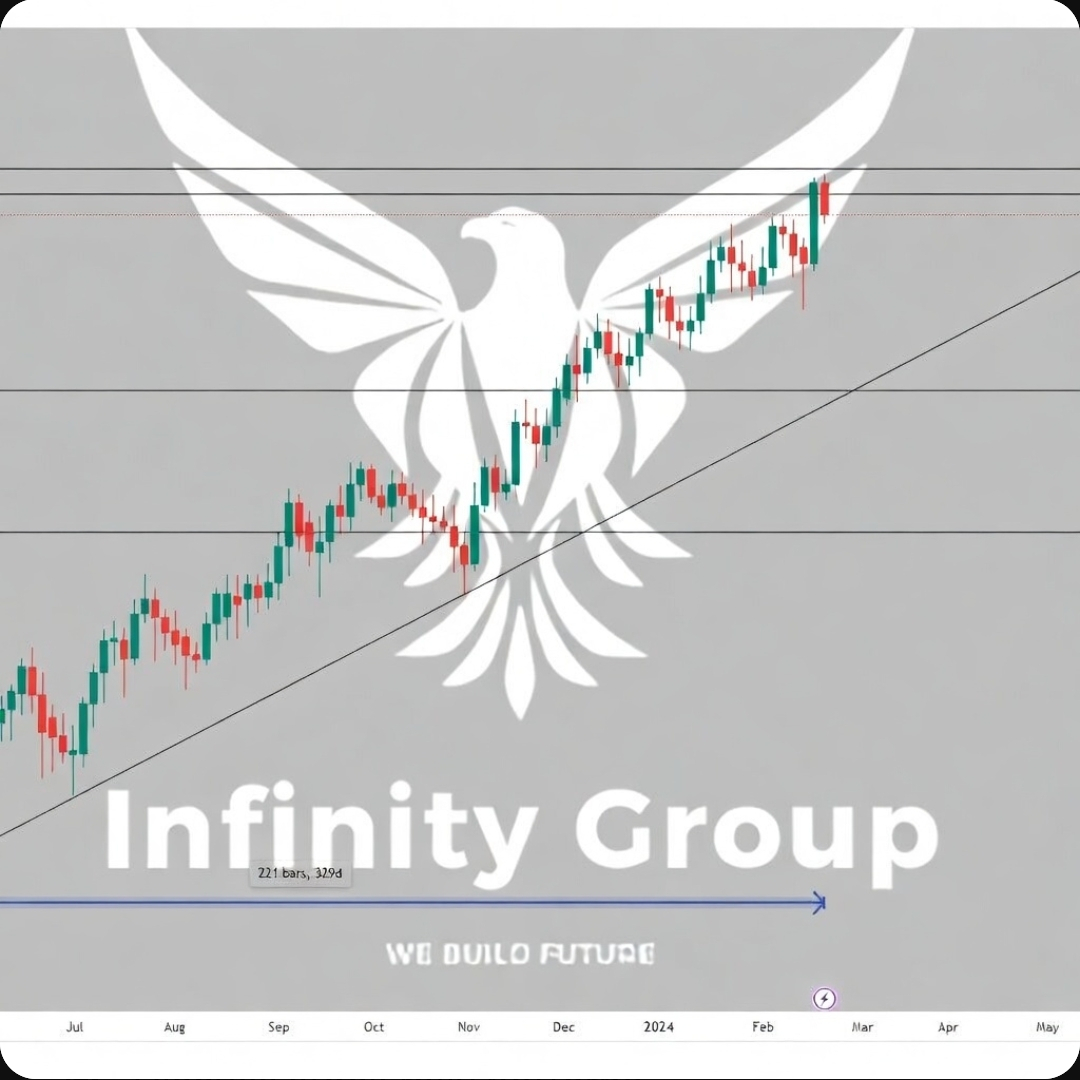
弱気相場
1:18 RRファクター達成。
リスクを維持し、勝利ファクターを拡大することは良い取引の理想です。
Only 100$ = 1800$
私たちは日々の市場の動きでそれを期待していませんが、もし月に1回だけ得られたら、単一の取引で18のリスクファクターを回復します。
学び、成長する
#LearningFromMistakes
#learntotrade
1:18 RRファクター達成。
リスクを維持し、勝利ファクターを拡大することは良い取引の理想です。
Only 100$ = 1800$
私たちは日々の市場の動きでそれを期待していませんが、もし月に1回だけ得られたら、単一の取引で18のリスクファクターを回復します。
学び、成長する
#LearningFromMistakes
#learntotrade
リスクを維持し、勝利ファクターを拡大することは良い取引の理想です。
Only 100$ = 1800$
私たちは日々の市場の動きでそれを期待していませんが、もし月に1回だけ得られたら、単一の取引で18のリスクファクターを回復します。
学び、成長する
#LearningFromMistakes
#learntotrade
1
108
·
--
まだこのレバレッジロングを保持しています 📉
正直、ここに回復の本当の道があるのか、それとも市場がすでに決定を下したのか疑問に思っています 🤷♂️
#TradingLifestyle #Crypto #Leverage: #MarketRebound #LearningFromMistakes 📊
まだこのレバレッジロングを保持しています 📉
正直、ここに回復の本当の道があるのか、それとも市場がすでに決定を下したのか疑問に思っています 🤷♂️
#TradingLifestyle #Crypto #Leverage: #MarketRebound #LearningFromMistakes 📊
正直、ここに回復の本当の道があるのか、それとも市場がすでに決定を下したのか疑問に思っています 🤷♂️
#TradingLifestyle #Crypto #Leverage: #MarketRebound #LearningFromMistakes 📊
7
20
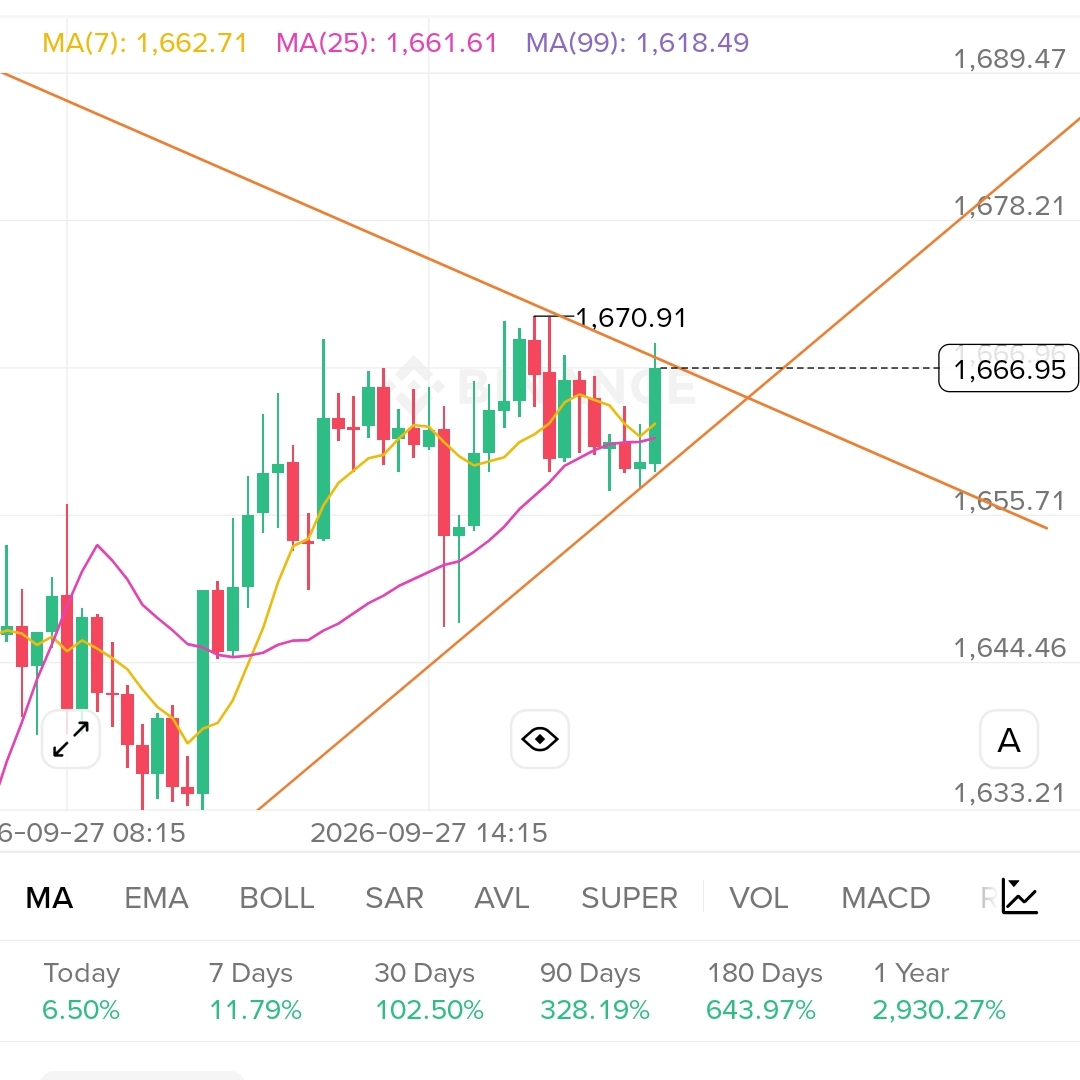
長い間、私の取引戦略はただ必死に、あの5,400ドルを取り戻そうとする試みだった。執着だった。あらゆるチャート、あらゆるレバレッジ取引が、過去を消し去りたいという、胸の奥の執念を燃料にしていた。でもそれは、私をさらに深みに引きずり込んだ。
本当の転機? やっと、それがもう戻らないんだと受け入れたとき。戻ってこない。これは授業料だった。とても高くついて、痛みを伴う授業料。すると「回収しなきゃ」というプレッシャーが消えた。焦点は昨日を直すことから、明日を築くことへ変わった。ようやく息ができるようになったみたいだ。
もしあなたの最大の勝利が、すでに失ったものを手放すことだとしたら?
#CryptoLosses #MindsetShift #TradingPsychology #LearningFromMistakes #BinanceSquare
長い間、私の取引戦略はただ必死に、あの5,400ドルを取り戻そうとする試みだった。執着だった。あらゆるチャート、あらゆるレバレッジ取引が、過去を消し去りたいという、胸の奥の執念を燃料にしていた。でもそれは、私をさらに深みに引きずり込んだ。
本当の転機? やっと、それがもう戻らないんだと受け入れたとき。戻ってこない。これは授業料だった。とても高くついて、痛みを伴う授業料。すると「回収しなきゃ」というプレッシャーが消えた。焦点は昨日を直すことから、明日を築くことへ変わった。ようやく息ができるようになったみたいだ。
もしあなたの最大の勝利が、すでに失ったものを手放すことだとしたら?
#CryptoLosses #MindsetShift #TradingPsychology #LearningFromMistakes #BinanceSquare
本当の転機? やっと、それがもう戻らないんだと受け入れたとき。戻ってこない。これは授業料だった。とても高くついて、痛みを伴う授業料。すると「回収しなきゃ」というプレッシャーが消えた。焦点は昨日を直すことから、明日を築くことへ変わった。ようやく息ができるようになったみたいだ。
もしあなたの最大の勝利が、すでに失ったものを手放すことだとしたら?
#CryptoLosses #MindsetShift #TradingPsychology #LearningFromMistakes #BinanceSquare
2
·
--
#LearningFromMistakes
トレンドに沿った取引は、セットアップの管理をより簡単にできます。
上昇トレンドでは、トレーダーはしばしばロングの機会を探します。
下降トレンドでは、ショートのセットアップのほうが条件が良い場合があります。
逆トレンドの取引は、通常、より強い確認が必要です。
時には、最良の取引は単に「取引しないこと」です。
#LearningFromMistakes
トレンドに沿った取引は、セットアップの管理をより簡単にできます。
上昇トレンドでは、トレーダーはしばしばロングの機会を探します。
下降トレンドでは、ショートのセットアップのほうが条件が良い場合があります。
逆トレンドの取引は、通常、より強い確認が必要です。
時には、最良の取引は単に「取引しないこと」です。
トレンドに沿った取引は、セットアップの管理をより簡単にできます。
上昇トレンドでは、トレーダーはしばしばロングの機会を探します。
下降トレンドでは、ショートのセットアップのほうが条件が良い場合があります。
逆トレンドの取引は、通常、より強い確認が必要です。
時には、最良の取引は単に「取引しないこと」です。
6

·
--
学びの旅 — 一歩ずつ前へ 📈
新しい旅は、学ぶこと、忍耐、そして始める勇気から始まります。
私は暗号資産とトレーディングの世界に踏み出す最初の一歩を踏みながら、日々学び、そして成功はすぐに稼ぐことではなく、知識、規律、リスク管理、そして継続が重要だと理解しています。
良い日もあれば波乱もあるでしょう。でも、どんな経験も学びです。私の目標はシンプルです。学び、成長し、規律を保ち、未来に向けて積み上げること。
Binanceの皆さん、この学びの旅の一部でいてくれてありがとうございます。 🚀
#LearningFromMistakes #Growth #FutureTarding #discipline #GodBlessCrypto
学びの旅 — 一歩ずつ前へ 📈
新しい旅は、学ぶこと、忍耐、そして始める勇気から始まります。
私は暗号資産とトレーディングの世界に踏み出す最初の一歩を踏みながら、日々学び、そして成功はすぐに稼ぐことではなく、知識、規律、リスク管理、そして継続が重要だと理解しています。
良い日もあれば波乱もあるでしょう。でも、どんな経験も学びです。私の目標はシンプルです。学び、成長し、規律を保ち、未来に向けて積み上げること。
Binanceの皆さん、この学びの旅の一部でいてくれてありがとうございます。 🚀
#LearningFromMistakes #Growth #FutureTarding #discipline #GodBlessCrypto
新しい旅は、学ぶこと、忍耐、そして始める勇気から始まります。
私は暗号資産とトレーディングの世界に踏み出す最初の一歩を踏みながら、日々学び、そして成功はすぐに稼ぐことではなく、知識、規律、リスク管理、そして継続が重要だと理解しています。
良い日もあれば波乱もあるでしょう。でも、どんな経験も学びです。私の目標はシンプルです。学び、成長し、規律を保ち、未来に向けて積み上げること。
Binanceの皆さん、この学びの旅の一部でいてくれてありがとうございます。 🚀
#LearningFromMistakes #Growth #FutureTarding #discipline #GodBlessCrypto
1
276

·
--
記事
クリプトトレーディング初心者として私が犯した5つのミスイントロダクション:
クリプトトレーディングを始めたばかりの頃は、簡単にお金が稼げると思っていました。しかし、すぐにミスが現実の損失につながることに気づきました。ここでは、私が犯した最大のミスを紹介するので、あなたが避けられるように。
メインコンテンツ:
ハイプの時に購入 – 価格が既に高い時にトレードに入ってしまった
パニックで売却 – 小さなディップで早すぎる売りをしてしまった
戦略なし – プランもなくランダムにトレードしていた
リスク管理を無視 – 一つのトレードに過剰な資本を投入してしまった
他人に盲目的に従う – ランダムなシグナルを信じてしまった
クリプトトレーディング初心者として私が犯した5つのミス
イントロダクション:
クリプトトレーディングを始めたばかりの頃は、簡単にお金が稼げると思っていました。しかし、すぐにミスが現実の損失につながることに気づきました。ここでは、私が犯した最大のミスを紹介するので、あなたが避けられるように。
メインコンテンツ:
ハイプの時に購入 – 価格が既に高い時にトレードに入ってしまった
パニックで売却 – 小さなディップで早すぎる売りをしてしまった
戦略なし – プランもなくランダムにトレードしていた
リスク管理を無視 – 一つのトレードに過剰な資本を投入してしまった
他人に盲目的に従う – ランダムなシグナルを信じてしまった
クリプトトレーディングを始めたばかりの頃は、簡単にお金が稼げると思っていました。しかし、すぐにミスが現実の損失につながることに気づきました。ここでは、私が犯した最大のミスを紹介するので、あなたが避けられるように。
メインコンテンツ:
ハイプの時に購入 – 価格が既に高い時にトレードに入ってしまった
パニックで売却 – 小さなディップで早すぎる売りをしてしまった
戦略なし – プランもなくランダムにトレードしていた
リスク管理を無視 – 一つのトレードに過剰な資本を投入してしまった
他人に盲目的に従う – ランダムなシグナルを信じてしまった
1
2
147

💥 90%のトレーダーがこのミスを犯す!
ほとんどのトレーダーが損をする理由:
❌ ストップロスなし
❌ 感情的なトレード
❌ オーバートレード
💡 解決策:
✔️ 戦略に従う
✔️ リスク管理を使う
👇 ルールに従っているのか、それとも感情に流されているのか?
#トレーディング #クリプトチップス #BTC #LearningFromMistakes
💥 90%のトレーダーがこのミスを犯す!
ほとんどのトレーダーが損をする理由:
❌ ストップロスなし
❌ 感情的なトレード
❌ オーバートレード
💡 解決策:
✔️ 戦略に従う
✔️ リスク管理を使う
👇 ルールに従っているのか、それとも感情に流されているのか?
#トレーディング #クリプトチップス #BTC #LearningFromMistakes
ほとんどのトレーダーが損をする理由:
❌ ストップロスなし
❌ 感情的なトレード
❌ オーバートレード
💡 解決策:
✔️ 戦略に従う
✔️ リスク管理を使う
👇 ルールに従っているのか、それとも感情に流されているのか?
#トレーディング #クリプトチップス #BTC #LearningFromMistakes
44

·
--
小さな進歩も、進歩です。
毎日、暗号資産とブロックチェーンについて新しいことを学んでいます。すぐに大きな利益を追いかけるのではなく、知識を一歩ずつ高めていくことに集中しています。
今日の学びは、明日の成功につながります。進み続けて、忍耐強くあり、成長をやめないでください。 🚀
#Binance #WriteAndEarn #Crypto #Blockchain #LearningFromMistakes $MSFTB $METAB $NVDAB
小さな進歩も、進歩です。
毎日、暗号資産とブロックチェーンについて新しいことを学んでいます。すぐに大きな利益を追いかけるのではなく、知識を一歩ずつ高めていくことに集中しています。
今日の学びは、明日の成功につながります。進み続けて、忍耐強くあり、成長をやめないでください。 🚀
#Binance #WriteAndEarn #Crypto #Blockchain #LearningFromMistakes $MSFTB $METAB $NVDAB
毎日、暗号資産とブロックチェーンについて新しいことを学んでいます。すぐに大きな利益を追いかけるのではなく、知識を一歩ずつ高めていくことに集中しています。
今日の学びは、明日の成功につながります。進み続けて、忍耐強くあり、成長をやめないでください。 🚀
#Binance #WriteAndEarn #Crypto #Blockchain #LearningFromMistakes $MSFTB $METAB $NVDAB
123

🚀 暗号資産の学習を始めるぞ!
現在、ビットコイン、イーサリアム、ブロックチェーン、そしてリスク管理を学んでいます。仲間のトレーダーや投資家の皆さんとつながるのを楽しみにしています。📈 #Crypto #Bitcoin #Ethereum #Trading #LearningFromMistakes
🚀 暗号資産の学習を始めるぞ!
現在、ビットコイン、イーサリアム、ブロックチェーン、そしてリスク管理を学んでいます。仲間のトレーダーや投資家の皆さんとつながるのを楽しみにしています。📈 #Crypto #Bitcoin #Ethereum #Trading #LearningFromMistakes
現在、ビットコイン、イーサリアム、ブロックチェーン、そしてリスク管理を学んでいます。仲間のトレーダーや投資家の皆さんとつながるのを楽しみにしています。📈 #Crypto #Bitcoin #Ethereum #Trading #LearningFromMistakes
101
·
--
#LearningFromMistakes
サポートとレジスタンスはチャート上で重要なエリアです。
ただし、ラインに触れることが常に自動的に取引シグナルになるわけではありません。
その水準の周りで価格がどう反応するかを観察してください。
ブレイクアウトも、追いかけるだけではなく確認した上で行いましょう。
重要な水準とは「確実なエントリー」ではなく、注目すべき領域です。
#LearningFromMistakes
サポートとレジスタンスはチャート上で重要なエリアです。
ただし、ラインに触れることが常に自動的に取引シグナルになるわけではありません。
その水準の周りで価格がどう反応するかを観察してください。
ブレイクアウトも、追いかけるだけではなく確認した上で行いましょう。
重要な水準とは「確実なエントリー」ではなく、注目すべき領域です。
サポートとレジスタンスはチャート上で重要なエリアです。
ただし、ラインに触れることが常に自動的に取引シグナルになるわけではありません。
その水準の周りで価格がどう反応するかを観察してください。
ブレイクアウトも、追いかけるだけではなく確認した上で行いましょう。
重要な水準とは「確実なエントリー」ではなく、注目すべき領域です。
106

📉 SOPHUSDT – 今日の損失は確定しましたか?パニックにならないで!
今日は多くのトレーダーが$SOPHUSDTで損失を被りました。しかし、覚えておいてください — すべての損失は利益よりも多くのことを教えてくれます。 💡
🚫 過剰取引をしないでください。
📌 高いレバレッジ = 高いリスク。
💥 市場は感情を気にしません。賢く取引し、無理をしないでください。
✅ 日々の小さな利益に集中してください – それが時間とともにポートフォリオを一貫して成長させます。
大きなポートフォリオ + 小さくて賢い利益 = 長期的に高いリターン。 📈
💬 今日から学び、明日それを適用してください。それが勝者を生む方法です。
#sophusdt #dontovertrade #learningfrommistakes #portfolio #cryptogrowth
📉 SOPHUSDT – 今日の損失は確定しましたか?パニックにならないで!
今日は多くのトレーダーが$SOPHUSDTで損失を被りました。しかし、覚えておいてください — すべての損失は利益よりも多くのことを教えてくれます。 💡
🚫 過剰取引をしないでください。
📌 高いレバレッジ = 高いリスク。
💥 市場は感情を気にしません。賢く取引し、無理をしないでください。
✅ 日々の小さな利益に集中してください – それが時間とともにポートフォリオを一貫して成長させます。
大きなポートフォリオ + 小さくて賢い利益 = 長期的に高いリターン。 📈
💬 今日から学び、明日それを適用してください。それが勝者を生む方法です。
#sophusdt #dontovertrade #learningfrommistakes #portfolio #cryptogrowth
今日は多くのトレーダーが$SOPHUSDTで損失を被りました。しかし、覚えておいてください — すべての損失は利益よりも多くのことを教えてくれます。 💡
🚫 過剰取引をしないでください。
📌 高いレバレッジ = 高いリスク。
💥 市場は感情を気にしません。賢く取引し、無理をしないでください。
✅ 日々の小さな利益に集中してください – それが時間とともにポートフォリオを一貫して成長させます。
大きなポートフォリオ + 小さくて賢い利益 = 長期的に高いリターン。 📈
💬 今日から学び、明日それを適用してください。それが勝者を生む方法です。
#sophusdt #dontovertrade #learningfrommistakes #portfolio #cryptogrowth
2
230
ログインして、さらにコンテンツを読む
厳選トピックで世界の暗号資産トレーダーの仲間入り
⚡️ 暗号資産に関する最新かつ有益な情報が見つかります。
💬 世界最大の暗号資産取引所から信頼されています。
👍 認証を受けたクリエイターから、有益なインサイトを得られます。
メール / 電話番号
トレンドトピック
1
#CFTCAdvancesVoluntaryRegCAMFramework
閲覧回数 9,717
184人が討論中
2
#ChinaQ3GDPGrowthQuickensTo4.5%
閲覧回数 6,536
162人が討論中
3
#ZcashNU7ProposalWouldFreezeSproutSpending
閲覧回数 18,698
218人が討論中
4
#KOSPIOpens3.17%Lower
閲覧回数 12,643
183人が討論中
5
#GrayscaleAndRepublicLaunchThreeCryptoFunds
閲覧回数 277,996
1,602人が討論中
6
#ElSalvadorBitcoinHoldingsSurpass7800BTC
閲覧回数 107,642
1,257人が討論中
7
#BitcoinSurpasses$82K
閲覧回数 63,951
233人が討論中
8
#FranceNationalAssemblyPassesCryptoToStablecoinTaxAmendment
閲覧回数 5,616
132人が討論中
9
#DeepSeekReleasesUpdatedAIModel
閲覧回数 113,865
1,258人が討論中
10
#CelestiaRises16%To2026High
閲覧回数 457,283
2,588人が討論中