

#l1
l1
閲覧回数 346,322
3,043人が討論中
注目
最新

·
--
翻訳参照
【架构|BNB Chain】这次叙事的重点不是「又一条公链」,而是「不加新币」
BNB Chain 推进的 New L1:并行高性能 EVM,公开参数口径约 200ms 出块、亚秒级最终性。更关键的定调是——不发新币,BNB 继续承担 gas、质押与治理;测网约 2026 年底、主网约 2027 年初。CZ 一侧的表述是单币多链:扩展执行层,不稀释价值捕获的代币层。
这直接顶着近年常见的「发新币吸血」路径:新链用新币重新分配激励与估值,旧币持有人被留在旁路。New L1 若按文档落地,等于把性能升级绑在同一枚 BNB 的需求曲线上——用不用得上,要看真实吞吐与跨链体验,但代币设计上的取舍已经很清楚。
下一步核对:测网延迟分布、质押规则是否与现网一致、以及主网上线前有没有变相的激励代币。
#BNB #BNBChain #L1 #Web3
仅供参考,不构成投资建议 / NFA
【架构|BNB Chain】这次叙事的重点不是「又一条公链」,而是「不加新币」
BNB Chain 推进的 New L1:并行高性能 EVM,公开参数口径约 200ms 出块、亚秒级最终性。更关键的定调是——不发新币,BNB 继续承担 gas、质押与治理;测网约 2026 年底、主网约 2027 年初。CZ 一侧的表述是单币多链:扩展执行层,不稀释价值捕获的代币层。
这直接顶着近年常见的「发新币吸血」路径:新链用新币重新分配激励与估值,旧币持有人被留在旁路。New L1 若按文档落地,等于把性能升级绑在同一枚 BNB 的需求曲线上——用不用得上,要看真实吞吐与跨链体验,但代币设计上的取舍已经很清楚。
下一步核对:测网延迟分布、质押规则是否与现网一致、以及主网上线前有没有变相的激励代币。
#BNB #BNBChain #L1 #Web3
仅供参考,不构成投资建议 / NFA
BNB Chain 推进的 New L1:并行高性能 EVM,公开参数口径约 200ms 出块、亚秒级最终性。更关键的定调是——不发新币,BNB 继续承担 gas、质押与治理;测网约 2026 年底、主网约 2027 年初。CZ 一侧的表述是单币多链:扩展执行层,不稀释价值捕获的代币层。
这直接顶着近年常见的「发新币吸血」路径:新链用新币重新分配激励与估值,旧币持有人被留在旁路。New L1 若按文档落地,等于把性能升级绑在同一枚 BNB 的需求曲线上——用不用得上,要看真实吞吐与跨链体验,但代币设计上的取舍已经很清楚。
下一步核对:测网延迟分布、质押规则是否与现网一致、以及主网上线前有没有变相的激励代币。
#BNB #BNBChain #L1 #Web3
仅供参考,不构成投资建议 / NFA
105

·
--
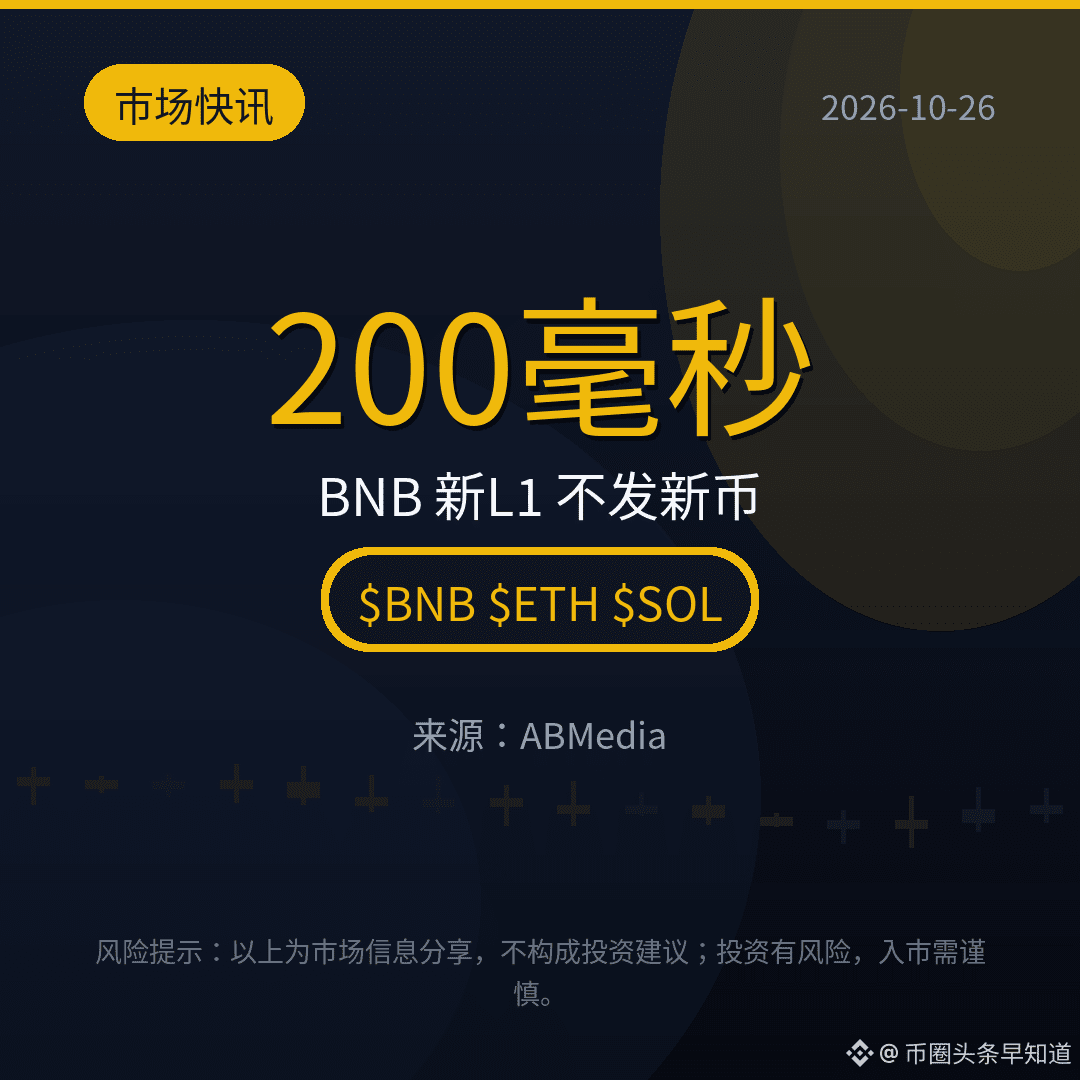
【市場速報】BNB Chainの新L1は新トークンを発行せず:10月22日の文書でBNBをネイティブ資産と定め、CZは「マルチチェーン、ワンコイン」と発言。
BSCのアップグレードではなく、並行して稼働する新チェーン。ブロック生成は200ミリ秒、事前確認は20ミリ秒で、高頻度取引とAIエージェントに特化。
EVM互換で、コントラクトの大幅な変更は不要——賭けるのはTPSではなくレイテンシー:BSCからの利用分散につながるのか、それともBNBのプレミアム化か?あなたはどちらを支持する?
$ BNB $ ETH $ SOL
#BNB #L1 #EVM
(出典:ABMedia)
⚠️リスクに関する注意:上記は市場情報の共有であり、投資助言を構成するものではありません。投資にはリスクが伴います。投資を行う際は慎重にご判断ください。
【市場速報】BNB Chainの新L1は新トークンを発行せず:10月22日の文書でBNBをネイティブ資産と定め、CZは「マルチチェーン、ワンコイン」と発言。
BSCのアップグレードではなく、並行して稼働する新チェーン。ブロック生成は200ミリ秒、事前確認は20ミリ秒で、高頻度取引とAIエージェントに特化。
EVM互換で、コントラクトの大幅な変更は不要——賭けるのはTPSではなくレイテンシー:BSCからの利用分散につながるのか、それともBNBのプレミアム化か?あなたはどちらを支持する?
$ BNB $ ETH $ SOL
#BNB #L1 #EVM
(出典:ABMedia)
⚠️リスクに関する注意:上記は市場情報の共有であり、投資助言を構成するものではありません。投資にはリスクが伴います。投資を行う際は慎重にご判断ください。
BSCのアップグレードではなく、並行して稼働する新チェーン。ブロック生成は200ミリ秒、事前確認は20ミリ秒で、高頻度取引とAIエージェントに特化。
EVM互換で、コントラクトの大幅な変更は不要——賭けるのはTPSではなくレイテンシー:BSCからの利用分散につながるのか、それともBNBのプレミアム化か?あなたはどちらを支持する?
$ BNB $ ETH $ SOL
#BNB #L1 #EVM
(出典:ABMedia)
⚠️リスクに関する注意:上記は市場情報の共有であり、投資助言を構成するものではありません。投資にはリスクが伴います。投資を行う際は慎重にご判断ください。
203

·
--
⚡ 今日の富のパスワード · NEAR 1日 +0.65%
🟢 ロング:セクター内で最も早く動いており、資金に注目されやすい。
積極型 4.46(現在価格でエントリー)|損切り 4.19|利確 5.05
慎重型 4.29(押し目でエントリー)|損切り 4.02|利確 5.05
指値 4.11(押し目買いの指値)|損切り 3.86|利確 5.05
📌 4.69をしっかり上回って初めて上昇継続と判断。それ以外は買いを誘う動きにすぎません。
根拠:
💵 24時間 +0.65%、取引高 550.7M U、現在価格 4.465。
資金調達率 +0.0029%/8h(ロングとショートはほぼ均衡)
RSI 46(中立・もみ合い)
大口資金流入 -1.72M USDT 強度 -2.2%
1h純額 +11.8K USDT
4h純額 -1.03M USDT
24h純額 -1.72M USDT
💬 NEARを保有している方、今日は耐える?それとも減らす?
🎉 皆さんが得られるのが、お金だけでなく、欲しいものを好きなときに買える自由でありますように 😎
$NEAR #L1 🔥
投資にはリスクがあります。あくまで参考情報であり、投資助言ではありません。ご自身で調査・学習してください。
⚡ 今日の富のパスワード · NEAR 1日 +0.65%
🟢 ロング:セクター内で最も早く動いており、資金に注目されやすい。
積極型 4.46(現在価格でエントリー)|損切り 4.19|利確 5.05
慎重型 4.29(押し目でエントリー)|損切り 4.02|利確 5.05
指値 4.11(押し目買いの指値)|損切り 3.86|利確 5.05
📌 4.69をしっかり上回って初めて上昇継続と判断。それ以外は買いを誘う動きにすぎません。
根拠:
💵 24時間 +0.65%、取引高 550.7M U、現在価格 4.465。
資金調達率 +0.0029%/8h(ロングとショートはほぼ均衡)
RSI 46(中立・もみ合い)
大口資金流入 -1.72M USDT 強度 -2.2%
1h純額 +11.8K USDT
4h純額 -1.03M USDT
24h純額 -1.72M USDT
💬 NEARを保有している方、今日は耐える?それとも減らす?
🎉 皆さんが得られるのが、お金だけでなく、欲しいものを好きなときに買える自由でありますように 😎
$NEAR #L1 🔥
投資にはリスクがあります。あくまで参考情報であり、投資助言ではありません。ご自身で調査・学習してください。
🟢 ロング:セクター内で最も早く動いており、資金に注目されやすい。
積極型 4.46(現在価格でエントリー)|損切り 4.19|利確 5.05
慎重型 4.29(押し目でエントリー)|損切り 4.02|利確 5.05
指値 4.11(押し目買いの指値)|損切り 3.86|利確 5.05
📌 4.69をしっかり上回って初めて上昇継続と判断。それ以外は買いを誘う動きにすぎません。
根拠:
💵 24時間 +0.65%、取引高 550.7M U、現在価格 4.465。
資金調達率 +0.0029%/8h(ロングとショートはほぼ均衡)
RSI 46(中立・もみ合い)
大口資金流入 -1.72M USDT 強度 -2.2%
1h純額 +11.8K USDT
4h純額 -1.03M USDT
24h純額 -1.72M USDT
💬 NEARを保有している方、今日は耐える?それとも減らす?
🎉 皆さんが得られるのが、お金だけでなく、欲しいものを好きなときに買える自由でありますように 😎
$NEAR #L1 🔥
投資にはリスクがあります。あくまで参考情報であり、投資助言ではありません。ご自身で調査・学習してください。

1

·
--
BNBエコシステムに並行する新たな主軸が加わる:新しいL1、トークンは同じ。
公式発表や複数メディアの情報をまとめると、BNB Chainは新たなL1計画を発表。既存のBSCと共存し、ネイティブのクロスチェーンブリッジで接続する。独自トークンは発行せず、引き続きBNBをガス代、ステーキング、ガバナンスに使用する。ロードマップでは、2026年末ごろにテストネット、2027年初めにメインネットを予定している。
どう見るべきか:これは「チェーンを乗り換えて再出発」ではなく、同じ資産を基盤に実行レイヤーを拡張する動きに近い。ユーザーにとっては、ブリッジのセキュリティ上の前提と、資産のマッピングが適切かどうかが重要だ。開発者は、アプリをBSCと新L1のどちらに配置すべきか、またインセンティブや手数料が分散するかを見極める必要がある。「複数チェーンでトークンはひとつ」をアーキテクチャのアップグレードとして捉え、短期的な価格上昇の材料とは見なさないようにしたい。
#BNB #BNBChain #公链 #L1
BNBエコシステムに並行する新たな主軸が加わる:新しいL1、トークンは同じ。
公式発表や複数メディアの情報をまとめると、BNB Chainは新たなL1計画を発表。既存のBSCと共存し、ネイティブのクロスチェーンブリッジで接続する。独自トークンは発行せず、引き続きBNBをガス代、ステーキング、ガバナンスに使用する。ロードマップでは、2026年末ごろにテストネット、2027年初めにメインネットを予定している。
どう見るべきか:これは「チェーンを乗り換えて再出発」ではなく、同じ資産を基盤に実行レイヤーを拡張する動きに近い。ユーザーにとっては、ブリッジのセキュリティ上の前提と、資産のマッピングが適切かどうかが重要だ。開発者は、アプリをBSCと新L1のどちらに配置すべきか、またインセンティブや手数料が分散するかを見極める必要がある。「複数チェーンでトークンはひとつ」をアーキテクチャのアップグレードとして捉え、短期的な価格上昇の材料とは見なさないようにしたい。
#BNB #BNBChain #公链 #L1
公式発表や複数メディアの情報をまとめると、BNB Chainは新たなL1計画を発表。既存のBSCと共存し、ネイティブのクロスチェーンブリッジで接続する。独自トークンは発行せず、引き続きBNBをガス代、ステーキング、ガバナンスに使用する。ロードマップでは、2026年末ごろにテストネット、2027年初めにメインネットを予定している。
どう見るべきか:これは「チェーンを乗り換えて再出発」ではなく、同じ資産を基盤に実行レイヤーを拡張する動きに近い。ユーザーにとっては、ブリッジのセキュリティ上の前提と、資産のマッピングが適切かどうかが重要だ。開発者は、アプリをBSCと新L1のどちらに配置すべきか、またインセンティブや手数料が分散するかを見極める必要がある。「複数チェーンでトークンはひとつ」をアーキテクチャのアップグレードとして捉え、短期的な価格上昇の材料とは見なさないようにしたい。
#BNB #BNBChain #公链 #L1
8

·
--
翻訳参照
The signal is clear: $HYPE is decoupling from the DeFi noise. With a top 15 market cap rank and massive L1 momentum, institutional accumulation is the hidden driver. Market asymmetry is peaking. Position for the L1 transition.
#Hyperliquid #DeFi #L1
The signal is clear: $HYPE is decoupling from the DeFi noise. With a top 15 market cap rank and massive L1 momentum, institutional accumulation is the hidden driver. Market asymmetry is peaking. Position for the L1 transition.
#Hyperliquid #DeFi #L1
#Hyperliquid #DeFi #L1
31
·
--
⚡ 今日の利益のカギ · SUI 1日で -5.34%
🔴 ショート:買い支える人がいない下落は、まだ続きそう。
積極型 0.9434(現値で即ショート)|損切り 0.9974|利確 0.8297
慎重型 0.9722(反発を待ってショート)|損切り 1.0279|利確 0.8297
指値 1.0010(高値でショート注文)|損切り 1.0583|利確 0.8297
📌 0.9968を上抜けたら、無理に持ち続けず、いったん撤退して様子を見ましょう。
理由:
💵 24時間で -5.34%、取引高 166.5M U、現値 0.9434。
資金調達率 -0.0004%/8h(ロングとショートはほぼ均衡)
RSI 34(やや弱気)
大口資金流入 -1.07M USDT 強度 -4.1%
1時間純額 -9.0K USDT
4時間純額 -151.6K USDT
24時間純額 -1.07M USDT
💬 SUI、この水準で買い増す?それとも先に逃げる?
🎉 皆さんの取引がますます安定し、安定するほど利益が増え、利益が増えるほど余裕が生まれますように 🧭
$SUI #L1 🔥
投資にはリスクがあります。本情報は参考目的のみであり、投資助言を構成するものではありません。ご自身で調査・学習してください。
⚡ 今日の利益のカギ · SUI 1日で -5.34%
🔴 ショート:買い支える人がいない下落は、まだ続きそう。
積極型 0.9434(現値で即ショート)|損切り 0.9974|利確 0.8297
慎重型 0.9722(反発を待ってショート)|損切り 1.0279|利確 0.8297
指値 1.0010(高値でショート注文)|損切り 1.0583|利確 0.8297
📌 0.9968を上抜けたら、無理に持ち続けず、いったん撤退して様子を見ましょう。
理由:
💵 24時間で -5.34%、取引高 166.5M U、現値 0.9434。
資金調達率 -0.0004%/8h(ロングとショートはほぼ均衡)
RSI 34(やや弱気)
大口資金流入 -1.07M USDT 強度 -4.1%
1時間純額 -9.0K USDT
4時間純額 -151.6K USDT
24時間純額 -1.07M USDT
💬 SUI、この水準で買い増す?それとも先に逃げる?
🎉 皆さんの取引がますます安定し、安定するほど利益が増え、利益が増えるほど余裕が生まれますように 🧭
$SUI #L1 🔥
投資にはリスクがあります。本情報は参考目的のみであり、投資助言を構成するものではありません。ご自身で調査・学習してください。
🔴 ショート:買い支える人がいない下落は、まだ続きそう。
積極型 0.9434(現値で即ショート)|損切り 0.9974|利確 0.8297
慎重型 0.9722(反発を待ってショート)|損切り 1.0279|利確 0.8297
指値 1.0010(高値でショート注文)|損切り 1.0583|利確 0.8297
📌 0.9968を上抜けたら、無理に持ち続けず、いったん撤退して様子を見ましょう。
理由:
💵 24時間で -5.34%、取引高 166.5M U、現値 0.9434。
資金調達率 -0.0004%/8h(ロングとショートはほぼ均衡)
RSI 34(やや弱気)
大口資金流入 -1.07M USDT 強度 -4.1%
1時間純額 -9.0K USDT
4時間純額 -151.6K USDT
24時間純額 -1.07M USDT
💬 SUI、この水準で買い増す?それとも先に逃げる?
🎉 皆さんの取引がますます安定し、安定するほど利益が増え、利益が増えるほど余裕が生まれますように 🧭
$SUI #L1 🔥
投資にはリスクがあります。本情報は参考目的のみであり、投資助言を構成するものではありません。ご自身で調査・学習してください。

6

·
--
本人確認中
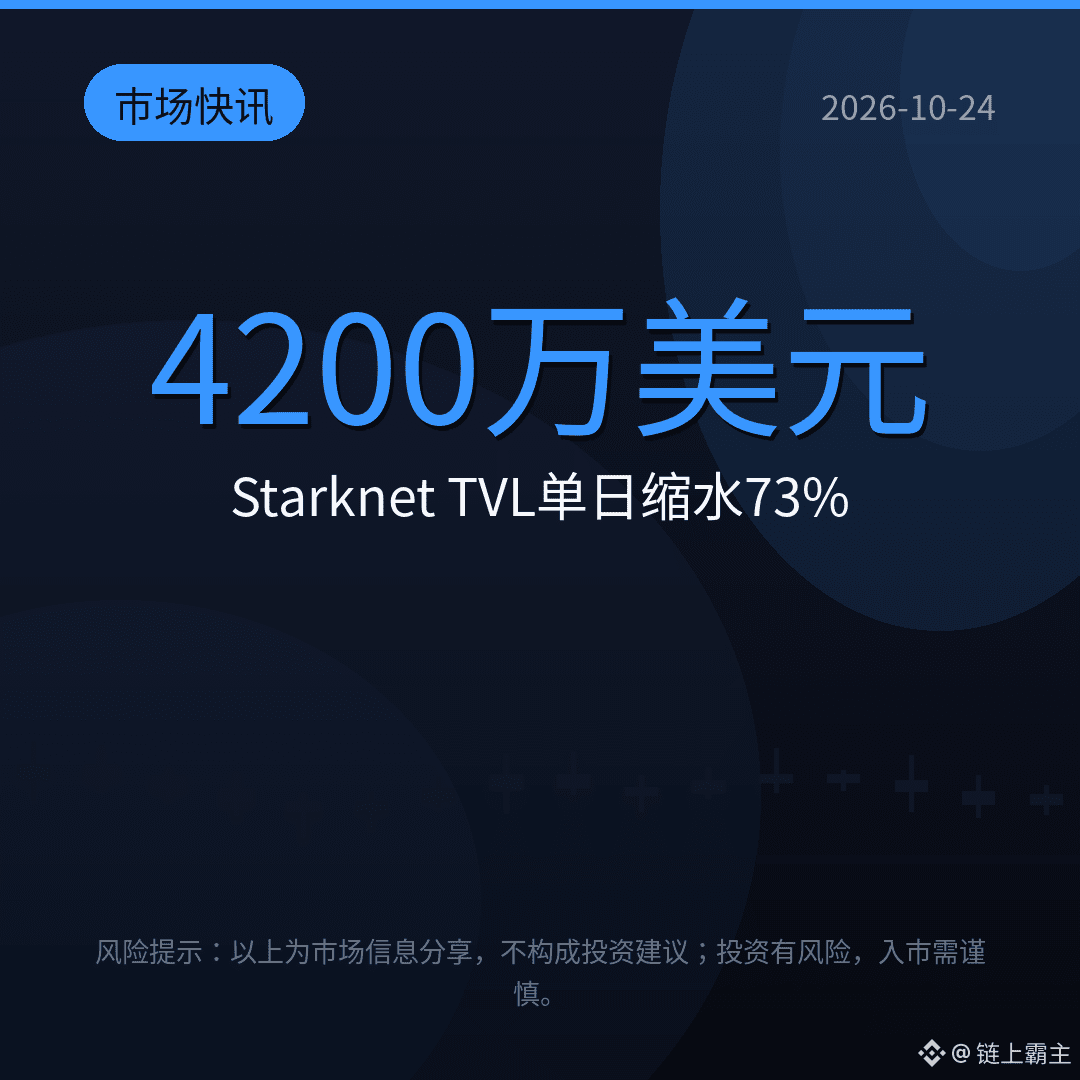
【マーケット速報】Starknetに新たな動き:93%が独立L1を支持した後、TVLは10月22日に1億5,800万ドルから4,200万ドルへと73%減少。
主な要因は、TVL1億2,000万ドルを抱えるExtendedがArcチェーンへ移行したこと。ステーブルコインの流動性は1億4,700万ドルから3,700万ドルに減少。
STRKは高値から58%下落。Starknetが独立したチェーンになることを期待しますか?
$STRK $ETH $USDC
#Starknet #L1 #DeFi
(出典:AMBCrypto)
⚠️リスクに関する注意:上記は市場情報の共有であり、投資助言ではありません。投資にはリスクが伴いますので、慎重にご判断ください。
【マーケット速報】Starknetに新たな動き:93%が独立L1を支持した後、TVLは10月22日に1億5,800万ドルから4,200万ドルへと73%減少。
主な要因は、TVL1億2,000万ドルを抱えるExtendedがArcチェーンへ移行したこと。ステーブルコインの流動性は1億4,700万ドルから3,700万ドルに減少。
STRKは高値から58%下落。Starknetが独立したチェーンになることを期待しますか?
$STRK $ETH $USDC
#Starknet #L1 #DeFi
(出典:AMBCrypto)
⚠️リスクに関する注意:上記は市場情報の共有であり、投資助言ではありません。投資にはリスクが伴いますので、慎重にご判断ください。
主な要因は、TVL1億2,000万ドルを抱えるExtendedがArcチェーンへ移行したこと。ステーブルコインの流動性は1億4,700万ドルから3,700万ドルに減少。
STRKは高値から58%下落。Starknetが独立したチェーンになることを期待しますか?
$STRK $ETH $USDC
#Starknet #L1 #DeFi
(出典:AMBCrypto)
⚠️リスクに関する注意:上記は市場情報の共有であり、投資助言ではありません。投資にはリスクが伴いますので、慎重にご判断ください。
1
685
·
--
⚡ 今日の資産運用の鍵 · SUI 1日で +0.38%
🟢 ロング:資金が流出していないなら、まだ話は終わっていない。
積極派 0.9987(現在価格でエントリー)|損切り 0.9458|利確 1.1086
慎重派 0.9787(押し目でエントリー)|損切り 0.9269|利確 1.1086
指値注文 0.9588(押し目買い)|損切り 0.9079|利確 1.1086
📌 1.0486をしっかり上回って初めて上昇が続く。それ以外は買いを誘う動き。
根拠:
💵 24時間で +0.38%、取引高 172.4M U、現在価格 0.9987。
資金調達率 -0.0008%/8h(ロングとショートはほぼ均衡)
RSI 54(中立圏でのもみ合い)
大口資金流入 +53.3K USDT 強度 +0.2%
1時間の純額 -162.5K USDT
4時間の純額 -100.0K USDT
24時間の純額 +53.3K USDT
💬 SUIを保有している人は、今日は耐える?それとも一部利確する?
🎉 今回の上昇で車を買い替え、次の波で家に住み替えられますように 🚗🏠
$SUI #L1 🔥
投資にはリスクがあります。本情報は参考目的のみであり、投資助言を構成するものではありません。ご自身で調査・学習してください。
⚡ 今日の資産運用の鍵 · SUI 1日で +0.38%
🟢 ロング:資金が流出していないなら、まだ話は終わっていない。
積極派 0.9987(現在価格でエントリー)|損切り 0.9458|利確 1.1086
慎重派 0.9787(押し目でエントリー)|損切り 0.9269|利確 1.1086
指値注文 0.9588(押し目買い)|損切り 0.9079|利確 1.1086
📌 1.0486をしっかり上回って初めて上昇が続く。それ以外は買いを誘う動き。
根拠:
💵 24時間で +0.38%、取引高 172.4M U、現在価格 0.9987。
資金調達率 -0.0008%/8h(ロングとショートはほぼ均衡)
RSI 54(中立圏でのもみ合い)
大口資金流入 +53.3K USDT 強度 +0.2%
1時間の純額 -162.5K USDT
4時間の純額 -100.0K USDT
24時間の純額 +53.3K USDT
💬 SUIを保有している人は、今日は耐える?それとも一部利確する?
🎉 今回の上昇で車を買い替え、次の波で家に住み替えられますように 🚗🏠
$SUI #L1 🔥
投資にはリスクがあります。本情報は参考目的のみであり、投資助言を構成するものではありません。ご自身で調査・学習してください。
🟢 ロング:資金が流出していないなら、まだ話は終わっていない。
積極派 0.9987(現在価格でエントリー)|損切り 0.9458|利確 1.1086
慎重派 0.9787(押し目でエントリー)|損切り 0.9269|利確 1.1086
指値注文 0.9588(押し目買い)|損切り 0.9079|利確 1.1086
📌 1.0486をしっかり上回って初めて上昇が続く。それ以外は買いを誘う動き。
根拠:
💵 24時間で +0.38%、取引高 172.4M U、現在価格 0.9987。
資金調達率 -0.0008%/8h(ロングとショートはほぼ均衡)
RSI 54(中立圏でのもみ合い)
大口資金流入 +53.3K USDT 強度 +0.2%
1時間の純額 -162.5K USDT
4時間の純額 -100.0K USDT
24時間の純額 +53.3K USDT
💬 SUIを保有している人は、今日は耐える?それとも一部利確する?
🎉 今回の上昇で車を買い替え、次の波で家に住み替えられますように 🚗🏠
$SUI #L1 🔥
投資にはリスクがあります。本情報は参考目的のみであり、投資助言を構成するものではありません。ご自身で調査・学習してください。
1
·
--
⚡ 今日の注目銘柄 · NEAR 1日 -4.08%
🔴 ショート:下落しながら出来高も増加。まだ下げ止まっていない可能性があります。
積極派 5.00(現在価格でそのままショート)|損切り 5.32|利確 4.31
慎重派 5.24(反発したらショート)|損切り 5.58|利確 4.31
指値 5.48(高値でショート)|損切り 5.83|利確 4.31
📌 5.45を上抜けたら無理に耐えず、いったん撤退して様子を見ましょう。
理由:
💵 24時間 -4.08%、取引高 822.4M U、現在価格 5.002。
資金調達率 +0.0011%/8h(ロングとショートはほぼ均衡)
RSI 39(やや弱気)
大口資金流入 +2.90M USDT 勢い +1.9%
1h純額 +41.7K USDT
4h純額 -481.4K USDT
24h純額 +2.90M USDT
💬 NEARを保有している方、今日は持ち続ける?それとも減らす?
🎉 皆さん、今日は焦って手を出さず、エントリーするなら一発で正解を引けますように 🧘
$NEAR #L1 🔥
投資にはリスクがあります。参考情報であり、投資助言ではありません。ご自身で調査・学習してください。
⚡ 今日の注目銘柄 · NEAR 1日 -4.08%
🔴 ショート:下落しながら出来高も増加。まだ下げ止まっていない可能性があります。
積極派 5.00(現在価格でそのままショート)|損切り 5.32|利確 4.31
慎重派 5.24(反発したらショート)|損切り 5.58|利確 4.31
指値 5.48(高値でショート)|損切り 5.83|利確 4.31
📌 5.45を上抜けたら無理に耐えず、いったん撤退して様子を見ましょう。
理由:
💵 24時間 -4.08%、取引高 822.4M U、現在価格 5.002。
資金調達率 +0.0011%/8h(ロングとショートはほぼ均衡)
RSI 39(やや弱気)
大口資金流入 +2.90M USDT 勢い +1.9%
1h純額 +41.7K USDT
4h純額 -481.4K USDT
24h純額 +2.90M USDT
💬 NEARを保有している方、今日は持ち続ける?それとも減らす?
🎉 皆さん、今日は焦って手を出さず、エントリーするなら一発で正解を引けますように 🧘
$NEAR #L1 🔥
投資にはリスクがあります。参考情報であり、投資助言ではありません。ご自身で調査・学習してください。
🔴 ショート:下落しながら出来高も増加。まだ下げ止まっていない可能性があります。
積極派 5.00(現在価格でそのままショート)|損切り 5.32|利確 4.31
慎重派 5.24(反発したらショート)|損切り 5.58|利確 4.31
指値 5.48(高値でショート)|損切り 5.83|利確 4.31
📌 5.45を上抜けたら無理に耐えず、いったん撤退して様子を見ましょう。
理由:
💵 24時間 -4.08%、取引高 822.4M U、現在価格 5.002。
資金調達率 +0.0011%/8h(ロングとショートはほぼ均衡)
RSI 39(やや弱気)
大口資金流入 +2.90M USDT 勢い +1.9%
1h純額 +41.7K USDT
4h純額 -481.4K USDT
24h純額 +2.90M USDT
💬 NEARを保有している方、今日は持ち続ける?それとも減らす?
🎉 皆さん、今日は焦って手を出さず、エントリーするなら一発で正解を引けますように 🧘
$NEAR #L1 🔥
投資にはリスクがあります。参考情報であり、投資助言ではありません。ご自身で調査・学習してください。

3
·
--
⚡ 今日の稼ぎどころ · SUI 1日で +3.81%
🟢 ロング:今日の出来高は、この上昇率に見合っています。
積極派 1.03(現在価格でエントリー)|損切り 0.97|利確 1.15
慎重派 1.00(押し目でエントリー)|損切り 0.94|利確 1.15
指値注文 0.97(押し目買い)|損切り 0.91|利確 1.15
📌 1.08をしっかり維持して初めて上昇継続といえます。そうでなければ、買いを誘う動きです。
理由:
💵 24時間で +3.81%、取引高 216.0M U、現在価格 1.0257。
資金調達率 -0.0016%/8時間(ロングとショートはほぼ均衡)
RSI 54(中立・もみ合い)
大口資金流入 -1.51M USDT 勢い -3.5%
1時間純流入額 -44.1K USDT
4時間純流入額 -175.6K USDT
24時間純流入額 -1.51M USDT
💬 このSUIの水準、買い増す?それとも先に逃げる?
🎉 皆さんが上昇相場で寝ている間に、利益が最後まで伸びますように 🏄
$SUI #L1 🔥
投資にはリスクがあります。参考情報であり、投資助言ではありません。ご自身で調査・学習してください。
⚡ 今日の稼ぎどころ · SUI 1日で +3.81%
🟢 ロング:今日の出来高は、この上昇率に見合っています。
積極派 1.03(現在価格でエントリー)|損切り 0.97|利確 1.15
慎重派 1.00(押し目でエントリー)|損切り 0.94|利確 1.15
指値注文 0.97(押し目買い)|損切り 0.91|利確 1.15
📌 1.08をしっかり維持して初めて上昇継続といえます。そうでなければ、買いを誘う動きです。
理由:
💵 24時間で +3.81%、取引高 216.0M U、現在価格 1.0257。
資金調達率 -0.0016%/8時間(ロングとショートはほぼ均衡)
RSI 54(中立・もみ合い)
大口資金流入 -1.51M USDT 勢い -3.5%
1時間純流入額 -44.1K USDT
4時間純流入額 -175.6K USDT
24時間純流入額 -1.51M USDT
💬 このSUIの水準、買い増す?それとも先に逃げる?
🎉 皆さんが上昇相場で寝ている間に、利益が最後まで伸びますように 🏄
$SUI #L1 🔥
投資にはリスクがあります。参考情報であり、投資助言ではありません。ご自身で調査・学習してください。
🟢 ロング:今日の出来高は、この上昇率に見合っています。
積極派 1.03(現在価格でエントリー)|損切り 0.97|利確 1.15
慎重派 1.00(押し目でエントリー)|損切り 0.94|利確 1.15
指値注文 0.97(押し目買い)|損切り 0.91|利確 1.15
📌 1.08をしっかり維持して初めて上昇継続といえます。そうでなければ、買いを誘う動きです。
理由:
💵 24時間で +3.81%、取引高 216.0M U、現在価格 1.0257。
資金調達率 -0.0016%/8時間(ロングとショートはほぼ均衡)
RSI 54(中立・もみ合い)
大口資金流入 -1.51M USDT 勢い -3.5%
1時間純流入額 -44.1K USDT
4時間純流入額 -175.6K USDT
24時間純流入額 -1.51M USDT
💬 このSUIの水準、買い増す?それとも先に逃げる?
🎉 皆さんが上昇相場で寝ている間に、利益が最後まで伸びますように 🏄
$SUI #L1 🔥
投資にはリスクがあります。参考情報であり、投資助言ではありません。ご自身で調査・学習してください。

10
·
--
⚡ 今日の稼ぎのヒント · APT 1日で +7.22%
🟢 ロング:買い圧力が売り圧力を上回っており、価格は自然に上がりそうです。
積極派 0.8243(現価格でエントリー)|損切り 0.7692|利確 0.9436
慎重派 0.7792(押し目でエントリー)|損切り 0.7271|利確 0.9436
指値 0.7342(押し目買いの指値)|損切り 0.6851|利確 0.9436
📌 0.8655をしっかり上回って初めて上昇の勢いが続くと判断できます。そうでなければ、買いを誘う動きにすぎません。
根拠:
💵 24時間で +7.22%、取引高 67.2M U、現在価格 0.8243。
資金調達率 +0.0074%/8時間(ロングとショートはほぼ均衡)
RSI 58(やや強気)
大口資金流入 +206.5K USDT 強さ +2.1%
1時間純額 -34.0K USDT
4時間純額 -86.3K USDT
24時間純額 +206.5K USDT
💬 APTがこの価格帯なら、買い増す?それとも先に逃げる?
🎉 皆さんに毎日うれしいサプライズがありますように。口座もチート級に増えますように 🕹️
$APT #L1 🔥
投資にはリスクがあります。本情報は参考目的であり、投資助言ではありません。ご自身で調査・学習してください。
⚡ 今日の稼ぎのヒント · APT 1日で +7.22%
🟢 ロング:買い圧力が売り圧力を上回っており、価格は自然に上がりそうです。
積極派 0.8243(現価格でエントリー)|損切り 0.7692|利確 0.9436
慎重派 0.7792(押し目でエントリー)|損切り 0.7271|利確 0.9436
指値 0.7342(押し目買いの指値)|損切り 0.6851|利確 0.9436
📌 0.8655をしっかり上回って初めて上昇の勢いが続くと判断できます。そうでなければ、買いを誘う動きにすぎません。
根拠:
💵 24時間で +7.22%、取引高 67.2M U、現在価格 0.8243。
資金調達率 +0.0074%/8時間(ロングとショートはほぼ均衡)
RSI 58(やや強気)
大口資金流入 +206.5K USDT 強さ +2.1%
1時間純額 -34.0K USDT
4時間純額 -86.3K USDT
24時間純額 +206.5K USDT
💬 APTがこの価格帯なら、買い増す?それとも先に逃げる?
🎉 皆さんに毎日うれしいサプライズがありますように。口座もチート級に増えますように 🕹️
$APT #L1 🔥
投資にはリスクがあります。本情報は参考目的であり、投資助言ではありません。ご自身で調査・学習してください。
🟢 ロング:買い圧力が売り圧力を上回っており、価格は自然に上がりそうです。
積極派 0.8243(現価格でエントリー)|損切り 0.7692|利確 0.9436
慎重派 0.7792(押し目でエントリー)|損切り 0.7271|利確 0.9436
指値 0.7342(押し目買いの指値)|損切り 0.6851|利確 0.9436
📌 0.8655をしっかり上回って初めて上昇の勢いが続くと判断できます。そうでなければ、買いを誘う動きにすぎません。
根拠:
💵 24時間で +7.22%、取引高 67.2M U、現在価格 0.8243。
資金調達率 +0.0074%/8時間(ロングとショートはほぼ均衡)
RSI 58(やや強気)
大口資金流入 +206.5K USDT 強さ +2.1%
1時間純額 -34.0K USDT
4時間純額 -86.3K USDT
24時間純額 +206.5K USDT
💬 APTがこの価格帯なら、買い増す?それとも先に逃げる?
🎉 皆さんに毎日うれしいサプライズがありますように。口座もチート級に増えますように 🕹️
$APT #L1 🔥
投資にはリスクがあります。本情報は参考目的であり、投資助言ではありません。ご自身で調査・学習してください。
4

本人確認中
#Sui 共同創業者兼最高製品責任者のAdeniyi Abiodun氏は、レイヤー1の構築にあたり、EVMをフォークするようVCや機関から寄せられた初期の助言をチームが退けたと語った。
欠陥があると考えた設計をコピーするのではなく、チームはゼロから構築することを選び、リスクの増大と開発期間の長期化を受け入れた。Abiodun氏は、現在の業界動向は当初の決断に沿うものになっていると述べ、一部の新興アプリケーションにとって、現時点でSuiが唯一実現可能な選択肢だと指摘した。
{spot}(SUIUSDT)
$SUI #SUI #CoinVahini #L1 #Blockchain
#Sui 共同創業者兼最高製品責任者のAdeniyi Abiodun氏は、レイヤー1の構築にあたり、EVMをフォークするようVCや機関から寄せられた初期の助言をチームが退けたと語った。
欠陥があると考えた設計をコピーするのではなく、チームはゼロから構築することを選び、リスクの増大と開発期間の長期化を受け入れた。Abiodun氏は、現在の業界動向は当初の決断に沿うものになっていると述べ、一部の新興アプリケーションにとって、現時点でSuiが唯一実現可能な選択肢だと指摘した。
$SUI #SUI #CoinVahini #L1 #Blockchain
欠陥があると考えた設計をコピーするのではなく、チームはゼロから構築することを選び、リスクの増大と開発期間の長期化を受け入れた。Abiodun氏は、現在の業界動向は当初の決断に沿うものになっていると述べ、一部の新興アプリケーションにとって、現時点でSuiが唯一実現可能な選択肢だと指摘した。
$SUI #SUI #CoinVahini #L1 #Blockchain
1
3
1k

·
--
⚡ 今日の富の暗号 · APT
📈 APTのチャートパターンが完成、0.52%上昇
💵 24時間で+0.52%、取引高は12.3M U、現在価格は0.8309。
資金調達率は-0.0025%/8時間(ロングとショートはほぼ均衡)
このパターン、もう800回は描いたな
🗣️ 一言で言うと:強いのは確かだけど、ポジションを一度に全力で入れないように。
🎯 価格目安(注文のタイミングは各自で判断、損益は自己責任)
🟢 ロング:移動平均線はまだ下支え、トレンドも崩れていない。
積極派 0.8309(現在価格でエントリー)|損切り 0.7821|利確 0.9343
慎重派 0.8023(押し目でエントリー)|損切り 0.7552|利確 0.9343
指値注文 0.7738(押し目買い)|損切り 0.7283|利確 0.9343
📌 0.8724をしっかり上回って初めて上昇継続と判断。それ以外は買いを誘う動きにすぎない。
💬 APTを持っている人、今日は耐える?それとも減らす?
🎉 運ではなく規律で、堅実に稼いでぐっすり眠れますように 🛏️
$APT #L1 🔥
投資にはリスクがあります。本記事のデータはすべてインターネット上から収集したものであり、投資助言を構成するものではありません。ご自身で調査・学習してください。
⚡ 今日の富の暗号 · APT
📈 APTのチャートパターンが完成、0.52%上昇
💵 24時間で+0.52%、取引高は12.3M U、現在価格は0.8309。
資金調達率は-0.0025%/8時間(ロングとショートはほぼ均衡)
このパターン、もう800回は描いたな
🗣️ 一言で言うと:強いのは確かだけど、ポジションを一度に全力で入れないように。
🎯 価格目安(注文のタイミングは各自で判断、損益は自己責任)
🟢 ロング:移動平均線はまだ下支え、トレンドも崩れていない。
積極派 0.8309(現在価格でエントリー)|損切り 0.7821|利確 0.9343
慎重派 0.8023(押し目でエントリー)|損切り 0.7552|利確 0.9343
指値注文 0.7738(押し目買い)|損切り 0.7283|利確 0.9343
📌 0.8724をしっかり上回って初めて上昇継続と判断。それ以外は買いを誘う動きにすぎない。
💬 APTを持っている人、今日は耐える?それとも減らす?
🎉 運ではなく規律で、堅実に稼いでぐっすり眠れますように 🛏️
$APT #L1 🔥
投資にはリスクがあります。本記事のデータはすべてインターネット上から収集したものであり、投資助言を構成するものではありません。ご自身で調査・学習してください。
📈 APTのチャートパターンが完成、0.52%上昇
💵 24時間で+0.52%、取引高は12.3M U、現在価格は0.8309。
資金調達率は-0.0025%/8時間(ロングとショートはほぼ均衡)
このパターン、もう800回は描いたな
🗣️ 一言で言うと:強いのは確かだけど、ポジションを一度に全力で入れないように。
🎯 価格目安(注文のタイミングは各自で判断、損益は自己責任)
🟢 ロング:移動平均線はまだ下支え、トレンドも崩れていない。
積極派 0.8309(現在価格でエントリー)|損切り 0.7821|利確 0.9343
慎重派 0.8023(押し目でエントリー)|損切り 0.7552|利確 0.9343
指値注文 0.7738(押し目買い)|損切り 0.7283|利確 0.9343
📌 0.8724をしっかり上回って初めて上昇継続と判断。それ以外は買いを誘う動きにすぎない。
💬 APTを持っている人、今日は耐える?それとも減らす?
🎉 運ではなく規律で、堅実に稼いでぐっすり眠れますように 🛏️
$APT #L1 🔥
投資にはリスクがあります。本記事のデータはすべてインターネット上から収集したものであり、投資助言を構成するものではありません。ご自身で調査・学習してください。

9

·
--
弱気相場
一部該当
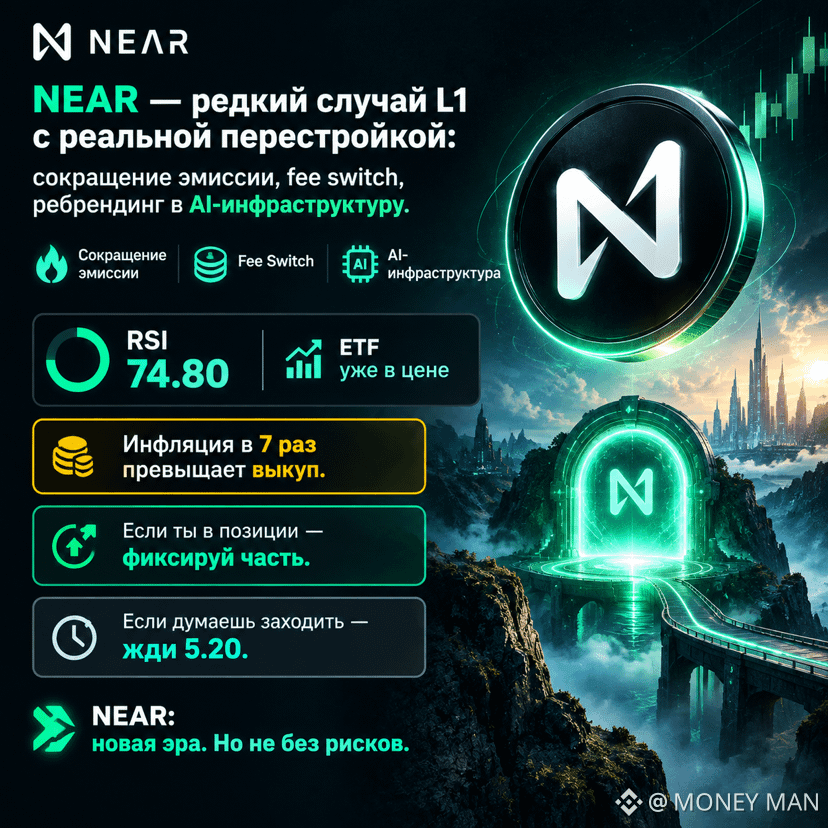
$NEAR RSIは74.80に達し、ストキャスティクスの%K(88.67)は%D(70.93)を上回って上昇しています。独立した2つのオシレーターが同時に警戒を示しています。一方、MACDヒストグラムはゼロで「死んだ」状態です。エンジンはレッドラインで稼働していますが、これ以上のトルクは生み出していません。
• レジスタンス:$6.00 → 6.50**
• サポート:$5.56(上値を拒まれたゾーン)→ 4.73**(構造的サポート)
良いニュース:NEARのロック解除はほぼ完了しています。2025年10月に初期供給分の最後のロック解除が完了し、流通量は100%に近づいています。2026年以降、大規模または段階的なロック解除はなく、エポック報酬のみとなります(月約540万NEAR、供給量の約0.4%)。
悪いニュース:インフレは依然として買い戻しを上回っています。プロトコルの年間収益は約1億5,000万と推定されています。買い戻しで補えるのはインフレ圧力の約13%にすぎません。真のデフレはまだ遠い目標です。
#NEAR は、発行量の削減、フィースイッチ、AIインフラへのリブランディングなど、実質的な再編が進む珍しいL1です。しかし、RSIは74.80で、ETFへの期待はすでに価格に織り込まれており、インフレは買い戻しの7倍に達しています。
#NEAR #NearProtocol #AI #L1
{future}(NEARUSDT)
$NEAR RSIは74.80に達し、ストキャスティクスの%K(88.67)は%D(70.93)を上回って上昇しています。独立した2つのオシレーターが同時に警戒を示しています。一方、MACDヒストグラムはゼロで「死んだ」状態です。エンジンはレッドラインで稼働していますが、これ以上のトルクは生み出していません。
• レジスタンス:$6.00 → 6.50**
• サポート:$5.56(上値を拒まれたゾーン)→ 4.73**(構造的サポート)
良いニュース:NEARのロック解除はほぼ完了しています。2025年10月に初期供給分の最後のロック解除が完了し、流通量は100%に近づいています。2026年以降、大規模または段階的なロック解除はなく、エポック報酬のみとなります(月約540万NEAR、供給量の約0.4%)。
悪いニュース:インフレは依然として買い戻しを上回っています。プロトコルの年間収益は約1億5,000万と推定されています。買い戻しで補えるのはインフレ圧力の約13%にすぎません。真のデフレはまだ遠い目標です。
#NEAR は、発行量の削減、フィースイッチ、AIインフラへのリブランディングなど、実質的な再編が進む珍しいL1です。しかし、RSIは74.80で、ETFへの期待はすでに価格に織り込まれており、インフレは買い戻しの7倍に達しています。
#NEAR #NearProtocol #AI #L1
• レジスタンス:$6.00 → 6.50**
• サポート:$5.56(上値を拒まれたゾーン)→ 4.73**(構造的サポート)
良いニュース:NEARのロック解除はほぼ完了しています。2025年10月に初期供給分の最後のロック解除が完了し、流通量は100%に近づいています。2026年以降、大規模または段階的なロック解除はなく、エポック報酬のみとなります(月約540万NEAR、供給量の約0.4%)。
悪いニュース:インフレは依然として買い戻しを上回っています。プロトコルの年間収益は約1億5,000万と推定されています。買い戻しで補えるのはインフレ圧力の約13%にすぎません。真のデフレはまだ遠い目標です。
#NEAR は、発行量の削減、フィースイッチ、AIインフラへのリブランディングなど、実質的な再編が進む珍しいL1です。しかし、RSIは74.80で、ETFへの期待はすでに価格に織り込まれており、インフレは買い戻しの7倍に達しています。
#NEAR #NearProtocol #AI #L1
2
1.3k

·
--
$S(Sonic)急騰を分析:バーンのカウントダウン+デフレ期待が相場に火をつける
みんな、$Sがまた爆上げ!24時間で一気に20%超、週間では30%超、月間ではほぼ倍増。旧Fantom、現Sonicが、ついに深い低迷から抜け出してきた。
主な好材料は?
10月15日に大型バーン!
未請求のエアドロップ分、約3,269万枚のSが永久に焼却される見込み。期限が来たら、受け取っていない分はそのまま消滅。供給減少への期待が先回りして織り込まれ、資金も早めに動いている。
トークノミクスは継続的に改善
6月に年間インフレを停止
9月に手動での追加発行をすべて廃止し、バリデーター報酬のみを維持
新経営陣は供給管理を明確化し、第三者監査も実施
希薄化への懸念は大幅に低下し、デフレのストーリーはより強固に。
テクニカル面も追い風
出来高が増加し、重要な水準を突破。6月安値からの回復にL1銘柄への資金循環も重なり、上昇余地は大きい。
私の見方:
短期的にはバーンが起爆剤。中期的には供給管理とエコシステムが実際に収益を生み出せるかに注目。急騰しすぎているときに考えなしで追いかけないこと。調整リスクに注意。
この水準なら、乗り遅れるより含み損を抱えるほうがマシだと個人的には思う。
#L1
$S(Sonic)急騰を分析:バーンのカウントダウン+デフレ期待が相場に火をつける
みんな、$Sがまた爆上げ!24時間で一気に20%超、週間では30%超、月間ではほぼ倍増。旧Fantom、現Sonicが、ついに深い低迷から抜け出してきた。
主な好材料は?
10月15日に大型バーン!
未請求のエアドロップ分、約3,269万枚のSが永久に焼却される見込み。期限が来たら、受け取っていない分はそのまま消滅。供給減少への期待が先回りして織り込まれ、資金も早めに動いている。
トークノミクスは継続的に改善
6月に年間インフレを停止
9月に手動での追加発行をすべて廃止し、バリデーター報酬のみを維持
新経営陣は供給管理を明確化し、第三者監査も実施
希薄化への懸念は大幅に低下し、デフレのストーリーはより強固に。
テクニカル面も追い風
出来高が増加し、重要な水準を突破。6月安値からの回復にL1銘柄への資金循環も重なり、上昇余地は大きい。
私の見方:
短期的にはバーンが起爆剤。中期的には供給管理とエコシステムが実際に収益を生み出せるかに注目。急騰しすぎているときに考えなしで追いかけないこと。調整リスクに注意。
この水準なら、乗り遅れるより含み損を抱えるほうがマシだと個人的には思う。
#L1
みんな、$Sがまた爆上げ!24時間で一気に20%超、週間では30%超、月間ではほぼ倍増。旧Fantom、現Sonicが、ついに深い低迷から抜け出してきた。
主な好材料は?
10月15日に大型バーン!
未請求のエアドロップ分、約3,269万枚のSが永久に焼却される見込み。期限が来たら、受け取っていない分はそのまま消滅。供給減少への期待が先回りして織り込まれ、資金も早めに動いている。
トークノミクスは継続的に改善
6月に年間インフレを停止
9月に手動での追加発行をすべて廃止し、バリデーター報酬のみを維持
新経営陣は供給管理を明確化し、第三者監査も実施
希薄化への懸念は大幅に低下し、デフレのストーリーはより強固に。
テクニカル面も追い風
出来高が増加し、重要な水準を突破。6月安値からの回復にL1銘柄への資金循環も重なり、上昇余地は大きい。
私の見方:
短期的にはバーンが起爆剤。中期的には供給管理とエコシステムが実際に収益を生み出せるかに注目。急騰しすぎているときに考えなしで追いかけないこと。調整リスクに注意。
この水準なら、乗り遅れるより含み損を抱えるほうがマシだと個人的には思う。
#L1
324
·
--
$STRK、まだ乗り遅れていませんか?
Starknet($STRK)とは?
イーサリアムのトップクラスのZK-Rollup(現在もL2)。STARK証明を採用し、高スループット、低Gas、ネイティブなアカウント抽象化を実現。
最新の大きなナラティブ:
公式は「L1への移行を積極的に検討中」と明言。2027年までに、完全な耐量子ネットワークとして世界初となることを目指しています。これは直近最大のカタリストです。
$STRKの主な用途:
Gas代の支払い
ステーキング報酬の獲得
ガバナンス投票
トークン概要:
総供給量は100億枚、流通量は約74億枚。アンロックのペースはすでに緩やかになっています。
直近のパフォーマンス:
価格は約$0.11、24時間で50%超上昇、7日間で2倍に。安値から大きく反発しています。
なぜ今注目?
手数料の全面的なSTRK移行+L1への移行と耐量子のナラティブ+BTCFiへの取り組み。
リスクに注意:L1への移行はまだ正式決定ではなく、アンロックによる売り圧力もあり、値動きも大きいです。DYOR!
買いたい方はBinanceで$STRKを検索
このナラティブ、どう思いますか?コメント欄で語りましょう🔥
#strk #STARKNET #L1 #耐量子
$STRK、まだ乗り遅れていませんか?
Starknet($STRK)とは?
イーサリアムのトップクラスのZK-Rollup(現在もL2)。STARK証明を採用し、高スループット、低Gas、ネイティブなアカウント抽象化を実現。
最新の大きなナラティブ:
公式は「L1への移行を積極的に検討中」と明言。2027年までに、完全な耐量子ネットワークとして世界初となることを目指しています。これは直近最大のカタリストです。
$STRKの主な用途:
Gas代の支払い
ステーキング報酬の獲得
ガバナンス投票
トークン概要:
総供給量は100億枚、流通量は約74億枚。アンロックのペースはすでに緩やかになっています。
直近のパフォーマンス:
価格は約$0.11、24時間で50%超上昇、7日間で2倍に。安値から大きく反発しています。
なぜ今注目?
手数料の全面的なSTRK移行+L1への移行と耐量子のナラティブ+BTCFiへの取り組み。
リスクに注意:L1への移行はまだ正式決定ではなく、アンロックによる売り圧力もあり、値動きも大きいです。DYOR!
買いたい方はBinanceで$STRKを検索
このナラティブ、どう思いますか?コメント欄で語りましょう🔥
#strk #STARKNET #L1 #耐量子
Starknet($STRK)とは?
イーサリアムのトップクラスのZK-Rollup(現在もL2)。STARK証明を採用し、高スループット、低Gas、ネイティブなアカウント抽象化を実現。
最新の大きなナラティブ:
公式は「L1への移行を積極的に検討中」と明言。2027年までに、完全な耐量子ネットワークとして世界初となることを目指しています。これは直近最大のカタリストです。
$STRKの主な用途:
Gas代の支払い
ステーキング報酬の獲得
ガバナンス投票
トークン概要:
総供給量は100億枚、流通量は約74億枚。アンロックのペースはすでに緩やかになっています。
直近のパフォーマンス:
価格は約$0.11、24時間で50%超上昇、7日間で2倍に。安値から大きく反発しています。
なぜ今注目?
手数料の全面的なSTRK移行+L1への移行と耐量子のナラティブ+BTCFiへの取り組み。
リスクに注意:L1への移行はまだ正式決定ではなく、アンロックによる売り圧力もあり、値動きも大きいです。DYOR!
買いたい方はBinanceで$STRKを検索
このナラティブ、どう思いますか?コメント欄で語りましょう🔥
#strk #STARKNET #L1 #耐量子
246

STRKが逆行高で急騰!Starknet、Ethereumからの独立を検討し、独立L1へ移行して耐量子化を目指す
#STRK24小时上涨约20%
$STRK
{future}(STRKUSDT)
StarknetのCEO、Eli Ben-Sasson氏は、StarknetをEthereumのL2から独立したL1へ移行し、2027年までに完全な耐量子ネットワークとして初めて実現することを目指して、チームが積極的に検討していると発表しました。
中核となる論理:量子コンピューターの脅威に加え、AIによって暗号解読のリスクが高まる中、L1であればセキュリティのアップグレードを独自に管理でき、Ethereumの対応を待つ必要がありません(Ethereumは2029年末頃の耐量子化を目指しています)。
strkBTCのインセンティブとメインネットのアップグレードも重なり、STRKは短期的に大幅上昇。ストーリー主導の動きが鮮明です。
⚠️ 注意:現時点ではあくまで「検討中」で、正式決定には至っていません。投機リスクと今後の進展にご注意ください。
#STRK #Starknet #抗量子 #L1
STRKが逆行高で急騰!Starknet、Ethereumからの独立を検討し、独立L1へ移行して耐量子化を目指す
#STRK24小时上涨约20%
$STRK
StarknetのCEO、Eli Ben-Sasson氏は、StarknetをEthereumのL2から独立したL1へ移行し、2027年までに完全な耐量子ネットワークとして初めて実現することを目指して、チームが積極的に検討していると発表しました。
中核となる論理:量子コンピューターの脅威に加え、AIによって暗号解読のリスクが高まる中、L1であればセキュリティのアップグレードを独自に管理でき、Ethereumの対応を待つ必要がありません(Ethereumは2029年末頃の耐量子化を目指しています)。
strkBTCのインセンティブとメインネットのアップグレードも重なり、STRKは短期的に大幅上昇。ストーリー主導の動きが鮮明です。
⚠️ 注意:現時点ではあくまで「検討中」で、正式決定には至っていません。投機リスクと今後の進展にご注意ください。
#STRK #Starknet #抗量子 #L1
#STRK24小时上涨约20%
$STRK
StarknetのCEO、Eli Ben-Sasson氏は、StarknetをEthereumのL2から独立したL1へ移行し、2027年までに完全な耐量子ネットワークとして初めて実現することを目指して、チームが積極的に検討していると発表しました。
中核となる論理:量子コンピューターの脅威に加え、AIによって暗号解読のリスクが高まる中、L1であればセキュリティのアップグレードを独自に管理でき、Ethereumの対応を待つ必要がありません(Ethereumは2029年末頃の耐量子化を目指しています)。
strkBTCのインセンティブとメインネットのアップグレードも重なり、STRKは短期的に大幅上昇。ストーリー主導の動きが鮮明です。
⚠️ 注意:現時点ではあくまで「検討中」で、正式決定には至っていません。投機リスクと今後の進展にご注意ください。
#STRK #Starknet #抗量子 #L1
1
399
ログインして、さらにコンテンツを読む
厳選トピックで世界の暗号資産トレーダーの仲間入り
⚡️ 暗号資産に関する最新かつ有益な情報が見つかります。
💬 世界最大の暗号資産取引所から信頼されています。
👍 認証を受けたクリエイターから、有益なインサイトを得られます。
メール / 電話番号
トレンドトピック
1
#FOMCWatch
閲覧回数 8.9M
26,810人が討論中
2
#EthereumDropsBelow$2300
閲覧回数 3,656
93人が討論中
3
#BitcoinSlipsBelow$80KAgain
閲覧回数 10,858
65人が討論中
4
#ThailandLaunchesWORPTStablecoinToQRPaymentApp
閲覧回数 18,985
357人が討論中
5
#StrategySkipsBitcoinPurchasesSpends$205MOnSTRCBuybacks
閲覧回数 5,400
81人が討論中
6
#BitmineAdds10452ETH
閲覧回数 57,229
764人が討論中
7
#SouthKoreaConsidersEducationTaxOnCryptoExchanges
閲覧回数 31,260
576人が討論中
8
#OCCUrgesCommunityBanksToEnterStablecoinPayments
閲覧回数 24,895
411人が討論中
9
#RippleWinsFullApprovalAsNationalTrustBank
閲覧回数 37,902
414人が討論中
10
#AkashSelectsSolanaAsMigrationTarget
閲覧回数 14,092
200人が討論中