

#geniusactpass
geniusactpass
閲覧回数 6M
29,844人が討論中
GENIUS Act passes U.S. Senate with 68–30 vote
A major step toward a regulated stablecoin framework in the U.S. 🇺🇸
💵 Could pave the way for faster payments
🏛️ Puts the U.S. closer to embracing digital asset innovation
📱 Major companies reportedly exploring stablecoin issuance
Next stop: House review, followed by the STABLE and CLARITY Acts.
📊 What role should stablecoins play in the future of finance?
👇 Share your thoughts — utility, adoption, or something else?
注目
最新


#GENIUSActPass
米国上院はGENIUS法案を68対30で可決し、上院を通過した初の主要な暗号法案となりました。この法案は現在、下院に移動し、下院は自らのバージョンを進めるか、上院の法案を採用するかを決定する必要があります。
💬 GENIUS法案が法律になった場合、暗号業界にどのような影響を与えると思いますか? 将来の金融においてステーブルコインはどのような役割を果たすのでしょうか? あなたの考えを共有してください!
#MyTradingStyle
すべてのトレーダーは、自分の個性、リスク許容度、目標によって形成された独自のスタイルを発展させます。保守的であろうと攻撃的であろうと、あなたの取引スタイルは使用する戦略や全体の結果に影響を与えます。
💬 あなたのユニークな取引スタイルは何ですか? お気に入りの戦略と、それがなぜあなたに合うのかを共有してください。
👉 Binanceポイントを獲得するためにタスクセンターで毎日のタスクを完了してください:
• #GENIUSActPass 、#MyTradingStyle または$USDC のキャスタグを使用して投稿を作成
• トレーダープロフィールを共有,
• またはウィジェットを使用して取引を共有し、5ポイントを獲得!
(バイナンスアプリのホームページで「+」をタップし、タスクセンターを選択)
活動期間: 2025-06-18 06:00 (UTC) から 2025-06-19 06:00 (UTC)
報酬は先着順ですので、毎日ポイントを請求するのを忘れないでください!
🚨 トレーダーズリーグ シーズン2が開始されました: トレードシェアリングウィジェットと#TradersLeague を使用して投稿を作成し、追加の報酬をアンロックしてください!
👉 完全なT&Cs [here](https://www.binance.com/en/square/post/25423268317010)
👉 探索 [Trader’s League](https://app.binance.com/activity/trading-competition/traders-league-june-2025?utm_source=square&_dp=L3dlYnZpZXcvd2Vidmlldz90eXBlPWRlZmF1bHQmdXJsPWFIUjBjSE02THk5M2QzY3VZbWx1WVc1alpTNWpiMjB2WVdOMGFYWnBkSGt2ZEhKaFpHbHVaeTFqYjIxd1pYUnBkR2x2Ymk5MGNtRmtaWEp6TFd4bFlXZDFaUzFxZFc1bExUSXdNalVfZFhSdFgzTnZkWEpqWlQxemNYVmhjbVU)
#GENIUSActPass
米国上院はGENIUS法案を68対30で可決し、上院を通過した初の主要な暗号法案となりました。この法案は現在、下院に移動し、下院は自らのバージョンを進めるか、上院の法案を採用するかを決定する必要があります。
💬 GENIUS法案が法律になった場合、暗号業界にどのような影響を与えると思いますか? 将来の金融においてステーブルコインはどのような役割を果たすのでしょうか? あなたの考えを共有してください!
#MyTradingStyle
すべてのトレーダーは、自分の個性、リスク許容度、目標によって形成された独自のスタイルを発展させます。保守的であろうと攻撃的であろうと、あなたの取引スタイルは使用する戦略や全体の結果に影響を与えます。
💬 あなたのユニークな取引スタイルは何ですか? お気に入りの戦略と、それがなぜあなたに合うのかを共有してください。
👉 Binanceポイントを獲得するためにタスクセンターで毎日のタスクを完了してください:
• #GENIUSActPass 、#MyTradingStyle または$USDC のキャスタグを使用して投稿を作成
• トレーダープロフィールを共有,
• またはウィジェットを使用して取引を共有し、5ポイントを獲得!
(バイナンスアプリのホームページで「+」をタップし、タスクセンターを選択)
活動期間: 2025-06-18 06:00 (UTC) から 2025-06-19 06:00 (UTC)
報酬は先着順ですので、毎日ポイントを請求するのを忘れないでください!
🚨 トレーダーズリーグ シーズン2が開始されました: トレードシェアリングウィジェットと#TradersLeague を使用して投稿を作成し、追加の報酬をアンロックしてください!
👉 完全なT&Cs here
👉 探索 Trader’s League
米国上院はGENIUS法案を68対30で可決し、上院を通過した初の主要な暗号法案となりました。この法案は現在、下院に移動し、下院は自らのバージョンを進めるか、上院の法案を採用するかを決定する必要があります。
💬 GENIUS法案が法律になった場合、暗号業界にどのような影響を与えると思いますか? 将来の金融においてステーブルコインはどのような役割を果たすのでしょうか? あなたの考えを共有してください!
#MyTradingStyle
すべてのトレーダーは、自分の個性、リスク許容度、目標によって形成された独自のスタイルを発展させます。保守的であろうと攻撃的であろうと、あなたの取引スタイルは使用する戦略や全体の結果に影響を与えます。
💬 あなたのユニークな取引スタイルは何ですか? お気に入りの戦略と、それがなぜあなたに合うのかを共有してください。
👉 Binanceポイントを獲得するためにタスクセンターで毎日のタスクを完了してください:
• #GENIUSActPass 、#MyTradingStyle または$USDC のキャスタグを使用して投稿を作成
• トレーダープロフィールを共有,
• またはウィジェットを使用して取引を共有し、5ポイントを獲得!
(バイナンスアプリのホームページで「+」をタップし、タスクセンターを選択)
活動期間: 2025-06-18 06:00 (UTC) から 2025-06-19 06:00 (UTC)
報酬は先着順ですので、毎日ポイントを請求するのを忘れないでください!
🚨 トレーダーズリーグ シーズン2が開始されました: トレードシェアリングウィジェットと#TradersLeague を使用して投稿を作成し、追加の報酬をアンロックしてください!
👉 完全なT&Cs here
👉 探索 Trader’s League
42
49
287
86.9k

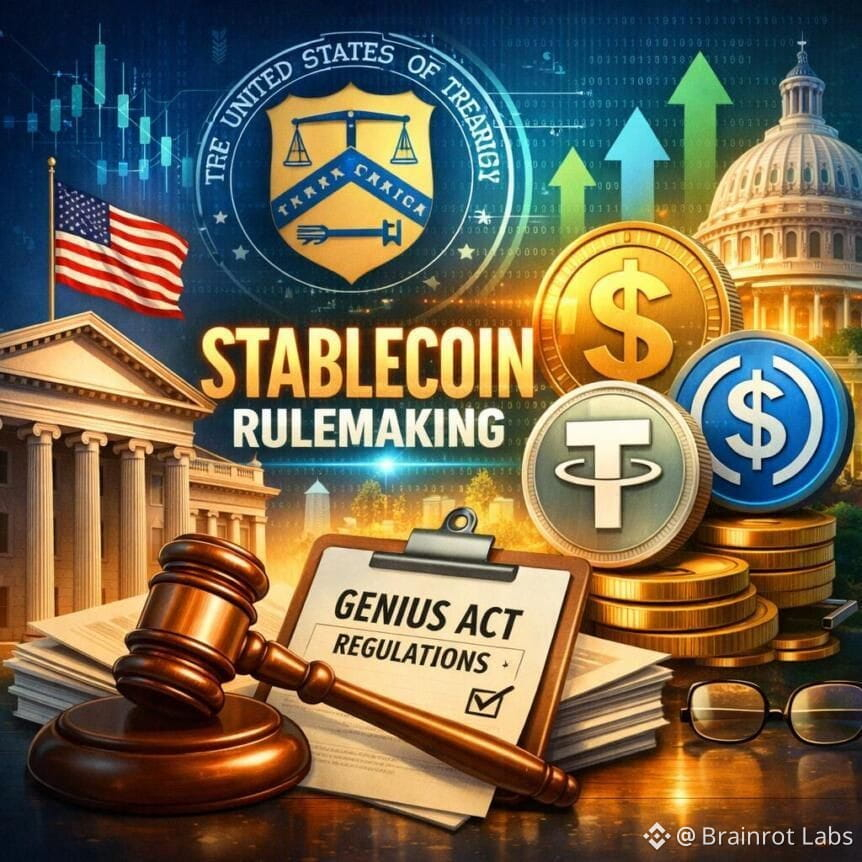
🇺🇸 安定コインの規定(ルールブック)は新しい勝者を生み得る 💀
GENIUS Actを巡る新たな規制は、米国のユーザーにアクセスできる安定コインをより厳格に絞り込むことを目指しています。
分析によると、合法的なステーブルコインがこれらのネットワークにより強く集中すれば、6つのエコシステムが恩恵を受ける可能性があります:
HYPE — Hyperliquid
ARB — Arbitrum
POL — Polygon
SOL — Solana
ETH — Ethereum
XRP — XRP Ledger
興味深いのは、各チェーンの安定コインへの依存度が大きく異なる点です。
Hyperliquidは約$6.18Bの安定コインを抱え、そのうちUSDCが97.8%を占めています。
Arbitrumは$3.5Bで、USDCは63.5%。
Solanaは$15.33Bで、USDCは43.5%。
Ethereumは最大で約$146.57Bの安定コインがありますが、それでもUSDTが50.4%を占めています。
ここでの話は単純に「安定コイン規制=トークン爆上げ」ではないと思います。もし新しい法律によって、合法なステーブルコインの流動性が特定の発行体やチェーンに集中するなら、新たなステーブルコインを受け取り、処理するインフラこそが、長期的に恩恵を受ける可能性がある。
Regulation:『自分のステーブルコインを選べ。』
Crypto:『いいね、じゃあ今度はみんなが順番に乗り換えるのを見よう。』 💀
ただし、分析自体も指摘しています。これらのトークンが必ず上昇する保証はなく、しかも大部分は1年前と比べて依然として大きく下落しています。
みんなは、ステーブルコインがクリプトの「ネイティブな金融インフラ」になった場合、どのチェーンが最も有利なポジションにあると思いますか?
#stablecoin #GENIUSActPass
🇺🇸 安定コインの規定(ルールブック)は新しい勝者を生み得る 💀
GENIUS Actを巡る新たな規制は、米国のユーザーにアクセスできる安定コインをより厳格に絞り込むことを目指しています。
分析によると、合法的なステーブルコインがこれらのネットワークにより強く集中すれば、6つのエコシステムが恩恵を受ける可能性があります:
HYPE — Hyperliquid
ARB — Arbitrum
POL — Polygon
SOL — Solana
ETH — Ethereum
XRP — XRP Ledger
興味深いのは、各チェーンの安定コインへの依存度が大きく異なる点です。
Hyperliquidは約$6.18Bの安定コインを抱え、そのうちUSDCが97.8%を占めています。
Arbitrumは$3.5Bで、USDCは63.5%。
Solanaは$15.33Bで、USDCは43.5%。
Ethereumは最大で約$146.57Bの安定コインがありますが、それでもUSDTが50.4%を占めています。
ここでの話は単純に「安定コイン規制=トークン爆上げ」ではないと思います。もし新しい法律によって、合法なステーブルコインの流動性が特定の発行体やチェーンに集中するなら、新たなステーブルコインを受け取り、処理するインフラこそが、長期的に恩恵を受ける可能性がある。
Regulation:『自分のステーブルコインを選べ。』
Crypto:『いいね、じゃあ今度はみんなが順番に乗り換えるのを見よう。』 💀
ただし、分析自体も指摘しています。これらのトークンが必ず上昇する保証はなく、しかも大部分は1年前と比べて依然として大きく下落しています。
みんなは、ステーブルコインがクリプトの「ネイティブな金融インフラ」になった場合、どのチェーンが最も有利なポジションにあると思いますか?
#stablecoin #GENIUSActPass
GENIUS Actを巡る新たな規制は、米国のユーザーにアクセスできる安定コインをより厳格に絞り込むことを目指しています。
分析によると、合法的なステーブルコインがこれらのネットワークにより強く集中すれば、6つのエコシステムが恩恵を受ける可能性があります:
HYPE — Hyperliquid
ARB — Arbitrum
POL — Polygon
SOL — Solana
ETH — Ethereum
XRP — XRP Ledger
興味深いのは、各チェーンの安定コインへの依存度が大きく異なる点です。
Hyperliquidは約$6.18Bの安定コインを抱え、そのうちUSDCが97.8%を占めています。
Arbitrumは$3.5Bで、USDCは63.5%。
Solanaは$15.33Bで、USDCは43.5%。
Ethereumは最大で約$146.57Bの安定コインがありますが、それでもUSDTが50.4%を占めています。
ここでの話は単純に「安定コイン規制=トークン爆上げ」ではないと思います。もし新しい法律によって、合法なステーブルコインの流動性が特定の発行体やチェーンに集中するなら、新たなステーブルコインを受け取り、処理するインフラこそが、長期的に恩恵を受ける可能性がある。
Regulation:『自分のステーブルコインを選べ。』
Crypto:『いいね、じゃあ今度はみんなが順番に乗り換えるのを見よう。』 💀
ただし、分析自体も指摘しています。これらのトークンが必ず上昇する保証はなく、しかも大部分は1年前と比べて依然として大きく下落しています。
みんなは、ステーブルコインがクリプトの「ネイティブな金融インフラ」になった場合、どのチェーンが最も有利なポジションにあると思いますか?
#stablecoin #GENIUSActPass
147

·
--
本人確認中
💵 連邦準備制度(Fed)がアメリカの未来のデジタル・ドル市場に線を引いた…
#fedproposesrulesforbankissuedstablecoins
同機関の新しい「GENIUS Act(天才法)」の提案では、取締りを受ける決済ステーブルコイン発行者に対し、短期の国債など許可された資産でトークンを完全に裏付けることを求める一方、資本、リスク管理、準備(レザーブ)の保管に関するルールを課すことになります。
ただ、見落とされがちな点があります。
これは「すべての“デジタル・ドル”」を同じように自動的に規制するわけではありません。
GENIUS Actにおける決済ステーブルコインの定義は具体的です。さらに、Ethenaの提出書類ではUSDeを合成ドルとして説明しており、ENAはガバナンストークンです。
ここが重要です。Ethenaは今、配信(ディストリビューション)のレイヤーそのものを掌握しようとしています。
Ethena Payは、自社の残高はUSDeだとし、このプロダクトを「Ethenaのドル・エコシステムのための配信チャネル」と明確に呼んでいます。
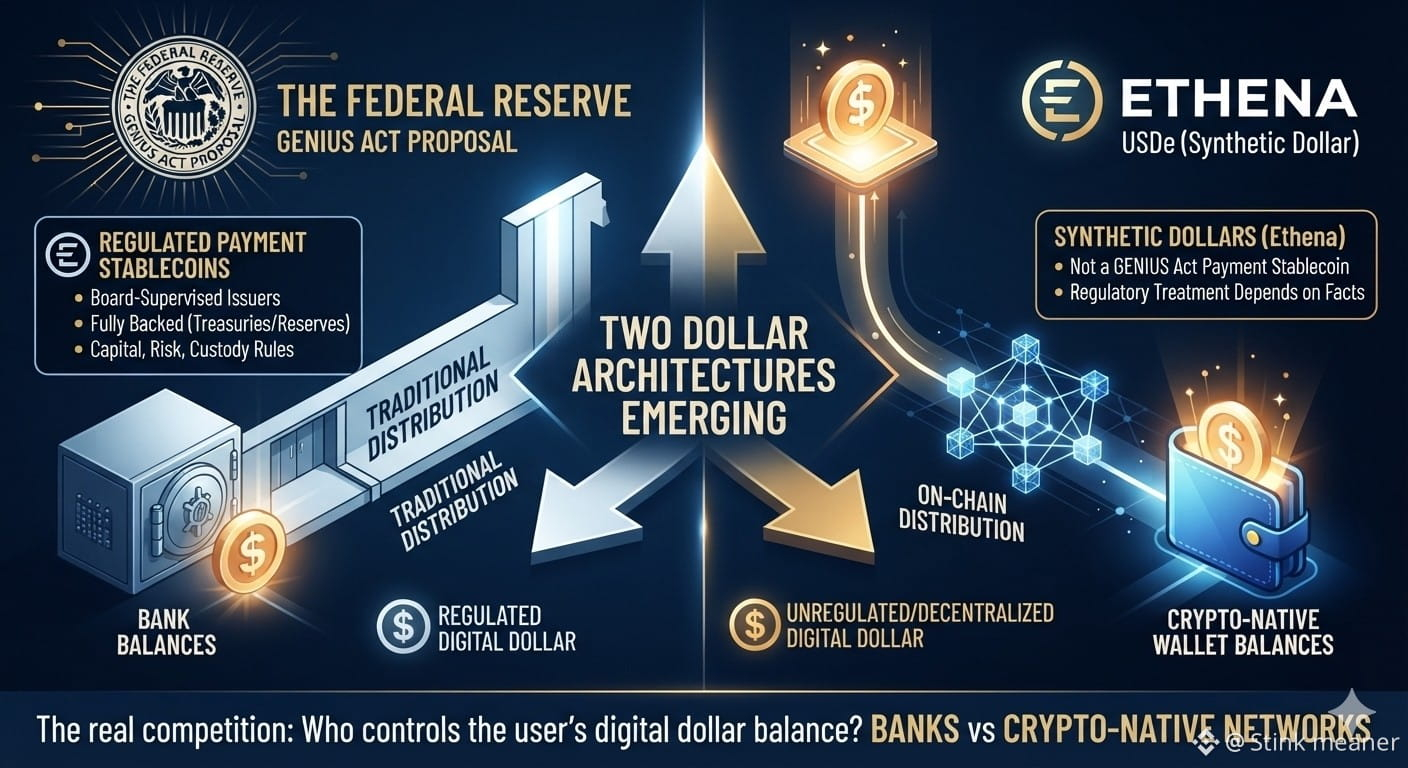
つまり、次のような2つのドル・アーキテクチャが出てくるのを見ている可能性があります。
銀行 → 規制された決済ステーブルコイン → 従来の配信
クリプトネイティブ → 合成ドル → オンチェーン配信
本当の競争は「ステーブルコイン対ステーブルコイン」ではないかもしれません。
ユーザーのデジタル・ドル残高を誰がコントロールするか――銀行か、クリプトネイティブのネットワークか――が競争になり得ます。
※金融アドバイスではありません。ここではUSDeをGENIUS Actの決済ステーブルコインとして特徴づけているわけではありません。その規制上の取り扱いは、最終ルールや事実関係によって変わり得ます。規制の枠組みはENAの需要や価値を保証するものではありません。
$ENA $QNT $BTC
{future}(ENAUSDT)
#FedProposesRulesForBankIssuedStablecoins #GENIUSActPass #Stablecoins #FederalReserve
💵 連邦準備制度(Fed)がアメリカの未来のデジタル・ドル市場に線を引いた…
#fedproposesrulesforbankissuedstablecoins
同機関の新しい「GENIUS Act(天才法)」の提案では、取締りを受ける決済ステーブルコイン発行者に対し、短期の国債など許可された資産でトークンを完全に裏付けることを求める一方、資本、リスク管理、準備(レザーブ)の保管に関するルールを課すことになります。
ただ、見落とされがちな点があります。
これは「すべての“デジタル・ドル”」を同じように自動的に規制するわけではありません。
GENIUS Actにおける決済ステーブルコインの定義は具体的です。さらに、Ethenaの提出書類ではUSDeを合成ドルとして説明しており、ENAはガバナンストークンです。
ここが重要です。Ethenaは今、配信(ディストリビューション)のレイヤーそのものを掌握しようとしています。
Ethena Payは、自社の残高はUSDeだとし、このプロダクトを「Ethenaのドル・エコシステムのための配信チャネル」と明確に呼んでいます。
つまり、次のような2つのドル・アーキテクチャが出てくるのを見ている可能性があります。
銀行 → 規制された決済ステーブルコイン → 従来の配信
クリプトネイティブ → 合成ドル → オンチェーン配信
本当の競争は「ステーブルコイン対ステーブルコイン」ではないかもしれません。
ユーザーのデジタル・ドル残高を誰がコントロールするか――銀行か、クリプトネイティブのネットワークか――が競争になり得ます。
※金融アドバイスではありません。ここではUSDeをGENIUS Actの決済ステーブルコインとして特徴づけているわけではありません。その規制上の取り扱いは、最終ルールや事実関係によって変わり得ます。規制の枠組みはENAの需要や価値を保証するものではありません。
$ENA $QNT $BTC
#FedProposesRulesForBankIssuedStablecoins #GENIUSActPass #Stablecoins #FederalReserve
#fedproposesrulesforbankissuedstablecoins
同機関の新しい「GENIUS Act(天才法)」の提案では、取締りを受ける決済ステーブルコイン発行者に対し、短期の国債など許可された資産でトークンを完全に裏付けることを求める一方、資本、リスク管理、準備(レザーブ)の保管に関するルールを課すことになります。
ただ、見落とされがちな点があります。
これは「すべての“デジタル・ドル”」を同じように自動的に規制するわけではありません。
GENIUS Actにおける決済ステーブルコインの定義は具体的です。さらに、Ethenaの提出書類ではUSDeを合成ドルとして説明しており、ENAはガバナンストークンです。
ここが重要です。Ethenaは今、配信(ディストリビューション)のレイヤーそのものを掌握しようとしています。
Ethena Payは、自社の残高はUSDeだとし、このプロダクトを「Ethenaのドル・エコシステムのための配信チャネル」と明確に呼んでいます。
つまり、次のような2つのドル・アーキテクチャが出てくるのを見ている可能性があります。
銀行 → 規制された決済ステーブルコイン → 従来の配信
クリプトネイティブ → 合成ドル → オンチェーン配信
本当の競争は「ステーブルコイン対ステーブルコイン」ではないかもしれません。
ユーザーのデジタル・ドル残高を誰がコントロールするか――銀行か、クリプトネイティブのネットワークか――が競争になり得ます。
※金融アドバイスではありません。ここではUSDeをGENIUS Actの決済ステーブルコインとして特徴づけているわけではありません。その規制上の取り扱いは、最終ルールや事実関係によって変わり得ます。規制の枠組みはENAの需要や価値を保証するものではありません。
$ENA $QNT $BTC
#FedProposesRulesForBankIssuedStablecoins #GENIUSActPass #Stablecoins #FederalReserve
1
4
3.1k

私たちは月曜日から有料および無料のグループで新しい挑戦を始めます。それに参加してください。(詳細はピン留めされた📌投稿を参照)
$BTC $ETH $SOL #XSuperApp #SwingTradingStrategy #GENIUSActPass #PowellRemarks
私たちは月曜日から有料および無料のグループで新しい挑戦を始めます。それに参加してください。(詳細はピン留めされた📌投稿を参照)
$BTC $ETH $SOL #XSuperApp #SwingTradingStrategy #GENIUSActPass #PowellRemarks
$BTC $ETH $SOL #XSuperApp #SwingTradingStrategy #GENIUSActPass #PowellRemarks
2
339

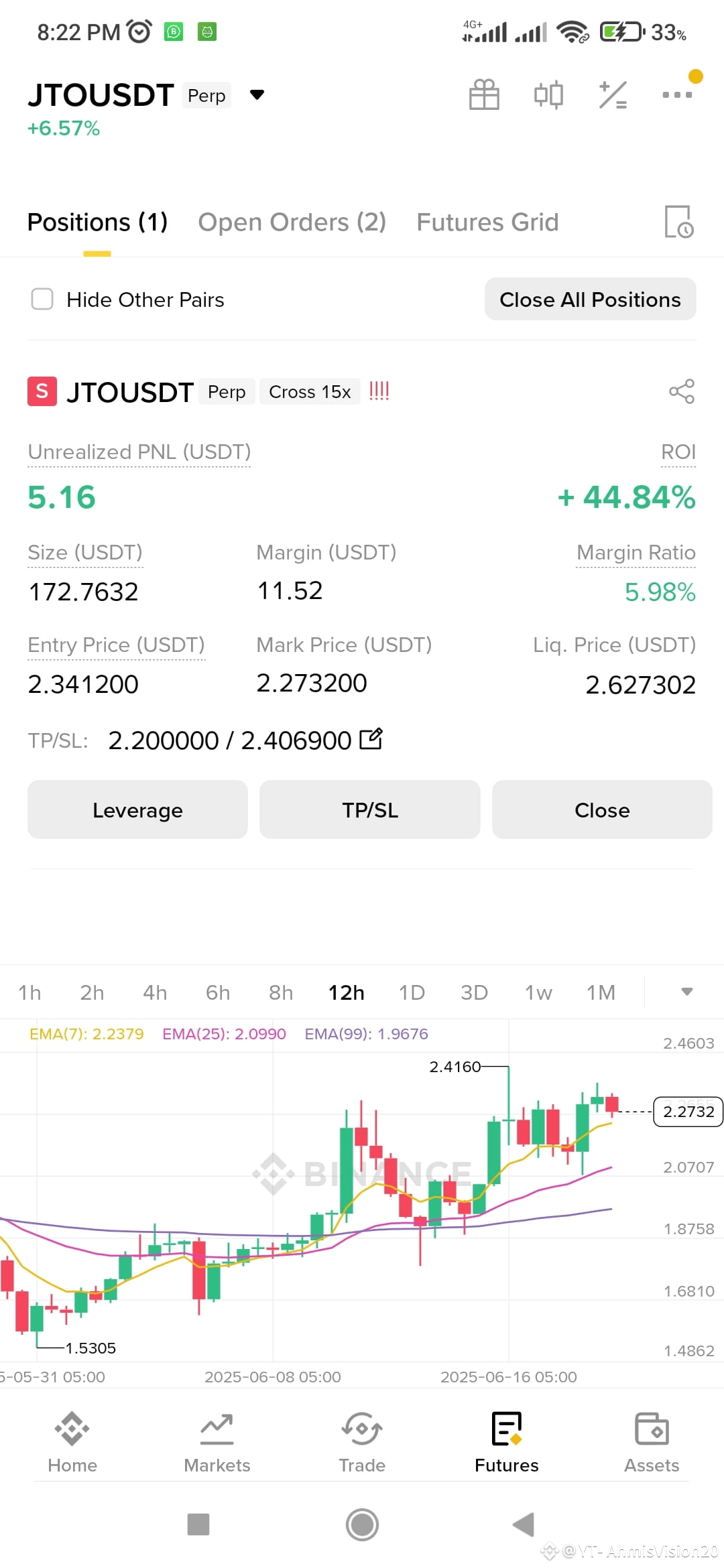
こんにちは、エキスパートの皆さん!
お持ちください/閉じてください。おすすめはありますか??
すでに利益は出ていますが、少なくとも10 USDTは欲しいです
$JTO
$BTC $ETH
#PowellRemarks #CryptoStocks #MyTradingStyle #IsraelIranConflict #GENIUSActPass
こんにちは、エキスパートの皆さん!
お持ちください/閉じてください。おすすめはありますか??
すでに利益は出ていますが、少なくとも10 USDTは欲しいです
$JTO
$BTC $ETH
#PowellRemarks #CryptoStocks #MyTradingStyle #IsraelIranConflict #GENIUSActPass
お持ちください/閉じてください。おすすめはありますか??
すでに利益は出ていますが、少なくとも10 USDTは欲しいです
$JTO
$BTC $ETH
#PowellRemarks #CryptoStocks #MyTradingStyle #IsraelIranConflict #GENIUSActPass
1
309


·
--
ブリッシュ
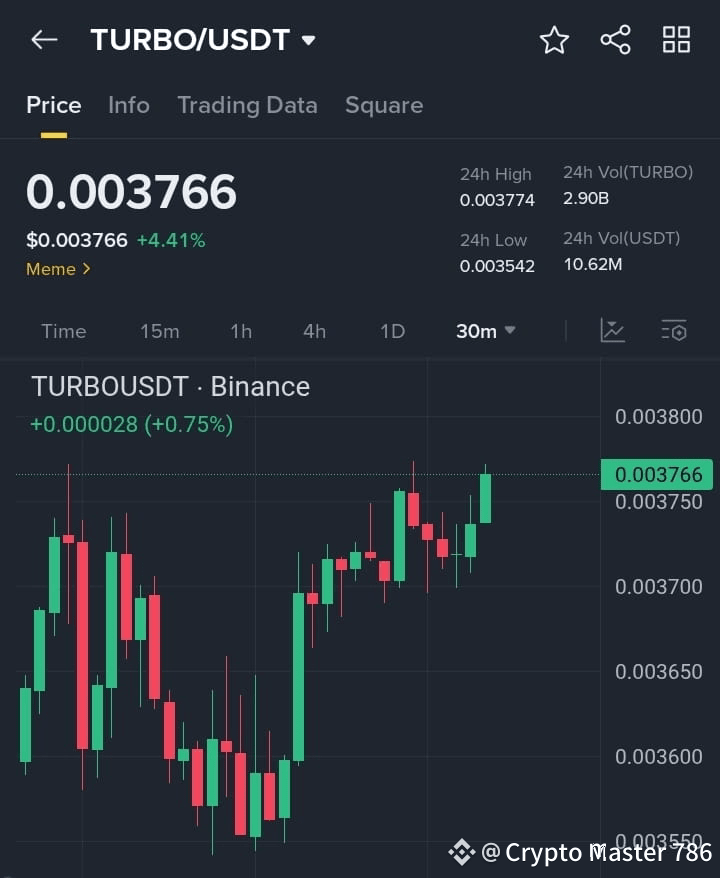
$TURBO /USDT – ブレイクアウト圧力が高まっています!🚀🔥
現在の価格: $0.003766 (+4.41%)
🔶 市場構造:
$TURBO は$0.003774の24時間高値に対して押し上げており、30分チャートで強気の力を示しています。一貫した高値のシリーズは買い手のコントロールを示し、まさにそのエッジでの潜在的なブレイクアウトを示唆しています。
📊 キーレベル:
抵抗 (24時間高値): $0.003774
サポート: $0.00364 – $0.00370
24時間安値: $0.003542
🎯 トレードセットアップ:
エントリーゾーン: $0.00374 – $0.00377 (ブレイクアウト確認)
ストップロス: $0.00364
ターゲット:
TP1: $0.00385
TP2: $0.00393
TP3: $0.00408
💡 プロのヒント:
強いボリュームで$0.00378以上のブレイクアウトキャンドルを探してください。抵抗線を超えてクリーンにクローズし、継続することがこの動きを検証します。タイトなストップロスを使用し、TP1後に利益をトレイルしてください。
⚡️ $TURBO は加速しています — このミームコインは、ほんの火花で急速に加速する可能性があります!
{spot}(TURBOUSDT)
#PowellRemarks #MyTradingStyle #IsraelIranConflict #GENIUSActPass #DAOBaseAIBinanceTGE
$TURBO /USDT – ブレイクアウト圧力が高まっています!🚀🔥
現在の価格: $0.003766 (+4.41%)
🔶 市場構造:
$TURBO は$0.003774の24時間高値に対して押し上げており、30分チャートで強気の力を示しています。一貫した高値のシリーズは買い手のコントロールを示し、まさにそのエッジでの潜在的なブレイクアウトを示唆しています。
📊 キーレベル:
抵抗 (24時間高値): $0.003774
サポート: $0.00364 – $0.00370
24時間安値: $0.003542
🎯 トレードセットアップ:
エントリーゾーン: $0.00374 – $0.00377 (ブレイクアウト確認)
ストップロス: $0.00364
ターゲット:
TP1: $0.00385
TP2: $0.00393
TP3: $0.00408
💡 プロのヒント:
強いボリュームで$0.00378以上のブレイクアウトキャンドルを探してください。抵抗線を超えてクリーンにクローズし、継続することがこの動きを検証します。タイトなストップロスを使用し、TP1後に利益をトレイルしてください。
⚡️ $TURBO は加速しています — このミームコインは、ほんの火花で急速に加速する可能性があります!
#PowellRemarks #MyTradingStyle #IsraelIranConflict #GENIUSActPass #DAOBaseAIBinanceTGE
現在の価格: $0.003766 (+4.41%)
🔶 市場構造:
$TURBO は$0.003774の24時間高値に対して押し上げており、30分チャートで強気の力を示しています。一貫した高値のシリーズは買い手のコントロールを示し、まさにそのエッジでの潜在的なブレイクアウトを示唆しています。
📊 キーレベル:
抵抗 (24時間高値): $0.003774
サポート: $0.00364 – $0.00370
24時間安値: $0.003542
🎯 トレードセットアップ:
エントリーゾーン: $0.00374 – $0.00377 (ブレイクアウト確認)
ストップロス: $0.00364
ターゲット:
TP1: $0.00385
TP2: $0.00393
TP3: $0.00408
💡 プロのヒント:
強いボリュームで$0.00378以上のブレイクアウトキャンドルを探してください。抵抗線を超えてクリーンにクローズし、継続することがこの動きを検証します。タイトなストップロスを使用し、TP1後に利益をトレイルしてください。
⚡️ $TURBO は加速しています — このミームコインは、ほんの火花で急速に加速する可能性があります!
#PowellRemarks #MyTradingStyle #IsraelIranConflict #GENIUSActPass #DAOBaseAIBinanceTGE
1
3
951

·
--
ブリッシュ
$ETH 重要な更新 !!
蓄積範囲 : 2300 - 2850
$ETH はその範囲からBOする必要があり、その後ミニ #アルトシーズンが来ると思います
その間に、いくつかの#アルトがアウトパフォームするでしょう。選ぶようにしてください。短期取引とDEX取引を共有しようと思います。
イラン・イスラエル戦争のため、市場は不安定です。心配しないでください、数週間後にはすべてクールダウンします。
ETHは$BTCと比較して本当に良く保持されていますが、#アルトはいつものようにひどく下落しています。
これは私の見解であり、安全に取引し、リスクを管理します。
ところで、年末までにETHは$4,000になるでしょう ✍️
_________________________________
(いいね、フォロー、チップコメントを使うのを忘れないでください)
#CryptoStocks #BTCPrediction #PowellRemarks #IsraelIranConflict #GENIUSActPass
$ETH 重要な更新 !!
蓄積範囲 : 2300 - 2850
$ETH はその範囲からBOする必要があり、その後ミニ #アルトシーズンが来ると思います
その間に、いくつかの#アルトがアウトパフォームするでしょう。選ぶようにしてください。短期取引とDEX取引を共有しようと思います。
イラン・イスラエル戦争のため、市場は不安定です。心配しないでください、数週間後にはすべてクールダウンします。
ETHは$BTCと比較して本当に良く保持されていますが、#アルトはいつものようにひどく下落しています。
これは私の見解であり、安全に取引し、リスクを管理します。
ところで、年末までにETHは$4,000になるでしょう ✍️
_________________________________
(いいね、フォロー、チップコメントを使うのを忘れないでください)
#CryptoStocks #BTCPrediction #PowellRemarks #IsraelIranConflict #GENIUSActPass
蓄積範囲 : 2300 - 2850
$ETH はその範囲からBOする必要があり、その後ミニ #アルトシーズンが来ると思います
その間に、いくつかの#アルトがアウトパフォームするでしょう。選ぶようにしてください。短期取引とDEX取引を共有しようと思います。
イラン・イスラエル戦争のため、市場は不安定です。心配しないでください、数週間後にはすべてクールダウンします。
ETHは$BTCと比較して本当に良く保持されていますが、#アルトはいつものようにひどく下落しています。
これは私の見解であり、安全に取引し、リスクを管理します。
ところで、年末までにETHは$4,000になるでしょう ✍️
_________________________________
(いいね、フォロー、チップコメントを使うのを忘れないでください)
#CryptoStocks #BTCPrediction #PowellRemarks #IsraelIranConflict #GENIUSActPass
154
92
19
441
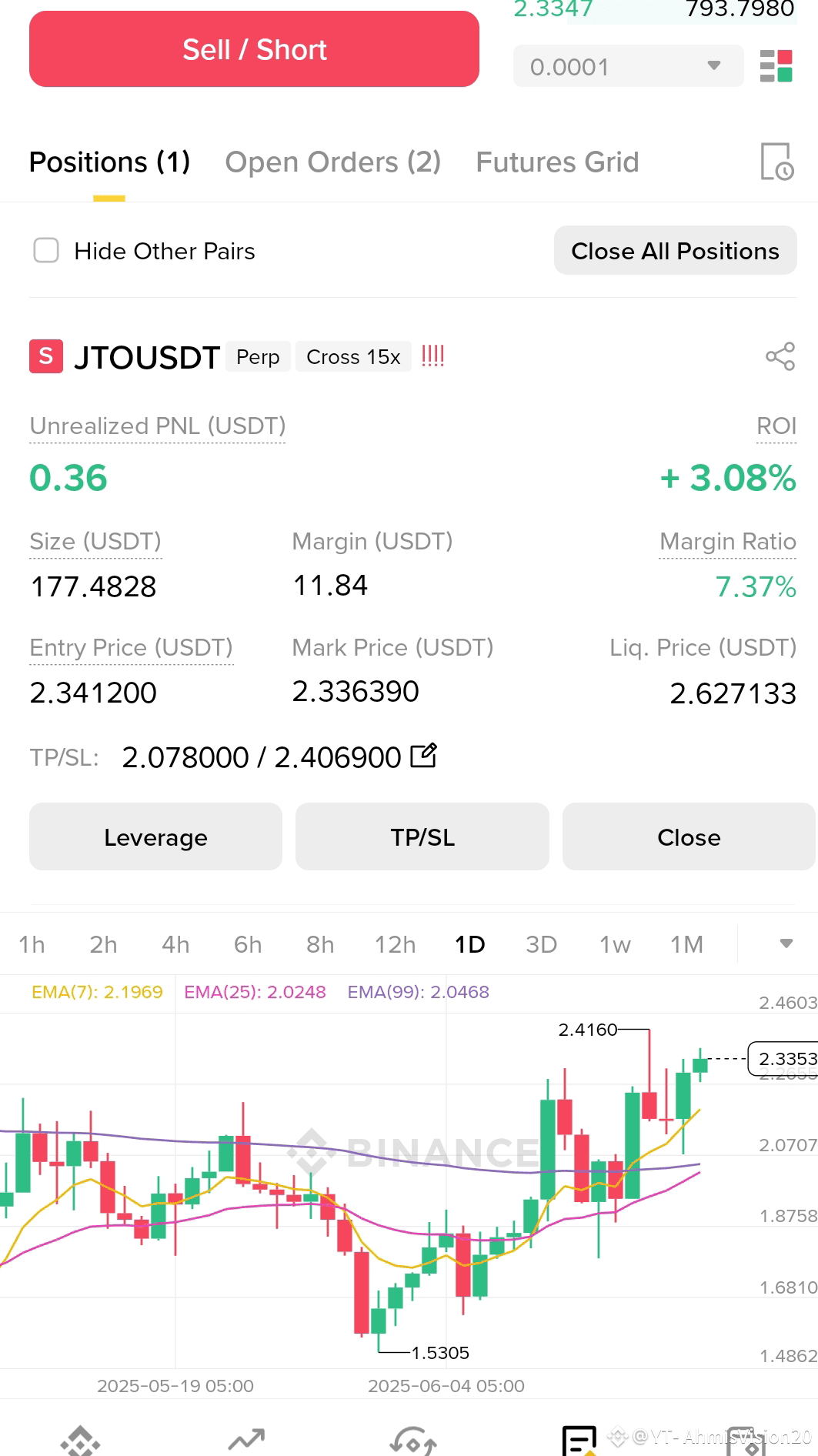
🔴シグナルアルバート 🔴
今すぐショートセールを行い、利益を逃すな
私の取引からすべてをコピー
TP / SLは私の取引で言及されています
大きな利益が来る
毎日利益を上げるシグナルのために私をフォロー
$JTO
$BTC $ETH
#PowellRemarks #CryptoStocks #MyTradingStyle #IsraelIranConflict #GENIUSActPass
🔴シグナルアルバート 🔴
今すぐショートセールを行い、利益を逃すな
私の取引からすべてをコピー
TP / SLは私の取引で言及されています
大きな利益が来る
毎日利益を上げるシグナルのために私をフォロー
$JTO
$BTC $ETH
#PowellRemarks #CryptoStocks #MyTradingStyle #IsraelIranConflict #GENIUSActPass
今すぐショートセールを行い、利益を逃すな
私の取引からすべてをコピー
TP / SLは私の取引で言及されています
大きな利益が来る
毎日利益を上げるシグナルのために私をフォロー
$JTO
$BTC $ETH
#PowellRemarks #CryptoStocks #MyTradingStyle #IsraelIranConflict #GENIUSActPass
2
2.4k

翻訳参照
$FUN استمرارها بالصعود الممنهج وفق لتموينات وعمليات شراء متوازنه انهم يحافضون على العمله بشكل جيد الامر سيصل الى 0.01
فرصته لربح 500% خلال ساعات #PowellRemarks #MyTradingStyle #MyTradingStyle #GENIUSActPass #DAOBaseAIBinanceTGE $XRP $BNB
$FUN استمرارها بالصعود الممنهج وفق لتموينات وعمليات شراء متوازنه انهم يحافضون على العمله بشكل جيد الامر سيصل الى 0.01
فرصته لربح 500% خلال ساعات #PowellRemarks #MyTradingStyle #MyTradingStyle #GENIUSActPass #DAOBaseAIBinanceTGE $XRP $BNB
فرصته لربح 500% خلال ساعات #PowellRemarks #MyTradingStyle #MyTradingStyle #GENIUSActPass #DAOBaseAIBinanceTGE $XRP $BNB
276

·
--
弱気相場
翻訳参照
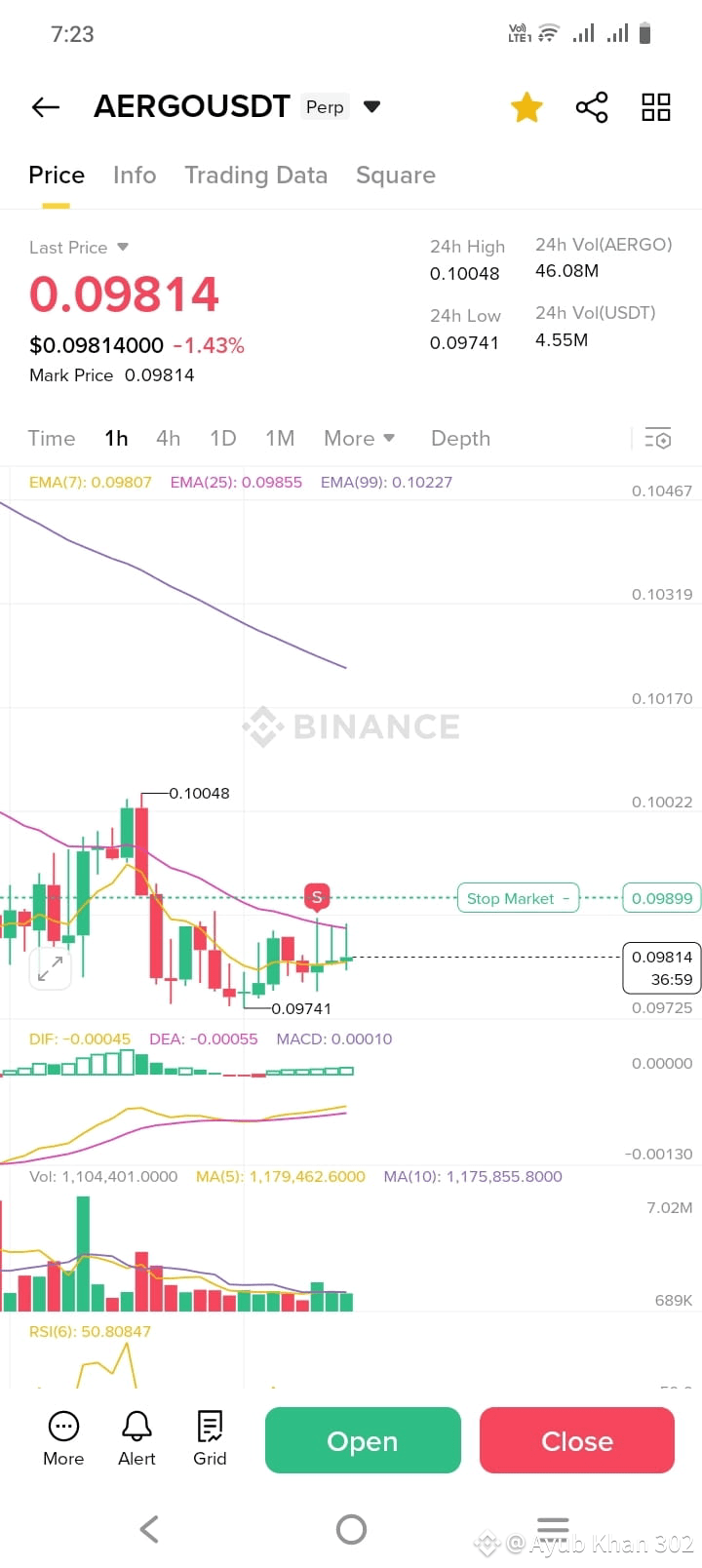
$AERGO volume 46 m 😲 next week upside 👆🆓 free signal #PowellRemarks #BinanceAlphaAlert $BTC $ETH #MyTradingStyle #IsraelIranConflict #GENIUSActPass
$AERGO volume 46 m 😲 next week upside 👆🆓 free signal #PowellRemarks #BinanceAlphaAlert $BTC $ETH #MyTradingStyle #IsraelIranConflict #GENIUSActPass
1
677


·
--
翻訳参照
$BCH اختراق، هدف 500 دولار يلوح في الأفق❓
استيقظ للتو... بعد اختراقه حاجز 475 دولارًا، يتطلع المضاربون على الارتفاع إلى أكثر من 500 دولار. يشهد حجم التداول ارتفاعًا حادًا، وتدفق الطلبات كثيفًا. هل يمكن استعادة زخمه من هنا؟❓
اخترق مستويات المقاومة السابقة، ليصل إلى أعلى مستوى له خلال 24 ساعة عند 489.9 دولارًا، محققًا مكاسب بنسبة 6.72% خلال اليوم. مع دعم قوي بحجم التداول، وهيمنة 75% من جانب الشراء في سجل الطلبات، يُظهر BCH زخمًا صعوديًا مع وجود مجال للصعود.
📈 إعدادات التداول الطويل (ساعة واحدة):
منطقة الدخول: ٤٨٥.٥ دولارًا أمريكيًا - ٤٨٨.٠ دولارًا أمريكيًا
جني الأرباح ١: ٤٩٨.٠ دولارًا أمريكيًا
جني الأرباح ٢: ٥١٠.٠ دولارًا أمريكيًا
جني الأرباح ٣: ٥٢٥.٠ دولارًا أمريكيًا
إيقاف الخسارة: ٤٧٤.٥ دولارًا أمريكيًا
{future}(BCHUSDT)
#PowellRemarks #CryptoStocks #MyTradingStyle #IsraelIranConflict #GENIUSActPass
$BCH اختراق، هدف 500 دولار يلوح في الأفق❓
استيقظ للتو... بعد اختراقه حاجز 475 دولارًا، يتطلع المضاربون على الارتفاع إلى أكثر من 500 دولار. يشهد حجم التداول ارتفاعًا حادًا، وتدفق الطلبات كثيفًا. هل يمكن استعادة زخمه من هنا؟❓
اخترق مستويات المقاومة السابقة، ليصل إلى أعلى مستوى له خلال 24 ساعة عند 489.9 دولارًا، محققًا مكاسب بنسبة 6.72% خلال اليوم. مع دعم قوي بحجم التداول، وهيمنة 75% من جانب الشراء في سجل الطلبات، يُظهر BCH زخمًا صعوديًا مع وجود مجال للصعود.
📈 إعدادات التداول الطويل (ساعة واحدة):
منطقة الدخول: ٤٨٥.٥ دولارًا أمريكيًا - ٤٨٨.٠ دولارًا أمريكيًا
جني الأرباح ١: ٤٩٨.٠ دولارًا أمريكيًا
جني الأرباح ٢: ٥١٠.٠ دولارًا أمريكيًا
جني الأرباح ٣: ٥٢٥.٠ دولارًا أمريكيًا
إيقاف الخسارة: ٤٧٤.٥ دولارًا أمريكيًا
#PowellRemarks #CryptoStocks #MyTradingStyle #IsraelIranConflict #GENIUSActPass
استيقظ للتو... بعد اختراقه حاجز 475 دولارًا، يتطلع المضاربون على الارتفاع إلى أكثر من 500 دولار. يشهد حجم التداول ارتفاعًا حادًا، وتدفق الطلبات كثيفًا. هل يمكن استعادة زخمه من هنا؟❓
اخترق مستويات المقاومة السابقة، ليصل إلى أعلى مستوى له خلال 24 ساعة عند 489.9 دولارًا، محققًا مكاسب بنسبة 6.72% خلال اليوم. مع دعم قوي بحجم التداول، وهيمنة 75% من جانب الشراء في سجل الطلبات، يُظهر BCH زخمًا صعوديًا مع وجود مجال للصعود.
📈 إعدادات التداول الطويل (ساعة واحدة):
منطقة الدخول: ٤٨٥.٥ دولارًا أمريكيًا - ٤٨٨.٠ دولارًا أمريكيًا
جني الأرباح ١: ٤٩٨.٠ دولارًا أمريكيًا
جني الأرباح ٢: ٥١٠.٠ دولارًا أمريكيًا
جني الأرباح ٣: ٥٢٥.٠ دولارًا أمريكيًا
إيقاف الخسارة: ٤٧٤.٥ دولارًا أمريكيًا
#PowellRemarks #CryptoStocks #MyTradingStyle #IsraelIranConflict #GENIUSActPass
1
1
399

·
--
翻訳参照
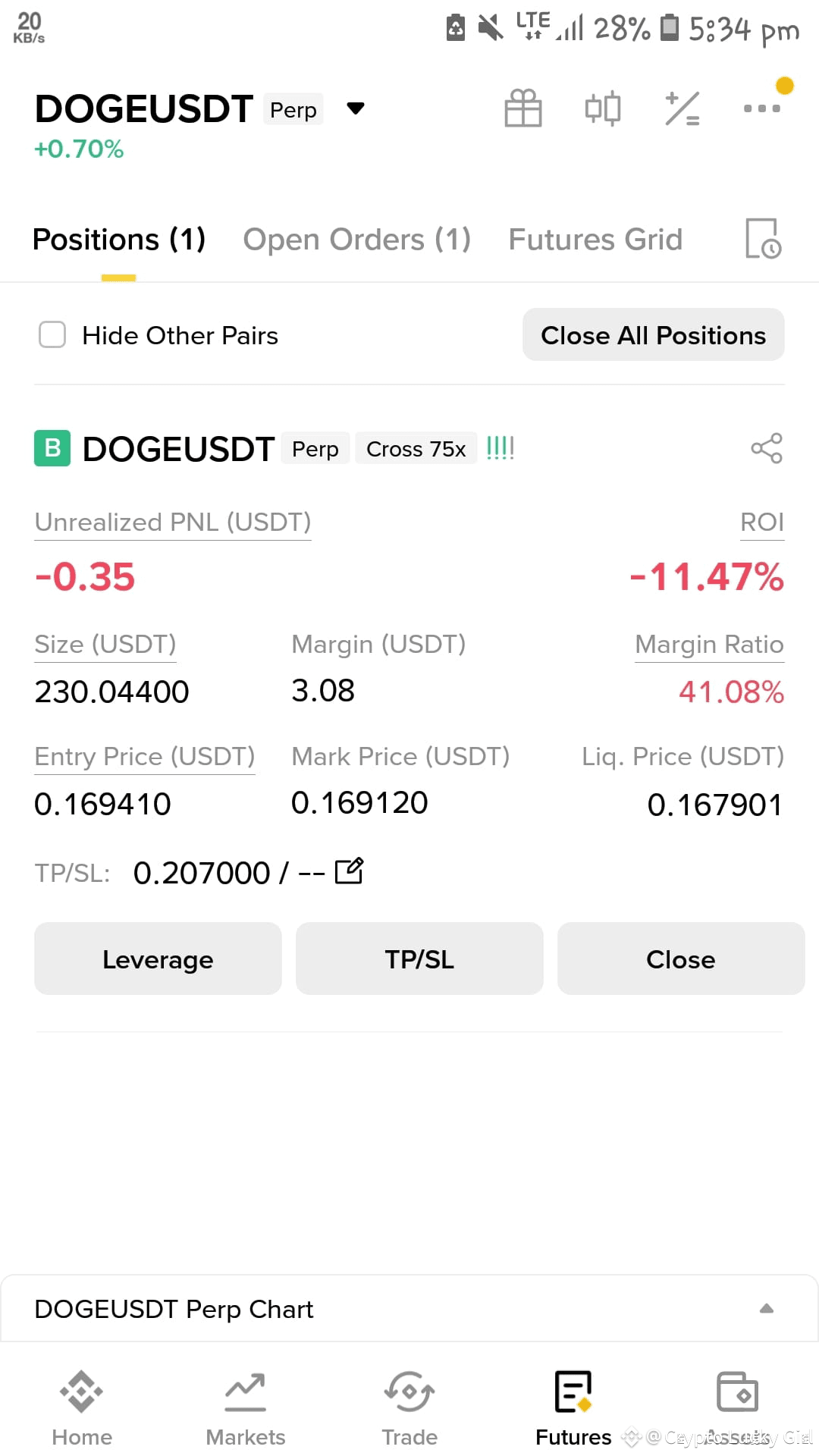
1
316
🔴私のシグナル精度でフォロワーが毎日利益を出している方法
ぜひ私のプロフィールを自分の目で確認してください
今日のシグナルはすべて利益中 🎉
毎日の利益のためにフォローしてね
$FUN
$RAY
$BTC
#PowellRemarks #CryptoStocks #MyTradingStyle #IsraelIranConflict #GENIUSActPass
🔴私のシグナル精度でフォロワーが毎日利益を出している方法
ぜひ私のプロフィールを自分の目で確認してください
今日のシグナルはすべて利益中 🎉
毎日の利益のためにフォローしてね
$FUN
$RAY
$BTC
#PowellRemarks #CryptoStocks #MyTradingStyle #IsraelIranConflict #GENIUSActPass
ぜひ私のプロフィールを自分の目で確認してください
今日のシグナルはすべて利益中 🎉
毎日の利益のためにフォローしてね
$FUN
$RAY
$BTC
#PowellRemarks #CryptoStocks #MyTradingStyle #IsraelIranConflict #GENIUSActPass
539


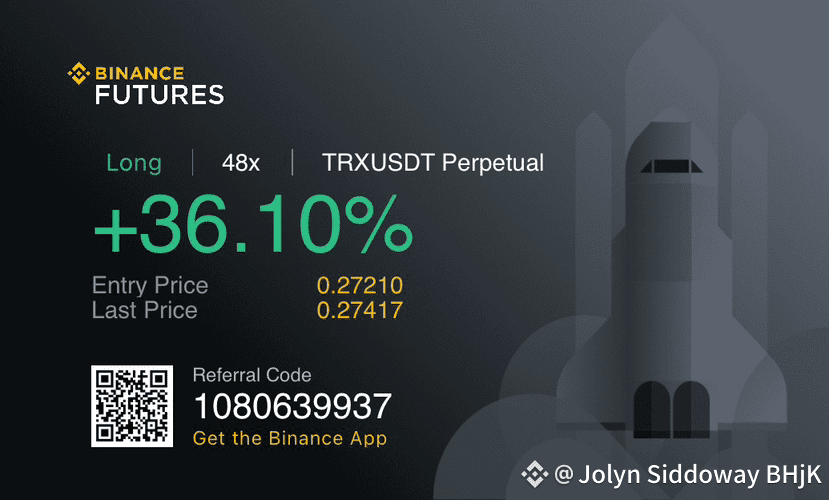

·
--
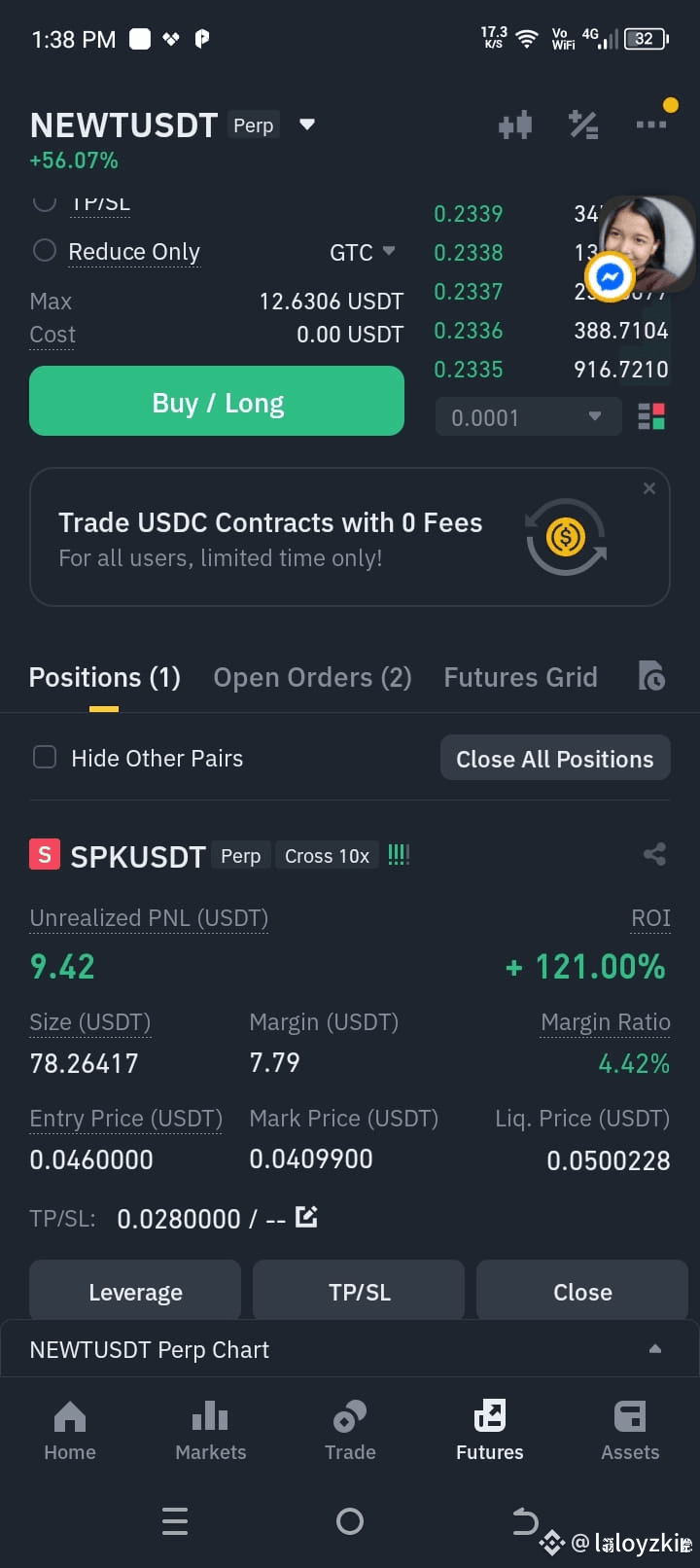
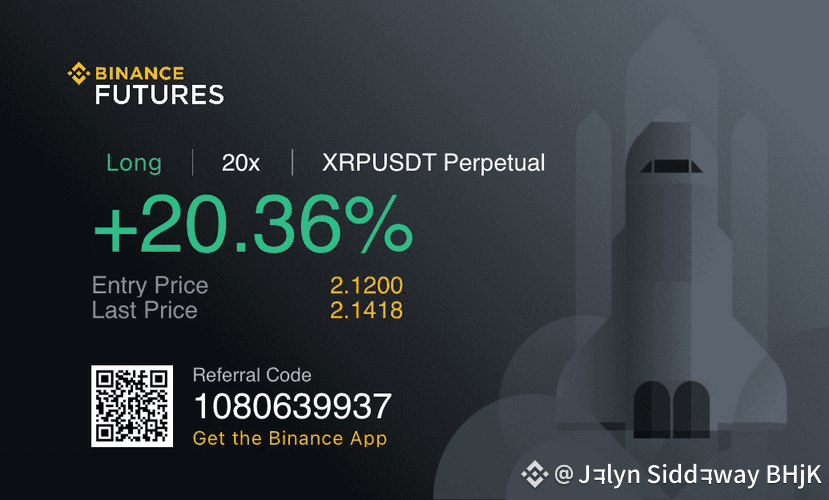
こんにちは皆さん、素敵な一日をお過ごしください。少額の$USDTを持っていても、取引の仕方を知っていれば、その少額を徐々に百万に増やすことができます。自分を信じてください、私のようにできるのです。大きな金額を持っているわけではありませんが、生き延びることができます。毎日取引するポジションを共有しますので、私に従ってください。友達になって豊かになれますよ!! $BTC $ETH $XRP #XSuperApp #PowellRemarks #CryptoStocks #MyTradingStyle #GENIUSActPass
こんにちは皆さん、素敵な一日をお過ごしください。少額の$USDTを持っていても、取引の仕方を知っていれば、その少額を徐々に百万に増やすことができます。自分を信じてください、私のようにできるのです。大きな金額を持っているわけではありませんが、生き延びることができます。毎日取引するポジションを共有しますので、私に従ってください。友達になって豊かになれますよ!! $BTC $ETH $XRP #XSuperApp #PowellRemarks #CryptoStocks #MyTradingStyle #GENIUSActPass
1.4k



·
--
弱気相場
#PowellRemarks #CryptoStocks #GENIUSActPass
*エスプレッソ $ESP: イーサリアムが必要とする3秒の修正*
イーサリアムのファイナリティは15分かかります。市場はそれよりも早く動きます。
*エスプレッソ*はホットショットコンセンサスでそれを解決します — アービトラムとオプティミズムのための3秒ファイナリティ。共有シーケンシングはレイヤー2全体での流動性の断片化を解消します。
*$ESP の重要性:*
1. バリデーターはESPをステークしてネットワークを保護します。
2. すべてのシーケンシング手数料は$ESPで支払われます。
3. ホルダーはプロトコルのアップグレードに投票します。
パウエルの発言のようなFRBの政策シフトはボラティリティを引き起こします。マクロが影響を与えるとき、速いL2のファイナリティは重要になります。エスプレッソは2026年にロールアップが必要とするベースレイヤーです。
$ETH
{spot}(ETHUSDT)
バイナンスがESPを2026年2月12日に上場しました。早期ポジショニング?
共有シーケンシングは次のブルランを支配するのでしょうか?コメント👇
#PowellRemarks #CryptoStocks #GENIUSActPass
*エスプレッソ $ESP : イーサリアムが必要とする3秒の修正*
イーサリアムのファイナリティは15分かかります。市場はそれよりも早く動きます。
*エスプレッソ*はホットショットコンセンサスでそれを解決します — アービトラムとオプティミズムのための3秒ファイナリティ。共有シーケンシングはレイヤー2全体での流動性の断片化を解消します。
*$ESP の重要性:*
1. バリデーターはESPをステークしてネットワークを保護します。
2. すべてのシーケンシング手数料は$ESP で支払われます。
3. ホルダーはプロトコルのアップグレードに投票します。
パウエルの発言のようなFRBの政策シフトはボラティリティを引き起こします。マクロが影響を与えるとき、速いL2のファイナリティは重要になります。エスプレッソは2026年にロールアップが必要とするベースレイヤーです。
$ETH
バイナンスがESPを2026年2月12日に上場しました。早期ポジショニング?
共有シーケンシングは次のブルランを支配するのでしょうか?コメント👇
*エスプレッソ $ESP : イーサリアムが必要とする3秒の修正*
イーサリアムのファイナリティは15分かかります。市場はそれよりも早く動きます。
*エスプレッソ*はホットショットコンセンサスでそれを解決します — アービトラムとオプティミズムのための3秒ファイナリティ。共有シーケンシングはレイヤー2全体での流動性の断片化を解消します。
*$ESP の重要性:*
1. バリデーターはESPをステークしてネットワークを保護します。
2. すべてのシーケンシング手数料は$ESP で支払われます。
3. ホルダーはプロトコルのアップグレードに投票します。
パウエルの発言のようなFRBの政策シフトはボラティリティを引き起こします。マクロが影響を与えるとき、速いL2のファイナリティは重要になります。エスプレッソは2026年にロールアップが必要とするベースレイヤーです。
$ETH
バイナンスがESPを2026年2月12日に上場しました。早期ポジショニング?
共有シーケンシングは次のブルランを支配するのでしょうか?コメント👇
3
4
212
ログインして、さらにコンテンツを読む
厳選トピックで世界の暗号資産トレーダーの仲間入り
⚡️ 暗号資産に関する最新かつ有益な情報が見つかります。
💬 世界最大の暗号資産取引所から信頼されています。
👍 認証を受けたクリエイターから、有益なインサイトを得られます。
メール / 電話番号
トレンドトピック
1
#BinancePick
閲覧回数 3.1M
154,079人が討論中
2
#EarningsSeason
閲覧回数 5.3M
26,085人が討論中
3
#AnthropicTTMRevenueGrewAbout1200%
閲覧回数 36,565
448人が討論中
4
#AnthropicS1ExpectedToday
閲覧回数 30,097
364人が討論中
5
#SouthKoreaReportedlyWeighsFourthCryptoTaxDelay
閲覧回数 33,330
495人が討論中
6
#FranklinTempletonFilesForTwoDividendToBitcoinETFs
閲覧回数 44,300
563人が討論中
7
#StrategyMSTRSurpassesNasdaqInMarketCap
閲覧回数 34,086
399人が討論中
8
#CanadaProposesStablecoinRedemptionWithin3BusinessDays
閲覧回数 1,427
37人が討論中
9
#ElectrumWalletBugLetRogueServersStealFunds
閲覧回数 33,251
480人が討論中
10
#ArgentineCourtDismissesLIBRACaseAgainstMilei
閲覧回数 49,597
604人が討論中