
#follow4more
follow4more
閲覧回数 2.8M
8,756人が討論中
注目
最新

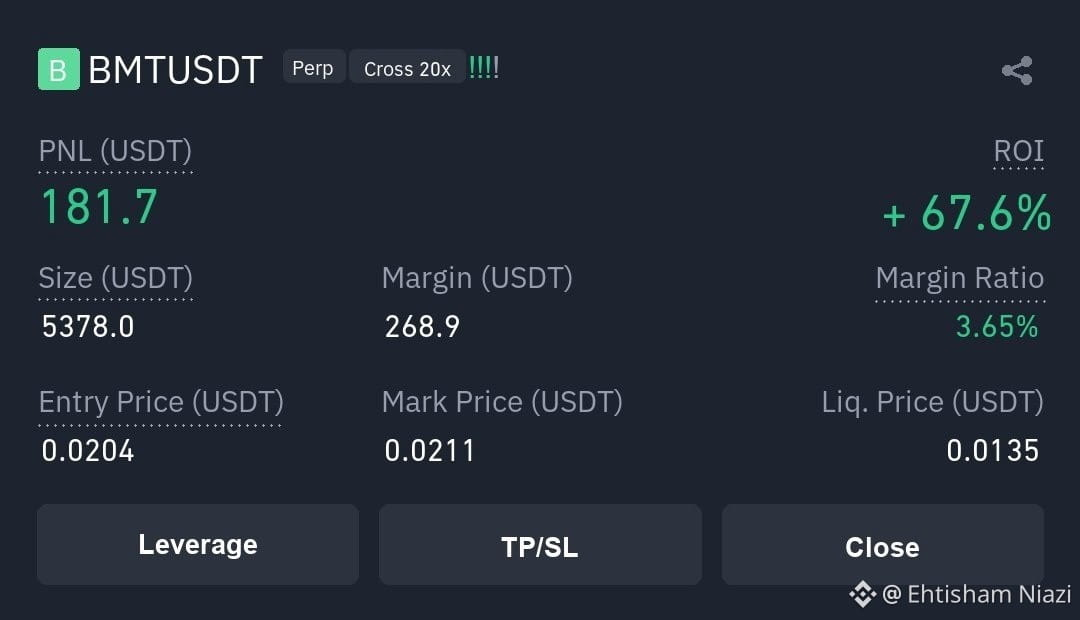
🪙 $BMT /USDT –無料取引結果
🎯 目標達成状況:1 ✅
💸 利益:+67%
無料取引情報を受け取るにはフォローしてください #freesignal #Follow4more #SİGNAL #TradingSignals
🪙 $BMT /USDT –無料取引結果
🎯 目標達成状況:1 ✅
💸 利益:+67%
無料取引情報を受け取るにはフォローしてください #freesignal #Follow4more #SİGNAL #TradingSignals
🎯 目標達成状況:1 ✅
💸 利益:+67%
無料取引情報を受け取るにはフォローしてください #freesignal #Follow4more #SİGNAL #TradingSignals
Ehtisham Niazi
·
--
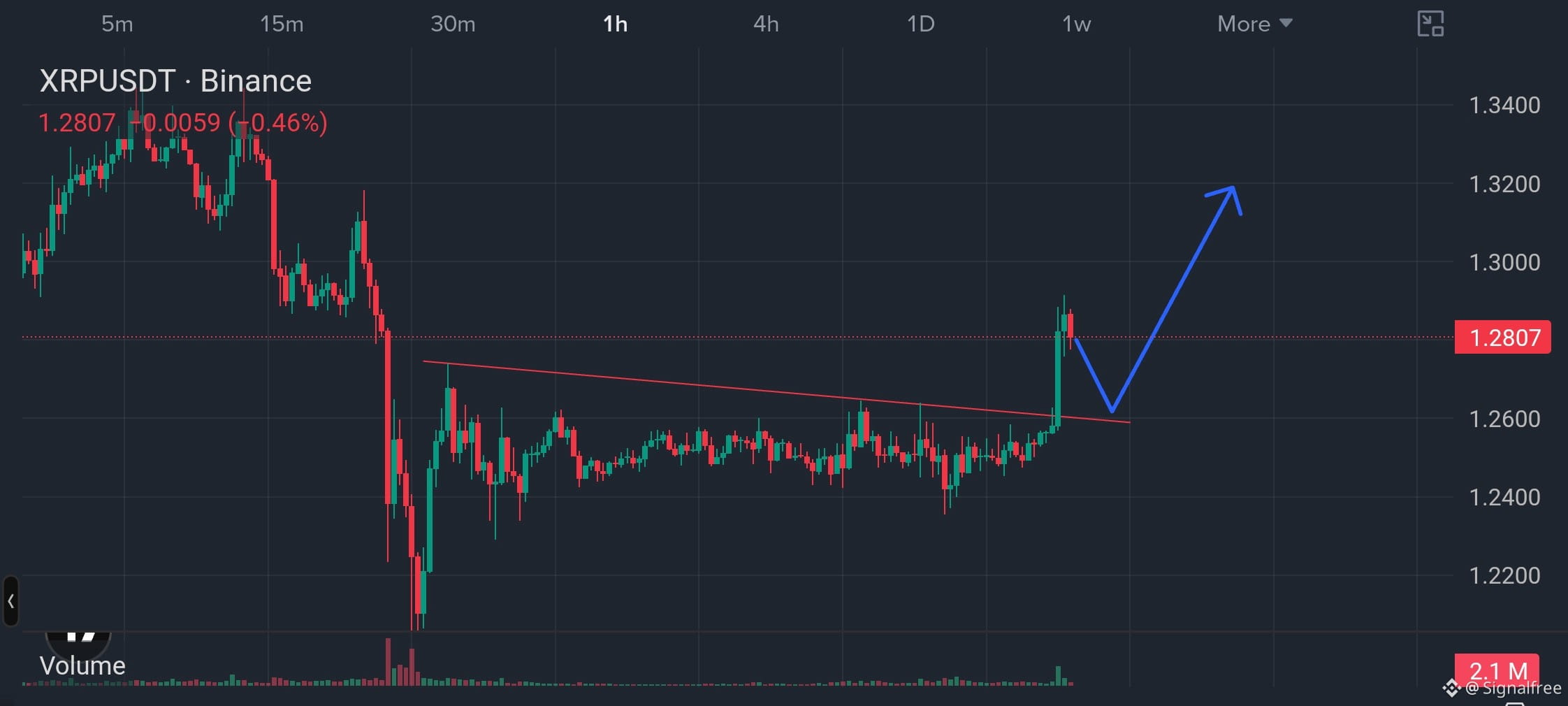
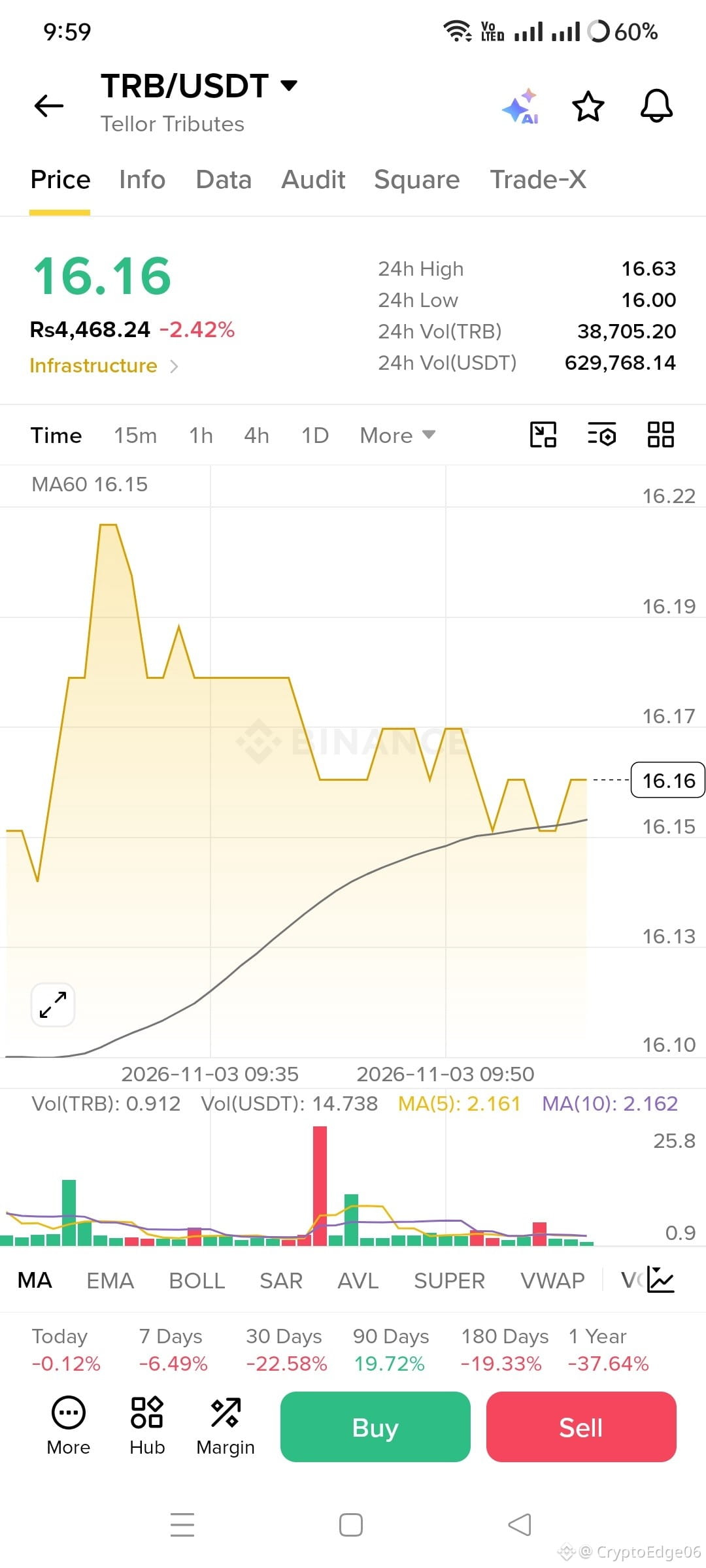
#BMT /USDTは現在の市場価格(先物)
5〜20倍のレバレッジを利用できます。
エントリー:- 0.02068- 0.02016
目標価格 👇
1. $0.02110
2. $0.02174
3. $0.02248
損切り:$0.01950
#freesignals #freetrade #Follow $BMT
5〜20倍のレバレッジを利用できます。
エントリー:- 0.02068- 0.02016
目標価格 👇
1. $0.02110
2. $0.02174
3. $0.02248
損切り:$0.01950
#freesignals #freetrade #Follow $BMT
9



·
--
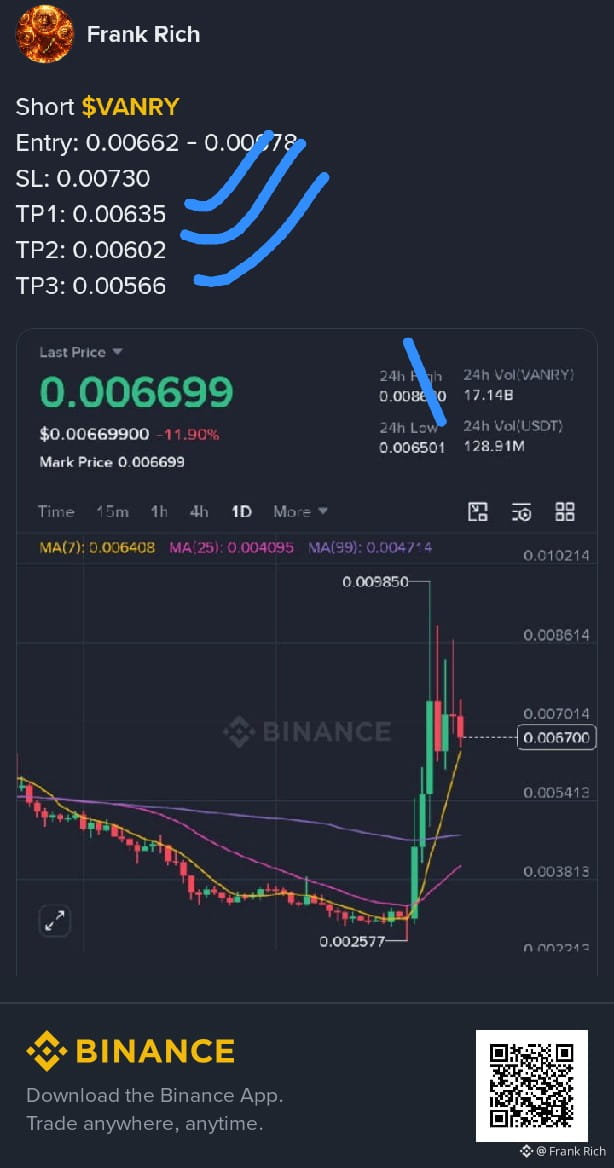
私のフォロワーのみんなにおめでとう!目標を達成したよ 🎯 当たりまくり 🔥💯 #VANRYUSDT $VANRY #Follow4more
私のフォロワーのみんなにおめでとう!目標を達成したよ 🎯 当たりまくり 🔥💯 #VANRYUSDT $VANRY #Follow4more
277

·
--
翻訳参照
Trade idea
#BTC Usdt #Short
Limit Order: 62400
2nd Entry: 66800
Leverage: Cross 20x - 30x
Margin: 0.25% - 0.5%
Target:
61400 - 60200 - 57600 - 53100 - 49800
SL: 67800
If 15m Candle close Above 67800
Note:
1) Trade at your own risk
2) Move SL on entry after hitting 1st TP
3) High Leverage not recommended
4) Must Follow Pinned messages Rules
5) Don't open more than 2 trades at a time
Good Luck
#Follow_Like_Comment
#Follow4more
#FollowMeAndGetReward
SMHZ 110:
already in short bro🤍
1
1
130

翻訳参照
Clawback policies and unvested equity rules apply when an executive exits amid an investigation?When an executive exits amid an investigation, clawback policies and unvested equity rules operate on two distinct tracks: mandatory financial-restatement clawbacks (which do not require proving personal fault) and misconduct / "for cause" clawbacks and equity forfeitures (which depend heavily on employment contracts, grant agreements, and investigative findings).
1. Mandatory Restatement Clawbacks vs. Misconduct Clawbacks
Accounting Restatement Clawbacks (No-Fault Trigger): Under exchange listing standards implementing SEC Rule 10D-1, public companies must recover erroneously awarded incentive-based compensation received by covered executive officers over the three completed fiscal years preceding an accounting restatement ("Big R" or "little r"). Crucially, this recovery is triggered by the accounting error itself—not by proving the departing executive acted with bad intent or personal misconduct—and applies to incentive awards tied to financial reporting measures, stock price, or total shareholder return (TSR).Misconduct / "Cause" Clawbacks (Fault-Based): Many companies also maintain separate supplemental clawback policies covering detrimental conduct, fraud, ethics violations, or regulatory/compliance breaches, even when no accounting restatement occurs. Enforcement here typically turns on whether the investigation establishes misconduct or a "for cause" violation under the company’s policy and contract terms.Limited Exceptions & No Indemnification: Mandatory restatement clawbacks allow only narrow exceptions (such as impracticability due to third-party recovery costs exceeding the amount recoverable or conflict with certain pre-existing home-country laws), and companies generally cannot indemnify executives for clawed-back incentive pay or pay insurance premiums shielding them from recovery.
2. How Unvested Equity Is Treated During & After an Exit
Unvested awards—such as RSUs (Restricted Stock Units), PSUs (Performance Stock Units), or unvested stock options—are governed primarily by the underlying equity plan and grant agreement rather than automatic statutory clawback rules:
Standard Forfeiture Upon Departure: In most equity plans, unvested shares or options are forfeited immediately upon termination or resignation unless a specific exception applies (such as retirement, death/disability, or negotiated severance).Good Reason / Without Cause vs. "For Cause": Departures during an investigation often create a dispute over how the exit is characterized. A "for cause" termination or finding of misconduct typically wipes out unvested equity and can cut off severance, whereas a resignation or negotiated separation without a "cause" finding may leave certain transition or severance terms open to negotiation—and potential legal challenge.Suspension or Tolling Pending Fact-Finding: Some equity agreements or transition arrangements allow the board or compensation committee to suspend vesting, hold back settlement, or toll forfeiture determinations while an active investigation is underway, preventing premature payouts before facts are verified.
3. Practical Friction Points for Boards and Departing Executives
4. What Boards Typically Watch
When an exit happens mid-probe, compensation and governance committees generally focus on documenting the factual record, applying policy terms consistently (to avoid selective enforcement or fiduciary claims), and aligning any separation or settlement terms with audit and legal findings so short-term expediency does not create larger regulatory or shareholder liability later.
#Binance #FollowLikeComment #Follow4more
Clawback policies and unvested equity rules apply when an executive exits amid an investigation?
When an executive exits amid an investigation, clawback policies and unvested equity rules operate on two distinct tracks: mandatory financial-restatement clawbacks (which do not require proving personal fault) and misconduct / "for cause" clawbacks and equity forfeitures (which depend heavily on employment contracts, grant agreements, and investigative findings).
1. Mandatory Restatement Clawbacks vs. Misconduct Clawbacks
Accounting Restatement Clawbacks (No-Fault Trigger): Under exchange listing standards implementing SEC Rule 10D-1, public companies must recover erroneously awarded incentive-based compensation received by covered executive officers over the three completed fiscal years preceding an accounting restatement ("Big R" or "little r"). Crucially, this recovery is triggered by the accounting error itself—not by proving the departing executive acted with bad intent or personal misconduct—and applies to incentive awards tied to financial reporting measures, stock price, or total shareholder return (TSR).Misconduct / "Cause" Clawbacks (Fault-Based): Many companies also maintain separate supplemental clawback policies covering detrimental conduct, fraud, ethics violations, or regulatory/compliance breaches, even when no accounting restatement occurs. Enforcement here typically turns on whether the investigation establishes misconduct or a "for cause" violation under the company’s policy and contract terms.Limited Exceptions & No Indemnification: Mandatory restatement clawbacks allow only narrow exceptions (such as impracticability due to third-party recovery costs exceeding the amount recoverable or conflict with certain pre-existing home-country laws), and companies generally cannot indemnify executives for clawed-back incentive pay or pay insurance premiums shielding them from recovery.
2. How Unvested Equity Is Treated During & After an Exit
Unvested awards—such as RSUs (Restricted Stock Units), PSUs (Performance Stock Units), or unvested stock options—are governed primarily by the underlying equity plan and grant agreement rather than automatic statutory clawback rules:
Standard Forfeiture Upon Departure: In most equity plans, unvested shares or options are forfeited immediately upon termination or resignation unless a specific exception applies (such as retirement, death/disability, or negotiated severance).Good Reason / Without Cause vs. "For Cause": Departures during an investigation often create a dispute over how the exit is characterized. A "for cause" termination or finding of misconduct typically wipes out unvested equity and can cut off severance, whereas a resignation or negotiated separation without a "cause" finding may leave certain transition or severance terms open to negotiation—and potential legal challenge.Suspension or Tolling Pending Fact-Finding: Some equity agreements or transition arrangements allow the board or compensation committee to suspend vesting, hold back settlement, or toll forfeiture determinations while an active investigation is underway, preventing premature payouts before facts are verified.
3. Practical Friction Points for Boards and Departing Executives
4. What Boards Typically Watch
When an exit happens mid-probe, compensation and governance committees generally focus on documenting the factual record, applying policy terms consistently (to avoid selective enforcement or fiduciary claims), and aligning any separation or settlement terms with audit and legal findings so short-term expediency does not create larger regulatory or shareholder liability later.
#Binance #FollowLikeComment #Follow4more
4
翻訳参照
Governance dimension—often overlooked until a leadership crisis hitsAnother key governance dimension—often overlooked until a leadership crisis hits—is how executive compensation, clawbacks, and retention packages are structured during and after an abrupt founder exit. When a founding CEO steps down amid an investigation or market turmoil, compensation committees must balance retaining essential technical or commercial talent against avoiding "rewards for failure" or payouts that could be clawed back or challenged by shareholders and regulators.
How Compensation & Retention Shape Post-Exit Stability
Clawbacks, Forfeitures & Unvested Equity: Investigations into compliance, accounting, or misconduct often trigger scrutiny over whether bonuses, performance awards, or unvested equity should be forfeited, frozen, or recovered under clawback policies. Leaving those mechanics ambiguous can fuel shareholder lawsuits and complicate negotiations with departing or interim executives.Interim & Successor Pay Alignment: Interim CEOs frequently take on outsized legal, regulatory, and operational risk without knowing how long their tenure will last. Boards typically pair base salary adjustments or time-bound retention grants with clear performance and governance milestones rather than open-ended windfalls.Preventing Secondary Talent Flight: Key engineers, product leads, or finance and compliance executives often hold equity or career plans closely tied to the founder’s vision. Targeted retention awards—vesting across stabilization milestones—can keep critical operators in place while the board completes its review and builds a durable leadership team.
#BinanceSquareFamily #FollowLikeComment #Follow4more
Governance dimension—often overlooked until a leadership crisis hits
Another key governance dimension—often overlooked until a leadership crisis hits—is how executive compensation, clawbacks, and retention packages are structured during and after an abrupt founder exit. When a founding CEO steps down amid an investigation or market turmoil, compensation committees must balance retaining essential technical or commercial talent against avoiding "rewards for failure" or payouts that could be clawed back or challenged by shareholders and regulators.
How Compensation & Retention Shape Post-Exit Stability
Clawbacks, Forfeitures & Unvested Equity: Investigations into compliance, accounting, or misconduct often trigger scrutiny over whether bonuses, performance awards, or unvested equity should be forfeited, frozen, or recovered under clawback policies. Leaving those mechanics ambiguous can fuel shareholder lawsuits and complicate negotiations with departing or interim executives.Interim & Successor Pay Alignment: Interim CEOs frequently take on outsized legal, regulatory, and operational risk without knowing how long their tenure will last. Boards typically pair base salary adjustments or time-bound retention grants with clear performance and governance milestones rather than open-ended windfalls.Preventing Secondary Talent Flight: Key engineers, product leads, or finance and compliance executives often hold equity or career plans closely tied to the founder’s vision. Targeted retention awards—vesting across stabilization milestones—can keep critical operators in place while the board completes its review and builds a durable leadership team.
#BinanceSquareFamily #FollowLikeComment #Follow4more
4
翻訳参照
Government or regulatory investigations influence CEO succession timelines and board disclosures?Active government or regulatory investigations reshape CEO succession timelines and board disclosures by turning leadership transitions from pre-planned talent moves into high-stakes legal and reputational events. Boards must align leadership decisions with fact-finding milestones so they neither rush into a permanent appointment before key facts emerge nor leave markets and regulators with stale or misleading disclosures.
How Investigations Affect CEO Succession Timelines
Interim Bridges Over Immediate Permanent Hires: When regulators or enforcement bodies are actively probing conduct, controls, or compliance, boards frequently install an interim CEO (often the CFO or another senior insider) rather than naming a permanent successor right away. Naming a permanent CEO too early risks locking in someone whose judgment or proximity to the issue later comes under scrutiny—or saddling a new leader with an unresolved investigative overhang.Extended Search & Vetting Cycles: Search firms and nominating/governance committees spend extra time vetting candidates’ risk-management track records, regulatory comfort, and willingness to enforce strict compliance guardrails. Strong external candidates may hesitate to commit until the scope of the inquiry and potential liability are clearer.Deadlines Driven by External Inquiries: Government response windows, subpoenas, agency interviews, or congressional schedules often dictate decision points more than internal board calendars. A board may wait until an investigative milestone or document production is complete before taking decisive action on leadership roles or reinstatement questions.Separation, Clawback & Settlement Terms: Active probes complicate departure agreements, severance, equity treatment, and potential clawbacks. Boards often delay finalizing certain separation terms or negotiate conditional provisions tied to cooperation and investigative findings.
How Investigations Shape Board Disclosures
Boards and disclosure committees face a tight balancing act: complying with securities and regulatory disclosure duties while avoiding speculation or compromising legal privilege and active inquiries.
Materiality & Risk Factor Updates: When an investigation rises to a level reasonably likely to be material to investors—or exposes control weaknesses, contingent liabilities, or operational restrictions—boards update risk factors, MD&A, or periodic/current filings as facts solidify. Vague boilerplate risks criticism if known issues are omitted, while premature speculation risks inaccuracy if facts later change.Leadership & Transition Narratives: Boards must explain executive departures, interim appointments, or governance changes clearly without prejudicing ongoing fact-finding. Investors and analysts look closely for consistency between what the company says about leadership accountability, internal controls, and the scope of the inquiry.Consistent Messaging Across Channels: Public statements by directors, executives, or political/market commentators can create friction if off-script remarks clash with formal filings or ongoing regulatory cooperation. Disciplined boards channel external communications through authorized spokespeople and legal counsel.Board Oversight & Governance Signals: Beyond the immediate investigation, boards increasingly face scrutiny over how they oversee succession planning, director independence, and internal controls—especially as governance expectations and disclosure rules evolve.
Succession vs. Disclosure Trade-Offs at a Glance
#BİNANCE #Follow_Like_Comment #Follow4more
Government or regulatory investigations influence CEO succession timelines and board disclosures?
Active government or regulatory investigations reshape CEO succession timelines and board disclosures by turning leadership transitions from pre-planned talent moves into high-stakes legal and reputational events. Boards must align leadership decisions with fact-finding milestones so they neither rush into a permanent appointment before key facts emerge nor leave markets and regulators with stale or misleading disclosures.
How Investigations Affect CEO Succession Timelines
Interim Bridges Over Immediate Permanent Hires: When regulators or enforcement bodies are actively probing conduct, controls, or compliance, boards frequently install an interim CEO (often the CFO or another senior insider) rather than naming a permanent successor right away. Naming a permanent CEO too early risks locking in someone whose judgment or proximity to the issue later comes under scrutiny—or saddling a new leader with an unresolved investigative overhang.Extended Search & Vetting Cycles: Search firms and nominating/governance committees spend extra time vetting candidates’ risk-management track records, regulatory comfort, and willingness to enforce strict compliance guardrails. Strong external candidates may hesitate to commit until the scope of the inquiry and potential liability are clearer.Deadlines Driven by External Inquiries: Government response windows, subpoenas, agency interviews, or congressional schedules often dictate decision points more than internal board calendars. A board may wait until an investigative milestone or document production is complete before taking decisive action on leadership roles or reinstatement questions.Separation, Clawback & Settlement Terms: Active probes complicate departure agreements, severance, equity treatment, and potential clawbacks. Boards often delay finalizing certain separation terms or negotiate conditional provisions tied to cooperation and investigative findings.
How Investigations Shape Board Disclosures
Boards and disclosure committees face a tight balancing act: complying with securities and regulatory disclosure duties while avoiding speculation or compromising legal privilege and active inquiries.
Materiality & Risk Factor Updates: When an investigation rises to a level reasonably likely to be material to investors—or exposes control weaknesses, contingent liabilities, or operational restrictions—boards update risk factors, MD&A, or periodic/current filings as facts solidify. Vague boilerplate risks criticism if known issues are omitted, while premature speculation risks inaccuracy if facts later change.Leadership & Transition Narratives: Boards must explain executive departures, interim appointments, or governance changes clearly without prejudicing ongoing fact-finding. Investors and analysts look closely for consistency between what the company says about leadership accountability, internal controls, and the scope of the inquiry.Consistent Messaging Across Channels: Public statements by directors, executives, or political/market commentators can create friction if off-script remarks clash with formal filings or ongoing regulatory cooperation. Disciplined boards channel external communications through authorized spokespeople and legal counsel.Board Oversight & Governance Signals: Beyond the immediate investigation, boards increasingly face scrutiny over how they oversee succession planning, director independence, and internal controls—especially as governance expectations and disclosure rules evolve.
Succession vs. Disclosure Trade-Offs at a Glance
#BİNANCE #Follow_Like_Comment #Follow4more
4
翻訳参照
Audit and compliance committees evaluate internal controls and financial reporting risks?Board audit and compliance committees evaluate internal controls and financial reporting risks by testing management’s assertions independently rather than accepting financial schedules or assurance summaries at face value. They rely on a structured cycle of risk mapping, internal and external audit oversight, control deficiency tracking, and direct access to whistleblowers and legal or forensic specialists when red flags emerge.
1. Mapping High-Risk Accounts, Estimates, and Regulatory Exposures
Committees start by identifying where financial statements are most vulnerable to error, judgment bias, or regulatory non-compliance:
Complex Estimates & Judgments: Revenue recognition (such as multi-element contracts, channel rebates, or variable consideration), inventory valuation and obsolescence reserves, goodwill or asset impairments, tax provisions, and contingent liabilities receive extra scrutiny because they rely on assumptions rather than simple invoices.Non-Routine & High-Risk Transactions: Quarter-end manual journal entries, related-party deals, restructuring charges, acquisitions, and cross-border transactions (such as customs, transfer pricing, or export-control-sensitive shipments) carry elevated misstatement and compliance risk.IT & Automated Control Dependencies: Modern financial reporting depends heavily on ERP configurations, automated subledger-to-GL postings, change management, and access permissions. If IT general controls are weak, automated application controls cannot be trusted automatically.
2. Leveraging Internal Audit, External Auditors, and Compliance Teams
An effective committee acts as an independent hub across multiple lines of defense:
External Auditors: The committee oversees external auditor appointment, compensation, independence, and audit scope. It reviews critical audit matters, disagreements with management, unadjusted audit differences, and management letter points on internal control over financial reporting (ICFR).Internal Audit: Committees review and approve the risk-based internal audit plan, verify that internal audit has unrestricted access to records and personnel, and track whether management actually closes out remediation items on schedule.Compliance & Legal Functions: Where financial risk intersects with regulatory or legal exposure—such as sanctions, export controls, anti-bribery, tax authority inquiries, or whistleblower reports—the committee coordinates with general counsel, compliance leaders, and, when necessary, independent outside counsel or forensic accountants.
3. Classifying Control Deficiencies & Monitoring Remediation
When a control fails or is missing, committees evaluate both likelihood and magnitude to classify the severity of the issue:
Committees press management on root causes (such as understaffed accounting teams, rushed close calendars, or weak approval workflows) and test whether compensating controls actually work before treating a deficiency as closed.
4. Probing Culture, "Tone at the Top," and Executive Sessions
Policies and flowcharts mean little if executives can override controls or pressure staff to hit targets:
Private Executive Sessions: Committees routinely hold closed-door sessions with the external auditor, internal audit head, and chief compliance officer—without the CEO or CFO present—to surface candid concerns about management pressure, cooperation, or control overrides.Whistleblower & Ethics Channels: They review anonymous hotline reports, investigation outcomes, and non-retaliation safeguards to see whether early warnings about accounting shortcuts or compliance breaches reached oversight before becoming public crises.Close & Reconciliation Discipline: Committees look for signs of strain during financial closes—such as late reconciliations, recurring unexplained variances, manual workarounds, or high turnover in accounting, tax, or internal control roles.
#Binance #Follow_Like_Comment #Follow4more
Audit and compliance committees evaluate internal controls and financial reporting risks?
Board audit and compliance committees evaluate internal controls and financial reporting risks by testing management’s assertions independently rather than accepting financial schedules or assurance summaries at face value. They rely on a structured cycle of risk mapping, internal and external audit oversight, control deficiency tracking, and direct access to whistleblowers and legal or forensic specialists when red flags emerge.
1. Mapping High-Risk Accounts, Estimates, and Regulatory Exposures
Committees start by identifying where financial statements are most vulnerable to error, judgment bias, or regulatory non-compliance:
Complex Estimates & Judgments: Revenue recognition (such as multi-element contracts, channel rebates, or variable consideration), inventory valuation and obsolescence reserves, goodwill or asset impairments, tax provisions, and contingent liabilities receive extra scrutiny because they rely on assumptions rather than simple invoices.Non-Routine & High-Risk Transactions: Quarter-end manual journal entries, related-party deals, restructuring charges, acquisitions, and cross-border transactions (such as customs, transfer pricing, or export-control-sensitive shipments) carry elevated misstatement and compliance risk.IT & Automated Control Dependencies: Modern financial reporting depends heavily on ERP configurations, automated subledger-to-GL postings, change management, and access permissions. If IT general controls are weak, automated application controls cannot be trusted automatically.
2. Leveraging Internal Audit, External Auditors, and Compliance Teams
An effective committee acts as an independent hub across multiple lines of defense:
External Auditors: The committee oversees external auditor appointment, compensation, independence, and audit scope. It reviews critical audit matters, disagreements with management, unadjusted audit differences, and management letter points on internal control over financial reporting (ICFR).Internal Audit: Committees review and approve the risk-based internal audit plan, verify that internal audit has unrestricted access to records and personnel, and track whether management actually closes out remediation items on schedule.Compliance & Legal Functions: Where financial risk intersects with regulatory or legal exposure—such as sanctions, export controls, anti-bribery, tax authority inquiries, or whistleblower reports—the committee coordinates with general counsel, compliance leaders, and, when necessary, independent outside counsel or forensic accountants.
3. Classifying Control Deficiencies & Monitoring Remediation
When a control fails or is missing, committees evaluate both likelihood and magnitude to classify the severity of the issue:
Committees press management on root causes (such as understaffed accounting teams, rushed close calendars, or weak approval workflows) and test whether compensating controls actually work before treating a deficiency as closed.
4. Probing Culture, "Tone at the Top," and Executive Sessions
Policies and flowcharts mean little if executives can override controls or pressure staff to hit targets:
Private Executive Sessions: Committees routinely hold closed-door sessions with the external auditor, internal audit head, and chief compliance officer—without the CEO or CFO present—to surface candid concerns about management pressure, cooperation, or control overrides.Whistleblower & Ethics Channels: They review anonymous hotline reports, investigation outcomes, and non-retaliation safeguards to see whether early warnings about accounting shortcuts or compliance breaches reached oversight before becoming public crises.Close & Reconciliation Discipline: Committees look for signs of strain during financial closes—such as late reconciliations, recurring unexplained variances, manual workarounds, or high turnover in accounting, tax, or internal control roles.
#Binance #Follow_Like_Comment #Follow4more
4
翻訳参照
How do time-based and event-based sunset clauses work in dual-class stock chartersIn a dual-class share structure, a sunset clause is a charter or bylaw rule that automatically terminates super-voting stock—converting high-vote shares (for example, 10 votes per share) into standard low-vote shares (typically 1 vote per share)—when a defined trigger occurs. Rather than locking in founder voting control forever, sunset clauses are designed to realign voting power with economic ownership over time or after major transitions.
How Time-Based Sunsets Work
A time-based sunset sets a fixed calendar date or duration after an IPO or charter adoption—commonly 5, 7, 10, or 15 years—after which all remaining super-voting shares convert automatically to standard voting rights.
Predictable Expiration: Investors and boards know the exact horizon when special voting privileges end, giving outside shareholders a clear date for eventual accountability.Extension Mechanics: Some charters allow a time-based sunset to be extended only if approved by a supermajority of shareholders, a majority of unaffiliated (disinterested) shares, or a special committee of independent directors.Arbitrary Cutoff Risk: A fixed calendar year ignores whether the business is mid-cycle, in the middle of a multi-year R&D buildout, or still led by an active, high-performing founder.
How Event-Based Sunsets Work
An event-based sunset ties conversion to specific corporate, ownership, or leadership milestones rather than the passage of calendar time alone. Common triggers include:
Founder Departure, Disability, or Death: Super-voting shares convert automatically if the founder steps down as CEO or executive chair, becomes incapacitated, or passes away—preventing control from passing to heirs or successors who did not build the company.Ownership Dilution Thresholds: Conversion triggers once the founder’s or insiders’ economic stake falls below a set percentage of total shares (for example, less than 5% or 10% of outstanding stock), curbing "skin-in-the-game" asymmetry after major stock sales.Transfer / Sale Restrictions: When super-voting shares are sold or transferred outside permitted family trusts or estate vehicles, those transferred shares convert into standard 1-vote shares.
Side-by-Side Comparison
Why Boards Debate Sunset Clauses
Boards—especially those pre-IPO or navigating governance engagement with institutional shareholders—debate sunset design across several practical fault lines:
Preventing Permanent Entrenchment vs. Preserving Long-Term Vision: Governance advocates argue that perpetual super-voting control insulates management from accountability over decades, whereas founders and some directors contend that major product, infrastructure, or market bets often take longer than a standard 7-to-10-year window to mature.Protecting Against Succession & Misconduct Shocks: When a founder exits abruptly or faces a major controversy, event-based sunsets tied to leadership departure or ownership thresholds can force a clean reset—whereas a long, unconditioned time-based sunset leaves super-voting power intact even after the founder leaves.Drafting Loopholes & Minority Protections: Investors scrutinize how sunsets are written. Weak dilution thresholds (such as 1% or 2% of equity) or sweeping exceptions allowing shares to stay super-voting when moved into trusts can render a sunset largely symbolic in practice.Investor & Index Pressure: Institutional stewardship guidelines frequently push for sunsets (often 7 years or less, or strong event-based triggers), forcing boards to weigh valuation, IPO readiness, and shareholder support against founder preferences for control.
#Binance #Follow_Like_Comment #Follow4more
How do time-based and event-based sunset clauses work in dual-class stock charters
In a dual-class share structure, a sunset clause is a charter or bylaw rule that automatically terminates super-voting stock—converting high-vote shares (for example, 10 votes per share) into standard low-vote shares (typically 1 vote per share)—when a defined trigger occurs. Rather than locking in founder voting control forever, sunset clauses are designed to realign voting power with economic ownership over time or after major transitions.
How Time-Based Sunsets Work
A time-based sunset sets a fixed calendar date or duration after an IPO or charter adoption—commonly 5, 7, 10, or 15 years—after which all remaining super-voting shares convert automatically to standard voting rights.
Predictable Expiration: Investors and boards know the exact horizon when special voting privileges end, giving outside shareholders a clear date for eventual accountability.Extension Mechanics: Some charters allow a time-based sunset to be extended only if approved by a supermajority of shareholders, a majority of unaffiliated (disinterested) shares, or a special committee of independent directors.Arbitrary Cutoff Risk: A fixed calendar year ignores whether the business is mid-cycle, in the middle of a multi-year R&D buildout, or still led by an active, high-performing founder.
How Event-Based Sunsets Work
An event-based sunset ties conversion to specific corporate, ownership, or leadership milestones rather than the passage of calendar time alone. Common triggers include:
Founder Departure, Disability, or Death: Super-voting shares convert automatically if the founder steps down as CEO or executive chair, becomes incapacitated, or passes away—preventing control from passing to heirs or successors who did not build the company.Ownership Dilution Thresholds: Conversion triggers once the founder’s or insiders’ economic stake falls below a set percentage of total shares (for example, less than 5% or 10% of outstanding stock), curbing "skin-in-the-game" asymmetry after major stock sales.Transfer / Sale Restrictions: When super-voting shares are sold or transferred outside permitted family trusts or estate vehicles, those transferred shares convert into standard 1-vote shares.
Side-by-Side Comparison
Why Boards Debate Sunset Clauses
Boards—especially those pre-IPO or navigating governance engagement with institutional shareholders—debate sunset design across several practical fault lines:
Preventing Permanent Entrenchment vs. Preserving Long-Term Vision: Governance advocates argue that perpetual super-voting control insulates management from accountability over decades, whereas founders and some directors contend that major product, infrastructure, or market bets often take longer than a standard 7-to-10-year window to mature.Protecting Against Succession & Misconduct Shocks: When a founder exits abruptly or faces a major controversy, event-based sunsets tied to leadership departure or ownership thresholds can force a clean reset—whereas a long, unconditioned time-based sunset leaves super-voting power intact even after the founder leaves.Drafting Loopholes & Minority Protections: Investors scrutinize how sunsets are written. Weak dilution thresholds (such as 1% or 2% of equity) or sweeping exceptions allowing shares to stay super-voting when moved into trusts can render a sunset largely symbolic in practice.Investor & Index Pressure: Institutional stewardship guidelines frequently push for sunsets (often 7 years or less, or strong event-based triggers), forcing boards to weigh valuation, IPO readiness, and shareholder support against founder preferences for control.
#Binance #Follow_Like_Comment #Follow4more
4
翻訳参照
dual-class share structures work in public companies and why do institutional investors debate them?A dual-class share structure separates a company’s economic ownership (who gets dividends and sale proceeds) from its voting power (who elects directors and approves major corporate actions). By issuing two or more classes of stock with unequal votes per share—commonly 1 vote per share for public investors and 10 or more votes per share for founders or insiders—founders can raise public equity while retaining majority control even after their economic stake shrinks.
How Dual-Class Share Structures Work
Unequal Voting Rights: A standard model uses Class A shares (1 vote each, publicly traded) and Class B shares (e.g., 10 votes each, held by founders, early insiders, or trusts). Even if insiders hold 15% of total equity, super-voting shares can give them well over 50% of the voting power.Economic Parity (Usually): Both share classes typically participate equally—or nearly equally—in dividends and liquidation proceeds per share, meaning outside shareholders share in financial upside while holding far less say in board elections or mergers.Transfer & Conversion Mechanics: Super-voting shares are often non-publicly traded and subject to conversion rules. When sold to an outside buyer, they frequently convert automatically into standard 1-vote shares—unless an exception lets a founder transfer shares into a family trust or estate vehicle without losing control.Sunset Clauses (Time vs. Event): Some charters include sunset provisions that convert super-voting shares into 1-vote shares after a set number of years (a time-based sunset), upon a founder’s death or departure, or once insider ownership drops below a set threshold (an event-based sunset). Many high-profile tech issuers, however, omit time-based sunsets or set very long horizons.
Why Institutional Investors Debate Them
Institutional investors—such as pension funds, asset managers, and stewardship teams—weigh a classic governance tension between long-term founder conviction and accountability to outside capital.
Arguments Made by Critics (Institutional Skeptics)
Weakened Accountability & "One Share, One Vote": When a controlling shareholder cannot be voted out by ordinary shareholders, boards face less market discipline over executive pay, related-party transactions, capital allocation, or leadership missteps.Misaligned Risk & Downside Protection: Because super-voting insiders can retain control even after selling down much of their economic stake, they may pursue high-risk strategies whose downside falls heavily on minority holders—or block value-enhancing buyouts that a controlling insider dislikes.Index & Governance Friction: Many stewardship guidelines favor "one share, one vote" or mandatory sunset clauses, and several major equity index providers have debated or adjusted rules around non-voting or multi-class listings over the years.
Arguments Made by Proponents (Founders & Supportive Investors)
Protection Against Short-Termism: Supporters argue that activist campaigns or quarterly earnings pressure can force management to cut R&D, cloud/infrastructure capex, or multi-year product bets that take years to pay off.Shielding Strategic Continuity: Concentrated voting power helps prevent hostile takeovers or boardroom disruptions during long-horizon builds, letting founders steer product and technical direction consistently.Market Pricing & Choice: Proponents point out that institutional investors are not forced to buy dual-class stock—if governance discounts outweigh growth prospects, investors can price that risk into valuation or pass on the shares entirely.
Key Governance Trade-Offs at a Glance
#Binance #Follow_Like_Comment #Follow4more
dual-class share structures work in public companies and why do institutional investors debate them?
A dual-class share structure separates a company’s economic ownership (who gets dividends and sale proceeds) from its voting power (who elects directors and approves major corporate actions). By issuing two or more classes of stock with unequal votes per share—commonly 1 vote per share for public investors and 10 or more votes per share for founders or insiders—founders can raise public equity while retaining majority control even after their economic stake shrinks.
How Dual-Class Share Structures Work
Unequal Voting Rights: A standard model uses Class A shares (1 vote each, publicly traded) and Class B shares (e.g., 10 votes each, held by founders, early insiders, or trusts). Even if insiders hold 15% of total equity, super-voting shares can give them well over 50% of the voting power.Economic Parity (Usually): Both share classes typically participate equally—or nearly equally—in dividends and liquidation proceeds per share, meaning outside shareholders share in financial upside while holding far less say in board elections or mergers.Transfer & Conversion Mechanics: Super-voting shares are often non-publicly traded and subject to conversion rules. When sold to an outside buyer, they frequently convert automatically into standard 1-vote shares—unless an exception lets a founder transfer shares into a family trust or estate vehicle without losing control.Sunset Clauses (Time vs. Event): Some charters include sunset provisions that convert super-voting shares into 1-vote shares after a set number of years (a time-based sunset), upon a founder’s death or departure, or once insider ownership drops below a set threshold (an event-based sunset). Many high-profile tech issuers, however, omit time-based sunsets or set very long horizons.
Why Institutional Investors Debate Them
Institutional investors—such as pension funds, asset managers, and stewardship teams—weigh a classic governance tension between long-term founder conviction and accountability to outside capital.
Arguments Made by Critics (Institutional Skeptics)
Weakened Accountability & "One Share, One Vote": When a controlling shareholder cannot be voted out by ordinary shareholders, boards face less market discipline over executive pay, related-party transactions, capital allocation, or leadership missteps.Misaligned Risk & Downside Protection: Because super-voting insiders can retain control even after selling down much of their economic stake, they may pursue high-risk strategies whose downside falls heavily on minority holders—or block value-enhancing buyouts that a controlling insider dislikes.Index & Governance Friction: Many stewardship guidelines favor "one share, one vote" or mandatory sunset clauses, and several major equity index providers have debated or adjusted rules around non-voting or multi-class listings over the years.
Arguments Made by Proponents (Founders & Supportive Investors)
Protection Against Short-Termism: Supporters argue that activist campaigns or quarterly earnings pressure can force management to cut R&D, cloud/infrastructure capex, or multi-year product bets that take years to pay off.Shielding Strategic Continuity: Concentrated voting power helps prevent hostile takeovers or boardroom disruptions during long-horizon builds, letting founders steer product and technical direction consistently.Market Pricing & Choice: Proponents point out that institutional investors are not forced to buy dual-class stock—if governance discounts outweigh growth prospects, investors can price that risk into valuation or pass on the shares entirely.
Key Governance Trade-Offs at a Glance
#Binance #Follow_Like_Comment #Follow4more
4
翻訳参照
Governance pros and cons of founder-led companies versus professionally managed public companies.Founder-led companies and professionally managed public companies sit on opposite ends of a classic corporate governance trade-off: strategic speed, long-horizon vision, and concentrated ownership versus institutional checks, board accountability, and clear separation of ownership and control. Neither model is automatically superior; each excels at different growth stages and carries distinct agency and operational risks
Founder-Led Companies
Pros
Long-Term Horizon & R&D Conviction: Founders with meaningful equity—or dual-class voting control—are often more willing to fund multi-year research, capital expenditures, and bold strategic bets that might depress near-term earnings.Speed & Product/Customer Intuition: Decisions can move quickly without layers of bureaucratic sign-off, particularly when the founder has deep technical or commercial insight into the core product.Distinct Cultural Identity: A strong founder often anchors a cohesive mission and high internal urgency that attracts talent and customers.
Cons
Entrenchment & Weaker Board Oversight: Concentrated voting power or informal founder authority can turn the board into a rubber stamp, making it harder to challenge risky bets, replace underperforming leadership, or enforce compliance boundaries.Key-Person & Bottleneck Risk: Over-reliance on one individual creates bottlenecks as the organization scales and exposes the firm to sharp market or operational shocks if the founder steps back or faces scrutiny.Related-Party & Governance Blind Spots: Blurred lines between personal vision, family/inner-circle influence, and corporate assets can raise red flags for minority shareholders and regulators.
Professionally Managed Public Companies
Pros
Stronger Checks, Balances & Fiduciary Accountability: Independent directors, audit and compensation committees, and formal approval thresholds reduce reliance on any single personality and protect minority shareholders.Scalable Processes & Succession Readiness: Clear reporting lines, delegation-of-authority matrices, and structured executive pipelines help operations run smoothly across leadership transitions.Capital Market & Regulatory Discipline: Standardized disclosures, internal controls, and institutional oversight often make governance expectations more predictable for broad institutional investors.
Cons
Short-Termism & Risk Aversion: Hired executives evaluated on quarterly metrics or share-price targets may underinvest in long-gestation innovation or favor defensive, incremental moves over bold pivots.Agency Costs & Bureaucracy: When managers hold small equity stakes relative to their compensation, incentives can diverge from long-term owners; heavy committee processes can also slow execution.Leadership Turnover Friction: CEO changes can bring strategic whiplash or cost-cutting cycles that erode institutional knowledge if the board prioritizes short-term optics over operational depth.
Side-by-Side Comparison
The strongest organizations often treat this as a structural evolution rather than a binary choice—pairing entrepreneurial drive and strategic clarity with documented authority, independent audit/compliance oversight, and clear succession planning before a crisis forces the issue.
#Binance #Follow_Like_Comment #Follow4more
Governance pros and cons of founder-led companies versus professionally managed public companies.
Founder-led companies and professionally managed public companies sit on opposite ends of a classic corporate governance trade-off: strategic speed, long-horizon vision, and concentrated ownership versus institutional checks, board accountability, and clear separation of ownership and control. Neither model is automatically superior; each excels at different growth stages and carries distinct agency and operational risks
Founder-Led Companies
Pros
Long-Term Horizon & R&D Conviction: Founders with meaningful equity—or dual-class voting control—are often more willing to fund multi-year research, capital expenditures, and bold strategic bets that might depress near-term earnings.Speed & Product/Customer Intuition: Decisions can move quickly without layers of bureaucratic sign-off, particularly when the founder has deep technical or commercial insight into the core product.Distinct Cultural Identity: A strong founder often anchors a cohesive mission and high internal urgency that attracts talent and customers.
Cons
Entrenchment & Weaker Board Oversight: Concentrated voting power or informal founder authority can turn the board into a rubber stamp, making it harder to challenge risky bets, replace underperforming leadership, or enforce compliance boundaries.Key-Person & Bottleneck Risk: Over-reliance on one individual creates bottlenecks as the organization scales and exposes the firm to sharp market or operational shocks if the founder steps back or faces scrutiny.Related-Party & Governance Blind Spots: Blurred lines between personal vision, family/inner-circle influence, and corporate assets can raise red flags for minority shareholders and regulators.
Professionally Managed Public Companies
Pros
Stronger Checks, Balances & Fiduciary Accountability: Independent directors, audit and compensation committees, and formal approval thresholds reduce reliance on any single personality and protect minority shareholders.Scalable Processes & Succession Readiness: Clear reporting lines, delegation-of-authority matrices, and structured executive pipelines help operations run smoothly across leadership transitions.Capital Market & Regulatory Discipline: Standardized disclosures, internal controls, and institutional oversight often make governance expectations more predictable for broad institutional investors.
Cons
Short-Termism & Risk Aversion: Hired executives evaluated on quarterly metrics or share-price targets may underinvest in long-gestation innovation or favor defensive, incremental moves over bold pivots.Agency Costs & Bureaucracy: When managers hold small equity stakes relative to their compensation, incentives can diverge from long-term owners; heavy committee processes can also slow execution.Leadership Turnover Friction: CEO changes can bring strategic whiplash or cost-cutting cycles that erode institutional knowledge if the board prioritizes short-term optics over operational depth.
Side-by-Side Comparison
The strongest organizations often treat this as a structural evolution rather than a binary choice—pairing entrepreneurial drive and strategic clarity with documented authority, independent audit/compliance oversight, and clear succession planning before a crisis forces the issue.
#Binance #Follow_Like_Comment #Follow4more
4
翻訳参照
Risks and succession dynamics when a founding CEO exits abruptly during an investigation.When a founding CEO steps down abruptly during an active investigation, the company faces a dual stress test: protecting investigative independence and internal controls while preventing operational paralysis and loss of institutional vision. Unlike a planned retirement, an unscripted exit under regulatory or misconduct scrutiny forces the board to make high-stakes decisions with incomplete facts.
Core Corporate Governance Risks
Compromised Investigative Independence: If a founder retains informal influence, board seats, or close ties to long-serving executives, internal probes into compliance, accounting, or conduct risk looking conflicted. Regulators and auditors scrutinize whether special board committees have true autonomy and unrestricted access to records.Key-Person & "Tone at the Top" Exposure: Founding CEOs often embody the company’s strategy, customer relationships, and engineering or commercial culture. An abrupt exit leaves an immediate vacuum in decision-making—and if an investigation touches compliance or ethics, it raises hard questions about whether questionable practices were isolated or tolerated at the top.Board Credibility & Factional Pressure: Boards frequently split between defending a founder’s past value creation and asserting strict fiduciary oversight. External political commentary, activist investors, or public campaigns to reinstate a founder can further complicate board independence and messaging discipline.Disclosure & Control Gaps: Investigations frequently uncover weaknesses in internal accounting controls, documentation, or export/regulatory compliance. Boards must balance transparent risk disclosures with legal privilege and accuracy so markets are neither misled nor hit by disorderly surprises.
Succession Dynamics: Internal vs. External Paths
How Strong Boards Stabilize the Transition
Ring-Fence the Investigation: Empower independent directors and outside counsel with clear authority, while separating day-to-day business operations from fact-finding.Clarify Chain of Command: Define interim authority cleanly—especially between finance, legal, compliance, and commercial leaders—so routine approvals and customer commitments do not stall.Avoid Premature Reinstatement Promises: Reversing an abrupt exit during an open probe can invite legal and regulatory pushback if new facts emerge; boards typically anchor leadership decisions on verified findings and durable governance safeguards.
#Binance #Follow_Like_Comment #Follow4more
Risks and succession dynamics when a founding CEO exits abruptly during an investigation.
When a founding CEO steps down abruptly during an active investigation, the company faces a dual stress test: protecting investigative independence and internal controls while preventing operational paralysis and loss of institutional vision. Unlike a planned retirement, an unscripted exit under regulatory or misconduct scrutiny forces the board to make high-stakes decisions with incomplete facts.
Core Corporate Governance Risks
Compromised Investigative Independence: If a founder retains informal influence, board seats, or close ties to long-serving executives, internal probes into compliance, accounting, or conduct risk looking conflicted. Regulators and auditors scrutinize whether special board committees have true autonomy and unrestricted access to records.Key-Person & "Tone at the Top" Exposure: Founding CEOs often embody the company’s strategy, customer relationships, and engineering or commercial culture. An abrupt exit leaves an immediate vacuum in decision-making—and if an investigation touches compliance or ethics, it raises hard questions about whether questionable practices were isolated or tolerated at the top.Board Credibility & Factional Pressure: Boards frequently split between defending a founder’s past value creation and asserting strict fiduciary oversight. External political commentary, activist investors, or public campaigns to reinstate a founder can further complicate board independence and messaging discipline.Disclosure & Control Gaps: Investigations frequently uncover weaknesses in internal accounting controls, documentation, or export/regulatory compliance. Boards must balance transparent risk disclosures with legal privilege and accuracy so markets are neither misled nor hit by disorderly surprises.
Succession Dynamics: Internal vs. External Paths
How Strong Boards Stabilize the Transition
Ring-Fence the Investigation: Empower independent directors and outside counsel with clear authority, while separating day-to-day business operations from fact-finding.Clarify Chain of Command: Define interim authority cleanly—especially between finance, legal, compliance, and commercial leaders—so routine approvals and customer commitments do not stall.Avoid Premature Reinstatement Promises: Reversing an abrupt exit during an open probe can invite legal and regulatory pushback if new facts emerge; boards typically anchor leadership decisions on verified findings and durable governance safeguards.
#Binance #Follow_Like_Comment #Follow4more
4
ベッセント氏、フアン氏のNvidia復帰への姿勢を軟化#bessentsoftensstanceonhuang’snvidiareturn
米財務長官のスコット・ベッセント氏は、元Nvidia CEOのジェンスン・フアン氏が復帰する可能性をめぐる公の姿勢を和らげた。2026年11月22日のCBS番組「Face the Nation」で、フアン氏が再び同社を率いる可能性を否定しなかった。わずか数日前には「抜本的な刷新」と社外からの後任起用を求めていた。
ベッセントの立場に何が起きたのか
社外CEOの起用から「責任の所在」へ:11月中旬、11月12日に黄氏が不倫報道を受けて辞任した後、ベッセント氏はNvidiaに社外から経営者を招くよう求め、輸出規制の順守に関する質問への回答期限として、取締役会と社外弁護士に10日間(11月25日ごろまで)を設けていた。日曜日、ドナルド・トランプ大統領が公の場で黄氏の復職を求めたことについて質問されると、ベッセント氏は論点を責任の所在へと移した。違反が下位・中間層に起因するのか、それとも経営トップにまで及んでいるのかを問い、調査が続くなか「ジェンスンは今、社外にいる」と述べた。
ベッセント氏、フアン氏のNvidia復帰への姿勢を軟化
#bessentsoftensstanceonhuang’snvidiareturn
米財務長官のスコット・ベッセント氏は、元Nvidia CEOのジェンスン・フアン氏が復帰する可能性をめぐる公の姿勢を和らげた。2026年11月22日のCBS番組「Face the Nation」で、フアン氏が再び同社を率いる可能性を否定しなかった。わずか数日前には「抜本的な刷新」と社外からの後任起用を求めていた。
ベッセントの立場に何が起きたのか
社外CEOの起用から「責任の所在」へ:11月中旬、11月12日に黄氏が不倫報道を受けて辞任した後、ベッセント氏はNvidiaに社外から経営者を招くよう求め、輸出規制の順守に関する質問への回答期限として、取締役会と社外弁護士に10日間(11月25日ごろまで)を設けていた。日曜日、ドナルド・トランプ大統領が公の場で黄氏の復職を求めたことについて質問されると、ベッセント氏は論点を責任の所在へと移した。違反が下位・中間層に起因するのか、それとも経営トップにまで及んでいるのかを問い、調査が続くなか「ジェンスンは今、社外にいる」と述べた。
58

·
--
ブリッシュ
翻訳参照
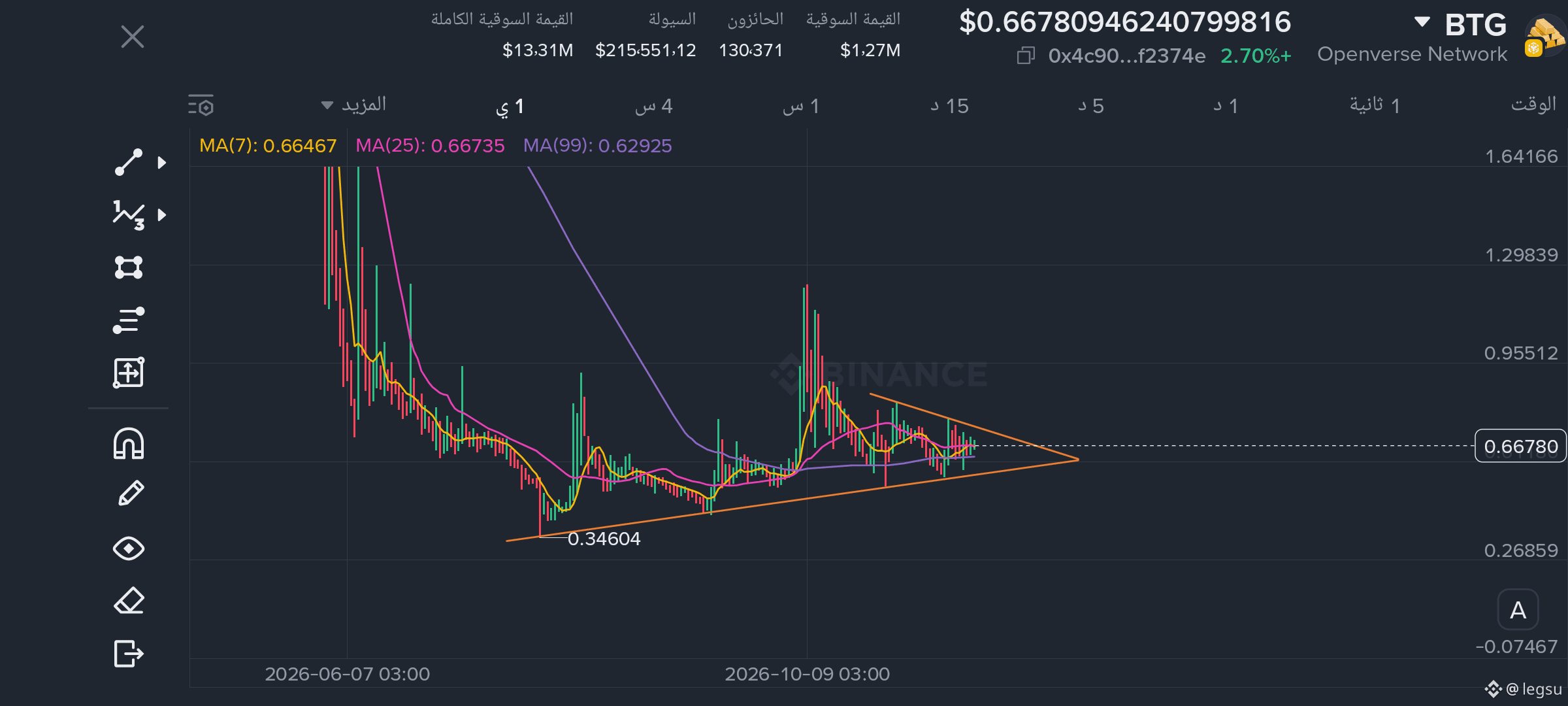
تحليل شخصي لعملة $BTG
العملة في مسار عرضي تجميعي والمعروض منها 1.9M قطعة فقط.
فرصة استثمارية على المدى القريب والمتوسط.
ليست توصية،قم ببحثك الخاص.
{alpha}(560x4c9027e10c5271efca82379d3123917ae3f2374e)
#Follow4more
تحليل شخصي لعملة $BTG
العملة في مسار عرضي تجميعي والمعروض منها 1.9M قطعة فقط.
فرصة استثمارية على المدى القريب والمتوسط.
ليست توصية،قم ببحثك الخاص.
#Follow4more
العملة في مسار عرضي تجميعي والمعروض منها 1.9M قطعة فقط.
فرصة استثمارية على المدى القريب والمتوسط.
ليست توصية،قم ببحثك الخاص.
#Follow4more
39
翻訳参照
Specific IRS exceptions that allow summarizing Form 8949 trades or skipping it entirelyUnder the IRS Instructions for Form 8949, you are normally required to list every capital asset sale or disposition on its own separate row. However, the IRS provides two primary exceptions (Exception 1 and Exception 2) that allow you to skip listing individual trades on Form 8949 or summarize them into consolidated lines.
Quick Comparison: Exception 1 vs. Exception 2
Exception 1: Skipping Form 8949 Entirely (Direct to Schedule D)
Exception 1 lets you bypass Form 8949 completely and report qualifying transactions directly on Schedule D, Line 1a (short-term) or Line 8a (long-term).
To qualify for Exception 1, all of the following conditions must be met:
Basis Reported to IRS: Your Form 1099-B, Form 1099-DA, or substitute statement shows that cost or other basis was reported to the IRS.No Adjustments Needed: You do not need to make any adjustment to the basis, the type of gain or loss (short-term vs. long-term), or the gain/loss amount itself—and there are no wash-sale or non-covered adjustments required.No Special Deferrals or Collectibles: The transaction is not from collectibles, and you are not electing or terminating a Qualified Opportunity Fund (QOF) deferral.
Practical Takeaway: If you harvested a clean loss on a covered position where the broker reported cost basis accurately and you had no wash sales or basis tweaks, you don't need Form 8949 for that trade—it can go straight onto Schedule D Line 1a or 8a.
Exception 2: Summarizing High-Volume Trades via an Attached Statement
When you have many transactions (such as frequent equity trades or active crypto/tax-loss harvesting lots) and cannot use Exception 1—for instance, because basis wasn't reported to the IRS or you have adjustments—Exception 2 lets you avoid typing every individual trade onto Form 8949 rows.
How Exception 2 works under IRS rules:
Attach a Complete Transaction Statement: Prepare an attached statement (often exported from tax software or broker records) that contains all the same required data points as Form 8949 Parts I and II—property description, acquisition/disposition dates, proceeds, basis, adjustments, codes, and gain/loss—in a similar format.Enter Summary Totals on Form 8949 with Code M: Instead of listing each individual trade on separate rows of Form 8949, enter a summary row referencing the attached statement:Column (a): Enter the broker's name followed by "see attached statement".Columns (b) and (c): Leave blank.Column (f): Enter code M (along with any other applicable adjustment codes, such as wash-sale or basis codes).Columns (d), (e), (g), and (h): Enter the applicable totals (separate rows per broker if you have multiple brokers).
Critical "Don'ts" for Exception 2
Never write "Available upon request" in place of listing transaction details on Form 8949 or an attached statement.Do not drop a single summary total onto Form 8949 without the underlying itemized statement attached to the return (or e-filed via your tax software's PDF attachment feature).
Can You Use Both Exceptions Together?
Yes. If part of your trading activity qualifies for Exception 1 (clean reported basis, zero adjustments) and another portion involves adjustments or un-reported basis that fits Exception 2, you can apply both to the appropriate portions of your return.
#Binance #Follow_Like_Comment #Follow4more
Specific IRS exceptions that allow summarizing Form 8949 trades or skipping it entirely
Under the IRS Instructions for Form 8949, you are normally required to list every capital asset sale or disposition on its own separate row. However, the IRS provides two primary exceptions (Exception 1 and Exception 2) that allow you to skip listing individual trades on Form 8949 or summarize them into consolidated lines.
Quick Comparison: Exception 1 vs. Exception 2
Exception 1: Skipping Form 8949 Entirely (Direct to Schedule D)
Exception 1 lets you bypass Form 8949 completely and report qualifying transactions directly on Schedule D, Line 1a (short-term) or Line 8a (long-term).
To qualify for Exception 1, all of the following conditions must be met:
Basis Reported to IRS: Your Form 1099-B, Form 1099-DA, or substitute statement shows that cost or other basis was reported to the IRS.No Adjustments Needed: You do not need to make any adjustment to the basis, the type of gain or loss (short-term vs. long-term), or the gain/loss amount itself—and there are no wash-sale or non-covered adjustments required.No Special Deferrals or Collectibles: The transaction is not from collectibles, and you are not electing or terminating a Qualified Opportunity Fund (QOF) deferral.
Practical Takeaway: If you harvested a clean loss on a covered position where the broker reported cost basis accurately and you had no wash sales or basis tweaks, you don't need Form 8949 for that trade—it can go straight onto Schedule D Line 1a or 8a.
Exception 2: Summarizing High-Volume Trades via an Attached Statement
When you have many transactions (such as frequent equity trades or active crypto/tax-loss harvesting lots) and cannot use Exception 1—for instance, because basis wasn't reported to the IRS or you have adjustments—Exception 2 lets you avoid typing every individual trade onto Form 8949 rows.
How Exception 2 works under IRS rules:
Attach a Complete Transaction Statement: Prepare an attached statement (often exported from tax software or broker records) that contains all the same required data points as Form 8949 Parts I and II—property description, acquisition/disposition dates, proceeds, basis, adjustments, codes, and gain/loss—in a similar format.Enter Summary Totals on Form 8949 with Code M: Instead of listing each individual trade on separate rows of Form 8949, enter a summary row referencing the attached statement:Column (a): Enter the broker's name followed by "see attached statement".Columns (b) and (c): Leave blank.Column (f): Enter code M (along with any other applicable adjustment codes, such as wash-sale or basis codes).Columns (d), (e), (g), and (h): Enter the applicable totals (separate rows per broker if you have multiple brokers).
Critical "Don'ts" for Exception 2
Never write "Available upon request" in place of listing transaction details on Form 8949 or an attached statement.Do not drop a single summary total onto Form 8949 without the underlying itemized statement attached to the return (or e-filed via your tax software's PDF attachment feature).
Can You Use Both Exceptions Together?
Yes. If part of your trading activity qualifies for Exception 1 (clean reported basis, zero adjustments) and another portion involves adjustments or un-reported basis that fits Exception 2, you can apply both to the appropriate portions of your return.
#Binance #Follow_Like_Comment #Follow4more
5
翻訳参照
Carried-forward short-term and long-term losses offset gains when both types exist in a later year?When both carried-forward short-term losses and carried-forward long-term losses exist in a later tax year alongside current-year gains, the IRS enforces a strict two-stage netting order on Schedule D.
Carried-forward losses preserve their original character (short-term vs. long-term) indefinitely.
1. Stage 1: Intra-Category Netting (Same Character First)
Before short-term and long-term items cross paths, each category nets within its own basket on Schedule D:
Short-Term Basket (Schedule D, Part I): Current-year short-term gains and losses net against your Short-Term Loss Carryover (entered on Line 6). The result is your Net Short-Term Gain or Loss (Line 7).Long-Term Basket (Schedule D, Part II): Current-year long-term gains and losses net against your Long-Term Loss Carryover (entered on Line 14). The result is your Net Long-Term Gain or Loss (Line 15).
2. Stage 2: Inter-Category Netting (Cross-Over)
If one basket ends up positive (net gain) and the other ends up negative (net loss), the remaining net loss spills over to offset the other basket's gain on Schedule D, Line 16.
Step-by-Step Scenario Examples
Scenario A: You Have Current-Year Gains in BOTH Categories
Inputs:Short-Term Carryover: -$5,000 | Current Short-Term Gain: +$4,000Long-Term Carryover: -$8,000 | Current Long-Term Gain: +$10,000Stage 1 (Same Character):Short-Term: $+\$4,000 - \$5,000 = \mathbf{-\$1,000}$ (Net Short-Term Loss)Long-Term: $+\$10,000 - \$8,000 = \mathbf{+\$2,000}$ (Net Long-Term Gain)Stage 2 (Cross-Over):$-\$1,000\text{ (ST Loss)} + \$2,000\text{ (LT Gain)} = \mathbf{+\$1,000}$ Net Long-Term Capital Gain.Tax Outcome: You owe tax on a net gain of $1,000 at preferential long-term rates.
Scenario B: One Loss Carryover Exceeds Its Basket (Spillover)
Inputs:Short-Term Carryover: -$10,000 | Current Short-Term Gain: +$2,000Long-Term Carryover: -$2,000 | Current Long-Term Gain: +$5,000Stage 1 (Same Character):Short-Term: $+\$2,000 - \$10,000 = \mathbf{-\$8,000}$ (Net Short-Term Loss)Long-Term: $+\$5,000 - \$2,000 = \mathbf{+\$3,000}$ (Net Long-Term Gain)Stage 2 (Cross-Over):$-\$8,000\text{ (ST Loss)} + \$3,000\text{ (LT Gain)} = \mathbf{-\$5,000}$ Net Overall Loss.Tax Outcome:Deduct $3,000 against ordinary income (W-2 salary/wages) on Form 1040, Line 7a.The remaining $2,000 loss carries forward to the following tax year as a Short-Term Loss Carryover.
Key Takeaways for Multi-Year Netting
Short-Term Losses are Tax-Optimal: Short-term losses offset high-tax short-term gains first. If any short-term loss remains, it crosses over to wipe out lower-tax long-term gains.Order of Absorption for Ordinary Income: When total net losses exceed total gains, the $3,000 ordinary income deduction absorbs short-term losses before long-term losses on the Capital Loss Carryover Worksheet.Line Verification: Always verify that prior-year carryovers land on Line 6 (Short-Term) and Line 14 (Long-Term) on Schedule D.
#Binance #FollowLikeComment #Follow4more
Carried-forward short-term and long-term losses offset gains when both types exist in a later year?
When both carried-forward short-term losses and carried-forward long-term losses exist in a later tax year alongside current-year gains, the IRS enforces a strict two-stage netting order on Schedule D.
Carried-forward losses preserve their original character (short-term vs. long-term) indefinitely.
1. Stage 1: Intra-Category Netting (Same Character First)
Before short-term and long-term items cross paths, each category nets within its own basket on Schedule D:
Short-Term Basket (Schedule D, Part I): Current-year short-term gains and losses net against your Short-Term Loss Carryover (entered on Line 6). The result is your Net Short-Term Gain or Loss (Line 7).Long-Term Basket (Schedule D, Part II): Current-year long-term gains and losses net against your Long-Term Loss Carryover (entered on Line 14). The result is your Net Long-Term Gain or Loss (Line 15).
2. Stage 2: Inter-Category Netting (Cross-Over)
If one basket ends up positive (net gain) and the other ends up negative (net loss), the remaining net loss spills over to offset the other basket's gain on Schedule D, Line 16.
Step-by-Step Scenario Examples
Scenario A: You Have Current-Year Gains in BOTH Categories
Inputs:Short-Term Carryover: -$5,000 | Current Short-Term Gain: +$4,000Long-Term Carryover: -$8,000 | Current Long-Term Gain: +$10,000Stage 1 (Same Character):Short-Term: $+\$4,000 - \$5,000 = \mathbf{-\$1,000}$ (Net Short-Term Loss)Long-Term: $+\$10,000 - \$8,000 = \mathbf{+\$2,000}$ (Net Long-Term Gain)Stage 2 (Cross-Over):$-\$1,000\text{ (ST Loss)} + \$2,000\text{ (LT Gain)} = \mathbf{+\$1,000}$ Net Long-Term Capital Gain.Tax Outcome: You owe tax on a net gain of $1,000 at preferential long-term rates.
Scenario B: One Loss Carryover Exceeds Its Basket (Spillover)
Inputs:Short-Term Carryover: -$10,000 | Current Short-Term Gain: +$2,000Long-Term Carryover: -$2,000 | Current Long-Term Gain: +$5,000Stage 1 (Same Character):Short-Term: $+\$2,000 - \$10,000 = \mathbf{-\$8,000}$ (Net Short-Term Loss)Long-Term: $+\$5,000 - \$2,000 = \mathbf{+\$3,000}$ (Net Long-Term Gain)Stage 2 (Cross-Over):$-\$8,000\text{ (ST Loss)} + \$3,000\text{ (LT Gain)} = \mathbf{-\$5,000}$ Net Overall Loss.Tax Outcome:Deduct $3,000 against ordinary income (W-2 salary/wages) on Form 1040, Line 7a.The remaining $2,000 loss carries forward to the following tax year as a Short-Term Loss Carryover.
Key Takeaways for Multi-Year Netting
Short-Term Losses are Tax-Optimal: Short-term losses offset high-tax short-term gains first. If any short-term loss remains, it crosses over to wipe out lower-tax long-term gains.Order of Absorption for Ordinary Income: When total net losses exceed total gains, the $3,000 ordinary income deduction absorbs short-term losses before long-term losses on the Capital Loss Carryover Worksheet.Line Verification: Always verify that prior-year carryovers land on Line 6 (Short-Term) and Line 14 (Long-Term) on Schedule D.
#Binance #FollowLikeComment #Follow4more
4
翻訳参照
How do totals from Form 8949 transfer to Schedule D (Form 1040)?#willmarketsstageathanksgivingreliefrally?
Totals from Form 8949 transfer to Schedule D (Form 1040) by transferring the aggregated column subtotals—Proceeds, Cost Basis, Adjustments, and Gain or Loss—from each checkbox category in Form 8949 into its corresponding line on Schedule D.
Step 1: Mapping Form 8949 Categories to Schedule D
Form 8949 is split into Part I (Short-Term: $\le$ 1 Year) and Part II (Long-Term: $>$ 1 Year). Within each part, transactions are grouped by checkbox category based on how they were reported to you on Form 1099-B or Form 1099-DA:
Part I: Short-Term Capital Gains & Losses ($\le$ 1 Year)
(Note: Line 1a on Schedule D is an exception where taxpayers can report certain short-term 1099-B/1099-DA transactions directly on Schedule D without filing Form 8949, provided cost basis was reported to the IRS and no adjustments are needed.)
Part II: Long-Term Capital Gains & Losses ($>$ 1 Year)
(Note: Line 8a on Schedule D allows direct reporting of long-term 1099-B/1099-DA transactions without Form 8949 if basis was reported and no adjustments are required.)
Step 2: How Subtotals Aggregate on Schedule D
Once Form 8949 subtotals are placed onto Lines 1b–3 (Short-Term) and Lines 8b–10 (Long-Term), Schedule D calculates your total net position in Part III (Summary):
Step 3: Transferring Net Results to Form 1040
The final total from Line 16 of Schedule D transfers directly to Form 1040 (Line 7):
If Line 16 is a Net Gain: The full gain transfers to Form 1040, Line 7 as taxable income. (Depending on your income level, tax is computed using the Qualified Dividends and Capital Gains Tax Worksheet to apply preferential long-term rates).If Line 16 is a Net Loss: You can deduct up to $3,000 ($1,500 if married filing separately) against ordinary income on Form 1040, Line 7. Any net loss exceeding $3,000 carries forward to future tax years.
#Binance #Follow_Like_Comment #Follow4more
How do totals from Form 8949 transfer to Schedule D (Form 1040)?
#willmarketsstageathanksgivingreliefrally?
Totals from Form 8949 transfer to Schedule D (Form 1040) by transferring the aggregated column subtotals—Proceeds, Cost Basis, Adjustments, and Gain or Loss—from each checkbox category in Form 8949 into its corresponding line on Schedule D.
Step 1: Mapping Form 8949 Categories to Schedule D
Form 8949 is split into Part I (Short-Term: $\le$ 1 Year) and Part II (Long-Term: $>$ 1 Year). Within each part, transactions are grouped by checkbox category based on how they were reported to you on Form 1099-B or Form 1099-DA:
Part I: Short-Term Capital Gains & Losses ($\le$ 1 Year)
(Note: Line 1a on Schedule D is an exception where taxpayers can report certain short-term 1099-B/1099-DA transactions directly on Schedule D without filing Form 8949, provided cost basis was reported to the IRS and no adjustments are needed.)
Part II: Long-Term Capital Gains & Losses ($>$ 1 Year)
(Note: Line 8a on Schedule D allows direct reporting of long-term 1099-B/1099-DA transactions without Form 8949 if basis was reported and no adjustments are required.)
Step 2: How Subtotals Aggregate on Schedule D
Once Form 8949 subtotals are placed onto Lines 1b–3 (Short-Term) and Lines 8b–10 (Long-Term), Schedule D calculates your total net position in Part III (Summary):
Step 3: Transferring Net Results to Form 1040
The final total from Line 16 of Schedule D transfers directly to Form 1040 (Line 7):
If Line 16 is a Net Gain: The full gain transfers to Form 1040, Line 7 as taxable income. (Depending on your income level, tax is computed using the Qualified Dividends and Capital Gains Tax Worksheet to apply preferential long-term rates).If Line 16 is a Net Loss: You can deduct up to $3,000 ($1,500 if married filing separately) against ordinary income on Form 1040, Line 7. Any net loss exceeding $3,000 carries forward to future tax years.
#Binance #Follow_Like_Comment #Follow4more
4
翻訳参照
How do I reconcile Form 1099-DA discrepancies on Form 8949 when filing taxes?#willmarketsstageathanksgivingreliefrally?
Reconciling Form 1099-DA discrepancies on Form 8949 (Sales and Other Dispositions of Capital Assets) requires aligning broker-reported sales data with your actual sub-ledger records while overriding incorrect basis or missing information.
The IRS matches the Gross Proceeds reported on Form 1099-DA against your tax return. If a broker omits your cost basis, miscalculates a transfer, or reports an incorrect figure, you reconcile the difference on Form 8949 using specific Digital Asset Reporting Checkboxes and Adjustment Codes.
Step 1: Select the Correct Digital Asset Checkbox
Form 8949 uses specific checkboxes in Part I (Short-Term) and Part II (Long-Term) for digital asset transactions:
Column (a) - Description: Enter the asset, quantity, and optional transaction hash/CUSIP (e.g., 1.5 BTC or 1,000 SOL).Column (b) & (c) - Dates: Enter exact acquisition and disposal dates. If acquired across multiple dates, write VARIOUS.Column (d) - Proceeds: Must match the 1099-DA reported gross proceeds exactly. Never alter Column (d) if it differs from your records; correct discrepancies using Columns (e), (f), and (g).Column (e) - Cost Basis: Enter the cost basis.If checking Box H or K (basis not reported by broker), enter your substantiated cost basis directly into Column (e).If checking Box G or J (broker reported incorrect basis to IRS), enter the broker's reported basis in Column (e) and adjust it in Columns (f) and (g).Column (f) - Adjustment Code: Enter the IRS code explaining the discrepancy.Column (g) - Amount of Adjustment: Enter a positive (+) or negative (-) number to correct the gain/loss calculation.Column (h) - Gain or Loss: Calculated as: $\text{Column (d)} - \text{Column (e)} \pm \text{Column (g)}$.
Common Form 1099-DA Discrepancy Codes & Solutions
Audit Proof Checklist
When overriding 1099-DA reported data on Form 8949, maintain the following substantiation files in case of an IRS inquiry:
On-Chain Sub-Ledger Exports: Complete CSV records from crypto tax software tracking transfers across all wallet public addresses and exchanges.Contemporaneous SpecID Logs: Timestamps showing specific lot identification (HIFO/SpecID) recorded at or before the trade date.Transfer Hashes (TxIDs): Blockchain transaction hashes proving that tokens moved between self-hosted wallets or exchanges were non-taxable internal transfers rather than sales.
#Binance #Follow_Like_Comment #Follow4more
How do I reconcile Form 1099-DA discrepancies on Form 8949 when filing taxes?
#willmarketsstageathanksgivingreliefrally?
Reconciling Form 1099-DA discrepancies on Form 8949 (Sales and Other Dispositions of Capital Assets) requires aligning broker-reported sales data with your actual sub-ledger records while overriding incorrect basis or missing information.
The IRS matches the Gross Proceeds reported on Form 1099-DA against your tax return. If a broker omits your cost basis, miscalculates a transfer, or reports an incorrect figure, you reconcile the difference on Form 8949 using specific Digital Asset Reporting Checkboxes and Adjustment Codes.
Step 1: Select the Correct Digital Asset Checkbox
Form 8949 uses specific checkboxes in Part I (Short-Term) and Part II (Long-Term) for digital asset transactions:
Column (a) - Description: Enter the asset, quantity, and optional transaction hash/CUSIP (e.g., 1.5 BTC or 1,000 SOL).Column (b) & (c) - Dates: Enter exact acquisition and disposal dates. If acquired across multiple dates, write VARIOUS.Column (d) - Proceeds: Must match the 1099-DA reported gross proceeds exactly. Never alter Column (d) if it differs from your records; correct discrepancies using Columns (e), (f), and (g).Column (e) - Cost Basis: Enter the cost basis.If checking Box H or K (basis not reported by broker), enter your substantiated cost basis directly into Column (e).If checking Box G or J (broker reported incorrect basis to IRS), enter the broker's reported basis in Column (e) and adjust it in Columns (f) and (g).Column (f) - Adjustment Code: Enter the IRS code explaining the discrepancy.Column (g) - Amount of Adjustment: Enter a positive (+) or negative (-) number to correct the gain/loss calculation.Column (h) - Gain or Loss: Calculated as: $\text{Column (d)} - \text{Column (e)} \pm \text{Column (g)}$.
Common Form 1099-DA Discrepancy Codes & Solutions
Audit Proof Checklist
When overriding 1099-DA reported data on Form 8949, maintain the following substantiation files in case of an IRS inquiry:
On-Chain Sub-Ledger Exports: Complete CSV records from crypto tax software tracking transfers across all wallet public addresses and exchanges.Contemporaneous SpecID Logs: Timestamps showing specific lot identification (HIFO/SpecID) recorded at or before the trade date.Transfer Hashes (TxIDs): Blockchain transaction hashes proving that tokens moved between self-hosted wallets or exchanges were non-taxable internal transfers rather than sales.
#Binance #Follow_Like_Comment #Follow4more
8
翻訳参照
Specific Identification (SpecID) when harvesting crypto losses?#willmarketsstageathanksgivingreliefrally?
Under IRS regulations (Treasury Regulations § 1.1012-1(j) and Revenue Procedure 2024-28), using Specific Identification (SpecID) to harvest crypto losses requires meeting strict procedural, timing, and recordkeeping rules.
If you do not satisfy these requirements at the time of the sale, the IRS automatically defaults your transaction to FIFO (First-In, First-Out), which can inadvertently wipe out your high-cost tax loss.
1. Mandatory Substantive Records
To legally substantiate a specific lot sold at a loss, your books and records must document the following four data points for every individual unit:
Acquisition Date & Time: Exact timestamp when the specific lot was originally purchased or received.Original Cost Basis & FMV: The purchase price (including trading fees) and fair market value in USD at the time of acquisition.Disposition Date & Time: Exact timestamp when the lot was sold, swapped, or disposed of.Proceeds & Selling FMV: The total USD value received and fair market value at the time of sale.
2. The Contemporaneous Identification Rule
You cannot retroactively pick high-cost lots at tax-filing time. The IRS requires that the specific lot be identified contemporaneously—meaning at or before the exact time of the transaction.
Custodial Exchanges (e.g., Coinbase, Kraken): You must either select the specific lot manually prior to placing the order or have a standing instruction (such as setting your exchange tax relief default to HIFO / Highest-In, First-Out) saved in your account settings.Self-Hosted Wallets / DEXs: You must record the specific lot identification (using lot IDs, purchase dates, or transaction hashes) in your sub-ledger software or personal books before executing the on-chain swap.
3. Strict Wallet-by-Wallet Scope
The IRS enforces wallet-by-wallet accounting (Treasury Reg. § 1.1012-1(j)).
No Universal Lot Picking: You can only identify and sell specific lots located within the exact wallet or account where the transaction occurs.Example: If you hold 1 BTC bought at $70,000 in cold storage and 1 BTC bought at $30,000 on an exchange, you cannot sell the BTC on the exchange and claim the $70,000 basis from your cold-storage wallet. To harvest the $70,000 loss on the exchange, you must transfer that high-cost lot from cold storage into the exchange account before executing the sale.
#Binance #Follow_Like_Comment #Follow4more
Specific Identification (SpecID) when harvesting crypto losses?
#willmarketsstageathanksgivingreliefrally?
Under IRS regulations (Treasury Regulations § 1.1012-1(j) and Revenue Procedure 2024-28), using Specific Identification (SpecID) to harvest crypto losses requires meeting strict procedural, timing, and recordkeeping rules.
If you do not satisfy these requirements at the time of the sale, the IRS automatically defaults your transaction to FIFO (First-In, First-Out), which can inadvertently wipe out your high-cost tax loss.
1. Mandatory Substantive Records
To legally substantiate a specific lot sold at a loss, your books and records must document the following four data points for every individual unit:
Acquisition Date & Time: Exact timestamp when the specific lot was originally purchased or received.Original Cost Basis & FMV: The purchase price (including trading fees) and fair market value in USD at the time of acquisition.Disposition Date & Time: Exact timestamp when the lot was sold, swapped, or disposed of.Proceeds & Selling FMV: The total USD value received and fair market value at the time of sale.
2. The Contemporaneous Identification Rule
You cannot retroactively pick high-cost lots at tax-filing time. The IRS requires that the specific lot be identified contemporaneously—meaning at or before the exact time of the transaction.
Custodial Exchanges (e.g., Coinbase, Kraken): You must either select the specific lot manually prior to placing the order or have a standing instruction (such as setting your exchange tax relief default to HIFO / Highest-In, First-Out) saved in your account settings.Self-Hosted Wallets / DEXs: You must record the specific lot identification (using lot IDs, purchase dates, or transaction hashes) in your sub-ledger software or personal books before executing the on-chain swap.
3. Strict Wallet-by-Wallet Scope
The IRS enforces wallet-by-wallet accounting (Treasury Reg. § 1.1012-1(j)).
No Universal Lot Picking: You can only identify and sell specific lots located within the exact wallet or account where the transaction occurs.Example: If you hold 1 BTC bought at $70,000 in cold storage and 1 BTC bought at $30,000 on an exchange, you cannot sell the BTC on the exchange and claim the $70,000 basis from your cold-storage wallet. To harvest the $70,000 loss on the exchange, you must transfer that high-cost lot from cold storage into the exchange account before executing the sale.
#Binance #Follow_Like_Comment #Follow4more
18
ログインして、さらにコンテンツを読む
厳選トピックで世界の暗号資産トレーダーの仲間入り
⚡️ 暗号資産に関する最新かつ有益な情報が見つかります。
💬 世界最大の暗号資産取引所から信頼されています。
👍 認証を受けたクリエイターから、有益なインサイトを得られます。
メール / 電話番号
トレンドトピック
1
#WillMarketsStageAThanksgivingReliefRally?
閲覧回数 38,710
715人が討論中
2
#WillOctCorePCEShiftFedHikeExpectations?
閲覧回数 3,686
104人が討論中
3
#BessentSoftensStanceOnHuang’sNvidiaReturn
閲覧回数 25,459
477人が討論中
4
#EvolveAtBinanceBlockchainWeek
閲覧回数 28,967
335人が討論中
5
#MuskWarnsOfAICashCrunch
閲覧回数 22,579
363人が討論中
6
#ChinaKoreaTaiwanPrepareStockRescuesAheadOfMonday
閲覧回数 693
25人が討論中
7
#SouthKoreaToTightenOversightOfCryptoTransfersAbroad
閲覧回数 2,313
39人が討論中
8
#TrumpToGive18KGoldWatchesToTopFourTRUMPHolders
閲覧回数 105
12人が討論中
9
#RussiaAllowsExchangesToOfferCryptoTrading
閲覧回数 16,254
205人が討論中
10
#俄罗斯允许交易所开展加密交易
閲覧回数 11,599
37人が討論中