

#financialtimes
financialtimes
閲覧回数 8,715
30人が討論中
注目
最新

·
--
⚡ 報道によれば、巨大な買収案件が会社 #Arcosa に近づいていることが確認されています
📈 入ってきた情報によると、CRH 社は同社史上最大の買収案件の成立を進めており、これは #السوق の財務に大きな影響を与える可能性があります
💰 さらに、新聞 #FinancialTimes の報道によれば、この取引は Arcosa 社の買収を目的としており、これにより #CRH の事業範囲が世界市場で拡大します
⚡ 報道によれば、巨大な買収案件が会社 #Arcosa に近づいていることが確認されています
📈 入ってきた情報によると、CRH 社は同社史上最大の買収案件の成立を進めており、これは #السوق の財務に大きな影響を与える可能性があります
💰 さらに、新聞 #FinancialTimes の報道によれば、この取引は Arcosa 社の買収を目的としており、これにより #CRH の事業範囲が世界市場で拡大します
📈 入ってきた情報によると、CRH 社は同社史上最大の買収案件の成立を進めており、これは #السوق の財務に大きな影響を与える可能性があります
💰 さらに、新聞 #FinancialTimes の報道によれば、この取引は Arcosa 社の買収を目的としており、これにより #CRH の事業範囲が世界市場で拡大します
112

·
--
Binanceの本日のニュース:Binanceは、トークン化された米国証券4銘柄を担保として追加すると発表しました。一方、取引所は引き続き製品エコシステムを拡大しています。
Binance
リスク要因:MiCAのライセンス取得をめぐる問題を受け、EU規制当局はBinanceがEUの顧客へのサービスを継続していることを精査しています。これはBNBのセンチメントリスクとして残る可能性があります。
#binance
#FinancialTimes
Binanceの本日のニュース:Binanceは、トークン化された米国証券4銘柄を担保として追加すると発表しました。一方、取引所は引き続き製品エコシステムを拡大しています。
Binance
リスク要因:MiCAのライセンス取得をめぐる問題を受け、EU規制当局はBinanceがEUの顧客へのサービスを継続していることを精査しています。これはBNBのセンチメントリスクとして残る可能性があります。
#binance
#FinancialTimes
Binance
リスク要因:MiCAのライセンス取得をめぐる問題を受け、EU規制当局はBinanceがEUの顧客へのサービスを継続していることを精査しています。これはBNBのセンチメントリスクとして残る可能性があります。
#binance
#FinancialTimes

98

翻訳参照
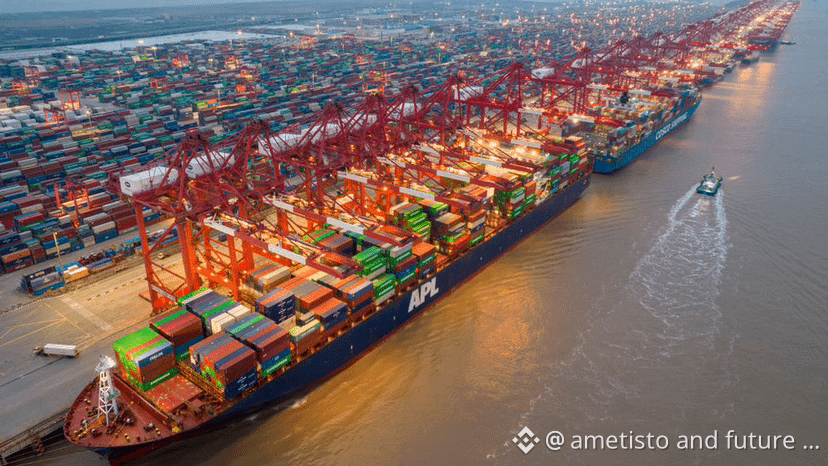
🌍📉 Decoupling from China Could Cost the U.S. and Europe $23.6 Trillion, Report Warns
A new analysis cited by the Financial Times estimates that the United States, the Eurozone, and the United Kingdom would need to invest an additional $23.6 trillion over the next 25 years if they attempt to significantly reduce their economic dependence on China. The staggering figure highlights just how deeply global supply chains remain intertwined with the world’s second-largest economy. (Financial Times)
According to the report, the U.S. alone would require about $13.7 trillion in new investments, while the Eurozone would need $9.1 trillion and the U.K. approximately $800 billion. The spending would be necessary to rebuild manufacturing capacity, secure alternative supply chains, expand research and development, and replace critical imports currently sourced from China.
The study also warns that a rapid decoupling could increase production costs and push consumer prices higher, particularly in industries heavily dependent on Chinese components, including semiconductors, batteries, electric vehicles, pharmaceuticals, and rare earth minerals. Europe could see inflation rise by 1% to 2.5% in some sectors as businesses absorb the costs of relocating production.
The debate has intensified as geopolitical tensions, trade disputes, and concerns over strategic dependence continue to grow. However, many analysts argue that a complete economic separation is neither practical nor affordable, suggesting that governments are more likely to pursue “partial decoupling” by diversifying supply chains while maintaining selective trade with China.
The report underscores a new reality: reducing dependence on China is no longer just a geopolitical decision—it’s one of the most expensive economic challenges Western economies have ever considered.
#China #Economy #Trade #Geopolitics #SupplyChains #GlobalMarkets #Investing #FinancialTimes
🌍📉 Decoupling from China Could Cost the U.S. and Europe $23.6 Trillion, Report Warns
A new analysis cited by the Financial Times estimates that the United States, the Eurozone, and the United Kingdom would need to invest an additional $23.6 trillion over the next 25 years if they attempt to significantly reduce their economic dependence on China. The staggering figure highlights just how deeply global supply chains remain intertwined with the world’s second-largest economy. (Financial Times)
According to the report, the U.S. alone would require about $13.7 trillion in new investments, while the Eurozone would need $9.1 trillion and the U.K. approximately $800 billion. The spending would be necessary to rebuild manufacturing capacity, secure alternative supply chains, expand research and development, and replace critical imports currently sourced from China.
The study also warns that a rapid decoupling could increase production costs and push consumer prices higher, particularly in industries heavily dependent on Chinese components, including semiconductors, batteries, electric vehicles, pharmaceuticals, and rare earth minerals. Europe could see inflation rise by 1% to 2.5% in some sectors as businesses absorb the costs of relocating production.
The debate has intensified as geopolitical tensions, trade disputes, and concerns over strategic dependence continue to grow. However, many analysts argue that a complete economic separation is neither practical nor affordable, suggesting that governments are more likely to pursue “partial decoupling” by diversifying supply chains while maintaining selective trade with China.
The report underscores a new reality: reducing dependence on China is no longer just a geopolitical decision—it’s one of the most expensive economic challenges Western economies have ever considered.
#China #Economy #Trade #Geopolitics #SupplyChains #GlobalMarkets #Investing #FinancialTimes
A new analysis cited by the Financial Times estimates that the United States, the Eurozone, and the United Kingdom would need to invest an additional $23.6 trillion over the next 25 years if they attempt to significantly reduce their economic dependence on China. The staggering figure highlights just how deeply global supply chains remain intertwined with the world’s second-largest economy. (Financial Times)
According to the report, the U.S. alone would require about $13.7 trillion in new investments, while the Eurozone would need $9.1 trillion and the U.K. approximately $800 billion. The spending would be necessary to rebuild manufacturing capacity, secure alternative supply chains, expand research and development, and replace critical imports currently sourced from China.
The study also warns that a rapid decoupling could increase production costs and push consumer prices higher, particularly in industries heavily dependent on Chinese components, including semiconductors, batteries, electric vehicles, pharmaceuticals, and rare earth minerals. Europe could see inflation rise by 1% to 2.5% in some sectors as businesses absorb the costs of relocating production.
The debate has intensified as geopolitical tensions, trade disputes, and concerns over strategic dependence continue to grow. However, many analysts argue that a complete economic separation is neither practical nor affordable, suggesting that governments are more likely to pursue “partial decoupling” by diversifying supply chains while maintaining selective trade with China.
The report underscores a new reality: reducing dependence on China is no longer just a geopolitical decision—it’s one of the most expensive economic challenges Western economies have ever considered.
#China #Economy #Trade #Geopolitics #SupplyChains #GlobalMarkets #Investing #FinancialTimes
43
ログインして、さらにコンテンツを読む
厳選トピックで世界の暗号資産トレーダーの仲間入り
⚡️ 暗号資産に関する最新かつ有益な情報が見つかります。
💬 世界最大の暗号資産取引所から信頼されています。
👍 認証を受けたクリエイターから、有益なインサイトを得られます。
メール / 電話番号
トレンドトピック
1
#FedMinutesFocusOnOctoberPause
閲覧回数 189,208
1,353人が討論中
2
#BinanceLaunchesBinanceIntelligence
閲覧回数 1.1M
6,555人が討論中
3
#EvernorthDelaysNasdaqDebutToOct12
閲覧回数 16,208
314人が討論中
4
#RobinhoodAdds$25MInBitcoinToBalanceSheet
閲覧回数 3,607
74人が討論中
5
#SP500AndNasdaqHitRecordHighs
閲覧回数 22,716
482人が討論中
6
#USMortgageRatesRiseTo7.49%
閲覧回数 28,084
392人が討論中
7
#BTCFallsBelow$84K
閲覧回数 133,126
238人が討論中
8
#DubaiVARAIssuesReserveAssetAuditCircular
閲覧回数 48,419
961人が討論中
9
#SECApproves3XBitcoinETF
閲覧回数 45,919
783人が討論中
10
#WinklevossFilesSpotZcashETFApplication
閲覧回数 53,534
882人が討論中