
#ethcryptohub
ethcryptohub
閲覧回数 175,817
382人が討論中
注目
最新

·
--
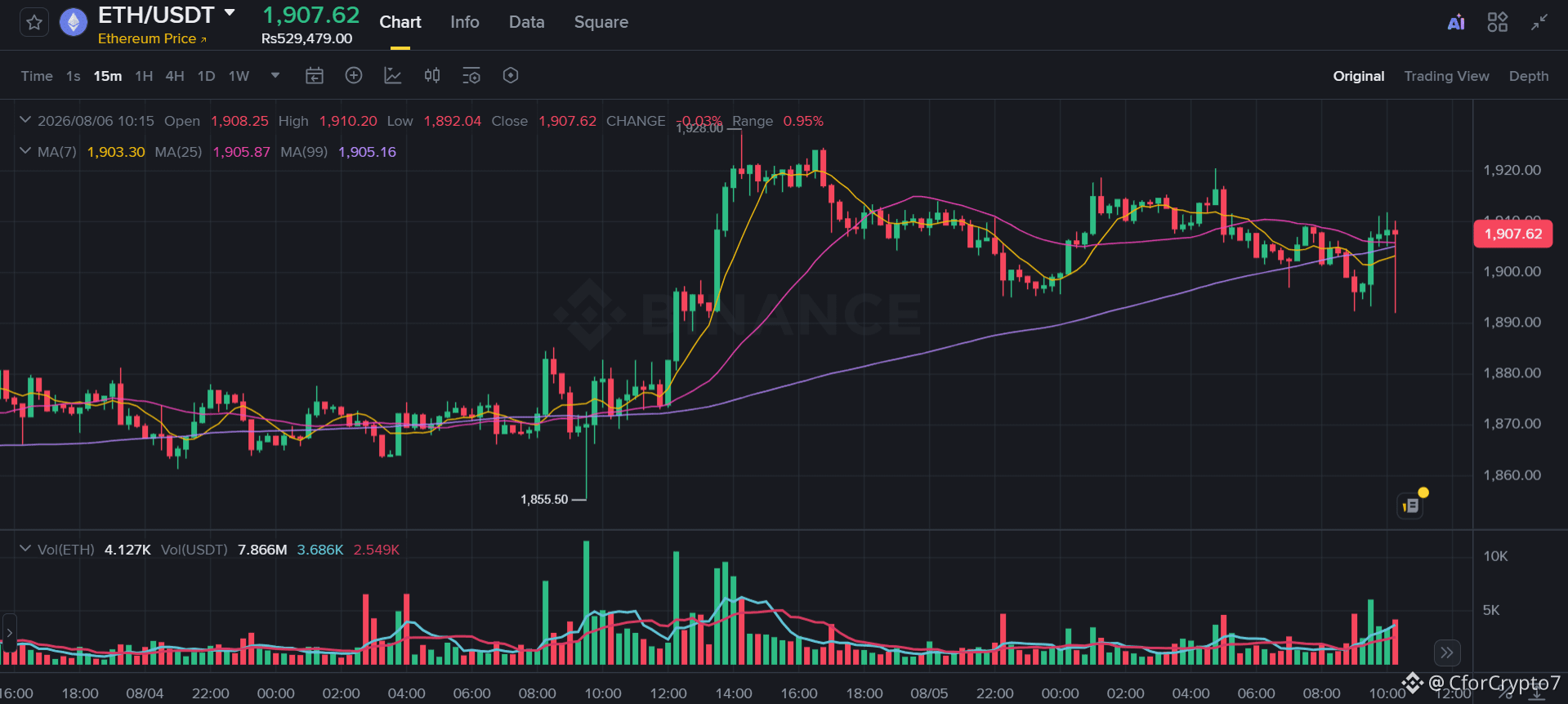
$ETH の「Guys」は1,892で跳ね返され、短期MAを取り戻した....
現在、7日・25日・99日のMAの上で取引中....
モメンタムが改善している。
それでも大きなレンジ内にまだ停滞中だ。
LONG SCALP
エントリー:1,906 – 1,909
SL:1,899
TP1:1,915 TP2:1,920 TP3:1,928
ここをクリックして取引
$eth
どう思う? レンジをブレイクするのか、それとも戻ってきてフェードするのか?
リスク管理をしてくれ。$ETH DYOR NFA
#ETH #Ethereum #Ethcryptohub
$ETH の「Guys」は1,892で跳ね返され、短期MAを取り戻した....
現在、7日・25日・99日のMAの上で取引中....
モメンタムが改善している。
それでも大きなレンジ内にまだ停滞中だ。
LONG SCALP
エントリー:1,906 – 1,909
SL:1,899
TP1:1,915 TP2:1,920 TP3:1,928
ここをクリックして取引
$eth
どう思う? レンジをブレイクするのか、それとも戻ってきてフェードするのか?
リスク管理をしてくれ。$ETH DYOR NFA
#ETH #Ethereum #Ethcryptohub
現在、7日・25日・99日のMAの上で取引中....
モメンタムが改善している。
それでも大きなレンジ内にまだ停滞中だ。
LONG SCALP
エントリー:1,906 – 1,909
SL:1,899
TP1:1,915 TP2:1,920 TP3:1,928
ここをクリックして取引
$eth
どう思う? レンジをブレイクするのか、それとも戻ってきてフェードするのか?
リスク管理をしてくれ。$ETH DYOR NFA
#ETH #Ethereum #Ethcryptohub
1
65


·
--
確認済み
CPIの発表が、次にFRBが何をするかを決める可能性があります。👀 #CPIWatch
米国の雇用統計が、会話の流れを確実に変えました。
8月の非農業部門雇用者数は162K増となり、予想の約56Kを大幅に上回りました。一方で失業率は4.1%のままです。これは景気にとって明らかに強気材料に聞こえますが、無視したくないポイントが1つあります。賃金の伸びが前年同期比で3.1%へとわずかに減速したことです。つまり、雇用環境はより強いものの、必ずしも新たな賃金インフレ問題を生み出しているわけではありません。
そして、次の大きな試金石はCPIです。
市場は、月次のヘッドライン・インフレが約0.4%、前年比が3.4%を見込んでいます。さらに、コアCPIは月次0.2%、前年比2.4%程度が予想されています。同時に、8月のPPIは0.4%で着地しており、エネルギーや一部のサービス関連コストが上昇圧力を加えています。
個人的には、NFPの数字だけで利上げ(ハイク)を決めるには十分だとは確信していません。コアCPIが予想に近い着地なら、FRBには据え置きしてトレンドを見守る合理的な論拠がまだあると思います。しかし、予想よりも熱いコアの数字なら、25bps(0.25%ポイント)利上げのケースがすぐに強まる可能性があります。
だから今は、NFPよりCPIを注視しています。
私の分析:CPIが上振れして驚くなら株式には中立〜弱気。逆に弱い結果ならリスク資産を後押しし、金が面白いままになり得ます。
利上げか据え置きか、あなたの見立ては? 🔥
#CPIWatch #Ethcryptohub $BTC $NVDA.US
{future}(BNBUSDT)
{future}(ETHUSDT)
{future}(BTCUSDT)
CPIの発表が、次にFRBが何をするかを決める可能性があります。👀 #CPIWatch
米国の雇用統計が、会話の流れを確実に変えました。
8月の非農業部門雇用者数は162K増となり、予想の約56Kを大幅に上回りました。一方で失業率は4.1%のままです。これは景気にとって明らかに強気材料に聞こえますが、無視したくないポイントが1つあります。賃金の伸びが前年同期比で3.1%へとわずかに減速したことです。つまり、雇用環境はより強いものの、必ずしも新たな賃金インフレ問題を生み出しているわけではありません。
そして、次の大きな試金石はCPIです。
市場は、月次のヘッドライン・インフレが約0.4%、前年比が3.4%を見込んでいます。さらに、コアCPIは月次0.2%、前年比2.4%程度が予想されています。同時に、8月のPPIは0.4%で着地しており、エネルギーや一部のサービス関連コストが上昇圧力を加えています。
個人的には、NFPの数字だけで利上げ(ハイク)を決めるには十分だとは確信していません。コアCPIが予想に近い着地なら、FRBには据え置きしてトレンドを見守る合理的な論拠がまだあると思います。しかし、予想よりも熱いコアの数字なら、25bps(0.25%ポイント)利上げのケースがすぐに強まる可能性があります。
だから今は、NFPよりCPIを注視しています。
私の分析:CPIが上振れして驚くなら株式には中立〜弱気。逆に弱い結果ならリスク資産を後押しし、金が面白いままになり得ます。
利上げか据え置きか、あなたの見立ては? 🔥
#CPIWatch #Ethcryptohub $BTC $NVDA.US
米国の雇用統計が、会話の流れを確実に変えました。
8月の非農業部門雇用者数は162K増となり、予想の約56Kを大幅に上回りました。一方で失業率は4.1%のままです。これは景気にとって明らかに強気材料に聞こえますが、無視したくないポイントが1つあります。賃金の伸びが前年同期比で3.1%へとわずかに減速したことです。つまり、雇用環境はより強いものの、必ずしも新たな賃金インフレ問題を生み出しているわけではありません。
そして、次の大きな試金石はCPIです。
市場は、月次のヘッドライン・インフレが約0.4%、前年比が3.4%を見込んでいます。さらに、コアCPIは月次0.2%、前年比2.4%程度が予想されています。同時に、8月のPPIは0.4%で着地しており、エネルギーや一部のサービス関連コストが上昇圧力を加えています。
個人的には、NFPの数字だけで利上げ(ハイク)を決めるには十分だとは確信していません。コアCPIが予想に近い着地なら、FRBには据え置きしてトレンドを見守る合理的な論拠がまだあると思います。しかし、予想よりも熱いコアの数字なら、25bps(0.25%ポイント)利上げのケースがすぐに強まる可能性があります。
だから今は、NFPよりCPIを注視しています。
私の分析:CPIが上振れして驚くなら株式には中立〜弱気。逆に弱い結果ならリスク資産を後押しし、金が面白いままになり得ます。
利上げか据え置きか、あなたの見立ては? 🔥
#CPIWatch #Ethcryptohub $BTC $NVDA.US

Kingston_alliance:
see the right time then invest
14
1
29
12.4k
·
--
記事
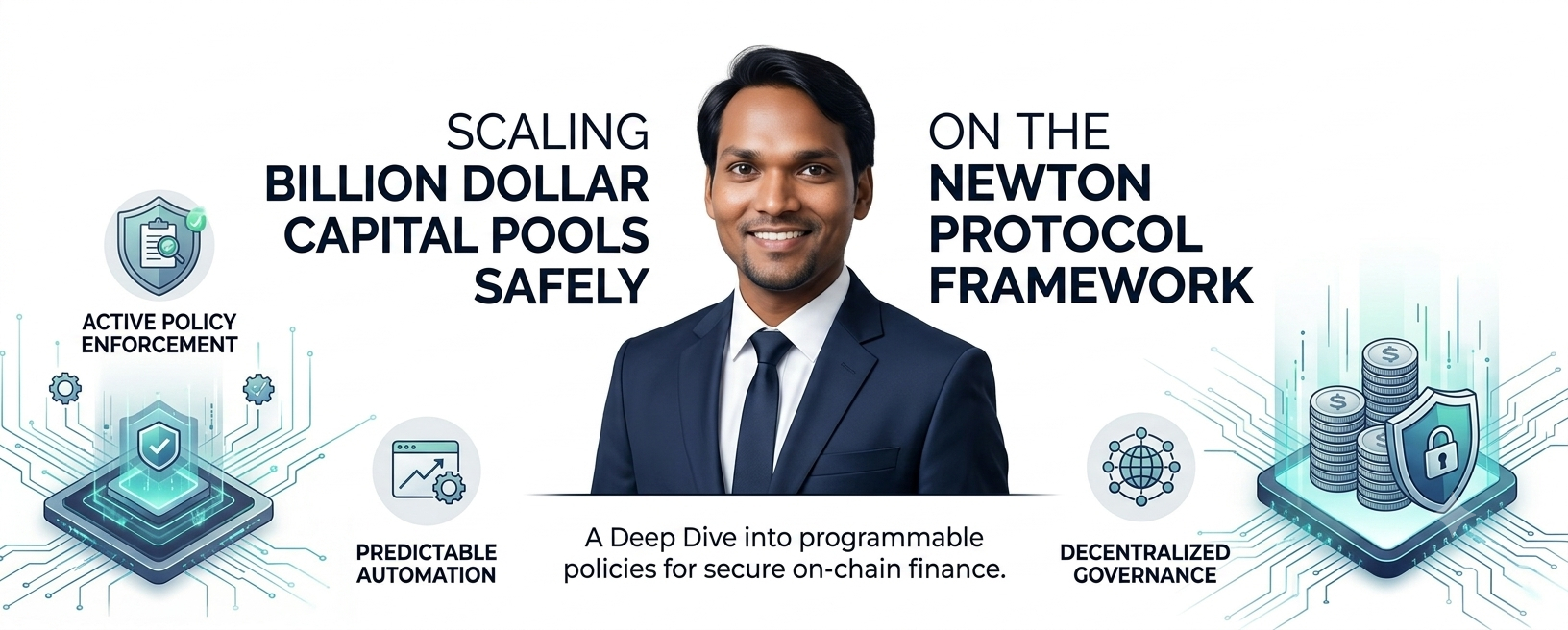
ニュートン・プロトコル・フレームワークで安全に巨額の資本プールをスケールする今日はホワイトペーパーから役に立つ情報をいくつか調べました。見た瞬間、文字どおりショックを受けました。あらゆる情報を探ってみましょう。
暗号資産ではお金が素早く動く。信頼はそう簡単には生まれない。
それは、ブロックチェーンの次の普及段階がどのような姿になるかを考えるたびに、私が繰り返し気づいていることです。すでに高速なブロックチェーン、流動性の高い市場、そしてますます洗練された金融商品が揃っています。それでも、オンチェーンで数十億ドルを運用する話になると、空気が変わります。スピードはもはや優先事項ではありません。安全性が、誰もが最初に問うべきことになります。
ニュートン・プロトコル・フレームワークで安全に巨額の資本プールをスケールする
今日はホワイトペーパーから役に立つ情報をいくつか調べました。見た瞬間、文字どおりショックを受けました。あらゆる情報を探ってみましょう。
暗号資産ではお金が素早く動く。信頼はそう簡単には生まれない。
それは、ブロックチェーンの次の普及段階がどのような姿になるかを考えるたびに、私が繰り返し気づいていることです。すでに高速なブロックチェーン、流動性の高い市場、そしてますます洗練された金融商品が揃っています。それでも、オンチェーンで数十億ドルを運用する話になると、空気が変わります。スピードはもはや優先事項ではありません。安全性が、誰もが最初に問うべきことになります。
暗号資産ではお金が素早く動く。信頼はそう簡単には生まれない。
それは、ブロックチェーンの次の普及段階がどのような姿になるかを考えるたびに、私が繰り返し気づいていることです。すでに高速なブロックチェーン、流動性の高い市場、そしてますます洗練された金融商品が揃っています。それでも、オンチェーンで数十億ドルを運用する話になると、空気が変わります。スピードはもはや優先事項ではありません。安全性が、誰もが最初に問うべきことになります。
58
1
47
919
·
--
記事
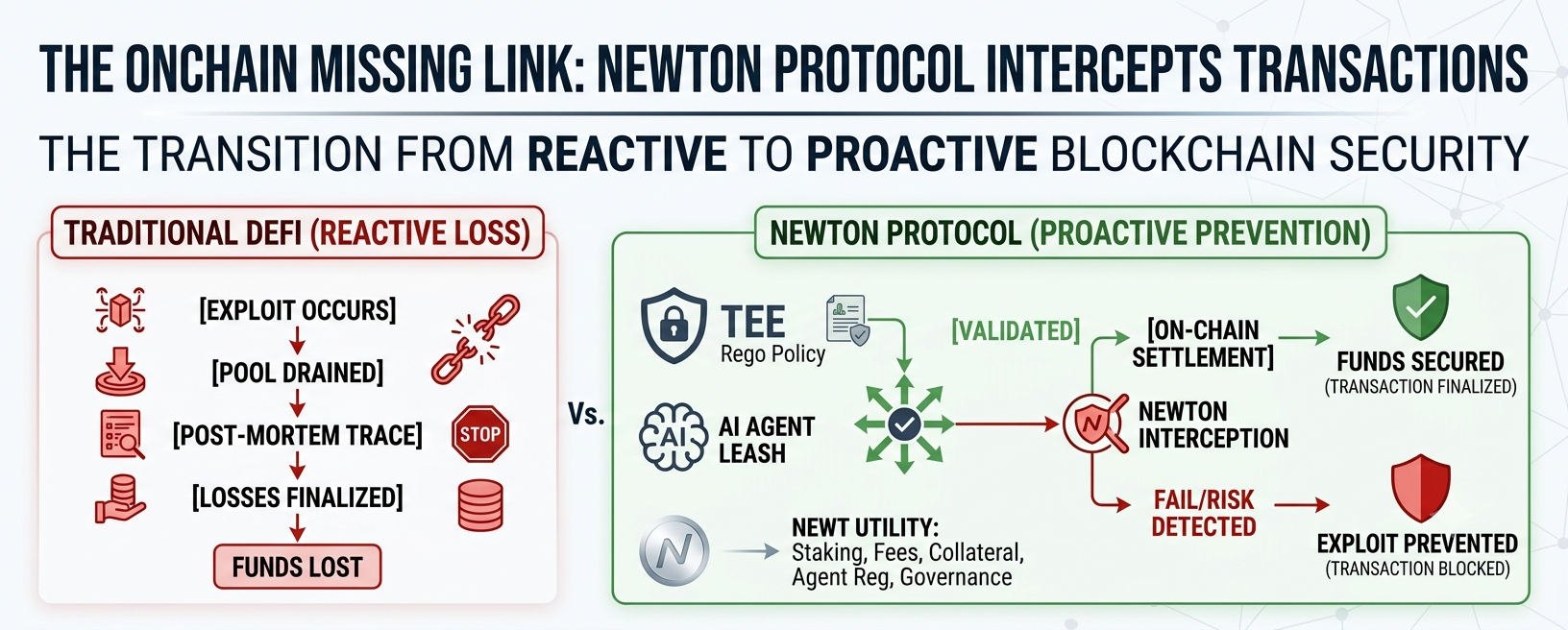
ニュートン・プロトコルは手遅れになる前にトランザクションをインターセプトする理由現在のオンチェーン状態は本質的にリアクティブです。私たちは通常、DeFiプールをリアルタイムで搾取し続ける悪意あるエクスプロイトを監視し、Etherscanでハッカーのウォレットを追跡し、その後にポストモーテムとしてそれについてツイートします。終わりのないループです。何年もの間、暗号資産は厳格な格言のもとで運用されてきました。つまり、トランザクションがメンプールに入って決済されたら、良いか悪いかにかかわらずそれは最終的なものになる、ということです。
しかし、被害が起きる前に、分散型ネットワークを破壊することなくトランザクションを途中で遮断できるとしたらどうでしょう?それは価値があるでしょうか?
ニュートン・プロトコルは手遅れになる前にトランザクションをインターセプトする理由
現在のオンチェーン状態は本質的にリアクティブです。私たちは通常、DeFiプールをリアルタイムで搾取し続ける悪意あるエクスプロイトを監視し、Etherscanでハッカーのウォレットを追跡し、その後にポストモーテムとしてそれについてツイートします。終わりのないループです。何年もの間、暗号資産は厳格な格言のもとで運用されてきました。つまり、トランザクションがメンプールに入って決済されたら、良いか悪いかにかかわらずそれは最終的なものになる、ということです。
しかし、被害が起きる前に、分散型ネットワークを破壊することなくトランザクションを途中で遮断できるとしたらどうでしょう?それは価値があるでしょうか?
しかし、被害が起きる前に、分散型ネットワークを破壊することなくトランザクションを途中で遮断できるとしたらどうでしょう?それは価値があるでしょうか?
58
48
895
·
--
🎁🎁🎁🎁🎁 26K達成のためのサポートに感謝します 🎁🎁🎁🎁
🎉🎉🎉🎉🎉🎉🎉🎉🎉🎉🎉🎉🎉🎉🎉🎉🎉
🎁🎁🎁🎁🎁🎁🎁🎁🎁🎁🎁🎁🎁🎁🎁🎁🎁
30K達成まであと少しです。引き続きサポートをお願いします。ありがとうございます 😊😊😊😊
#BinanceAlphaAlert Thanks #Ethcryptohub
🎁🎁🎁🎁🎁 26K達成のためのサポートに感謝します 🎁🎁🎁🎁
🎉🎉🎉🎉🎉🎉🎉🎉🎉🎉🎉🎉🎉🎉🎉🎉🎉
🎁🎁🎁🎁🎁🎁🎁🎁🎁🎁🎁🎁🎁🎁🎁🎁🎁
30K達成まであと少しです。引き続きサポートをお願いします。ありがとうございます 😊😊😊😊
#BinanceAlphaAlert Thanks #Ethcryptohub
🎉🎉🎉🎉🎉🎉🎉🎉🎉🎉🎉🎉🎉🎉🎉🎉🎉
🎁🎁🎁🎁🎁🎁🎁🎁🎁🎁🎁🎁🎁🎁🎁🎁🎁
30K達成まであと少しです。引き続きサポートをお願いします。ありがとうございます 😊😊😊😊
#BinanceAlphaAlert Thanks #Ethcryptohub
2k
1k
196
2k
·
--
記事
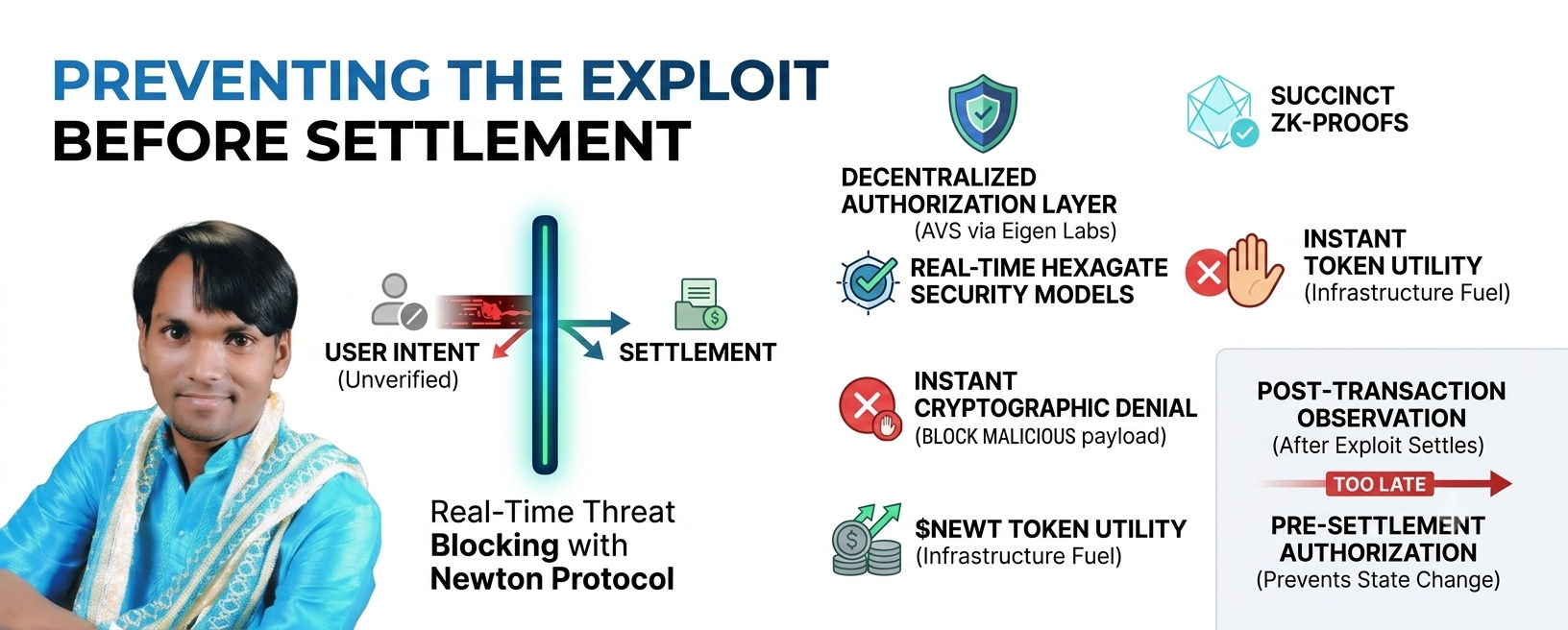
決済前にエクスプロイトを防ぐ:Newton Protocolによるリアルタイム脅威ブロッキング昨日、彼らのメインネットベータにおけるトランザクションフローに注意を向けたのですが、レイテンシを追加することなく、リアルタイムで脅威をブロックする仕組みがいかにシームレスなのかに本当に驚かされました。いっしょに話し合いましょう。
分散型ネットワークに蔓延する数百万ドル規模のエクスプロイトは、あまりにも痛ましいほど予測可能なタイムラインに沿って発生します。攻撃者が、アップグレード不可能なスマートコントラクトに隠れたエッジケースを見つけ、精密なエクスプロイトのロードを組み立て、フラッシュローンの資金で数百万ドルを一気に投入して攻撃を実行します。単一のトランザクションバンドルの中で資金は消えてしまい、プロトコル側は何が起きたのかを突き止めるためにEtherscanのようなツールやポストモーテムのダッシュボードに頼るしかなくなります。
決済前にエクスプロイトを防ぐ:Newton Protocolによるリアルタイム脅威ブロッキング
昨日、彼らのメインネットベータにおけるトランザクションフローに注意を向けたのですが、レイテンシを追加することなく、リアルタイムで脅威をブロックする仕組みがいかにシームレスなのかに本当に驚かされました。いっしょに話し合いましょう。
分散型ネットワークに蔓延する数百万ドル規模のエクスプロイトは、あまりにも痛ましいほど予測可能なタイムラインに沿って発生します。攻撃者が、アップグレード不可能なスマートコントラクトに隠れたエッジケースを見つけ、精密なエクスプロイトのロードを組み立て、フラッシュローンの資金で数百万ドルを一気に投入して攻撃を実行します。単一のトランザクションバンドルの中で資金は消えてしまい、プロトコル側は何が起きたのかを突き止めるためにEtherscanのようなツールやポストモーテムのダッシュボードに頼るしかなくなります。
分散型ネットワークに蔓延する数百万ドル規模のエクスプロイトは、あまりにも痛ましいほど予測可能なタイムラインに沿って発生します。攻撃者が、アップグレード不可能なスマートコントラクトに隠れたエッジケースを見つけ、精密なエクスプロイトのロードを組み立て、フラッシュローンの資金で数百万ドルを一気に投入して攻撃を実行します。単一のトランザクションバンドルの中で資金は消えてしまい、プロトコル側は何が起きたのかを突き止めるためにEtherscanのようなツールやポストモーテムのダッシュボードに頼るしかなくなります。
54
38
1.3k
·
--
@NewtonProtocol
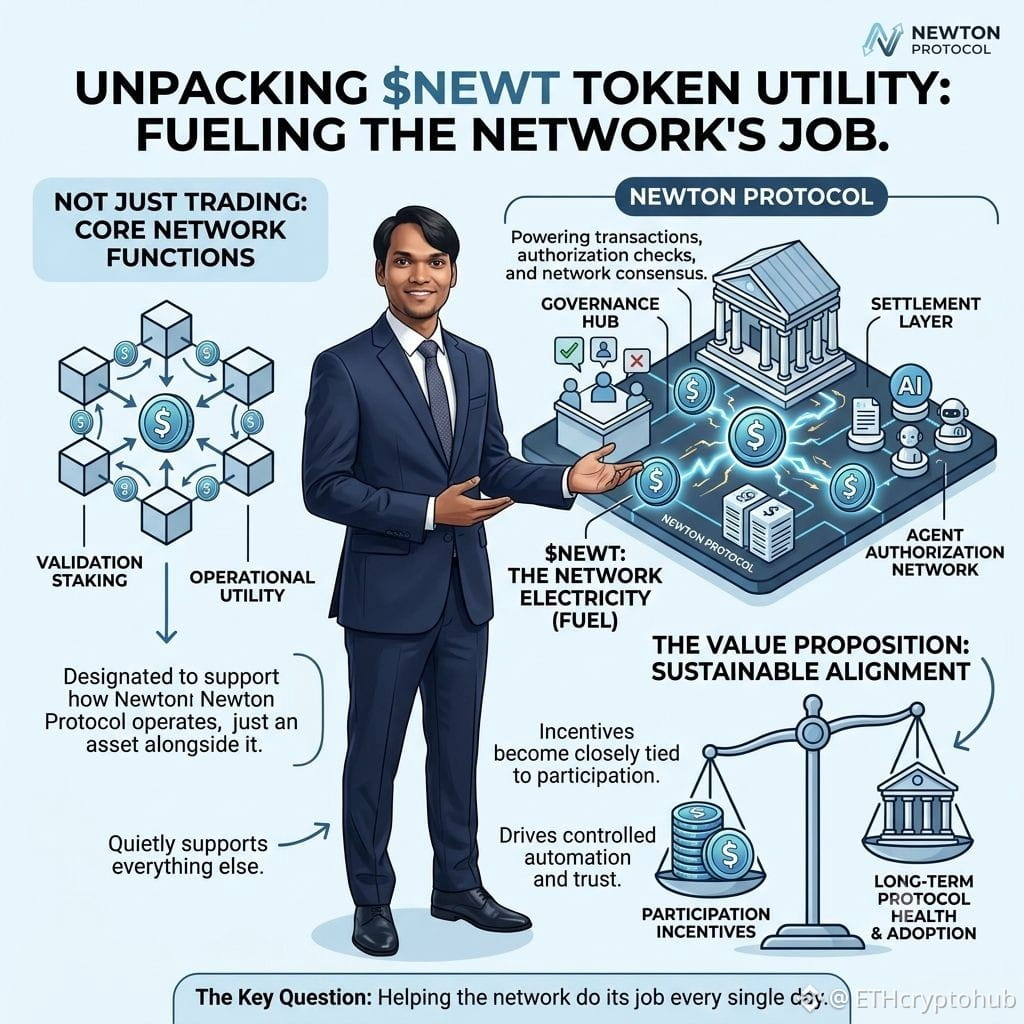
暗号資産で常に気にしているのは、そのトークンに「取引以外の存在理由」が本当にあるかどうかです。それで私は、$NEWT を調べるのにより多くの時間を使いました。私の理解では、このトークンは、プロジェクトの横にただ並ぶだけではなく、Newton Protocol の動作を支えるように設計されています。私にとっては、それによってトークンはそれに紐づく「別の資産」ではなく、「システムの一部」になるのです。
たとえば、それは建物を動かし続ける電気のようなものだと思います。人は通常、照明やエレベーター、機械に目が向きますが、それらが何も動かないのは、建物の中を電力が流れていないからです。建物の中で一番目立つ部分ではないかもしれませんが、それでも他のすべてを黙って支えています。
ここでも同じ考え方が当てはまります。トークンがネットワークの機能と結びついていると、インセンティブが参加とより密接になります。システムを動かすのを手伝う人たちは、関わり続けるための明確な理由を持てるようになり、設計がその前提を維持できるなら、活動と長期のコミットメントの間に、より健全なバランスが生まれる可能性があります。
もちろん、どんなトークンモデルにも時間をかけて実証が必要です。紙の上での良い設計が、必ずしも長期的な需要につながるとは限りません。そして、そのインセンティブが本当に意味を持ち続けるかどうかを最終的に決めるのは、実際の採用です。
私が何度も立ち返って考えるのは、シンプルな問いです。あるプロトコルのトークンは主に市場価値を表すものなのでしょうか。それとも、その最大の役割は、毎日ネットワークが仕事を果たすことを助けることなのでしょうか? $NEWT
#Newt $LAB $BTW
#Ethcryptohub
@NewtonProtocol
暗号資産で常に気にしているのは、そのトークンに「取引以外の存在理由」が本当にあるかどうかです。それで私は、$NEWT を調べるのにより多くの時間を使いました。私の理解では、このトークンは、プロジェクトの横にただ並ぶだけではなく、Newton Protocol の動作を支えるように設計されています。私にとっては、それによってトークンはそれに紐づく「別の資産」ではなく、「システムの一部」になるのです。
たとえば、それは建物を動かし続ける電気のようなものだと思います。人は通常、照明やエレベーター、機械に目が向きますが、それらが何も動かないのは、建物の中を電力が流れていないからです。建物の中で一番目立つ部分ではないかもしれませんが、それでも他のすべてを黙って支えています。
ここでも同じ考え方が当てはまります。トークンがネットワークの機能と結びついていると、インセンティブが参加とより密接になります。システムを動かすのを手伝う人たちは、関わり続けるための明確な理由を持てるようになり、設計がその前提を維持できるなら、活動と長期のコミットメントの間に、より健全なバランスが生まれる可能性があります。
もちろん、どんなトークンモデルにも時間をかけて実証が必要です。紙の上での良い設計が、必ずしも長期的な需要につながるとは限りません。そして、そのインセンティブが本当に意味を持ち続けるかどうかを最終的に決めるのは、実際の採用です。
私が何度も立ち返って考えるのは、シンプルな問いです。あるプロトコルのトークンは主に市場価値を表すものなのでしょうか。それとも、その最大の役割は、毎日ネットワークが仕事を果たすことを助けることなのでしょうか? $NEWT
#Newt $LAB $BTW
#Ethcryptohub
暗号資産で常に気にしているのは、そのトークンに「取引以外の存在理由」が本当にあるかどうかです。それで私は、$NEWT を調べるのにより多くの時間を使いました。私の理解では、このトークンは、プロジェクトの横にただ並ぶだけではなく、Newton Protocol の動作を支えるように設計されています。私にとっては、それによってトークンはそれに紐づく「別の資産」ではなく、「システムの一部」になるのです。
たとえば、それは建物を動かし続ける電気のようなものだと思います。人は通常、照明やエレベーター、機械に目が向きますが、それらが何も動かないのは、建物の中を電力が流れていないからです。建物の中で一番目立つ部分ではないかもしれませんが、それでも他のすべてを黙って支えています。
ここでも同じ考え方が当てはまります。トークンがネットワークの機能と結びついていると、インセンティブが参加とより密接になります。システムを動かすのを手伝う人たちは、関わり続けるための明確な理由を持てるようになり、設計がその前提を維持できるなら、活動と長期のコミットメントの間に、より健全なバランスが生まれる可能性があります。
もちろん、どんなトークンモデルにも時間をかけて実証が必要です。紙の上での良い設計が、必ずしも長期的な需要につながるとは限りません。そして、そのインセンティブが本当に意味を持ち続けるかどうかを最終的に決めるのは、実際の採用です。
私が何度も立ち返って考えるのは、シンプルな問いです。あるプロトコルのトークンは主に市場価値を表すものなのでしょうか。それとも、その最大の役割は、毎日ネットワークが仕事を果たすことを助けることなのでしょうか? $NEWT
#Newt $LAB $BTW
#Ethcryptohub
73
2
65
5.5k
·
--
@Bedrock
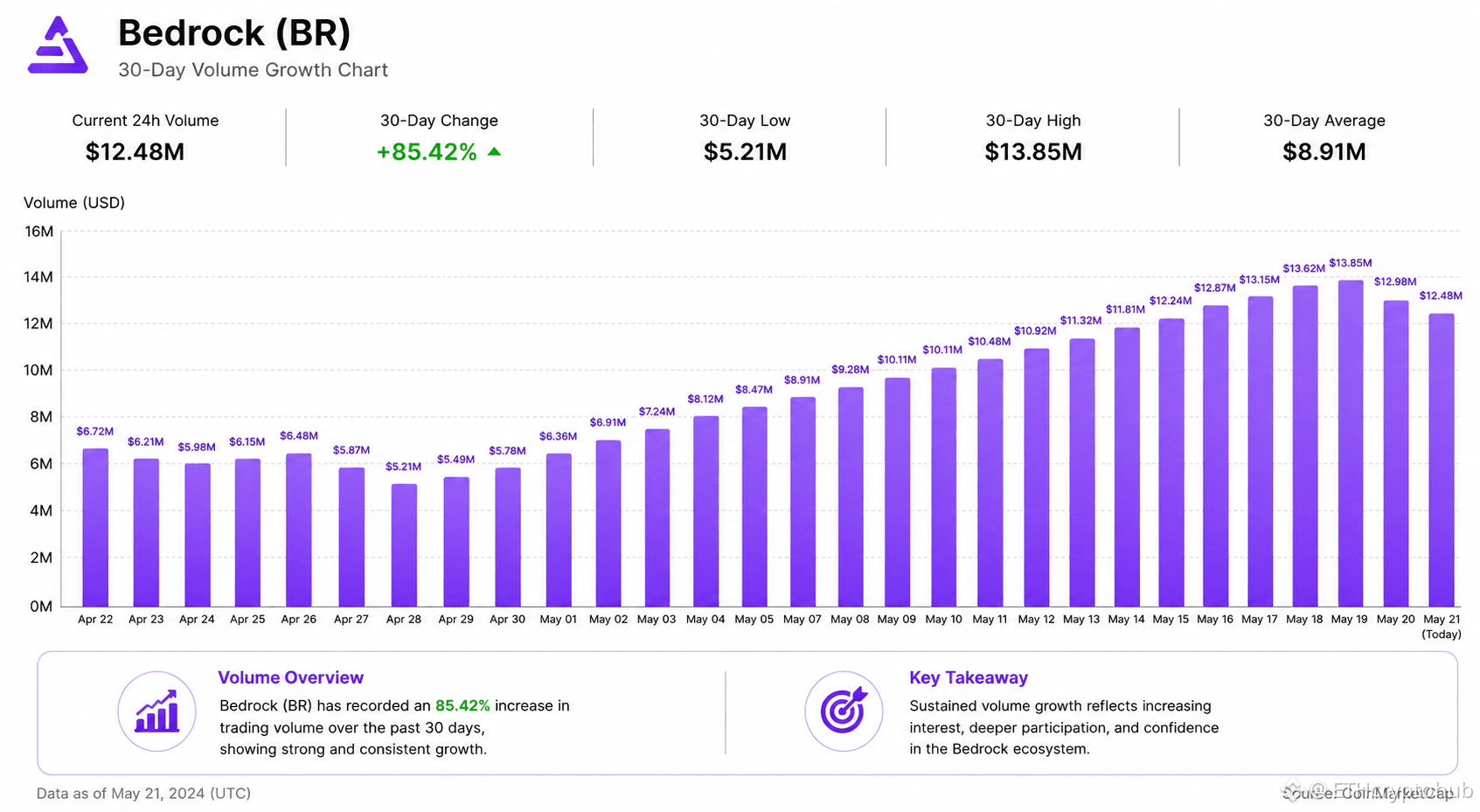
Bedrockを見ている時間が増えるほど、veBRが多くの人がほとんど気づかないところで多くの作業をしていると感じます。ほとんどの議論は報酬、利回り、またはトークンの動きに焦点を当てていますが、veBRは異なる役割を果たしているようです。エコシステム内で人々がどのように行動するかに静かに影響を与えています。
私が興味深いと思うのは、veBRがユーザーに次の報酬サイクルを超えて考える理由を与えることです。Bedrockをインセンティブを集めて次に進む場所として扱うのではなく、参加者にはエコシステムの発展に注意を払い、関与し続ける理由があります。ある意味、小さな地元のビジネスに少しの出資を持つことを思い出させます。ゲームに少しでも関与していると、物事がどこに向かっているかを自然に気にかけるようになります。
だからといって、このモデルが完璧だというわけではありません。長期的なコミットメントは、ユーザーが参加することに価値を見続けるときだけ機能します。活動が減速したり、影響が小さなグループに集中したりすると、エンゲージメントは時間とともに薄れていく可能性があります。
それでも、Bedrock全体を見ると、veBRはインセンティブ、参加、そして長期的なアラインメントを結びつける静かなピースの一つのように感じます。最も注目されることはないかもしれませんが、エコシステムを動かし続ける行動を形作っているように思えます。
あなたは、veBRをBedrockにおける本当の長期的アラインメントの源と見ていますか、それとも報酬が魅力的な間だけ機能する別のインセンティブレイヤーと見ていますか?
#bedrock $BR
#Ethcryptohub #Bedrock
@Bedrock
Bedrockを見ている時間が増えるほど、veBRが多くの人がほとんど気づかないところで多くの作業をしていると感じます。ほとんどの議論は報酬、利回り、またはトークンの動きに焦点を当てていますが、veBRは異なる役割を果たしているようです。エコシステム内で人々がどのように行動するかに静かに影響を与えています。
私が興味深いと思うのは、veBRがユーザーに次の報酬サイクルを超えて考える理由を与えることです。Bedrockをインセンティブを集めて次に進む場所として扱うのではなく、参加者にはエコシステムの発展に注意を払い、関与し続ける理由があります。ある意味、小さな地元のビジネスに少しの出資を持つことを思い出させます。ゲームに少しでも関与していると、物事がどこに向かっているかを自然に気にかけるようになります。
だからといって、このモデルが完璧だというわけではありません。長期的なコミットメントは、ユーザーが参加することに価値を見続けるときだけ機能します。活動が減速したり、影響が小さなグループに集中したりすると、エンゲージメントは時間とともに薄れていく可能性があります。
それでも、Bedrock全体を見ると、veBRはインセンティブ、参加、そして長期的なアラインメントを結びつける静かなピースの一つのように感じます。最も注目されることはないかもしれませんが、エコシステムを動かし続ける行動を形作っているように思えます。
あなたは、veBRをBedrockにおける本当の長期的アラインメントの源と見ていますか、それとも報酬が魅力的な間だけ機能する別のインセンティブレイヤーと見ていますか?
#bedrock $BR
#Ethcryptohub #Bedrock
Bedrockを見ている時間が増えるほど、veBRが多くの人がほとんど気づかないところで多くの作業をしていると感じます。ほとんどの議論は報酬、利回り、またはトークンの動きに焦点を当てていますが、veBRは異なる役割を果たしているようです。エコシステム内で人々がどのように行動するかに静かに影響を与えています。
私が興味深いと思うのは、veBRがユーザーに次の報酬サイクルを超えて考える理由を与えることです。Bedrockをインセンティブを集めて次に進む場所として扱うのではなく、参加者にはエコシステムの発展に注意を払い、関与し続ける理由があります。ある意味、小さな地元のビジネスに少しの出資を持つことを思い出させます。ゲームに少しでも関与していると、物事がどこに向かっているかを自然に気にかけるようになります。
だからといって、このモデルが完璧だというわけではありません。長期的なコミットメントは、ユーザーが参加することに価値を見続けるときだけ機能します。活動が減速したり、影響が小さなグループに集中したりすると、エンゲージメントは時間とともに薄れていく可能性があります。
それでも、Bedrock全体を見ると、veBRはインセンティブ、参加、そして長期的なアラインメントを結びつける静かなピースの一つのように感じます。最も注目されることはないかもしれませんが、エコシステムを動かし続ける行動を形作っているように思えます。
あなたは、veBRをBedrockにおける本当の長期的アラインメントの源と見ていますか、それとも報酬が魅力的な間だけ機能する別のインセンティブレイヤーと見ていますか?
#bedrock $BR
#Ethcryptohub #Bedrock
156
1
89
3.9k
·
--
記事
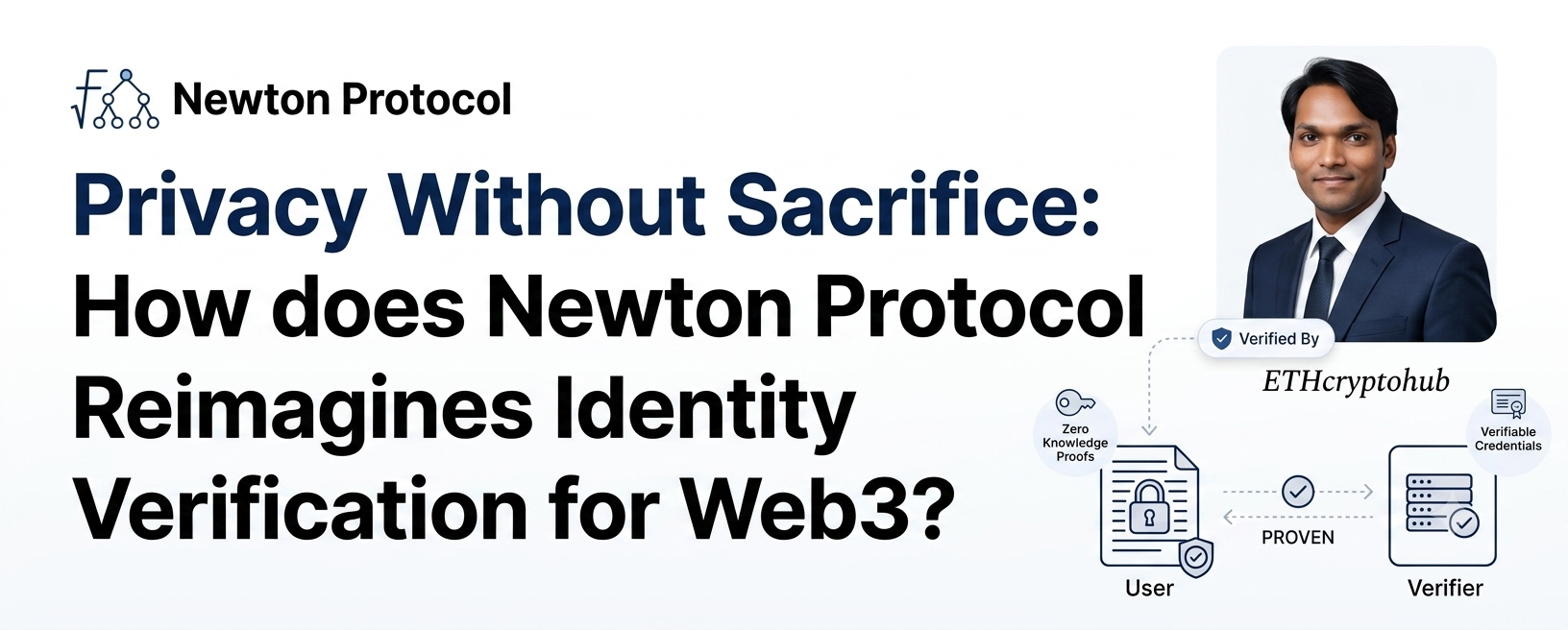
プライバシーを犠牲にしない:Newton ProtocolはWeb3の本人確認をどのように再構築するのか?Web3における最大級の矛盾のひとつは、プライバシーについて延々と語りながら、必要以上にユーザーに情報の開示を求めている点です。
それは、多くの人が思っている以上に起きています。
あなたはウォレットをアプリケーションに接続します。第三者を通じて本人確認を行います。コンプライアンスのための書類を提出します。時間の経過とともに、デジタル・アイデンティティの断片がさまざまなプラットフォームに散らばっていきます。各サービスは、前よりも少し多くの情報を保存し、やがてあなたの「プライベート」なWeb3のアイデンティティは、驚くほどパブリックなものに見え始めます。
プライバシーを犠牲にしない:Newton ProtocolはWeb3の本人確認をどのように再構築するのか?
Web3における最大級の矛盾のひとつは、プライバシーについて延々と語りながら、必要以上にユーザーに情報の開示を求めている点です。
それは、多くの人が思っている以上に起きています。
あなたはウォレットをアプリケーションに接続します。第三者を通じて本人確認を行います。コンプライアンスのための書類を提出します。時間の経過とともに、デジタル・アイデンティティの断片がさまざまなプラットフォームに散らばっていきます。各サービスは、前よりも少し多くの情報を保存し、やがてあなたの「プライベート」なWeb3のアイデンティティは、驚くほどパブリックなものに見え始めます。
それは、多くの人が思っている以上に起きています。
あなたはウォレットをアプリケーションに接続します。第三者を通じて本人確認を行います。コンプライアンスのための書類を提出します。時間の経過とともに、デジタル・アイデンティティの断片がさまざまなプラットフォームに散らばっていきます。各サービスは、前よりも少し多くの情報を保存し、やがてあなたの「プライベート」なWeb3のアイデンティティは、驚くほどパブリックなものに見え始めます。
66
34
911
·
--
記事
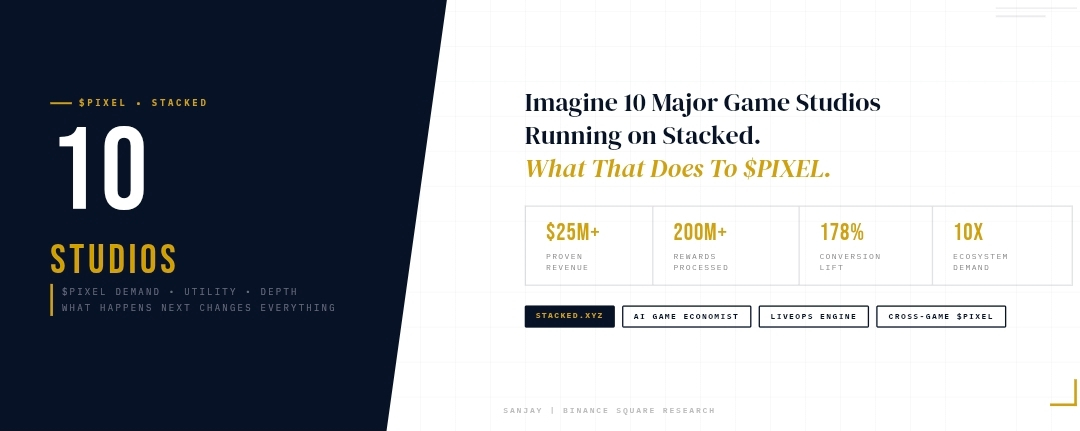
Stackedで10のスタジオが稼働したら、$PIXELはどうなる?ひとつのファーミングゲーム内の意思決定が、知らないうちにWeb3ゲーム全体の経済構造をどう変えてしまうのか——その話をします。
多くの人はまだ、PIXELをPixelsの背後にあるトークンだと考えています。つまり、ファーミングゲーム。作物を植えて報酬を得られる、ちょっとした楽しい小さな世界。そのイメージはもう時代遅れになっています……
チームはついにStackedを外部のゲームスタジオに開放しました。そして、今の多くの人が、それが今後2年間のPIXELにとって何を意味するのかを十分に理解できていないと思います。
最初から始めさせてください。
Pixelsは4年間、自社の中で構築してきました。多くのスタジオが外部ベンダーから買い取ろうとして、数百万ドルを費やすようなものを。報酬型のLiveOpsエンジンに、AIによるゲーム経済がその上に組み合わされています。このシステムはプレイヤーの行動をリアルタイムで追跡できます。デイ30を過ぎても最も忠実なユーザーが定着している理由を知っています。報酬予算がどこで漏れているのかも知っています。長期の定着を支える仕組みが何か、そしてゲームを静かに殺してしまう仕組みが何かも知っています……
Stackedで10のスタジオが稼働したら、$PIXELはどうなる?
ひとつのファーミングゲーム内の意思決定が、知らないうちにWeb3ゲーム全体の経済構造をどう変えてしまうのか——その話をします。
多くの人はまだ、PIXELをPixelsの背後にあるトークンだと考えています。つまり、ファーミングゲーム。作物を植えて報酬を得られる、ちょっとした楽しい小さな世界。そのイメージはもう時代遅れになっています……
チームはついにStackedを外部のゲームスタジオに開放しました。そして、今の多くの人が、それが今後2年間のPIXELにとって何を意味するのかを十分に理解できていないと思います。
最初から始めさせてください。
Pixelsは4年間、自社の中で構築してきました。多くのスタジオが外部ベンダーから買い取ろうとして、数百万ドルを費やすようなものを。報酬型のLiveOpsエンジンに、AIによるゲーム経済がその上に組み合わされています。このシステムはプレイヤーの行動をリアルタイムで追跡できます。デイ30を過ぎても最も忠実なユーザーが定着している理由を知っています。報酬予算がどこで漏れているのかも知っています。長期の定着を支える仕組みが何か、そしてゲームを静かに殺してしまう仕組みが何かも知っています……
多くの人はまだ、PIXELをPixelsの背後にあるトークンだと考えています。つまり、ファーミングゲーム。作物を植えて報酬を得られる、ちょっとした楽しい小さな世界。そのイメージはもう時代遅れになっています……
チームはついにStackedを外部のゲームスタジオに開放しました。そして、今の多くの人が、それが今後2年間のPIXELにとって何を意味するのかを十分に理解できていないと思います。
最初から始めさせてください。
Pixelsは4年間、自社の中で構築してきました。多くのスタジオが外部ベンダーから買い取ろうとして、数百万ドルを費やすようなものを。報酬型のLiveOpsエンジンに、AIによるゲーム経済がその上に組み合わされています。このシステムはプレイヤーの行動をリアルタイムで追跡できます。デイ30を過ぎても最も忠実なユーザーが定着している理由を知っています。報酬予算がどこで漏れているのかも知っています。長期の定着を支える仕組みが何か、そしてゲームを静かに殺してしまう仕組みが何かも知っています……
87
10
67
1.5k
·
--
@OpenGradient
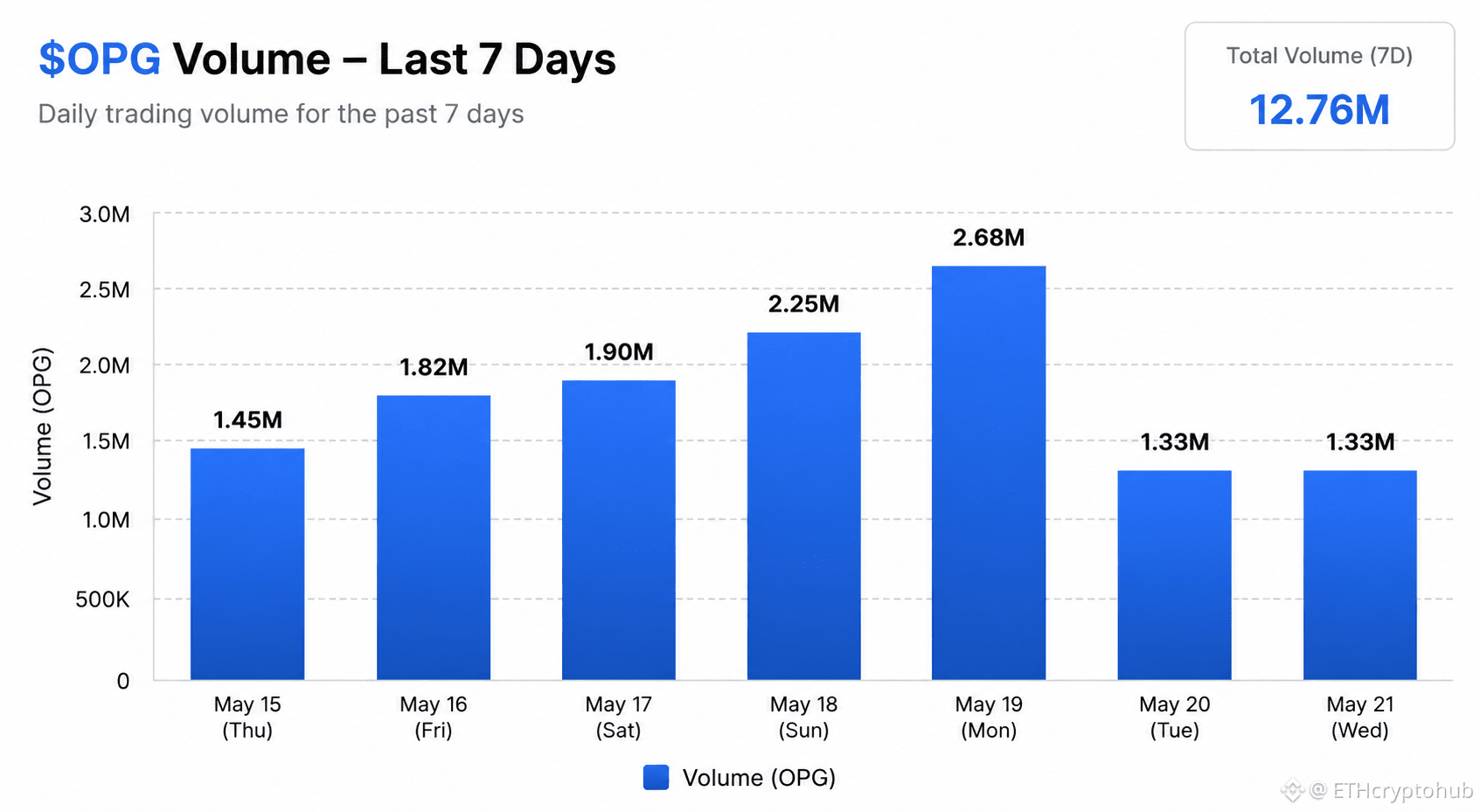
私が@OpenGradient について注目しているのは、プライバシーを後から追加するオプション機能ではなく、会話のレイヤーのコア部分としてアプローチしている点です。デジタル環境の新しい時代において、データがしばしば製品となる中、異なる所有権やコントロールモデルを探求するプロジェクトには注目する価値があると思います。問われるべきは、会話がどのように行われるかだけでなく、それによって生まれる情報から最終的に誰が利益を得るのかということです。
私が想像するに、このシステムはインフラを思い起こさせます。つまり、トラッカーやトラックで混雑した公共の高速道路ではなく、プライベートな道路に基づいて構築されているのです。同様に、情報は依然として一地点から別の地点へ移動します。私の見解では、プライバシーは活動を隠すことに関するものではなく、参加に関する明確な境界を定義することに関するものになります。
私にとって興味深いのは、これがインセンティブにどのように影響するかです。デジタルな会話は、エンゲージメント、データ生成、ネットワーク参加を通じて価値を生み出します。もしユーザーがより強いコントロールを持つなら、情報の流れ、資本、注意はエコシステムに向かって動き始めるかもしれません。それは流動性、ユーザーの維持、長期的なエコシステムの健康に影響を与えるでしょう。
同時に、プライバシー重視のシステムは重要な課題に直面しています。そして、信頼を築くことは一つのことですが、使いやすさ、スケーラビリティ、持続可能な参加を維持することは別のことです。ユーザーを引き付けることは、彼らが長期にわたって関与し続ける習慣を作り出すよりも早く起こります。
私にとって、このトレンドは、オープンさと個人的なコントロールのバランスを取るデジタルシステムへの需要が依然として高まっていることです。より多くのプラットフォームが注目を競う中、プライバシーはネットワークの優位性を定義するものになるのか、それとも業界全体で期待される標準に過ぎなくなるのか?
#OPG $OPG
#Ethcryptohub
$EVAA
@OpenGradient
私が@OpenGradient について注目しているのは、プライバシーを後から追加するオプション機能ではなく、会話のレイヤーのコア部分としてアプローチしている点です。デジタル環境の新しい時代において、データがしばしば製品となる中、異なる所有権やコントロールモデルを探求するプロジェクトには注目する価値があると思います。問われるべきは、会話がどのように行われるかだけでなく、それによって生まれる情報から最終的に誰が利益を得るのかということです。
私が想像するに、このシステムはインフラを思い起こさせます。つまり、トラッカーやトラックで混雑した公共の高速道路ではなく、プライベートな道路に基づいて構築されているのです。同様に、情報は依然として一地点から別の地点へ移動します。私の見解では、プライバシーは活動を隠すことに関するものではなく、参加に関する明確な境界を定義することに関するものになります。
私にとって興味深いのは、これがインセンティブにどのように影響するかです。デジタルな会話は、エンゲージメント、データ生成、ネットワーク参加を通じて価値を生み出します。もしユーザーがより強いコントロールを持つなら、情報の流れ、資本、注意はエコシステムに向かって動き始めるかもしれません。それは流動性、ユーザーの維持、長期的なエコシステムの健康に影響を与えるでしょう。
同時に、プライバシー重視のシステムは重要な課題に直面しています。そして、信頼を築くことは一つのことですが、使いやすさ、スケーラビリティ、持続可能な参加を維持することは別のことです。ユーザーを引き付けることは、彼らが長期にわたって関与し続ける習慣を作り出すよりも早く起こります。
私にとって、このトレンドは、オープンさと個人的なコントロールのバランスを取るデジタルシステムへの需要が依然として高まっていることです。より多くのプラットフォームが注目を競う中、プライバシーはネットワークの優位性を定義するものになるのか、それとも業界全体で期待される標準に過ぎなくなるのか?
#OPG $OPG
#Ethcryptohub
$EVAA
私が@OpenGradient について注目しているのは、プライバシーを後から追加するオプション機能ではなく、会話のレイヤーのコア部分としてアプローチしている点です。デジタル環境の新しい時代において、データがしばしば製品となる中、異なる所有権やコントロールモデルを探求するプロジェクトには注目する価値があると思います。問われるべきは、会話がどのように行われるかだけでなく、それによって生まれる情報から最終的に誰が利益を得るのかということです。
私が想像するに、このシステムはインフラを思い起こさせます。つまり、トラッカーやトラックで混雑した公共の高速道路ではなく、プライベートな道路に基づいて構築されているのです。同様に、情報は依然として一地点から別の地点へ移動します。私の見解では、プライバシーは活動を隠すことに関するものではなく、参加に関する明確な境界を定義することに関するものになります。
私にとって興味深いのは、これがインセンティブにどのように影響するかです。デジタルな会話は、エンゲージメント、データ生成、ネットワーク参加を通じて価値を生み出します。もしユーザーがより強いコントロールを持つなら、情報の流れ、資本、注意はエコシステムに向かって動き始めるかもしれません。それは流動性、ユーザーの維持、長期的なエコシステムの健康に影響を与えるでしょう。
同時に、プライバシー重視のシステムは重要な課題に直面しています。そして、信頼を築くことは一つのことですが、使いやすさ、スケーラビリティ、持続可能な参加を維持することは別のことです。ユーザーを引き付けることは、彼らが長期にわたって関与し続ける習慣を作り出すよりも早く起こります。
私にとって、このトレンドは、オープンさと個人的なコントロールのバランスを取るデジタルシステムへの需要が依然として高まっていることです。より多くのプラットフォームが注目を競う中、プライバシーはネットワークの優位性を定義するものになるのか、それとも業界全体で期待される標準に過ぎなくなるのか?
#OPG $OPG
#Ethcryptohub
$EVAA
130
73
3.5k
·
--
記事
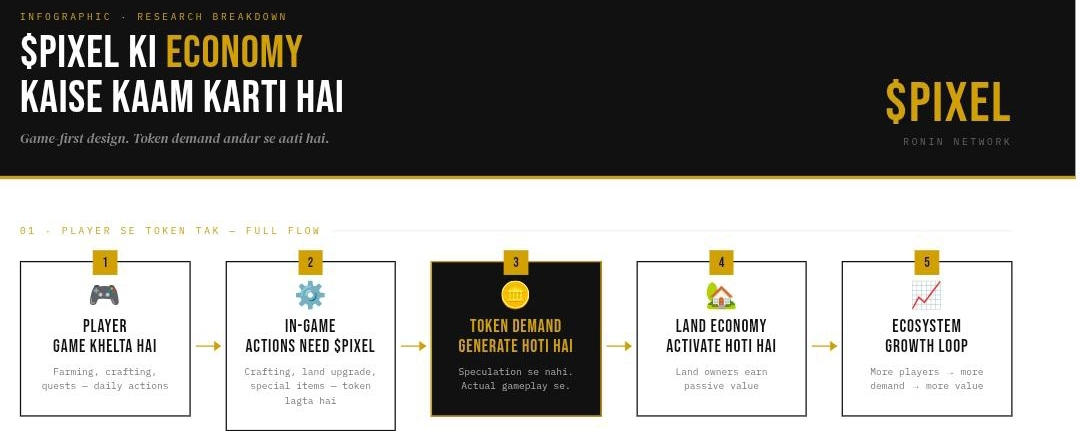
ファームを超えて:PixelsがWeb3ゲームのインフラを構築している方法$PIXEL を持っているほとんどの人は、自分がゲームトークンを持っていると思っている。そのフレーミングは正確ではないわけではないが、次の2年間で重要になると思う不完全なものだ。そして、ほとんどのホルダーが自分が所有していると思っているものと、Pixelsが実際に何になっているかとのギャップは、このスペースで見た中で最も興味深い乖離の一つだ。
私は自分がどこから始めたかを明確にしたい。私は初期の信者ではなかった。pIxelsを、ほとんどのWeb3ゲームプロジェクトを見るように、トークンが製品でゲームがラッパーだというデフォルトの仮定で見ていた。その仮定は何度も正しかったので、私はそれを疑うのをやめた。表面的なレベルの下でチームが実際に何を構築しているのかに注意を払うようになるまで。
ファームを超えて:PixelsがWeb3ゲームのインフラを構築している方法
$PIXEL を持っているほとんどの人は、自分がゲームトークンを持っていると思っている。そのフレーミングは正確ではないわけではないが、次の2年間で重要になると思う不完全なものだ。そして、ほとんどのホルダーが自分が所有していると思っているものと、Pixelsが実際に何になっているかとのギャップは、このスペースで見た中で最も興味深い乖離の一つだ。
私は自分がどこから始めたかを明確にしたい。私は初期の信者ではなかった。pIxelsを、ほとんどのWeb3ゲームプロジェクトを見るように、トークンが製品でゲームがラッパーだというデフォルトの仮定で見ていた。その仮定は何度も正しかったので、私はそれを疑うのをやめた。表面的なレベルの下でチームが実際に何を構築しているのかに注意を払うようになるまで。
私は自分がどこから始めたかを明確にしたい。私は初期の信者ではなかった。pIxelsを、ほとんどのWeb3ゲームプロジェクトを見るように、トークンが製品でゲームがラッパーだというデフォルトの仮定で見ていた。その仮定は何度も正しかったので、私はそれを疑うのをやめた。表面的なレベルの下でチームが実際に何を構築しているのかに注意を払うようになるまで。
110
1
62
1.4k
·
--
@Bedrock
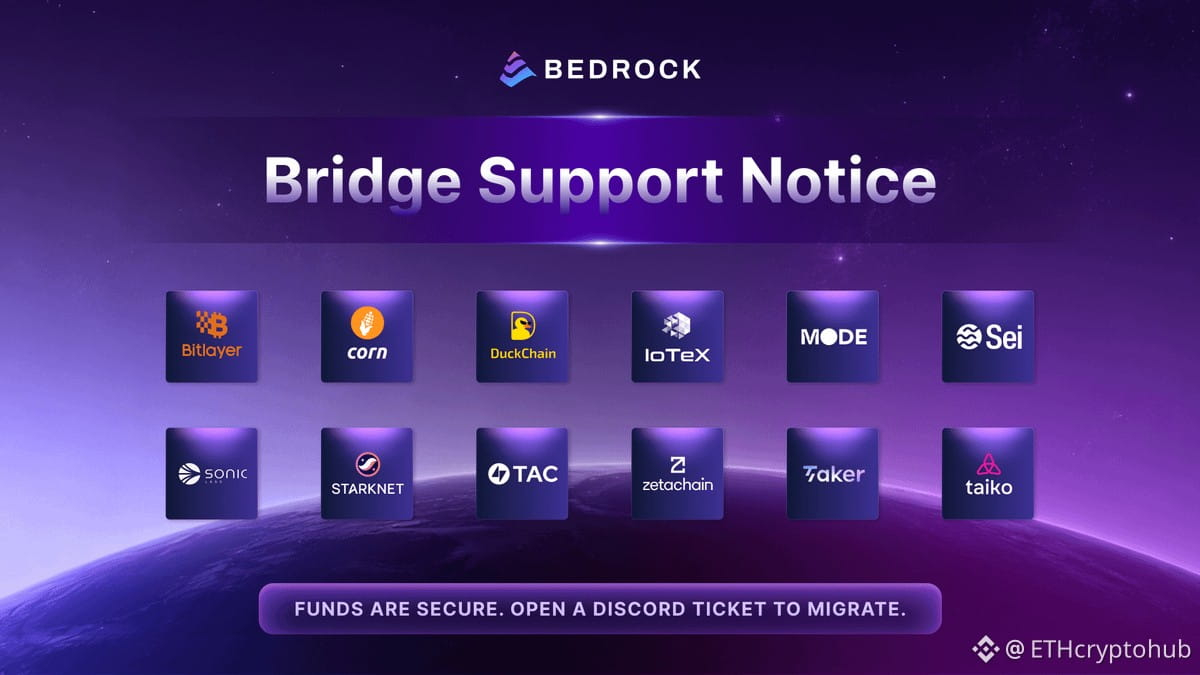
ベッドロックに戻ってくるのは、リステーキングが次にどこに向かっているのかを示しているからだ。シンプルな利回り追求ではなく、ロックされた資本を実際にもっと働かせる方法を見つけることに重きを置いている。
私が注目するのは、流動性とコミットメントのバランスだ。多くのユーザーはリターンを求めていると言うが、実際には柔軟性を気にしている。そこが本当のテストポイントだ。資産がネットワークをサポートしつつも有用性を保てれば、それは人々の実際の行動に合ったものになる。
私が思うに、ここでの重要なシグナルは信頼だ。リステーキングは、ユーザーが自分が何を支持しているのか、そしてなぜインセンティブが存在するのかを理解している場合にのみ、長期的に機能する。デザインがあまりにも混乱していると、人々は離れてしまう。あまりにも簡単にゲームできてしまうと、全体が揺らぎ始める。だから、実行がアイデアの見出しよりも重要になる。
私にとって、ベッドロックはリステーキングが純粋な報酬の話から、より成熟した資本効率の話に移行していることを示唆している。勝つプロジェクトは、おそらく流動性、ユーティリティ、そしてユーザーの信頼を同じレーンに保つものになるだろう。
質問は、リステーキングは本当のユーティリティに向かって進化し続けるのか、それともほとんどのユーザーが短期的な利回り取引として扱い続けるのかということだ。
#bedrock
#Bedrock $VELVET
#Ethcryptohub
$BR
{future}(BRUSDT)
@Bedrock
ベッドロックに戻ってくるのは、リステーキングが次にどこに向かっているのかを示しているからだ。シンプルな利回り追求ではなく、ロックされた資本を実際にもっと働かせる方法を見つけることに重きを置いている。
私が注目するのは、流動性とコミットメントのバランスだ。多くのユーザーはリターンを求めていると言うが、実際には柔軟性を気にしている。そこが本当のテストポイントだ。資産がネットワークをサポートしつつも有用性を保てれば、それは人々の実際の行動に合ったものになる。
私が思うに、ここでの重要なシグナルは信頼だ。リステーキングは、ユーザーが自分が何を支持しているのか、そしてなぜインセンティブが存在するのかを理解している場合にのみ、長期的に機能する。デザインがあまりにも混乱していると、人々は離れてしまう。あまりにも簡単にゲームできてしまうと、全体が揺らぎ始める。だから、実行がアイデアの見出しよりも重要になる。
私にとって、ベッドロックはリステーキングが純粋な報酬の話から、より成熟した資本効率の話に移行していることを示唆している。勝つプロジェクトは、おそらく流動性、ユーティリティ、そしてユーザーの信頼を同じレーンに保つものになるだろう。
質問は、リステーキングは本当のユーティリティに向かって進化し続けるのか、それともほとんどのユーザーが短期的な利回り取引として扱い続けるのかということだ。
#bedrock
#Bedrock $VELVET
#Ethcryptohub
$BR
ベッドロックに戻ってくるのは、リステーキングが次にどこに向かっているのかを示しているからだ。シンプルな利回り追求ではなく、ロックされた資本を実際にもっと働かせる方法を見つけることに重きを置いている。
私が注目するのは、流動性とコミットメントのバランスだ。多くのユーザーはリターンを求めていると言うが、実際には柔軟性を気にしている。そこが本当のテストポイントだ。資産がネットワークをサポートしつつも有用性を保てれば、それは人々の実際の行動に合ったものになる。
私が思うに、ここでの重要なシグナルは信頼だ。リステーキングは、ユーザーが自分が何を支持しているのか、そしてなぜインセンティブが存在するのかを理解している場合にのみ、長期的に機能する。デザインがあまりにも混乱していると、人々は離れてしまう。あまりにも簡単にゲームできてしまうと、全体が揺らぎ始める。だから、実行がアイデアの見出しよりも重要になる。
私にとって、ベッドロックはリステーキングが純粋な報酬の話から、より成熟した資本効率の話に移行していることを示唆している。勝つプロジェクトは、おそらく流動性、ユーティリティ、そしてユーザーの信頼を同じレーンに保つものになるだろう。
質問は、リステーキングは本当のユーティリティに向かって進化し続けるのか、それともほとんどのユーザーが短期的な利回り取引として扱い続けるのかということだ。
#bedrock
#Bedrock $VELVET
#Ethcryptohub
$BR
201
2
109
5.8k
·
--
@OpenGradient
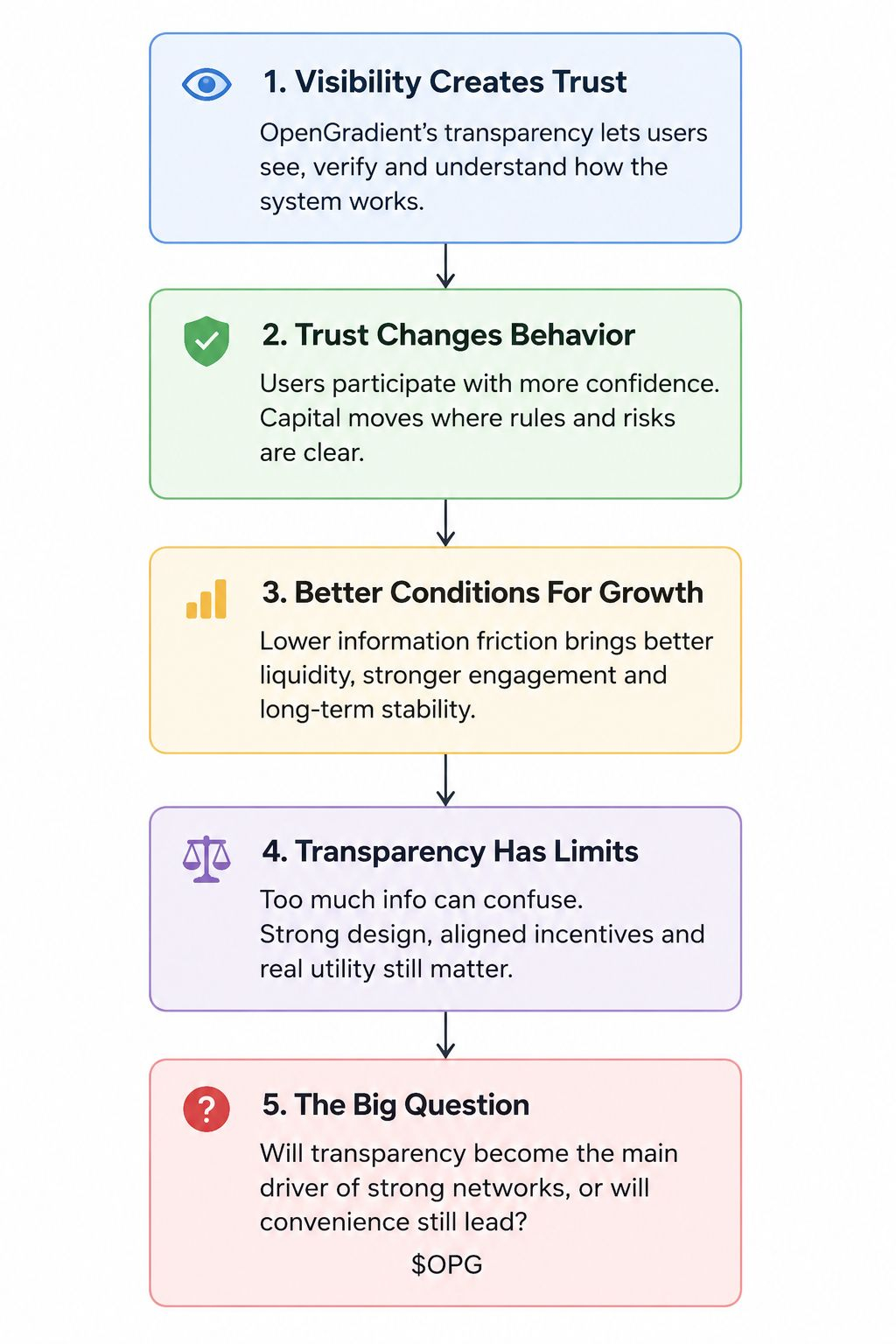
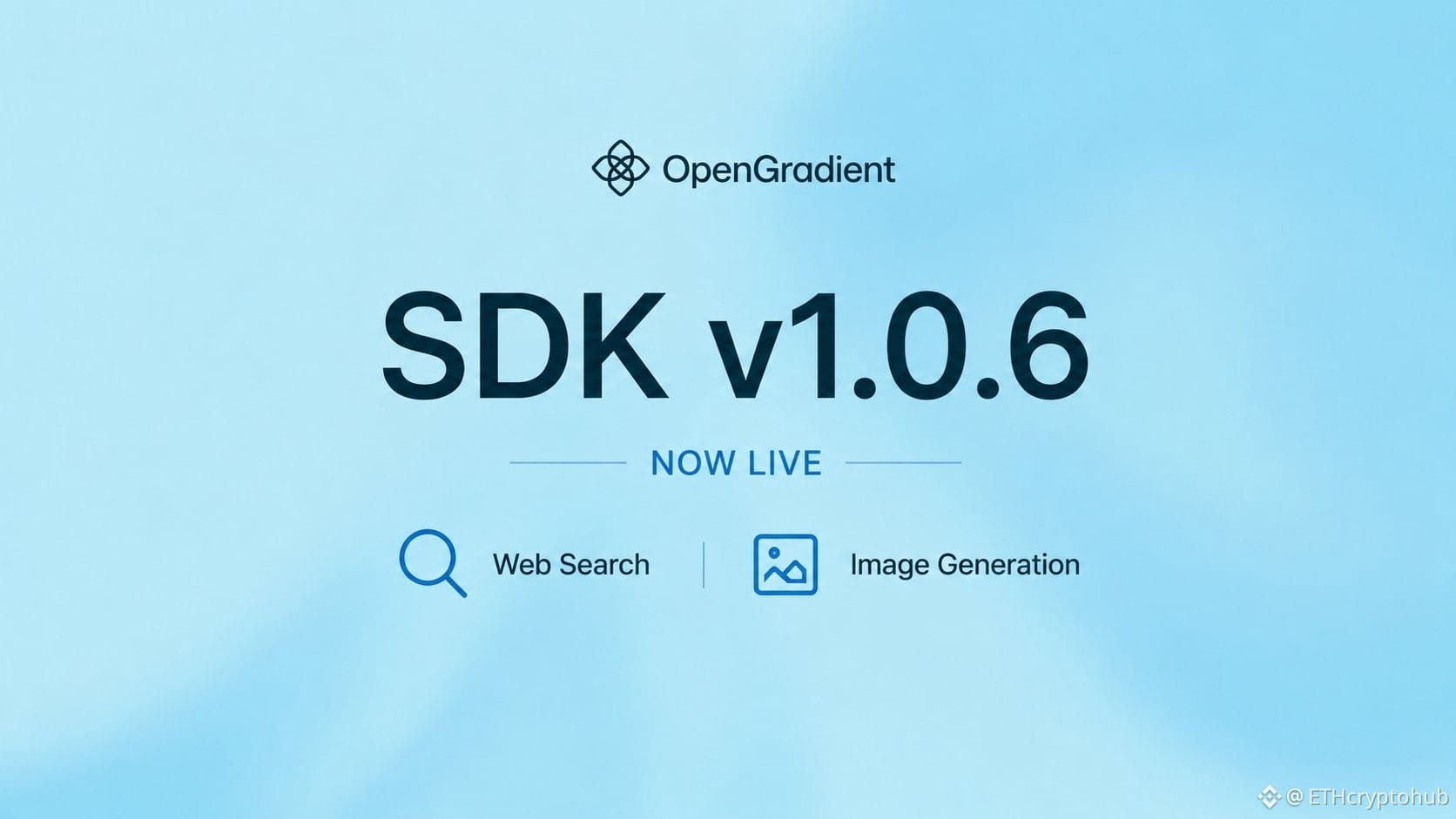
デジタルシステムにおいて、強さはパフォーマンスだけでなく、可視性から来ることが多いというパターンにいつも気づかされます。OpenGradientは、透明性が人々のネットワークとのやり取りをどのように変えるかを考えさせられます。@OpenGradient が興味深いのは、その透明性がダッシュボードや数字に限られていないからです。検証や目に見えるAI実行のような機能は、ユーザーがシステムの動作をチェックできるようにし、盲目的に信頼するのではなく、自分で確認できることを可能にします。これにより、人々は自信を持つことができるのです。
私はこれを金融市場にしばしば比較します。情報が明確な市場は、通常より安定した参加を引き付けます。なぜなら、資本はリスクを推測するのではなく評価できる環境を好むからです。同じ原理がデジタルネットワークにも当てはまります。より明確なシステムは、長期的なエンゲージメントに良好な条件を生み出します。
このことが興味深いのは、透明性があらゆるレイヤーで行動にどのように影響するかです。ユーザーはルールを理解すると、異なる形で参加します。インセンティブが評価しやすいと、資本の動きも異なります。流動性は、情報の摩擦が低く、参加者がシステムがより予測可能に運営されていると感じる場所に収束する傾向があります。
もちろん、透明性だけではすべてを解決するわけではありません。情報が多すぎると、誰もが混乱し、明確さは自動的により良い結果を保証するわけではありません。システムは、参加者が時間をかけてエンゲージされ続けるために、強力なデザイン、整合したインセンティブ、そして実際のユーティリティを必要とします。
私が最も魅力的だと感じるのは、暗号が可視性が盲目的な信頼よりも重要なシステムに向かって進み続けていることです。時間が経つにつれて、透明性がより強力なネットワークの主要な推進力になると思いますか、それとも便利さが引き続き重要になると思いますか?
$OPG
#opg #OPG
#Ethcryptohub
$BTW
{future}(BTWUSDT)
$RE
{future}(REUSDT)
@OpenGradient
デジタルシステムにおいて、強さはパフォーマンスだけでなく、可視性から来ることが多いというパターンにいつも気づかされます。OpenGradientは、透明性が人々のネットワークとのやり取りをどのように変えるかを考えさせられます。@OpenGradient が興味深いのは、その透明性がダッシュボードや数字に限られていないからです。検証や目に見えるAI実行のような機能は、ユーザーがシステムの動作をチェックできるようにし、盲目的に信頼するのではなく、自分で確認できることを可能にします。これにより、人々は自信を持つことができるのです。
私はこれを金融市場にしばしば比較します。情報が明確な市場は、通常より安定した参加を引き付けます。なぜなら、資本はリスクを推測するのではなく評価できる環境を好むからです。同じ原理がデジタルネットワークにも当てはまります。より明確なシステムは、長期的なエンゲージメントに良好な条件を生み出します。
このことが興味深いのは、透明性があらゆるレイヤーで行動にどのように影響するかです。ユーザーはルールを理解すると、異なる形で参加します。インセンティブが評価しやすいと、資本の動きも異なります。流動性は、情報の摩擦が低く、参加者がシステムがより予測可能に運営されていると感じる場所に収束する傾向があります。
もちろん、透明性だけではすべてを解決するわけではありません。情報が多すぎると、誰もが混乱し、明確さは自動的により良い結果を保証するわけではありません。システムは、参加者が時間をかけてエンゲージされ続けるために、強力なデザイン、整合したインセンティブ、そして実際のユーティリティを必要とします。
私が最も魅力的だと感じるのは、暗号が可視性が盲目的な信頼よりも重要なシステムに向かって進み続けていることです。時間が経つにつれて、透明性がより強力なネットワークの主要な推進力になると思いますか、それとも便利さが引き続き重要になると思いますか?
$OPG
#opg #OPG
#Ethcryptohub
$BTW
$RE
デジタルシステムにおいて、強さはパフォーマンスだけでなく、可視性から来ることが多いというパターンにいつも気づかされます。OpenGradientは、透明性が人々のネットワークとのやり取りをどのように変えるかを考えさせられます。@OpenGradient が興味深いのは、その透明性がダッシュボードや数字に限られていないからです。検証や目に見えるAI実行のような機能は、ユーザーがシステムの動作をチェックできるようにし、盲目的に信頼するのではなく、自分で確認できることを可能にします。これにより、人々は自信を持つことができるのです。
私はこれを金融市場にしばしば比較します。情報が明確な市場は、通常より安定した参加を引き付けます。なぜなら、資本はリスクを推測するのではなく評価できる環境を好むからです。同じ原理がデジタルネットワークにも当てはまります。より明確なシステムは、長期的なエンゲージメントに良好な条件を生み出します。
このことが興味深いのは、透明性があらゆるレイヤーで行動にどのように影響するかです。ユーザーはルールを理解すると、異なる形で参加します。インセンティブが評価しやすいと、資本の動きも異なります。流動性は、情報の摩擦が低く、参加者がシステムがより予測可能に運営されていると感じる場所に収束する傾向があります。
もちろん、透明性だけではすべてを解決するわけではありません。情報が多すぎると、誰もが混乱し、明確さは自動的により良い結果を保証するわけではありません。システムは、参加者が時間をかけてエンゲージされ続けるために、強力なデザイン、整合したインセンティブ、そして実際のユーティリティを必要とします。
私が最も魅力的だと感じるのは、暗号が可視性が盲目的な信頼よりも重要なシステムに向かって進み続けていることです。時間が経つにつれて、透明性がより強力なネットワークの主要な推進力になると思いますか、それとも便利さが引き続き重要になると思いますか?
$OPG
#opg #OPG
#Ethcryptohub
$BTW
$RE
289
145
7k

·
--
確認済み
@Openledger
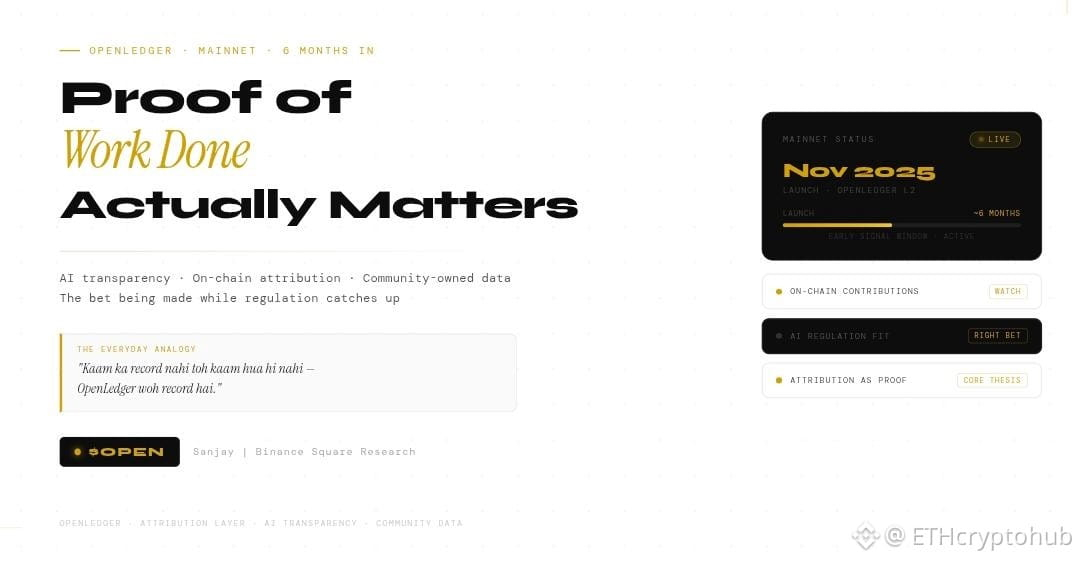
一度誰かが仕事をしたら、それにクレジットが与えられます。教師が教え、生徒が学び、学校が記録を保持します。医者が診断を行い、病院がファイルを維持し、保険会社がクレームを処理します。これらは単なる作業ではなく、作業の証明です。そして、証明がなければ、作業が行われたかどうかは誰にもわかりません。
これが、私がOpenLedgerを非暗号友人に説明する際のアナロジーです。プロジェクトでデータを提供し、分析を行い、成果を届けたのに、記録が残らなかったと想像してください。では、報酬は誰に与えられますか?誰が何を貢献したか、いつ行ったか、その結果は何だったかを追跡するシステムがOpenLedgerです。$OPEN ussは証明の経済的表現です。
さて、この賭けはAIの透明性、オンチェーンの帰属、コミュニティ所有のデータという三つの要素が一緒にどれだけ正しいのか。正直に言うと、2025年11月のメインネットローンチからまだ6ヶ月しか経っていません。多くの人がこの thesis が証明されていないと言うでしょう。しかし、私は方向性が正しいと思います。なぜなら、世界的にAIの規制が厳しくなっているからです。政府はどのモデルがどのデータで訓練されたのか、誰が貢献したのか、同意があったのかを尋ねています。これらの質問に答えるためには、帰属レイヤーが必要です。OpenLedgerは規制の前にそのレイヤーを構築しています、反応的なモードではありません。
そしてメインネットのメトリクスについては、私は個人的にアクティブな帰属貢献を監視しており、単にTVLだけではありません。TVLは資本があることを示しています。帰属貢献はシステムが実際に機能していることを示しています。お金だけがロックされているネットワークで、実際のデータ貢献がないのは、駐車されたバスであり、稼働しているネットワークではありません。
6ヶ月はどのような判決にも非常に少ないです。しかし、インフラプロジェクトにおいて、早期のシグナルは価格がどこにあるかではありません。シグナルはビルダーが来ているかどうか、そして貢献している人々が報酬を得ているかどうかです。
そのシグナルは今のところ良さそうです。
@Openledger #OpenLedger #openledger $OPEN #Ethcryptohub
@OpenLedger
一度誰かが仕事をしたら、それにクレジットが与えられます。教師が教え、生徒が学び、学校が記録を保持します。医者が診断を行い、病院がファイルを維持し、保険会社がクレームを処理します。これらは単なる作業ではなく、作業の証明です。そして、証明がなければ、作業が行われたかどうかは誰にもわかりません。
これが、私がOpenLedgerを非暗号友人に説明する際のアナロジーです。プロジェクトでデータを提供し、分析を行い、成果を届けたのに、記録が残らなかったと想像してください。では、報酬は誰に与えられますか?誰が何を貢献したか、いつ行ったか、その結果は何だったかを追跡するシステムがOpenLedgerです。$OPEN ussは証明の経済的表現です。
さて、この賭けはAIの透明性、オンチェーンの帰属、コミュニティ所有のデータという三つの要素が一緒にどれだけ正しいのか。正直に言うと、2025年11月のメインネットローンチからまだ6ヶ月しか経っていません。多くの人がこの thesis が証明されていないと言うでしょう。しかし、私は方向性が正しいと思います。なぜなら、世界的にAIの規制が厳しくなっているからです。政府はどのモデルがどのデータで訓練されたのか、誰が貢献したのか、同意があったのかを尋ねています。これらの質問に答えるためには、帰属レイヤーが必要です。OpenLedgerは規制の前にそのレイヤーを構築しています、反応的なモードではありません。
そしてメインネットのメトリクスについては、私は個人的にアクティブな帰属貢献を監視しており、単にTVLだけではありません。TVLは資本があることを示しています。帰属貢献はシステムが実際に機能していることを示しています。お金だけがロックされているネットワークで、実際のデータ貢献がないのは、駐車されたバスであり、稼働しているネットワークではありません。
6ヶ月はどのような判決にも非常に少ないです。しかし、インフラプロジェクトにおいて、早期のシグナルは価格がどこにあるかではありません。シグナルはビルダーが来ているかどうか、そして貢献している人々が報酬を得ているかどうかです。
そのシグナルは今のところ良さそうです。
@OpenLedger #OpenLedger #openledger $OPEN #Ethcryptohub
一度誰かが仕事をしたら、それにクレジットが与えられます。教師が教え、生徒が学び、学校が記録を保持します。医者が診断を行い、病院がファイルを維持し、保険会社がクレームを処理します。これらは単なる作業ではなく、作業の証明です。そして、証明がなければ、作業が行われたかどうかは誰にもわかりません。
これが、私がOpenLedgerを非暗号友人に説明する際のアナロジーです。プロジェクトでデータを提供し、分析を行い、成果を届けたのに、記録が残らなかったと想像してください。では、報酬は誰に与えられますか?誰が何を貢献したか、いつ行ったか、その結果は何だったかを追跡するシステムがOpenLedgerです。$OPEN ussは証明の経済的表現です。
さて、この賭けはAIの透明性、オンチェーンの帰属、コミュニティ所有のデータという三つの要素が一緒にどれだけ正しいのか。正直に言うと、2025年11月のメインネットローンチからまだ6ヶ月しか経っていません。多くの人がこの thesis が証明されていないと言うでしょう。しかし、私は方向性が正しいと思います。なぜなら、世界的にAIの規制が厳しくなっているからです。政府はどのモデルがどのデータで訓練されたのか、誰が貢献したのか、同意があったのかを尋ねています。これらの質問に答えるためには、帰属レイヤーが必要です。OpenLedgerは規制の前にそのレイヤーを構築しています、反応的なモードではありません。
そしてメインネットのメトリクスについては、私は個人的にアクティブな帰属貢献を監視しており、単にTVLだけではありません。TVLは資本があることを示しています。帰属貢献はシステムが実際に機能していることを示しています。お金だけがロックされているネットワークで、実際のデータ貢献がないのは、駐車されたバスであり、稼働しているネットワークではありません。
6ヶ月はどのような判決にも非常に少ないです。しかし、インフラプロジェクトにおいて、早期のシグナルは価格がどこにあるかではありません。シグナルはビルダーが来ているかどうか、そして貢献している人々が報酬を得ているかどうかです。
そのシグナルは今のところ良さそうです。
@OpenLedger #OpenLedger #openledger $OPEN #Ethcryptohub
Coin--King :
What I find interesting about OpenLedger is its effort to make AI resources more accessible, useful and economically valuable.
18
2
24
720
·
--
@OpenGradient
OpenGradientについて私が注目するのは、ユーザーとデジタルプラットフォームの一般的な関係に挑戦しているように見えることです。ほとんどの伝統的なシステムでは、ユーザーはアクティビティを通じて価値を生み出しますが、その価値に対するコントロールは他の場所に集中していることが多いです。OpenGradientは、参加とコントロールがより密接に結びついたモデルを探求しているようで、これは意味のある方法でダイナミクスを変えると思います。
伝統的なプラットフォームを見ると、ベンダーがすべてのルールを設定し、訪問者が固定された境界内で単に参加する忙しいマーケットプレイスを思い浮かべます。マーケットプレイスはユーザーのアクティビティによって成長しますが、ほとんどの決定は依然として上から流れてきます。OpenGradientは、参加者が空間の機能と時間の経過とともに進化する方法に対して大きな影響を持つ環境のように感じます。
私が興味を持っているのは、その変化がインセンティブや長期的なエンゲージメントにどのように影響するかです。資本とユーザーのアクティビティは、価値の分配が公正で持続可能に感じられるシステムに向かうことが多いです。人々が単なるユーザーではなく貢献者だと感じると、参加者はより一貫性を持ち、ネットワーク自体により深く関与することができます。
もちろん、異なるモデルを構築することは独自の課題をもたらします。より大きなコントロールは摩擦を引き起こす可能性があり、多くのユーザーは自然に複雑さよりも便利さを好みます。両者をバランスさせるシステムを作ることは、デジタルインフラストラクチャにおける最も難しい問題の一つです。
私の見解では、より大きな質問は、デジタルプラットフォームの未来が引き続き中央集権型モデルを追い続けるのか、それともより強いユーザーの所有権を持つシステムに徐々に移行するのかということです。どのモデルが時間とともにより持続的な価値を生み出すと思いますか? $OPG
#OPG #Ethcryptohub
$AGT
$ESPORTS
#opg
@OpenGradient
OpenGradientについて私が注目するのは、ユーザーとデジタルプラットフォームの一般的な関係に挑戦しているように見えることです。ほとんどの伝統的なシステムでは、ユーザーはアクティビティを通じて価値を生み出しますが、その価値に対するコントロールは他の場所に集中していることが多いです。OpenGradientは、参加とコントロールがより密接に結びついたモデルを探求しているようで、これは意味のある方法でダイナミクスを変えると思います。
伝統的なプラットフォームを見ると、ベンダーがすべてのルールを設定し、訪問者が固定された境界内で単に参加する忙しいマーケットプレイスを思い浮かべます。マーケットプレイスはユーザーのアクティビティによって成長しますが、ほとんどの決定は依然として上から流れてきます。OpenGradientは、参加者が空間の機能と時間の経過とともに進化する方法に対して大きな影響を持つ環境のように感じます。
私が興味を持っているのは、その変化がインセンティブや長期的なエンゲージメントにどのように影響するかです。資本とユーザーのアクティビティは、価値の分配が公正で持続可能に感じられるシステムに向かうことが多いです。人々が単なるユーザーではなく貢献者だと感じると、参加者はより一貫性を持ち、ネットワーク自体により深く関与することができます。
もちろん、異なるモデルを構築することは独自の課題をもたらします。より大きなコントロールは摩擦を引き起こす可能性があり、多くのユーザーは自然に複雑さよりも便利さを好みます。両者をバランスさせるシステムを作ることは、デジタルインフラストラクチャにおける最も難しい問題の一つです。
私の見解では、より大きな質問は、デジタルプラットフォームの未来が引き続き中央集権型モデルを追い続けるのか、それともより強いユーザーの所有権を持つシステムに徐々に移行するのかということです。どのモデルが時間とともにより持続的な価値を生み出すと思いますか? $OPG
#OPG #Ethcryptohub
$AGT
$ESPORTS
#opg
OpenGradientについて私が注目するのは、ユーザーとデジタルプラットフォームの一般的な関係に挑戦しているように見えることです。ほとんどの伝統的なシステムでは、ユーザーはアクティビティを通じて価値を生み出しますが、その価値に対するコントロールは他の場所に集中していることが多いです。OpenGradientは、参加とコントロールがより密接に結びついたモデルを探求しているようで、これは意味のある方法でダイナミクスを変えると思います。
伝統的なプラットフォームを見ると、ベンダーがすべてのルールを設定し、訪問者が固定された境界内で単に参加する忙しいマーケットプレイスを思い浮かべます。マーケットプレイスはユーザーのアクティビティによって成長しますが、ほとんどの決定は依然として上から流れてきます。OpenGradientは、参加者が空間の機能と時間の経過とともに進化する方法に対して大きな影響を持つ環境のように感じます。
私が興味を持っているのは、その変化がインセンティブや長期的なエンゲージメントにどのように影響するかです。資本とユーザーのアクティビティは、価値の分配が公正で持続可能に感じられるシステムに向かうことが多いです。人々が単なるユーザーではなく貢献者だと感じると、参加者はより一貫性を持ち、ネットワーク自体により深く関与することができます。
もちろん、異なるモデルを構築することは独自の課題をもたらします。より大きなコントロールは摩擦を引き起こす可能性があり、多くのユーザーは自然に複雑さよりも便利さを好みます。両者をバランスさせるシステムを作ることは、デジタルインフラストラクチャにおける最も難しい問題の一つです。
私の見解では、より大きな質問は、デジタルプラットフォームの未来が引き続き中央集権型モデルを追い続けるのか、それともより強いユーザーの所有権を持つシステムに徐々に移行するのかということです。どのモデルが時間とともにより持続的な価値を生み出すと思いますか? $OPG
#OPG #Ethcryptohub
$AGT
$ESPORTS
#opg
328
158
12.1k
·
--
@babylonlabs_io
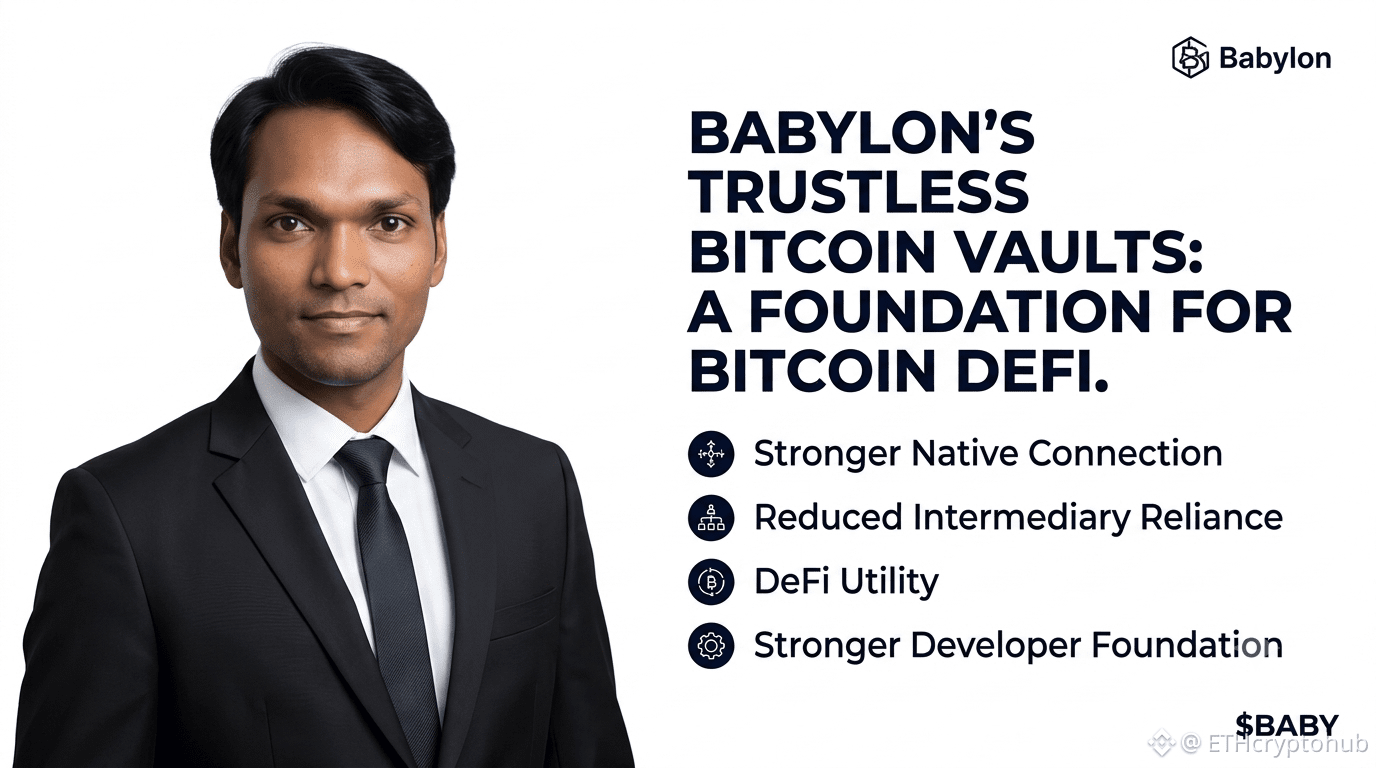
バビロンの「信頼不要型ビットコイン・ボールト(TBV)」について読んだとき、私はそれを単なる別のビットコイン機能とは見なせませんでした。私の目に留まったのは、複数の長年の課題を、ひとつのアプローチで解決しようとしている点です。ビットコイン保有者に対して「安全性」「管理(コントロール)」「利便性」のどれかを選ばせるのではなく、それらのピースをより密接に組み合わせることが目標のように感じました。私にとっては、BTCの使い方を“もう一つ増やす”ことよりも、こちらのほうがずっと興味深い方向性です。
私はそれを、よく設計された工具箱のようだと考えます。良い工具箱は、ひとつの優れた工具が入っているから価値があるのではありません。各工具がそれぞれ異なる目的に役立ち、組み合わせによって難しい作業がずっとやりやすくなるからこそ、役に立つのです。TBVを見ていると、同じような印象を受けます。価値は、単一の機能というより、複数のメリットが相互に作用するところから生まれています。
私が特に重要だと思う4つのメリットは、ネイティブのビットコインとのより強い結びつきを保つこと、仲介者への依存を減らすこと、ビットコインをDeFiでより有用にすること、そして新しい金融アプリケーションを構築するための、開発者にとってより強固な土台を提供することです。これらの考え方は互いに強化し合っています。もしユーザーが参加に対してより自信を持て、開発者がより良いツールを使えるようになるなら、短期的な活動ではなく長期の資本を呼び込む可能性が、エコシステムにはより高まります。
もちろん、良い設計だけでは十分ではありません。ビットコイン保有者は新しいインフラを導入する際、慎重であることが多く、その慎重さは理解できます。本当の成功の尺度は、現実の運用を重ねていく中で、これらのメリットが意味のあるものとして持続するかどうかです。
私はいつも、次のビットコインDeFiの章は、より多くの商品を追加することで形作られるのか、それとも、それらの商品を可能にするより強い基盤を築くことで形作られるのか、考えています。どちらのほうが、時間の経過とともにより持続的な価値を生み出すと思いますか? $BABY #baby #Ethcryptohub
@BabylonLabs_io
バビロンの「信頼不要型ビットコイン・ボールト(TBV)」について読んだとき、私はそれを単なる別のビットコイン機能とは見なせませんでした。私の目に留まったのは、複数の長年の課題を、ひとつのアプローチで解決しようとしている点です。ビットコイン保有者に対して「安全性」「管理(コントロール)」「利便性」のどれかを選ばせるのではなく、それらのピースをより密接に組み合わせることが目標のように感じました。私にとっては、BTCの使い方を“もう一つ増やす”ことよりも、こちらのほうがずっと興味深い方向性です。
私はそれを、よく設計された工具箱のようだと考えます。良い工具箱は、ひとつの優れた工具が入っているから価値があるのではありません。各工具がそれぞれ異なる目的に役立ち、組み合わせによって難しい作業がずっとやりやすくなるからこそ、役に立つのです。TBVを見ていると、同じような印象を受けます。価値は、単一の機能というより、複数のメリットが相互に作用するところから生まれています。
私が特に重要だと思う4つのメリットは、ネイティブのビットコインとのより強い結びつきを保つこと、仲介者への依存を減らすこと、ビットコインをDeFiでより有用にすること、そして新しい金融アプリケーションを構築するための、開発者にとってより強固な土台を提供することです。これらの考え方は互いに強化し合っています。もしユーザーが参加に対してより自信を持て、開発者がより良いツールを使えるようになるなら、短期的な活動ではなく長期の資本を呼び込む可能性が、エコシステムにはより高まります。
もちろん、良い設計だけでは十分ではありません。ビットコイン保有者は新しいインフラを導入する際、慎重であることが多く、その慎重さは理解できます。本当の成功の尺度は、現実の運用を重ねていく中で、これらのメリットが意味のあるものとして持続するかどうかです。
私はいつも、次のビットコインDeFiの章は、より多くの商品を追加することで形作られるのか、それとも、それらの商品を可能にするより強い基盤を築くことで形作られるのか、考えています。どちらのほうが、時間の経過とともにより持続的な価値を生み出すと思いますか? $BABY #baby #Ethcryptohub
バビロンの「信頼不要型ビットコイン・ボールト(TBV)」について読んだとき、私はそれを単なる別のビットコイン機能とは見なせませんでした。私の目に留まったのは、複数の長年の課題を、ひとつのアプローチで解決しようとしている点です。ビットコイン保有者に対して「安全性」「管理(コントロール)」「利便性」のどれかを選ばせるのではなく、それらのピースをより密接に組み合わせることが目標のように感じました。私にとっては、BTCの使い方を“もう一つ増やす”ことよりも、こちらのほうがずっと興味深い方向性です。
私はそれを、よく設計された工具箱のようだと考えます。良い工具箱は、ひとつの優れた工具が入っているから価値があるのではありません。各工具がそれぞれ異なる目的に役立ち、組み合わせによって難しい作業がずっとやりやすくなるからこそ、役に立つのです。TBVを見ていると、同じような印象を受けます。価値は、単一の機能というより、複数のメリットが相互に作用するところから生まれています。
私が特に重要だと思う4つのメリットは、ネイティブのビットコインとのより強い結びつきを保つこと、仲介者への依存を減らすこと、ビットコインをDeFiでより有用にすること、そして新しい金融アプリケーションを構築するための、開発者にとってより強固な土台を提供することです。これらの考え方は互いに強化し合っています。もしユーザーが参加に対してより自信を持て、開発者がより良いツールを使えるようになるなら、短期的な活動ではなく長期の資本を呼び込む可能性が、エコシステムにはより高まります。
もちろん、良い設計だけでは十分ではありません。ビットコイン保有者は新しいインフラを導入する際、慎重であることが多く、その慎重さは理解できます。本当の成功の尺度は、現実の運用を重ねていく中で、これらのメリットが意味のあるものとして持続するかどうかです。
私はいつも、次のビットコインDeFiの章は、より多くの商品を追加することで形作られるのか、それとも、それらの商品を可能にするより強い基盤を築くことで形作られるのか、考えています。どちらのほうが、時間の経過とともにより持続的な価値を生み出すと思いますか? $BABY #baby #Ethcryptohub
42
34
660
ログインして、さらにコンテンツを読む
厳選トピックで世界の暗号資産トレーダーの仲間入り
⚡️ 暗号資産に関する最新かつ有益な情報が見つかります。
💬 世界最大の暗号資産取引所から信頼されています。
👍 認証を受けたクリエイターから、有益なインサイトを得られます。
メール / 電話番号
トレンドトピック
1
#FedRateWatch
閲覧回数 644,540
2,994人が討論中
2
#EthereumFallsBelow$2400
閲覧回数 127
25人が討論中
3
#USSenateBlocksClarityAct
閲覧回数 910
55人が討論中
4
#BitcoinSlidesTo$76000
閲覧回数 26,681
130人が討論中
5
#BitcoinReboundsTo$79K
閲覧回数 63,759
408人が討論中
6
#StrategyMarketCapPassesFord
閲覧回数 46,353
731人が討論中
7
#ClarityActOddsHalveOnPolymarket
閲覧回数 75,045
619人が討論中
8
#US30YTreasuryYieldTops5.40%
閲覧回数 39,800
410人が討論中
9
#BessentEndorsesFinalClarityActDraft
閲覧回数 62,216
786人が討論中
10
#ZamaOpens16ConfidentialMorphoVaults
閲覧回数 21,863
386人が討論中