
#eft
eft
閲覧回数 388,871
429人が討論中
注目
最新

#EtherXRPETFInflowStreaksEnd
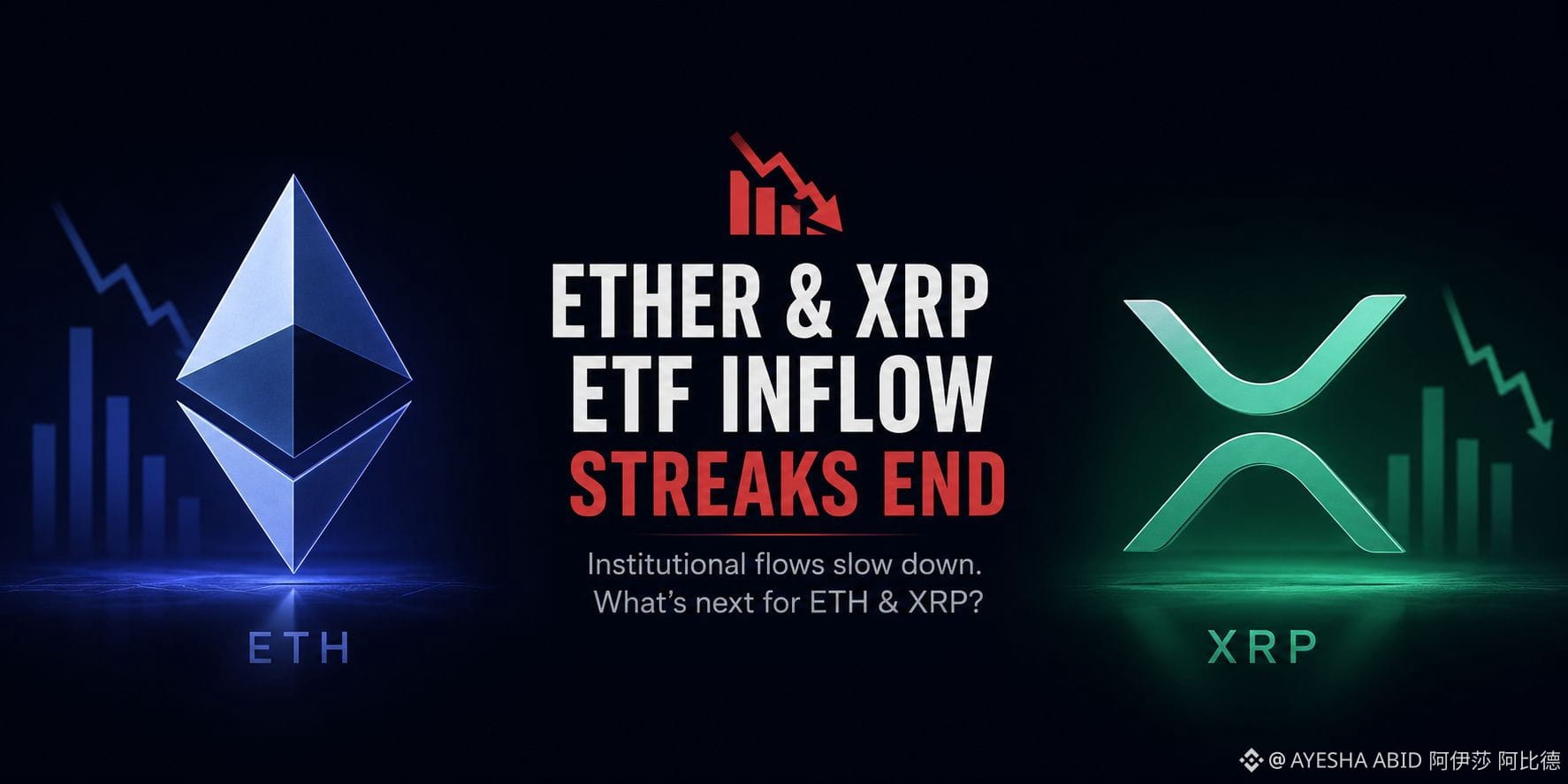
エーテルとXRPのETFフローが途切れた(連続が終了した)ことは、パニックの理由というより、注視に値するシグナルです。
安定したETF需要の期間の後、今回の一時停止は、機関投資家による買いが勢いをいくらか失っている可能性を示唆します。ETFフローは、市場の流動性ストーリーにおける重要な要素になっているため、これは意味のある変化です。特にトレーダーがすでにサポートとレジスタンスを注意深く見ている局面ではなおさらです。
$ETH については、価格が最近のサポートを維持できるか、そして出来高が健全なままかに注目します。買い手がその水準を守るなら、ETFフローの減速は単なる冷却期間に過ぎないかもしれません。しかしサポートをきれいに下抜ける場合は、構造がより慎重なものになるでしょう。
$XRP でも同じロジックが当てはまります。スポット需要が弱まり、価格がレジスタンス付近で苦戦するなら、売り手が短期的に主導権を握る可能性があります。あわせて、建玉(オープンインタレスト)とファンディングレートを見て、過度なレバレッジの兆候がないかも確認したいです。
私の見解:1回の弱いフローレポートを、弱気の転換サインとしては捉えていません。重要な水準のあたりで価格がどう反応するかを見てから、より大きな方向性の判断を下したいです。
現状の暗号資産では、ETFフロー、流動性、ポジショニングが依然として重要なシグナルです。
これは機関投資家の需要における一時的な中断にすぎないと思いますか?それとも、より大きな変化の始まりでしょうか?
#EFT #CryptoCurrency #IranStrikesUSBaseInKuwait
#EtherXRPETFInflowStreaksEnd
エーテルとXRPのETFフローが途切れた(連続が終了した)ことは、パニックの理由というより、注視に値するシグナルです。
安定したETF需要の期間の後、今回の一時停止は、機関投資家による買いが勢いをいくらか失っている可能性を示唆します。ETFフローは、市場の流動性ストーリーにおける重要な要素になっているため、これは意味のある変化です。特にトレーダーがすでにサポートとレジスタンスを注意深く見ている局面ではなおさらです。
$ETH については、価格が最近のサポートを維持できるか、そして出来高が健全なままかに注目します。買い手がその水準を守るなら、ETFフローの減速は単なる冷却期間に過ぎないかもしれません。しかしサポートをきれいに下抜ける場合は、構造がより慎重なものになるでしょう。
$XRP でも同じロジックが当てはまります。スポット需要が弱まり、価格がレジスタンス付近で苦戦するなら、売り手が短期的に主導権を握る可能性があります。あわせて、建玉(オープンインタレスト)とファンディングレートを見て、過度なレバレッジの兆候がないかも確認したいです。
私の見解:1回の弱いフローレポートを、弱気の転換サインとしては捉えていません。重要な水準のあたりで価格がどう反応するかを見てから、より大きな方向性の判断を下したいです。
現状の暗号資産では、ETFフロー、流動性、ポジショニングが依然として重要なシグナルです。
これは機関投資家の需要における一時的な中断にすぎないと思いますか?それとも、より大きな変化の始まりでしょうか?
#EFT #CryptoCurrency #IranStrikesUSBaseInKuwait
エーテルとXRPのETFフローが途切れた(連続が終了した)ことは、パニックの理由というより、注視に値するシグナルです。
安定したETF需要の期間の後、今回の一時停止は、機関投資家による買いが勢いをいくらか失っている可能性を示唆します。ETFフローは、市場の流動性ストーリーにおける重要な要素になっているため、これは意味のある変化です。特にトレーダーがすでにサポートとレジスタンスを注意深く見ている局面ではなおさらです。
$ETH については、価格が最近のサポートを維持できるか、そして出来高が健全なままかに注目します。買い手がその水準を守るなら、ETFフローの減速は単なる冷却期間に過ぎないかもしれません。しかしサポートをきれいに下抜ける場合は、構造がより慎重なものになるでしょう。
$XRP でも同じロジックが当てはまります。スポット需要が弱まり、価格がレジスタンス付近で苦戦するなら、売り手が短期的に主導権を握る可能性があります。あわせて、建玉(オープンインタレスト)とファンディングレートを見て、過度なレバレッジの兆候がないかも確認したいです。
私の見解:1回の弱いフローレポートを、弱気の転換サインとしては捉えていません。重要な水準のあたりで価格がどう反応するかを見てから、より大きな方向性の判断を下したいです。
現状の暗号資産では、ETFフロー、流動性、ポジショニングが依然として重要なシグナルです。
これは機関投資家の需要における一時的な中断にすぎないと思いますか?それとも、より大きな変化の始まりでしょうか?
#EFT #CryptoCurrency #IranStrikesUSBaseInKuwait
2
83

💰 お金がウォール街からテクノロジーへ流れてる.. でも $BTC ETF はまだ出遅れ!⚡
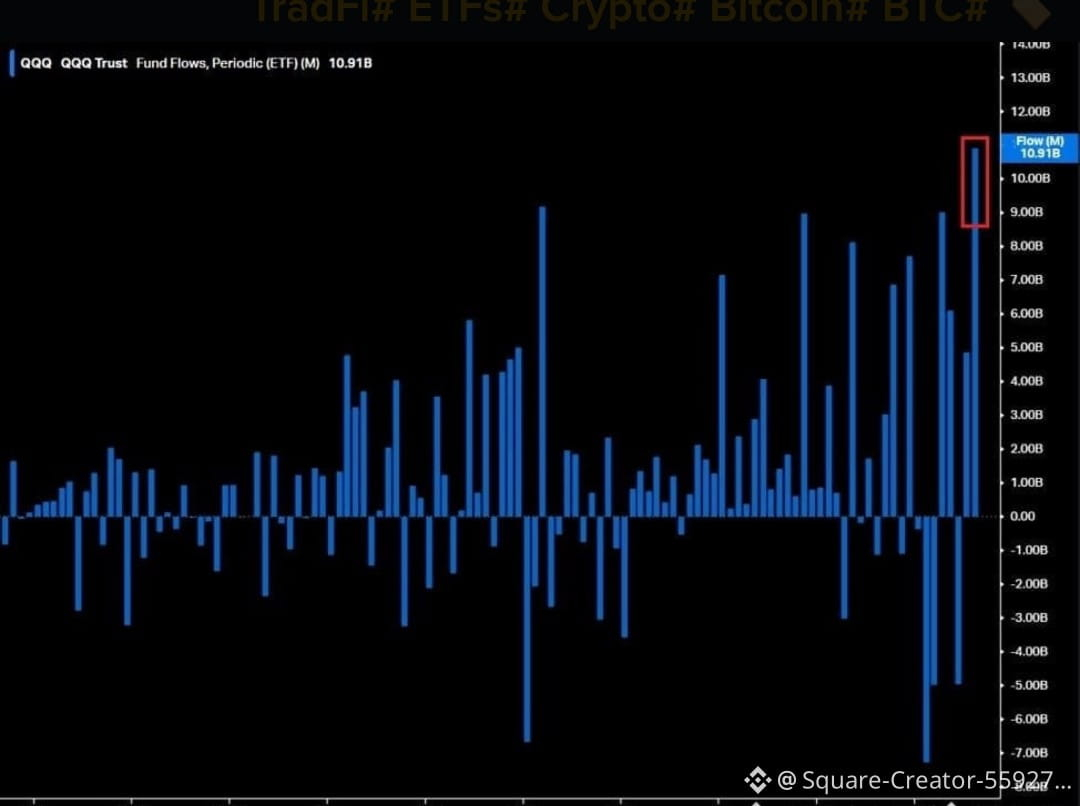
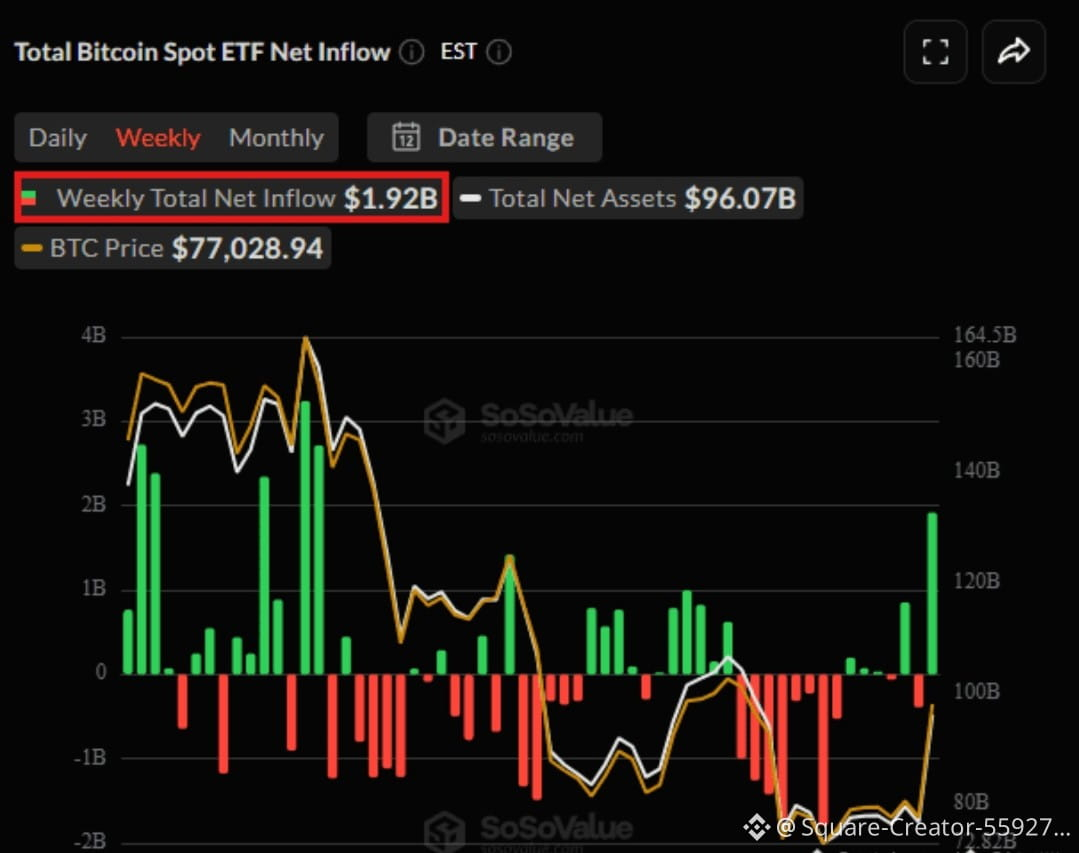
8月には、テクノロジー部門に大きな資金流入があり、約109億ドルが $QQQ に入金されました。一方で、スポット $BTC ETF の資金流入は約19.2億ドルでした。
つまり簡単に言うと.. ETF経由でビットコインに入っている資金の約6倍が、テクノロジーに向かっているということ。📊
🐋 機関投資家は現在、明確にテクノロジー株や巨大企業の株に集中していて、それが暗号資産(クリプト)の「機関の流動性」の面では劣勢につながっています。
でも 👀 もしテクノロジー株のバリュエーションが過熱するような水準に達したら、そのとき利益の一部がより高いリスク=ベータ(Beta)のある資産へ動き始めるかもしれません。ここでクリプトが強く恩恵を受ける可能性があります。🚀
💬 ここでの問い:
**今から $BTC を買い集めて、資金のローテーション(流動性の循環)の準備をしているのか?それとも、ETF の資金流入と売買高が確実に動きを裏付けるのを待っているのか
#GrayscaleFilesFifthZECETFAmendment
#EFT
💰 お金がウォール街からテクノロジーへ流れてる.. でも $BTC ETF はまだ出遅れ!⚡
8月には、テクノロジー部門に大きな資金流入があり、約109億ドルが $QQQ に入金されました。一方で、スポット $BTC ETF の資金流入は約19.2億ドルでした。
つまり簡単に言うと.. ETF経由でビットコインに入っている資金の約6倍が、テクノロジーに向かっているということ。📊
🐋 機関投資家は現在、明確にテクノロジー株や巨大企業の株に集中していて、それが暗号資産(クリプト)の「機関の流動性」の面では劣勢につながっています。
でも 👀 もしテクノロジー株のバリュエーションが過熱するような水準に達したら、そのとき利益の一部がより高いリスク=ベータ(Beta)のある資産へ動き始めるかもしれません。ここでクリプトが強く恩恵を受ける可能性があります。🚀
💬 ここでの問い:
**今から $BTC を買い集めて、資金のローテーション(流動性の循環)の準備をしているのか?それとも、ETF の資金流入と売買高が確実に動きを裏付けるのを待っているのか
#GrayscaleFilesFifthZECETFAmendment
#EFT
8月には、テクノロジー部門に大きな資金流入があり、約109億ドルが $QQQ に入金されました。一方で、スポット $BTC ETF の資金流入は約19.2億ドルでした。
つまり簡単に言うと.. ETF経由でビットコインに入っている資金の約6倍が、テクノロジーに向かっているということ。📊
🐋 機関投資家は現在、明確にテクノロジー株や巨大企業の株に集中していて、それが暗号資産(クリプト)の「機関の流動性」の面では劣勢につながっています。
でも 👀 もしテクノロジー株のバリュエーションが過熱するような水準に達したら、そのとき利益の一部がより高いリスク=ベータ(Beta)のある資産へ動き始めるかもしれません。ここでクリプトが強く恩恵を受ける可能性があります。🚀
💬 ここでの問い:
**今から $BTC を買い集めて、資金のローテーション(流動性の循環)の準備をしているのか?それとも、ETF の資金流入と売買高が確実に動きを裏付けるのを待っているのか
#GrayscaleFilesFifthZECETFAmendment
#EFT
88

🚨 ビットコイン市場アップデート | 2026年7月13日
最近のボラティリティから回復したことで、ビットコインは再び強さを取り戻しているようです。今回の勢いを生み出している最大の要因は、スポット・ビットコインETFへの資金流入が戻ってきたことです。これは、機関投資家が徐々にポジションを再構築していることを示唆しています。さらに、規制に関する見通しが改善し、マクロ経済面の懸念が和らいだことで、市場の信頼感も回復しています。
📊 現在の市場センチメント
• 強気の勢いが改善している。
• ETF流入を通じて機関投資家の需要が戻ってきている。
• 短期的なボラティリティがあるにもかかわらず、買い手は重要なサポート・ゾーンを守り続けている。
• 取引量が増加しており、参加が拡大していることを示している。
📰 重要ニュース
✅ スポット・ビットコインETFは、直近の流出の後に再びネット流入へシフトしており、長期投資家にとって前向きなシグナル。
✅ 米国における規制面での楽観が、より広い暗号資産市場を下支えし続けている。
✅ マクロ経済データの改善により、リスク許容度が全体として高まり、デジタル・アセットに追い風。
🔮 市場予測
ETF流入が強い状態が続き、ビットコインが主要サポート水準をうまく上回ったまま推移するなら、次の強気局面に向けた確率は高まります。近くのレジスタンスを維持したブレイクアウトが起これば、追加の買いの勢いを呼び込む可能性があります。とはいえ、マクロ経済イベントや利益確定によって短期的な押しが発生することもあり得るため、トレーダーは慎重であるべきです。
見通し:慎重な強気 📈
常にリスク管理を行い、適切なストップロスを使用し、過度なレバレッジは避けましょう。トレンドは改善していますが、規律あるリスク管理こそが長期的な成功の鍵です。
#Bitcoin #BTC
#Crypto #BinanceSquare #Trading #Investing #CryptoNews #MarketAnalysis #bullish #EFT
{spot}(BTCUSDT)
🚨 ビットコイン市場アップデート | 2026年7月13日
最近のボラティリティから回復したことで、ビットコインは再び強さを取り戻しているようです。今回の勢いを生み出している最大の要因は、スポット・ビットコインETFへの資金流入が戻ってきたことです。これは、機関投資家が徐々にポジションを再構築していることを示唆しています。さらに、規制に関する見通しが改善し、マクロ経済面の懸念が和らいだことで、市場の信頼感も回復しています。
📊 現在の市場センチメント
• 強気の勢いが改善している。
• ETF流入を通じて機関投資家の需要が戻ってきている。
• 短期的なボラティリティがあるにもかかわらず、買い手は重要なサポート・ゾーンを守り続けている。
• 取引量が増加しており、参加が拡大していることを示している。
📰 重要ニュース
✅ スポット・ビットコインETFは、直近の流出の後に再びネット流入へシフトしており、長期投資家にとって前向きなシグナル。
✅ 米国における規制面での楽観が、より広い暗号資産市場を下支えし続けている。
✅ マクロ経済データの改善により、リスク許容度が全体として高まり、デジタル・アセットに追い風。
🔮 市場予測
ETF流入が強い状態が続き、ビットコインが主要サポート水準をうまく上回ったまま推移するなら、次の強気局面に向けた確率は高まります。近くのレジスタンスを維持したブレイクアウトが起これば、追加の買いの勢いを呼び込む可能性があります。とはいえ、マクロ経済イベントや利益確定によって短期的な押しが発生することもあり得るため、トレーダーは慎重であるべきです。
見通し:慎重な強気 📈
常にリスク管理を行い、適切なストップロスを使用し、過度なレバレッジは避けましょう。トレンドは改善していますが、規律あるリスク管理こそが長期的な成功の鍵です。
#Bitcoin #BTC
#Crypto #BinanceSquare #Trading #Investing #CryptoNews #MarketAnalysis #bullish #EFT
最近のボラティリティから回復したことで、ビットコインは再び強さを取り戻しているようです。今回の勢いを生み出している最大の要因は、スポット・ビットコインETFへの資金流入が戻ってきたことです。これは、機関投資家が徐々にポジションを再構築していることを示唆しています。さらに、規制に関する見通しが改善し、マクロ経済面の懸念が和らいだことで、市場の信頼感も回復しています。
📊 現在の市場センチメント
• 強気の勢いが改善している。
• ETF流入を通じて機関投資家の需要が戻ってきている。
• 短期的なボラティリティがあるにもかかわらず、買い手は重要なサポート・ゾーンを守り続けている。
• 取引量が増加しており、参加が拡大していることを示している。
📰 重要ニュース
✅ スポット・ビットコインETFは、直近の流出の後に再びネット流入へシフトしており、長期投資家にとって前向きなシグナル。
✅ 米国における規制面での楽観が、より広い暗号資産市場を下支えし続けている。
✅ マクロ経済データの改善により、リスク許容度が全体として高まり、デジタル・アセットに追い風。
🔮 市場予測
ETF流入が強い状態が続き、ビットコインが主要サポート水準をうまく上回ったまま推移するなら、次の強気局面に向けた確率は高まります。近くのレジスタンスを維持したブレイクアウトが起これば、追加の買いの勢いを呼び込む可能性があります。とはいえ、マクロ経済イベントや利益確定によって短期的な押しが発生することもあり得るため、トレーダーは慎重であるべきです。
見通し:慎重な強気 📈
常にリスク管理を行い、適切なストップロスを使用し、過度なレバレッジは避けましょう。トレンドは改善していますが、規律あるリスク管理こそが長期的な成功の鍵です。
#Bitcoin #BTC
#Crypto #BinanceSquare #Trading #Investing #CryptoNews #MarketAnalysis #bullish #EFT
1
1
213



記事
🚀 機関投資家が買い続ける中、ビットコインは$66Kを上回ってホールドビットコインは$66,000のレベルでホールドされています。機関投資家や大口ホエールがBTCを引き続き積み増しているからです。最近のETFの流入や機関投資家の関心の高まりが、市場のセンチメントを支える助けとなっていますが、ボラティリティは続いています。アナリストたちは、キーレベルのサポートが維持されるなら、持続的な買い圧力がビットコインの次の大きなムーブを強化する可能性があると考えています。📈💰
#bitcoin #CryptoNew #BinanceSquare #EFT #cryptotrading
🚀 機関投資家が買い続ける中、ビットコインは$66Kを上回ってホールド
ビットコインは$66,000のレベルでホールドされています。機関投資家や大口ホエールがBTCを引き続き積み増しているからです。最近のETFの流入や機関投資家の関心の高まりが、市場のセンチメントを支える助けとなっていますが、ボラティリティは続いています。アナリストたちは、キーレベルのサポートが維持されるなら、持続的な買い圧力がビットコインの次の大きなムーブを強化する可能性があると考えています。📈💰
#bitcoin #CryptoNew #BinanceSquare #EFT #cryptotrading
#bitcoin #CryptoNew #BinanceSquare #EFT #cryptotrading
2
129

·
--
一部該当
#goldfalls3.24%thisweek
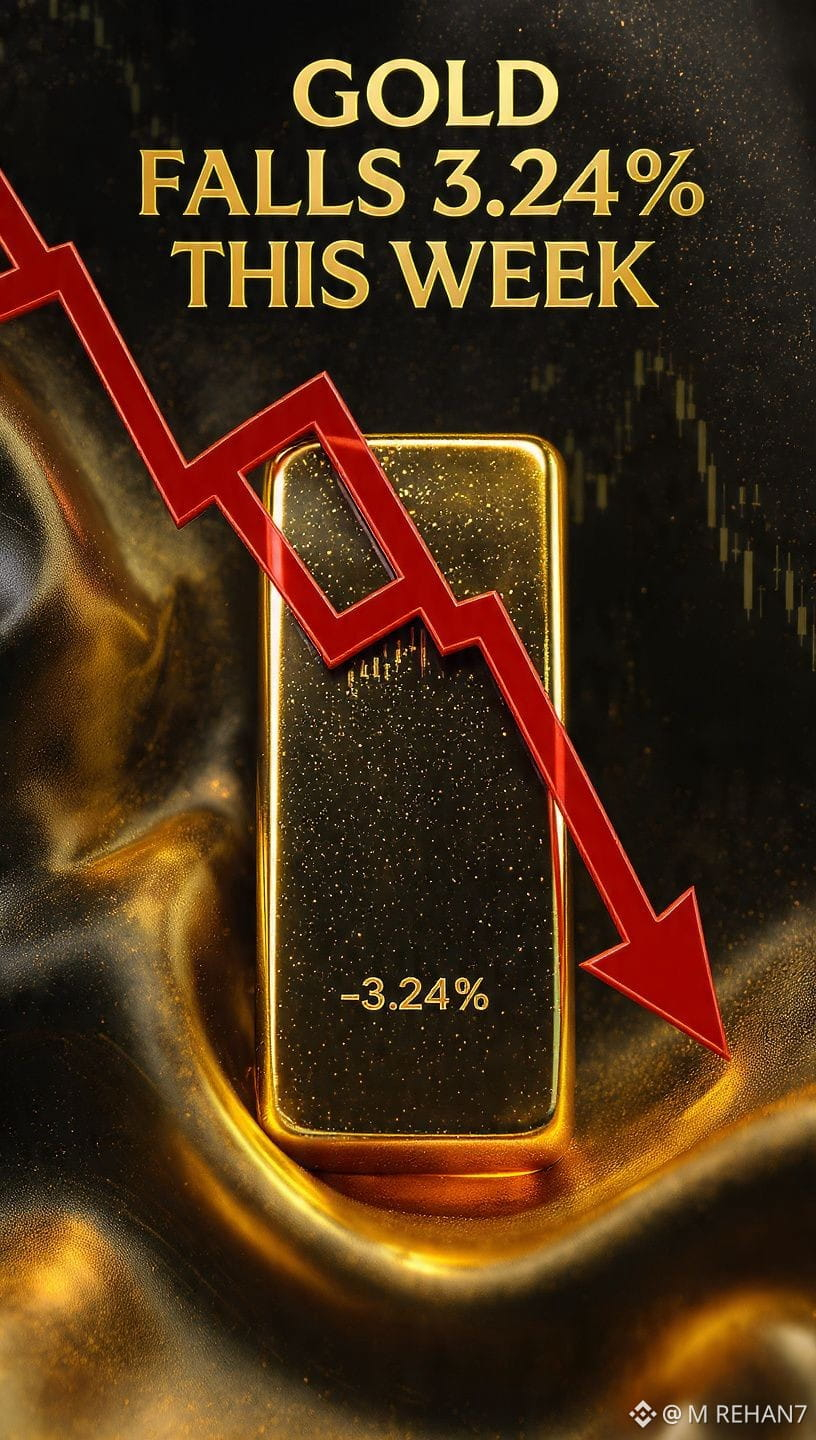
最新:今週ゴールドが3.24%下落
ゴールドは過去2か月で最大の週次下落を記録しました。
最新分析:
1. **ドルの強さ**
DXYが1.1%上昇しました。USD建てで取引される金は打撃を受けました。
2. **ハト派ではない(タカ派的)見通し**
金利見通しの上方修正が、短期的な金の魅力を損ねました。
3. **利益確定**
前月のATH(史上最高値)後、トレーダーが利益を確定しました。
重要ライン:
サポート:$2450 - $2480
維持 → ターゲット$2600は依然有効
ブレイク → 次は$2400
ウォッチリスト:
$GLD - SPDRゴールド・シェア
$GDX - ゴールド・マイナーETF
$XAUUSD - スポットゴールド
$PAXG - トークン化ゴールド
$XAUT - テザー・ゴールド
$BTC - デジタルゴールドとの相関
免責事項:これは投資助言ではありません。
#GOLD #XAUUSD #Commodities #markets #Fed #Inflation #Finance #EFT #TRUMP
#goldfalls3.24%thisweek
最新:今週ゴールドが3.24%下落
ゴールドは過去2か月で最大の週次下落を記録しました。
最新分析:
1. **ドルの強さ**
DXYが1.1%上昇しました。USD建てで取引される金は打撃を受けました。
2. **ハト派ではない(タカ派的)見通し**
金利見通しの上方修正が、短期的な金の魅力を損ねました。
3. **利益確定**
前月のATH(史上最高値)後、トレーダーが利益を確定しました。
重要ライン:
サポート:$2450 - $2480
維持 → ターゲット$2600は依然有効
ブレイク → 次は$2400
ウォッチリスト:
$GLD - SPDRゴールド・シェア
$GDX - ゴールド・マイナーETF
$XAUUSD - スポットゴールド
$PAXG - トークン化ゴールド
$XAUT - テザー・ゴールド
$BTC - デジタルゴールドとの相関
免責事項:これは投資助言ではありません。
#GOLD #XAUUSD #Commodities #markets #Fed #Inflation #Finance #EFT #TRUMP
最新:今週ゴールドが3.24%下落
ゴールドは過去2か月で最大の週次下落を記録しました。
最新分析:
1. **ドルの強さ**
DXYが1.1%上昇しました。USD建てで取引される金は打撃を受けました。
2. **ハト派ではない(タカ派的)見通し**
金利見通しの上方修正が、短期的な金の魅力を損ねました。
3. **利益確定**
前月のATH(史上最高値)後、トレーダーが利益を確定しました。
重要ライン:
サポート:$2450 - $2480
維持 → ターゲット$2600は依然有効
ブレイク → 次は$2400
ウォッチリスト:
$GLD - SPDRゴールド・シェア
$GDX - ゴールド・マイナーETF
$XAUUSD - スポットゴールド
$PAXG - トークン化ゴールド
$XAUT - テザー・ゴールド
$BTC - デジタルゴールドとの相関
免責事項:これは投資助言ではありません。
#GOLD #XAUUSD #Commodities #markets #Fed #Inflation #Finance #EFT #TRUMP
3
5
2.8k

·
--
#EFT
ショートスクイーズの脅威(Short Squeeze): デリバティブ取引の出来高が異常に高い状況で、トレンドに逆らって取引しようとすると、多くの場合、ショート勢の連鎖的な清算(カスケード)につながります。
直近数日で、ベア(売り)ポジションが、$1,13 млрдの清算の大部分を吸収しており、それが自動的にETHの価格をさらに押し上げます。
強気の移動平均: 4時間足および日足チャートでは、指標の50-MAと200-MAが急激に上昇しており、技術的に買い手の優位性が裏付けられています。
#EFT
ショートスクイーズの脅威(Short Squeeze): デリバティブ取引の出来高が異常に高い状況で、トレンドに逆らって取引しようとすると、多くの場合、ショート勢の連鎖的な清算(カスケード)につながります。
直近数日で、ベア(売り)ポジションが、$1,13 млрдの清算の大部分を吸収しており、それが自動的にETHの価格をさらに押し上げます。
強気の移動平均: 4時間足および日足チャートでは、指標の50-MAと200-MAが急激に上昇しており、技術的に買い手の優位性が裏付けられています。
ショートスクイーズの脅威(Short Squeeze): デリバティブ取引の出来高が異常に高い状況で、トレンドに逆らって取引しようとすると、多くの場合、ショート勢の連鎖的な清算(カスケード)につながります。
直近数日で、ベア(売り)ポジションが、$1,13 млрдの清算の大部分を吸収しており、それが自動的にETHの価格をさらに押し上げます。
強気の移動平均: 4時間足および日足チャートでは、指標の50-MAと200-MAが急激に上昇しており、技術的に買い手の優位性が裏付けられています。
629

·
--
ブリッシュ
緊急:$DOGE の即時取引型投資信託(ETF)投資ポートフォリオが、5月以来最大の流入を記録。これらのプロダクトは、8月4日に流入が途絶えた後、8月20日に654,000ドルの純流入を集めた。
#DOGE #Dogecoin #EFT #Binance
{spot}(DOGEUSDT)
緊急:$DOGE の即時取引型投資信託(ETF)投資ポートフォリオが、5月以来最大の流入を記録。これらのプロダクトは、8月4日に流入が途絶えた後、8月20日に654,000ドルの純流入を集めた。
#DOGE #Dogecoin #EFT #Binance
#DOGE #Dogecoin #EFT #Binance

2
219

記事
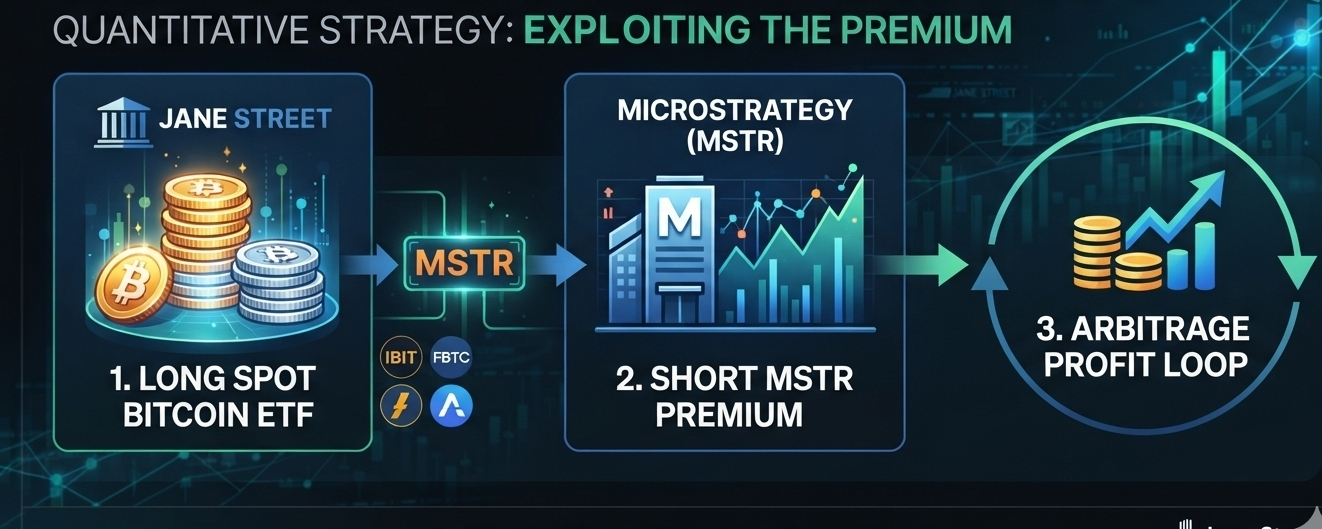
究極のアービトラージ・ゲーム:ジェーン・ストリートのハイステークスなMSTR&ビットコインETFループの内幕ウォール街のエリートのように見られたいなら、単純な「#buyandhold 」戦略だけでは不十分です。ジェーン・ストリートの巨額なQ2の提出書類を受けて、卓越した機関投資家向けの青写真が明らかになりました。
同社は伝統的な負債で数十億ドルを再編する一方、暗号資産部門は過熱状態に。彼らはスポット型ビットコインETFで10億ドルを積み上げただけでなく、マイケル・セイラーのマイクロストラテジー(MSTR)への持ち分も1,100%以上増やし、209,833株から267万株まで拡大しました。
究極のアービトラージ・ゲーム:ジェーン・ストリートのハイステークスなMSTR&ビットコインETFループの内幕
ウォール街のエリートのように見られたいなら、単純な「#buyandhold 」戦略だけでは不十分です。ジェーン・ストリートの巨額なQ2の提出書類を受けて、卓越した機関投資家向けの青写真が明らかになりました。
同社は伝統的な負債で数十億ドルを再編する一方、暗号資産部門は過熱状態に。彼らはスポット型ビットコインETFで10億ドルを積み上げただけでなく、マイケル・セイラーのマイクロストラテジー(MSTR)への持ち分も1,100%以上増やし、209,833株から267万株まで拡大しました。
同社は伝統的な負債で数十億ドルを再編する一方、暗号資産部門は過熱状態に。彼らはスポット型ビットコインETFで10億ドルを積み上げただけでなく、マイケル・セイラーのマイクロストラテジー(MSTR)への持ち分も1,100%以上増やし、209,833株から267万株まで拡大しました。

Follow & more Update
送り主:Crypto__Today
4
86

🚨 暗号市場崩壊の最新情報 🚨
見出し: 🔴 市場が血を流している: 1日で約$1 億が清算されました! 📉
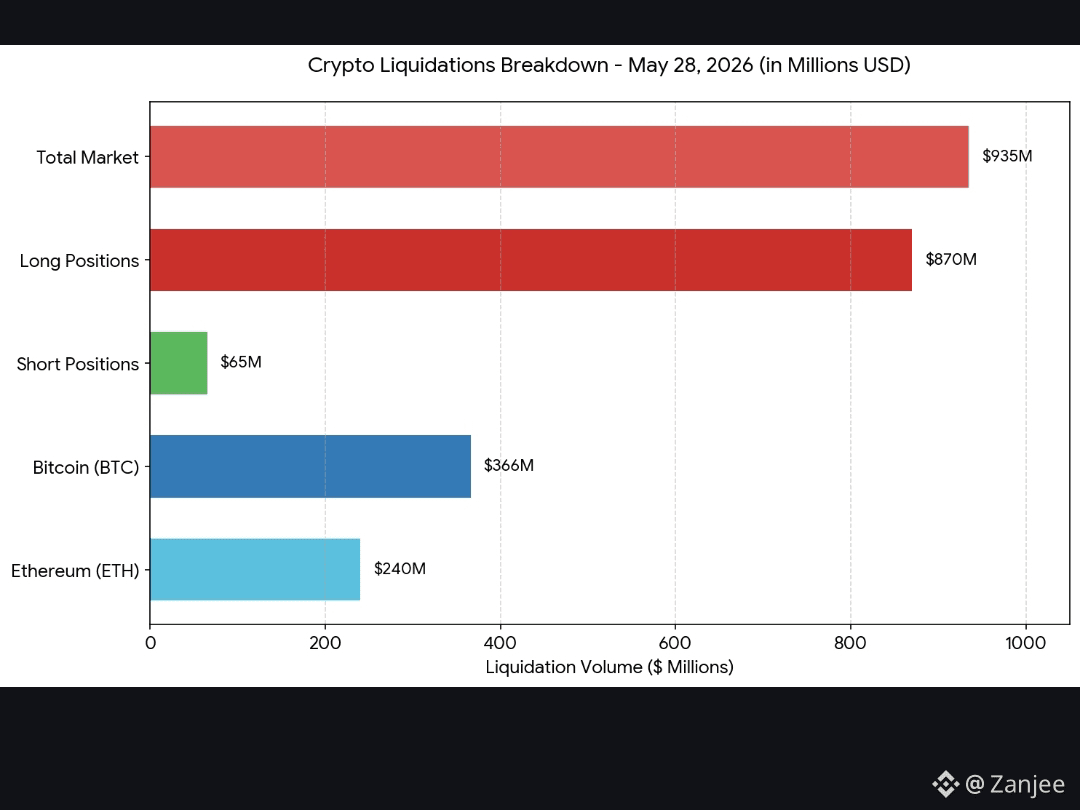
過去24時間で暗号市場に大嵐が襲いました! 2026年5月28日、921百万ドルから$1 億のレバレッジ付きデリバティブポジションが完全に消失しました。ロングポジション(強気トレーダー)は、全体の損失の85%以上を占める重いダメージを受けました。
市場の現状: 🤔
ビットコイン(BTC)は75,000ドルの重要なサポートを割り込み、急落して72,620ドルの安値に達しました。
イーサリアム(ETH)は大幅に下落し、重要な2,000ドルの心理的レベルを大きく下回りました。
ビットコイントレーダーだけで366百万ドル以上の強制清算に直面しました。
この崩壊の背後にあるトップ3の要因: ⚠️
1️⃣ 米国とイランの緊張: ホルムズ海峡近くでの新たな軍事攻撃が世界的なパニックを引き起こし、原油価格を押し上げ、暗号のようなリスク資産から資本を引き揚げました。
2️⃣ 大規模なETFの流出: 機関投資家は過去2週間でビットコインスポットETFから25億ドル以上を引き出し、市場を非常に脆弱にしました。
3️⃣ マクロ経済の圧力: 米国連邦準備制度理事会のクック総裁による持続的なインフレと高金利に関するタカ派的な発言が、巨額の売り圧力を加えました。
#CryptoCrash #CryptoNews #BTC #Ethereum #EFT
🚨 暗号市場崩壊の最新情報 🚨
見出し: 🔴 市場が血を流している: 1日で約$1 億が清算されました! 📉
過去24時間で暗号市場に大嵐が襲いました! 2026年5月28日、921百万ドルから$1 億のレバレッジ付きデリバティブポジションが完全に消失しました。ロングポジション(強気トレーダー)は、全体の損失の85%以上を占める重いダメージを受けました。
市場の現状: 🤔
ビットコイン(BTC)は75,000ドルの重要なサポートを割り込み、急落して72,620ドルの安値に達しました。
イーサリアム(ETH)は大幅に下落し、重要な2,000ドルの心理的レベルを大きく下回りました。
ビットコイントレーダーだけで366百万ドル以上の強制清算に直面しました。
この崩壊の背後にあるトップ3の要因: ⚠️
1️⃣ 米国とイランの緊張: ホルムズ海峡近くでの新たな軍事攻撃が世界的なパニックを引き起こし、原油価格を押し上げ、暗号のようなリスク資産から資本を引き揚げました。
2️⃣ 大規模なETFの流出: 機関投資家は過去2週間でビットコインスポットETFから25億ドル以上を引き出し、市場を非常に脆弱にしました。
3️⃣ マクロ経済の圧力: 米国連邦準備制度理事会のクック総裁による持続的なインフレと高金利に関するタカ派的な発言が、巨額の売り圧力を加えました。
#CryptoCrash #CryptoNews #BTC #Ethereum #EFT
見出し: 🔴 市場が血を流している: 1日で約$1 億が清算されました! 📉
過去24時間で暗号市場に大嵐が襲いました! 2026年5月28日、921百万ドルから$1 億のレバレッジ付きデリバティブポジションが完全に消失しました。ロングポジション(強気トレーダー)は、全体の損失の85%以上を占める重いダメージを受けました。
市場の現状: 🤔
ビットコイン(BTC)は75,000ドルの重要なサポートを割り込み、急落して72,620ドルの安値に達しました。
イーサリアム(ETH)は大幅に下落し、重要な2,000ドルの心理的レベルを大きく下回りました。
ビットコイントレーダーだけで366百万ドル以上の強制清算に直面しました。
この崩壊の背後にあるトップ3の要因: ⚠️
1️⃣ 米国とイランの緊張: ホルムズ海峡近くでの新たな軍事攻撃が世界的なパニックを引き起こし、原油価格を押し上げ、暗号のようなリスク資産から資本を引き揚げました。
2️⃣ 大規模なETFの流出: 機関投資家は過去2週間でビットコインスポットETFから25億ドル以上を引き出し、市場を非常に脆弱にしました。
3️⃣ マクロ経済の圧力: 米国連邦準備制度理事会のクック総裁による持続的なインフレと高金利に関するタカ派的な発言が、巨額の売り圧力を加えました。
#CryptoCrash #CryptoNews #BTC #Ethereum #EFT
1
226

·
--
イーサリアム供給ショック:$TST $PARTI
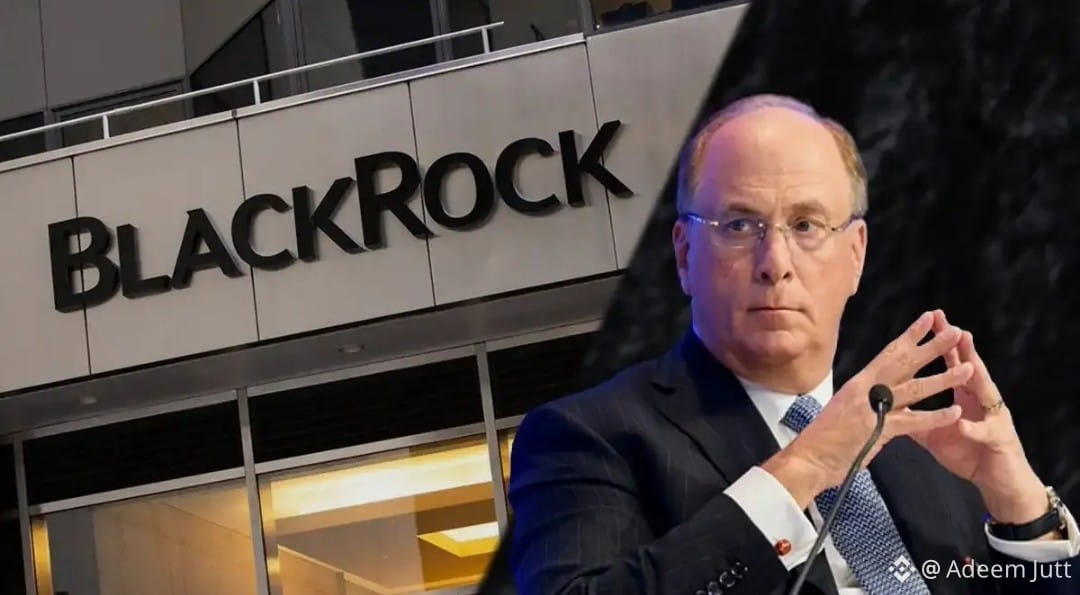
ブラックロックのステーキングETH ETFがオープンマーケットから260,000 ETHを一気に引き抜き、巨大で否定できない供給圧迫を生み出しました。
$ZEN
{spot}(TSTUSDT)
{spot}(PARTIUSDT)
{future}(ZENUSDT)
#BlackRock #ETH #EFT #GlobalFinance #CryptoNewss
イーサリアム供給ショック:$TST $PARTI
ブラックロックのステーキングETH ETFがオープンマーケットから260,000 ETHを一気に引き抜き、巨大で否定できない供給圧迫を生み出しました。
$ZEN
#BlackRock #ETH #EFT #GlobalFinance #CryptoNewss
ブラックロックのステーキングETH ETFがオープンマーケットから260,000 ETHを一気に引き抜き、巨大で否定できない供給圧迫を生み出しました。
$ZEN
#BlackRock #ETH #EFT #GlobalFinance #CryptoNewss
1
2
202

ビットコインは$77K近くにいて、みんながこれが罠かどうか議論している間に、数字は別のストーリーを語っている。コインは記録的なスピードで取引所から飛び出していて、ETFは数十億ドルの供給を貪っている。これは「罠」というよりも、大口のプレイヤーたちが次の上昇に向けて静かに棚を空にしているように感じる。$80Kを突破すれば、$85Kが次の論理的なストップだが、今週のFedには注意を払って; 彼らだけがギアにレンチを投げ込んで、我々を$70Kに戻して短期的なリテストをさせるかもしれない。
$BTC #BTCSurpasses$79K #EFT #Crypto #squrefamily
{spot}(BTCUSDT)
ビットコインは$77K近くにいて、みんながこれが罠かどうか議論している間に、数字は別のストーリーを語っている。コインは記録的なスピードで取引所から飛び出していて、ETFは数十億ドルの供給を貪っている。これは「罠」というよりも、大口のプレイヤーたちが次の上昇に向けて静かに棚を空にしているように感じる。$80Kを突破すれば、$85Kが次の論理的なストップだが、今週のFedには注意を払って; 彼らだけがギアにレンチを投げ込んで、我々を$70Kに戻して短期的なリテストをさせるかもしれない。
$BTC #BTCSurpasses$79K #EFT #Crypto #squrefamily
$BTC #BTCSurpasses$79K #EFT #Crypto #squrefamily

1
3
213

·
--
ブリッシュ
#BTC
ビットコインETFが暗号冬の冷え込みの中、30日で記録的な64億ドルを流出。
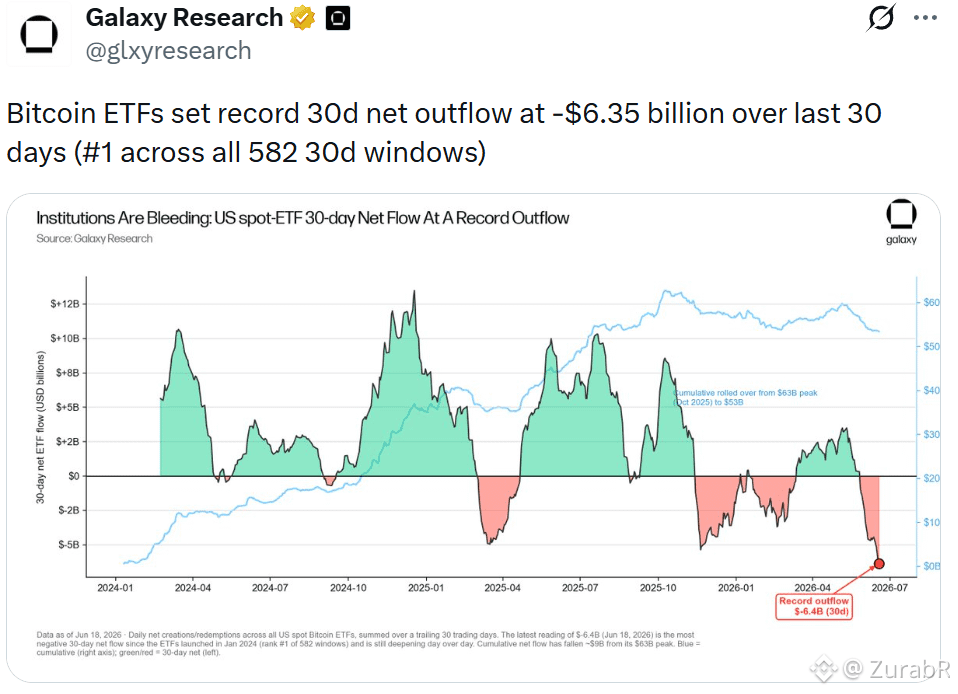
米国上場のスポットビットコイン上場投資信託(ETF)は、2024年1月の開始以来、暗号ベアマーケットの中で最大の30日間の純流出を記録しました。
Galaxy Researchのデータによると、米国のビットコインETFは過去30取引日で63.5億ドルの純流出を記録しました。また、先週は流出の6週目を迎え、累積純流出は534億ドルに達し、2025年10月の630億ドルのピークから減少しています。
Galaxy Researchは、日々の流出が「日を追うごとに深刻化している」と述べています。
流出は、機関投資家のビットコインに対する感情が薄れていることを反映している可能性があります。しかし、BlackRockの米国株式ETF責任者であるJay Jacobsは、木曜日にCointelegraphに対して、流出が日々発生する理由は他にもたくさんあると語りました。
「市場が誤解しているかもしれないのは、流出の日があれば、そこには無数の理由があるということです。誰かがIBITを売ってBITAを買っているかもしれません」と、彼は水曜日に開始されたiSharesビットコインプレミアムインカムETF(BITA)を指して言いました。
ビットコインは執筆時点で64,167ドルで取引されており、過去1ヶ月で17.4%下落しています。この資産は、米国のインフレの上昇や米国とイランの間の戦争など、マクロ経済要因に圧迫されています。
関連: ビットコインの活動はマイクロトランザクションの急増により記録的高に迫る
しかし、Jacobsはこのボラティリティがビットコインをグローバルで分散型の非主権的通貨の代替として見るBlackRockの見解に影響を与えていないと述べました。
「すべての資産クラスにはボラティリティがあります...私たちはiShares内で450以上の上場投資信託を持っています」と、彼はBlackRockが管理・販売するETFやインデックスミューチュアルファンドのファミリーを指して言いました。
「したがって、私たちは大規模、中規模、ビットコイン、金など、さまざまな資産の流入と流出を毎日見ています。したがって、短期的には、私たちがこの資産やそのユーティリティを見る方法を変えるものではありません。」#Write2Earn #EFT $BTC
{spot}(BTCUSDT)
#BTC
ビットコインETFが暗号冬の冷え込みの中、30日で記録的な64億ドルを流出。
米国上場のスポットビットコイン上場投資信託(ETF)は、2024年1月の開始以来、暗号ベアマーケットの中で最大の30日間の純流出を記録しました。
Galaxy Researchのデータによると、米国のビットコインETFは過去30取引日で63.5億ドルの純流出を記録しました。また、先週は流出の6週目を迎え、累積純流出は534億ドルに達し、2025年10月の630億ドルのピークから減少しています。
Galaxy Researchは、日々の流出が「日を追うごとに深刻化している」と述べています。
流出は、機関投資家のビットコインに対する感情が薄れていることを反映している可能性があります。しかし、BlackRockの米国株式ETF責任者であるJay Jacobsは、木曜日にCointelegraphに対して、流出が日々発生する理由は他にもたくさんあると語りました。
「市場が誤解しているかもしれないのは、流出の日があれば、そこには無数の理由があるということです。誰かがIBITを売ってBITAを買っているかもしれません」と、彼は水曜日に開始されたiSharesビットコインプレミアムインカムETF(BITA)を指して言いました。
ビットコインは執筆時点で64,167ドルで取引されており、過去1ヶ月で17.4%下落しています。この資産は、米国のインフレの上昇や米国とイランの間の戦争など、マクロ経済要因に圧迫されています。
関連: ビットコインの活動はマイクロトランザクションの急増により記録的高に迫る
しかし、Jacobsはこのボラティリティがビットコインをグローバルで分散型の非主権的通貨の代替として見るBlackRockの見解に影響を与えていないと述べました。
「すべての資産クラスにはボラティリティがあります...私たちはiShares内で450以上の上場投資信託を持っています」と、彼はBlackRockが管理・販売するETFやインデックスミューチュアルファンドのファミリーを指して言いました。
「したがって、私たちは大規模、中規模、ビットコイン、金など、さまざまな資産の流入と流出を毎日見ています。したがって、短期的には、私たちがこの資産やそのユーティリティを見る方法を変えるものではありません。」#Write2Earn #EFT $BTC
ビットコインETFが暗号冬の冷え込みの中、30日で記録的な64億ドルを流出。
米国上場のスポットビットコイン上場投資信託(ETF)は、2024年1月の開始以来、暗号ベアマーケットの中で最大の30日間の純流出を記録しました。
Galaxy Researchのデータによると、米国のビットコインETFは過去30取引日で63.5億ドルの純流出を記録しました。また、先週は流出の6週目を迎え、累積純流出は534億ドルに達し、2025年10月の630億ドルのピークから減少しています。
Galaxy Researchは、日々の流出が「日を追うごとに深刻化している」と述べています。
流出は、機関投資家のビットコインに対する感情が薄れていることを反映している可能性があります。しかし、BlackRockの米国株式ETF責任者であるJay Jacobsは、木曜日にCointelegraphに対して、流出が日々発生する理由は他にもたくさんあると語りました。
「市場が誤解しているかもしれないのは、流出の日があれば、そこには無数の理由があるということです。誰かがIBITを売ってBITAを買っているかもしれません」と、彼は水曜日に開始されたiSharesビットコインプレミアムインカムETF(BITA)を指して言いました。
ビットコインは執筆時点で64,167ドルで取引されており、過去1ヶ月で17.4%下落しています。この資産は、米国のインフレの上昇や米国とイランの間の戦争など、マクロ経済要因に圧迫されています。
関連: ビットコインの活動はマイクロトランザクションの急増により記録的高に迫る
しかし、Jacobsはこのボラティリティがビットコインをグローバルで分散型の非主権的通貨の代替として見るBlackRockの見解に影響を与えていないと述べました。
「すべての資産クラスにはボラティリティがあります...私たちはiShares内で450以上の上場投資信託を持っています」と、彼はBlackRockが管理・販売するETFやインデックスミューチュアルファンドのファミリーを指して言いました。
「したがって、私たちは大規模、中規模、ビットコイン、金など、さまざまな資産の流入と流出を毎日見ています。したがって、短期的には、私たちがこの資産やそのユーティリティを見る方法を変えるものではありません。」#Write2Earn #EFT $BTC
1
51

·
--

記事
🚨 ビットコイン: デジタルゴールドか、それとも正当な金融商品か? 🪙ブラックロックのCEOラリー・フィンク 🌀 #BinanceTurns7
今日、金融界はブラックロックのCEOラリー・フィンクからの大胆な発言を受け取り、彼はビットコインを「デジタルゴールド」と例えた。この宣言は、特にビットコインに関する暗号通貨のストーリーにおいて、重要なシフトを示しており、その正当性と価値について長年議論されてきた。
意見がどのように進化してきたかを振り返るのは興味深い。たった5年前、ビットコインに対する感情はしばしば軽視または懐疑的で、多くの人がそれを投機的な資産や一時的な流行として見ていた。しかし、今私たちがいる現在、状況は変わった。ラリー・フィンクがビットコインを金に例えたことは、暗号通貨が主流の金融戦略に受け入れられ、統合されていることを示す重要な発言だ。
🚨 ビットコイン: デジタルゴールドか、それとも正当な金融商品か? 🪙
ブラックロックのCEOラリー・フィンク 🌀 #BinanceTurns7
今日、金融界はブラックロックのCEOラリー・フィンクからの大胆な発言を受け取り、彼はビットコインを「デジタルゴールド」と例えた。この宣言は、特にビットコインに関する暗号通貨のストーリーにおいて、重要なシフトを示しており、その正当性と価値について長年議論されてきた。
意見がどのように進化してきたかを振り返るのは興味深い。たった5年前、ビットコインに対する感情はしばしば軽視または懐疑的で、多くの人がそれを投機的な資産や一時的な流行として見ていた。しかし、今私たちがいる現在、状況は変わった。ラリー・フィンクがビットコインを金に例えたことは、暗号通貨が主流の金融戦略に受け入れられ、統合されていることを示す重要な発言だ。
今日、金融界はブラックロックのCEOラリー・フィンクからの大胆な発言を受け取り、彼はビットコインを「デジタルゴールド」と例えた。この宣言は、特にビットコインに関する暗号通貨のストーリーにおいて、重要なシフトを示しており、その正当性と価値について長年議論されてきた。
意見がどのように進化してきたかを振り返るのは興味深い。たった5年前、ビットコインに対する感情はしばしば軽視または懐疑的で、多くの人がそれを投機的な資産や一時的な流行として見ていた。しかし、今私たちがいる現在、状況は変わった。ラリー・フィンクがビットコインを金に例えたことは、暗号通貨が主流の金融戦略に受け入れられ、統合されていることを示す重要な発言だ。
3
9
936

$BTC のピークと落ち込み: $BTC は2025年10月に約$126,000の史上最高値を記録し、2024年の選挙後のトランプ政権下での楽観的なムード、スポット#EFT への資金流入、そしてMicroStrategyのような法人の採用によって推進されました。暗号市場全体の時価総額は$4.3兆に近づいた後、反転しました。
#U.S.SenatorsBarredfromTradingonPredictionMarkets
$BTC のピークと落ち込み: $BTC は2025年10月に約$126,000の史上最高値を記録し、2024年の選挙後のトランプ政権下での楽観的なムード、スポット#EFT への資金流入、そしてMicroStrategyのような法人の採用によって推進されました。暗号市場全体の時価総額は$4.3兆に近づいた後、反転しました。
#U.S.SenatorsBarredfromTradingonPredictionMarkets
#U.S.SenatorsBarredfromTradingonPredictionMarkets

107



バイナンス:次のポンプ候補 (2026年のウォッチリスト)
🔥 1. AI + データコイン (強力なストーリー)
Fetch.ai ($FET
{spot}(FETUSDT)
Render (RNDR)
なぜ注目するべきか:
AIトレンドはまだ強い
機関投資家の関心が高まっている
ボリュームの急増はしばしば突然のポンプを引き起こす
👉 もしAIのナラティブが再びヒートアップしたら → これらのコインにシャープな動きが可能
#AI #MARAsNetLossWidensto$1.3BillioninQ1 #BhutanCryptoFastTrackLicensing #EFT
バイナンス:次のポンプ候補 (2026年のウォッチリスト)
🔥 1. AI + データコイン (強力なストーリー)
Fetch.ai ($FET
Render (RNDR)
なぜ注目するべきか:
AIトレンドはまだ強い
機関投資家の関心が高まっている
ボリュームの急増はしばしば突然のポンプを引き起こす
👉 もしAIのナラティブが再びヒートアップしたら → これらのコインにシャープな動きが可能
#AI #MARAsNetLossWidensto$1.3BillioninQ1 #BhutanCryptoFastTrackLicensing #EFT
🔥 1. AI + データコイン (強力なストーリー)
Fetch.ai ($FET
Render (RNDR)
なぜ注目するべきか:
AIトレンドはまだ強い
機関投資家の関心が高まっている
ボリュームの急増はしばしば突然のポンプを引き起こす
👉 もしAIのナラティブが再びヒートアップしたら → これらのコインにシャープな動きが可能
#AI #MARAsNetLossWidensto$1.3BillioninQ1 #BhutanCryptoFastTrackLicensing #EFT
151

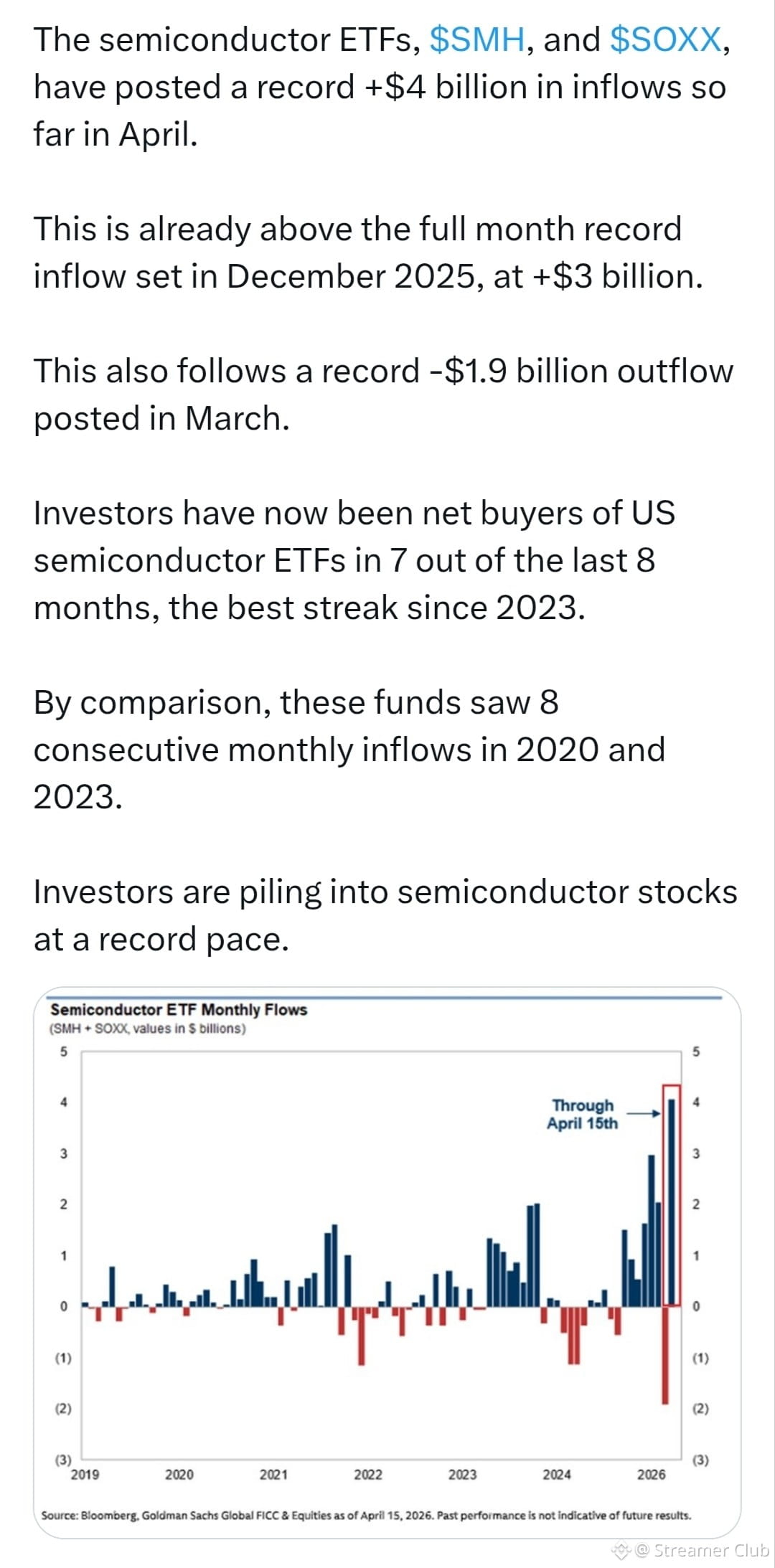
🚨 $4B 半導体ETFへの資金流入 — スマートマネーのローテーション?
米国の半導体ETFは記録的な資本流入を見せています 📊
📈 主要なハイライト:
• 💰 $SMH + $SOXX 流入: +40億ドル(4月まで)
• 🏆 すでに2025年12月の記録(+30億ドル)を超えています
• 📉 3月は-19億ドルの流出(急速な反転)
• 🔥 過去8ヶ月のうち7ヶ月 = 純流入
💡 これが示すこと:
投資家はAI + チップ株に積極的に戻っています 📡💻
⚖️ 問題:
これは新しい半導体メガサイクルの始まりですか?
$BNB | $XRP | $BTC
{future}(BTCUSDT)
{future}(XRPUSDT)
{future}(BNBUSDT)
#EFT #StrategyBTCPurchase #Kalshi’sDisputewithNevada #StreamerClub #Write2Earn
🚨 $4B 半導体ETFへの資金流入 — スマートマネーのローテーション?
米国の半導体ETFは記録的な資本流入を見せています 📊
📈 主要なハイライト:
• 💰 $SMH + $SOXX 流入: +40億ドル(4月まで)
• 🏆 すでに2025年12月の記録(+30億ドル)を超えています
• 📉 3月は-19億ドルの流出(急速な反転)
• 🔥 過去8ヶ月のうち7ヶ月 = 純流入
💡 これが示すこと:
投資家はAI + チップ株に積極的に戻っています 📡💻
⚖️ 問題:
これは新しい半導体メガサイクルの始まりですか?
$BNB | $XRP | $BTC
#EFT #StrategyBTCPurchase #Kalshi’sDisputewithNevada #StreamerClub #Write2Earn
米国の半導体ETFは記録的な資本流入を見せています 📊
📈 主要なハイライト:
• 💰 $SMH + $SOXX 流入: +40億ドル(4月まで)
• 🏆 すでに2025年12月の記録(+30億ドル)を超えています
• 📉 3月は-19億ドルの流出(急速な反転)
• 🔥 過去8ヶ月のうち7ヶ月 = 純流入
💡 これが示すこと:
投資家はAI + チップ株に積極的に戻っています 📡💻
⚖️ 問題:
これは新しい半導体メガサイクルの始まりですか?
$BNB | $XRP | $BTC
#EFT #StrategyBTCPurchase #Kalshi’sDisputewithNevada #StreamerClub #Write2Earn
101

🚨 ビリオネアの動き: ヴィヴェク・ラマスワミのストライブがビットコインに6100万ドルを投入
間違いではありません。
6100万ドルのBTC。
メインストリームの金融がまだビットコインの役割について「議論」している間に、ラマスワミの資産管理会社ストライブがオレンジコインに八桁を投資しました。
なぜこれが重要なのか:
✅ 機関の確信 – これはリテールのFOMOではありません。プロキャピタリストでビットコイン支持の声からの計算された賭けです。
✅ 政治的シグナル – ラマスワミはCBDCに対してオープンに批判的であり、自己保管を支持しています。この購入はそのナラティブと一致しています。
✅ 供給ショックの燃料 – 大口の買い手がいることで、取引所にあるBTCが減少します。
はっきりさせておきましょう:
彼らは「暗号」を6100万ドル分買ったわけではありません。
彼らはビットコインを買いました。
ETFの投機もなし。レバレッジのストーリーもなし。ただの生の蓄積。
伝説的か無謀か?
歴史が決めるでしょう — しかし、チャートは意見を待ってはくれません。
行こうぜ 🚀
金融のアドバイスではありません。クジラがどこを泳いでいるかを見ているだけです。
#BTC #VivekRamaswamy #Whalealert #altseason #EFT
$BTC
{future}(BTCUSDT)
🚨 ビリオネアの動き: ヴィヴェク・ラマスワミのストライブがビットコインに6100万ドルを投入
間違いではありません。
6100万ドルのBTC。
メインストリームの金融がまだビットコインの役割について「議論」している間に、ラマスワミの資産管理会社ストライブがオレンジコインに八桁を投資しました。
なぜこれが重要なのか:
✅ 機関の確信 – これはリテールのFOMOではありません。プロキャピタリストでビットコイン支持の声からの計算された賭けです。
✅ 政治的シグナル – ラマスワミはCBDCに対してオープンに批判的であり、自己保管を支持しています。この購入はそのナラティブと一致しています。
✅ 供給ショックの燃料 – 大口の買い手がいることで、取引所にあるBTCが減少します。
はっきりさせておきましょう:
彼らは「暗号」を6100万ドル分買ったわけではありません。
彼らはビットコインを買いました。
ETFの投機もなし。レバレッジのストーリーもなし。ただの生の蓄積。
伝説的か無謀か?
歴史が決めるでしょう — しかし、チャートは意見を待ってはくれません。
行こうぜ 🚀
金融のアドバイスではありません。クジラがどこを泳いでいるかを見ているだけです。
#BTC #VivekRamaswamy #Whalealert #altseason #EFT
$BTC
間違いではありません。
6100万ドルのBTC。
メインストリームの金融がまだビットコインの役割について「議論」している間に、ラマスワミの資産管理会社ストライブがオレンジコインに八桁を投資しました。
なぜこれが重要なのか:
✅ 機関の確信 – これはリテールのFOMOではありません。プロキャピタリストでビットコイン支持の声からの計算された賭けです。
✅ 政治的シグナル – ラマスワミはCBDCに対してオープンに批判的であり、自己保管を支持しています。この購入はそのナラティブと一致しています。
✅ 供給ショックの燃料 – 大口の買い手がいることで、取引所にあるBTCが減少します。
はっきりさせておきましょう:
彼らは「暗号」を6100万ドル分買ったわけではありません。
彼らはビットコインを買いました。
ETFの投機もなし。レバレッジのストーリーもなし。ただの生の蓄積。
伝説的か無謀か?
歴史が決めるでしょう — しかし、チャートは意見を待ってはくれません。
行こうぜ 🚀
金融のアドバイスではありません。クジラがどこを泳いでいるかを見ているだけです。
#BTC #VivekRamaswamy #Whalealert #altseason #EFT
$BTC

82
ログインして、さらにコンテンツを読む
厳選トピックで世界の暗号資産トレーダーの仲間入り
⚡️ 暗号資産に関する最新かつ有益な情報が見つかります。
💬 世界最大の暗号資産取引所から信頼されています。
👍 認証を受けたクリエイターから、有益なインサイトを得られます。
メール / 電話番号
トレンドトピック
1
#AppleDebutsFoldablePhone
閲覧回数 46,054
916人が討論中
2
#TSMCAugustRevenueUp53.3%YoY
閲覧回数 10,827
301人が討論中
3
#IranSaysReadyToEscalateWarWithUS
閲覧回数 13,123
307人が討論中
4
#EUExtendsCentralContactPointToCASPs
閲覧回数 13,514
341人が討論中
5
#US10YTreasuryYieldHitsHighestSinceNov2023
閲覧回数 36,374
567人が討論中
6
#USTreasuryToBuyBackUpTo$6BLongDatedDebt
閲覧回数 21,202
181人が討論中
7
#BitcoinSurpasses$79K
閲覧回数 74,269
294人が討論中
8
#BrentCrudeTops$100
閲覧回数 133,545
422人が討論中
9
#USADPWeeklyEmploymentRises12000
閲覧回数 124,857
1,475人が討論中
10
#BankOfAmericaGroupPilotsUSBDCStablecoin
閲覧回数 92,752
1,173人が討論中