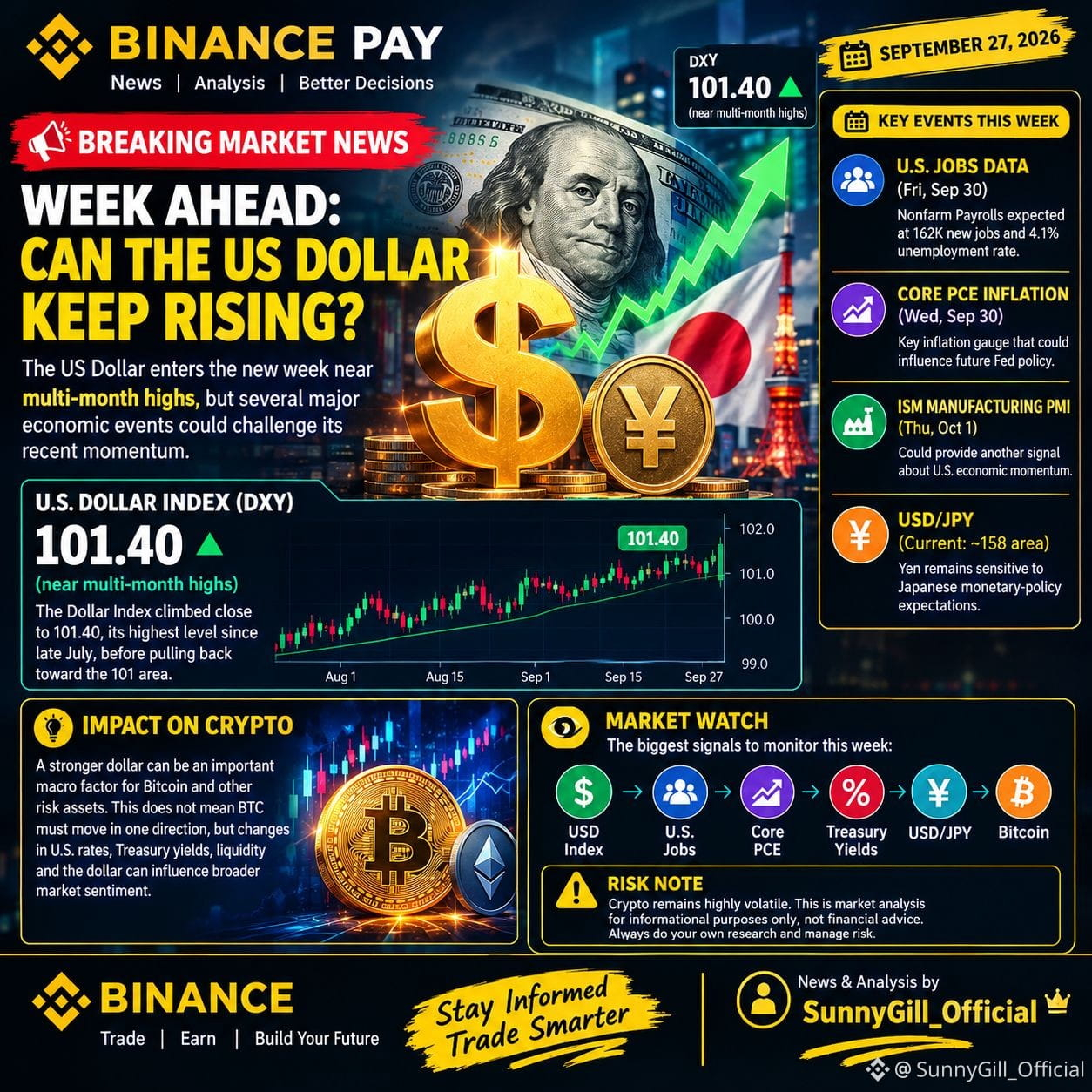
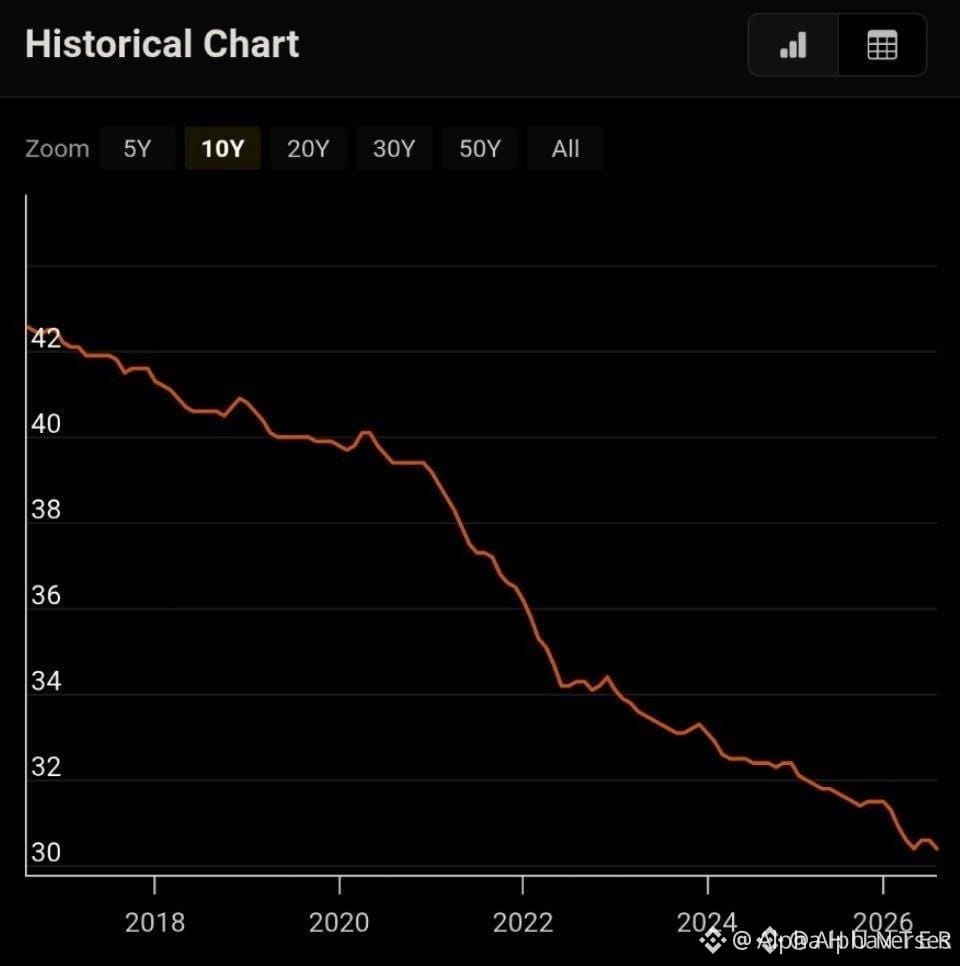
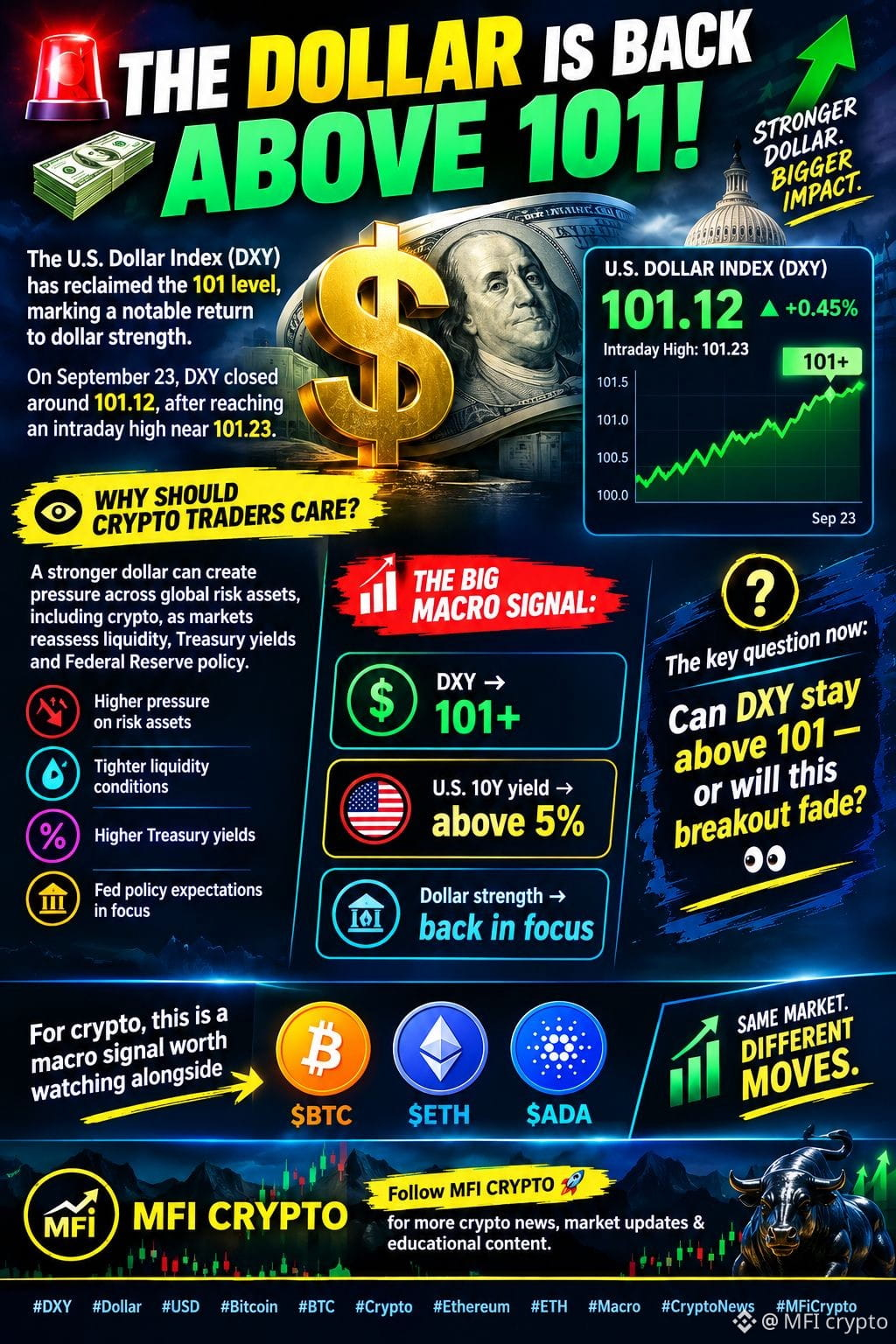
The **US dollar** currently sits in a **weaker position** in early 2026, with the **Dollar Index (DXY)** hovering around **96**, marking a notable decline from its highs above 109 in recent years. This represents a drop of over 10% over the past 12 months, one of the sharper corrections in recent memory.
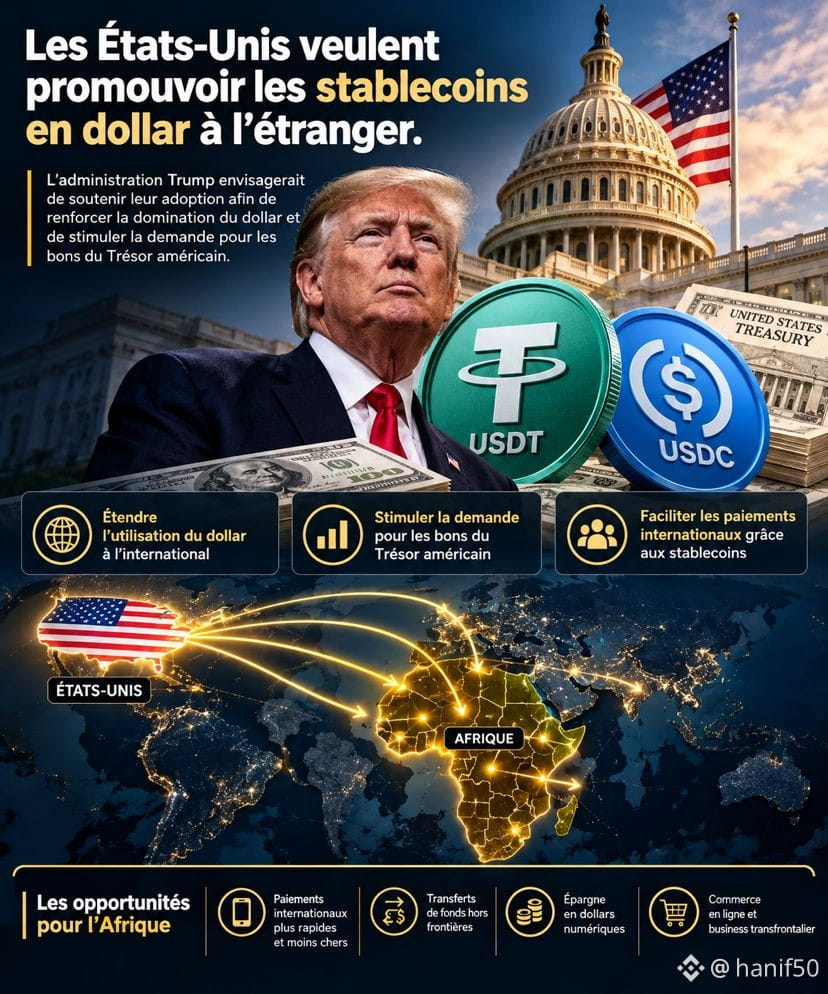
Several factors are driving this trend. The **Federal Reserve** has maintained a cautious stance on interest rates, signaling patience amid stable growth and lingering inflation pressures. Meanwhile, policy signals from the administration appear mixed—President Trump has described the dollar's value as "great" amid its slide, while Treasury officials reaffirm a traditional "strong dollar" policy. This contrast, combined with concerns over large fiscal deficits, trade uncertainties, and geopolitical risks, has prompted investors to shift toward real assets like gold (hitting record highs) and away from the greenback.
The dollar recently touched four-year lows near 95.5 before a modest rebound, but the overall momentum remains soft. Global growth appears more balanced, reducing the appeal of the USD as the ultimate safe-haven currency. Many analysts expect gradual further weakness through much of 2026, potentially pushing the DXY toward the low 90s before any meaningful recovery.
In short, the once-dominant dollar is facing headwinds in 2026, reflecting evolving economic realities and policy dynamics. Its role as the world's reserve currency endures, but its current standing highlights a shift toward a more multipolar currency landscape.
#dollar $XRP $ETH $BTC