
#delistingalert
delistingalert
閲覧回数 7.9M
3,102人が討論中
注目
最新

·
--
記事
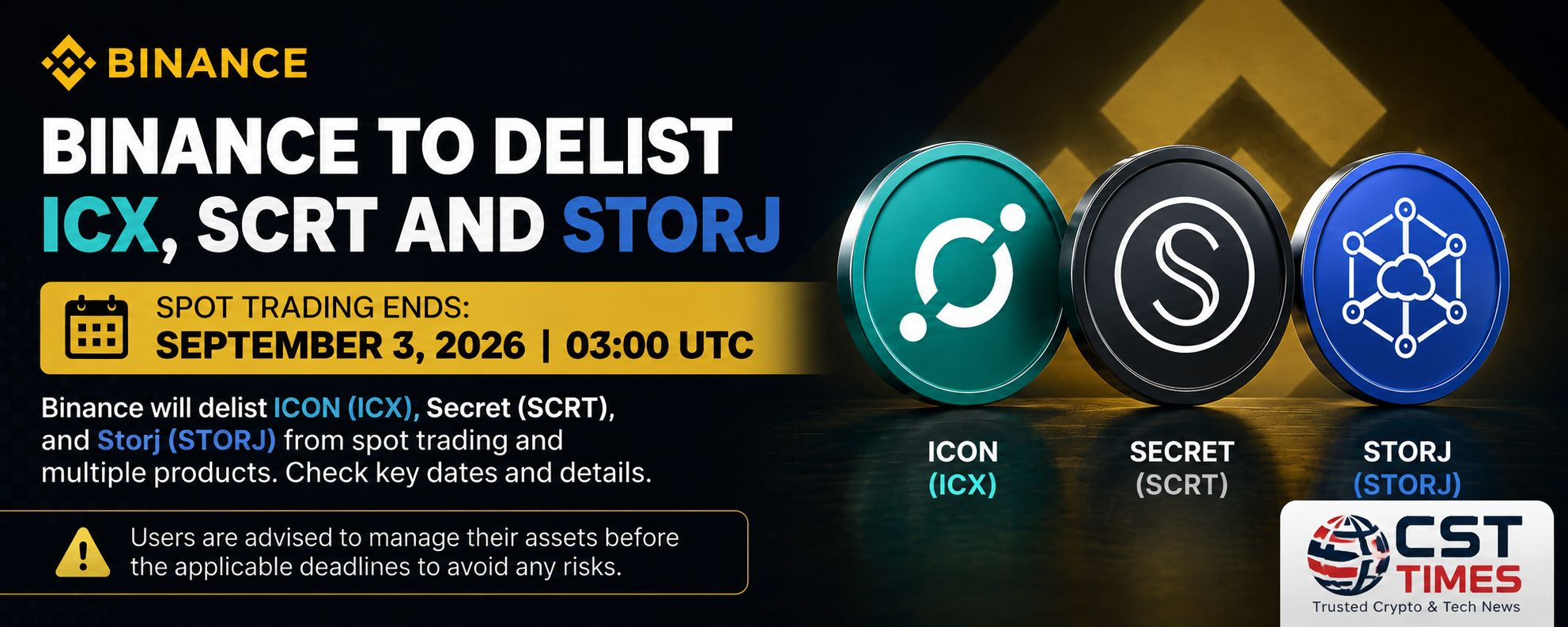
Binanceは9月3日にICX、SCRT、STORJを上場廃止へCST Timesにより公開:サイトへアクセス
クイック概要:
Binanceは2026年9月3日、現物取引プラットフォームからICON(ICX)、Secret(SCRT)、Storj(STORJ)を上場廃止すると発表した。理由として、上場デジタル資産に関する取引所の通常の見直しを挙げている。
世界最大の暗号資産取引所は9月3日03:00(UTC)に、3つのトークンの現物取引を停止すると発表した。同社は8月20日に公開した告知で、この決定を認めたと報じられている。
どの暗号資産が上場廃止されるのか?
影響を受ける暗号資産は次のとおりです:
Binanceは9月3日にICX、SCRT、STORJを上場廃止へ
CST Timesにより公開:サイトへアクセス
クイック概要:
Binanceは2026年9月3日、現物取引プラットフォームからICON(ICX)、Secret(SCRT)、Storj(STORJ)を上場廃止すると発表した。理由として、上場デジタル資産に関する取引所の通常の見直しを挙げている。
世界最大の暗号資産取引所は9月3日03:00(UTC)に、3つのトークンの現物取引を停止すると発表した。同社は8月20日に公開した告知で、この決定を認めたと報じられている。
どの暗号資産が上場廃止されるのか?
影響を受ける暗号資産は次のとおりです:
クイック概要:
Binanceは2026年9月3日、現物取引プラットフォームからICON(ICX)、Secret(SCRT)、Storj(STORJ)を上場廃止すると発表した。理由として、上場デジタル資産に関する取引所の通常の見直しを挙げている。
世界最大の暗号資産取引所は9月3日03:00(UTC)に、3つのトークンの現物取引を停止すると発表した。同社は8月20日に公開した告知で、この決定を認めたと報じられている。
どの暗号資産が上場廃止されるのか?
影響を受ける暗号資産は次のとおりです:
612

·
--
ブリッシュ
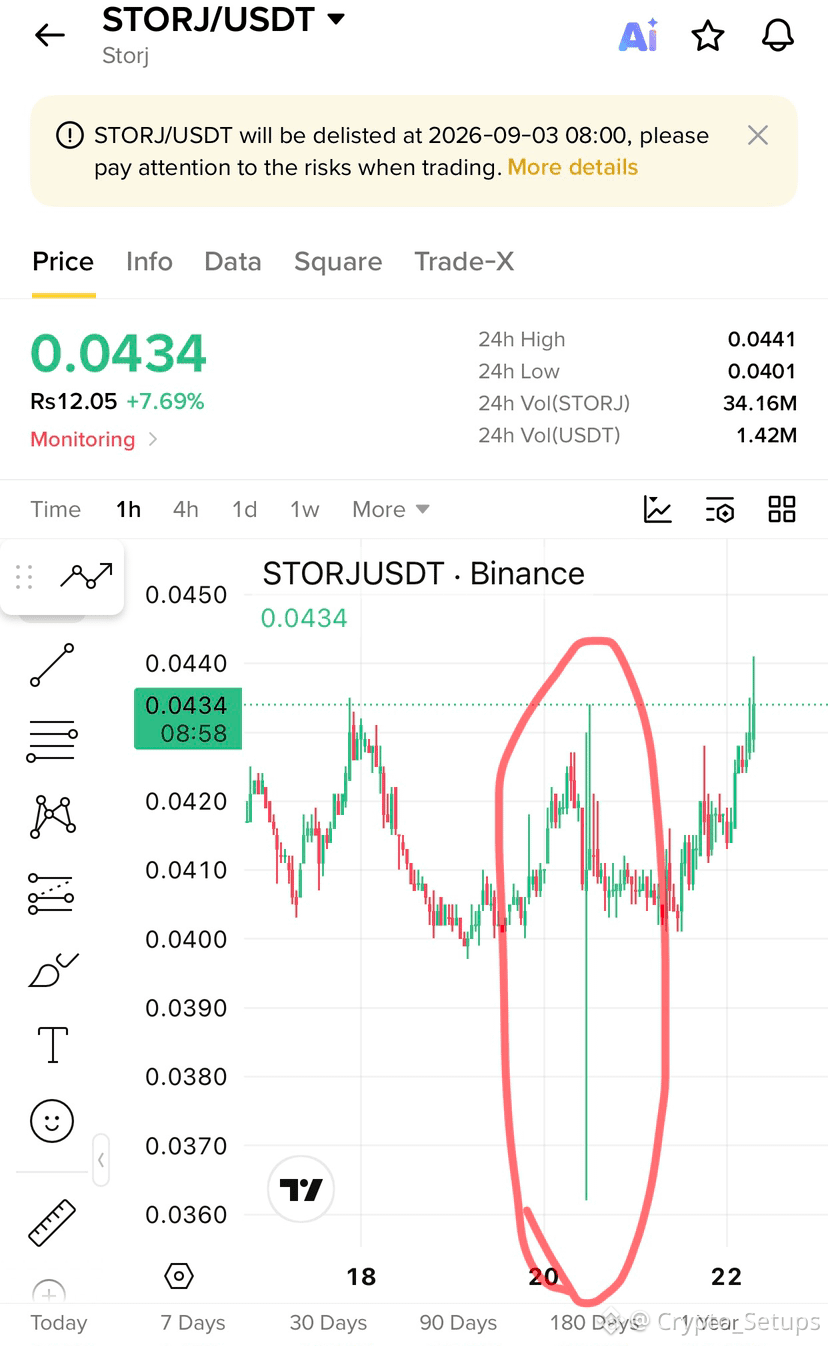
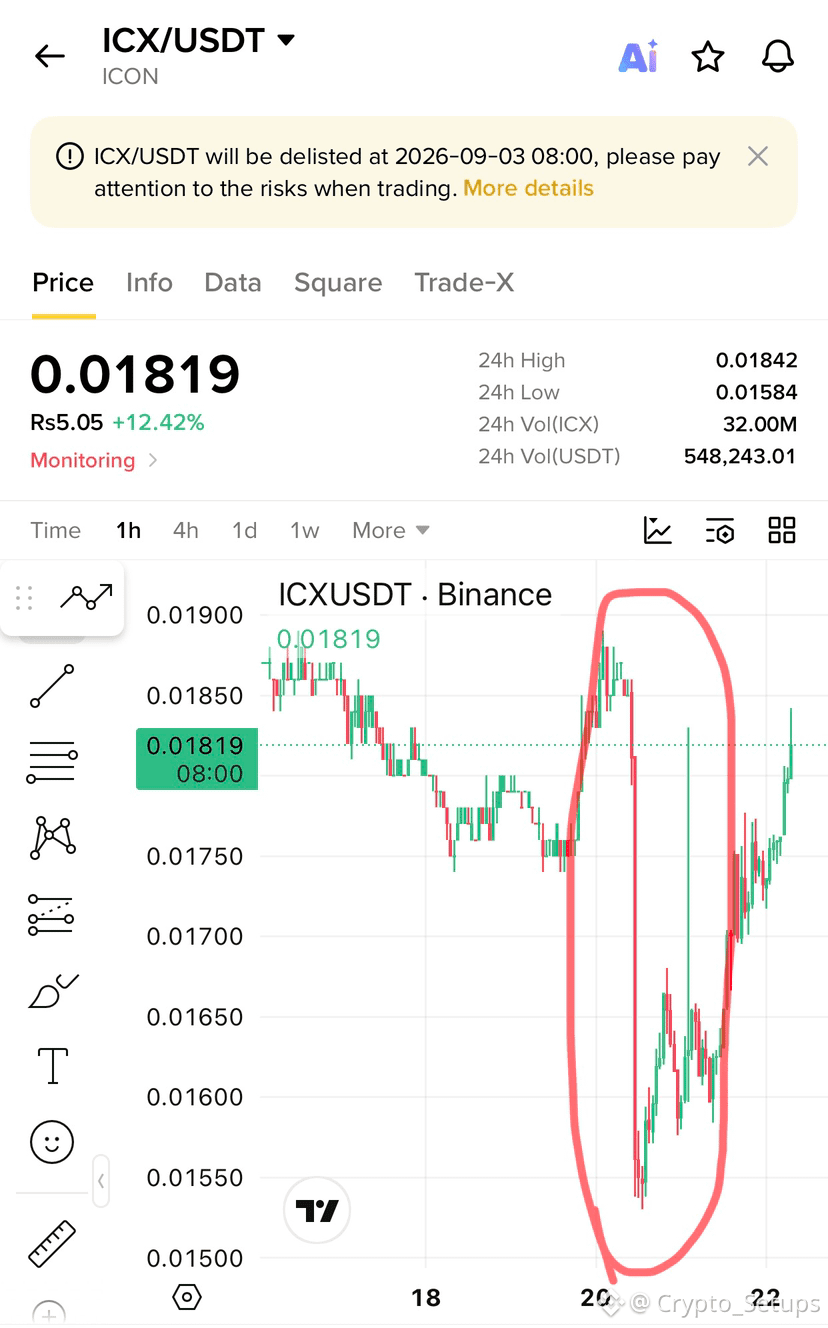
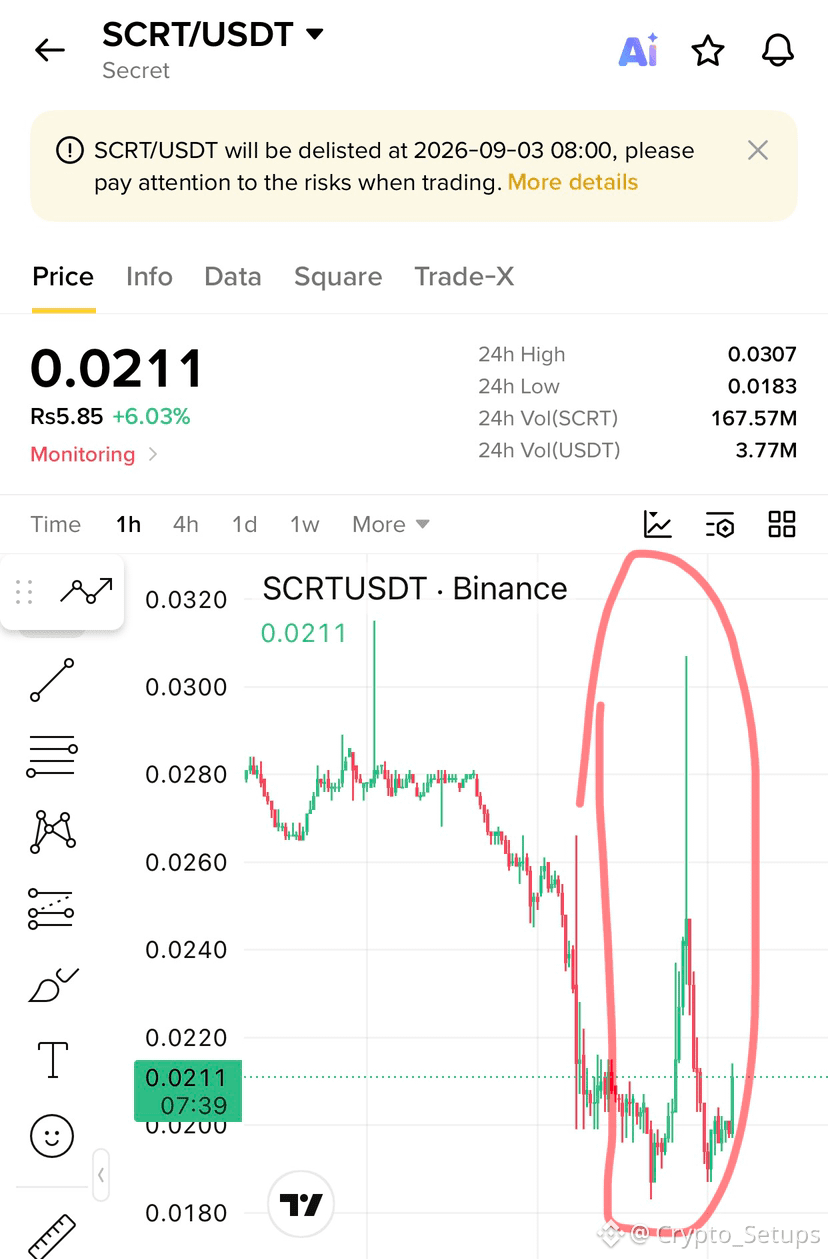
$ICX , $SCRT & $STORJ 上場廃止のカオス ⚠️
ニュースの後に、大量のマニピュレーション・キャンドルが出現しています。
このボラティリティに乗りますか?それとも近づかない? 👀
覚えておいて:高リスク ≠ 必ずチャンス。”
#DelistingAlert
$ICX , $SCRT & $STORJ 上場廃止のカオス ⚠️
ニュースの後に、大量のマニピュレーション・キャンドルが出現しています。
このボラティリティに乗りますか?それとも近づかない? 👀
覚えておいて:高リスク ≠ 必ずチャンス。”
#DelistingAlert
ニュースの後に、大量のマニピュレーション・キャンドルが出現しています。
このボラティリティに乗りますか?それとも近づかない? 👀
覚えておいて:高リスク ≠ 必ずチャンス。”
#DelistingAlert
501

#DelistingAlert $ACX
{spot}(ACXUSDT)
your hottest topic on Binance Square right now! 仮想通貨プラットフォームが上場廃止を発表すると、市場には通常パニックが走ります。しかし、目ざといトレーダーにとってそれは警告サインなのか、それとも隠されたチャンスなのでしょうか?🧠💡
上場廃止では具体的に何が起きるの?🔍
取引所は上場しているトークンが、流動性の高さ、取引量、セキュリティ、開発活動などの水準を維持できているかを継続的に監視しています。これらの厳格な基準を満たせなくなると、そのトークンは削除されます。
上場廃止をプロのように乗りこなす方法:💸
1️⃣ すぐにパニック売りしない:正確なスケジュールを確認しましょう。資産を引き出したり取引したりするために、通常は数週間〜数か月の猶予があります。
2️⃣ 「上場廃止ポンプ(Delisting Pump)」現象:歴史的に、高リスク寄りのトレーダーの中には、上場廃止の発表直後に値動きの激しいタイミングを狙う人もいます。投機的な売買が一時的に急増し、短期の取引チャンスが生まれることもありますが、リスクは非常に大きい点に注意!
3️⃣ 質を重視:上場廃止リスクそのものを回避するために、常に盤石なファンダメンタル、継続的な開発、そして実際のユースケースのあるプロジェクトへポートフォリオをシフトさせましょう。
暗号資産で資本を守ることは、常に最優先事項であるべきです。リスク管理が勝者と敗者を分けます!🛡️📊
上場廃止のアラートを見たとき、あなたの戦略は?損失を即カットしますか?それとも素早い取引のセッティングを探しますか?ぜひ下にあなたの考えを書き込んでください!👇
#DelistingAlert #CryptoTrading #RiskManagement #BinanceSquare #SmartInvesting
#DelistingAlert $ACX
your hottest topic on Binance Square right now! 仮想通貨プラットフォームが上場廃止を発表すると、市場には通常パニックが走ります。しかし、目ざといトレーダーにとってそれは警告サインなのか、それとも隠されたチャンスなのでしょうか?🧠💡
上場廃止では具体的に何が起きるの?🔍
取引所は上場しているトークンが、流動性の高さ、取引量、セキュリティ、開発活動などの水準を維持できているかを継続的に監視しています。これらの厳格な基準を満たせなくなると、そのトークンは削除されます。
上場廃止をプロのように乗りこなす方法:💸
1️⃣ すぐにパニック売りしない:正確なスケジュールを確認しましょう。資産を引き出したり取引したりするために、通常は数週間〜数か月の猶予があります。
2️⃣ 「上場廃止ポンプ(Delisting Pump)」現象:歴史的に、高リスク寄りのトレーダーの中には、上場廃止の発表直後に値動きの激しいタイミングを狙う人もいます。投機的な売買が一時的に急増し、短期の取引チャンスが生まれることもありますが、リスクは非常に大きい点に注意!
3️⃣ 質を重視:上場廃止リスクそのものを回避するために、常に盤石なファンダメンタル、継続的な開発、そして実際のユースケースのあるプロジェクトへポートフォリオをシフトさせましょう。
暗号資産で資本を守ることは、常に最優先事項であるべきです。リスク管理が勝者と敗者を分けます!🛡️📊
上場廃止のアラートを見たとき、あなたの戦略は?損失を即カットしますか?それとも素早い取引のセッティングを探しますか?ぜひ下にあなたの考えを書き込んでください!👇
#DelistingAlert #CryptoTrading #RiskManagement #BinanceSquare #SmartInvesting
your hottest topic on Binance Square right now! 仮想通貨プラットフォームが上場廃止を発表すると、市場には通常パニックが走ります。しかし、目ざといトレーダーにとってそれは警告サインなのか、それとも隠されたチャンスなのでしょうか?🧠💡
上場廃止では具体的に何が起きるの?🔍
取引所は上場しているトークンが、流動性の高さ、取引量、セキュリティ、開発活動などの水準を維持できているかを継続的に監視しています。これらの厳格な基準を満たせなくなると、そのトークンは削除されます。
上場廃止をプロのように乗りこなす方法:💸
1️⃣ すぐにパニック売りしない:正確なスケジュールを確認しましょう。資産を引き出したり取引したりするために、通常は数週間〜数か月の猶予があります。
2️⃣ 「上場廃止ポンプ(Delisting Pump)」現象:歴史的に、高リスク寄りのトレーダーの中には、上場廃止の発表直後に値動きの激しいタイミングを狙う人もいます。投機的な売買が一時的に急増し、短期の取引チャンスが生まれることもありますが、リスクは非常に大きい点に注意!
3️⃣ 質を重視:上場廃止リスクそのものを回避するために、常に盤石なファンダメンタル、継続的な開発、そして実際のユースケースのあるプロジェクトへポートフォリオをシフトさせましょう。
暗号資産で資本を守ることは、常に最優先事項であるべきです。リスク管理が勝者と敗者を分けます!🛡️📊
上場廃止のアラートを見たとき、あなたの戦略は?損失を即カットしますか?それとも素早い取引のセッティングを探しますか?ぜひ下にあなたの考えを書き込んでください!👇
#DelistingAlert #CryptoTrading #RiskManagement #BinanceSquare #SmartInvesting
2
75



·
--
確認済み
記事
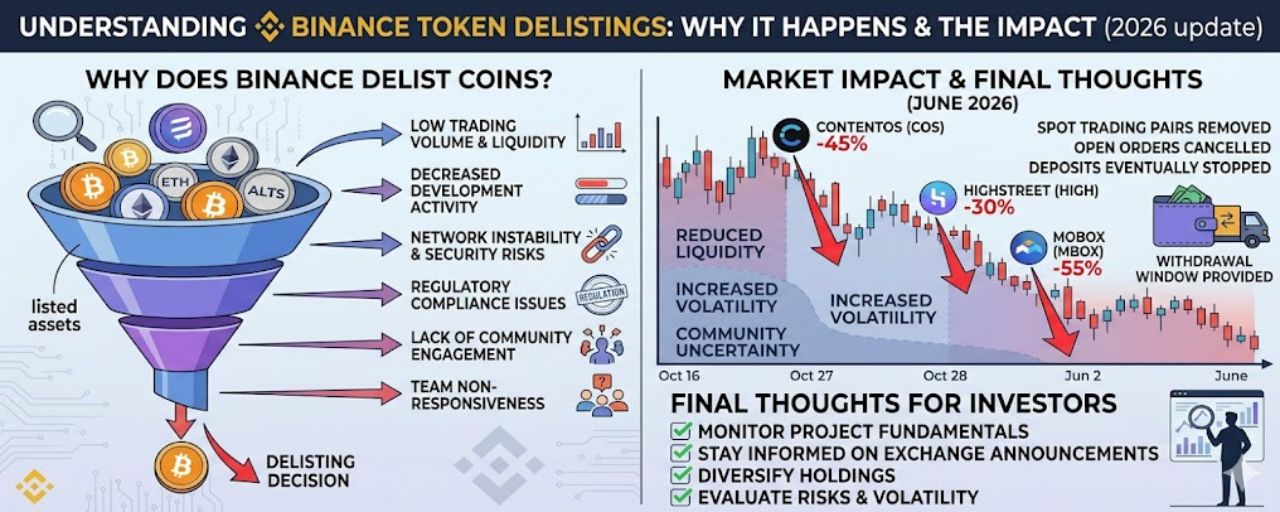
バイナンスが上場廃止したコイン:トークンが削除される理由と最新の上場廃止バイナンスに上場することは、どの暗号通貨プロジェクトにとっても大きなマイルストーンと見なされることが多い。何百万ものトレーダーへのアクセス、より深い流動性、そして市場での可視性の向上を提供する。しかし、すべてのプロジェクトがバイナンスの上場基準を維持できるわけではない。毎年、バイナンスは上場資産を見直し、その要件を満たさないプロジェクトを削除する。
なぜバイナンスはコインを上場廃止にするのか?
バイナンスは、以下のような複数の要因に基づいて暗号通貨を定期的に評価している:
開発活動とプロジェクトの進捗
バイナンスが上場廃止したコイン:トークンが削除される理由と最新の上場廃止
バイナンスに上場することは、どの暗号通貨プロジェクトにとっても大きなマイルストーンと見なされることが多い。何百万ものトレーダーへのアクセス、より深い流動性、そして市場での可視性の向上を提供する。しかし、すべてのプロジェクトがバイナンスの上場基準を維持できるわけではない。毎年、バイナンスは上場資産を見直し、その要件を満たさないプロジェクトを削除する。
なぜバイナンスはコインを上場廃止にするのか?
バイナンスは、以下のような複数の要因に基づいて暗号通貨を定期的に評価している:
開発活動とプロジェクトの進捗
なぜバイナンスはコインを上場廃止にするのか?
バイナンスは、以下のような複数の要因に基づいて暗号通貨を定期的に評価している:
開発活動とプロジェクトの進捗
6
920

·
--
⚠️ 上場廃止コイン?私の第一選択は常に「触らない」
$VIC
{spot}(VICUSDT)
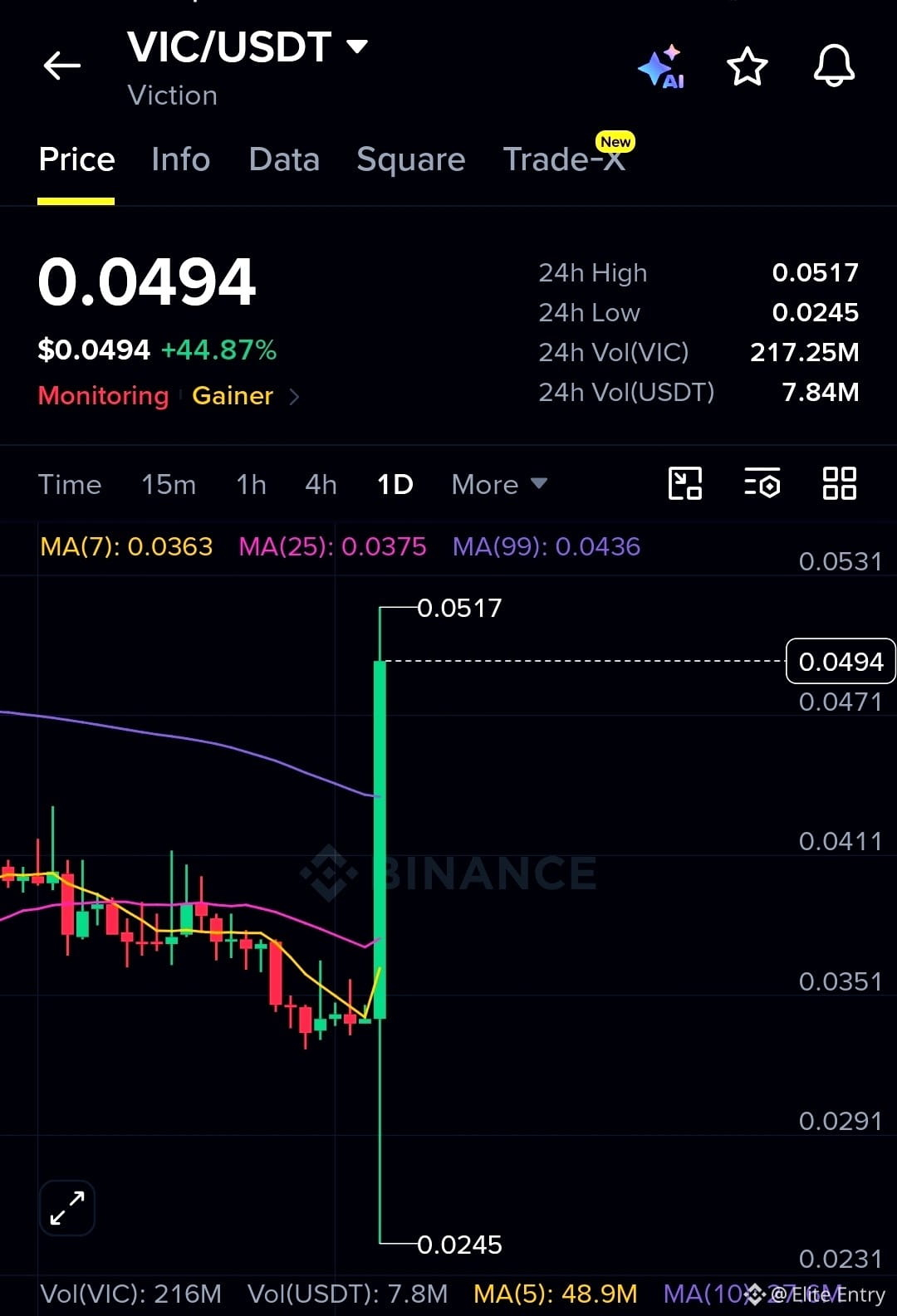
正直に言うと、コインが上場廃止になるときは、デフォルトの動きは「放置して触らない」です。こういうものは両方向に激しく値動きし得ますし、流動性はすぐに枯渇します。さらに、たった1本の悪い足で、数秒で堅いはずのポジションが吹き飛ぶこともあります。
VIC/USDTを見てください。1本の巨大な足で約44%も急騰しています。🚀 つい魅力を感じますよね?でも、そういう動きは同じくらい速く反転することもあります。高ボラティリティを「簡単に稼げるお金」と取り違えないでください。
でも、それでも上場廃止コインをトレードしたいなら、私ならこうアプローチします👇
🛡️ ポジションサイズは極小に。ここは大きく賭ける場所ではありません。
⏳ 最初のポンプを追いかけないでください。落ち着くまで待ち、明確なサポート領域が形成されるのを待ちます。
📊 出来高を注意深く見てください。価格が上がり続けているのに出来高が下がってきたら、私はかなり速い段階で警戒モードになります。
🎯 通常よりも早めに利確してください。上場廃止のポンプは永遠には続きません。
❌ 逆行したらナンピンはしない。入る前から、撤退(損切り)の出口を把握しておきましょう。
💡 そして最も重要なのは、公式の上場廃止アナウンスと、実際の取引終了(カットオフ)時刻を何もする前に必ず確認することです。
上場廃止コインは普通の取引ではありません。賢い選択が、文字通りサイドラインからポンプを見守って資金を安全に保つことになる場合もあります。💰🧠
#DelistingAlert #delisting
⚠️ 上場廃止コイン?私の第一選択は常に「触らない」
$VIC
正直に言うと、コインが上場廃止になるときは、デフォルトの動きは「放置して触らない」です。こういうものは両方向に激しく値動きし得ますし、流動性はすぐに枯渇します。さらに、たった1本の悪い足で、数秒で堅いはずのポジションが吹き飛ぶこともあります。
VIC/USDTを見てください。1本の巨大な足で約44%も急騰しています。🚀 つい魅力を感じますよね?でも、そういう動きは同じくらい速く反転することもあります。高ボラティリティを「簡単に稼げるお金」と取り違えないでください。
でも、それでも上場廃止コインをトレードしたいなら、私ならこうアプローチします👇
🛡️ ポジションサイズは極小に。ここは大きく賭ける場所ではありません。
⏳ 最初のポンプを追いかけないでください。落ち着くまで待ち、明確なサポート領域が形成されるのを待ちます。
📊 出来高を注意深く見てください。価格が上がり続けているのに出来高が下がってきたら、私はかなり速い段階で警戒モードになります。
🎯 通常よりも早めに利確してください。上場廃止のポンプは永遠には続きません。
❌ 逆行したらナンピンはしない。入る前から、撤退(損切り)の出口を把握しておきましょう。
💡 そして最も重要なのは、公式の上場廃止アナウンスと、実際の取引終了(カットオフ)時刻を何もする前に必ず確認することです。
上場廃止コインは普通の取引ではありません。賢い選択が、文字通りサイドラインからポンプを見守って資金を安全に保つことになる場合もあります。💰🧠
#DelistingAlert #delisting
$VIC
正直に言うと、コインが上場廃止になるときは、デフォルトの動きは「放置して触らない」です。こういうものは両方向に激しく値動きし得ますし、流動性はすぐに枯渇します。さらに、たった1本の悪い足で、数秒で堅いはずのポジションが吹き飛ぶこともあります。
VIC/USDTを見てください。1本の巨大な足で約44%も急騰しています。🚀 つい魅力を感じますよね?でも、そういう動きは同じくらい速く反転することもあります。高ボラティリティを「簡単に稼げるお金」と取り違えないでください。
でも、それでも上場廃止コインをトレードしたいなら、私ならこうアプローチします👇
🛡️ ポジションサイズは極小に。ここは大きく賭ける場所ではありません。
⏳ 最初のポンプを追いかけないでください。落ち着くまで待ち、明確なサポート領域が形成されるのを待ちます。
📊 出来高を注意深く見てください。価格が上がり続けているのに出来高が下がってきたら、私はかなり速い段階で警戒モードになります。
🎯 通常よりも早めに利確してください。上場廃止のポンプは永遠には続きません。
❌ 逆行したらナンピンはしない。入る前から、撤退(損切り)の出口を把握しておきましょう。
💡 そして最も重要なのは、公式の上場廃止アナウンスと、実際の取引終了(カットオフ)時刻を何もする前に必ず確認することです。
上場廃止コインは普通の取引ではありません。賢い選択が、文字通りサイドラインからポンプを見守って資金を安全に保つことになる場合もあります。💰🧠
#DelistingAlert #delisting
4
894
·
--
確認済み
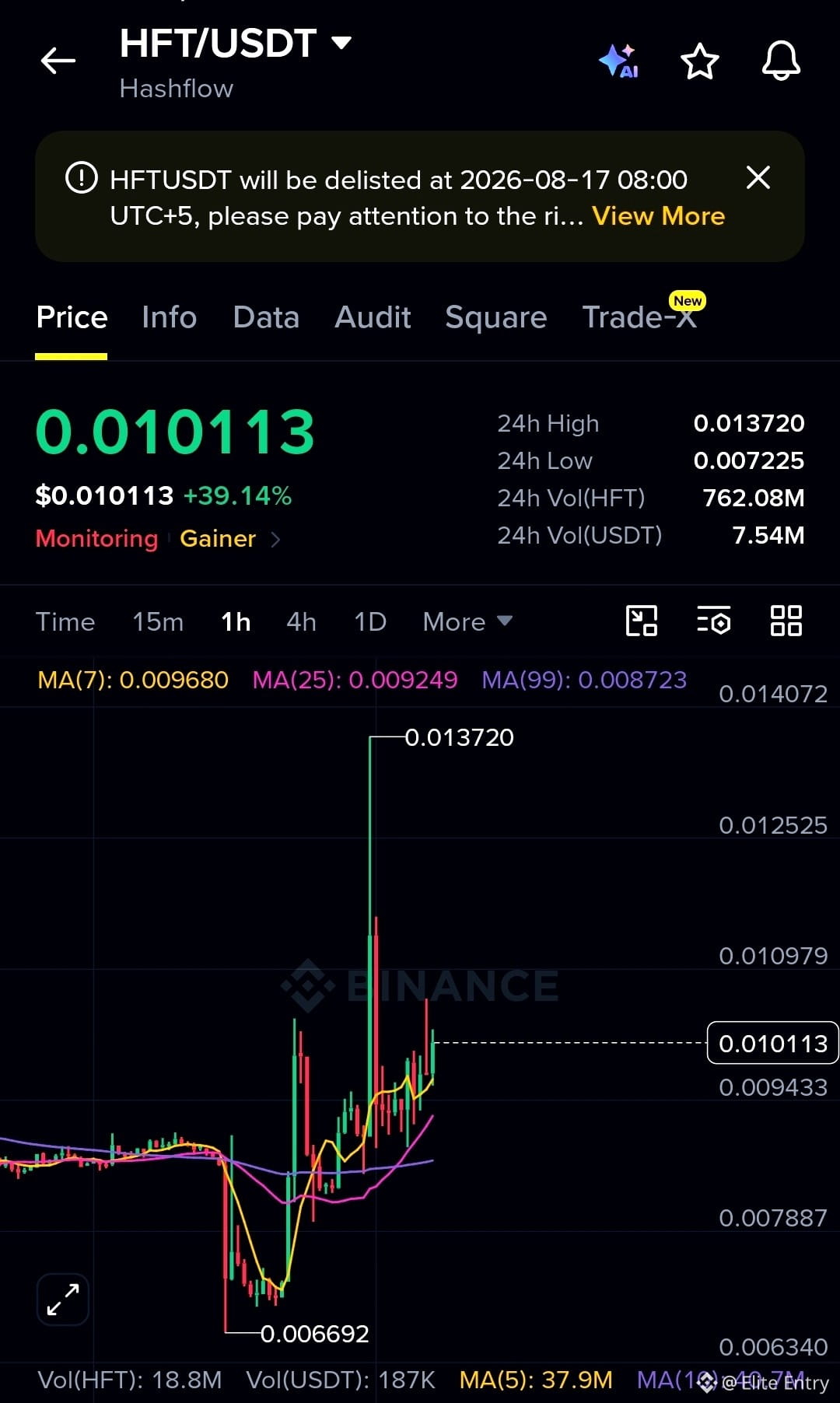
⚠️ $HFT /USDT は上場廃止(delisted)される—ポンプに騙されないで
{future}(HFTUSDT)
HFTは今ちょうど+39%あたりで推移していて、確かにこの緑のローソク足はかなり魅力的に見えます。🚀 でも、ここで本当に重要なのは「ポンプ」よりも別のことです。スクリーンショットでは、HFTUSDTが2026年8月17日 08:00(UTC+5)に上場廃止予定になっていることが示されています。
このレベルで上場廃止が間近に迫っているコインでは、通常の取引ルールは基本的に通用しなくなります。価格は一気に上がって 📈 その後、さらに速く下落して 📉 することもあります。期限が近づくほど、流動性はすぐにかなり悪くなる可能性があります。
🛡️ 上場廃止コインのための「サバイバル・ルール」:
💰 ポジションサイズはとても小さく保つ。
🚫 1つの大きな緑のローソク足だからといって、決して全力(オールイン)しない。
📊 価格だけでなく、出来高と流動性を見る。
🛑 エントリーする前に、必ず損切り(ストップロス)を把握しておく。
💵 すでに利益が出ているなら、欲張らない。
⏰ 上場廃止の正確な締切を把握し、当日までではなく十分前に撤退(エグジット)計画を立てる。
私が一番よく見かける大きなミスは、「もう40%上がったんだから、さらにもう100%来るかも」という考え方です。そうなるかもしれないし、そうならないかもしれません。正直、誰にも分かりません。
私個人としては、上場廃止コインは追いかけてチャンスにするものというより、近づかないほうがいいものです。
サバイバルが最優先。利益はその次。🛡️💰
#DelistingAlert #delisting
⚠️ $HFT /USDT は上場廃止(delisted)される—ポンプに騙されないで
HFTは今ちょうど+39%あたりで推移していて、確かにこの緑のローソク足はかなり魅力的に見えます。🚀 でも、ここで本当に重要なのは「ポンプ」よりも別のことです。スクリーンショットでは、HFTUSDTが2026年8月17日 08:00(UTC+5)に上場廃止予定になっていることが示されています。
このレベルで上場廃止が間近に迫っているコインでは、通常の取引ルールは基本的に通用しなくなります。価格は一気に上がって 📈 その後、さらに速く下落して 📉 することもあります。期限が近づくほど、流動性はすぐにかなり悪くなる可能性があります。
🛡️ 上場廃止コインのための「サバイバル・ルール」:
💰 ポジションサイズはとても小さく保つ。
🚫 1つの大きな緑のローソク足だからといって、決して全力(オールイン)しない。
📊 価格だけでなく、出来高と流動性を見る。
🛑 エントリーする前に、必ず損切り(ストップロス)を把握しておく。
💵 すでに利益が出ているなら、欲張らない。
⏰ 上場廃止の正確な締切を把握し、当日までではなく十分前に撤退(エグジット)計画を立てる。
私が一番よく見かける大きなミスは、「もう40%上がったんだから、さらにもう100%来るかも」という考え方です。そうなるかもしれないし、そうならないかもしれません。正直、誰にも分かりません。
私個人としては、上場廃止コインは追いかけてチャンスにするものというより、近づかないほうがいいものです。
サバイバルが最優先。利益はその次。🛡️💰
#DelistingAlert #delisting
HFTは今ちょうど+39%あたりで推移していて、確かにこの緑のローソク足はかなり魅力的に見えます。🚀 でも、ここで本当に重要なのは「ポンプ」よりも別のことです。スクリーンショットでは、HFTUSDTが2026年8月17日 08:00(UTC+5)に上場廃止予定になっていることが示されています。
このレベルで上場廃止が間近に迫っているコインでは、通常の取引ルールは基本的に通用しなくなります。価格は一気に上がって 📈 その後、さらに速く下落して 📉 することもあります。期限が近づくほど、流動性はすぐにかなり悪くなる可能性があります。
🛡️ 上場廃止コインのための「サバイバル・ルール」:
💰 ポジションサイズはとても小さく保つ。
🚫 1つの大きな緑のローソク足だからといって、決して全力(オールイン)しない。
📊 価格だけでなく、出来高と流動性を見る。
🛑 エントリーする前に、必ず損切り(ストップロス)を把握しておく。
💵 すでに利益が出ているなら、欲張らない。
⏰ 上場廃止の正確な締切を把握し、当日までではなく十分前に撤退(エグジット)計画を立てる。
私が一番よく見かける大きなミスは、「もう40%上がったんだから、さらにもう100%来るかも」という考え方です。そうなるかもしれないし、そうならないかもしれません。正直、誰にも分かりません。
私個人としては、上場廃止コインは追いかけてチャンスにするものというより、近づかないほうがいいものです。
サバイバルが最優先。利益はその次。🛡️💰
#DelistingAlert #delisting
1
1
724
·
--
記事
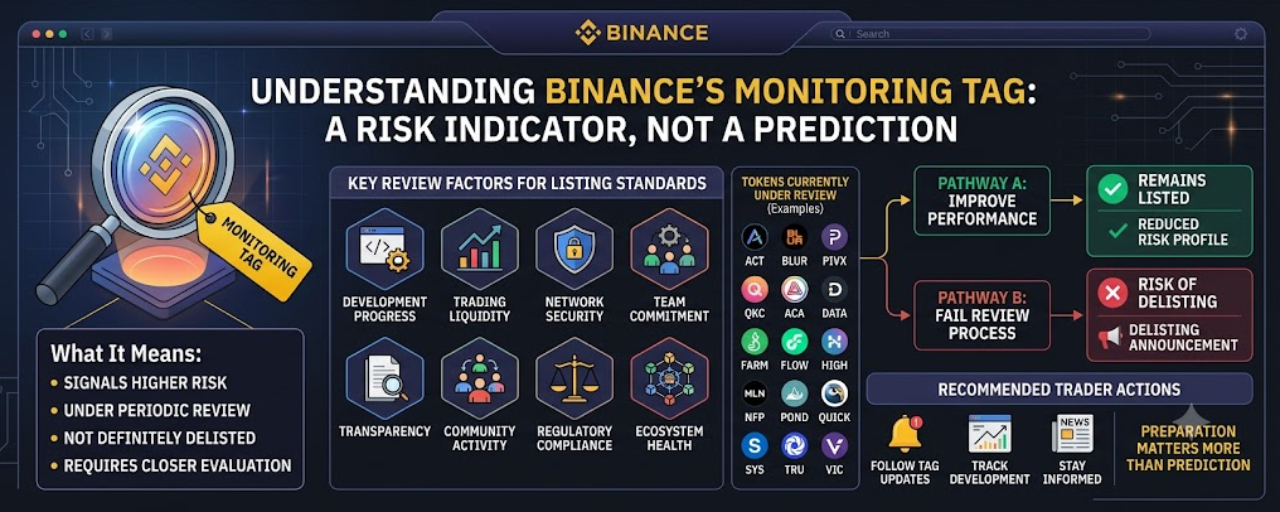
次の上場廃止の前に注目すべきBinanceのモニタリングリスト上場廃止の発表は市場をしばしば驚かせますが、警告の兆候は通常もっと前から現れます。最大のシグナルの1つが、Binanceのモニタリングタグで、取引所の上場基準に照らしてより厳密な評価が必要なプロジェクトを特定します。
モニタリングタグは、そのトークンが確実に削除されることを意味するわけではありません。ただし、Binanceがそのプロジェクトに通常より高いリスクがあると考えていることを示しています。このカテゴリに該当するトークンには、ACT、BLUR、PIVX、QKC、ACA、D、DATA、FARM、FLOW、HIGH、MLN、NFP、POND、QUICK、SYS、TRU、VICなどのプロジェクトが含まれており、これらは継続的な審査の対象になっています。
次の上場廃止の前に注目すべきBinanceのモニタリングリスト
上場廃止の発表は市場をしばしば驚かせますが、警告の兆候は通常もっと前から現れます。最大のシグナルの1つが、Binanceのモニタリングタグで、取引所の上場基準に照らしてより厳密な評価が必要なプロジェクトを特定します。
モニタリングタグは、そのトークンが確実に削除されることを意味するわけではありません。ただし、Binanceがそのプロジェクトに通常より高いリスクがあると考えていることを示しています。このカテゴリに該当するトークンには、ACT、BLUR、PIVX、QKC、ACA、D、DATA、FARM、FLOW、HIGH、MLN、NFP、POND、QUICK、SYS、TRU、VICなどのプロジェクトが含まれており、これらは継続的な審査の対象になっています。
モニタリングタグは、そのトークンが確実に削除されることを意味するわけではありません。ただし、Binanceがそのプロジェクトに通常より高いリスクがあると考えていることを示しています。このカテゴリに該当するトークンには、ACT、BLUR、PIVX、QKC、ACA、D、DATA、FARM、FLOW、HIGH、MLN、NFP、POND、QUICK、SYS、TRU、VICなどのプロジェクトが含まれており、これらは継続的な審査の対象になっています。
1
515

·
--
🚨 緊急ニュース: バイナンスが4つのトークンのマージントレーディングペアを上場廃止します。
❌ XNO (ナノ)
❌ IQ (IQ)
❌ QUICK (クイックスワップ)
❌ DGB (デジバイト)
また一日、また一回の上場廃止。📉🤡
もしあなたのお気に入りのトークンがまだ上場されているなら、運がいいと思ってください…今のところは。👀
$XNO
{spot}(XNOUSDT)
$IQ
{spot}(IQUSDT)
$DGB
{spot}(DGBUSDT)
#DelistingAlert #delisting
🚨 緊急ニュース: バイナンスが4つのトークンのマージントレーディングペアを上場廃止します。
❌ XNO (ナノ)
❌ IQ (IQ)
❌ QUICK (クイックスワップ)
❌ DGB (デジバイト)
また一日、また一回の上場廃止。📉🤡
もしあなたのお気に入りのトークンがまだ上場されているなら、運がいいと思ってください…今のところは。👀
$XNO
$IQ
$DGB
#DelistingAlert #delisting
❌ XNO (ナノ)
❌ IQ (IQ)
❌ QUICK (クイックスワップ)
❌ DGB (デジバイト)
また一日、また一回の上場廃止。📉🤡
もしあなたのお気に入りのトークンがまだ上場されているなら、運がいいと思ってください…今のところは。👀
$XNO
$IQ
$DGB
#DelistingAlert #delisting
1
445

·
--
バイナンス、7月3日に$BIGTIME ONを含む9つのスポット取引ペアを削除へ🔥
バイナンスは、7月3日 03:00(UTC)より正式に9つのスポット取引ペアを上場廃止すると発表しました。対象にはBIGTIME/USDC、BTC/EURI、CTK/BNB、そして他6つが含まれます。これは通常の流動性整理の一環で、数か月ごとに行われます。
これらのペアでスポット取引ボットを運用している場合は、期限までに更新するか停止する必要があります。過去に、この手の一斉削除で不意を突かれたトレーダーを見かけたことがあります。後から想定外のストップに対処するより、今のうちにポジションを確認したほうが安心です。
現在、これらのペアのうちどれを保有していますか?
※金融アドバイスではありません。必ずリスク管理を行ってください。
#BIGTIME #DelistingAlert #BinanceUpdate #CryptoNews
🔥
バイナンス、7月3日に$BIGTIME ONを含む9つのスポット取引ペアを削除へ🔥
バイナンスは、7月3日 03:00(UTC)より正式に9つのスポット取引ペアを上場廃止すると発表しました。対象にはBIGTIME/USDC、BTC/EURI、CTK/BNB、そして他6つが含まれます。これは通常の流動性整理の一環で、数か月ごとに行われます。
これらのペアでスポット取引ボットを運用している場合は、期限までに更新するか停止する必要があります。過去に、この手の一斉削除で不意を突かれたトレーダーを見かけたことがあります。後から想定外のストップに対処するより、今のうちにポジションを確認したほうが安心です。
現在、これらのペアのうちどれを保有していますか?
※金融アドバイスではありません。必ずリスク管理を行ってください。
#BIGTIME #DelistingAlert #BinanceUpdate #CryptoNews
🔥
バイナンスは、7月3日 03:00(UTC)より正式に9つのスポット取引ペアを上場廃止すると発表しました。対象にはBIGTIME/USDC、BTC/EURI、CTK/BNB、そして他6つが含まれます。これは通常の流動性整理の一環で、数か月ごとに行われます。
これらのペアでスポット取引ボットを運用している場合は、期限までに更新するか停止する必要があります。過去に、この手の一斉削除で不意を突かれたトレーダーを見かけたことがあります。後から想定外のストップに対処するより、今のうちにポジションを確認したほうが安心です。
現在、これらのペアのうちどれを保有していますか?
※金融アドバイスではありません。必ずリスク管理を行ってください。
#BIGTIME #DelistingAlert #BinanceUpdate #CryptoNews
🔥
64

·
--
あなたは最大供給量を引き上げ、移行のスケジュールを変更し、そして最終的にバイナンスによって上場廃止にされました。今度は甘い言葉と空約束で新しい投資家を引きつけようとしている。どうかやめてください。もう、こうした空っぽの言葉は誰も必要としていません。投資家が欲しいのは言い訳ではなく行動です。
@Vanar #VanarChain #VANRYUSDT #DelistingAlert #delisting
あなたは最大供給量を引き上げ、移行のスケジュールを変更し、そして最終的にバイナンスによって上場廃止にされました。今度は甘い言葉と空約束で新しい投資家を引きつけようとしている。どうかやめてください。もう、こうした空っぽの言葉は誰も必要としていません。投資家が欲しいのは言い訳ではなく行動です。
@Vanarchain #VanarChain #VANRYUSDT #DelistingAlert #delisting
@Vanarchain #VanarChain #VANRYUSDT #DelistingAlert #delisting

Vanarchain
·
--
Vanarコミュニティの皆さまへ、
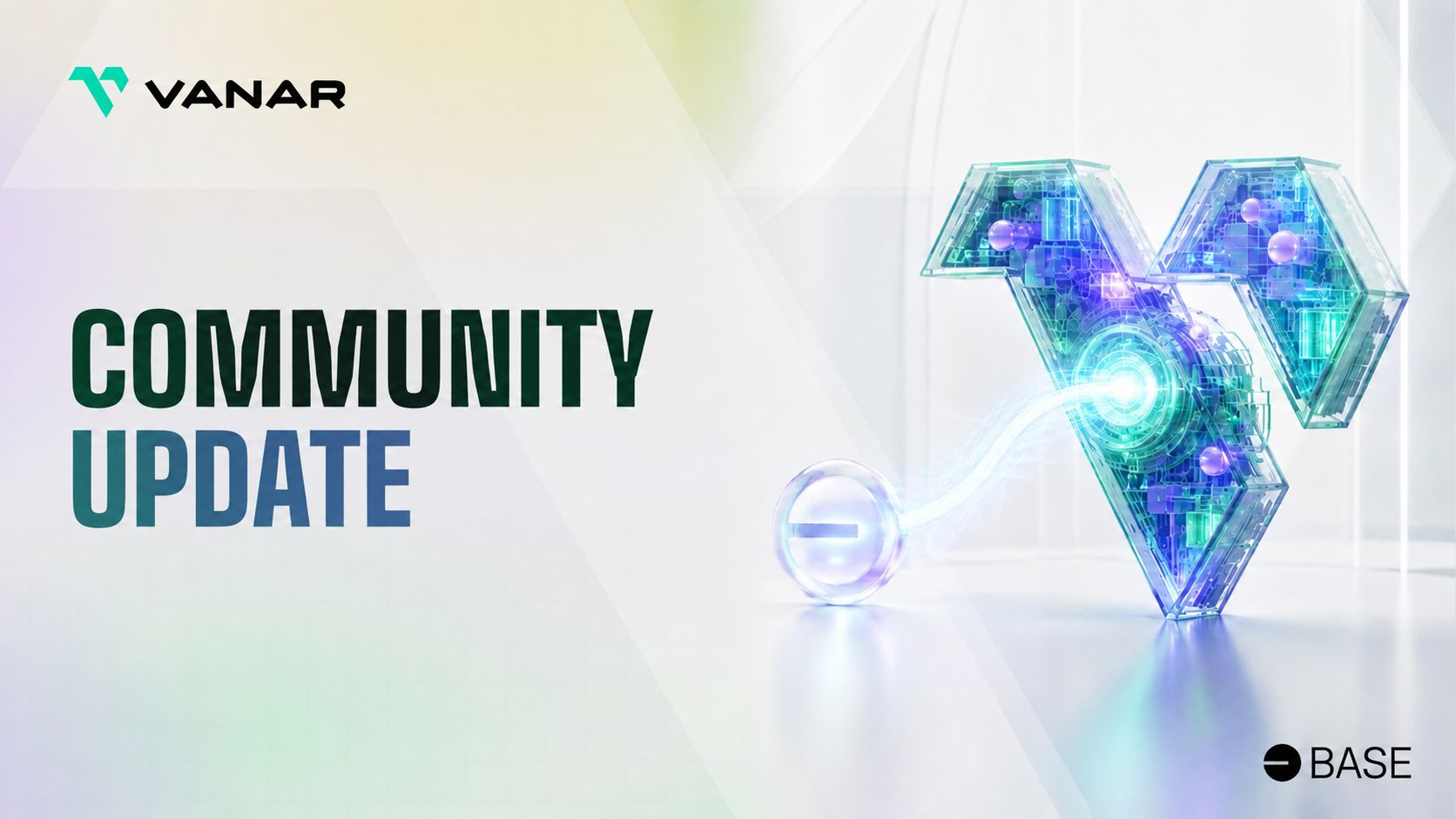
おそらくすでにご覧になっている通り、Binanceは自身のレビューサイクルの一環として、8月17日にVANRYを上場廃止します。これはBinanceの判断であり、私たちが築いてきたもの、そしてVanarがどこへ向かっているのかに対する判決ではありません。
私たちは過去1年間、この領域に必要だった基盤を作り上げてきました。そこに欠けていたのは、エージェントのアイデンティティ、メモリ、ガバナンス、そしてコマース(決済)の整備です。AIエージェンティックな組織は、機能するマーケットプレイスを備えた形でまもなく登場し、その舞台はBaseになります。
これらの構築は、どの取引所の上場判断と関係するためのものではなく、またそのことが今日の状況を変えることもありません。
次に起こることは以下の通りです:
私たち自身のBaseへの移行は、私たちの独自のタイムラインで進みます。移行に関する発表は公式チャネルで行います。今週、その詳細もお伝えします。
私たちは、大手の取引所が後ろ盾になる前に、このプロジェクトを構築してきました。同じやり方で、次のフェーズを作り上げています。
1つの取引所――たとえ大きな取引所であっても――が市場を定義するわけではありません。VANRYは主要な業界イベントを支え、グローバルなアクティベーションを後押しし、この領域のあらゆるサイクルを通じてともに歩んできました。私たちは、この領域が表している機会を信じてここにいます。これまで以上に今こそ、その思いは強くなっています。
取引所のレビュープロセスは、その取引所のビジョンやリスク許容度を教えてくれます。私たちのことは教えてくれませんよね :)
移行日が近づくにつれて、さらに詳しくお知らせします。
おそらくすでにご覧になっている通り、Binanceは自身のレビューサイクルの一環として、8月17日にVANRYを上場廃止します。これはBinanceの判断であり、私たちが築いてきたもの、そしてVanarがどこへ向かっているのかに対する判決ではありません。
私たちは過去1年間、この領域に必要だった基盤を作り上げてきました。そこに欠けていたのは、エージェントのアイデンティティ、メモリ、ガバナンス、そしてコマース(決済)の整備です。AIエージェンティックな組織は、機能するマーケットプレイスを備えた形でまもなく登場し、その舞台はBaseになります。
これらの構築は、どの取引所の上場判断と関係するためのものではなく、またそのことが今日の状況を変えることもありません。
次に起こることは以下の通りです:
私たち自身のBaseへの移行は、私たちの独自のタイムラインで進みます。移行に関する発表は公式チャネルで行います。今週、その詳細もお伝えします。
私たちは、大手の取引所が後ろ盾になる前に、このプロジェクトを構築してきました。同じやり方で、次のフェーズを作り上げています。
1つの取引所――たとえ大きな取引所であっても――が市場を定義するわけではありません。VANRYは主要な業界イベントを支え、グローバルなアクティベーションを後押しし、この領域のあらゆるサイクルを通じてともに歩んできました。私たちは、この領域が表している機会を信じてここにいます。これまで以上に今こそ、その思いは強くなっています。
取引所のレビュープロセスは、その取引所のビジョンやリスク許容度を教えてくれます。私たちのことは教えてくれませんよね :)
移行日が近づくにつれて、さらに詳しくお知らせします。
171
·
--
ブリッシュ
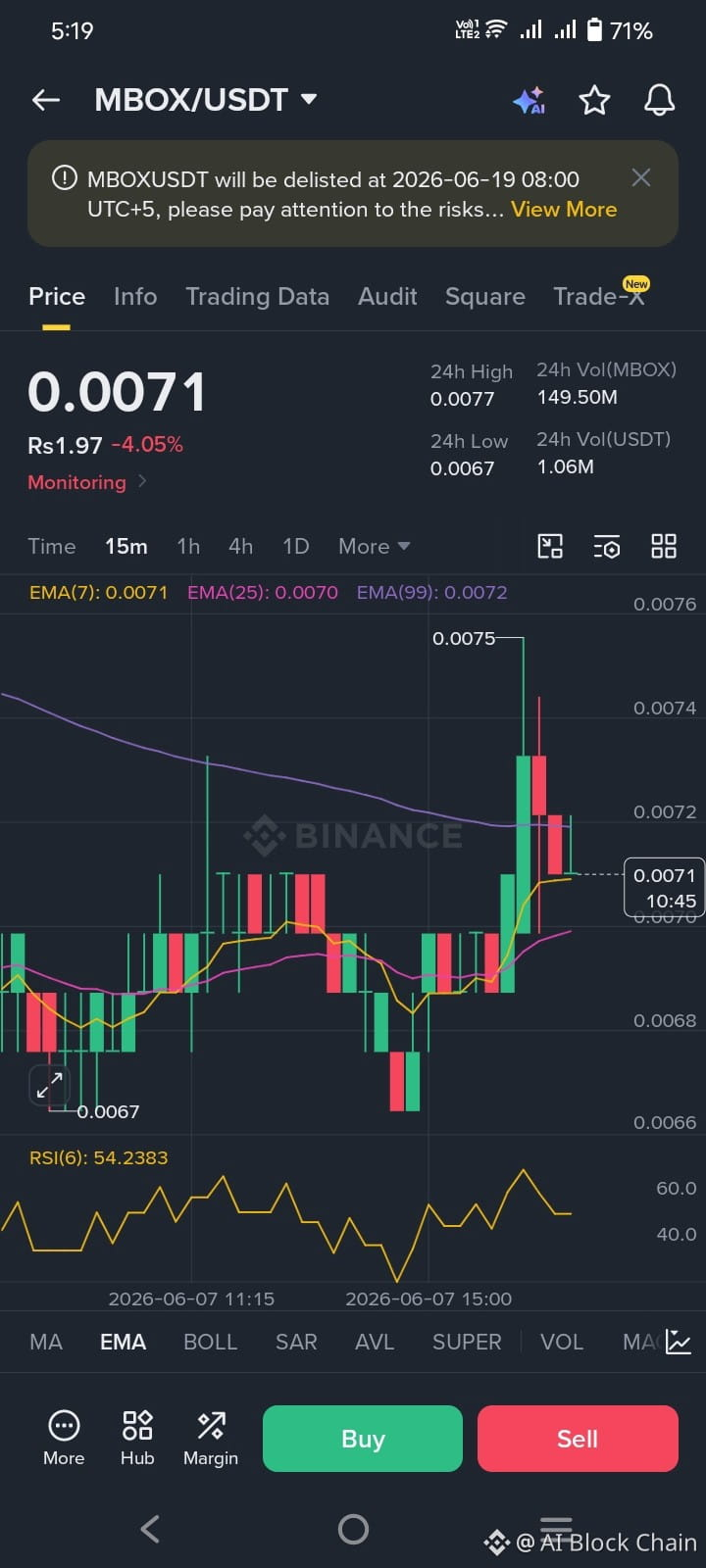
🚨 $MBOX デリスティングアラート – 6月19日! 🚨
EMA99(0.0072)を下回って取引中。RSI 54 – ニュートラル。価格が狭いレンジに閉じ込められている。デリスティングリスク = 高いボラティリティ。
ホールドは避けるべし。締切前にエグジットしよう。
{future}(MBOXUSDT)
#MBOX #DelistingAlert #BinanceSquare
🚨 $MBOX デリスティングアラート – 6月19日! 🚨
EMA99(0.0072)を下回って取引中。RSI 54 – ニュートラル。価格が狭いレンジに閉じ込められている。デリスティングリスク = 高いボラティリティ。
ホールドは避けるべし。締切前にエグジットしよう。
#MBOX #DelistingAlert #BinanceSquare
EMA99(0.0072)を下回って取引中。RSI 54 – ニュートラル。価格が狭いレンジに閉じ込められている。デリスティングリスク = 高いボラティリティ。
ホールドは避けるべし。締切前にエグジットしよう。
#MBOX #DelistingAlert #BinanceSquare
333

·
--
弱気相場
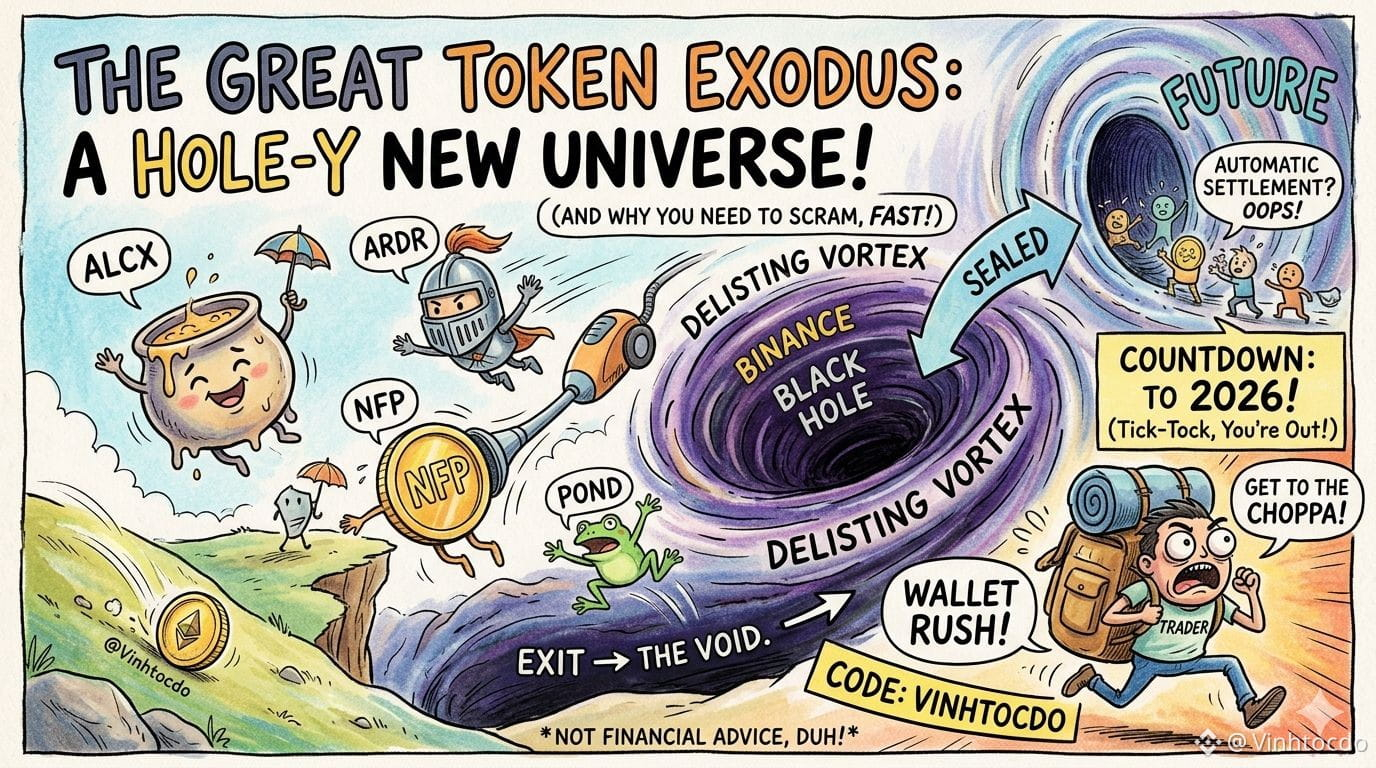
🚨 ALCX、ARDR、NFP、POND と本題に入ります!
#DelistingAlert スポットはベトナム時間の 2026年7月10日10時に正式に開始。将来は「もっと早く」:2026年7月2日16時に自動でポジションがクローズされます。
履歴が証明している:CZ が行っても、「ゴミをふるいにかける」トレンドは残る。これらの子たちの次の流れは、流動性を失って「突っ込んで飛んでいく(=大きく下落する)」です。
トレーダーは何をする? 09/09 までに資金を引き出して。口座が痕跡なく消える前に。脱出を素早くするために VINHTOCDO のコードを入力!
これは金融助言ではありません。
#NFP #Binance #VINHTOCDO #POND
$ARDR
{spot}(ARDRUSDT)
$ALCX
{spot}(ALCXUSDT)
$NFP
{future}(NFPUSDT)
🚨 ALCX、ARDR、NFP、POND と本題に入ります!
#DelistingAlert スポットはベトナム時間の 2026年7月10日10時に正式に開始。将来は「もっと早く」:2026年7月2日16時に自動でポジションがクローズされます。
履歴が証明している:CZ が行っても、「ゴミをふるいにかける」トレンドは残る。これらの子たちの次の流れは、流動性を失って「突っ込んで飛んでいく(=大きく下落する)」です。
トレーダーは何をする? 09/09 までに資金を引き出して。口座が痕跡なく消える前に。脱出を素早くするために VINHTOCDO のコードを入力!
これは金融助言ではありません。
#NFP #Binance #VINHTOCDO #POND
$ARDR
$ALCX
$NFP
#DelistingAlert スポットはベトナム時間の 2026年7月10日10時に正式に開始。将来は「もっと早く」:2026年7月2日16時に自動でポジションがクローズされます。
履歴が証明している:CZ が行っても、「ゴミをふるいにかける」トレンドは残る。これらの子たちの次の流れは、流動性を失って「突っ込んで飛んでいく(=大きく下落する)」です。
トレーダーは何をする? 09/09 までに資金を引き出して。口座が痕跡なく消える前に。脱出を素早くするために VINHTOCDO のコードを入力!
これは金融助言ではありません。
#NFP #Binance #VINHTOCDO #POND
$ARDR
$ALCX
$NFP
1
619

·
--
BINANCEのデリスティングショック: 4つのアルトコインが圧力下に
Binanceはマージン取引を$XNO #IQ 、$QUICK 、$DGB からデリストする動きに出ています。
⚠️ 借り入れはすでに停止
⚠️ マージンペアは6月12日に消滅予定
⚠️ オープンポジションは自動的にクローズされます
締切が近づくにつれて、市場のアクティビティが活発化しています。流動性が薄くなり、トレーダーが再ポジショニングを急ぐ中でボラティリティが上昇することが予想されます。
ここからは速く、そして予測不可能な展開になります。
#Altcoins #DelistingAlert
BINANCEのデリスティングショック: 4つのアルトコインが圧力下に
Binanceはマージン取引を$XNO #IQ 、$QUICK 、$DGB からデリストする動きに出ています。
⚠️ 借り入れはすでに停止
⚠️ マージンペアは6月12日に消滅予定
⚠️ オープンポジションは自動的にクローズされます
締切が近づくにつれて、市場のアクティビティが活発化しています。流動性が薄くなり、トレーダーが再ポジショニングを急ぐ中でボラティリティが上昇することが予想されます。
ここからは速く、そして予測不可能な展開になります。
#Altcoins #DelistingAlert
Binanceはマージン取引を$XNO #IQ 、$QUICK 、$DGB からデリストする動きに出ています。
⚠️ 借り入れはすでに停止
⚠️ マージンペアは6月12日に消滅予定
⚠️ オープンポジションは自動的にクローズされます
締切が近づくにつれて、市場のアクティビティが活発化しています。流動性が薄くなり、トレーダーが再ポジショニングを急ぐ中でボラティリティが上昇することが予想されます。
ここからは速く、そして予測不可能な展開になります。
#Altcoins #DelistingAlert
3
666
·
--
確認済み
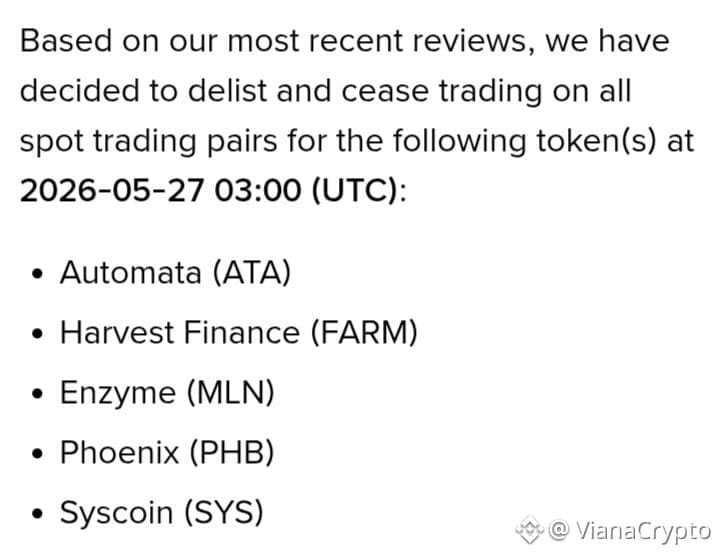
🚨 バイナンス上場廃止アラート 🚨
ATA、FARM、MLN、PHB & SYSのスポットペアが24時間以内に上場廃止されます(2026年5月27日)。⚠️📉
$ATA $PHB $FARM
{spot}(FARMUSDT)
{spot}(PHBUSDT)
{spot}(ATAUSDT)
#DelistingAlert #OndoFinanceFounderPassesAway #XRPLedgerUpgradeFixBugs
🚨 バイナンス上場廃止アラート 🚨
ATA、FARM、MLN、PHB & SYSのスポットペアが24時間以内に上場廃止されます(2026年5月27日)。⚠️📉
$ATA $PHB $FARM
#DelistingAlert #OndoFinanceFounderPassesAway #XRPLedgerUpgradeFixBugs
ATA、FARM、MLN、PHB & SYSのスポットペアが24時間以内に上場廃止されます(2026年5月27日)。⚠️📉
$ATA $PHB $FARM
#DelistingAlert #OndoFinanceFounderPassesAway #XRPLedgerUpgradeFixBugs
4
899

🚨 暗号資産アラート:$ACT や $POND などのプロジェクトが上場廃止に直面し、市場のボラティリティが急激に拡大!🚨
ACT、POND、そして他のいくつかのプロジェクトの上場廃止が近づいているという直近のニュースを受けて、市場では突然かつ強烈な値動きが起きています。これらのトークンは大きな投げ売り(ダンプ)を受けており、投資家の間にパニックの波が広がっています。
📉 なぜ市場が混乱しているのか?
パニック売り:上場廃止のニュースが出るとすぐに、クジラ(大口)も個人トレーダーもこぞって持ち高から離脱し、大規模な売りが発生します。
流動性の逼迫:取引所からの削除が怖くなることで、取引量が急に落ち込み、その結果、極端な価格変動につながります。
空売り勢の影響:ネガティブなセンチメントに乗じて多くのトレーダーがショートポジションを建て、価格をさらに下押しします。
🛡️ トレーダー向けの必須の安全対策
落ちてくるナイフを掴まない:上場廃止予定のコインで「ディップを買う」ことは避けてください。危険な罠になり得て、価格が0に向けて急落する可能性があります。
資金をすぐに確保:これらのトークンを保有している場合は、USDTに売却するか、取引所の最終期限の前に安全な分散型ウォレット(例:Trust Wallet または MetaMask)へ送金してください。
公式の期限を確認:デポジットや出金が詰まらないように、必ず取引所の公式発表ページにアクセスし、上場廃止の正確な日付と時刻を確認してください。#CryptoNews #DelistingAlert #ACT #POND #CryptoMarket #BinanceSquare #MarketUpdate #RiskManagement
🚨 暗号資産アラート:$ACT や $POND などのプロジェクトが上場廃止に直面し、市場のボラティリティが急激に拡大!🚨
ACT、POND、そして他のいくつかのプロジェクトの上場廃止が近づいているという直近のニュースを受けて、市場では突然かつ強烈な値動きが起きています。これらのトークンは大きな投げ売り(ダンプ)を受けており、投資家の間にパニックの波が広がっています。
📉 なぜ市場が混乱しているのか?
パニック売り:上場廃止のニュースが出るとすぐに、クジラ(大口)も個人トレーダーもこぞって持ち高から離脱し、大規模な売りが発生します。
流動性の逼迫:取引所からの削除が怖くなることで、取引量が急に落ち込み、その結果、極端な価格変動につながります。
空売り勢の影響:ネガティブなセンチメントに乗じて多くのトレーダーがショートポジションを建て、価格をさらに下押しします。
🛡️ トレーダー向けの必須の安全対策
落ちてくるナイフを掴まない:上場廃止予定のコインで「ディップを買う」ことは避けてください。危険な罠になり得て、価格が0に向けて急落する可能性があります。
資金をすぐに確保:これらのトークンを保有している場合は、USDTに売却するか、取引所の最終期限の前に安全な分散型ウォレット(例:Trust Wallet または MetaMask)へ送金してください。
公式の期限を確認:デポジットや出金が詰まらないように、必ず取引所の公式発表ページにアクセスし、上場廃止の正確な日付と時刻を確認してください。#CryptoNews #DelistingAlert #ACT #POND #CryptoMarket #BinanceSquare #MarketUpdate #RiskManagement
ACT、POND、そして他のいくつかのプロジェクトの上場廃止が近づいているという直近のニュースを受けて、市場では突然かつ強烈な値動きが起きています。これらのトークンは大きな投げ売り(ダンプ)を受けており、投資家の間にパニックの波が広がっています。
📉 なぜ市場が混乱しているのか?
パニック売り:上場廃止のニュースが出るとすぐに、クジラ(大口)も個人トレーダーもこぞって持ち高から離脱し、大規模な売りが発生します。
流動性の逼迫:取引所からの削除が怖くなることで、取引量が急に落ち込み、その結果、極端な価格変動につながります。
空売り勢の影響:ネガティブなセンチメントに乗じて多くのトレーダーがショートポジションを建て、価格をさらに下押しします。
🛡️ トレーダー向けの必須の安全対策
落ちてくるナイフを掴まない:上場廃止予定のコインで「ディップを買う」ことは避けてください。危険な罠になり得て、価格が0に向けて急落する可能性があります。
資金をすぐに確保:これらのトークンを保有している場合は、USDTに売却するか、取引所の最終期限の前に安全な分散型ウォレット(例:Trust Wallet または MetaMask)へ送金してください。
公式の期限を確認:デポジットや出金が詰まらないように、必ず取引所の公式発表ページにアクセスし、上場廃止の正確な日付と時刻を確認してください。#CryptoNews #DelistingAlert #ACT #POND #CryptoMarket #BinanceSquare #MarketUpdate #RiskManagement
161
·
--
ブリッシュ
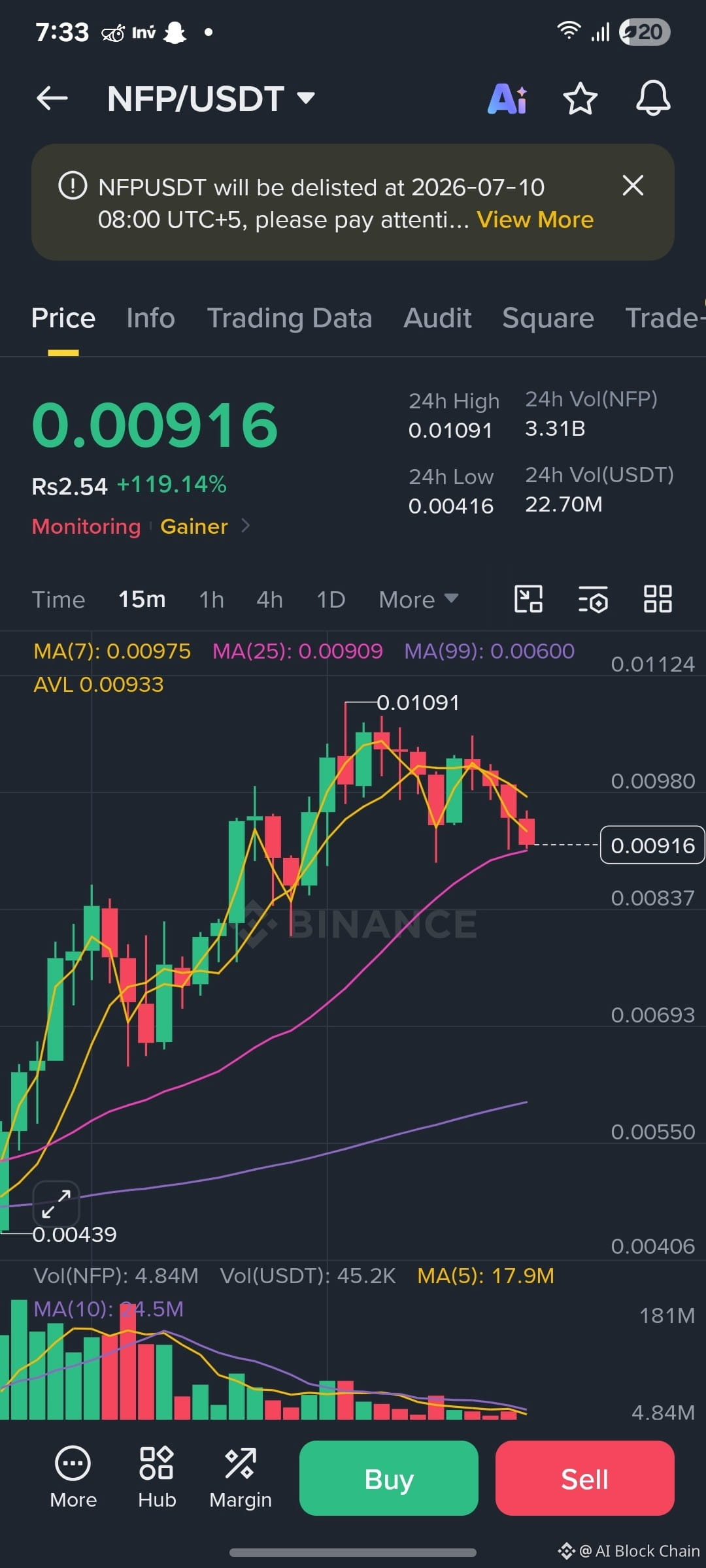
🚨 $NFP +119% – これはブレイクアウトではなく上場廃止(delisting)ポンプです。 🚨
価格は0.00916まで急騰 – MA7(0.00975)がそのすぐ上、MA25(0.00909)は維持、MA99(0.00600)はかなり下にあります。ですが肝心なのは――NFPUSDTが2026-07-10に上場廃止されることです。
私が見ていること:
· 定番のdelistingポンプ – 1日で119%。
· MA7は上にある – 短期的な跳ね返り(リジェクション)。
· 出来高が薄い – USDTは45.2Kのみ – 操作リスク。
現実:
音楽が止まる前の最後のダンスです。150%の急伸の後にローソク足を追いかけるのは危険。delistingによるスクイーズと本物のブレイクアウトを混同しないでください。
私の見解:
すでに入っているなら – 利確を。
まだ入っていないなら – 距離を置いてください。リスクはリターンに見合いません。
注意してください。これは本当のブレイクアウトではありません。
#NFPromt #DelistingAlert #BinanceSquare
$NFP
{future}(NFPUSDT)
{future}(ZBTUSDT)
投資助言ではありません。自己判断で。
🚨 $NFP +119% – これはブレイクアウトではなく上場廃止(delisting)ポンプです。 🚨
価格は0.00916まで急騰 – MA7(0.00975)がそのすぐ上、MA25(0.00909)は維持、MA99(0.00600)はかなり下にあります。ですが肝心なのは――NFPUSDTが2026-07-10に上場廃止されることです。
私が見ていること:
· 定番のdelistingポンプ – 1日で119%。
· MA7は上にある – 短期的な跳ね返り(リジェクション)。
· 出来高が薄い – USDTは45.2Kのみ – 操作リスク。
現実:
音楽が止まる前の最後のダンスです。150%の急伸の後にローソク足を追いかけるのは危険。delistingによるスクイーズと本物のブレイクアウトを混同しないでください。
私の見解:
すでに入っているなら – 利確を。
まだ入っていないなら – 距離を置いてください。リスクはリターンに見合いません。
注意してください。これは本当のブレイクアウトではありません。
#NFPromt #DelistingAlert #BinanceSquare
$NFP
投資助言ではありません。自己判断で。
価格は0.00916まで急騰 – MA7(0.00975)がそのすぐ上、MA25(0.00909)は維持、MA99(0.00600)はかなり下にあります。ですが肝心なのは――NFPUSDTが2026-07-10に上場廃止されることです。
私が見ていること:
· 定番のdelistingポンプ – 1日で119%。
· MA7は上にある – 短期的な跳ね返り(リジェクション)。
· 出来高が薄い – USDTは45.2Kのみ – 操作リスク。
現実:
音楽が止まる前の最後のダンスです。150%の急伸の後にローソク足を追いかけるのは危険。delistingによるスクイーズと本物のブレイクアウトを混同しないでください。
私の見解:
すでに入っているなら – 利確を。
まだ入っていないなら – 距離を置いてください。リスクはリターンに見合いません。
注意してください。これは本当のブレイクアウトではありません。
#NFPromt #DelistingAlert #BinanceSquare
$NFP
投資助言ではありません。自己判断で。
165

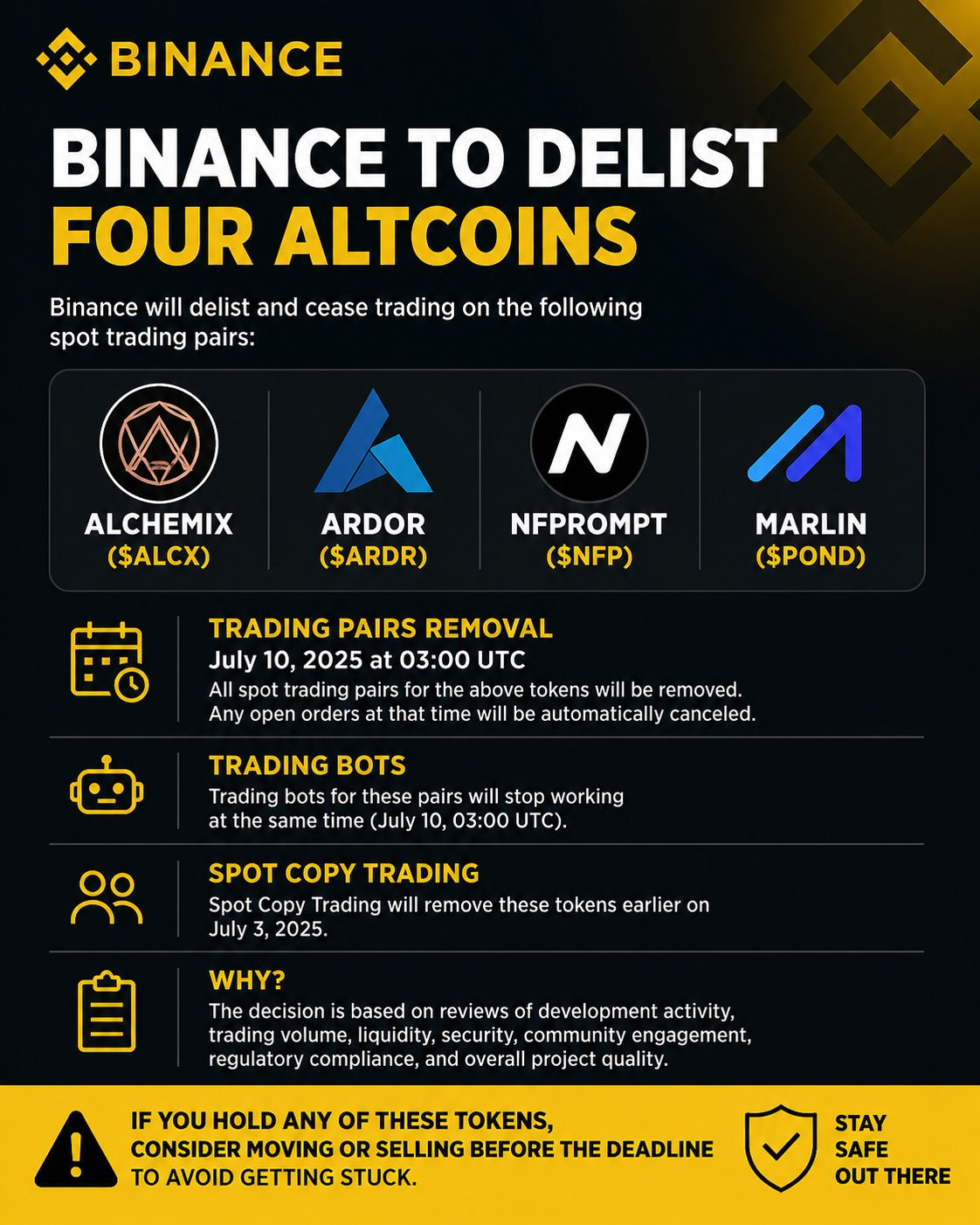
みなさんこんにちは。Binanceが大規模なクリーンアップを実施しているのを見ました。アルトコイン4銘柄を上場廃止します:Alchemix($ALCX)、Ardor($ARDR)、NFPrompt($NFP)、Marlin($POND)。
7月10日03:00(UTC)から、これらのトークンのすべてのスポット取引ペアが削除されます。その時点で残っている未処理の注文は、自動的にキャンセルされます。
Binanceは、開発活動、取引量、流動性、安全性、コミュニティの関与、規制対応、そしてプロジェクト全体の品質などを確認したうえでの決定だと述べています。
また、これらのペアの取引ボットも同じタイミングで停止します。Spot Copy Tradingは、7月3日よりさらに早い段階でこれらを除外します。
もしこれらのどれかを保有しているなら、期限までに移動または売却したほうがよさそうです。そうしないと足止めを食らう可能性があります。
安全にお過ごしください。
#DelistingAlert #USStocksFirstOutflowSinceMarch EtherFalls5.6%To$1555 MicronRevenueJumps346%To$41.5B
みなさんこんにちは。Binanceが大規模なクリーンアップを実施しているのを見ました。アルトコイン4銘柄を上場廃止します:Alchemix($ALCX)、Ardor($ARDR)、NFPrompt($NFP)、Marlin($POND)。
7月10日03:00(UTC)から、これらのトークンのすべてのスポット取引ペアが削除されます。その時点で残っている未処理の注文は、自動的にキャンセルされます。
Binanceは、開発活動、取引量、流動性、安全性、コミュニティの関与、規制対応、そしてプロジェクト全体の品質などを確認したうえでの決定だと述べています。
また、これらのペアの取引ボットも同じタイミングで停止します。Spot Copy Tradingは、7月3日よりさらに早い段階でこれらを除外します。
もしこれらのどれかを保有しているなら、期限までに移動または売却したほうがよさそうです。そうしないと足止めを食らう可能性があります。
安全にお過ごしください。
#DelistingAlert #USStocksFirstOutflowSinceMarch EtherFalls5.6%To$1555 MicronRevenueJumps346%To$41.5B
7月10日03:00(UTC)から、これらのトークンのすべてのスポット取引ペアが削除されます。その時点で残っている未処理の注文は、自動的にキャンセルされます。
Binanceは、開発活動、取引量、流動性、安全性、コミュニティの関与、規制対応、そしてプロジェクト全体の品質などを確認したうえでの決定だと述べています。
また、これらのペアの取引ボットも同じタイミングで停止します。Spot Copy Tradingは、7月3日よりさらに早い段階でこれらを除外します。
もしこれらのどれかを保有しているなら、期限までに移動または売却したほうがよさそうです。そうしないと足止めを食らう可能性があります。
安全にお過ごしください。
#DelistingAlert #USStocksFirstOutflowSinceMarch EtherFalls5.6%To$1555 MicronRevenueJumps346%To$41.5B
329
·
--
弱気相場
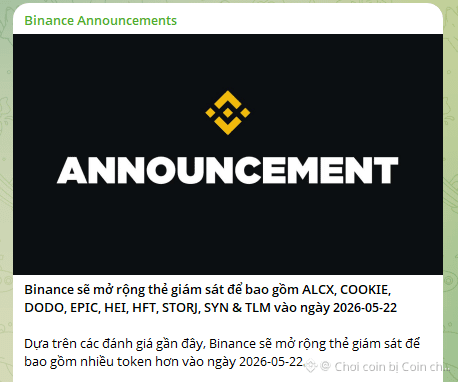
皆さん、これを少し注意してください。2021-2024年の低時価総額30M以下の古いコインは、徐々にモニタリングタグが付けられ、取引所からデリストされる可能性があります。バイナンスは徐々にクリーンアップしていますので、100や200で分割しているからといって飛び込んでホールドするのはやめましょう。2025年や2026年のコインを選んで、安心してトレードしましょう。読んでくれてありがとう $FIDA $NEAR
#monitoring #デリスティングアラート
皆さん、これを少し注意してください。2021-2024年の低時価総額30M以下の古いコインは、徐々にモニタリングタグが付けられ、取引所からデリストされる可能性があります。バイナンスは徐々にクリーンアップしていますので、100や200で分割しているからといって飛び込んでホールドするのはやめましょう。2025年や2026年のコインを選んで、安心してトレードしましょう。読んでくれてありがとう $FIDA $NEAR
#monitoring #デリスティングアラート
#monitoring #デリスティングアラート
5
4
7.2k
·
--
$BTC AND $ETH PAIRS GETTING DELISTED ON BINANCE JULY 3 🔥
バイナンスは、2026年7月3日03:00(UTC)より、9つのスポット取引ペアの取り扱いを終了すると発表しました。BTC/EURI、ETH/EURI、そしてCTK/BNBやZEN/BTCのような時価総額の小さい複数のペアが削除されます。
ただし、トークン自体は上場廃止されません。他のペアを通じて引き続き取引できます。しかし、これにより特定のルート上の流動性が失われ、スプレッドが縮む(または拡大する)ことがあり、さらに注文フローに変化が生じます。これらの市場で取引している方は、今のうちに建玉(未約定注文)を見直し、締切前に戦略を調整するタイミングです。
影響を受けるペアのポジションを保有していますか?
※投資助言ではありません。常にリスク管理を行ってください。
#BTC #ETH #DelistingAlert #CryptoNews #Binance
🔥
$BTC AND $ETH PAIRS GETTING DELISTED ON BINANCE JULY 3 🔥
バイナンスは、2026年7月3日03:00(UTC)より、9つのスポット取引ペアの取り扱いを終了すると発表しました。BTC/EURI、ETH/EURI、そしてCTK/BNBやZEN/BTCのような時価総額の小さい複数のペアが削除されます。
ただし、トークン自体は上場廃止されません。他のペアを通じて引き続き取引できます。しかし、これにより特定のルート上の流動性が失われ、スプレッドが縮む(または拡大する)ことがあり、さらに注文フローに変化が生じます。これらの市場で取引している方は、今のうちに建玉(未約定注文)を見直し、締切前に戦略を調整するタイミングです。
影響を受けるペアのポジションを保有していますか?
※投資助言ではありません。常にリスク管理を行ってください。
#BTC #ETH #DelistingAlert #CryptoNews #Binance
🔥
バイナンスは、2026年7月3日03:00(UTC)より、9つのスポット取引ペアの取り扱いを終了すると発表しました。BTC/EURI、ETH/EURI、そしてCTK/BNBやZEN/BTCのような時価総額の小さい複数のペアが削除されます。
ただし、トークン自体は上場廃止されません。他のペアを通じて引き続き取引できます。しかし、これにより特定のルート上の流動性が失われ、スプレッドが縮む(または拡大する)ことがあり、さらに注文フローに変化が生じます。これらの市場で取引している方は、今のうちに建玉(未約定注文)を見直し、締切前に戦略を調整するタイミングです。
影響を受けるペアのポジションを保有していますか?
※投資助言ではありません。常にリスク管理を行ってください。
#BTC #ETH #DelistingAlert #CryptoNews #Binance
🔥
1
178
ログインして、さらにコンテンツを読む
厳選トピックで世界の暗号資産トレーダーの仲間入り
⚡️ 暗号資産に関する最新かつ有益な情報が見つかります。
💬 世界最大の暗号資産取引所から信頼されています。
👍 認証を受けたクリエイターから、有益なインサイトを得られます。
メール / 電話番号
トレンドトピック
1
#CryptoLiquidations$674MIn24H
閲覧回数 1,807
43人が討論中
2
#TokenizedStockHoldersUp619.1%
閲覧回数 413
37人が討論中
3
#RevolutConfirmsFakeGovEmailDataBreach
閲覧回数 12,585
341人が討論中
4
#CanadaOSFISaysTokenizedDepositsEqualTraditionalDeposits
閲覧回数 906
41人が討論中
5
#USBankCompletesCrossBorderPaymentPilotOnStellar
閲覧回数 20,978
578人が討論中
6
#NvidiaInTalksToInvestUpTo$10BInAnthropicIPO
閲覧回数 1,669
55人が討論中
7
#EtherRalliesAsBearishBetsLiquidate
閲覧回数 33,828
742人が討論中
8
#EthereumHits$2600FirstTimeInSevenMonths
閲覧回数 3,778
82人が討論中
9
#OpticalCommsStocksRallyOver3%
閲覧回数 37,227
501人が討論中
10
#USInflationHoldsAt3.4%InAugust
閲覧回数 46,570
533人が討論中