
#defirisks
defirisks
閲覧回数 225,165
97人が討論中
注目
最新

·
--
翻訳参照
Dưới đây là bài viết được biên soạn lại theo đúng cấu trúc, phong cách case study cảnh báo rủi ro, và tuân thủ các quy tắc yêu cầu:
Picture this: an unsuspecting trader spots an arbitrage opportunity across automated market makers, only to realize their slippage tolerance and gas overrides walked straight into an engineered trap.
Most on-chain participants still treat interface prompts and odd protocol popups as minor technical hiccups rather than deliberate attack vectors. The pain of watching a wallet get drained because you bypassed standard safety guardrails or accepted unverified execution parameters is a mistake that rarely offers a second chance in decentralized finance.
In this breakdown, the trigger appears seemingly benign, prompting users to alter local environment settings and disable native browser translation tools before interacting. Behind the scenes, disabling client-side protections strips away automatic phishing heuristics, leaving $ETH holders blind to spoofed signature requests and obfuscated smart contract interactions. Attackers deliberately design these friction points to filter for compliant targets who will disable security extensions just to execute a transaction.
When liquidity pools on $SOL or cross-chain bridges show abnormal routing requirements, the instinct should always be to disconnect rather than troubleshoot the attacker's demands. Once you grant permissions without automated sanity checks, MEV bots and malicious drainers siphon assets within a single block confirmation. The technical overhead of verifying raw transaction payloads manually is simply not worth the asymmetric downside.
How many potential exploits could be avoided if traders prioritized security friction over transaction speed?
#CryptoSecurity #DeFiRisks #RiskManagement
Dưới đây là bài viết được biên soạn lại theo đúng cấu trúc, phong cách case study cảnh báo rủi ro, và tuân thủ các quy tắc yêu cầu:
Picture this: an unsuspecting trader spots an arbitrage opportunity across automated market makers, only to realize their slippage tolerance and gas overrides walked straight into an engineered trap.
Most on-chain participants still treat interface prompts and odd protocol popups as minor technical hiccups rather than deliberate attack vectors. The pain of watching a wallet get drained because you bypassed standard safety guardrails or accepted unverified execution parameters is a mistake that rarely offers a second chance in decentralized finance.
In this breakdown, the trigger appears seemingly benign, prompting users to alter local environment settings and disable native browser translation tools before interacting. Behind the scenes, disabling client-side protections strips away automatic phishing heuristics, leaving $ETH holders blind to spoofed signature requests and obfuscated smart contract interactions. Attackers deliberately design these friction points to filter for compliant targets who will disable security extensions just to execute a transaction.
When liquidity pools on $SOL or cross-chain bridges show abnormal routing requirements, the instinct should always be to disconnect rather than troubleshoot the attacker's demands. Once you grant permissions without automated sanity checks, MEV bots and malicious drainers siphon assets within a single block confirmation. The technical overhead of verifying raw transaction payloads manually is simply not worth the asymmetric downside.
How many potential exploits could be avoided if traders prioritized security friction over transaction speed?
#CryptoSecurity #DeFiRisks #RiskManagement
Picture this: an unsuspecting trader spots an arbitrage opportunity across automated market makers, only to realize their slippage tolerance and gas overrides walked straight into an engineered trap.
Most on-chain participants still treat interface prompts and odd protocol popups as minor technical hiccups rather than deliberate attack vectors. The pain of watching a wallet get drained because you bypassed standard safety guardrails or accepted unverified execution parameters is a mistake that rarely offers a second chance in decentralized finance.
In this breakdown, the trigger appears seemingly benign, prompting users to alter local environment settings and disable native browser translation tools before interacting. Behind the scenes, disabling client-side protections strips away automatic phishing heuristics, leaving $ETH holders blind to spoofed signature requests and obfuscated smart contract interactions. Attackers deliberately design these friction points to filter for compliant targets who will disable security extensions just to execute a transaction.
When liquidity pools on $SOL or cross-chain bridges show abnormal routing requirements, the instinct should always be to disconnect rather than troubleshoot the attacker's demands. Once you grant permissions without automated sanity checks, MEV bots and malicious drainers siphon assets within a single block confirmation. The technical overhead of verifying raw transaction payloads manually is simply not worth the asymmetric downside.
How many potential exploits could be avoided if traders prioritized security friction over transaction speed?
#CryptoSecurity #DeFiRisks #RiskManagement
151

·
--
中国語版:
パオロ・アルドイーノは「6.5億人が米国債を“分散化”した」と大げさに宣言しているが、それでもテザーはこれらのTビル(T-bills)をしっかり支配している。名目上は分散化、実態は集中管理——このようなモデルは市場の疑念を呼んでいる。$USDTの安定性は試されるかもしれない。投資家は潜在的なリスクに注意しよう。#DeFi风险 #稳定币风险 $USDT $BTC
英語版:
パオロ・アルドイーノは、650M人が米国債を“分散化”したと自慢しているが、それでもテザーはそれらのTビルを支配している。名ばかりの分散化、現実は集中——この矛盾が懸念を引き起こしている。$USDTの安定性は試練に直面するかもしれない。投資家は用心しよう! #DeFiRisks #Stablecoin $USDT $BTC
中国語版:
パオロ・アルドイーノは「6.5億人が米国債を“分散化”した」と大げさに宣言しているが、それでもテザーはこれらのTビル(T-bills)をしっかり支配している。名目上は分散化、実態は集中管理——このようなモデルは市場の疑念を呼んでいる。$USDTの安定性は試されるかもしれない。投資家は潜在的なリスクに注意しよう。#DeFi风险 #稳定币风险 $USDT $BTC
英語版:
パオロ・アルドイーノは、650M人が米国債を“分散化”したと自慢しているが、それでもテザーはそれらのTビルを支配している。名ばかりの分散化、現実は集中——この矛盾が懸念を引き起こしている。$USDTの安定性は試練に直面するかもしれない。投資家は用心しよう! #DeFiRisks #Stablecoin $USDT $BTC
パオロ・アルドイーノは「6.5億人が米国債を“分散化”した」と大げさに宣言しているが、それでもテザーはこれらのTビル(T-bills)をしっかり支配している。名目上は分散化、実態は集中管理——このようなモデルは市場の疑念を呼んでいる。$USDTの安定性は試されるかもしれない。投資家は潜在的なリスクに注意しよう。#DeFi风险 #稳定币风险 $USDT $BTC
英語版:
パオロ・アルドイーノは、650M人が米国債を“分散化”したと自慢しているが、それでもテザーはそれらのTビルを支配している。名ばかりの分散化、現実は集中——この矛盾が懸念を引き起こしている。$USDTの安定性は試練に直面するかもしれない。投資家は用心しよう! #DeFiRisks #Stablecoin $USDT $BTC
105

📚 必ず知っておくべき利回り(イールドファーミング)のリスク:魅力的なAPYの先へ
2026年7月16日現在、イールドファーミングは、ユーザーがトークンを貸し出したりステーキングしたりして報酬を得る人気のDeFi活動です。宣伝されているAPYが魅力的でも、いくつかのリスクがすぐにリターンを目減りさせる可能性があります。
最大の危険はスマートコントラクトのリスクです――バグやエクスプロイトによってプロトコル全体の資金が流出することがあります。監査済みのプロトコルでも、複雑な攻撃に対して脆弱になり得ることを、オスティウム(Ostium)の件は最近の注意喚起として示しています。
その他のリスクには、インパーマネント・ロス(損失)、トークン価格の下落(報酬トークンの価値が失われる可能性)、流動性リスク(市場がストレスにさらされた際に資金を引き出せないかもしれないこと)があります。常にプロトコルを分散し、失っても構わない範囲以上は決して投資しないでください。
📌 要点:
イールドファーミングは魅力的な収益を提供しますが、スマートコントラクトの不具合、インパーマネント・ロス、トークンの目減り、流動性の逼迫といった重大なリスクも伴います。分散し、預け入れる前にプロトコルを理解しましょう。
#YieldFarming #DeFiRisks
#BinanceAlphaAlert
📚 必ず知っておくべき利回り(イールドファーミング)のリスク:魅力的なAPYの先へ
2026年7月16日現在、イールドファーミングは、ユーザーがトークンを貸し出したりステーキングしたりして報酬を得る人気のDeFi活動です。宣伝されているAPYが魅力的でも、いくつかのリスクがすぐにリターンを目減りさせる可能性があります。
最大の危険はスマートコントラクトのリスクです――バグやエクスプロイトによってプロトコル全体の資金が流出することがあります。監査済みのプロトコルでも、複雑な攻撃に対して脆弱になり得ることを、オスティウム(Ostium)の件は最近の注意喚起として示しています。
その他のリスクには、インパーマネント・ロス(損失)、トークン価格の下落(報酬トークンの価値が失われる可能性)、流動性リスク(市場がストレスにさらされた際に資金を引き出せないかもしれないこと)があります。常にプロトコルを分散し、失っても構わない範囲以上は決して投資しないでください。
📌 要点:
イールドファーミングは魅力的な収益を提供しますが、スマートコントラクトの不具合、インパーマネント・ロス、トークンの目減り、流動性の逼迫といった重大なリスクも伴います。分散し、預け入れる前にプロトコルを理解しましょう。
#YieldFarming #DeFiRisks
#BinanceAlphaAlert
2026年7月16日現在、イールドファーミングは、ユーザーがトークンを貸し出したりステーキングしたりして報酬を得る人気のDeFi活動です。宣伝されているAPYが魅力的でも、いくつかのリスクがすぐにリターンを目減りさせる可能性があります。
最大の危険はスマートコントラクトのリスクです――バグやエクスプロイトによってプロトコル全体の資金が流出することがあります。監査済みのプロトコルでも、複雑な攻撃に対して脆弱になり得ることを、オスティウム(Ostium)の件は最近の注意喚起として示しています。
その他のリスクには、インパーマネント・ロス(損失)、トークン価格の下落(報酬トークンの価値が失われる可能性)、流動性リスク(市場がストレスにさらされた際に資金を引き出せないかもしれないこと)があります。常にプロトコルを分散し、失っても構わない範囲以上は決して投資しないでください。
📌 要点:
イールドファーミングは魅力的な収益を提供しますが、スマートコントラクトの不具合、インパーマネント・ロス、トークンの目減り、流動性の逼迫といった重大なリスクも伴います。分散し、預け入れる前にプロトコルを理解しましょう。
#YieldFarming #DeFiRisks
#BinanceAlphaAlert
23

·
--
BOOM
分散型取引所(DEX)に流動性を提供すれば、簡単なパッシブ収入を得られる方法だとよく言われます。しかし厳しい現実として、それには「インパーマネントロス(仮損失)」という見えにくいコストが伴う場合があります。このリスクが多くのDeFi投資家を打ちのめしています #DeFiRisks #TradingExploits #LiquidityLoss
DeFiで最も誤解されがちなリスクが、インパーマネントロスです。これは、流動性を引き出したときに、単にトークンを保有していた場合よりも資産が減っていることがある現象で、多くの場合、市場価格の変化が原因です。
これは市場全体にまで影響を及ぼし、投資家はDeFiに流動性を提供することの本当の価値を疑うようになります #DecentralizedLiquidity.
流動性の提供はリスクのないゲームだと思い込んで、痛い目を見ないでください。時代の流れを見据えて、DeFi市場に入る前に隠れたコストを学びましょう。流動性リスクを自分でコントロールする準備はできていますか?
BOOM
分散型取引所(DEX)に流動性を提供すれば、簡単なパッシブ収入を得られる方法だとよく言われます。しかし厳しい現実として、それには「インパーマネントロス(仮損失)」という見えにくいコストが伴う場合があります。このリスクが多くのDeFi投資家を打ちのめしています #DeFiRisks #TradingExploits #LiquidityLoss
DeFiで最も誤解されがちなリスクが、インパーマネントロスです。これは、流動性を引き出したときに、単にトークンを保有していた場合よりも資産が減っていることがある現象で、多くの場合、市場価格の変化が原因です。
これは市場全体にまで影響を及ぼし、投資家はDeFiに流動性を提供することの本当の価値を疑うようになります #DecentralizedLiquidity.
流動性の提供はリスクのないゲームだと思い込んで、痛い目を見ないでください。時代の流れを見据えて、DeFi市場に入る前に隠れたコストを学びましょう。流動性リスクを自分でコントロールする準備はできていますか?
分散型取引所(DEX)に流動性を提供すれば、簡単なパッシブ収入を得られる方法だとよく言われます。しかし厳しい現実として、それには「インパーマネントロス(仮損失)」という見えにくいコストが伴う場合があります。このリスクが多くのDeFi投資家を打ちのめしています #DeFiRisks #TradingExploits #LiquidityLoss
DeFiで最も誤解されがちなリスクが、インパーマネントロスです。これは、流動性を引き出したときに、単にトークンを保有していた場合よりも資産が減っていることがある現象で、多くの場合、市場価格の変化が原因です。
これは市場全体にまで影響を及ぼし、投資家はDeFiに流動性を提供することの本当の価値を疑うようになります #DecentralizedLiquidity.
流動性の提供はリスクのないゲームだと思い込んで、痛い目を見ないでください。時代の流れを見据えて、DeFi市場に入る前に隠れたコストを学びましょう。流動性リスクを自分でコントロールする準備はできていますか?
3

·
--
ハッカーはそのHトークンを手に入れた後、時間を無駄にしなかった。彼らはその全量を$ETH にダンプし、他の主要資産にも流し込んだことで、市場に brutal cascade(ブチ切れの cascading effect)が発生した。
トークン価格は絶対的に崩壊し、約$0.73からわずか数時間で$0.05-$0.07まで滑り落ちた。これはリアルタイムで約90%のワイプアウトだ。
このようなことは、大口売りが入ると小型トークンの流動性がどれだけ薄くなるかを示している。$SOL $BTC $ETH
#CryptoHack #TokenDump #DeFiRisks #HToken
ハッカーはそのHトークンを手に入れた後、時間を無駄にしなかった。彼らはその全量を$ETH にダンプし、他の主要資産にも流し込んだことで、市場に brutal cascade(ブチ切れの cascading effect)が発生した。
トークン価格は絶対的に崩壊し、約$0.73からわずか数時間で$0.05-$0.07まで滑り落ちた。これはリアルタイムで約90%のワイプアウトだ。
このようなことは、大口売りが入ると小型トークンの流動性がどれだけ薄くなるかを示している。$SOL $BTC $ETH
#CryptoHack #TokenDump #DeFiRisks #HToken
トークン価格は絶対的に崩壊し、約$0.73からわずか数時間で$0.05-$0.07まで滑り落ちた。これはリアルタイムで約90%のワイプアウトだ。
このようなことは、大口売りが入ると小型トークンの流動性がどれだけ薄くなるかを示している。$SOL $BTC $ETH
#CryptoHack #TokenDump #DeFiRisks #HToken
61

·
--
みなさん、今日は「APYミラージュ(幻想)」について話しましょう。最近こんな新しいプロジェクトが増えてきています。派手なウェブサイト、ある新しいトークンで「信じられない500%」「1000%」のAPYを約束するもの。受動的な収入だとか、「セットして放置すれば」資産が増えるだとか言われます。あなたは一生懸命稼いだお金を入れて、あの大きな日次の利益を夢見る。でも実際に何が起きるのでしょうか?早い段階で参加者が報酬を投げ売りしてトークンの価値が急落するか、あるいは開発チームがまるごと資金を持って逃げる(いわゆる“ラグプル”)かのどちらかです。結果として、かなり深刻なインパーマネントロス(変動損失)、ほとんど価値のないトークンだらけのウォレット、そして自分でもよく分かるあの嫌な落ち込みが残ります。見分けるには?APYが宝くじに当たったみたいに見えて、プロジェクトが新しすぎる/監査されていない/チームが匿名なら、アラームが鳴りっぱなしであるべきです。大事な資産を守りましょう。APYが良すぎる話は、罠です。
#YieldFarming #CryptoScams #APYMirage #DeFiRisks #ProtectYourBag
みなさん、今日は「APYミラージュ(幻想)」について話しましょう。最近こんな新しいプロジェクトが増えてきています。派手なウェブサイト、ある新しいトークンで「信じられない500%」「1000%」のAPYを約束するもの。受動的な収入だとか、「セットして放置すれば」資産が増えるだとか言われます。あなたは一生懸命稼いだお金を入れて、あの大きな日次の利益を夢見る。でも実際に何が起きるのでしょうか?早い段階で参加者が報酬を投げ売りしてトークンの価値が急落するか、あるいは開発チームがまるごと資金を持って逃げる(いわゆる“ラグプル”)かのどちらかです。結果として、かなり深刻なインパーマネントロス(変動損失)、ほとんど価値のないトークンだらけのウォレット、そして自分でもよく分かるあの嫌な落ち込みが残ります。見分けるには?APYが宝くじに当たったみたいに見えて、プロジェクトが新しすぎる/監査されていない/チームが匿名なら、アラームが鳴りっぱなしであるべきです。大事な資産を守りましょう。APYが良すぎる話は、罠です。
#YieldFarming #CryptoScams #APYMirage #DeFiRisks #ProtectYourBag
#YieldFarming #CryptoScams #APYMirage #DeFiRisks #ProtectYourBag
19
·
--
"私はチャーティストではありませんが、『GENIUS』の計画が見えていることは分かります #WiseReapply #DeFiRisks"
さて、OCCはAML/CFTの懸念を理由に、USチャーター申請を却下してWiseを“裏切った”ところです。ただし、昨年の間に他のデジタル資産企業には同様のチャーターをグリーンライトで認めていました #RegulatoryGames.
ひとまず、Wiseは“いったん銀行口座を剥奪された”と言えるかもしれませんが、新しいGENIUSシステムの下で申請を再提出する予定です。2度目のチャンスを得られるのでしょうか、それとも最初から作り直す必要があるのでしょうか?
コミュニティの皆さんは、今回そのチャーターを承認してもらうためにWiseにどんな変更が必要だと思いますか?下のコメント欄でご意見をお聞かせください!"
"私はチャーティストではありませんが、『GENIUS』の計画が見えていることは分かります #WiseReapply #DeFiRisks"
さて、OCCはAML/CFTの懸念を理由に、USチャーター申請を却下してWiseを“裏切った”ところです。ただし、昨年の間に他のデジタル資産企業には同様のチャーターをグリーンライトで認めていました #RegulatoryGames.
ひとまず、Wiseは“いったん銀行口座を剥奪された”と言えるかもしれませんが、新しいGENIUSシステムの下で申請を再提出する予定です。2度目のチャンスを得られるのでしょうか、それとも最初から作り直す必要があるのでしょうか?
コミュニティの皆さんは、今回そのチャーターを承認してもらうためにWiseにどんな変更が必要だと思いますか?下のコメント欄でご意見をお聞かせください!"
さて、OCCはAML/CFTの懸念を理由に、USチャーター申請を却下してWiseを“裏切った”ところです。ただし、昨年の間に他のデジタル資産企業には同様のチャーターをグリーンライトで認めていました #RegulatoryGames.
ひとまず、Wiseは“いったん銀行口座を剥奪された”と言えるかもしれませんが、新しいGENIUSシステムの下で申請を再提出する予定です。2度目のチャンスを得られるのでしょうか、それとも最初から作り直す必要があるのでしょうか?
コミュニティの皆さんは、今回そのチャーターを承認してもらうためにWiseにどんな変更が必要だと思いますか?下のコメント欄でご意見をお聞かせください!"
39

🔥 KELP DAOの報酬バグ: 再ステーキングのための重要なストレステスト
⚡ Kelp DAOに対する「攻撃」とされる最近のヘッドラインはかなりの懸念を引き起こしました。🚨 しかし、詳しく見てみると、重要な内部問題が浮かび上がります: rsETH報酬計算の不一致であり、外部からの悪意ある攻撃ではありません。Kelp DAOは迅速にバグを認識し、EigenLayerポイントと再ステーキング報酬に影響を与えました。
🧠 この事件はハッキングではありませんが、非常に重要です。流動的再ステーキングプロトコルに内在する巨大な複雑さを浮き彫りにし、特に多層報酬と変動するEigenLayerポイントの正確な分配のメカニズムがいかに複雑であるかを示しています。⚙️ このようなシステムにおける精度は極めて重要です。
📊 急成長中の流動的再ステーキングトークン(LRT)セクターにとって、これは強力なストレステストとして機能します。ユーザーの信頼を直接的に挑戦し、特に substantial TVL を管理するプロトコルに対して厳格な監査と堅牢な内部テストの絶対的な必要性を強調します。🔍
⚖️ 我々の見解: 不幸な出来事ではありますが、この修正プロセスは重要です。それはエコシステムが複雑さの現実的なリスクに向き合わせ、透明性の向上とリスク管理フレームワークの改善を促進します。信頼を築くには、レジリエンスを示し、エラーを効果的に修正する必要があります。🛡️
🧩 より広い意味合いは明白です: このような事件は、発展途上のDeFiプライミティブに対する機関の食欲を抑制し、すべてのEigenLayerベースのプロジェクトにおけるデュー・ディリジェンスの再評価を促す可能性があります。正確さをスピードの上に優先させることが必要です。
🔥 結局のところ、これはKelp DAOだけの問題ではなく、流動的再ステーキングの物語全体にとって重要な瞬間です。エコシステムは、将来のより深刻な計算的失敗を防ぐために、十分に早く成長できるのでしょうか? 🤔
#LiquidRestaking #KelpDAO #DeFiRisks #EigenLayer #CryptoAnalysis
🔥 KELP DAOの報酬バグ: 再ステーキングのための重要なストレステスト
⚡ Kelp DAOに対する「攻撃」とされる最近のヘッドラインはかなりの懸念を引き起こしました。🚨 しかし、詳しく見てみると、重要な内部問題が浮かび上がります: rsETH報酬計算の不一致であり、外部からの悪意ある攻撃ではありません。Kelp DAOは迅速にバグを認識し、EigenLayerポイントと再ステーキング報酬に影響を与えました。
🧠 この事件はハッキングではありませんが、非常に重要です。流動的再ステーキングプロトコルに内在する巨大な複雑さを浮き彫りにし、特に多層報酬と変動するEigenLayerポイントの正確な分配のメカニズムがいかに複雑であるかを示しています。⚙️ このようなシステムにおける精度は極めて重要です。
📊 急成長中の流動的再ステーキングトークン(LRT)セクターにとって、これは強力なストレステストとして機能します。ユーザーの信頼を直接的に挑戦し、特に substantial TVL を管理するプロトコルに対して厳格な監査と堅牢な内部テストの絶対的な必要性を強調します。🔍
⚖️ 我々の見解: 不幸な出来事ではありますが、この修正プロセスは重要です。それはエコシステムが複雑さの現実的なリスクに向き合わせ、透明性の向上とリスク管理フレームワークの改善を促進します。信頼を築くには、レジリエンスを示し、エラーを効果的に修正する必要があります。🛡️
🧩 より広い意味合いは明白です: このような事件は、発展途上のDeFiプライミティブに対する機関の食欲を抑制し、すべてのEigenLayerベースのプロジェクトにおけるデュー・ディリジェンスの再評価を促す可能性があります。正確さをスピードの上に優先させることが必要です。
🔥 結局のところ、これはKelp DAOだけの問題ではなく、流動的再ステーキングの物語全体にとって重要な瞬間です。エコシステムは、将来のより深刻な計算的失敗を防ぐために、十分に早く成長できるのでしょうか? 🤔
#LiquidRestaking #KelpDAO #DeFiRisks #EigenLayer #CryptoAnalysis
⚡ Kelp DAOに対する「攻撃」とされる最近のヘッドラインはかなりの懸念を引き起こしました。🚨 しかし、詳しく見てみると、重要な内部問題が浮かび上がります: rsETH報酬計算の不一致であり、外部からの悪意ある攻撃ではありません。Kelp DAOは迅速にバグを認識し、EigenLayerポイントと再ステーキング報酬に影響を与えました。
🧠 この事件はハッキングではありませんが、非常に重要です。流動的再ステーキングプロトコルに内在する巨大な複雑さを浮き彫りにし、特に多層報酬と変動するEigenLayerポイントの正確な分配のメカニズムがいかに複雑であるかを示しています。⚙️ このようなシステムにおける精度は極めて重要です。
📊 急成長中の流動的再ステーキングトークン(LRT)セクターにとって、これは強力なストレステストとして機能します。ユーザーの信頼を直接的に挑戦し、特に substantial TVL を管理するプロトコルに対して厳格な監査と堅牢な内部テストの絶対的な必要性を強調します。🔍
⚖️ 我々の見解: 不幸な出来事ではありますが、この修正プロセスは重要です。それはエコシステムが複雑さの現実的なリスクに向き合わせ、透明性の向上とリスク管理フレームワークの改善を促進します。信頼を築くには、レジリエンスを示し、エラーを効果的に修正する必要があります。🛡️
🧩 より広い意味合いは明白です: このような事件は、発展途上のDeFiプライミティブに対する機関の食欲を抑制し、すべてのEigenLayerベースのプロジェクトにおけるデュー・ディリジェンスの再評価を促す可能性があります。正確さをスピードの上に優先させることが必要です。
🔥 結局のところ、これはKelp DAOだけの問題ではなく、流動的再ステーキングの物語全体にとって重要な瞬間です。エコシステムは、将来のより深刻な計算的失敗を防ぐために、十分に早く成長できるのでしょうか? 🤔
#LiquidRestaking #KelpDAO #DeFiRisks #EigenLayer #CryptoAnalysis
10
30
178

·
--
ブリッシュ
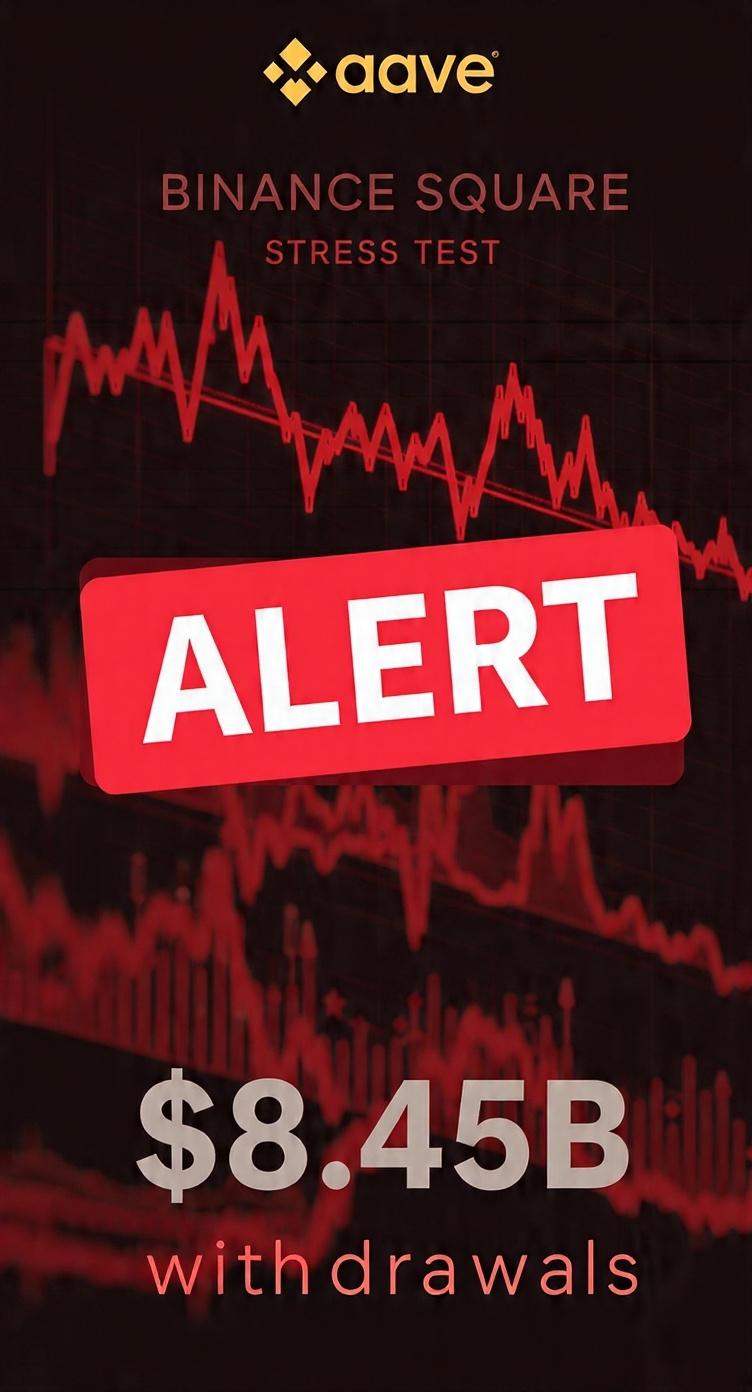
⚠️ $8.45Bが$AAVE から引き出されました。KelpDAOのrsETHのエクスプロイト後
DeFiのストレステストが発生しました:
**何が起こったか:**
🔸 KelpDAOのrsETHブリッジエクスプロイトがパニックを引き起こしました
🔹 ユーザーは$AAVE から約$8.45ビリオンを引き出しました
🔸 $AAVE は全て処理しましたが、流動性は維持されました
**私の見解:** これは2026年のDeFiに関する2つのことを証明します:
1. **リスクはリアル** - 1つのブリッジエクスプロイトで、数十億が瞬時に移動します。DeFiの感染拡大は早いです
2. **Aaveはテストをクリア** - $8.45Bの流出があり、プロトコルは健全性を保ちました。これは機関投資家レベルのレジリエンスです
**教訓:** "あなたのキーがなければ、あなたのコインもない"はDeFiにも適用されます。
利回りを追い求める前にスマートコントラクトのリスクを確認してください。
**投資アドバイスではありません** - DeFiがブラックスワンイベントをどのように処理するかを観察しているだけです
{spot}(AAVEUSDT)
コメント欄で、DeFiをもっと信頼していますか、それとも信頼していませんか?
#AAVE #defi #KelpDAO #rsETH #CryptoSecurity #DeFiRisks #BinanceSquare
⚠️ $8.45Bが$AAVE から引き出されました。KelpDAOのrsETHのエクスプロイト後
DeFiのストレステストが発生しました:
**何が起こったか:**
🔸 KelpDAOのrsETHブリッジエクスプロイトがパニックを引き起こしました
🔹 ユーザーは$AAVE から約$8.45ビリオンを引き出しました
🔸 $AAVE は全て処理しましたが、流動性は維持されました
**私の見解:** これは2026年のDeFiに関する2つのことを証明します:
1. **リスクはリアル** - 1つのブリッジエクスプロイトで、数十億が瞬時に移動します。DeFiの感染拡大は早いです
2. **Aaveはテストをクリア** - $8.45Bの流出があり、プロトコルは健全性を保ちました。これは機関投資家レベルのレジリエンスです
**教訓:** "あなたのキーがなければ、あなたのコインもない"はDeFiにも適用されます。
利回りを追い求める前にスマートコントラクトのリスクを確認してください。
**投資アドバイスではありません** - DeFiがブラックスワンイベントをどのように処理するかを観察しているだけです
コメント欄で、DeFiをもっと信頼していますか、それとも信頼していませんか?
#AAVE #defi #KelpDAO #rsETH #CryptoSecurity #DeFiRisks #BinanceSquare
DeFiのストレステストが発生しました:
**何が起こったか:**
🔸 KelpDAOのrsETHブリッジエクスプロイトがパニックを引き起こしました
🔹 ユーザーは$AAVE から約$8.45ビリオンを引き出しました
🔸 $AAVE は全て処理しましたが、流動性は維持されました
**私の見解:** これは2026年のDeFiに関する2つのことを証明します:
1. **リスクはリアル** - 1つのブリッジエクスプロイトで、数十億が瞬時に移動します。DeFiの感染拡大は早いです
2. **Aaveはテストをクリア** - $8.45Bの流出があり、プロトコルは健全性を保ちました。これは機関投資家レベルのレジリエンスです
**教訓:** "あなたのキーがなければ、あなたのコインもない"はDeFiにも適用されます。
利回りを追い求める前にスマートコントラクトのリスクを確認してください。
**投資アドバイスではありません** - DeFiがブラックスワンイベントをどのように処理するかを観察しているだけです
コメント欄で、DeFiをもっと信頼していますか、それとも信頼していませんか?
#AAVE #defi #KelpDAO #rsETH #CryptoSecurity #DeFiRisks #BinanceSquare
2
111

スポンサー付きフィッシング広告リンクをクリックした後、$550Kが$HYPE HOLDERから消失 🚨💸
Hyperliquidのユーザーが、悪意のあるスポンサー付き検索広告を1回クリックしただけで、USDCおよそ$550,000を失いました。オンチェーンデータによると、資金は3つの送金を通じて攻撃者が管理するアドレスへと流されていました。これはスマートコントラクトの脆弱性によるものではなく、典型的な認証情報とウォレット承認の強奪です。💸
SEALのようなセキュリティ研究者は何か月も前から、この手口(ベクトル)について警鐘を鳴らし続けており、有名プロトコルを装った偽の広告URLを何百件もブロックしてきました。詐欺師は日常的に、$HYPE 、Jupiter、Raydiumのような高額資産向けアプリを狙い、広告アカウントを乗っ取って自動チェックを回避することがよくあります。こうした罠の巧妙さは増している一方で、ユーザーの認識は追いついていません。🚨
重要なDeFiサイトはブックマークしていますか?それとも毎回URLを直接入力していますか? 🧐
⚠️ 金融アドバイスではありません。常にリスクを管理してください。 🛡️
🏷️ #HYPE #PhishingAlert #CryptoSecurity #WalletSafety #DeFiRisks
🔒
スポンサー付きフィッシング広告リンクをクリックした後、$550Kが$HYPE HOLDERから消失 🚨💸
Hyperliquidのユーザーが、悪意のあるスポンサー付き検索広告を1回クリックしただけで、USDCおよそ$550,000を失いました。オンチェーンデータによると、資金は3つの送金を通じて攻撃者が管理するアドレスへと流されていました。これはスマートコントラクトの脆弱性によるものではなく、典型的な認証情報とウォレット承認の強奪です。💸
SEALのようなセキュリティ研究者は何か月も前から、この手口(ベクトル)について警鐘を鳴らし続けており、有名プロトコルを装った偽の広告URLを何百件もブロックしてきました。詐欺師は日常的に、$HYPE 、Jupiter、Raydiumのような高額資産向けアプリを狙い、広告アカウントを乗っ取って自動チェックを回避することがよくあります。こうした罠の巧妙さは増している一方で、ユーザーの認識は追いついていません。🚨
重要なDeFiサイトはブックマークしていますか?それとも毎回URLを直接入力していますか? 🧐
⚠️ 金融アドバイスではありません。常にリスクを管理してください。 🛡️
🏷️ #HYPE #PhishingAlert #CryptoSecurity #WalletSafety #DeFiRisks
🔒
Hyperliquidのユーザーが、悪意のあるスポンサー付き検索広告を1回クリックしただけで、USDCおよそ$550,000を失いました。オンチェーンデータによると、資金は3つの送金を通じて攻撃者が管理するアドレスへと流されていました。これはスマートコントラクトの脆弱性によるものではなく、典型的な認証情報とウォレット承認の強奪です。💸
SEALのようなセキュリティ研究者は何か月も前から、この手口(ベクトル)について警鐘を鳴らし続けており、有名プロトコルを装った偽の広告URLを何百件もブロックしてきました。詐欺師は日常的に、$HYPE 、Jupiter、Raydiumのような高額資産向けアプリを狙い、広告アカウントを乗っ取って自動チェックを回避することがよくあります。こうした罠の巧妙さは増している一方で、ユーザーの認識は追いついていません。🚨
重要なDeFiサイトはブックマークしていますか?それとも毎回URLを直接入力していますか? 🧐
⚠️ 金融アドバイスではありません。常にリスクを管理してください。 🛡️
🏷️ #HYPE #PhishingAlert #CryptoSecurity #WalletSafety #DeFiRisks
🔒
85
ログインして、さらにコンテンツを読む
厳選トピックで世界の暗号資産トレーダーの仲間入り
⚡️ 暗号資産に関する最新かつ有益な情報が見つかります。
💬 世界最大の暗号資産取引所から信頼されています。
👍 認証を受けたクリエイターから、有益なインサイトを得られます。
メール / 電話番号
トレンドトピック
1
#FedRateWatch
閲覧回数 644,540
2,994人が討論中
2
#EthereumFallsBelow$2400
閲覧回数 127
25人が討論中
3
#USSenateBlocksClarityAct
閲覧回数 910
55人が討論中
4
#BitcoinSlidesTo$76000
閲覧回数 26,681
130人が討論中
5
#BitcoinReboundsTo$79K
閲覧回数 63,759
408人が討論中
6
#StrategyMarketCapPassesFord
閲覧回数 46,353
731人が討論中
7
#ClarityActOddsHalveOnPolymarket
閲覧回数 75,045
619人が討論中
8
#US30YTreasuryYieldTops5.40%
閲覧回数 39,800
409人が討論中
9
#BessentEndorsesFinalClarityActDraft
閲覧回数 62,216
786人が討論中
10
#ZamaOpens16ConfidentialMorphoVaults
閲覧回数 21,863
386人が討論中