
#b2b
b2b
閲覧回数 5,451
37人が討論中
注目
最新

·
--
ブリッシュ
$B2B 分析
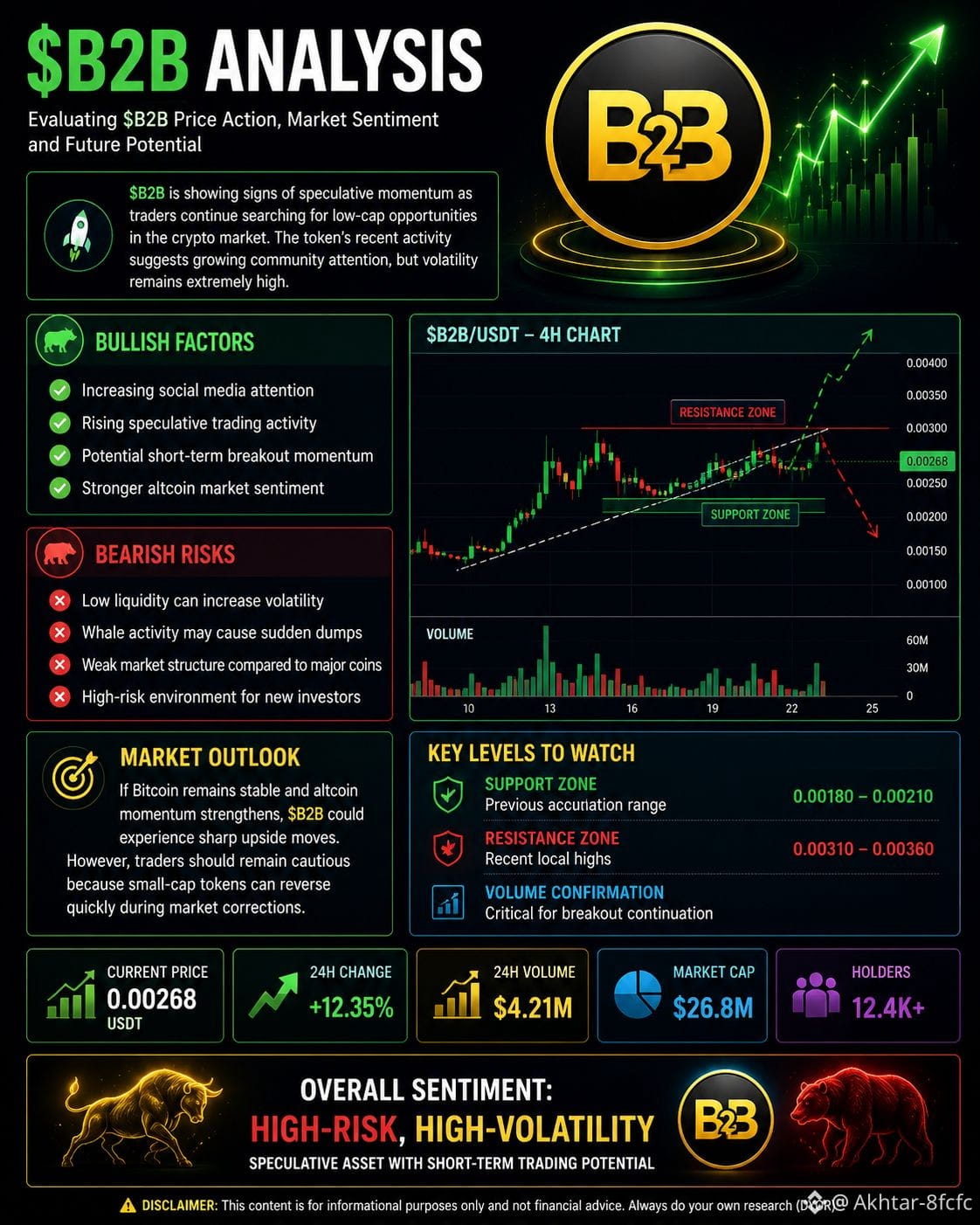
$B2B は、トレーダーが暗号市場で低時価総額の機会を求め続ける中、投機的な勢いの兆候を示しています。このトークンの最近の活動は、コミュニティの関心が高まっていることを示唆していますが、ボラティリティは非常に高いままです。
テクニカルな観点から見ると、$B2B は持続可能なブレイクアウトを確認するために、より強い買いボリュームが必要です。もし勢いが続けば、短期トレーダーは高い抵抗ゾーンを狙うことができる一方で、ボリュームが弱ければ急激なプルバックが発生する可能性があります。
強気要因: • ソーシャルメディアでの注目増加
• 投機的な取引活動の上昇
• 短期的なブレイクアウトモメンタムの可能性
• アルトコイン市場のセンチメントが強い
弱気リスク: • 流動性が低いとボラティリティが増加する
• クジラの活動が突然のダンプを引き起こす可能性
• 主要コインと比較して市場構造が弱い
• 新しい投資家にとって高リスクな環境
市場展望: ビットコインが安定し、アルトコインのモメンタムが強まるなら、$B2B は急激な上昇を経験する可能性があります。しかし、トレーダーは注意を怠ってはいけません。小型トークンは市場の修正中に急速に反転することがあります。
注目すべき重要レベル:
サポートゾーン: 前回の蓄積範囲
抵抗ゾーン: 最近のローカル高値
ボリューム確認: ブレイクアウト継続のために重要
全体的なセンチメント: 高リスク、高ボラティリティの投機的資産で、短期的な取引の可能性があります。
#B2B #GrayscaleCardanoETF #BTCSurpassesTeslaMarketCap #CLARITYActHearingSetforMay14 #USAdds115kJobs
$B2B 分析
$B2B は、トレーダーが暗号市場で低時価総額の機会を求め続ける中、投機的な勢いの兆候を示しています。このトークンの最近の活動は、コミュニティの関心が高まっていることを示唆していますが、ボラティリティは非常に高いままです。
テクニカルな観点から見ると、$B2B は持続可能なブレイクアウトを確認するために、より強い買いボリュームが必要です。もし勢いが続けば、短期トレーダーは高い抵抗ゾーンを狙うことができる一方で、ボリュームが弱ければ急激なプルバックが発生する可能性があります。
強気要因: • ソーシャルメディアでの注目増加
• 投機的な取引活動の上昇
• 短期的なブレイクアウトモメンタムの可能性
• アルトコイン市場のセンチメントが強い
弱気リスク: • 流動性が低いとボラティリティが増加する
• クジラの活動が突然のダンプを引き起こす可能性
• 主要コインと比較して市場構造が弱い
• 新しい投資家にとって高リスクな環境
市場展望: ビットコインが安定し、アルトコインのモメンタムが強まるなら、$B2B は急激な上昇を経験する可能性があります。しかし、トレーダーは注意を怠ってはいけません。小型トークンは市場の修正中に急速に反転することがあります。
注目すべき重要レベル:
サポートゾーン: 前回の蓄積範囲
抵抗ゾーン: 最近のローカル高値
ボリューム確認: ブレイクアウト継続のために重要
全体的なセンチメント: 高リスク、高ボラティリティの投機的資産で、短期的な取引の可能性があります。
#B2B #GrayscaleCardanoETF #BTCSurpassesTeslaMarketCap #CLARITYActHearingSetforMay14 #USAdds115kJobs
$B2B は、トレーダーが暗号市場で低時価総額の機会を求め続ける中、投機的な勢いの兆候を示しています。このトークンの最近の活動は、コミュニティの関心が高まっていることを示唆していますが、ボラティリティは非常に高いままです。
テクニカルな観点から見ると、$B2B は持続可能なブレイクアウトを確認するために、より強い買いボリュームが必要です。もし勢いが続けば、短期トレーダーは高い抵抗ゾーンを狙うことができる一方で、ボリュームが弱ければ急激なプルバックが発生する可能性があります。
強気要因: • ソーシャルメディアでの注目増加
• 投機的な取引活動の上昇
• 短期的なブレイクアウトモメンタムの可能性
• アルトコイン市場のセンチメントが強い
弱気リスク: • 流動性が低いとボラティリティが増加する
• クジラの活動が突然のダンプを引き起こす可能性
• 主要コインと比較して市場構造が弱い
• 新しい投資家にとって高リスクな環境
市場展望: ビットコインが安定し、アルトコインのモメンタムが強まるなら、$B2B は急激な上昇を経験する可能性があります。しかし、トレーダーは注意を怠ってはいけません。小型トークンは市場の修正中に急速に反転することがあります。
注目すべき重要レベル:
サポートゾーン: 前回の蓄積範囲
抵抗ゾーン: 最近のローカル高値
ボリューム確認: ブレイクアウト継続のために重要
全体的なセンチメント: 高リスク、高ボラティリティの投機的資産で、短期的な取引の可能性があります。
#B2B #GrayscaleCardanoETF #BTCSurpassesTeslaMarketCap #CLARITYActHearingSetforMay14 #USAdds115kJobs
65


·
--
2035年までに5兆ドルの国境を越えたB2Bステーブルコイン決済
ジュニパーリサーチによると、国境を越えたB2Bステーブルコイン取引の価値は2035年までに5兆ドルに達し、現在の134億ドルから37,000パーセントのジャンプを見せるとされています。
予測
* 2035年の取引価値: 国境を越えたB2Bステーブルコイン決済で5兆ドル、2026年から373倍の増加
* 国境を越えたB2Bの支配: 2035年にはステーブルコイン取引の価値の85パーセントが国境を越えたB2B取引によるもの
* Chainalysisの見解: 調整済み
なぜB2Bがリードするのか
^ 効率性: ステーブルコインは伝統的な国境を越えた決済の非効率性を解決
^ 利点: プログラム可能なソリューションと24/7の最終性を提供し、コレスポンデントバンクの決済チャネルと比較
^ アプリケーション: 財務省、サプライチェーンでの決済、B2B決済
^ 移行: 投機からコアな機関決済インフラへの移行
銀行への影響
^ 破壊: ステーブルコインはコレスポンデントバンクの決済チャネルを破壊
^ 代替ではない: "ステーブルコインは決済インフラを置き換えるものではありません。最大の利益をもたらす場所で採用されているだけです,"とアナリストのジャワド・ジャハンは指摘
^ 推奨: 発行者は企業統合と財務省に焦点を当てることをお勧めします
結論
国境を越えたB2Bは、ステーブルコインが最大の利益をもたらす場所です。この分野の成長が取引量を維持します。本当の問題は、伝統的なレールをどれだけ早く置き換えるかです。
#B2B #CrossBorderPayments #JuniperResearch #CryptoPayments #GlobalFinance
2035年までに5兆ドルの国境を越えたB2Bステーブルコイン決済
ジュニパーリサーチによると、国境を越えたB2Bステーブルコイン取引の価値は2035年までに5兆ドルに達し、現在の134億ドルから37,000パーセントのジャンプを見せるとされています。
予測
* 2035年の取引価値: 国境を越えたB2Bステーブルコイン決済で5兆ドル、2026年から373倍の増加
* 国境を越えたB2Bの支配: 2035年にはステーブルコイン取引の価値の85パーセントが国境を越えたB2B取引によるもの
* Chainalysisの見解: 調整済み
なぜB2Bがリードするのか
^ 効率性: ステーブルコインは伝統的な国境を越えた決済の非効率性を解決
^ 利点: プログラム可能なソリューションと24/7の最終性を提供し、コレスポンデントバンクの決済チャネルと比較
^ アプリケーション: 財務省、サプライチェーンでの決済、B2B決済
^ 移行: 投機からコアな機関決済インフラへの移行
銀行への影響
^ 破壊: ステーブルコインはコレスポンデントバンクの決済チャネルを破壊
^ 代替ではない: "ステーブルコインは決済インフラを置き換えるものではありません。最大の利益をもたらす場所で採用されているだけです,"とアナリストのジャワド・ジャハンは指摘
^ 推奨: 発行者は企業統合と財務省に焦点を当てることをお勧めします
結論
国境を越えたB2Bは、ステーブルコインが最大の利益をもたらす場所です。この分野の成長が取引量を維持します。本当の問題は、伝統的なレールをどれだけ早く置き換えるかです。
#B2B #CrossBorderPayments #JuniperResearch #CryptoPayments #GlobalFinance
ジュニパーリサーチによると、国境を越えたB2Bステーブルコイン取引の価値は2035年までに5兆ドルに達し、現在の134億ドルから37,000パーセントのジャンプを見せるとされています。
予測
* 2035年の取引価値: 国境を越えたB2Bステーブルコイン決済で5兆ドル、2026年から373倍の増加
* 国境を越えたB2Bの支配: 2035年にはステーブルコイン取引の価値の85パーセントが国境を越えたB2B取引によるもの
* Chainalysisの見解: 調整済み
なぜB2Bがリードするのか
^ 効率性: ステーブルコインは伝統的な国境を越えた決済の非効率性を解決
^ 利点: プログラム可能なソリューションと24/7の最終性を提供し、コレスポンデントバンクの決済チャネルと比較
^ アプリケーション: 財務省、サプライチェーンでの決済、B2B決済
^ 移行: 投機からコアな機関決済インフラへの移行
銀行への影響
^ 破壊: ステーブルコインはコレスポンデントバンクの決済チャネルを破壊
^ 代替ではない: "ステーブルコインは決済インフラを置き換えるものではありません。最大の利益をもたらす場所で採用されているだけです,"とアナリストのジャワド・ジャハンは指摘
^ 推奨: 発行者は企業統合と財務省に焦点を当てることをお勧めします
結論
国境を越えたB2Bは、ステーブルコインが最大の利益をもたらす場所です。この分野の成長が取引量を維持します。本当の問題は、伝統的なレールをどれだけ早く置き換えるかです。
#B2B #CrossBorderPayments #JuniperResearch #CryptoPayments #GlobalFinance

2
11
325

{future}(XAUUSDT)
📅 2026年7月1日
🚨 B2B セットアップ 📉
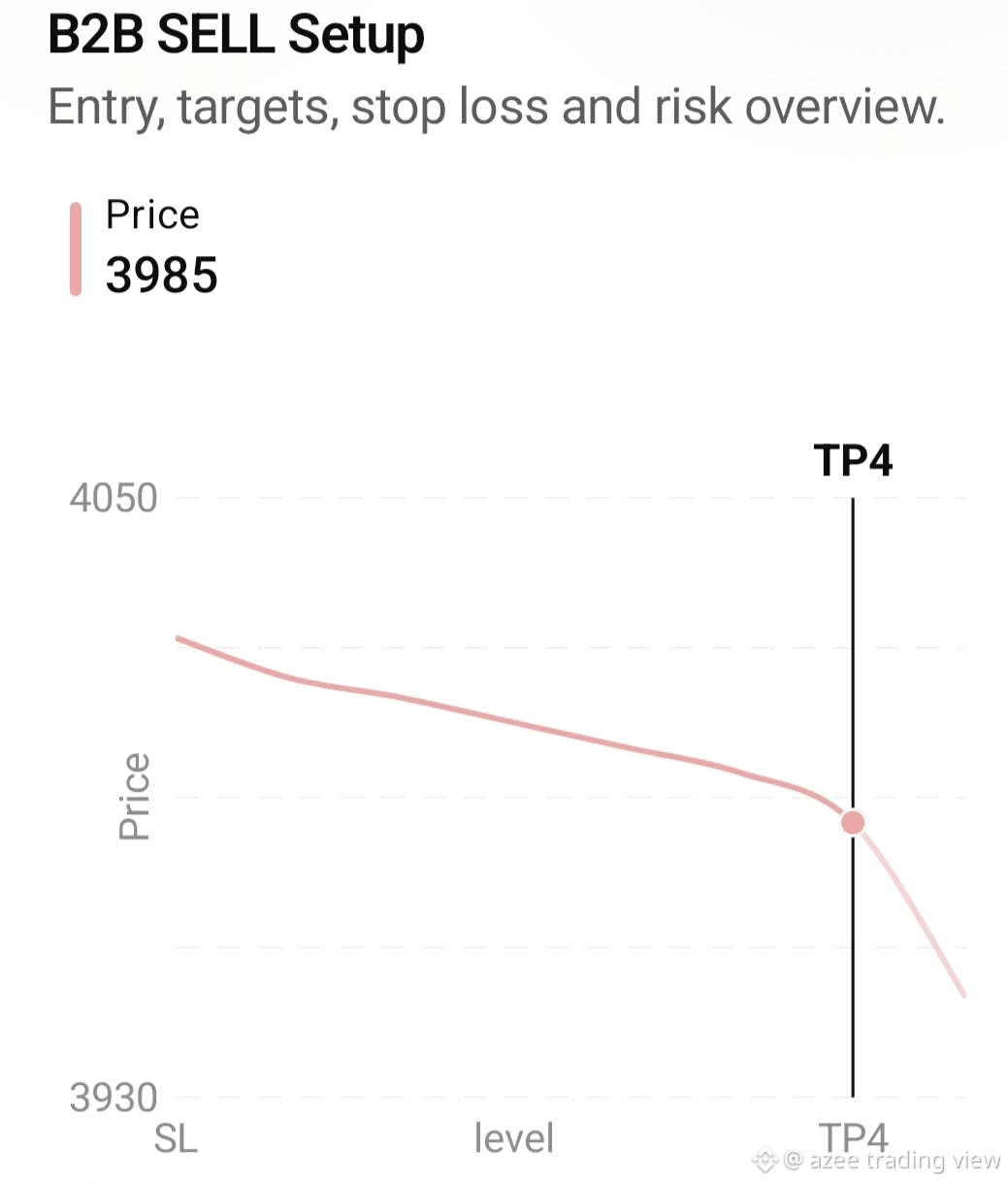
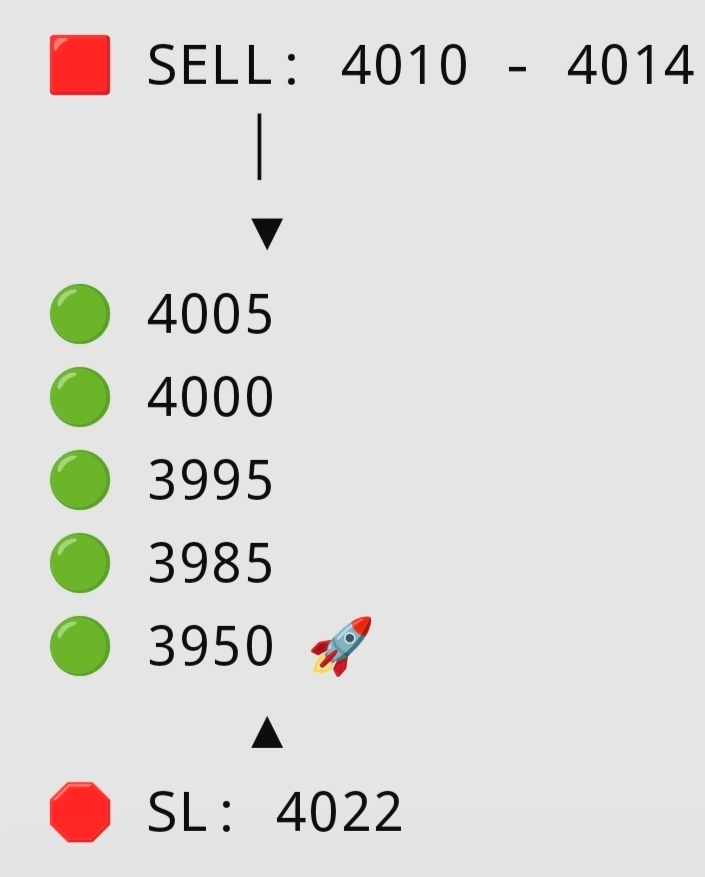
🟥 売りゾーン: 4010 ~ 4014
🎯 利確目標
🟢 TP1: 4005
🟢 TP2: 4000
🟢 TP3: 3995
🟢 TP4: 3985
🟢 TP5: 3950
🛑 損切り: 4022 ❌
⚠️ 必ず適切なリスク管理を行い、失ってもよい範囲以上のリスクは決して負わないでください。
📈 規律、忍耐、そして計画されたB2Bセットアップで、資産を着実に増やしましょう。
💰 感情ではなく、スマートに取引を。
#B2B #SellSetup #Gold #XAUUSD #TradingSignals
$XAUUSD 💛📉
📅 2026年7月1日
🚨 B2B セットアップ 📉
🟥 売りゾーン: 4010 ~ 4014
🎯 利確目標
🟢 TP1: 4005
🟢 TP2: 4000
🟢 TP3: 3995
🟢 TP4: 3985
🟢 TP5: 3950
🛑 損切り: 4022 ❌
⚠️ 必ず適切なリスク管理を行い、失ってもよい範囲以上のリスクは決して負わないでください。
📈 規律、忍耐、そして計画されたB2Bセットアップで、資産を着実に増やしましょう。
💰 感情ではなく、スマートに取引を。
#B2B #SellSetup #Gold #XAUUSD #TradingSignals
$XAUUSD 💛📉
🚨 B2B セットアップ 📉
🟥 売りゾーン: 4010 ~ 4014
🎯 利確目標
🟢 TP1: 4005
🟢 TP2: 4000
🟢 TP3: 3995
🟢 TP4: 3985
🟢 TP5: 3950
🛑 損切り: 4022 ❌
⚠️ 必ず適切なリスク管理を行い、失ってもよい範囲以上のリスクは決して負わないでください。
📈 規律、忍耐、そして計画されたB2Bセットアップで、資産を着実に増やしましょう。
💰 感情ではなく、スマートに取引を。
#B2B #SellSetup #Gold #XAUUSD #TradingSignals
$XAUUSD 💛📉
1
47
ログインして、さらにコンテンツを読む
厳選トピックで世界の暗号資産トレーダーの仲間入り
⚡️ 暗号資産に関する最新かつ有益な情報が見つかります。
💬 世界最大の暗号資産取引所から信頼されています。
👍 認証を受けたクリエイターから、有益なインサイトを得られます。
メール / 電話番号
トレンドトピック
1
#CryptoLiquidations$674MIn24H
閲覧回数 1,580
36人が討論中
2
#TokenizedStockHoldersUp619.1%
閲覧回数 123
29人が討論中
3
#RevolutConfirmsFakeGovEmailDataBreach
閲覧回数 11,534
329人が討論中
4
#CanadaOSFISaysTokenizedDepositsEqualTraditionalDeposits
閲覧回数 869
41人が討論中
5
#USBankCompletesCrossBorderPaymentPilotOnStellar
閲覧回数 20,481
576人が討論中
6
#NvidiaInTalksToInvestUpTo$10BInAnthropicIPO
閲覧回数 1,597
55人が討論中
7
#EtherRalliesAsBearishBetsLiquidate
閲覧回数 33,227
740人が討論中
8
#EthereumHits$2600FirstTimeInSevenMonths
閲覧回数 3,732
82人が討論中
9
#OpticalCommsStocksRallyOver3%
閲覧回数 36,505
499人が討論中
10
#USInflationHoldsAt3.4%InAugust
閲覧回数 45,612
532人が討論中