

#alpharoute
alpharoute
閲覧回数 322
11人が討論中
注目
最新

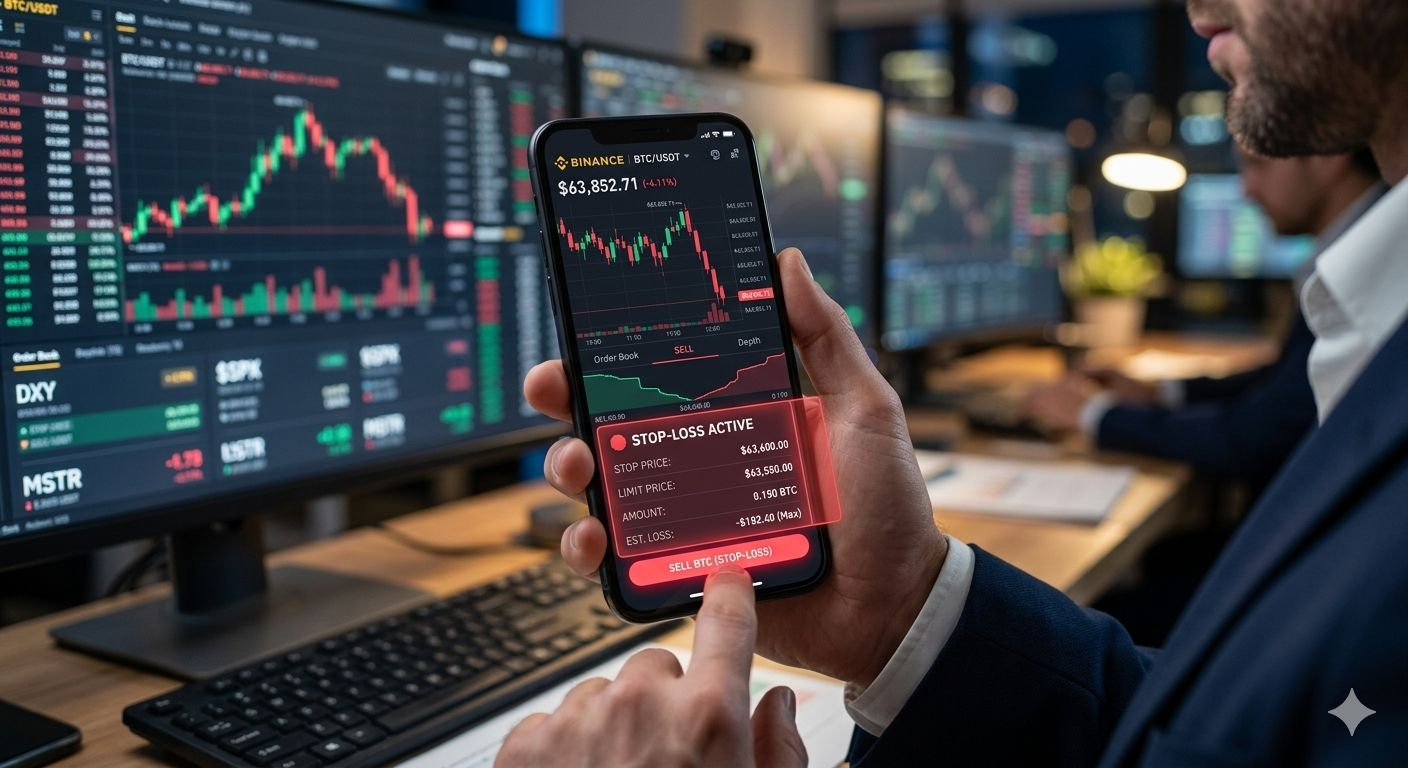
🛑 あなたのストップロスを、みんながやっているのと同じ場所に置くのはやめよう
システムレイヤー:流動性ハント・プロトコル
ビットコインやイーサリアムが、突然フラッシュクラッシュしてあなたのストップロスをピッタリ刺し、その直後にすぐ反転して、最初に予測していた方向へロケットのように戻ってくる――そんなの見たことありませんか?
それは「悪運」ではありません。あなたは流動性アルゴリズムによって意図的に狙われています。
なぜあなたのストップが延々と狩られ続けるのか、その機械的な真実はこちらです:
[ 流動性プール・トラップ ]
├── 1. コンセンサス:小口の参加者は、分かりやすいサポートラインのすぐ下にストップを置きがち。
├── 2. 標的:機関系ボットは、これらの集まりを巨大な流動性のプールとして見なす。
└── 3. スイープ:価格が下げられてストップが発動し、その間に安く“クジラ”の買い注文が満たされる。
📊 群衆のように考えるのをやめろ
直近のヒゲの最安値にピタリとストップロスを置く、または主要な心理的サポートラインのすぐ下に置く――そうすると、あなたのお金は「自動のマーケットメイク・ボットが買いたい場所」にそのまま置かれてしまいます。
レバレッジのフラッシュ(投げ)に耐えるには、エントリーの仕組みを変える必要があります:
スプレッド・バッファ:平均真実レンジ(ATR)を計算し、小口のクラスターゾーンの外側に完全にストップを置きましょう。必要なストップ幅が広すぎるなら、リスクが同一になるようにポジションサイズを落とします。
ストップ・ランで取る:サポートラインがテストされる前に入るのではなく、攻撃的なヒゲがサポートを下にスイープするのを待ち、板が出来高を吸収するのを見て、小口が吐き出された後にエントリーします。
ストップロスを「賢い資金」の安い出口流動性にしないこと。明らかなチャートラインではなく、構造的な足跡を取引せよ。🧠⚡
#BinanceSquare #AlphaRoute #TradingTips #RiskManagement
🛑 あなたのストップロスを、みんながやっているのと同じ場所に置くのはやめよう
システムレイヤー:流動性ハント・プロトコル
ビットコインやイーサリアムが、突然フラッシュクラッシュしてあなたのストップロスをピッタリ刺し、その直後にすぐ反転して、最初に予測していた方向へロケットのように戻ってくる――そんなの見たことありませんか?
それは「悪運」ではありません。あなたは流動性アルゴリズムによって意図的に狙われています。
なぜあなたのストップが延々と狩られ続けるのか、その機械的な真実はこちらです:
[ 流動性プール・トラップ ]
├── 1. コンセンサス:小口の参加者は、分かりやすいサポートラインのすぐ下にストップを置きがち。
├── 2. 標的:機関系ボットは、これらの集まりを巨大な流動性のプールとして見なす。
└── 3. スイープ:価格が下げられてストップが発動し、その間に安く“クジラ”の買い注文が満たされる。
📊 群衆のように考えるのをやめろ
直近のヒゲの最安値にピタリとストップロスを置く、または主要な心理的サポートラインのすぐ下に置く――そうすると、あなたのお金は「自動のマーケットメイク・ボットが買いたい場所」にそのまま置かれてしまいます。
レバレッジのフラッシュ(投げ)に耐えるには、エントリーの仕組みを変える必要があります:
スプレッド・バッファ:平均真実レンジ(ATR)を計算し、小口のクラスターゾーンの外側に完全にストップを置きましょう。必要なストップ幅が広すぎるなら、リスクが同一になるようにポジションサイズを落とします。
ストップ・ランで取る:サポートラインがテストされる前に入るのではなく、攻撃的なヒゲがサポートを下にスイープするのを待ち、板が出来高を吸収するのを見て、小口が吐き出された後にエントリーします。
ストップロスを「賢い資金」の安い出口流動性にしないこと。明らかなチャートラインではなく、構造的な足跡を取引せよ。🧠⚡
#BinanceSquare #AlphaRoute #TradingTips #RiskManagement
システムレイヤー:流動性ハント・プロトコル
ビットコインやイーサリアムが、突然フラッシュクラッシュしてあなたのストップロスをピッタリ刺し、その直後にすぐ反転して、最初に予測していた方向へロケットのように戻ってくる――そんなの見たことありませんか?
それは「悪運」ではありません。あなたは流動性アルゴリズムによって意図的に狙われています。
なぜあなたのストップが延々と狩られ続けるのか、その機械的な真実はこちらです:
[ 流動性プール・トラップ ]
├── 1. コンセンサス:小口の参加者は、分かりやすいサポートラインのすぐ下にストップを置きがち。
├── 2. 標的:機関系ボットは、これらの集まりを巨大な流動性のプールとして見なす。
└── 3. スイープ:価格が下げられてストップが発動し、その間に安く“クジラ”の買い注文が満たされる。
📊 群衆のように考えるのをやめろ
直近のヒゲの最安値にピタリとストップロスを置く、または主要な心理的サポートラインのすぐ下に置く――そうすると、あなたのお金は「自動のマーケットメイク・ボットが買いたい場所」にそのまま置かれてしまいます。
レバレッジのフラッシュ(投げ)に耐えるには、エントリーの仕組みを変える必要があります:
スプレッド・バッファ:平均真実レンジ(ATR)を計算し、小口のクラスターゾーンの外側に完全にストップを置きましょう。必要なストップ幅が広すぎるなら、リスクが同一になるようにポジションサイズを落とします。
ストップ・ランで取る:サポートラインがテストされる前に入るのではなく、攻撃的なヒゲがサポートを下にスイープするのを待ち、板が出来高を吸収するのを見て、小口が吐き出された後にエントリーします。
ストップロスを「賢い資金」の安い出口流動性にしないこと。明らかなチャートラインではなく、構造的な足跡を取引せよ。🧠⚡
#BinanceSquare #AlphaRoute #TradingTips #RiskManagement
2
17
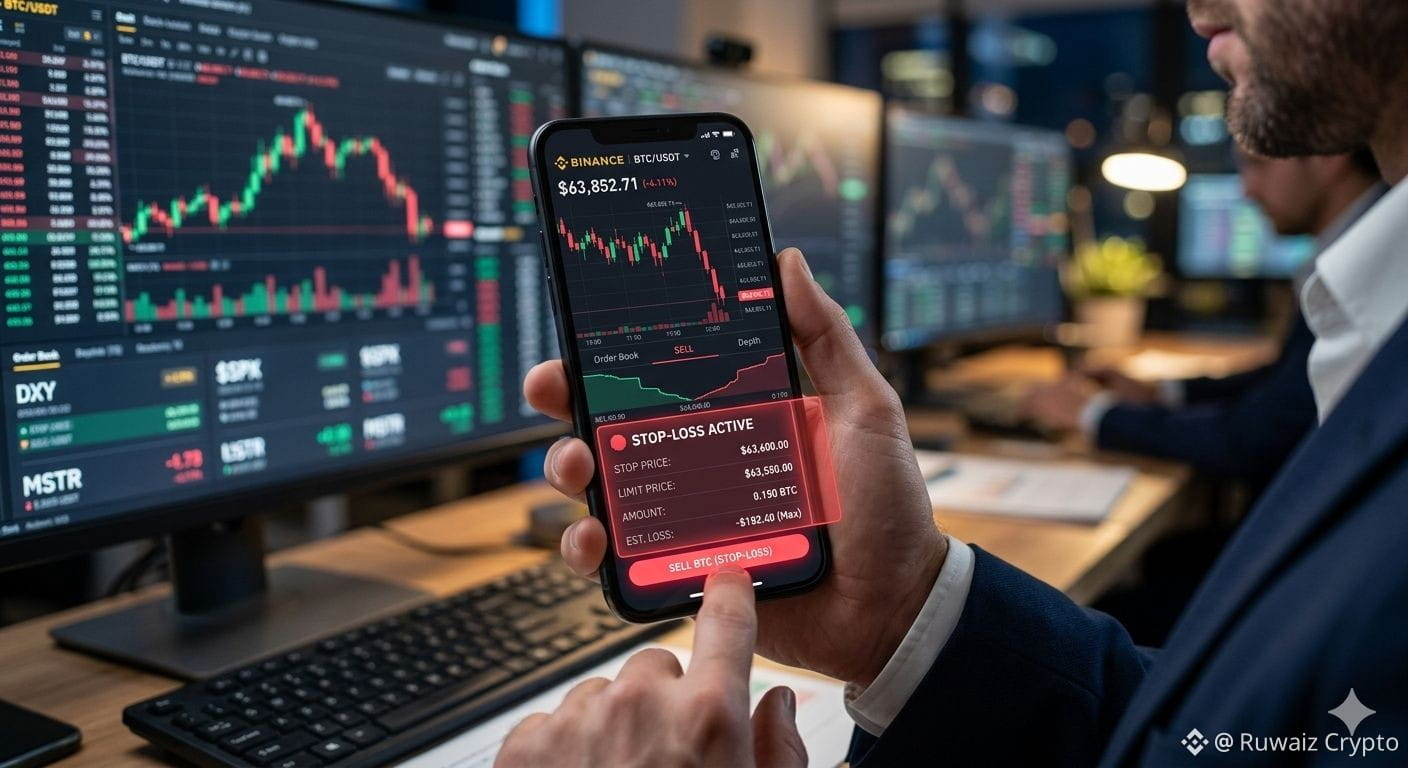
🥊 ホワイトハウスデビュー: UFCファイターがトランプクリプトで報酬を受け取る
システムレイヤー: ステーブルコイン採用プロトコル
南ホワイトハウスの芝生で歴史が作られた。アルティメット・ファイティング・チャンピオンシップ(UFC)は、今日の高プロフィールマッチのファイターボーナスがトランプファミリーのビジネスベンチャー、ワールドリバティファイナンシャルが発行した新しいステーブルコイン「USD1」で直接支払われることを正式に発表した。
これは、プロスポーツエンターテインメント、大統領の影響、デジタル資産の統合の前例のない直接の交差点を示しています。
[ トランプステーブルコインマトリックス ]
├── アセット: USD1 (1:1 ペッグドルステーブルコイン) 💵[span_5](end_span)
├── スポンサー: ワールドリバティファイナンシャルが公式UFCスポンサーとして掲載 🏆
└── インパクト: 伝統的なレールのバイパスによる攻撃的な現実世界のユーティリティ ⚡
📊 現実世界のユーティリティの摩擦
主流の金融界は、政府の財産でプライベートファミリーのクリプトベンチャーを推進する倫理についてすでに騒いでいますが、純粋な市場構造の観点から、このプレイブックは天才的です。
伝統的な銀行のチェックをバイパスし、高オクタンのUFCのスポットライトを利用することで、ワールドリバティファイナンシャルはUSD1に対する即時のグローバルリテールエクスポージャーを強制しています。これは単なる広告ではなく、ライブステージで機関決済を処理できる新しいステーブルコインを証明するために設計された構造的な概念実証です。
すでに数十億ドル規模の資産をこのエコシステムに投入しようとしている国家支援の主権ファンドが目を光らせている中、グローバル政治と分散型流動性の間の境界線は公式に目に見えなくなっています。
システムの判断: 政治的な劇場や主流メディアの騒ぎに巻き込まれないでください。USD1のオンチェーンのボラティリティと流動性の深さを注視してください。私たちは、リアルタイムで主権に aligned したクリプトインフラの誕生を目撃しています。🧠⚡
#BinanceSquare #AlphaRoute #WorldLibertyFinancial #UFC250
🥊 ホワイトハウスデビュー: UFCファイターがトランプクリプトで報酬を受け取る
システムレイヤー: ステーブルコイン採用プロトコル
南ホワイトハウスの芝生で歴史が作られた。アルティメット・ファイティング・チャンピオンシップ(UFC)は、今日の高プロフィールマッチのファイターボーナスがトランプファミリーのビジネスベンチャー、ワールドリバティファイナンシャルが発行した新しいステーブルコイン「USD1」で直接支払われることを正式に発表した。
これは、プロスポーツエンターテインメント、大統領の影響、デジタル資産の統合の前例のない直接の交差点を示しています。
[ トランプステーブルコインマトリックス ]
├── アセット: USD1 (1:1 ペッグドルステーブルコイン) 💵[span_5](end_span)
├── スポンサー: ワールドリバティファイナンシャルが公式UFCスポンサーとして掲載 🏆
└── インパクト: 伝統的なレールのバイパスによる攻撃的な現実世界のユーティリティ ⚡
📊 現実世界のユーティリティの摩擦
主流の金融界は、政府の財産でプライベートファミリーのクリプトベンチャーを推進する倫理についてすでに騒いでいますが、純粋な市場構造の観点から、このプレイブックは天才的です。
伝統的な銀行のチェックをバイパスし、高オクタンのUFCのスポットライトを利用することで、ワールドリバティファイナンシャルはUSD1に対する即時のグローバルリテールエクスポージャーを強制しています。これは単なる広告ではなく、ライブステージで機関決済を処理できる新しいステーブルコインを証明するために設計された構造的な概念実証です。
すでに数十億ドル規模の資産をこのエコシステムに投入しようとしている国家支援の主権ファンドが目を光らせている中、グローバル政治と分散型流動性の間の境界線は公式に目に見えなくなっています。
システムの判断: 政治的な劇場や主流メディアの騒ぎに巻き込まれないでください。USD1のオンチェーンのボラティリティと流動性の深さを注視してください。私たちは、リアルタイムで主権に aligned したクリプトインフラの誕生を目撃しています。🧠⚡
#BinanceSquare #AlphaRoute #WorldLibertyFinancial #UFC250
システムレイヤー: ステーブルコイン採用プロトコル
南ホワイトハウスの芝生で歴史が作られた。アルティメット・ファイティング・チャンピオンシップ(UFC)は、今日の高プロフィールマッチのファイターボーナスがトランプファミリーのビジネスベンチャー、ワールドリバティファイナンシャルが発行した新しいステーブルコイン「USD1」で直接支払われることを正式に発表した。
これは、プロスポーツエンターテインメント、大統領の影響、デジタル資産の統合の前例のない直接の交差点を示しています。
[ トランプステーブルコインマトリックス ]
├── アセット: USD1 (1:1 ペッグドルステーブルコイン) 💵[span_5](end_span)
├── スポンサー: ワールドリバティファイナンシャルが公式UFCスポンサーとして掲載 🏆
└── インパクト: 伝統的なレールのバイパスによる攻撃的な現実世界のユーティリティ ⚡
📊 現実世界のユーティリティの摩擦
主流の金融界は、政府の財産でプライベートファミリーのクリプトベンチャーを推進する倫理についてすでに騒いでいますが、純粋な市場構造の観点から、このプレイブックは天才的です。
伝統的な銀行のチェックをバイパスし、高オクタンのUFCのスポットライトを利用することで、ワールドリバティファイナンシャルはUSD1に対する即時のグローバルリテールエクスポージャーを強制しています。これは単なる広告ではなく、ライブステージで機関決済を処理できる新しいステーブルコインを証明するために設計された構造的な概念実証です。
すでに数十億ドル規模の資産をこのエコシステムに投入しようとしている国家支援の主権ファンドが目を光らせている中、グローバル政治と分散型流動性の間の境界線は公式に目に見えなくなっています。
システムの判断: 政治的な劇場や主流メディアの騒ぎに巻き込まれないでください。USD1のオンチェーンのボラティリティと流動性の深さを注視してください。私たちは、リアルタイムで主権に aligned したクリプトインフラの誕生を目撃しています。🧠⚡
#BinanceSquare #AlphaRoute #WorldLibertyFinancial #UFC250
2
102
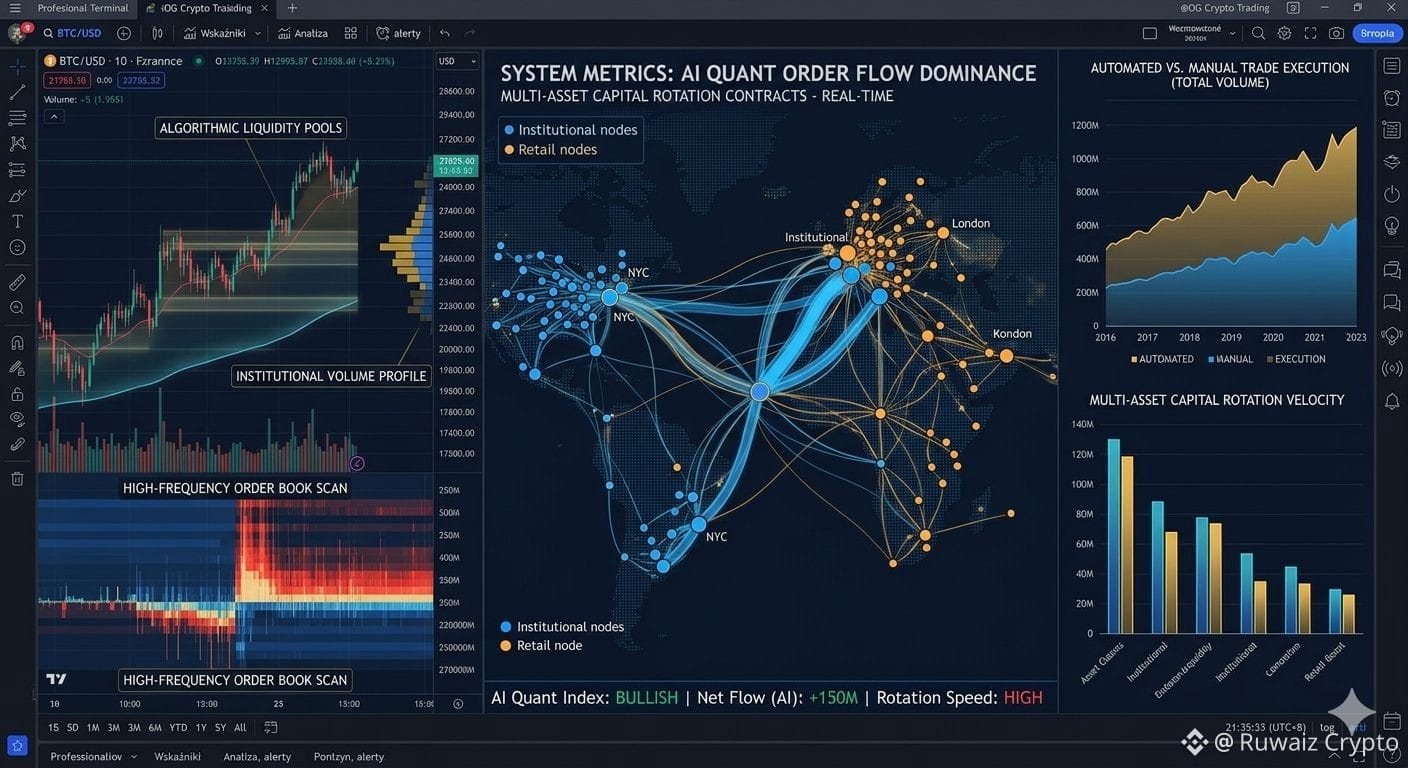
🤖 システムアップデート: AIクオンタム支配の台頭
ビットコインの流動性ダイナミクスに大規模な構造的変化が静かに起こっています。機関投資家のトレーディングデスクやクジラのウォレットは、手動実行を積極的に廃止し、大規模な資本を自動化されたマルチアセットのAIローテーション契約にシフトさせて、取引所のボラティリティに対抗しています。
[ クオンタム流動性シフト ]
├── 1. インプット: 高頻度AIモデルがマクロオーダーブックをスキャン。
├── 2. ローテーション: アルゴリズムが瞬時にマルチアセットの資本配分を自動化。
└── 3. 結果: 手動のリテールトレーダーは一貫してアウトシナジーを受ける。
📊 伝統的なチャートの死
基本的なリテールチャートラインに頼る時代は終わりを迎えています。今日の市場の動きは、集約された流動性ポケットや強制的なロスカットを狙う機械学習アルゴリズムによって大きく左右されています。
現実確認: リテールトレーダーが画面上に静的なトレンドラインを描いている間、AIクオンタムデスクはリアルタイムのオーダーブックの深さ、先物の資金調達率、マクロ経済データフィードを同時に分析しています。
構造的な優位性: これらの自動化システムは感情やバイアスで取引を行いません。高いレバレッジが構築されているゾーンを探し、流動性をキャッチするために体系的にスイープを実行します。
システムの判決: このサイクルを生き延びるためには、アプローチをアップグレードする必要があります。シンプルなパターンを探すのをやめ、機関のボリュームプロファイルやアルゴリズミック流動性プールを追跡し始めましょう。テープは進化しています。 🧠⚡
#BinanceSquare #AlphaRoute #TradingStrategy #CryptoAI
🤖 システムアップデート: AIクオンタム支配の台頭
ビットコインの流動性ダイナミクスに大規模な構造的変化が静かに起こっています。機関投資家のトレーディングデスクやクジラのウォレットは、手動実行を積極的に廃止し、大規模な資本を自動化されたマルチアセットのAIローテーション契約にシフトさせて、取引所のボラティリティに対抗しています。
[ クオンタム流動性シフト ]
├── 1. インプット: 高頻度AIモデルがマクロオーダーブックをスキャン。
├── 2. ローテーション: アルゴリズムが瞬時にマルチアセットの資本配分を自動化。
└── 3. 結果: 手動のリテールトレーダーは一貫してアウトシナジーを受ける。
📊 伝統的なチャートの死
基本的なリテールチャートラインに頼る時代は終わりを迎えています。今日の市場の動きは、集約された流動性ポケットや強制的なロスカットを狙う機械学習アルゴリズムによって大きく左右されています。
現実確認: リテールトレーダーが画面上に静的なトレンドラインを描いている間、AIクオンタムデスクはリアルタイムのオーダーブックの深さ、先物の資金調達率、マクロ経済データフィードを同時に分析しています。
構造的な優位性: これらの自動化システムは感情やバイアスで取引を行いません。高いレバレッジが構築されているゾーンを探し、流動性をキャッチするために体系的にスイープを実行します。
システムの判決: このサイクルを生き延びるためには、アプローチをアップグレードする必要があります。シンプルなパターンを探すのをやめ、機関のボリュームプロファイルやアルゴリズミック流動性プールを追跡し始めましょう。テープは進化しています。 🧠⚡
#BinanceSquare #AlphaRoute #TradingStrategy #CryptoAI
ビットコインの流動性ダイナミクスに大規模な構造的変化が静かに起こっています。機関投資家のトレーディングデスクやクジラのウォレットは、手動実行を積極的に廃止し、大規模な資本を自動化されたマルチアセットのAIローテーション契約にシフトさせて、取引所のボラティリティに対抗しています。
[ クオンタム流動性シフト ]
├── 1. インプット: 高頻度AIモデルがマクロオーダーブックをスキャン。
├── 2. ローテーション: アルゴリズムが瞬時にマルチアセットの資本配分を自動化。
└── 3. 結果: 手動のリテールトレーダーは一貫してアウトシナジーを受ける。
📊 伝統的なチャートの死
基本的なリテールチャートラインに頼る時代は終わりを迎えています。今日の市場の動きは、集約された流動性ポケットや強制的なロスカットを狙う機械学習アルゴリズムによって大きく左右されています。
現実確認: リテールトレーダーが画面上に静的なトレンドラインを描いている間、AIクオンタムデスクはリアルタイムのオーダーブックの深さ、先物の資金調達率、マクロ経済データフィードを同時に分析しています。
構造的な優位性: これらの自動化システムは感情やバイアスで取引を行いません。高いレバレッジが構築されているゾーンを探し、流動性をキャッチするために体系的にスイープを実行します。
システムの判決: このサイクルを生き延びるためには、アプローチをアップグレードする必要があります。シンプルなパターンを探すのをやめ、機関のボリュームプロファイルやアルゴリズミック流動性プールを追跡し始めましょう。テープは進化しています。 🧠⚡
#BinanceSquare #AlphaRoute #TradingStrategy #CryptoAI
1
3
137
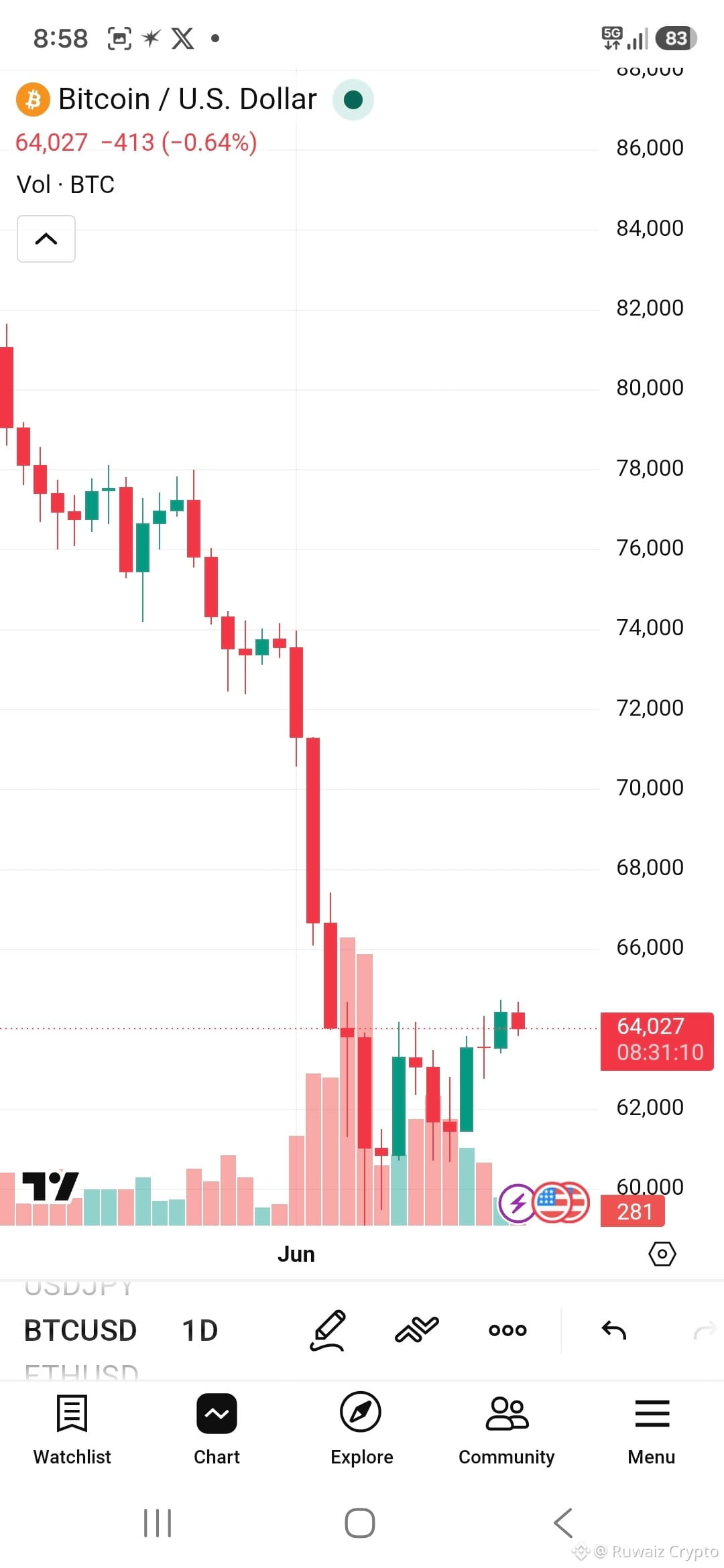
🌐 マクロターミナル: $64Kの救済ベクトル
流動性プロトコル: 地政学的デエスカレーション流動性
ビットコインは公式に$64,000レベルを取り戻し、6月初旬のサイクル安値から8%以上急騰しました。小売業者が$59,000で「極度の恐怖」にパニックしている間、機関投資家デスクは静かに教科書通りの蓄積プレイを実行していました。
テープはこの構造的変化を促す2つの主要なメカニカルカタリストを示しています:
[ 回復軸 ]
├── 1. 和平: 米国-イラン平和の進展 ──> 原油のボラティリティが緩和 / 利回りが軟化
└── 2. 流入: スポットETFがプラスに転じる ──> $85.9Mの機関投資家吸収
📊 マクロ構造的シフト
この反発の背後にいる真の操り人形は、変化しつつある債券市場です。中東の平和合意に向けた進展が進む中、市場は原油の構造的クールダウンを織り込んでいます。エネルギーのボラティリティが低下すると、グローバルなインフレリスクが軽減され、国債の利回りにとって大きな救済弁を提供します。
利回りが軟化すると、機関流動性は瞬時にリスク資産での利回りを求めて動き出します。金曜日にはその即時的な証拠を見ました: 米国のスポットビットコインETFは数週間の流出ストリークを打破し、$85.9百万の純流入を記録しました。
最近のメガIPOのために現金を調達しているファンドからの一時的な売り圧力は公式に収束しました。オーダーブックは上部抵抗に対して薄く、スマートキャピタルはマクロピボットを前もって捉えています。
システムの判断: 「クリプトウィンター」の破滅的なナラティブは、ウォールストリートのオーダーフローによって構造的に無効化されました。ローカルチャートのウィックをトレードするのをやめて、グローバルマクロ流動性を追跡し始めてください。今年のバイイングゾーンは閉じました。🧠⚡
#BinanceSquare #AlphaRoute #MarketStructure #CryptoMacro
🌐 マクロターミナル: $64Kの救済ベクトル
流動性プロトコル: 地政学的デエスカレーション流動性
ビットコインは公式に$64,000レベルを取り戻し、6月初旬のサイクル安値から8%以上急騰しました。小売業者が$59,000で「極度の恐怖」にパニックしている間、機関投資家デスクは静かに教科書通りの蓄積プレイを実行していました。
テープはこの構造的変化を促す2つの主要なメカニカルカタリストを示しています:
[ 回復軸 ]
├── 1. 和平: 米国-イラン平和の進展 ──> 原油のボラティリティが緩和 / 利回りが軟化
└── 2. 流入: スポットETFがプラスに転じる ──> $85.9Mの機関投資家吸収
📊 マクロ構造的シフト
この反発の背後にいる真の操り人形は、変化しつつある債券市場です。中東の平和合意に向けた進展が進む中、市場は原油の構造的クールダウンを織り込んでいます。エネルギーのボラティリティが低下すると、グローバルなインフレリスクが軽減され、国債の利回りにとって大きな救済弁を提供します。
利回りが軟化すると、機関流動性は瞬時にリスク資産での利回りを求めて動き出します。金曜日にはその即時的な証拠を見ました: 米国のスポットビットコインETFは数週間の流出ストリークを打破し、$85.9百万の純流入を記録しました。
最近のメガIPOのために現金を調達しているファンドからの一時的な売り圧力は公式に収束しました。オーダーブックは上部抵抗に対して薄く、スマートキャピタルはマクロピボットを前もって捉えています。
システムの判断: 「クリプトウィンター」の破滅的なナラティブは、ウォールストリートのオーダーフローによって構造的に無効化されました。ローカルチャートのウィックをトレードするのをやめて、グローバルマクロ流動性を追跡し始めてください。今年のバイイングゾーンは閉じました。🧠⚡
#BinanceSquare #AlphaRoute #MarketStructure #CryptoMacro
流動性プロトコル: 地政学的デエスカレーション流動性
ビットコインは公式に$64,000レベルを取り戻し、6月初旬のサイクル安値から8%以上急騰しました。小売業者が$59,000で「極度の恐怖」にパニックしている間、機関投資家デスクは静かに教科書通りの蓄積プレイを実行していました。
テープはこの構造的変化を促す2つの主要なメカニカルカタリストを示しています:
[ 回復軸 ]
├── 1. 和平: 米国-イラン平和の進展 ──> 原油のボラティリティが緩和 / 利回りが軟化
└── 2. 流入: スポットETFがプラスに転じる ──> $85.9Mの機関投資家吸収
📊 マクロ構造的シフト
この反発の背後にいる真の操り人形は、変化しつつある債券市場です。中東の平和合意に向けた進展が進む中、市場は原油の構造的クールダウンを織り込んでいます。エネルギーのボラティリティが低下すると、グローバルなインフレリスクが軽減され、国債の利回りにとって大きな救済弁を提供します。
利回りが軟化すると、機関流動性は瞬時にリスク資産での利回りを求めて動き出します。金曜日にはその即時的な証拠を見ました: 米国のスポットビットコインETFは数週間の流出ストリークを打破し、$85.9百万の純流入を記録しました。
最近のメガIPOのために現金を調達しているファンドからの一時的な売り圧力は公式に収束しました。オーダーブックは上部抵抗に対して薄く、スマートキャピタルはマクロピボットを前もって捉えています。
システムの判断: 「クリプトウィンター」の破滅的なナラティブは、ウォールストリートのオーダーフローによって構造的に無効化されました。ローカルチャートのウィックをトレードするのをやめて、グローバルマクロ流動性を追跡し始めてください。今年のバイイングゾーンは閉じました。🧠⚡
#BinanceSquare #AlphaRoute #MarketStructure #CryptoMacro
2
76
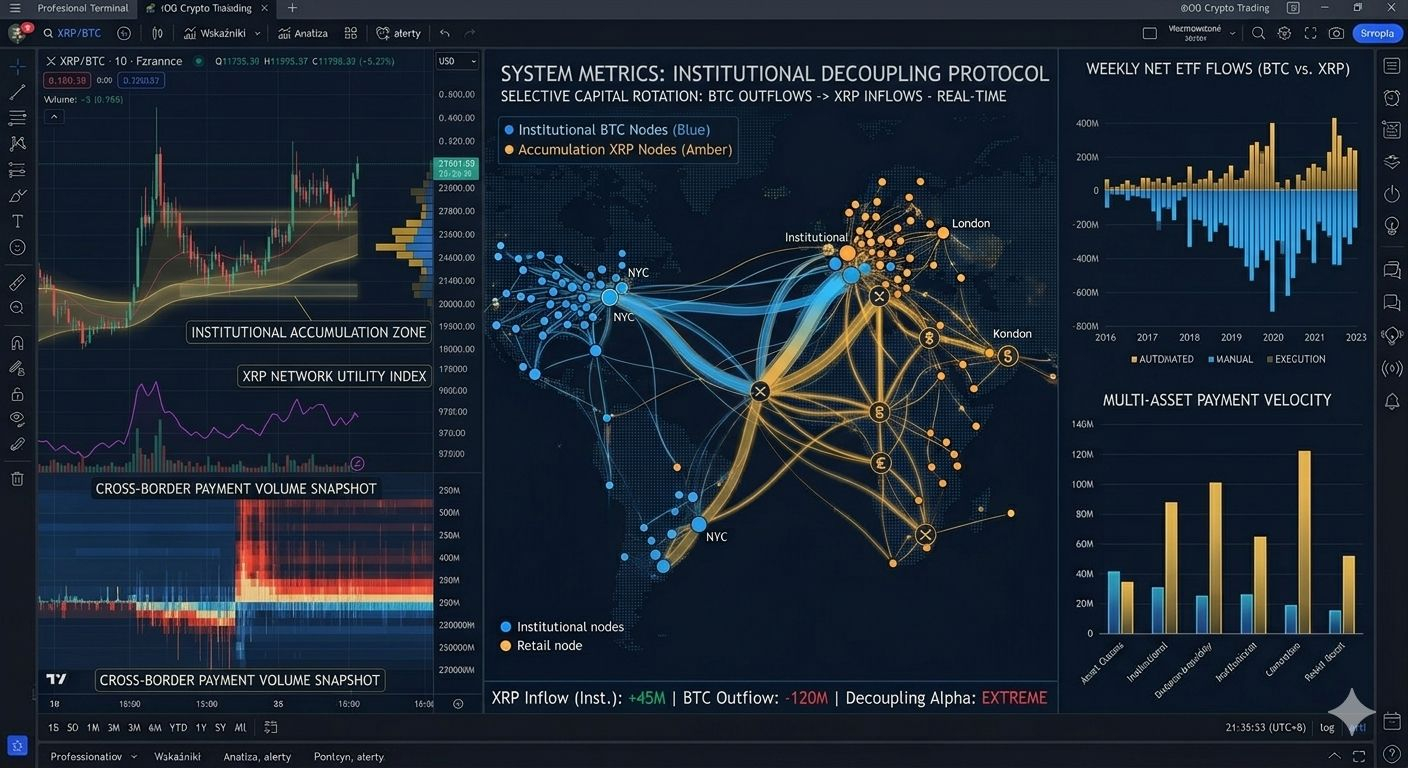
🌐 マーケットインテル: インスティテューショナルローテーションのデカップリング
静かな構造的乖離が機関デスクで進行中です。マクロの不確実性が標準的なスポットビットコイン投資商品からの連続的なネット流出を引き起こす一方で、選択的な資本配分は代替流動性レールに移動しています。
[ デカップリングプロファイル ]
├── 1. BTC プランビング: 機関の利益確定と ETF 流出が地元の圧縮を引き起こす。
├── 2. ALGO ディテクト: システムが独立した支払いユーティリティネットワークを持つ資産を分離する。
└── 3. スプリット: スマートマネーがデカップルされたボリュームを蓄積する一方で、小口投資家はディップを売る。
📊 一方向マーケットの幻想
小口投資家のセンチメントは、全体の市場が真空の中で動くと仮定しています。主要な資産が引きずられると、群衆はすべてが壊れていると仮定します。しかし、リアルタイムのオーダーブックは全く異なるストーリーを語っています:
持続的なインフローポケット: 選択された資産集中型投資商品は、マクロリスク回避の期間でもネットポジティブな需要を捉えています。
構造的エッジ: 機関はインフラユーティリティと価値保管資産を完全に異なるリスクプロファイルとして扱い、広範な売却ではなく、高度にターゲットを絞った蓄積を実行しています。
システムの評価: 統一されたクリプトチャートを見ないでください。市場は明確なセクターに成熟しています。独立したオンチェーンボリュームプロファイル全体で資本ローテーションを追跡していないなら、あなたは目隠しをしてトレードしています。🧠⚡
#BinanceSquare #AlphaRoute #TradingStrategy #マーケット分析
🌐 マーケットインテル: インスティテューショナルローテーションのデカップリング
静かな構造的乖離が機関デスクで進行中です。マクロの不確実性が標準的なスポットビットコイン投資商品からの連続的なネット流出を引き起こす一方で、選択的な資本配分は代替流動性レールに移動しています。
[ デカップリングプロファイル ]
├── 1. BTC プランビング: 機関の利益確定と ETF 流出が地元の圧縮を引き起こす。
├── 2. ALGO ディテクト: システムが独立した支払いユーティリティネットワークを持つ資産を分離する。
└── 3. スプリット: スマートマネーがデカップルされたボリュームを蓄積する一方で、小口投資家はディップを売る。
📊 一方向マーケットの幻想
小口投資家のセンチメントは、全体の市場が真空の中で動くと仮定しています。主要な資産が引きずられると、群衆はすべてが壊れていると仮定します。しかし、リアルタイムのオーダーブックは全く異なるストーリーを語っています:
持続的なインフローポケット: 選択された資産集中型投資商品は、マクロリスク回避の期間でもネットポジティブな需要を捉えています。
構造的エッジ: 機関はインフラユーティリティと価値保管資産を完全に異なるリスクプロファイルとして扱い、広範な売却ではなく、高度にターゲットを絞った蓄積を実行しています。
システムの評価: 統一されたクリプトチャートを見ないでください。市場は明確なセクターに成熟しています。独立したオンチェーンボリュームプロファイル全体で資本ローテーションを追跡していないなら、あなたは目隠しをしてトレードしています。🧠⚡
#BinanceSquare #AlphaRoute #TradingStrategy #マーケット分析
静かな構造的乖離が機関デスクで進行中です。マクロの不確実性が標準的なスポットビットコイン投資商品からの連続的なネット流出を引き起こす一方で、選択的な資本配分は代替流動性レールに移動しています。
[ デカップリングプロファイル ]
├── 1. BTC プランビング: 機関の利益確定と ETF 流出が地元の圧縮を引き起こす。
├── 2. ALGO ディテクト: システムが独立した支払いユーティリティネットワークを持つ資産を分離する。
└── 3. スプリット: スマートマネーがデカップルされたボリュームを蓄積する一方で、小口投資家はディップを売る。
📊 一方向マーケットの幻想
小口投資家のセンチメントは、全体の市場が真空の中で動くと仮定しています。主要な資産が引きずられると、群衆はすべてが壊れていると仮定します。しかし、リアルタイムのオーダーブックは全く異なるストーリーを語っています:
持続的なインフローポケット: 選択された資産集中型投資商品は、マクロリスク回避の期間でもネットポジティブな需要を捉えています。
構造的エッジ: 機関はインフラユーティリティと価値保管資産を完全に異なるリスクプロファイルとして扱い、広範な売却ではなく、高度にターゲットを絞った蓄積を実行しています。
システムの評価: 統一されたクリプトチャートを見ないでください。市場は明確なセクターに成熟しています。独立したオンチェーンボリュームプロファイル全体で資本ローテーションを追跡していないなら、あなたは目隠しをしてトレードしています。🧠⚡
#BinanceSquare #AlphaRoute #TradingStrategy #マーケット分析
2
92
記事
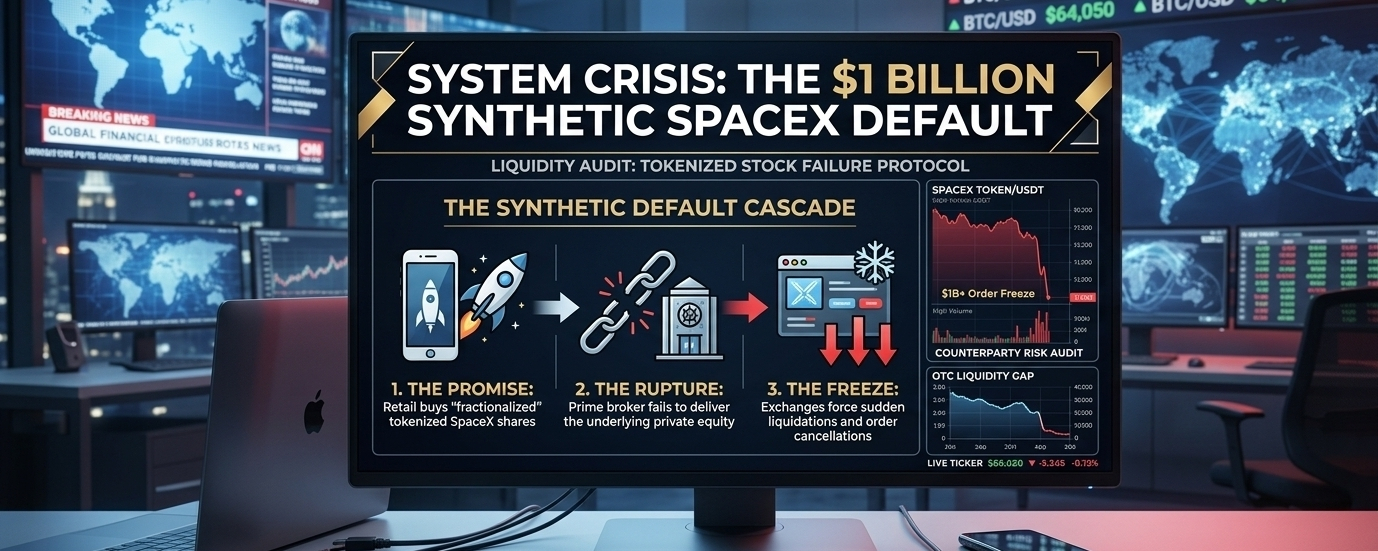
🚀 システム危機: 10億ドルのシンセティックスペースXデフォルト大規模な構造的破綻が中央集権的デジタル資産の世界に衝撃波を送りました。この24時間で、複数のTier-1の暗号プラットフォームが突然、宣伝していた「トークン化されたSpaceX」のプレIPO株式の提供を中止せざるを得なくなりました。
その影響は甚大です:推定10億ドルの小売顧客の買い注文が凍結され、キャンセルされ、または強制的に安定コインに清算されました。
[ シンセティックデフォルトカスケード ]
├── 1. 約束:小売が「分割化」されたトークン化されたSpaceX株を購入。
🚀 システム危機: 10億ドルのシンセティックスペースXデフォルト
大規模な構造的破綻が中央集権的デジタル資産の世界に衝撃波を送りました。この24時間で、複数のTier-1の暗号プラットフォームが突然、宣伝していた「トークン化されたSpaceX」のプレIPO株式の提供を中止せざるを得なくなりました。
その影響は甚大です:推定10億ドルの小売顧客の買い注文が凍結され、キャンセルされ、または強制的に安定コインに清算されました。
[ シンセティックデフォルトカスケード ]
├── 1. 約束:小売が「分割化」されたトークン化されたSpaceX株を購入。
その影響は甚大です:推定10億ドルの小売顧客の買い注文が凍結され、キャンセルされ、または強制的に安定コインに清算されました。
[ シンセティックデフォルトカスケード ]
├── 1. 約束:小売が「分割化」されたトークン化されたSpaceX株を購入。
2
36
🕵️♂️ よく見て: "偽" 売買壁が爆発
バイナンスのオーダーブックの深さチャートを見て、現在の価格のすぐ下に絶対的な買い注文の山があるのを見て、「完璧だ、大きなサポートフロアがここにある、安全に買える」と思ったことはありませんか?
それこそが、大口市場参加者があなたに考えさせたいことです。
スプーフィングとゴースト流動性の世界へようこそ。
これが、これらの「偽」壁が小口トレーダーに対して武器として使われるメカニズムの内訳です:
[ サポートの幻想 ]
├── 1. おとり: 大量のリミットオーダーが出される ──> 小口は安全だと感じ、ロングポジションを取る
├── 2. トラップ: 壁に向かって価格が下がる ──> ボットがオーダーをフラッシュキャンセル
└── 3. ワイプ: 流動性が消える ──> 価格がストップを通過する
📊 なぜこれらの壁は蒸発するのか
深さチャートに見える大量のリミットオーダーの90%は、実際には一度も執行されるつもりはありません。価格が近づくと、正確にミリ秒単位で引き戻すようにアルゴリズムでプログラムされています。彼らの全目的は、小口トレーダーをそのすぐ上で高レバレッジのロングポジションを取らせることによって、きれいなストップロスのクラスターを作ることです。
小口がおとりに引っかかると、壁は消え、市場マーケターはその空間に向かって積極的にマーケット売りをし、あなたのストップロスは彼らの安い出口の流動性になります。
システムの結論: 静的な深さチャートでの取引はやめましょう。買い壁が高ボリュームのマーケットオーダーでテストされたときにその地位を保持しない場合、それはゴーストです。実際のテープスピードと歴史的なオーダー実行を追跡し、休止しているリミットではなく。
#BinanceSquare #AlphaRoute #OrderBook #WhaleTracking #テクニカル分析
🕵️♂️ よく見て: "偽" 売買壁が爆発
バイナンスのオーダーブックの深さチャートを見て、現在の価格のすぐ下に絶対的な買い注文の山があるのを見て、「完璧だ、大きなサポートフロアがここにある、安全に買える」と思ったことはありませんか?
それこそが、大口市場参加者があなたに考えさせたいことです。
スプーフィングとゴースト流動性の世界へようこそ。
これが、これらの「偽」壁が小口トレーダーに対して武器として使われるメカニズムの内訳です:
[ サポートの幻想 ]
├── 1. おとり: 大量のリミットオーダーが出される ──> 小口は安全だと感じ、ロングポジションを取る
├── 2. トラップ: 壁に向かって価格が下がる ──> ボットがオーダーをフラッシュキャンセル
└── 3. ワイプ: 流動性が消える ──> 価格がストップを通過する
📊 なぜこれらの壁は蒸発するのか
深さチャートに見える大量のリミットオーダーの90%は、実際には一度も執行されるつもりはありません。価格が近づくと、正確にミリ秒単位で引き戻すようにアルゴリズムでプログラムされています。彼らの全目的は、小口トレーダーをそのすぐ上で高レバレッジのロングポジションを取らせることによって、きれいなストップロスのクラスターを作ることです。
小口がおとりに引っかかると、壁は消え、市場マーケターはその空間に向かって積極的にマーケット売りをし、あなたのストップロスは彼らの安い出口の流動性になります。
システムの結論: 静的な深さチャートでの取引はやめましょう。買い壁が高ボリュームのマーケットオーダーでテストされたときにその地位を保持しない場合、それはゴーストです。実際のテープスピードと歴史的なオーダー実行を追跡し、休止しているリミットではなく。
#BinanceSquare #AlphaRoute #OrderBook #WhaleTracking #テクニカル分析
バイナンスのオーダーブックの深さチャートを見て、現在の価格のすぐ下に絶対的な買い注文の山があるのを見て、「完璧だ、大きなサポートフロアがここにある、安全に買える」と思ったことはありませんか?
それこそが、大口市場参加者があなたに考えさせたいことです。
スプーフィングとゴースト流動性の世界へようこそ。
これが、これらの「偽」壁が小口トレーダーに対して武器として使われるメカニズムの内訳です:
[ サポートの幻想 ]
├── 1. おとり: 大量のリミットオーダーが出される ──> 小口は安全だと感じ、ロングポジションを取る
├── 2. トラップ: 壁に向かって価格が下がる ──> ボットがオーダーをフラッシュキャンセル
└── 3. ワイプ: 流動性が消える ──> 価格がストップを通過する
📊 なぜこれらの壁は蒸発するのか
深さチャートに見える大量のリミットオーダーの90%は、実際には一度も執行されるつもりはありません。価格が近づくと、正確にミリ秒単位で引き戻すようにアルゴリズムでプログラムされています。彼らの全目的は、小口トレーダーをそのすぐ上で高レバレッジのロングポジションを取らせることによって、きれいなストップロスのクラスターを作ることです。
小口がおとりに引っかかると、壁は消え、市場マーケターはその空間に向かって積極的にマーケット売りをし、あなたのストップロスは彼らの安い出口の流動性になります。
システムの結論: 静的な深さチャートでの取引はやめましょう。買い壁が高ボリュームのマーケットオーダーでテストされたときにその地位を保持しない場合、それはゴーストです。実際のテープスピードと歴史的なオーダー実行を追跡し、休止しているリミットではなく。
#BinanceSquare #AlphaRoute #OrderBook #WhaleTracking #テクニカル分析
2
65
⚠️ 隠れたチャート 90%のクリプトトレーダーが無視する
システムレイヤー: 相関行列プロトコル
BTC/USDTチャートだけを見てアルトコインのエントリーを予測しているなら、実質的に目隠しをして飛んでいるようなものだ。中型アルトコインで完璧な教科書的なブルパターンを見つけて、完璧に実行しても、すぐにストップアウトされることがある。
なぜ?それは本当の操り主であるビットコインドミナンス ($BTC .D) を無視しているからだ。
[ キャピタルローテーションフロー ]
├── BTCがポンピング + BTC.Dが上昇 ──> アルトコインが血を流す (資本がBTCに吸い取られる)
├── BTCがフラット + BTC.Dが下降 ──> ALTSEASON (資本がローテーション)
└── BTCが下降 + BTC.Dが上昇 ──> トータルマーケットワイプアウト (現金へのパニック)
📊 流動性マトリックスの読み方
資本はクリプトを非常に特定の機械的なシーケンスで動く。すべてに一度にヒットするわけではない。
基盤: フィアットとステーブルコインが最初にビットコインに流れ込み、価格とビットコインドミナンスを押し上げる。
レイヤー1シフト: BTCが一息つき、横ばいに固まると、大型資産 ($ETH , $SOL ) がキャッチアップラリーを始める。
投機的なフューズ: 大型資産がブレイクアウトした後にのみ、利益が中型やミームトークンに流れ込む。
BTC.Dが攻撃的に垂直なときにアルトコインのセットアップを購入すると、機関投資家のオーダーブックに対して負け戦を戦っていることになる。そのアルトコインから資本が引き出され、ビットコインのモメンタムを追いかけている。
システムの判断: お気に入りのトークンのRSI、MACD、またはオーダーブックの深さを確認する前に、$BTC.DとTOTAL3 (アルトコイン市場キャップ) のチャートを表示しよう。マクロ流動性構造がアルトコインのローテーションをサポートしていない場合は、購入ボタンを押さないこと。🧠⚡
#BinanceSquare #AlphaRoute #BitcoinDominance #Altseason
⚠️ 隠れたチャート 90%のクリプトトレーダーが無視する
システムレイヤー: 相関行列プロトコル
BTC/USDTチャートだけを見てアルトコインのエントリーを予測しているなら、実質的に目隠しをして飛んでいるようなものだ。中型アルトコインで完璧な教科書的なブルパターンを見つけて、完璧に実行しても、すぐにストップアウトされることがある。
なぜ?それは本当の操り主であるビットコインドミナンス ($BTC .D) を無視しているからだ。
[ キャピタルローテーションフロー ]
├── BTCがポンピング + BTC.Dが上昇 ──> アルトコインが血を流す (資本がBTCに吸い取られる)
├── BTCがフラット + BTC.Dが下降 ──> ALTSEASON (資本がローテーション)
└── BTCが下降 + BTC.Dが上昇 ──> トータルマーケットワイプアウト (現金へのパニック)
📊 流動性マトリックスの読み方
資本はクリプトを非常に特定の機械的なシーケンスで動く。すべてに一度にヒットするわけではない。
基盤: フィアットとステーブルコインが最初にビットコインに流れ込み、価格とビットコインドミナンスを押し上げる。
レイヤー1シフト: BTCが一息つき、横ばいに固まると、大型資産 ($ETH , $SOL ) がキャッチアップラリーを始める。
投機的なフューズ: 大型資産がブレイクアウトした後にのみ、利益が中型やミームトークンに流れ込む。
BTC.Dが攻撃的に垂直なときにアルトコインのセットアップを購入すると、機関投資家のオーダーブックに対して負け戦を戦っていることになる。そのアルトコインから資本が引き出され、ビットコインのモメンタムを追いかけている。
システムの判断: お気に入りのトークンのRSI、MACD、またはオーダーブックの深さを確認する前に、$BTC .DとTOTAL3 (アルトコイン市場キャップ) のチャートを表示しよう。マクロ流動性構造がアルトコインのローテーションをサポートしていない場合は、購入ボタンを押さないこと。🧠⚡
#BinanceSquare #AlphaRoute #BitcoinDominance #Altseason
システムレイヤー: 相関行列プロトコル
BTC/USDTチャートだけを見てアルトコインのエントリーを予測しているなら、実質的に目隠しをして飛んでいるようなものだ。中型アルトコインで完璧な教科書的なブルパターンを見つけて、完璧に実行しても、すぐにストップアウトされることがある。
なぜ?それは本当の操り主であるビットコインドミナンス ($BTC .D) を無視しているからだ。
[ キャピタルローテーションフロー ]
├── BTCがポンピング + BTC.Dが上昇 ──> アルトコインが血を流す (資本がBTCに吸い取られる)
├── BTCがフラット + BTC.Dが下降 ──> ALTSEASON (資本がローテーション)
└── BTCが下降 + BTC.Dが上昇 ──> トータルマーケットワイプアウト (現金へのパニック)
📊 流動性マトリックスの読み方
資本はクリプトを非常に特定の機械的なシーケンスで動く。すべてに一度にヒットするわけではない。
基盤: フィアットとステーブルコインが最初にビットコインに流れ込み、価格とビットコインドミナンスを押し上げる。
レイヤー1シフト: BTCが一息つき、横ばいに固まると、大型資産 ($ETH , $SOL ) がキャッチアップラリーを始める。
投機的なフューズ: 大型資産がブレイクアウトした後にのみ、利益が中型やミームトークンに流れ込む。
BTC.Dが攻撃的に垂直なときにアルトコインのセットアップを購入すると、機関投資家のオーダーブックに対して負け戦を戦っていることになる。そのアルトコインから資本が引き出され、ビットコインのモメンタムを追いかけている。
システムの判断: お気に入りのトークンのRSI、MACD、またはオーダーブックの深さを確認する前に、$BTC .DとTOTAL3 (アルトコイン市場キャップ) のチャートを表示しよう。マクロ流動性構造がアルトコインのローテーションをサポートしていない場合は、購入ボタンを押さないこと。🧠⚡
#BinanceSquare #AlphaRoute #BitcoinDominance #Altseason

FOLLOW UP
送り主:Ruwaiz Crypto
2
36
ログインして、さらにコンテンツを読む
厳選トピックで世界の暗号資産トレーダーの仲間入り
⚡️ 暗号資産に関する最新かつ有益な情報が見つかります。
💬 世界最大の暗号資産取引所から信頼されています。
👍 認証を受けたクリエイターから、有益なインサイトを得られます。
メール / 電話番号
トレンドトピック
1
#QNTRises287%
閲覧回数 0
0人が討論中
2
#TrumpRejectsAIRulesForVoluntaryAudits
閲覧回数 2,365
155人が討論中
3
#BitgetHotWalletBreachTiedToThirdPartySecurityFlaw
閲覧回数 1,104
112人が討論中
4
#OpenAIUnveilsAlwaysOnAgentDots
閲覧回数 2,218
158人が討論中
5
#ChainlinkLaunchesBankSWIFTLedgerFramework
閲覧回数 3,699
139人が討論中
6
#EarningsSeason
閲覧回数 451,647
3,388人が討論中
7
#SECChairWantsStockMarketsOnChain
閲覧回数 7,671
194人が討論中
8
#MulticoinInvestsInGrass
閲覧回数 4,741
141人が討論中
9
#CEARenamesToBNBStandardUnderBNC
閲覧回数 5,421
138人が討論中
10
#BitwiseLaunchesFirstSpotNEARETF
閲覧回数 61,507
771人が討論中