
#longtermanalysis
longtermanalysis
閲覧回数 229,400
179人が討論中
注目
最新

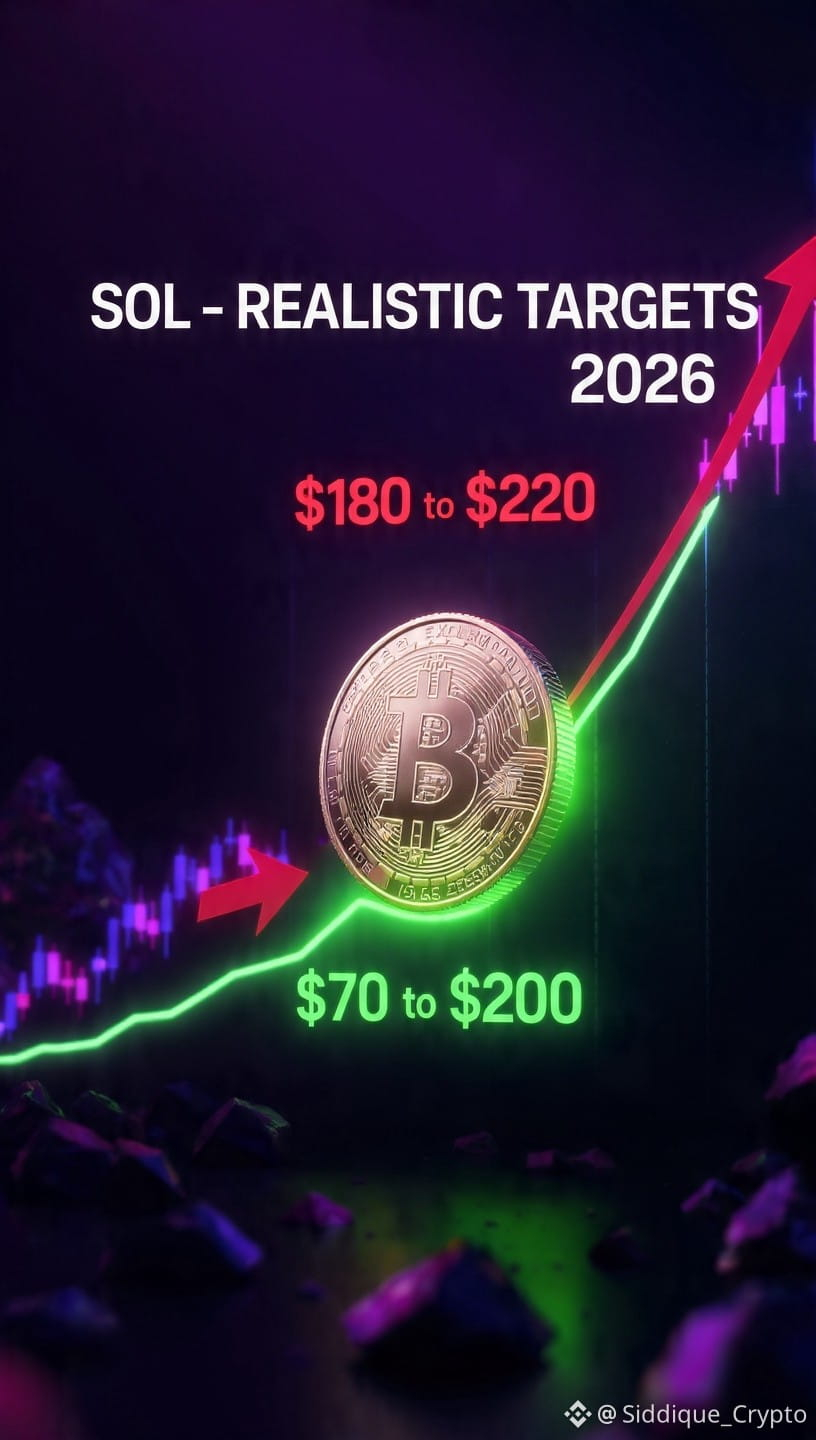
$SOLの長期分析 — 2026年の現実的なターゲット 📊👀
Crypto Twitterでは多くの人が2026年に$400-$500のSOLを予測しています。私の正直な見解をお伝えします。🧐
現在の市場構造:
📊 SOLは2025年から巨大な長期チャネル内で取引されています
⚠️ 明確なボトムが形成される前に、まだ少し下落する可能性があります
👀 今は忍耐がカギです
主要な抵抗問題:
🔴 上部トレンドライン抵抗は$180-$220付近に位置しています
🔴 このエリアは歴史的に主要な拒否ゾーンです
⚠️ ここをクリーンにブレイクするには相当なモメンタムが必要です
2026年に現実的なこと:
🎯 $170-$200 = 市場が強気であれば現実的な範囲
📈 短期的に$170-$200に向かう動きは確実に可能です
なぜ今年$400-$500は難しいのか:
SOLが$400-$500に到達するには:
✔️ 巨大なアルトシーズンのモメンタム
✔️ 極めて強いBTCの継続
✔️ 新たな小売流動性が市場に流入
✔️ 数年にわたるチャネルからの完全なブレイクアウト
重要なコンテキスト:
以前のサイクルは市場キャップが低く、はるかに攻撃的な小売FOMOがありました。このサイクルはよりレンジベースで流動性に焦点を当てているように感じます。📊
結論:
現実的な期待と適切なリスク管理は、盲目的なホピウムを常に上回ります。📈
DYOR — 投資アドバイスではありません!🙏
#solanAnalysis #SOL #CryptoAnalysisUpdate #LongTermAnalysis #dyor
$SOLの長期分析 — 2026年の現実的なターゲット 📊👀
Crypto Twitterでは多くの人が2026年に$400-$500のSOLを予測しています。私の正直な見解をお伝えします。🧐
現在の市場構造:
📊 SOLは2025年から巨大な長期チャネル内で取引されています
⚠️ 明確なボトムが形成される前に、まだ少し下落する可能性があります
👀 今は忍耐がカギです
主要な抵抗問題:
🔴 上部トレンドライン抵抗は$180-$220付近に位置しています
🔴 このエリアは歴史的に主要な拒否ゾーンです
⚠️ ここをクリーンにブレイクするには相当なモメンタムが必要です
2026年に現実的なこと:
🎯 $170-$200 = 市場が強気であれば現実的な範囲
📈 短期的に$170-$200に向かう動きは確実に可能です
なぜ今年$400-$500は難しいのか:
SOLが$400-$500に到達するには:
✔️ 巨大なアルトシーズンのモメンタム
✔️ 極めて強いBTCの継続
✔️ 新たな小売流動性が市場に流入
✔️ 数年にわたるチャネルからの完全なブレイクアウト
重要なコンテキスト:
以前のサイクルは市場キャップが低く、はるかに攻撃的な小売FOMOがありました。このサイクルはよりレンジベースで流動性に焦点を当てているように感じます。📊
結論:
現実的な期待と適切なリスク管理は、盲目的なホピウムを常に上回ります。📈
DYOR — 投資アドバイスではありません!🙏
#solanAnalysis #SOL #CryptoAnalysisUpdate #LongTermAnalysis #dyor
Crypto Twitterでは多くの人が2026年に$400-$500のSOLを予測しています。私の正直な見解をお伝えします。🧐
現在の市場構造:
📊 SOLは2025年から巨大な長期チャネル内で取引されています
⚠️ 明確なボトムが形成される前に、まだ少し下落する可能性があります
👀 今は忍耐がカギです
主要な抵抗問題:
🔴 上部トレンドライン抵抗は$180-$220付近に位置しています
🔴 このエリアは歴史的に主要な拒否ゾーンです
⚠️ ここをクリーンにブレイクするには相当なモメンタムが必要です
2026年に現実的なこと:
🎯 $170-$200 = 市場が強気であれば現実的な範囲
📈 短期的に$170-$200に向かう動きは確実に可能です
なぜ今年$400-$500は難しいのか:
SOLが$400-$500に到達するには:
✔️ 巨大なアルトシーズンのモメンタム
✔️ 極めて強いBTCの継続
✔️ 新たな小売流動性が市場に流入
✔️ 数年にわたるチャネルからの完全なブレイクアウト
重要なコンテキスト:
以前のサイクルは市場キャップが低く、はるかに攻撃的な小売FOMOがありました。このサイクルはよりレンジベースで流動性に焦点を当てているように感じます。📊
結論:
現実的な期待と適切なリスク管理は、盲目的なホピウムを常に上回ります。📈
DYOR — 投資アドバイスではありません!🙏
#solanAnalysis #SOL #CryptoAnalysisUpdate #LongTermAnalysis #dyor
118

·
--
#BTC
#LongTermAnalysis
BTCは現在約$59000で取引されており、ピークから50%以上下落しています。
次のサイクルに向けて選別したコインに投資するタイミングです。
今すぐ資金の25%を購入してください。
$BTC で、$5000下落するたびにデプロイして20%〜25%増やし、$40000まで買い進めてください。そして忘れてください
次のサイクルの目標は$250000。$BTC (2029)
同じ戦略を$ETH 、$SOL、$BNBにも適用してください
#BTC
#LongTermAnalysis
BTCは現在約$59000で取引されており、ピークから50%以上下落しています。
次のサイクルに向けて選別したコインに投資するタイミングです。
今すぐ資金の25%を購入してください。
$BTC で、$5000下落するたびにデプロイして20%〜25%増やし、$40000まで買い進めてください。そして忘れてください
次のサイクルの目標は$250000。$BTC (2029)
同じ戦略を$ETH 、$SOL、$BNBにも適用してください
#LongTermAnalysis
BTCは現在約$59000で取引されており、ピークから50%以上下落しています。
次のサイクルに向けて選別したコインに投資するタイミングです。
今すぐ資金の25%を購入してください。
$BTC で、$5000下落するたびにデプロイして20%〜25%増やし、$40000まで買い進めてください。そして忘れてください
次のサイクルの目標は$250000。$BTC (2029)
同じ戦略を$ETH 、$SOL、$BNBにも適用してください
99

$ADA 短期見通し。
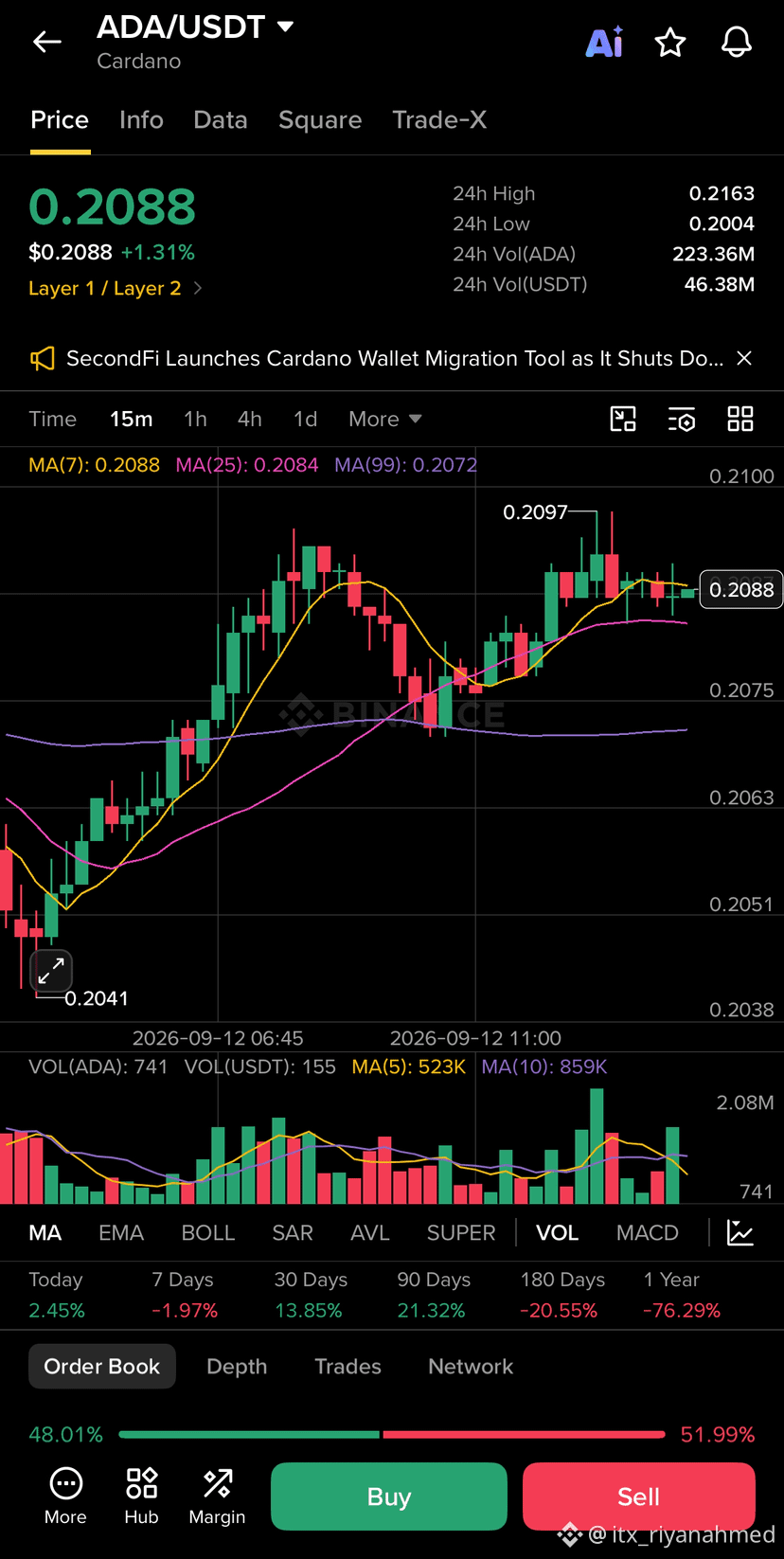
現在のサポート:$ADA は、$0.20付近で重要なサポートテストに直面しています。
慎重な見方:Changellyのような一部のアルゴリズムトラッカーは、市場の調整が深まった場合、平均的な取引レンジが$0.11〜$0.13程度まで下がる可能性があると見積もっています。
強気目標:楽観的な予測では、市場全体のモメンタムが改善すれば、$0.53以上へ向けた上昇が起こり得るとされています。
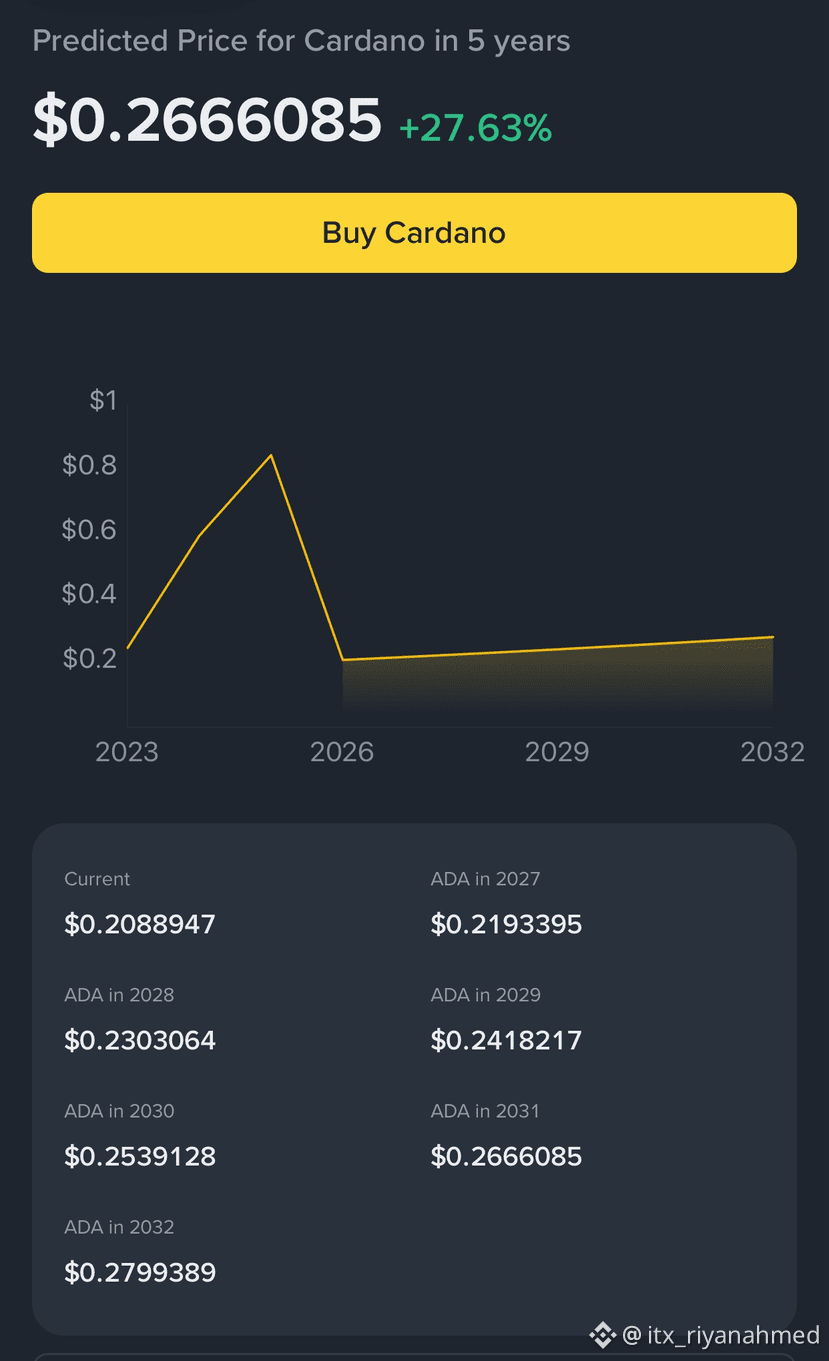
$ADA 長期予測:多くのアルゴリズムプラットフォームは、緩やかな回復局面のバンドを見込み、値動きは概ね$0.21〜$0.23の範囲で統合される(保ち合う)と予測しています。
2030年以降:長期見通しは依然として非常に不確実で、一部のモデルでは$0.25を示す一方、多年にわたる強気シナリオでは、生態系の採用状況に応じて、より高い節目を目標にしています。
#ADA #FutureTradingSignals #LongTermGain #LongTermAnalysis
{spot}(ADAUSDT)
$ADA 短期見通し。
現在のサポート:$ADA は、$0.20付近で重要なサポートテストに直面しています。
慎重な見方:Changellyのような一部のアルゴリズムトラッカーは、市場の調整が深まった場合、平均的な取引レンジが$0.11〜$0.13程度まで下がる可能性があると見積もっています。
強気目標:楽観的な予測では、市場全体のモメンタムが改善すれば、$0.53以上へ向けた上昇が起こり得るとされています。
$ADA 長期予測:多くのアルゴリズムプラットフォームは、緩やかな回復局面のバンドを見込み、値動きは概ね$0.21〜$0.23の範囲で統合される(保ち合う)と予測しています。
2030年以降:長期見通しは依然として非常に不確実で、一部のモデルでは$0.25を示す一方、多年にわたる強気シナリオでは、生態系の採用状況に応じて、より高い節目を目標にしています。
#ADA #FutureTradingSignals #LongTermGain #LongTermAnalysis
現在のサポート:$ADA は、$0.20付近で重要なサポートテストに直面しています。
慎重な見方:Changellyのような一部のアルゴリズムトラッカーは、市場の調整が深まった場合、平均的な取引レンジが$0.11〜$0.13程度まで下がる可能性があると見積もっています。
強気目標:楽観的な予測では、市場全体のモメンタムが改善すれば、$0.53以上へ向けた上昇が起こり得るとされています。
$ADA 長期予測:多くのアルゴリズムプラットフォームは、緩やかな回復局面のバンドを見込み、値動きは概ね$0.21〜$0.23の範囲で統合される(保ち合う)と予測しています。
2030年以降:長期見通しは依然として非常に不確実で、一部のモデルでは$0.25を示す一方、多年にわたる強気シナリオでは、生態系の採用状況に応じて、より高い節目を目標にしています。
#ADA #FutureTradingSignals #LongTermGain #LongTermAnalysis
1
84
$SOL 長期予測;
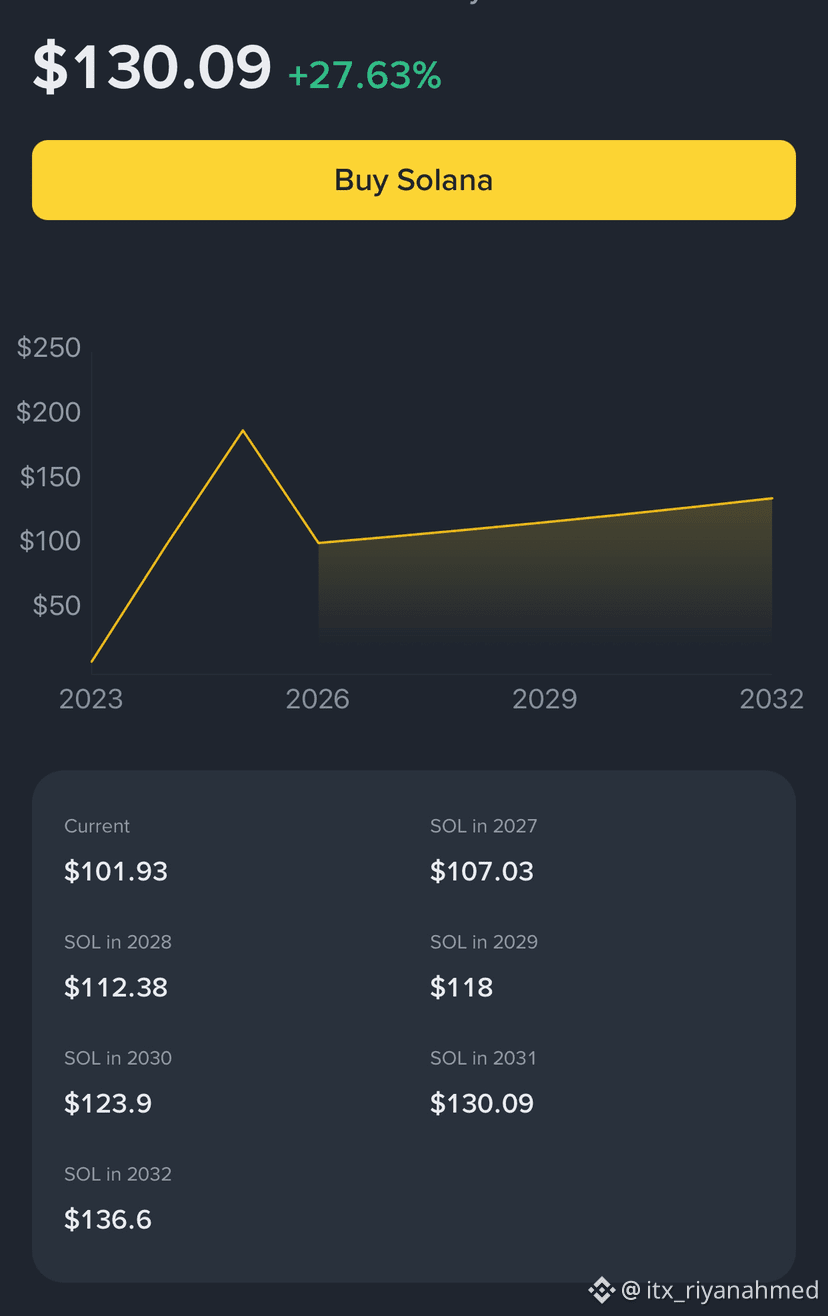
強気見通し: スタンダード・チャータードのような主要機関は、$SOL が2030年までに500ドルから2,000ドルまで上昇する可能性があると予測している。これは、トークン化された現実世界資産(RWA)の幅広い採用とマイクロペイメントに依存している。
ベース見通し: VanEckのようなプラットフォームの慎重な推計では、ネットワーク活動が高い状態で推移する場合、2030年の目標は330~350ドル程度にとどまる。
弱気リスク: マクロ環境が悪化するか、採用が停滞すれば、価格は50ドル未満の重要なサポート水準付近まで下落する可能性がある。
#solana #FutureTradingSignals #LongTermAnalysis #LongTermGain
{spot}(SOLUSDT)
$SOL 長期予測;
強気見通し: スタンダード・チャータードのような主要機関は、$SOL が2030年までに500ドルから2,000ドルまで上昇する可能性があると予測している。これは、トークン化された現実世界資産(RWA)の幅広い採用とマイクロペイメントに依存している。
ベース見通し: VanEckのようなプラットフォームの慎重な推計では、ネットワーク活動が高い状態で推移する場合、2030年の目標は330~350ドル程度にとどまる。
弱気リスク: マクロ環境が悪化するか、採用が停滞すれば、価格は50ドル未満の重要なサポート水準付近まで下落する可能性がある。
#solana #FutureTradingSignals #LongTermAnalysis #LongTermGain
強気見通し: スタンダード・チャータードのような主要機関は、$SOL が2030年までに500ドルから2,000ドルまで上昇する可能性があると予測している。これは、トークン化された現実世界資産(RWA)の幅広い採用とマイクロペイメントに依存している。
ベース見通し: VanEckのようなプラットフォームの慎重な推計では、ネットワーク活動が高い状態で推移する場合、2030年の目標は330~350ドル程度にとどまる。
弱気リスク: マクロ環境が悪化するか、採用が停滞すれば、価格は50ドル未満の重要なサポート水準付近まで下落する可能性がある。
#solana #FutureTradingSignals #LongTermAnalysis #LongTermGain
1
36


·
--
ブリッシュ
$STABLE
#LongTermAnalysis
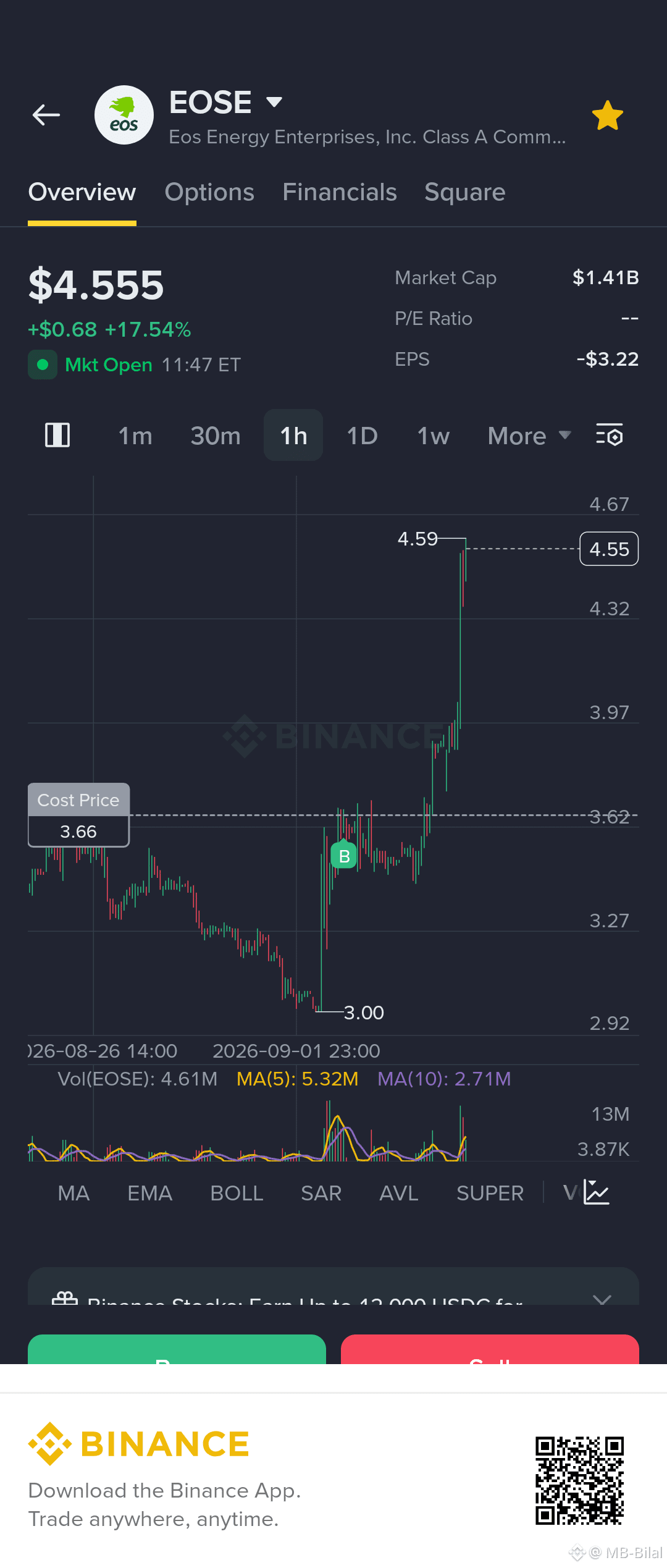
エントリー: 0.02775 (あなたの0.027 – 0.02850ゾーンの中間)
ストップロス: エントリーから10% → ≈ 0.024975
タップ 1 : 0.033 -
タップ 2 : 0.0377
タップ 3 : 0.044
タップ 4 : 0.05
別々のタップの使い方:
• 推奨スケーリング: TP1で30-40%、TP2で30%、TP3で20%、残りはTP4またはトレールで。
• 5倍のレバレッジを使うと、実際のリターンが掛け算される(上記の通り)が、リスクも同様に増加 — エントリーから約-20%の動きで清算される可能性がある。
現在の状況: 価格が今日のポンプ後にエントリーゾーン付近をテスト中。0.025のサポートを維持することが継続の鍵。
$STABLE
#LongTermAnalysis
エントリー: 0.02775 (あなたの0.027 – 0.02850ゾーンの中間)
ストップロス: エントリーから10% → ≈ 0.024975
タップ 1 : 0.033 -
タップ 2 : 0.0377
タップ 3 : 0.044
タップ 4 : 0.05
別々のタップの使い方:
• 推奨スケーリング: TP1で30-40%、TP2で30%、TP3で20%、残りはTP4またはトレールで。
• 5倍のレバレッジを使うと、実際のリターンが掛け算される(上記の通り)が、リスクも同様に増加 — エントリーから約-20%の動きで清算される可能性がある。
現在の状況: 価格が今日のポンプ後にエントリーゾーン付近をテスト中。0.025のサポートを維持することが継続の鍵。
#LongTermAnalysis
エントリー: 0.02775 (あなたの0.027 – 0.02850ゾーンの中間)
ストップロス: エントリーから10% → ≈ 0.024975
タップ 1 : 0.033 -
タップ 2 : 0.0377
タップ 3 : 0.044
タップ 4 : 0.05
別々のタップの使い方:
• 推奨スケーリング: TP1で30-40%、TP2で30%、TP3で20%、残りはTP4またはトレールで。
• 5倍のレバレッジを使うと、実際のリターンが掛け算される(上記の通り)が、リスクも同様に増加 — エントリーから約-20%の動きで清算される可能性がある。
現在の状況: 価格が今日のポンプ後にエントリーゾーン付近をテスト中。0.025のサポートを維持することが継続の鍵。
202

·
--
ブリッシュ

1
4k

·
--
記事
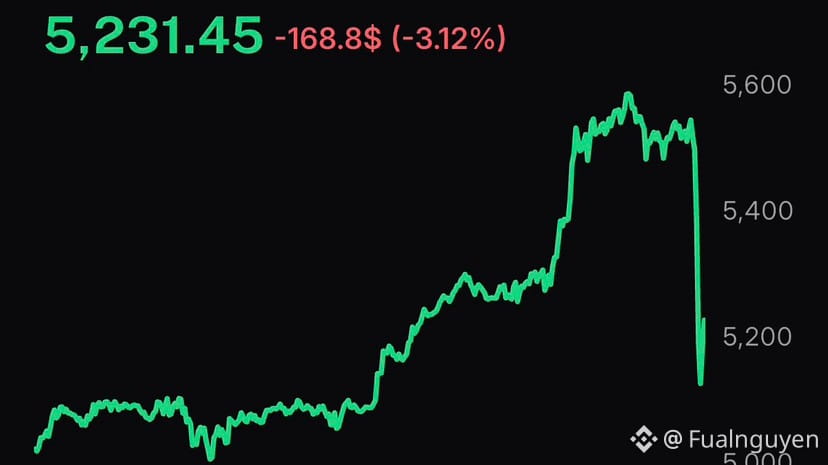
金の突然の下落は流動性の脆弱性と過剰なデリバティブレバレッジを浮き彫りにする金価格は本日急激かつ突然の下落を経験し、セッションの初めに記録的な高値を更新した後、4%以上の下落を見せました。投資家たちは高まるボラティリティの中で利益を確定しました。この突然の動きは、新たなマクロ経済の発展が限られているにもかかわらず起こり、市場における深い構造的ダイナミクスを強調しています。
この売りにおける核心は、スポット市場における実際の流動性の減少によって引き起こされる脆弱性です。物理的な買い興味が十分に深くない場合、価格は短期的な資本の流入および投機的なポジショニングに対してますます敏感になり、従来の供給と需要の基本原則から外れます。
金の突然の下落は流動性の脆弱性と過剰なデリバティブレバレッジを浮き彫りにする
金価格は本日急激かつ突然の下落を経験し、セッションの初めに記録的な高値を更新した後、4%以上の下落を見せました。投資家たちは高まるボラティリティの中で利益を確定しました。この突然の動きは、新たなマクロ経済の発展が限られているにもかかわらず起こり、市場における深い構造的ダイナミクスを強調しています。
この売りにおける核心は、スポット市場における実際の流動性の減少によって引き起こされる脆弱性です。物理的な買い興味が十分に深くない場合、価格は短期的な資本の流入および投機的なポジショニングに対してますます敏感になり、従来の供給と需要の基本原則から外れます。
この売りにおける核心は、スポット市場における実際の流動性の減少によって引き起こされる脆弱性です。物理的な買い興味が十分に深くない場合、価格は短期的な資本の流入および投機的なポジショニングに対してますます敏感になり、従来の供給と需要の基本原則から外れます。
5
1
8
3.9k

$XRP AT $20 を実現するには、1兆ドル規模の時価総額が必要 🔥
目標:20 🚀
XRP は現在およそ $1.08 で取引されています。$20 への到達は 1,750% の上昇を意味し、時価総額は約 $1.21 兆となります——これはビットコインが最も強い局面で見せた評価に匹敵します。歴史をみると、XRP は 2018 年に $3.84 で最高値を付けています。したがって、この目標は過去最高値を大幅に上回ることになります。達成するには、強気のサイクルだけでなく、機関投資家による決済の採用、XRPL 上での広範なトークン化、そして暗号資産市場が $10 兆を超えることが必要です。
現在の流動性とその評価額の差は非常に大きいです。これを埋めるだけの十分な触媒が積み上がると思いますか?
投資助言ではありません。常にリスクを管理してください。
#XRP #LongTermAnalysis #InstitutionalAdoption #Tokenization #Crypto
🔥
$XRP AT $20 を実現するには、1兆ドル規模の時価総額が必要 🔥
目標:20 🚀
XRP は現在およそ $1.08 で取引されています。$20 への到達は 1,750% の上昇を意味し、時価総額は約 $1.21 兆となります——これはビットコインが最も強い局面で見せた評価に匹敵します。歴史をみると、XRP は 2018 年に $3.84 で最高値を付けています。したがって、この目標は過去最高値を大幅に上回ることになります。達成するには、強気のサイクルだけでなく、機関投資家による決済の採用、XRPL 上での広範なトークン化、そして暗号資産市場が $10 兆を超えることが必要です。
現在の流動性とその評価額の差は非常に大きいです。これを埋めるだけの十分な触媒が積み上がると思いますか?
投資助言ではありません。常にリスクを管理してください。
#XRP #LongTermAnalysis #InstitutionalAdoption #Tokenization #Crypto
🔥
目標:20 🚀
XRP は現在およそ $1.08 で取引されています。$20 への到達は 1,750% の上昇を意味し、時価総額は約 $1.21 兆となります——これはビットコインが最も強い局面で見せた評価に匹敵します。歴史をみると、XRP は 2018 年に $3.84 で最高値を付けています。したがって、この目標は過去最高値を大幅に上回ることになります。達成するには、強気のサイクルだけでなく、機関投資家による決済の採用、XRPL 上での広範なトークン化、そして暗号資産市場が $10 兆を超えることが必要です。
現在の流動性とその評価額の差は非常に大きいです。これを埋めるだけの十分な触媒が積み上がると思いますか?
投資助言ではありません。常にリスクを管理してください。
#XRP #LongTermAnalysis #InstitutionalAdoption #Tokenization #Crypto
🔥
42
·
--
記事
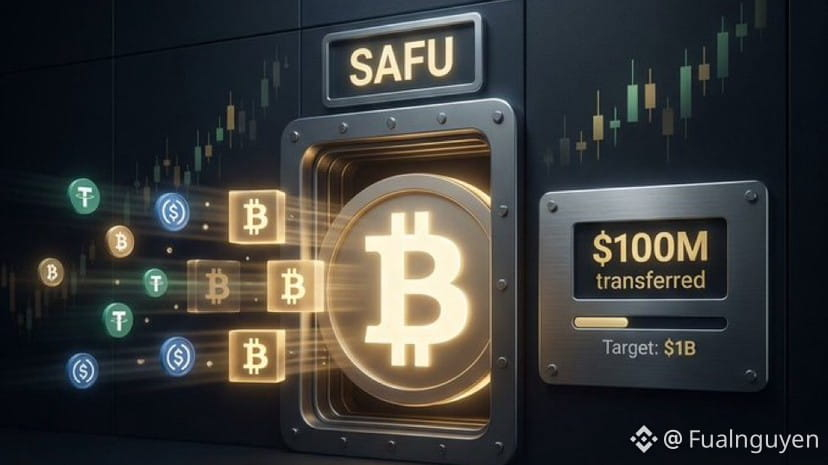
市場のボラティリティの中でのBINANCEと力の声明最近の市場の下落にもかかわらず、流動性は暗号エコシステムから退出しておらず、むしろ積極的に再配置されています。過去7日間で、バイナンスは9億4900万ドルの圧倒的な取引所への流入を記録し、デリビットやジェミニのそれぞれ約2億1400万ドルを大きく上回っています。対照的に、OKX、ゲート、Crypto.comは約1億4900万ドルの合計流出を見ており、明らかに市場の最大の流動性ハブへの資本のローテーションを示しています。純流入がプラスであることは、トレーダーや機関が関与を続けており、退出するのではなくアクションに備えて取引所に資本を移動していることを示唆しており、市場を潜在的な大きな動きの前にセンシティブなゾーンに置いています。
市場のボラティリティの中でのBINANCEと力の声明
最近の市場の下落にもかかわらず、流動性は暗号エコシステムから退出しておらず、むしろ積極的に再配置されています。過去7日間で、バイナンスは9億4900万ドルの圧倒的な取引所への流入を記録し、デリビットやジェミニのそれぞれ約2億1400万ドルを大きく上回っています。対照的に、OKX、ゲート、Crypto.comは約1億4900万ドルの合計流出を見ており、明らかに市場の最大の流動性ハブへの資本のローテーションを示しています。純流入がプラスであることは、トレーダーや機関が関与を続けており、退出するのではなくアクションに備えて取引所に資本を移動していることを示唆しており、市場を潜在的な大きな動きの前にセンシティブなゾーンに置いています。
14
1
15
4.5k

·
--
ブリッシュ
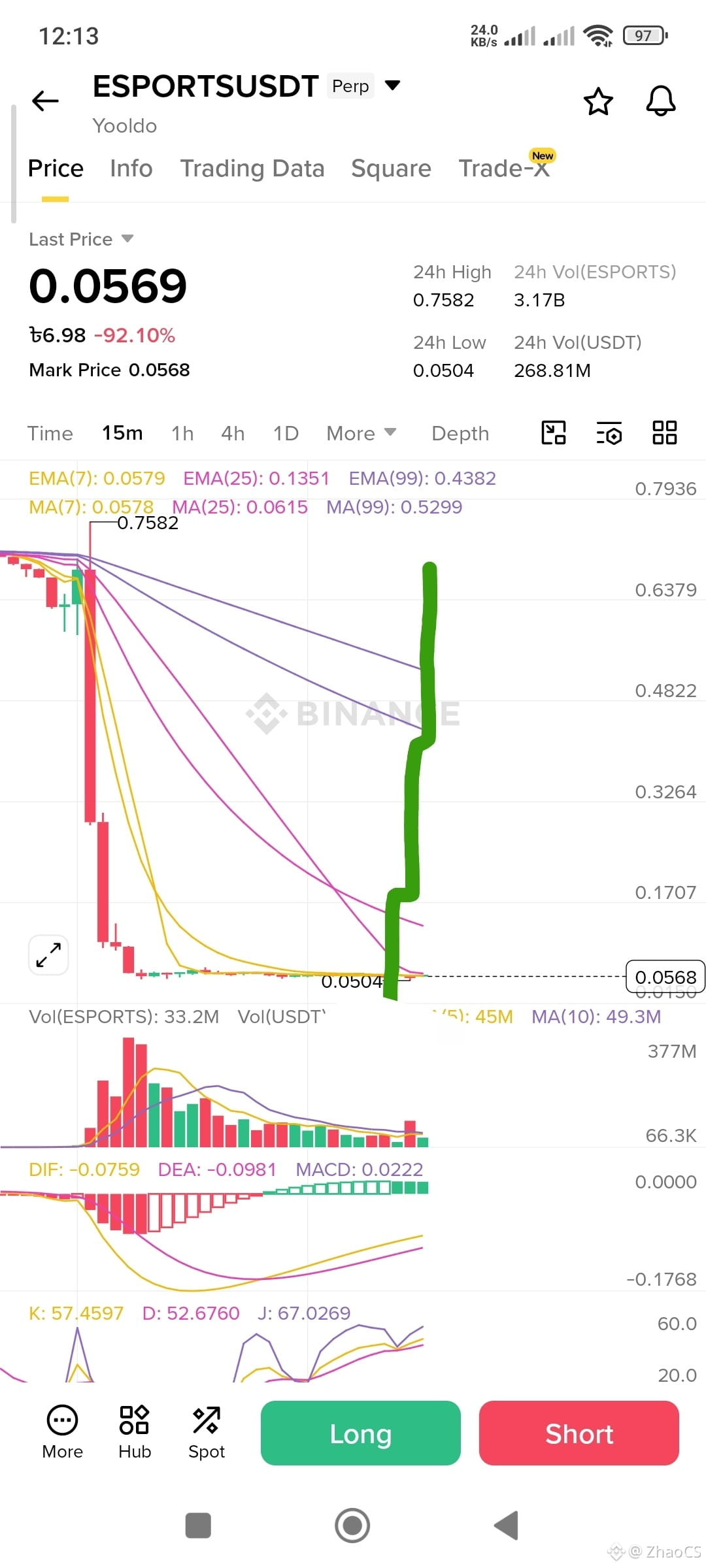
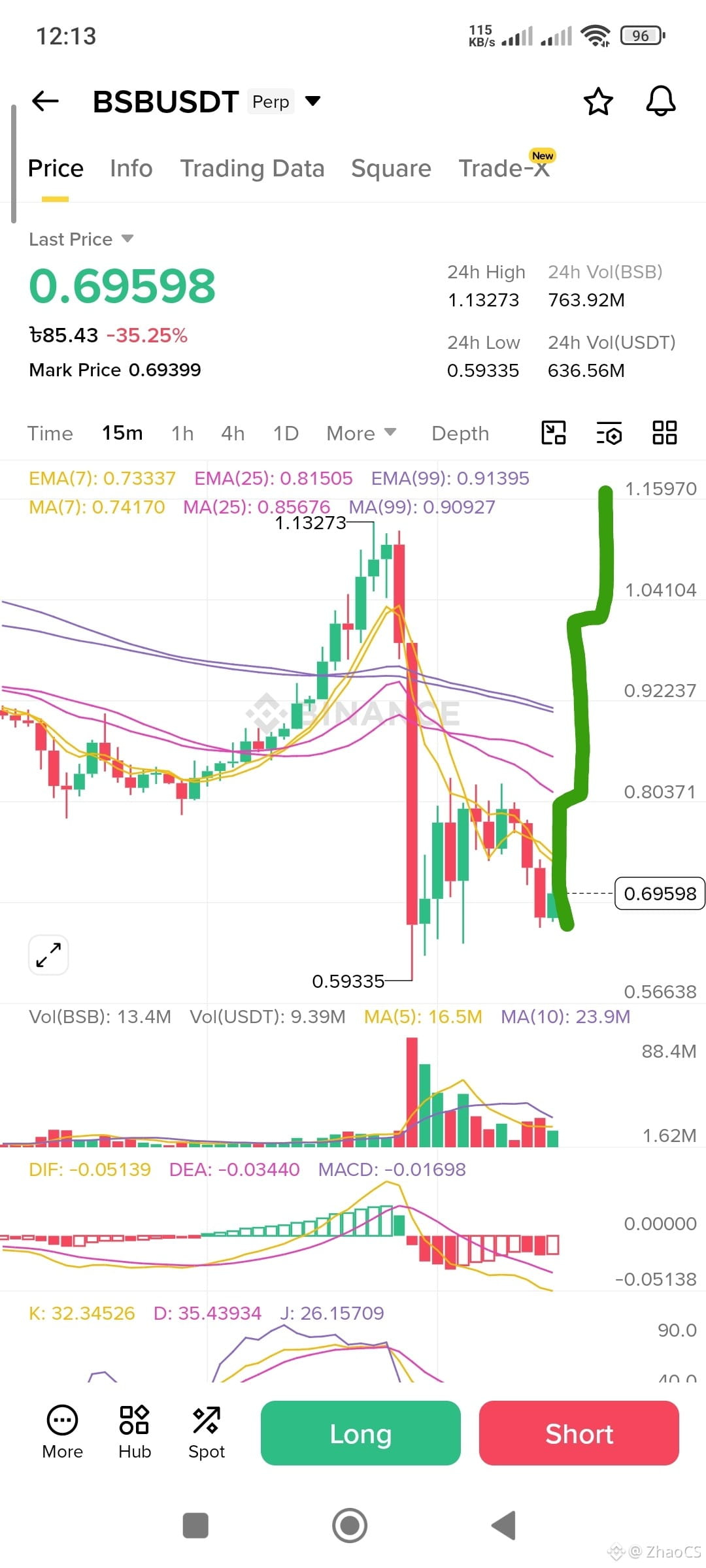
🚨 リスクなしで利益 💰📈 💯
1: $ESPORTS 50%🚀
2: $BSB 30%🚀🚀
私はトップ2のコインでロングポジションを取ってホールド中 🔥💎
みんなが上昇にしか注目していない間に 👀📊
私は別の視点で下落にも目を光らせている 😈📉
このマーケットでは、賢い動きが真のゲームチェンジャー ⚡🐋
忍耐 + 戦略 = 利益 💰🚀
#Crypto #TradingSignals #LongTermAnalysis #ALTCOİNS
🚨 リスクなしで利益 💰📈 💯
1: $ESPORTS 50%🚀
2: $BSB 30%🚀🚀
私はトップ2のコインでロングポジションを取ってホールド中 🔥💎
みんなが上昇にしか注目していない間に 👀📊
私は別の視点で下落にも目を光らせている 😈📉
このマーケットでは、賢い動きが真のゲームチェンジャー ⚡🐋
忍耐 + 戦略 = 利益 💰🚀
#Crypto #TradingSignals #LongTermAnalysis #ALTCOİNS
1: $ESPORTS 50%🚀
2: $BSB 30%🚀🚀
私はトップ2のコインでロングポジションを取ってホールド中 🔥💎
みんなが上昇にしか注目していない間に 👀📊
私は別の視点で下落にも目を光らせている 😈📉
このマーケットでは、賢い動きが真のゲームチェンジャー ⚡🐋
忍耐 + 戦略 = 利益 💰🚀
#Crypto #TradingSignals #LongTermAnalysis #ALTCOİNS
796
ログインして、さらにコンテンツを読む
厳選トピックで世界の暗号資産トレーダーの仲間入り
⚡️ 暗号資産に関する最新かつ有益な情報が見つかります。
💬 世界最大の暗号資産取引所から信頼されています。
👍 認証を受けたクリエイターから、有益なインサイトを得られます。
メール / 電話番号
トレンドトピック
1
#BitcoinReboundsTo$79K
閲覧回数 27,179
241人が討論中
2
#USDCOnChainVolumeTops$100Trillion
閲覧回数 58
9人が討論中
3
#BitcoinSpotETFsNetInflow$160M
閲覧回数 983
59人が討論中
4
#SouthKoreaCryptoTaxDelayPetitionTops50000
閲覧回数 19,873
596人が討論中
5
#SolanaTransactionV1GoesLiveOnMainnet
閲覧回数 13,757
393人が討論中
6
#RussianCentralBankFlagsCryptoAsFinancialRisk
閲覧回数 10,618
339人が討論中
7
#GrayscalePutsXRPAt26.11%InAdvisorPortfolio
閲覧回数 25,976
467人が討論中
8
#PhiladelphiaSemiconductorIndexFalls5.9%
閲覧回数 10,437
289人が討論中
9
#SECChairUrgesCongressToAdvanceClarityAct
閲覧回数 25,152
314人が討論中
10
#FedHikeOddsRiseTo89%
閲覧回数 127,238
1,355人が討論中